Our verdict
Il Piccolo Mondo sits on Via Aurora in Rome's Veneto quarter, a street address that places it within walking distance of some of the city's most formal dining rooms while occupying a quieter register. For visitors tracking Roman restaurant traditions alongside contemporary Italian technique, this address rewards closer attention across any season.

Pearl is the En Primeur Club membership app, where members save venues, book tables and use the concierge.

The menu
What to order
- Spaghetti Vongole
- Mont Blanc dessert
- Cacio e Pepe
Via Aurora and the Veneto Quarter: Reading the Address
Rome's Via Aurora runs parallel to Via Veneto, one of the city's most legible restaurant corridors, where the density of formal dining rooms reflects decades of diplomatic traffic and luxury hotel custom. Arriving on foot from the Barberini end, the street narrows slightly before the numbered addresses climb toward the thirties. The neighbourhood context matters here: this is not the tourist-facing trattoria belt around the Pantheon, nor the tasting-menu enclave that has consolidated further north near Prati. The Veneto quarter occupies a middle register, historically associated with a kind of Roman formality that predates the city's more recent turn toward contemporary Italian cuisine.
That tradition of formality is worth unpacking, because it shapes what visitors expect from any address here. Rome's top tier currently includes La Pergola, the only three-Michelin-star table in the city, which operates from the Cavalieri hilltop with a format and price point that places it in a different competitive set entirely. Below that, a cluster of creative and contemporary addresses, including Acquolina, Enoteca La Torre, and Il Pagliaccio, have established Rome as a credible destination for technique-led Italian cooking. Il Piccolo Mondo on Via Aurora sits within a neighbourhood that connects both traditions, the old and the evolving.
Local Ingredients, Global Technique: The Framework That Defines This Generation
To understand where a Roman address fits in 2024, it helps to understand the broader movement reshaping Italian fine dining. Across the peninsula, the most discussed kitchens are those negotiating the same tension: how much weight to give to regional product fidelity versus the application of methods absorbed from international training or cross-border influence. This is the question that defines the current Italian restaurant conversation as much as any single dish or chef.
At the sharp end of that conversation nationally, you find tables like Osteria Francescana in Modena, Le Calandre in Rubano, and Piazza Duomo in Alba, each resolving the indigenous-versus-international tension in a different way. Coastal kitchens like Uliassi in Senigallia and Quattro Passi in Marina del Cantone lean on proximity to specific waters. Mountain-rooted formats such as Atelier Moessmer Norbert Niederkofler in Brunico have taken the local-product mandate to something close to doctrine. In Lazio, the same forces apply, but with a different raw material profile: guanciale, pecorino, abbacchio, offal, and the bitter greens of the Castelli Romani form a pantry that rewards restraint as much as transformation.
Rome's more progressive tables, including Achilli al Parlamento, have demonstrated that Lazio's indigenous products hold up well against technical application without losing their regional character. That is the editorial point worth holding: the city's cooking identity does not require exotic imports to be interesting. The Roman pantry is deep enough.
Positioning within Rome's Restaurant Tier
Rome's creative and contemporary dining tier at the €€€€ price point now includes a consistent set of addresses: Enoteca La Torre and Il Pagliaccio represent the more formally structured end of that group, with tasting menus that run to multiple courses and wine lists oriented toward Italian producers with serious cellar depth. Idylio by Apreda, operating from within the Pantheon-area hotel corridor, represents the modern-Italian-contemporary strand. Each of these positions itself differently relative to the Rome trattoria tradition, some referencing it explicitly through ingredients, others departing from it entirely in format and presentation logic.
Il Piccolo Mondo at Via Aurora, 39 occupies the Veneto quarter, which means its competitive reference points include both the formal legacy dining of this corridor and the technique-forward contemporary addresses elsewhere in the city. For visitors building a Rome itinerary around restaurants, the address functions as a neighbourhood anchor distinct from the Trastevere circuit or the tasting-menu cluster near the historic centre.
For broader Italian context across regions, Dal Pescatore in Runate, Enoteca Pinchiorri in Florence, Enrico Bartolini in Milan, and Reale in Castel di Sangro each illustrate how different regions are resolving the same local-versus-global question. Internationally, the conversation has analogues: Le Bernardin in New York City and Atomix in New York City both demonstrate how indigenous product logic translates into formal tasting formats in non-European contexts.
Planning Your Visit: Seasonal Timing and Practical Notes
Rome's restaurant rhythm follows tourism pressure closely. The spring and autumn windows, roughly March through May and September through November, are when the city's dining rooms operate at their most considered pace, with seasonal Lazio produce at its most expressive: spring brings artichokes from Ladispoli and Cerveteri, autumn delivers porcini from the Castelli hills and the first cold-weather cuts that suit Roman braise-based cooking. Visiting during peak summer means competing with higher table turnover and, at addresses near Via Veneto, a clientele skewed more toward international hotel guests than the local professional crowd that frequents these rooms in shoulder season.
For any formal Roman address at this tier, it is reasonable to allow at least two to four weeks of lead time for a booking, longer if your dates fall within major Italian public holidays or the spring fashion and trade calendar that draws visitors to multiple Italian cities in sequence. Via Aurora is accessible on foot from both the Barberini and Repubblica metro stops, making arrival direct without a car. The dress code expectation in the Veneto quarter defaults to smart-casual at minimum; in the more formal rooms on this corridor, jacket preference is common at dinner.
For a full view of where this address sits among Rome's current restaurant generation, the EP Club Rome restaurants guide maps the city's dining options by neighbourhood, price tier, and format, including the creative tables and legacy rooms that define the current field.
Frequently asked questions
Where exactly is Il Piccolo Mondo?
Il Piccolo Mondo is located at Via Aurora, 39, 00187 Roma RM, Italy, Rome.
Is Il Piccolo Mondo in Rome suitable for a business dinner?
The address at Via Aurora 39 in Rome's Veneto quarter has historically been associated with formal and semi-formal dining, making it a plausible setting for a business meal in the traditional Roman sense. The neighbourhood's dining corridors have long attracted a professional clientele given their proximity to central Rome's embassy and commercial districts.
What dish is Il Piccolo Mondo famous for?
The specific menu highlights at Il Piccolo Mondo are not formally documented in the public record, which is consistent with many traditional Roman addresses that rotate their offerings by season and supplier. Given the restaurant's position on Via Aurora in the Veneto quarter, a corridor associated with classical Italian cooking, expect the kitchen to follow Roman and broader Italian seasonal conventions rather than a signature showpiece dish.
How far ahead should I plan for Il Piccolo Mondo?
Rome's formal dining rooms in the Via Veneto corridor tend to fill quickly during the spring window (March–May) and again in autumn (September–November), which are the city's two peak reservation periods. For weekend tables during those months, booking two to three weeks ahead is advisable. Weekday availability mid-season is generally more accessible, though no official booking window for Il Piccolo Mondo is publicly confirmed.
What is Il Piccolo Mondo known for?
Il Piccolo Mondo occupies an address at Via Aurora 39, placing it in the Veneto quarter of central Rome, one of the city's more established formal dining corridors. The restaurant sits within a neighbourhood whose dining identity has been shaped by decades of traditional and contemporary Italian practice.
What if I have allergies at Il Piccolo Mondo?
No allergy or dietary accommodation policy for Il Piccolo Mondo is formally published. Standard practice at Roman restaurants in this tier is to communicate dietary requirements at the time of booking or on arrival, giving the kitchen time to adjust.
Comparable Venues
Comparable venues nearby, for context on price, style, and recognition.
| Venue | Cuisine | Price | Notes |
|---|---|---|---|
| Il Piccolo MondoThis venue (the venue you are viewing) | Traditional Roman Italian with Seafood | $30–50 | Not listed |
| Contempo | Modern Roman Italian | $50–100 | Trastevere |
| Pommidoro dal 1890 Ristorante | Traditional Roman Trattoria | Not listed | Tiburtino |
| Da Tullio | Classic Roman Trattoria | $50–100 | Trevi |
| B24 Roma | Contemporary Italian | $30–50 | Trevi |
| Ristorante Terrazza Ciampini di Marco Ciampini | Traditional Roman-Italian Terrace Dining | $50–100 | Campo Marzio |
Continue exploring
More in Rome
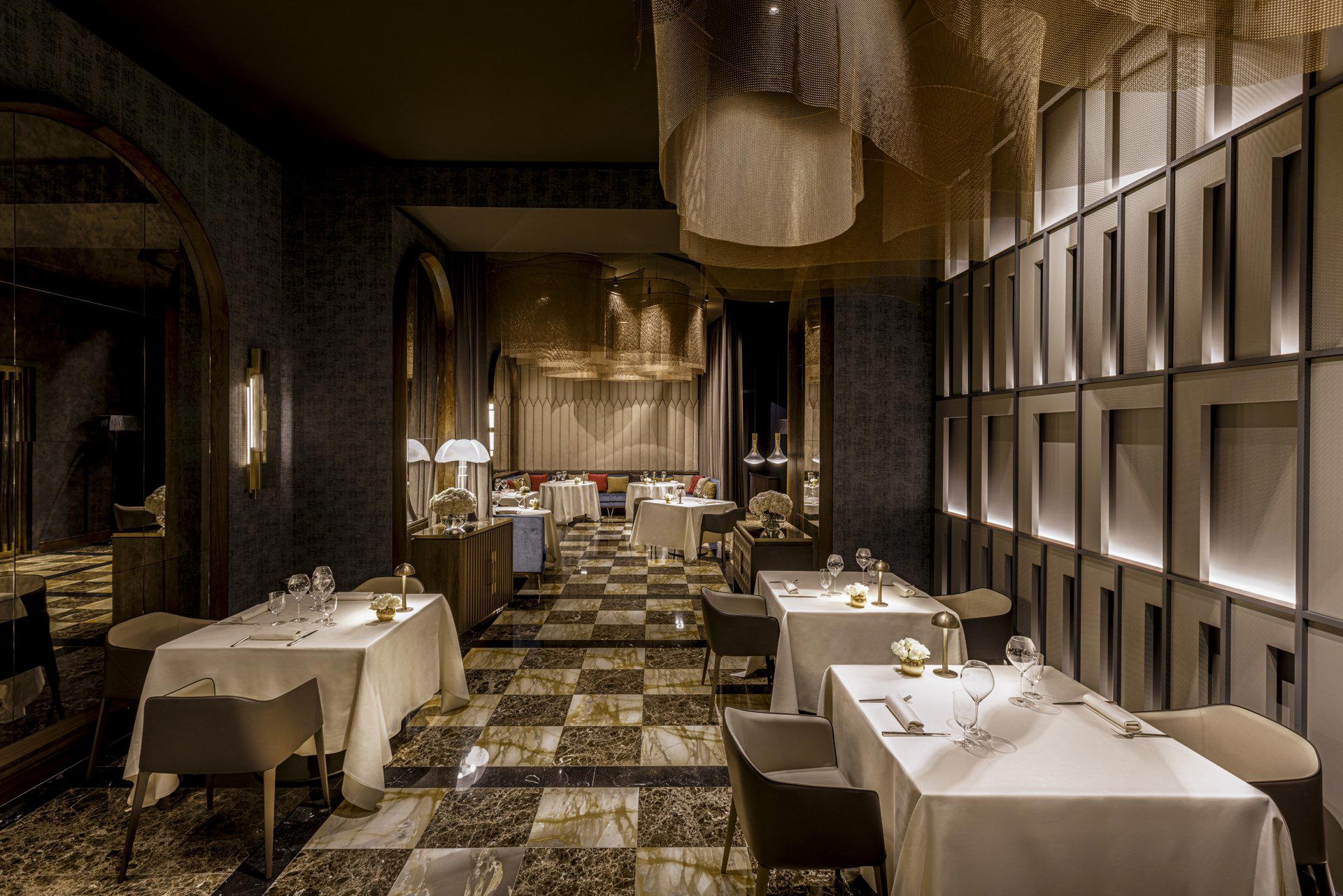
Restaurants in Rome
All restaurants in Rome →
Bars in Rome
All bars in Rome →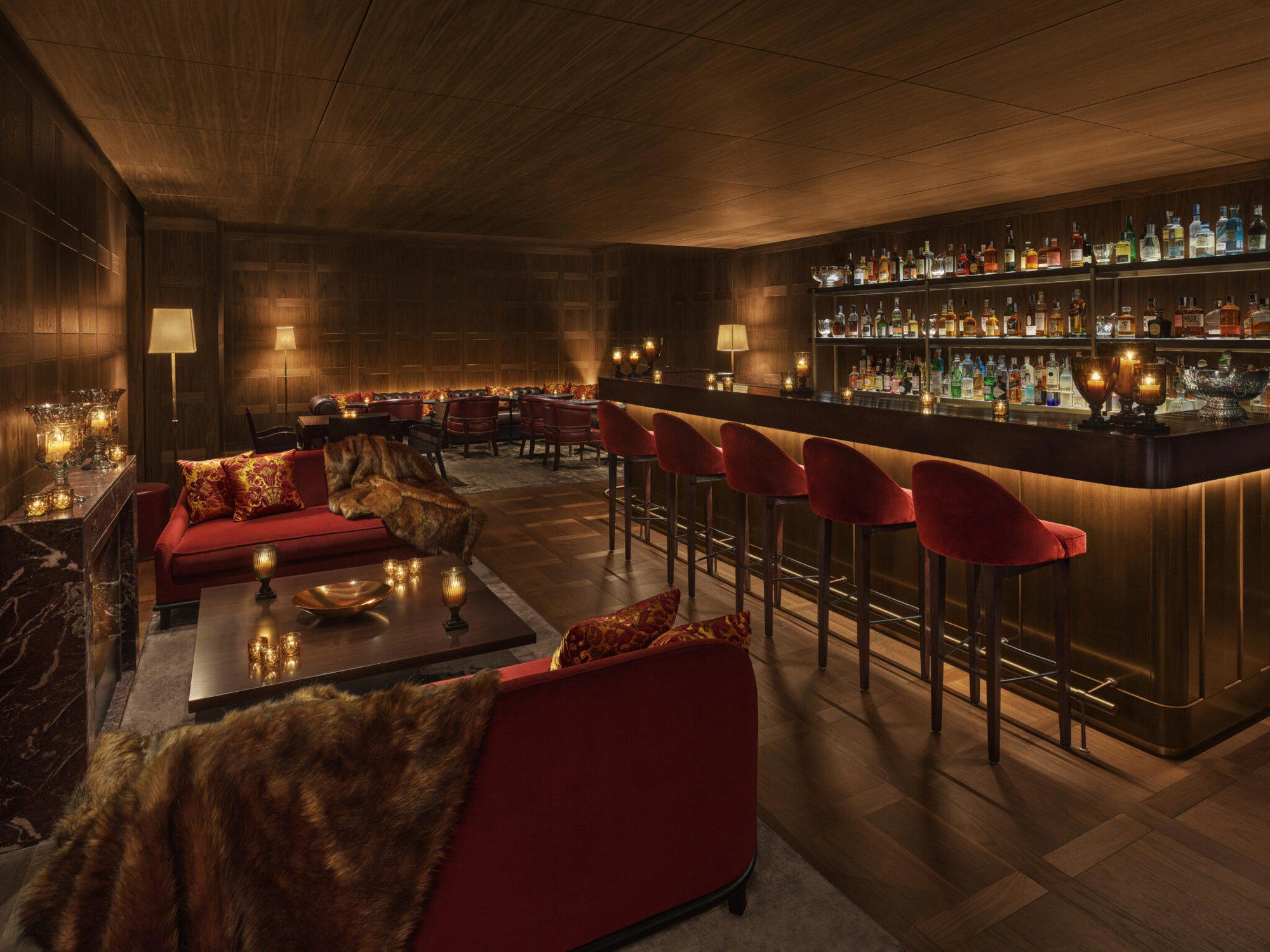

Details
- Romantic
- Cozy
- Elegant
- Classic
- Intimate
- Date Night
- Special Occasion
- Historic Building
- Extensive Wine List
- A La Carte
- Vegetarian Friendly
- Vegan Options
- Gluten Free Options
Current opening hours
- Monday
- 12:30–11 PM
- Tuesday
- 12:30–11 PM
- Wednesday
- 12:30–11 PM
- Thursday
- 12:30–11 PM
- Friday
- 12:30–11 PM
- Saturday
- 12:30–11 PM
- Sunday
- 12:30–11 PM
Hours can change for holidays and private events. Hours as of .
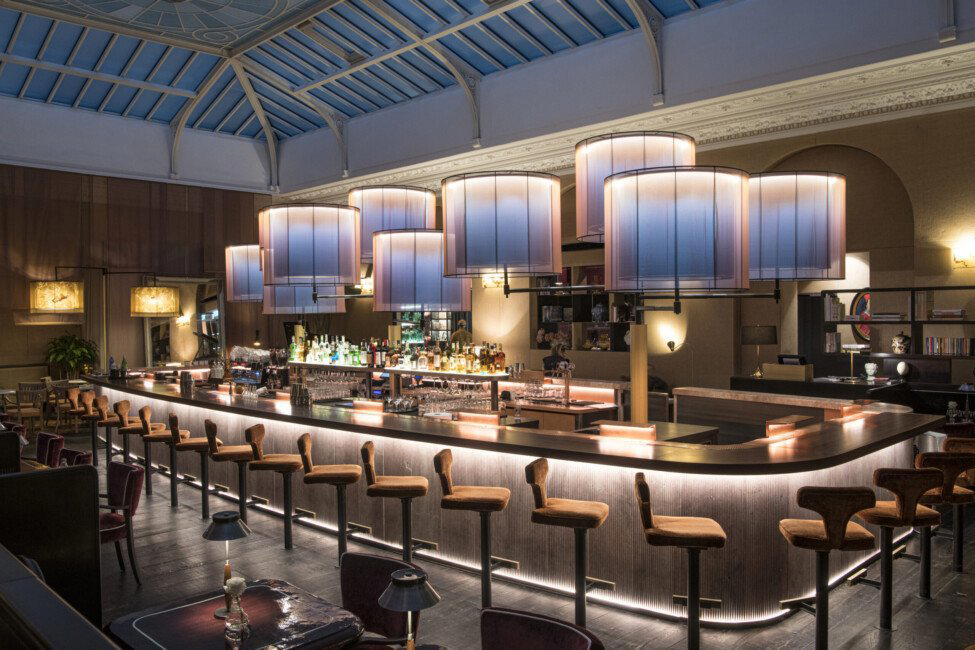
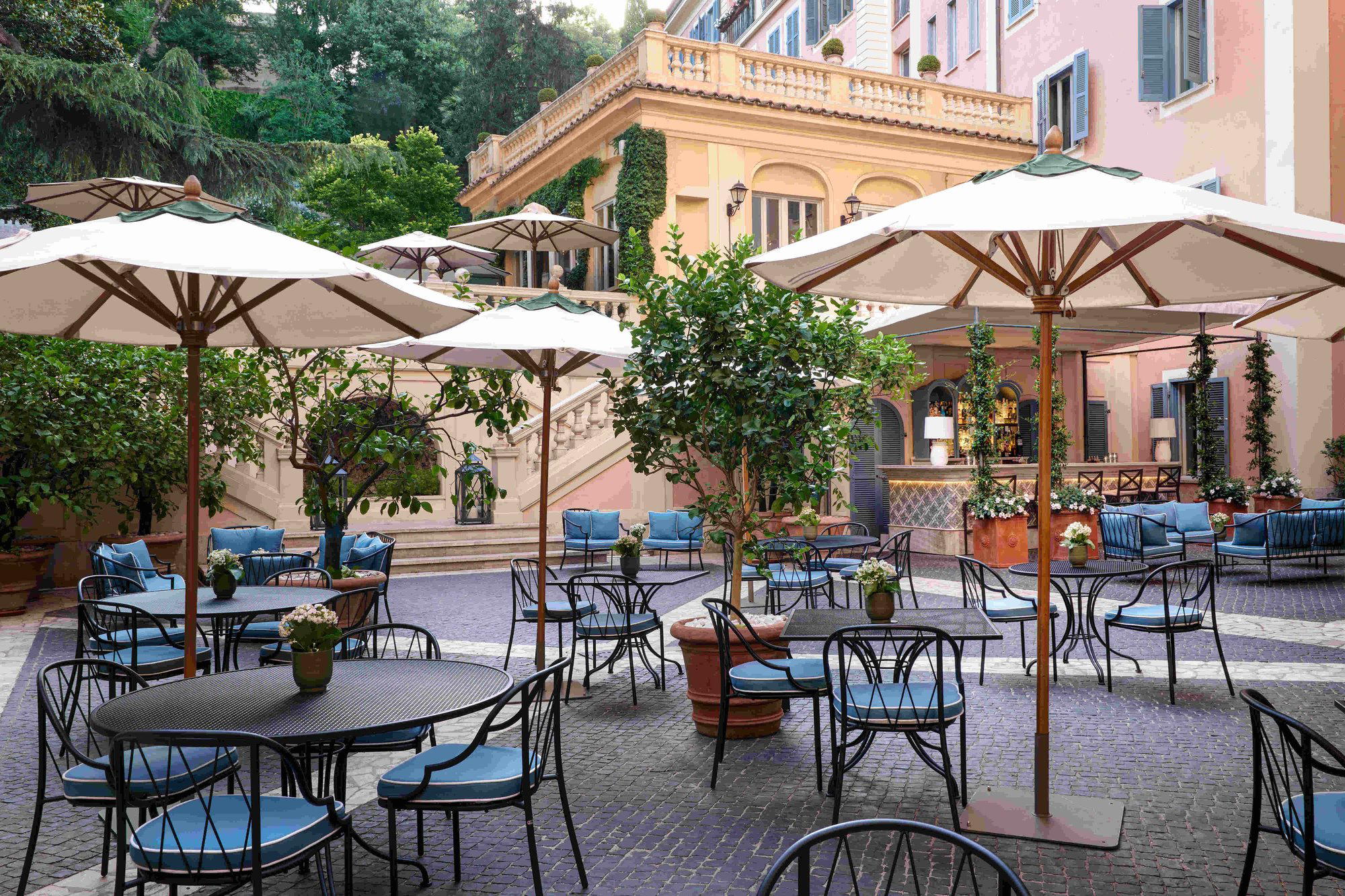
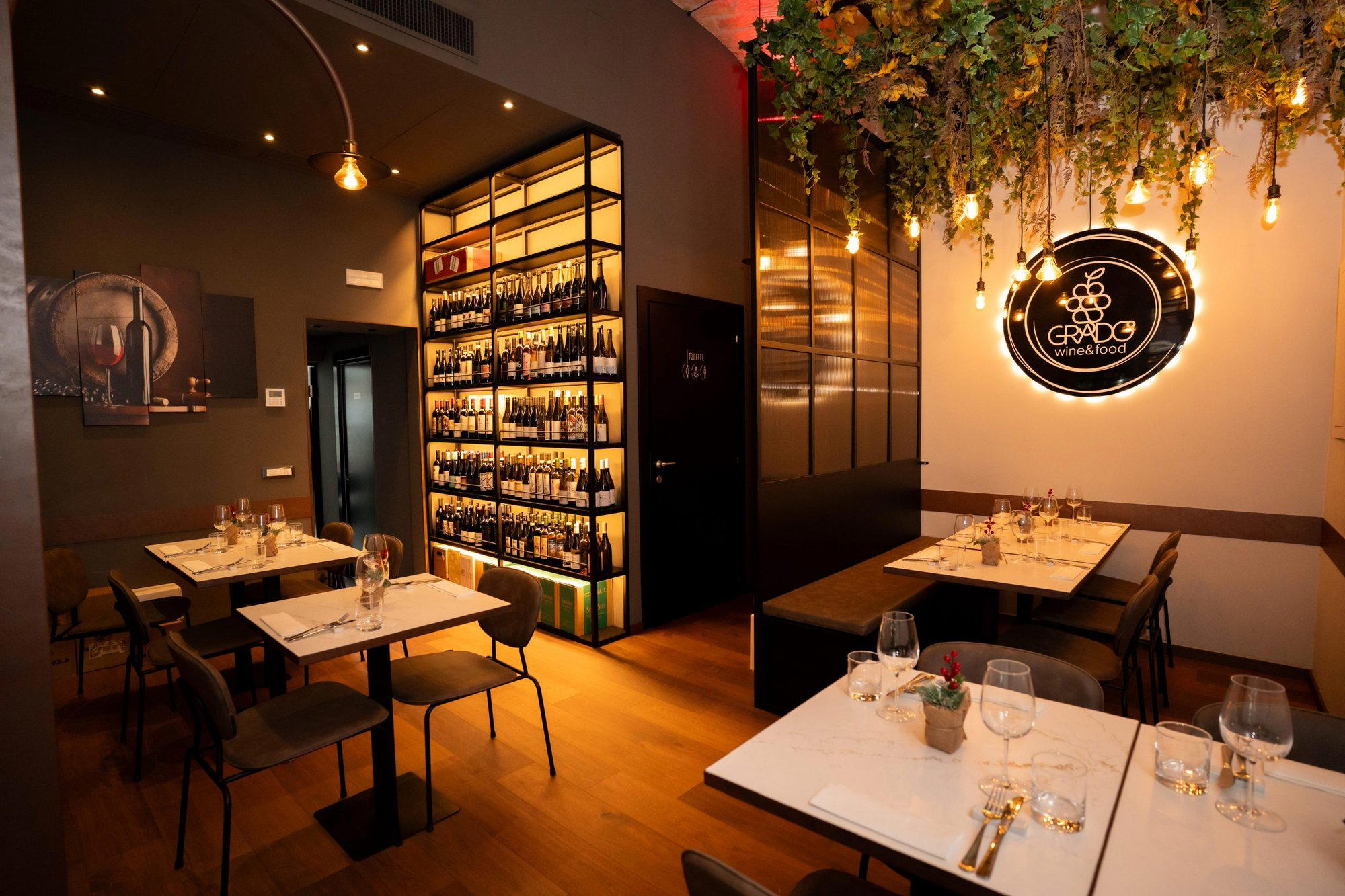
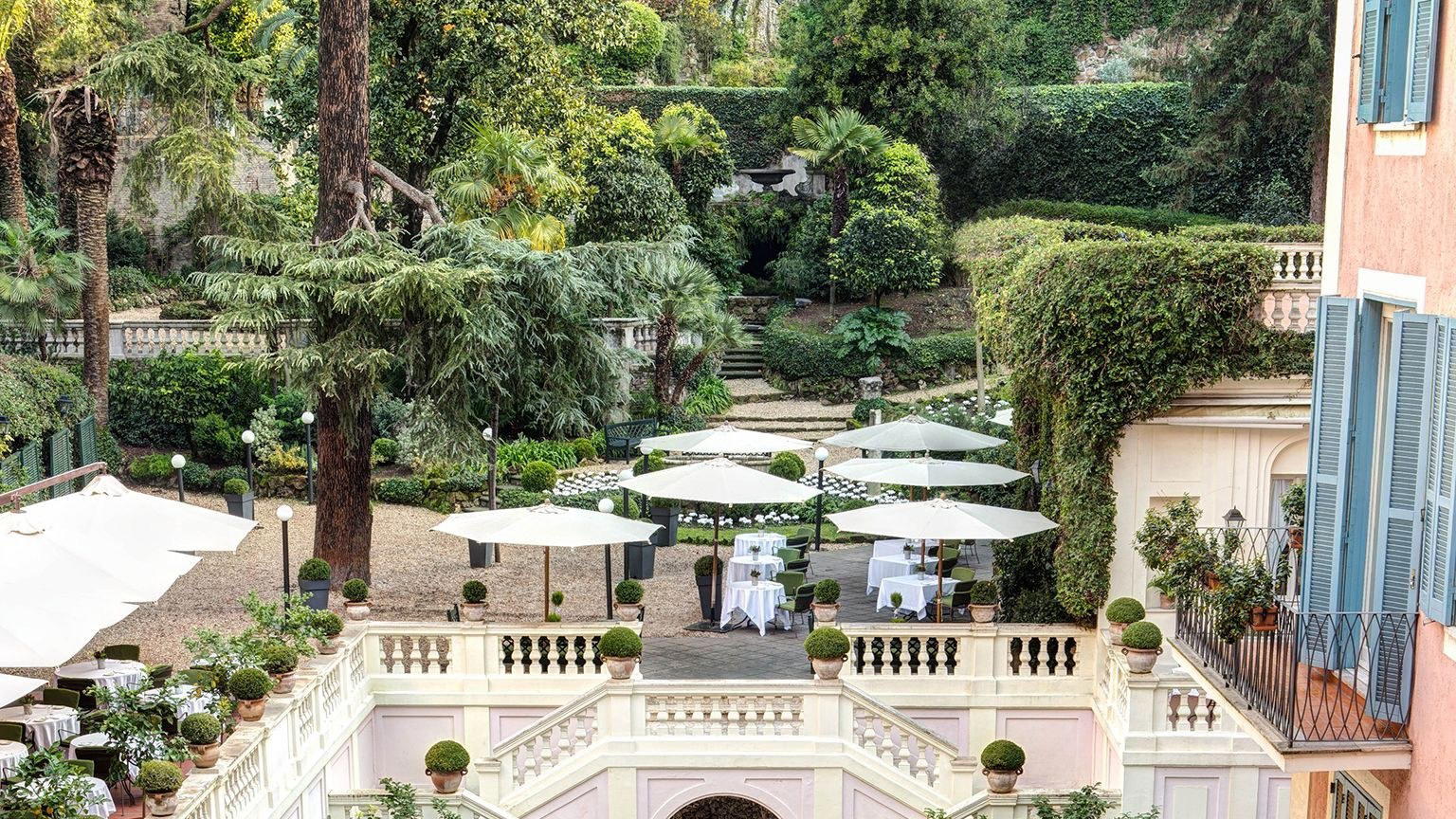
Warm hues, rustic decor, romantic atmosphere with background music in three internal rooms.