Osteria del Vicario

We're Smart World 4 Radishes
Our verdict
A two-person operation in medieval Certaldo Alto, Osteria del Vicario runs a fully plant-based kitchen drawing on regional produce and its own gardens. Eleonora Rizzo cooks with the kind of vegetable literacy that makes the format feel earned rather than fashionable. The attached B&B makes it a rare Tuscan destination worth planning a stay around.

Pearl is the En Primeur Club membership app — saves, bookings, and concierge access live there. Same editors, same standards.
- Address
- Via Rivellino, 3, 50052 Certaldo FI, Italy
- Phone
- +39 0571 667809
- Website
- osteriadelvicario.com
- Directions
- Get directions
A Village Address, a Serious Kitchen
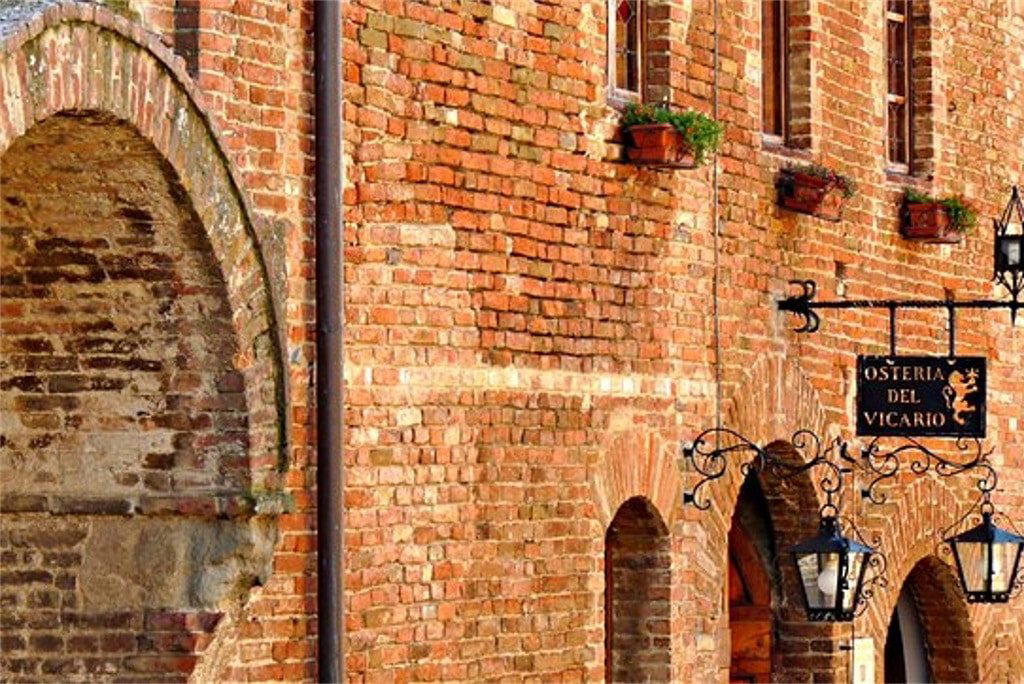
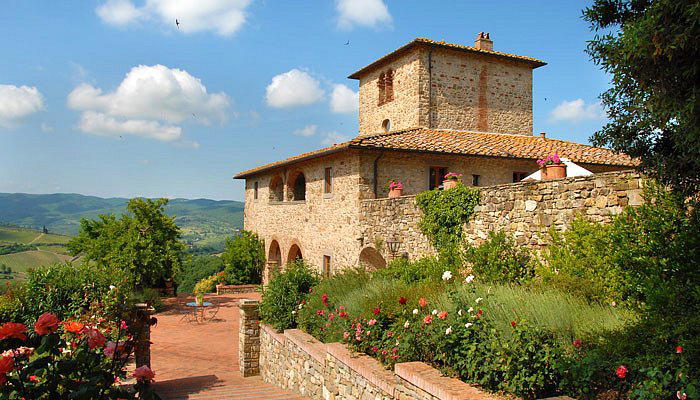
Certaldo Alto sits above the Elsa valley on a ridge that most travellers pass beneath on the road between Florence and Siena. The medieval upper town — reachable by funicular from the lower borough — is compact enough that a single street can contain its most important address. Via Rivellino is that street, and Osteria del Vicario occupies a position there that carries the weight of the building around it: thick stone walls, a courtyard that slows the pace before you have even sat down. The physical setting belongs to a category of Tuscan dining that rewards the detour rather than the passing visit.
Italy's serious restaurant circuit tends to concentrate in cities and in well-documented wine country. Places like Osteria Francescana in Modena, Enoteca Pinchiorri in Florence, or Piazza Duomo in Alba draw their audiences from established gastronomic geography. Certaldo is different: a hill town with Boccaccio associations and a medieval fabric largely intact, it does not appear on the standard Tuscany itinerary. That positioning is part of what defines the Osteria del Vicario experience. You come deliberately, and the cooking rewards that commitment.
What the Kitchen Is Actually Doing
Plant-based cooking in Italian fine dining occupies a complicated position. The country's culinary identity runs deep on meat, cured products, and seafood, a tradition visible at any price point from the neighbourhood trattoria to high-end addresses like Le Calandre in Rubano or Dal Pescatore in Runate. A fully plant-based kitchen in this context is a genuine editorial statement, not a market response to trend.
Chef Eleonora Rizzo runs what the house calls Stagionale Vegetale, seasonal and vegetable, and the label is accurate in both dimensions. The sourcing combines regional supply with produce from the restaurant's own gardens, which means the kitchen operates with direct knowledge of what is grown, when it peaks, and how to handle it. That kind of supply chain is the difference between vegetable-forward cooking and cooking that treats vegetables as complete subject matter. The technical register here sits firmly in the second category: Rizzo's handling of vegetables and fruit reflects deep familiarity with texture, ripeness, and preparation method rather than novelty-seeking.
For context on why this matters: most plant-based or vegetable-focused menus in Italy at this level still hedge, a cheese course here, a butter sauce there. A kitchen running 100% plant-based at the level of skill described here is a narrower club, and one operating from its own garden supply narrows it further. The comparable ambition, in terms of commitment to a defined sourcing framework, sits closer to something like Atelier Moessmer Norbert Niederkofler in Brunico, where Alpine sourcing principles shape the entire menu architecture.
The Garden as the Menu's Foundation
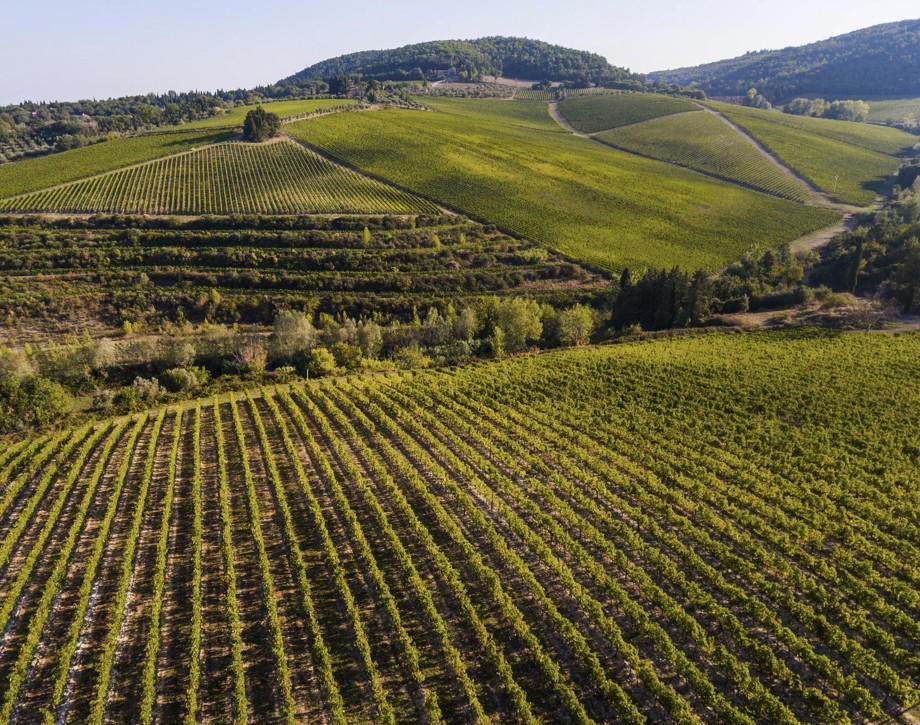
Ingredient sourcing in this region begins with what the Elsa valley and the wider Florentine hinterland can produce. Tuscany's agricultural depth is well-documented, olive oil, legumes, heritage grains, wild herbs, but the Osteria del Vicario model goes a step further by maintaining its own growing supply. When a kitchen controls a portion of its own produce, the menu can be written around what is actually ready rather than what is available from a wholesaler. Dishes that would be approximations from bought-in supply become precise when the cook decides when to harvest.
This approach has consequences for how the menu reads seasonally. Expect significant shifts between visits, and expect the kitchen to follow the garden's logic rather than a set repertoire. The Tuscan growing season offers a long arc from spring alliums and early brassicas through summer stone fruit and late-season squash and root vegetables, which means the plant-based framework never runs short of material. It also means that ordering everything the kitchen offers is not just a pleasurable choice, it is the correct way to understand what is being communicated.
The Two-Person Operation and What It Signals
The format here is specific: Eleonora Rizzo and Erik Regini run both the restaurant and the attached B&B as a two-person team. That is a structural decision with real implications for the guest experience. Service in small owner-operated rooms carries a different register than staffed restaurants, attention is more particular, timing more considered, and the investment in each cover more visible. The trade-off is scale: this is not a volume operation, and availability reflects that.
In the broader context of Italian fine dining, which ranges from the full brigade model at places like Reale in Castel di Sangro or Enrico Bartolini in Milan down to family-run trattorias, the Osteria del Vicario sits in a specialist tier defined by personal accountability for every element of the experience. The B&B component makes it a genuine overnight proposition, which, given Certaldo Alto's position and the logic of the meal itself, is the format that makes most sense.
Getting There and Planning the Visit
Certaldo is served by the Florence-Siena rail line, with Certaldo station in the lower town. From there, the funicular connects to Certaldo Alto, placing Via Rivellino within a short walk. By road, the town sits between the Chianti Classico zone and the San Gimignano wine corridor, either direction offers context if you are building a longer Tuscan itinerary. Given that the B&B is part of the operation, overnight stays are the logical structure for a visit, and booking in advance is essential given the two-person capacity. For those building a broader Certaldo itinerary, the full Certaldo restaurants guide, hotels guide, bars guide, wineries guide, and experiences guide provide the full local picture.
The restaurant is a deliberate destination, the kind that belongs on the same itinerary as Uliassi in Senigallia or Quattro Passi in Marina del Cantone for travellers who build trips around a specific meal rather than around a city and fill the days from there. The comparison with those coastal addresses is deliberate: each rewards a drive that most visitors would not take on impulse, and each justifies it on arrival.
Frequently asked questions
Would Osteria del Vicario be comfortable with kids?
The setting is a medieval building in Certaldo Alto, accessed via funicular from the lower town, which adds some logistical consideration for families with young children. The kitchen runs a fully plant-based menu sourced from regional and kitchen gardens, so there are no meat or fish dishes — something worth factoring in with younger diners. Given that Eleonora Rizzo and Erik Regini operate both the restaurant and the attached B&B; as a two-person team, the pace and format lean toward guests who can settle into that quieter rhythm.
What's the overall feel of Osteria del Vicario?
The restaurant occupies a medieval address at Via Rivellino, 3 in Certaldo Alto, a hilltop town that sees far fewer visitors than Florence or Siena despite sitting on the same rail line. Eleonora Rizzo and Erik Regini run the kitchen and B&B; as a two-person operation, which gives the experience a focused, unhurried quality that larger staffed restaurants rarely sustain. The cooking is 100% plant-based, described by award notes as 'Stagionale Vegetale' — seasonal and vegetable-led — so the atmosphere follows the food: precise, considered, and rooted in the surrounding landscape.
What awards or recognition does Osteria del Vicario have?
Osteria del Vicario has received recognition including: “Stagionale Vegetale”, it couldn't be clearer! Eleonora Rizzo and Erik Regini somehow manage to run both the B&B; and restaurant with the two of them, which makes the already great offering even more impressive. Chef Eleonora cooks 110% pure….
What should I order at Osteria del Vicario?
The award recognition specifically calls out trying the full range of what the kitchen offers, noting it warrants a special trip. Chef Eleonora Rizzo works exclusively with plant ingredients sourced from Tuscany's Elsa valley and the restaurant's own gardens, so the menu tracks the season closely. Ordering the full progression rather than selecting individual dishes gives the most complete picture of her approach to vegetables and fruit.
Where is Osteria del Vicario in Certaldo (FI)?
Osteria del Vicario is located at Via Rivellino, 3, 50052 Certaldo FI, Italy, Certaldo (FI).
Comparable Venues
Comparable venues nearby, for context on price, style, and recognition.
| Venue | Cuisine | Price | Awards | Notes |
|---|---|---|---|---|
| Osteria del VicarioThis venue — the venue you are viewing | Modern Tuscan Plant-Based | Not listed | We're Smart World 4 Radishes | Not listed |
| Ristorante Il Guscio | Authentic Tuscan Trattoria | $30–50 | Not listed | San Frediano |
| Antica Trattoria Belletti | Traditional Bolognese / Emilian Trattoria | $30–50 | Not listed | Montepastore |
| Osteria delle Tre Panche | Tuscan Trattoria with Truffles | $50–100 | Not listed | Santo Spirito |
| Maggese | Modern Tuscan Vegetarian Fine Dining | $50–100 | We're Smart World Top 100 #93 | San Miniato |
| La Grotta | Modern Tuscan Fine Dining | $50–100 | We're Smart World 1 Radish | San Biagio |
Recognition history
Dated appearances from independent guides and award organizations, with the underlying list record or original source where available.
We're Smart World 4 Radishes
We're Smart World
Continue exploring
More in Certaldo (FI)
Restaurants in Certaldo (FI)
Browse all →
Bars in Certaldo (FI)
Browse all →
Hotels in Certaldo (FI)
Browse all →
Osteria del Vicario
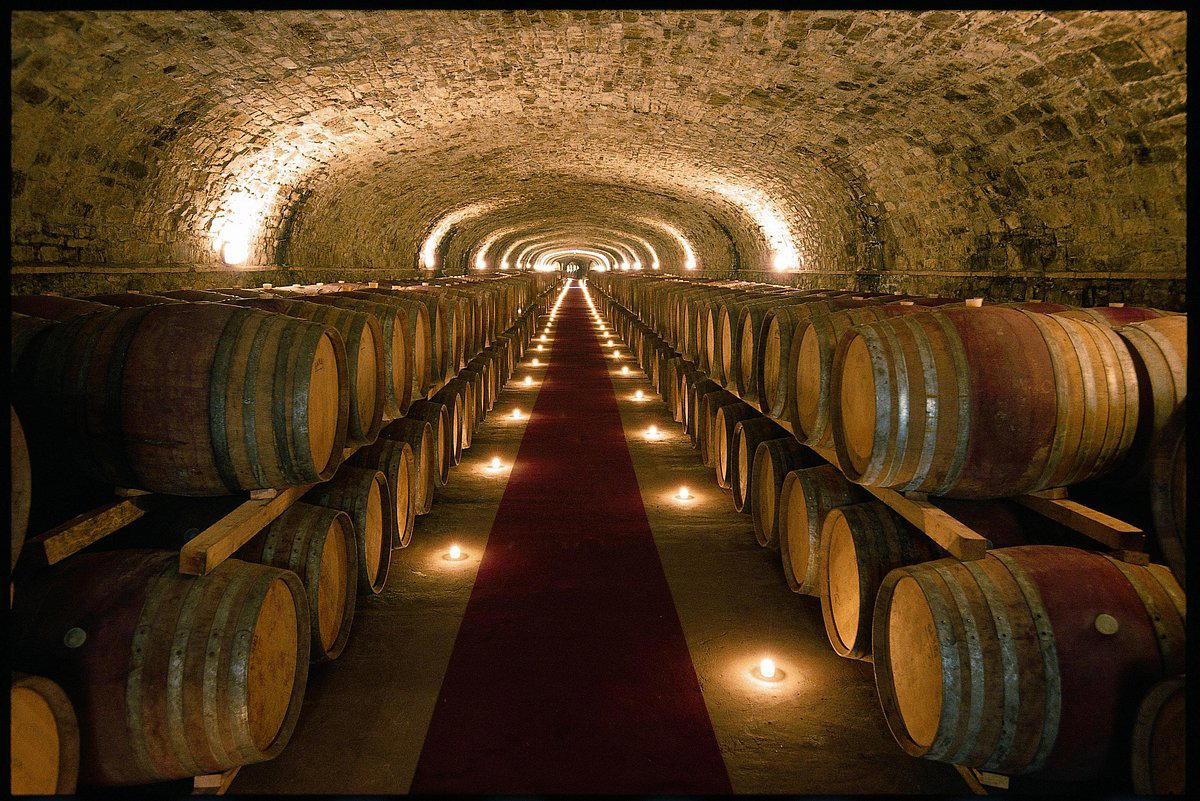
The wine
- Wine program
- Curated wine list
- Extensive wine list
Details
- Romantic
- Rustic
- Cozy
- Intimate
- Scenic
- Elegant
- Date Night
- Special Occasion
- Terrace
- Historic Building
- Extensive Wine List
- Vineyard
- Tasting Menu
- A La Carte
- Vegan Options
- Vegetarian Friendly
- Gluten Free Options
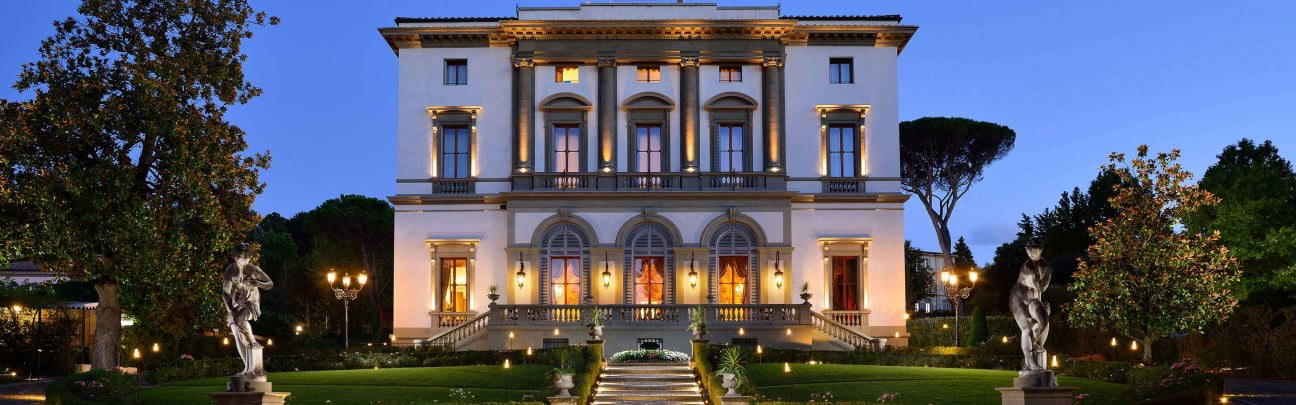
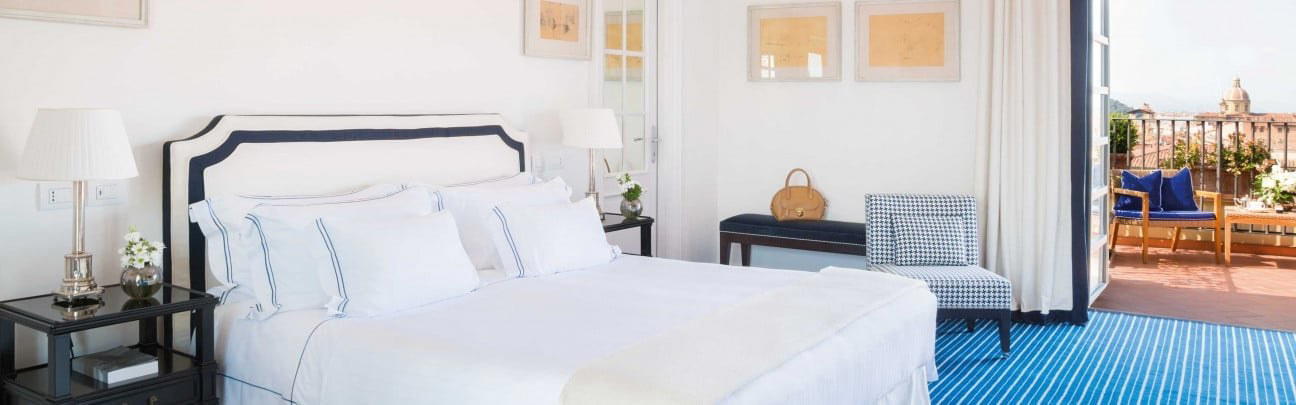
Romantic and intimate with soft lighting in the ancient cloister and dramatic panoramic terrace views over Tuscan hills.