Maggese

We're Smart World Top 100 #93
Our verdict
Maggese brings refined vegetarian cooking to San Miniato, a hilltop Tuscan village better known for its white truffles than its plant-based dining. Chef Fabrizio Marino, formerly sous chef under Pietro Leemann at Milan's Joia, applies a technically precise approach to Tuscan produce. The cardoncello mushroom risotto has become a reference point for the restaurant's style.

Pearl is the En Primeur Club membership app, where members save venues, book tables and use the concierge.
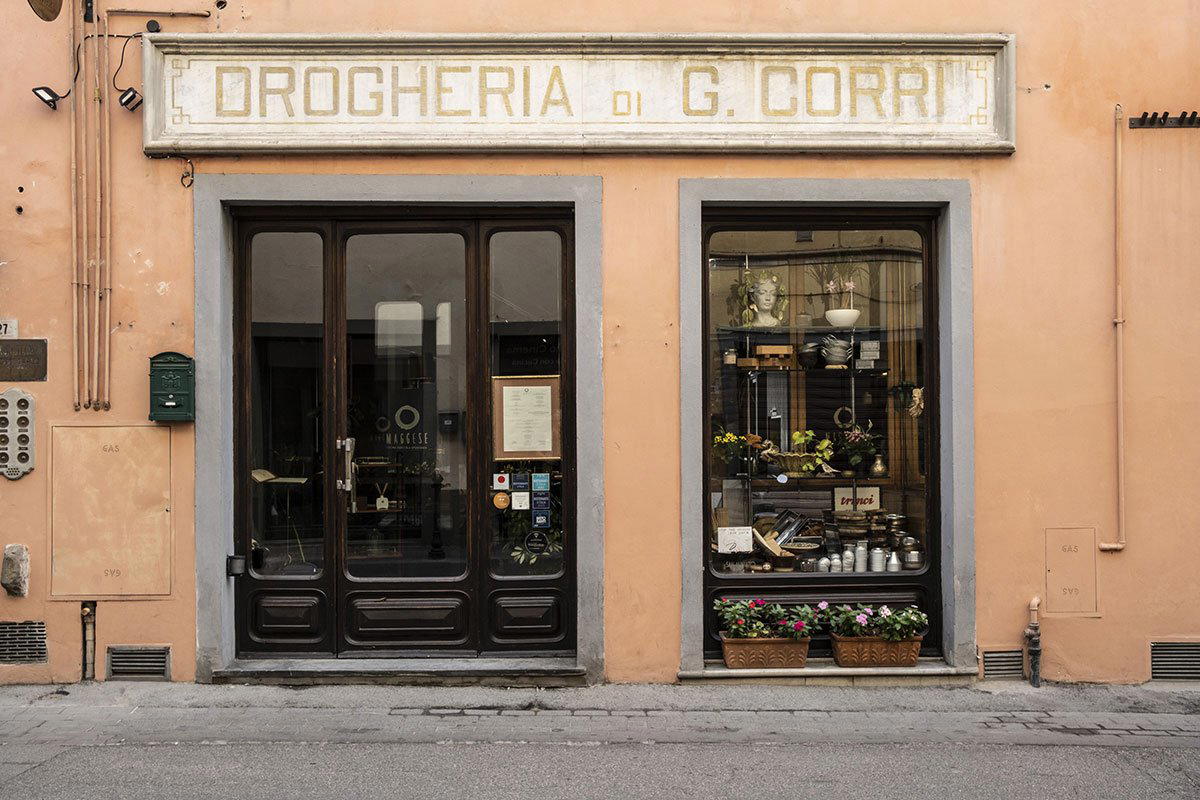
San Miniato, Tuscany, and the Question of What the Land Actually Produces
San Miniato sits on a ridge between the Arno and Elsa valleys, about forty kilometres from Florence, and its culinary reputation has long been built on one thing: the white truffle. The town hosts one of Italy's most serious truffle fairs each November, and the surrounding countryside supplies some of the finest specimens in the region. That context matters when thinking about Maggese, because what the restaurant does is something different from the truffle-and-cured-meat shorthand that defines much of the area's food culture. Maggese operates as a refined vegetarian restaurant, and in doing so, it draws attention to everything the Tuscan countryside grows that isn't a truffle: seasonal vegetables, wild herbs, legumes, and fungi from the hills and woodlands around San Miniato.
The word maggese refers to fallow land, fields left unplanted to recover fertility. As a name for a vegetarian restaurant in agricultural Tuscany, it carries a quiet argument about how land and produce interact. Italian vegetarian cooking at this level is still a niche category nationally. Fine dining in Italy has historically been anchored in meat, fish, and the cured traditions of each region. The few restaurants that have built reputations around entirely plant-based or vegetarian menus at a serious technical level tend to cluster in northern cities: Joia in Milan, opened in 1989, remains the longest-standing reference point in the country. Maggese positions itself within that lineage, not within the Tuscan trattoria tradition.
The Joia Connection and What It Signals
Pietro Leemann's Joia in Milan holds a Michelin star and is considered the founding reference for refined vegetarian cooking in Italy. Chef Fabrizio Marino spent several years there as sous chef, which places him inside a specific tradition: technically demanding, philosophically considered, ingredient-led rather than substitution-led. This is not a restaurant converting Tuscan classics by removing the meat; it is a restaurant applying the full toolkit of modern Italian fine dining to produce that happens to be entirely plant-based.
That distinction matters for understanding what the kitchen is doing. In the broader Italian fine dining circuit, restaurants like Osteria Francescana in Modena, Le Calandre in Rubano, and Enoteca Pinchiorri in Florence operate at the top of a category where technique, provenance, and originality are the standard. Maggese's ambitions sit inside that framework, with the additional constraint of a fully vegetarian kitchen. Further afield, the approach shares something with what Atelier Moessmer Norbert Niederkofler in Brunico does with regional Alpine ingredients: the produce of a specific landscape treated with high-precision technique. The difference is that Maggese does it quietly, in a small Tuscan town, away from the circuits where these reputations are usually made.
Where the Ingredients Come From and Why That Changes the Menu
The surrounding countryside of the lower Valdarno and the Colline Pisane is productive in ways that don't always register on the tourist food map. Beyond the white truffle season, the area yields cardoncello mushrooms, seasonal greens, pulses, and root vegetables that shift with the agricultural calendar. A kitchen built entirely around vegetables and fungi lives and dies by the quality and timing of what that land provides. There are no fish deliveries or meat suppliers to fall back on when produce is thin. This is a structurally more demanding position than a kitchen that can pivot between categories.
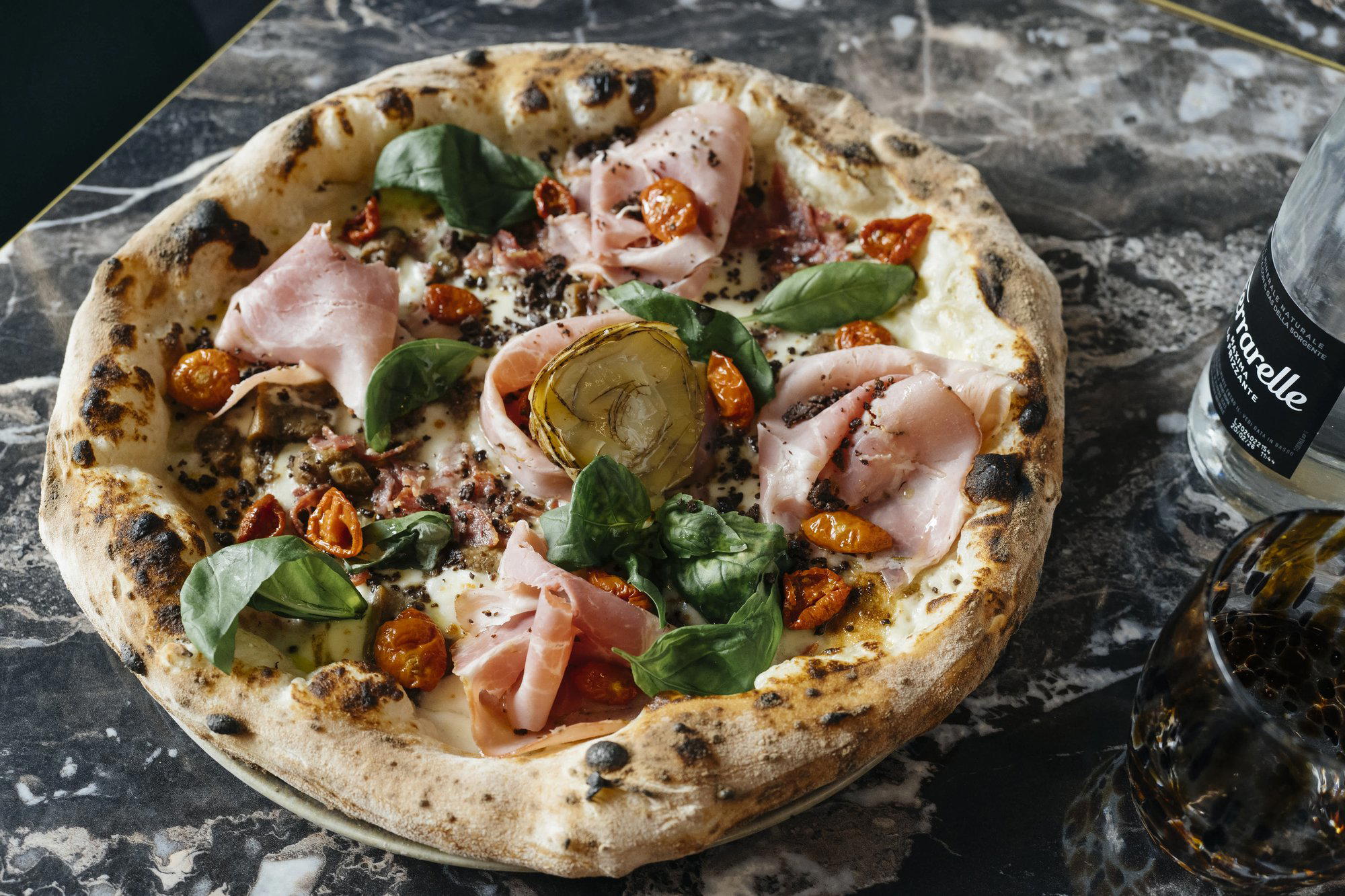
The cardoncello mushroom risotto that appears in descriptions of the menu at Maggese is an instructive example. Cardoncello (Pleurotus eryngii) is a firm, earthy fungus found across central and southern Italy. It holds texture under heat better than most mushrooms, which makes it a serious ingredient for a kitchen interested in technique rather than simplicity. The preparation described involves glazing, which suggests a reduction-based sauce work that builds depth without relying on animal fats or stocks. This is the kind of cooking where the vegetarian constraint pushes technique rather than limiting it.
For the reader comparing Maggese to other serious Italian tables, the relevant frame is ingredient sourcing and philosophical discipline rather than price tier or Michelin count. Venues like Dal Pescatore in Runate, Reale in Castel di Sangro, and Piazza Duomo in Alba each anchor their menus to the produce of a specific territory. Maggese belongs to that conversation, with vegetable and fungal ingredients from the Tuscan hills as its primary material.
The Setting and What to Expect
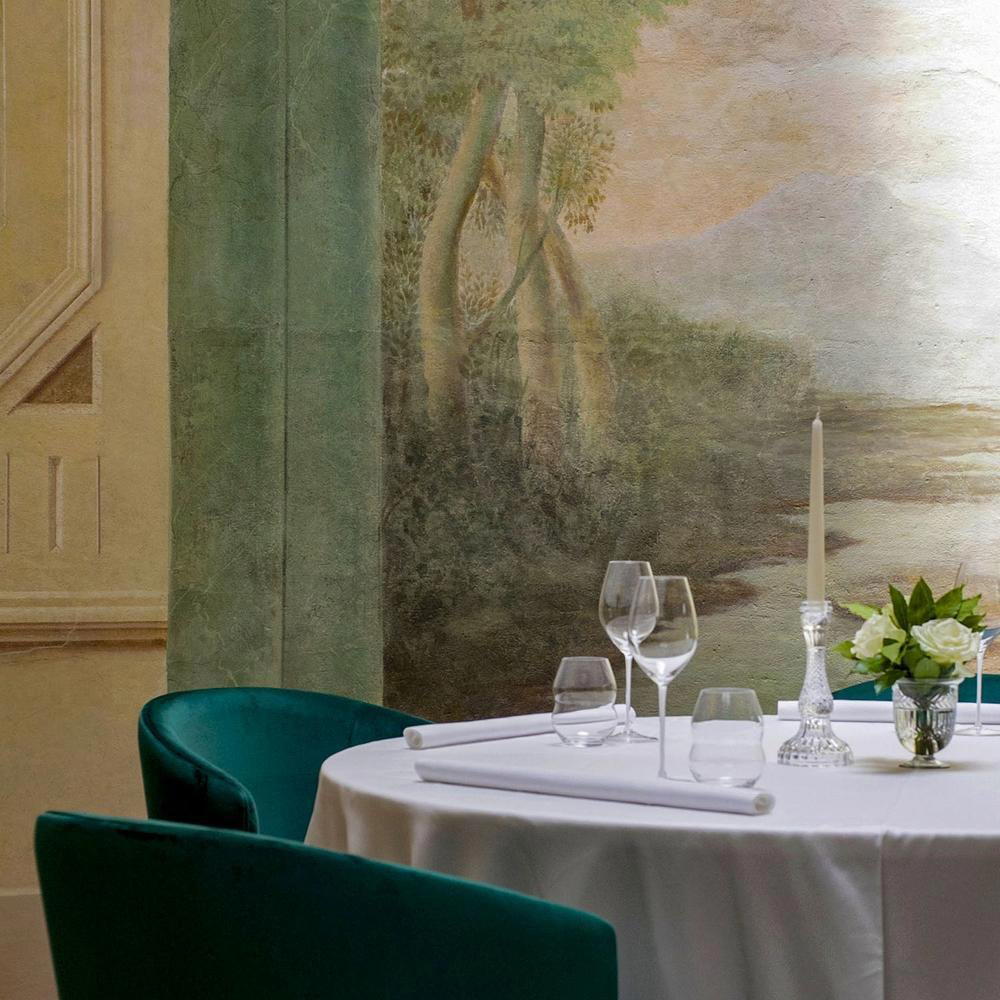
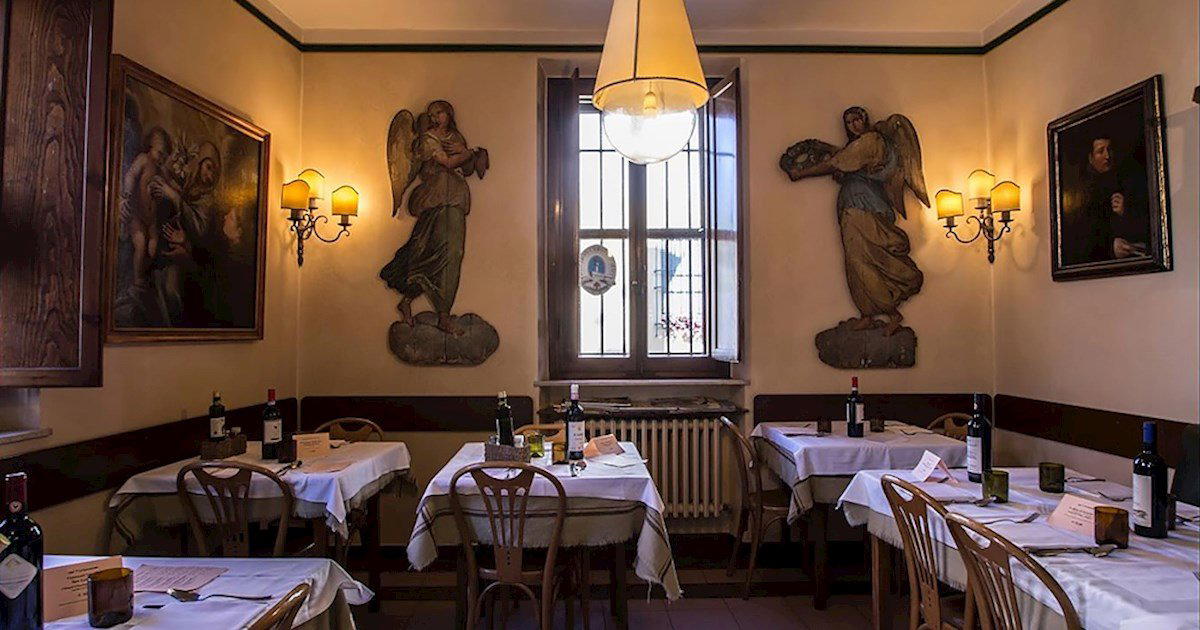
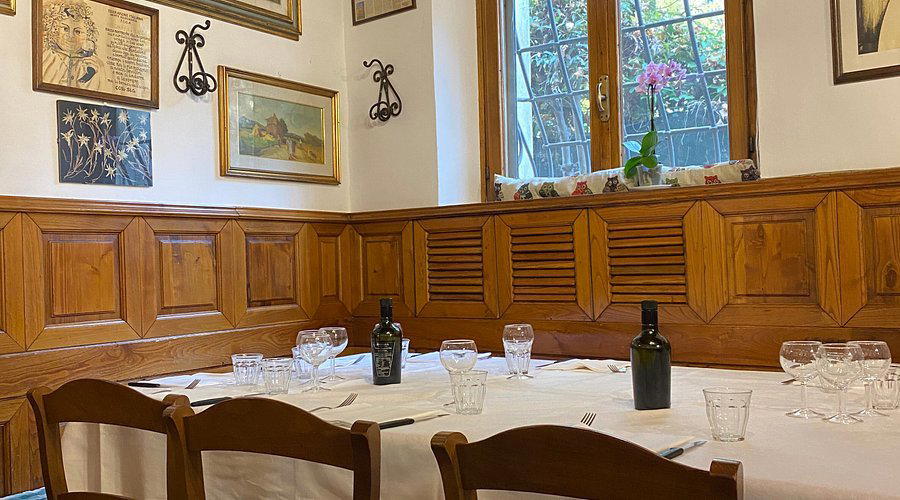
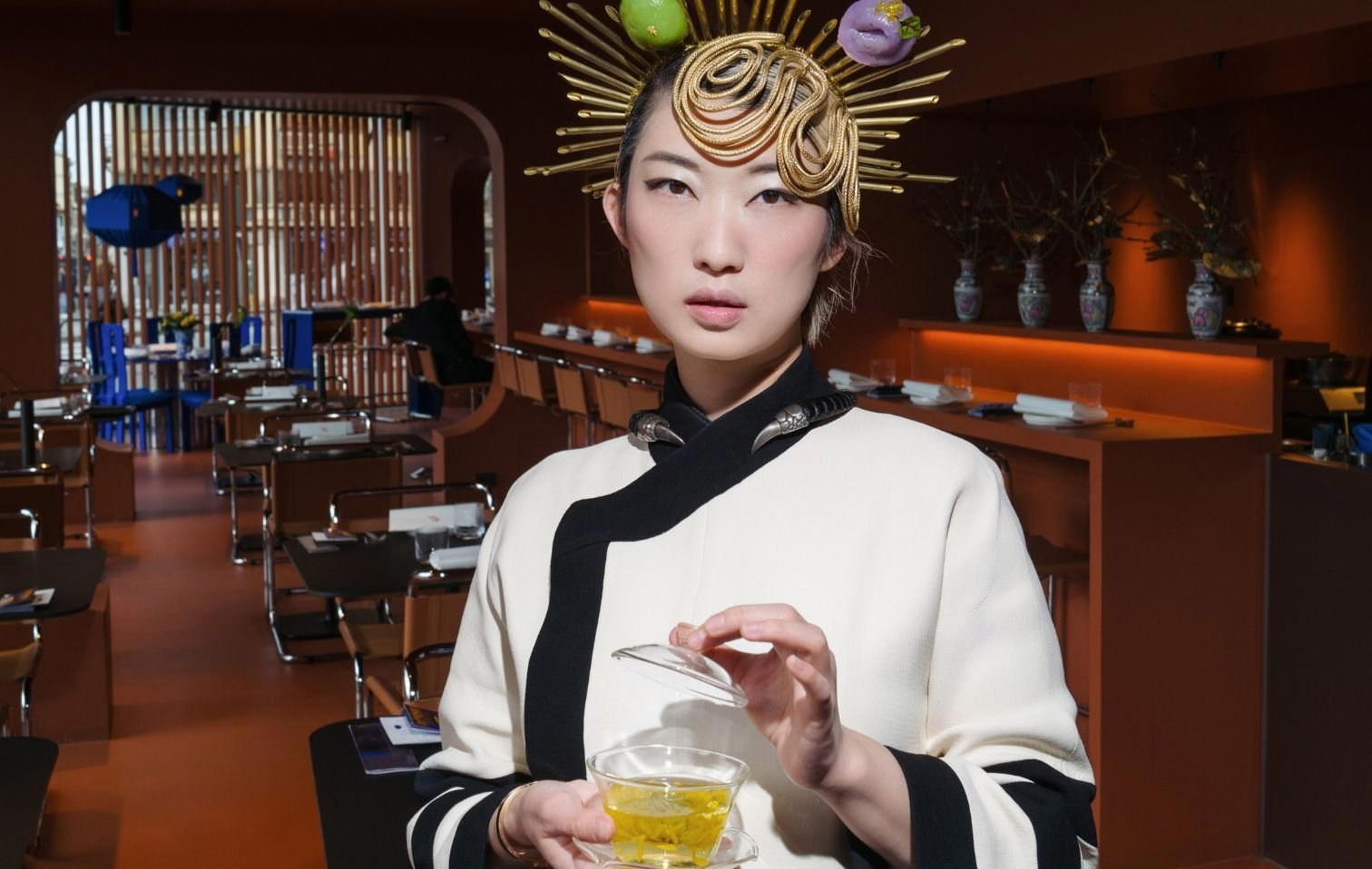
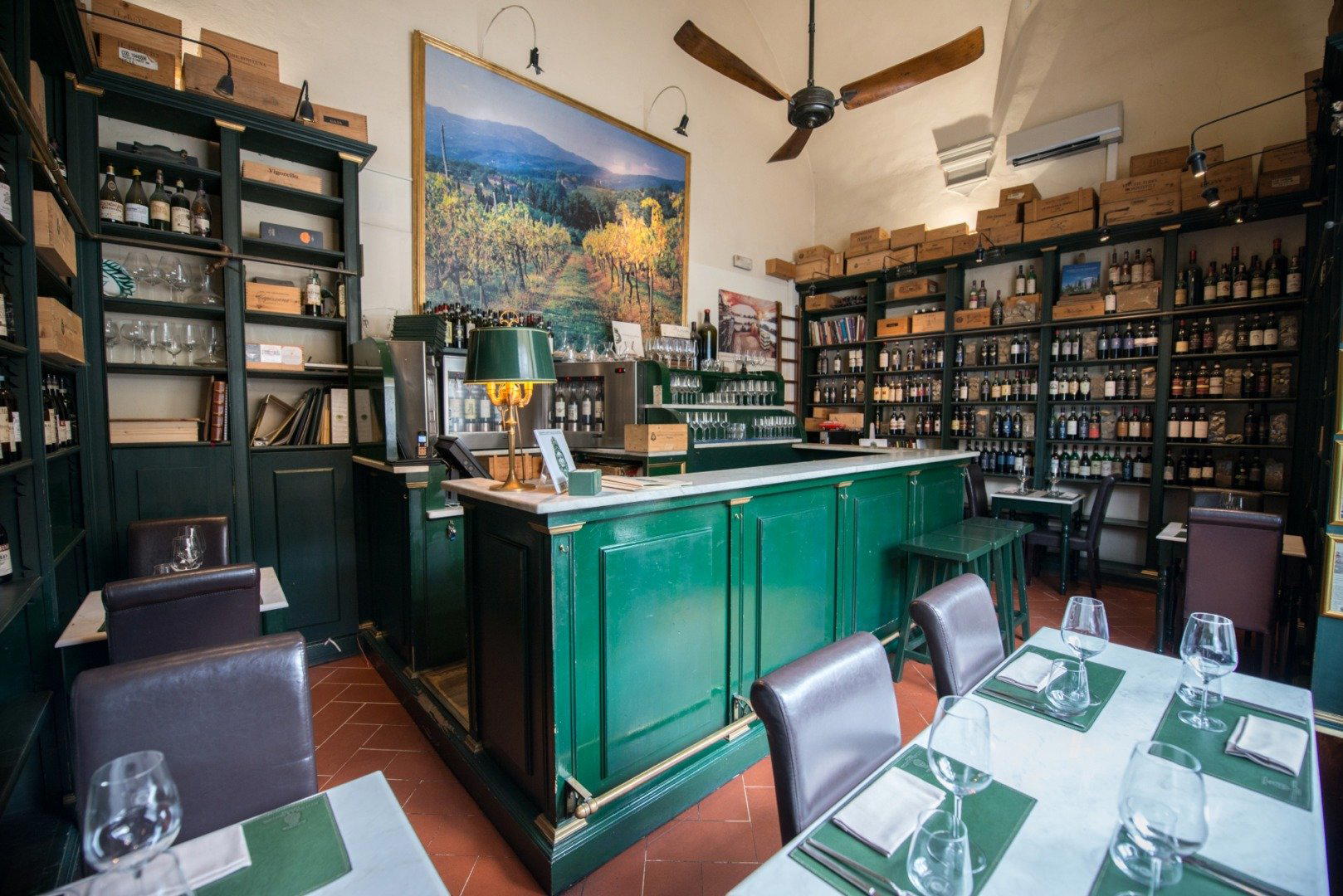
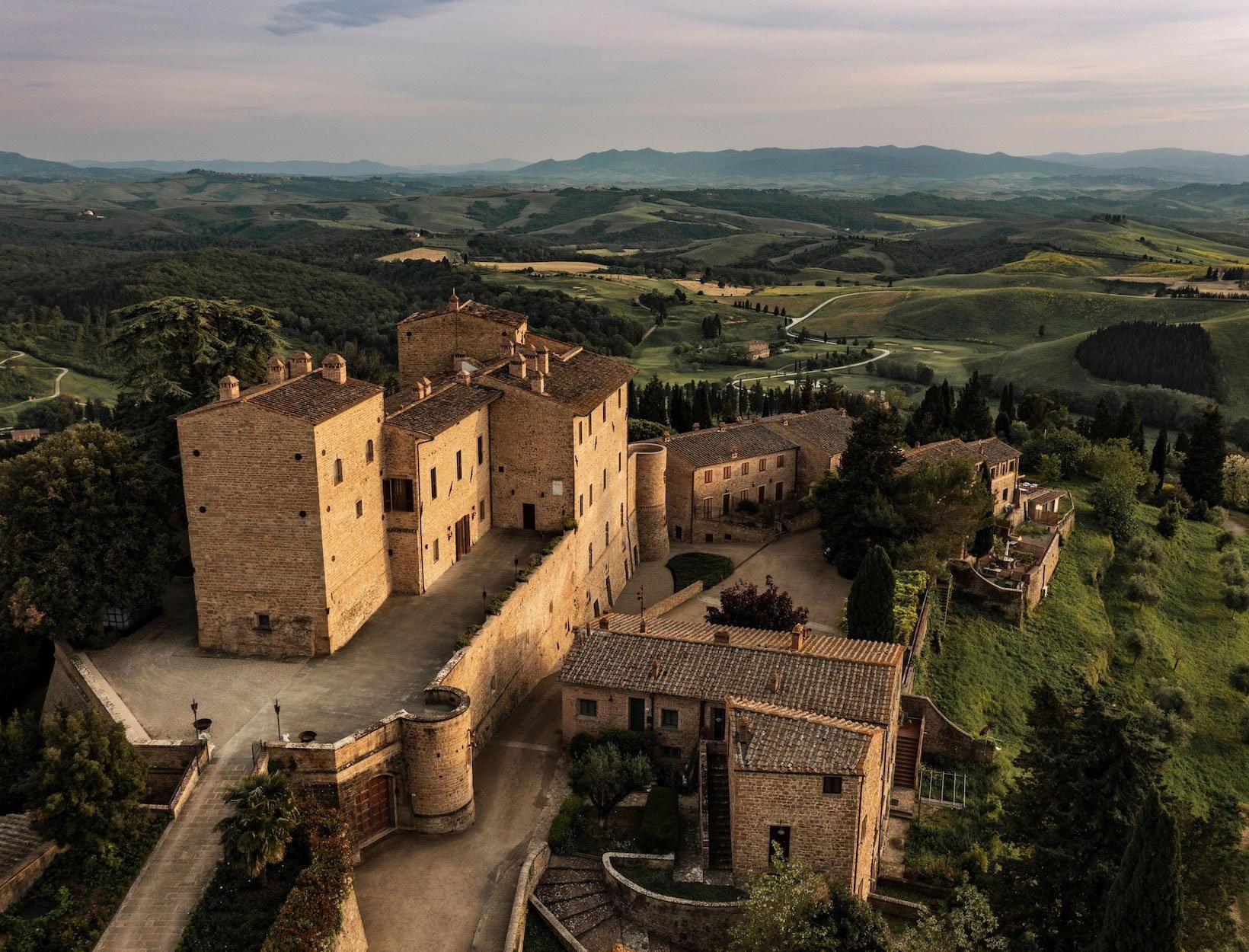
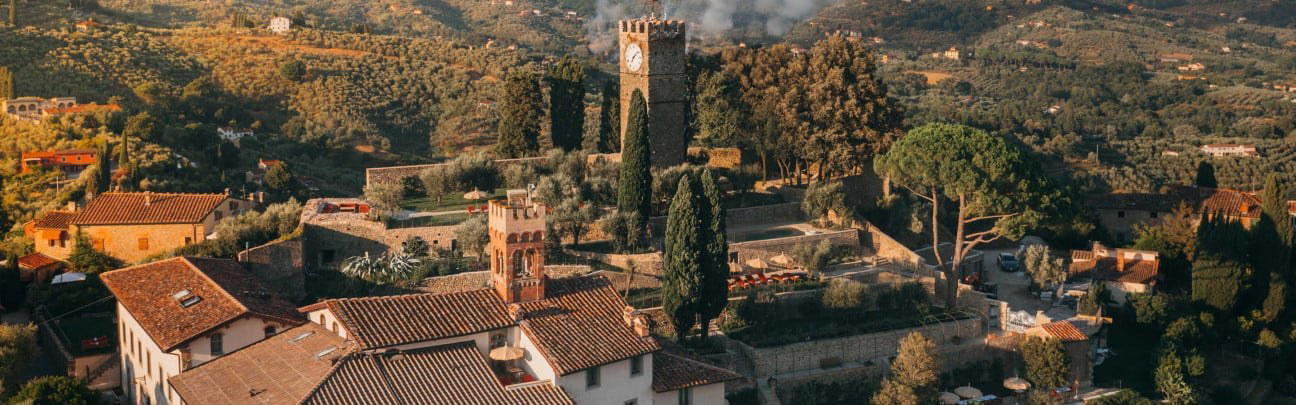
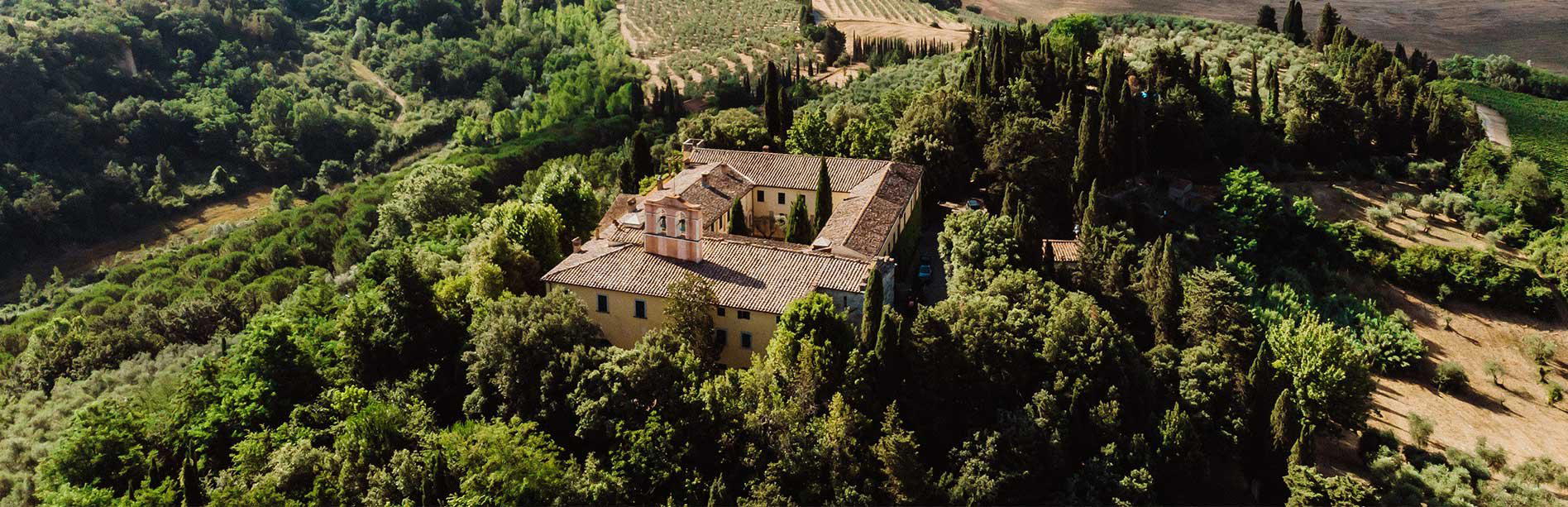
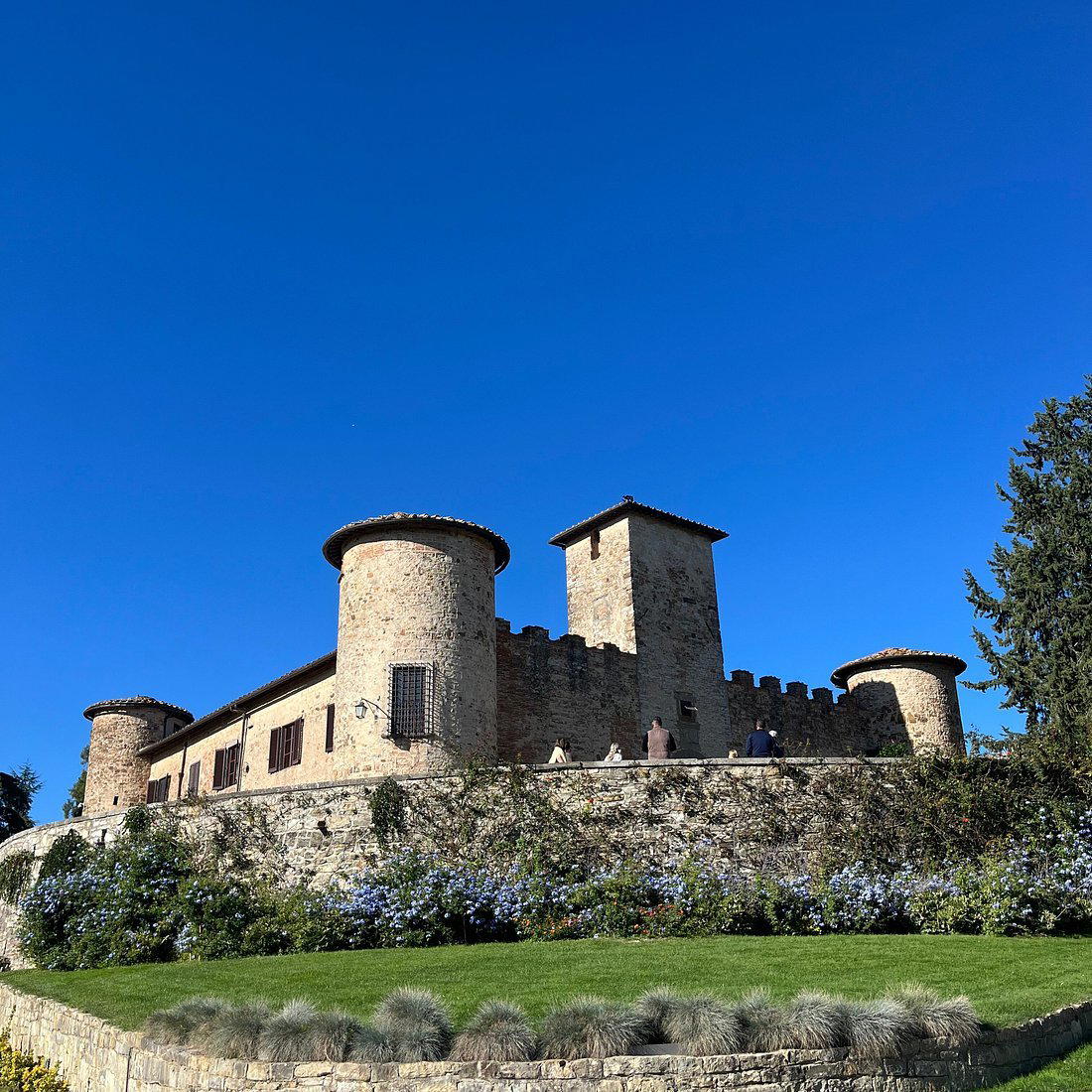
Maggese is located on Via IV Novembre in San Miniato, within the old town that occupies the hilltop. San Miniato's historic centre is compact, walkable, and largely preserved. The restaurant's described setting is formal without being stiff: well-kept, elegant, and considered. This is consistent with the way high-end provincial restaurants in Tuscany tend to operate. They don't compete with Florence for visual drama; they rely on the quiet weight of old buildings and unhurried service rhythms. Reviews consistently describe the service as attentive and the atmosphere as pleasant without being ostentatious.
Reaching San Miniato requires a car or a train to San Miniato Basso station, which sits at the foot of the hill with a short drive or steep walk up to the historic centre. For visitors combining San Miniato with wider Tuscan travel, the town sits on the Firenze-Pisa-Livorno rail line, making it accessible as a day trip from Florence or as part of a longer itinerary through the lower Arno valley.
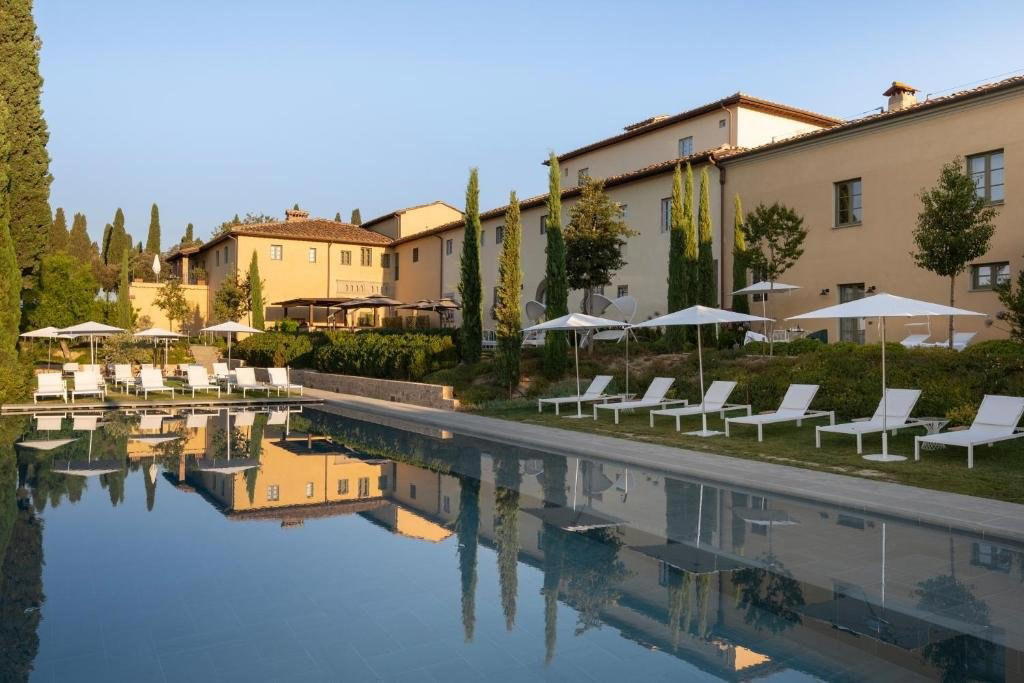
For those planning a wider stay, the San Miniato hotels guide covers accommodation in and around the town. Dining beyond Maggese is covered in the San Miniato restaurants guide, which includes Papaveri e Papere and Pepenero for those exploring the town's broader food offer. The bars guide, wineries guide, and experiences guide round out the planning picture for the area.
Where Maggese Sits in the Broader Italian Fine Dining Conversation
Italy's major fine dining names, from Enrico Bartolini in Milan to Quattro Passi in Marina del Cantone, operate within categories defined by their ingredient approach: seafood, regional meat traditions, or market-driven Italian contemporary. Maggese occupies a narrower lane, one that has very few peers nationally at this technical level. The Joia lineage through Chef Marino provides a verifiable credential for that positioning. In a country where vegetarian fine dining is still treated as a marginal category by the mainstream restaurant establishment, a kitchen with this training background and this level of documented consistency represents something genuinely worth noting for the kind of traveller who reads the menu before they book the restaurant.
It also represents a different argument about what Tuscan produce can do when it is freed from the region's dominant culinary grammar of charcuterie, bistecca, and game. Whether that argument resonates depends on the reader's own position. For those already travelling to eat at venues like Le Bernardin in New York City or Emeril's in New Orleans as part of a broader diet of serious restaurants across categories, Maggese offers something the rest of the San Miniato food scene does not: a technically demanding, philosophically coherent vegetarian tasting experience rooted in the produce of one of Italy's most celebrated agricultural landscapes.
Frequently asked questions
Is Maggese suitable for children?
Maggese operates as a refined vegetarian restaurant in San Miniato's historic centre, with a setting described as elegant and carefully kept. The format is oriented toward considered, course-by-course dining rather than casual meals, and the atmosphere reflects Chef Fabrizio Marino's background under Pietro Leemann at Joia in Milan. Families with older children who are comfortable at a formal table will find it a more natural fit than those with young children.
What kind of setting is Maggese?
The restaurant occupies a space in San Miniato's old town on Via IV Novembre, within the compact hilltop centre of this ridge village set between the Arno and Elsa valleys. The room is described as elegant and well-maintained, consistent with the precise, technique-led cooking Chef Fabrizio Marino brings from his years as sous chef at Joia, Italy's reference point for refined vegetarian fine dining. Expect a composed, quiet environment rather than an animated, convivial one.
What's Maggese known for in terms of accolades?
Maggese has received recognition including: Chef Fabrizio Marino is the soul of the refined vegetarian restaurant Maggese in San Miniato, an ancient village in the beautiful and characteristic Tuscan countryside. Thanks to his perfect culinary technique, the chef manages to transport….
What should I order at Maggese?
The dish most consistently noted in documented accounts is the Risotto Riso, Il Maggese, built around glazed cardoncello mushrooms. Beyond that specific plate, the broader structure of the menu, from starters through dessert, reflects Chef Fabrizio Marino's training under Pietro Leemann at Michelin-starred Joia in Milan, where vegetarian cooking is treated as a serious technical discipline rather than a dietary concession. The tasting progression is the intended format here, not à la carte selection.
What part of town is Maggese in?
Maggese is located at Via IV Novembre, 29, 56028 San Miniato PI, Italy, San Miniato.
Quick Comparison
| Venue | Cuisine | Price | Awards | Notes |
|---|---|---|---|---|
| MaggeseThis venue (the venue you are viewing) | Modern Tuscan Vegetarian Fine Dining | $50–100 | We're Smart World Top 100 #93 | Not listed |
| Atelier Moessmer Norbert Niederkofler | Modern Alpine Fine Dining | $300–500 | 3 Michelin Stars · World's 50 Best #20 | Italian, Creative |
| Dal Pescatore | Classic Italian Fine Dining | $200–300 | 3 Michelin Stars · World's 50 Best #38 | Italian, Italian Contemporary |
| Enoteca Pinchiorri | Contemporary Italian Fine Dining | $200–300 | 3 Michelin Stars · World's 50 Best #32 | Italian - French, Italian Contemporary |
| Enrico Bartolini | Modern Italian Fine Dining | $300–500 | 3 Michelin Stars · World's 50 Best #85 | Creative |
| Le Calandre | Modern Italian Fine Dining | $200–300 | 3 Michelin Stars · World's 50 Best #31 | Progressive Italian, Creative |
Recognition history
Dated appearances from independent guides and award organizations, with the underlying list record or original source where available.
We're Smart World Top 100 #93
We're Smart World
Full recognition history (2 entries)
We're Smart World 5 Radishes
We're Smart World
Continue exploring
More in San Miniato
Restaurants in San Miniato
All restaurants in San Miniato →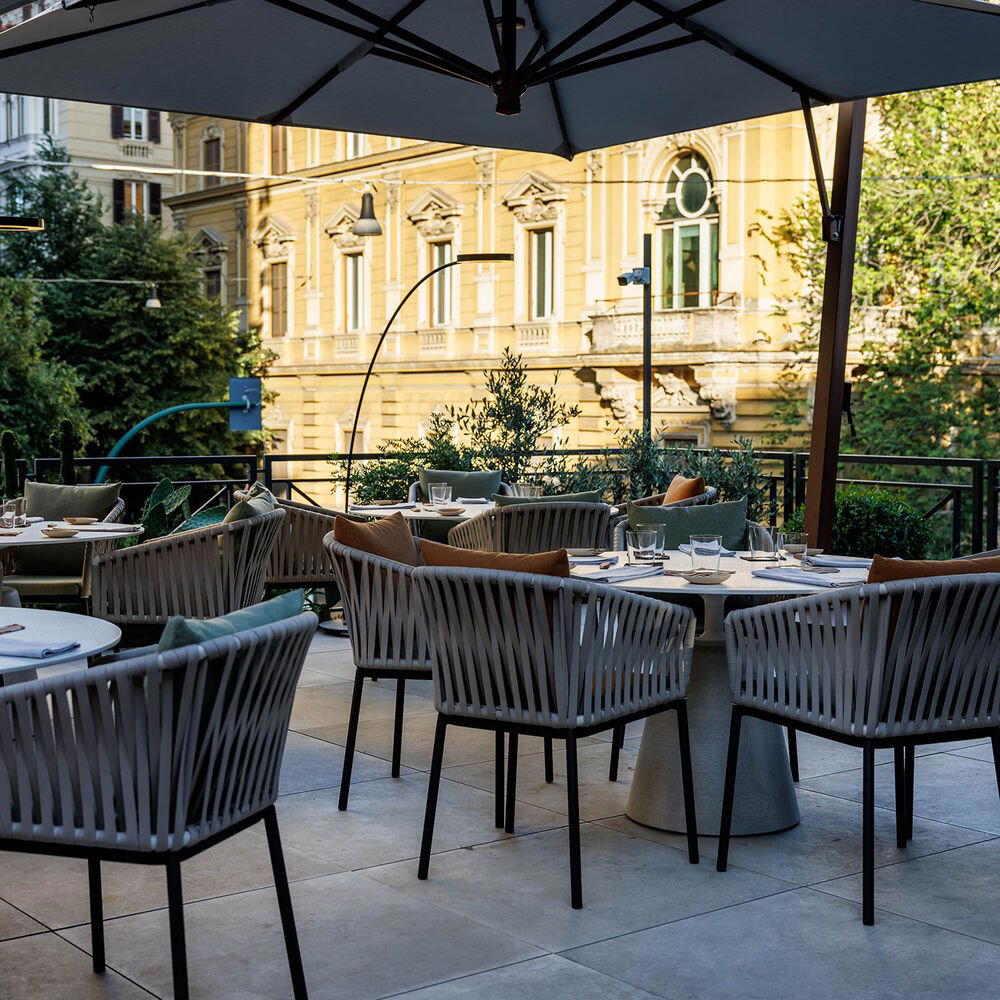
Bars in San Miniato
Browse all →
Details
- Cozy
- Elegant
- Rustic
- Intimate
- Sophisticated
- Date Night
- Special Occasion
- Open Kitchen
- Extensive Wine List
- Farm To Table
- Local Sourcing
- Organic
- Tasting Menu
- Vegetarian Friendly
- Vegan Options
Current opening hours
- Monday
- Closed
- Tuesday
- 7:30–10:30 PM
- Wednesday
- 7:30–10:30 PM
- Thursday
- 7:30–10:30 PM
- Friday
- 7:30–10:30 PM
- Saturday
- 12:30–2 PM, 7:30–10:30 PM
- Sunday
- 12:30–2 PM, 7:30–10:30 PM
Hours can change for holidays and private events. Hours as of .
Cozy, elegant, and intimate with a relaxed, welcoming atmosphere praised for its pleasant interior and attentive service.