COMO Castello del Nero



1 Michelin Key · Mr & Mrs Smith Seal of Approval · Virtuoso Luxury Hotel Partner
A twelfth-century Chianti castle spanning 740 acres, COMO Castello del Nero holds a Michelin One Key (2024) and a Michelin-starred restaurant, La Torre, under Executive Chef Giovanni Luca Di Pirro. Fifty rooms and suites occupy historic frescoed walls and vaulted ceilings, while the COMO Shambhala Retreat and Villa San Luigi add two distinct layers of seclusion. Rates start from $760 per night.

Pearl is the En Primeur Club membership app — saves, bookings, and concierge access live there. Same editors, same standards.
- Address
- Str. Spicciano, 7, 50028 Barberino Tavarnelle FI
- Phone
- +39 055 806 4701
- Website
- comohotels.com
- Directions
- Get directions
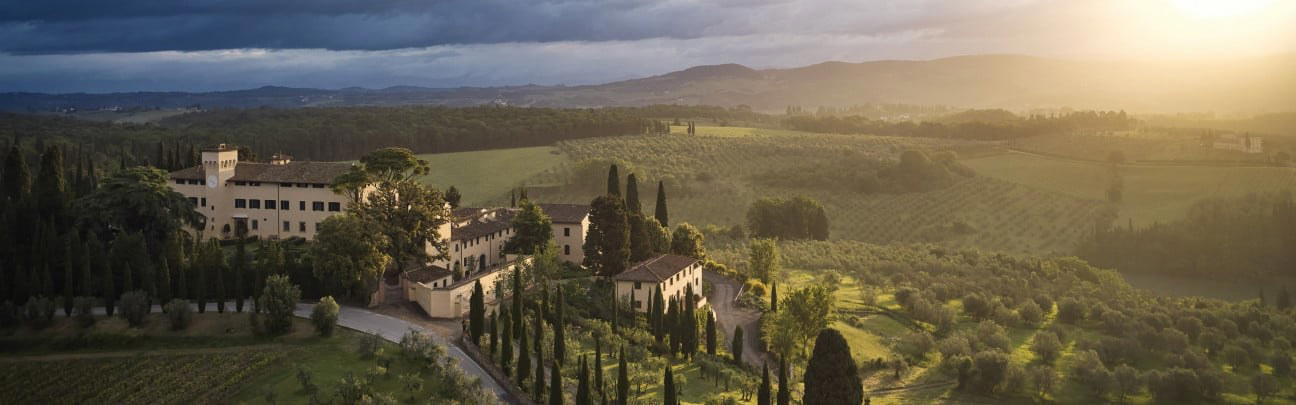
A Chianti Estate Where the Dining Programme Carries Its Own Weight
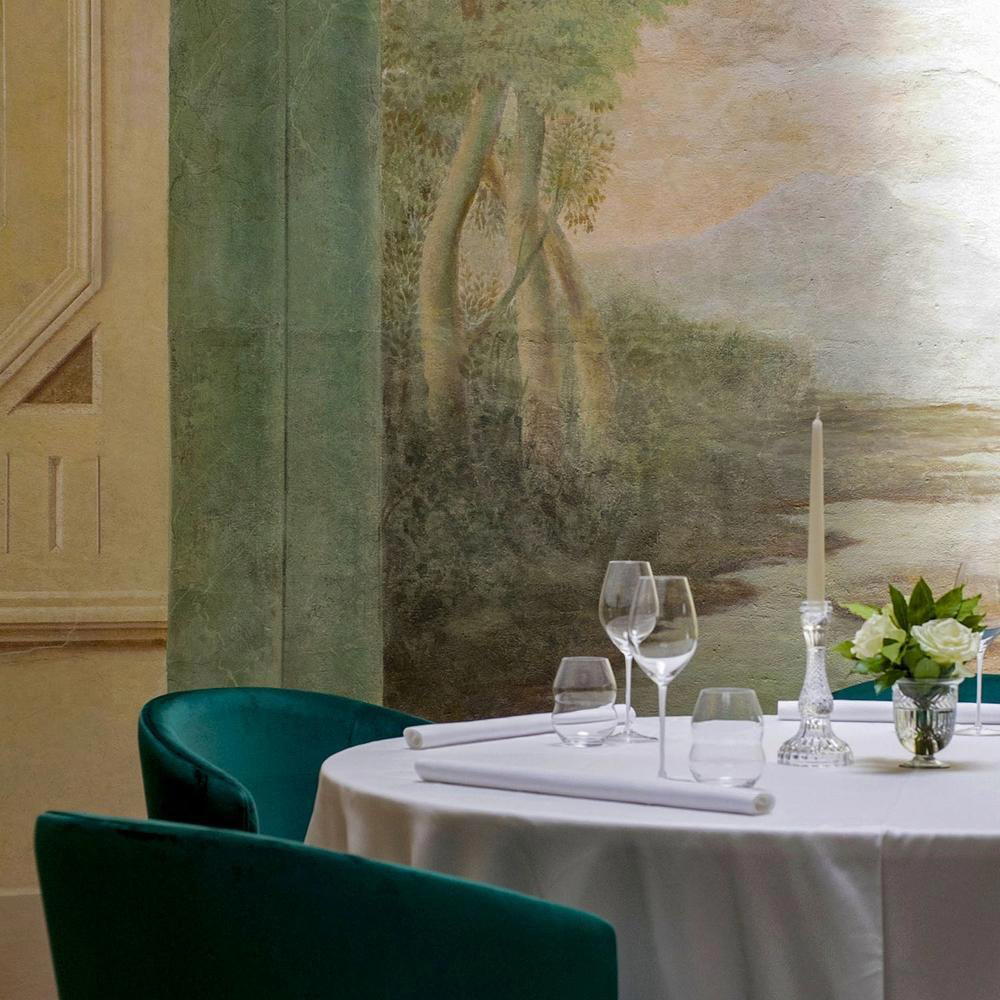
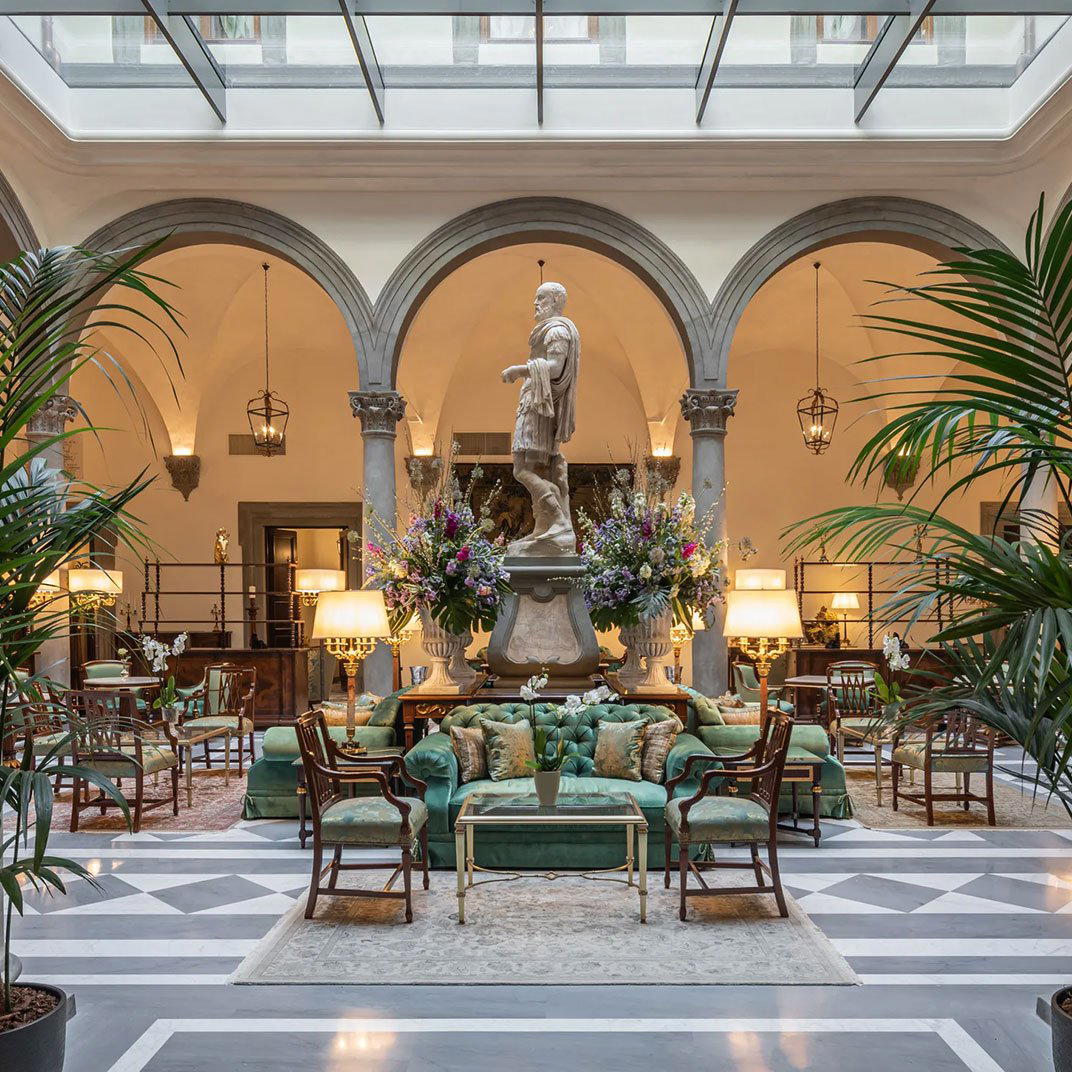
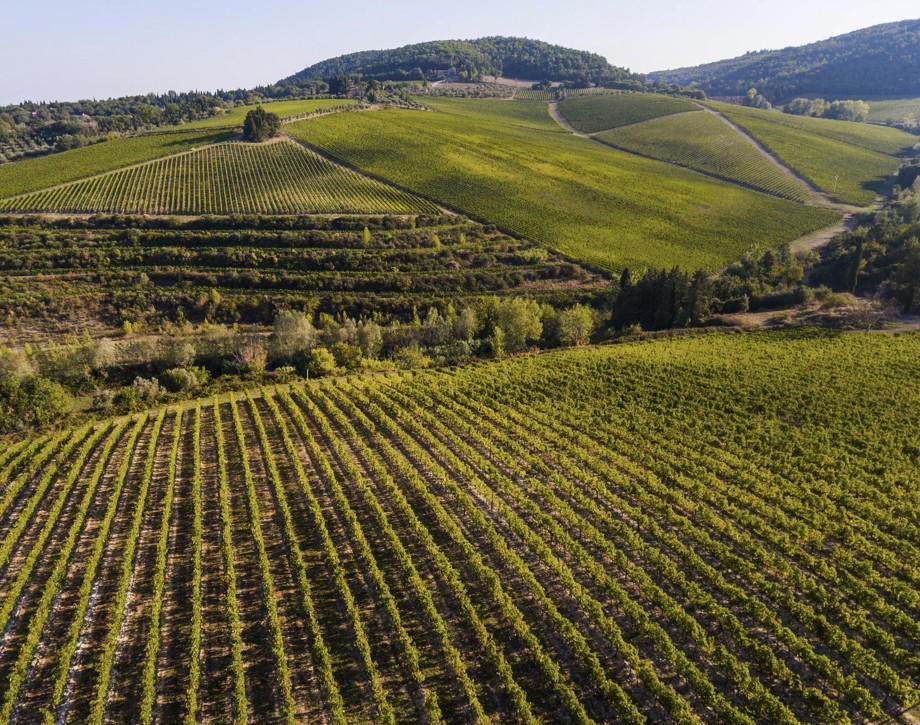
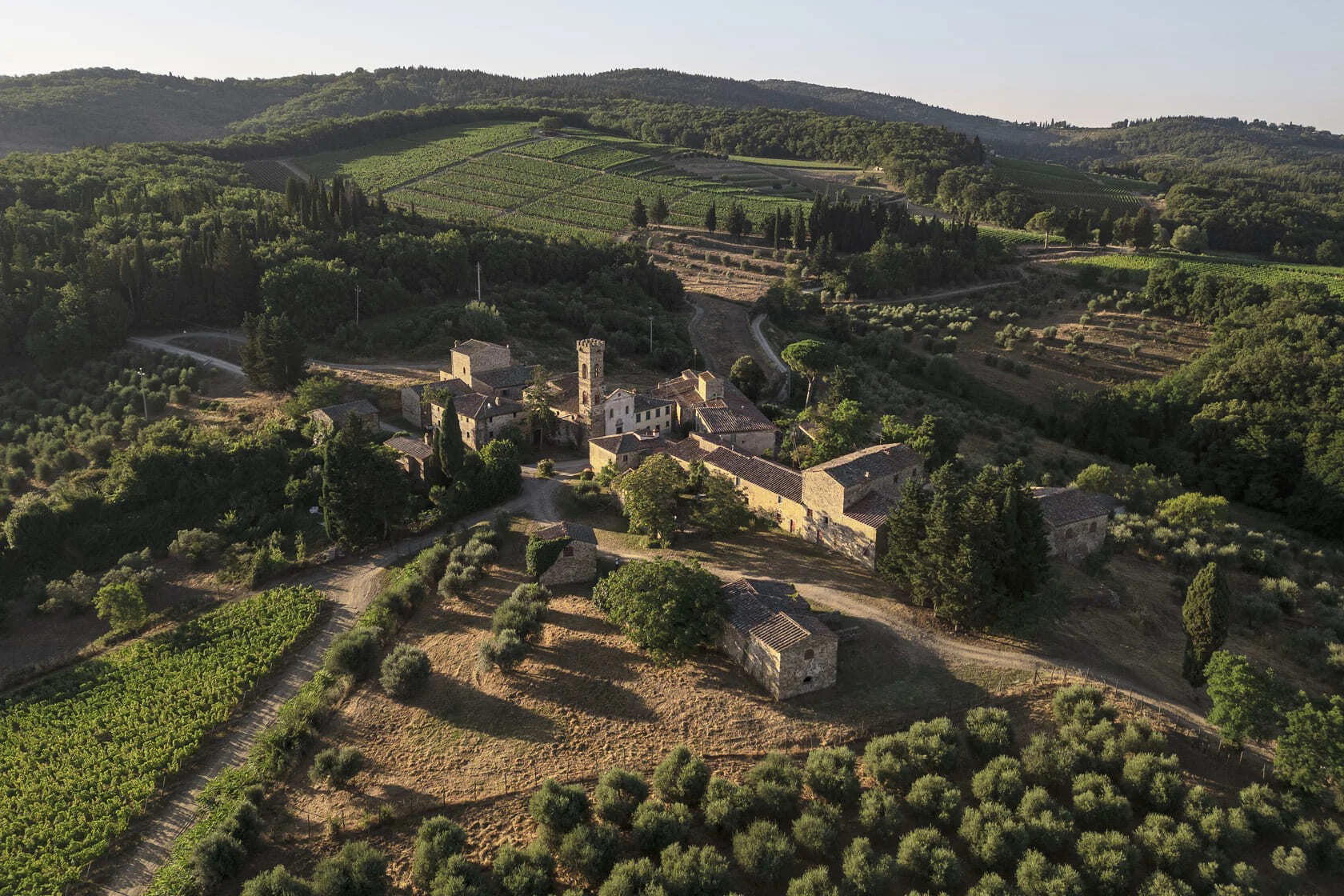
The approach to COMO Castello del Nero sets the terms clearly. A twelfth-century fortress rises from 740 acres of Chianti countryside, olive groves framing the drive in, vineyards visible on the surrounding slopes. Inside, fresco walls and vaulted ceilings remain structurally intact, while Milanese interior designer Paola Navone introduced a quieter, contemporary aesthetic that sits alongside the stonework without competing with it. That tension between historical fabric and deliberate restraint runs through the entire property, and it shapes the dining programme as much as the architecture.
The Chianti region has no shortage of agriturismo conversions and vineyard estates offering a version of Tuscan hospitality, but most operate with one restaurant and a wine list anchored to the local DOC producers. COMO Castello del Nero runs a more layered food and beverage operation than the category average, with a Michelin-starred restaurant, a seasonal outdoor dining venue, a bar with a dedicated cocktail identity, and a wine cellar programme that extends into private dining. For context, comparable estate-hotel formats in Tuscany — Rosewood Castiglion Del Bosco in Montalcino and Borgo San Felice Resort in Castelnuovo Berardenga — operate similar multi-outlet structures, but the Michelin star at La Torre places COMO Castello del Nero in a smaller sub-tier where formal gourmet dining and estate-hotel formats genuinely overlap.
La Torre: Formal Dining Inside a Working Estate
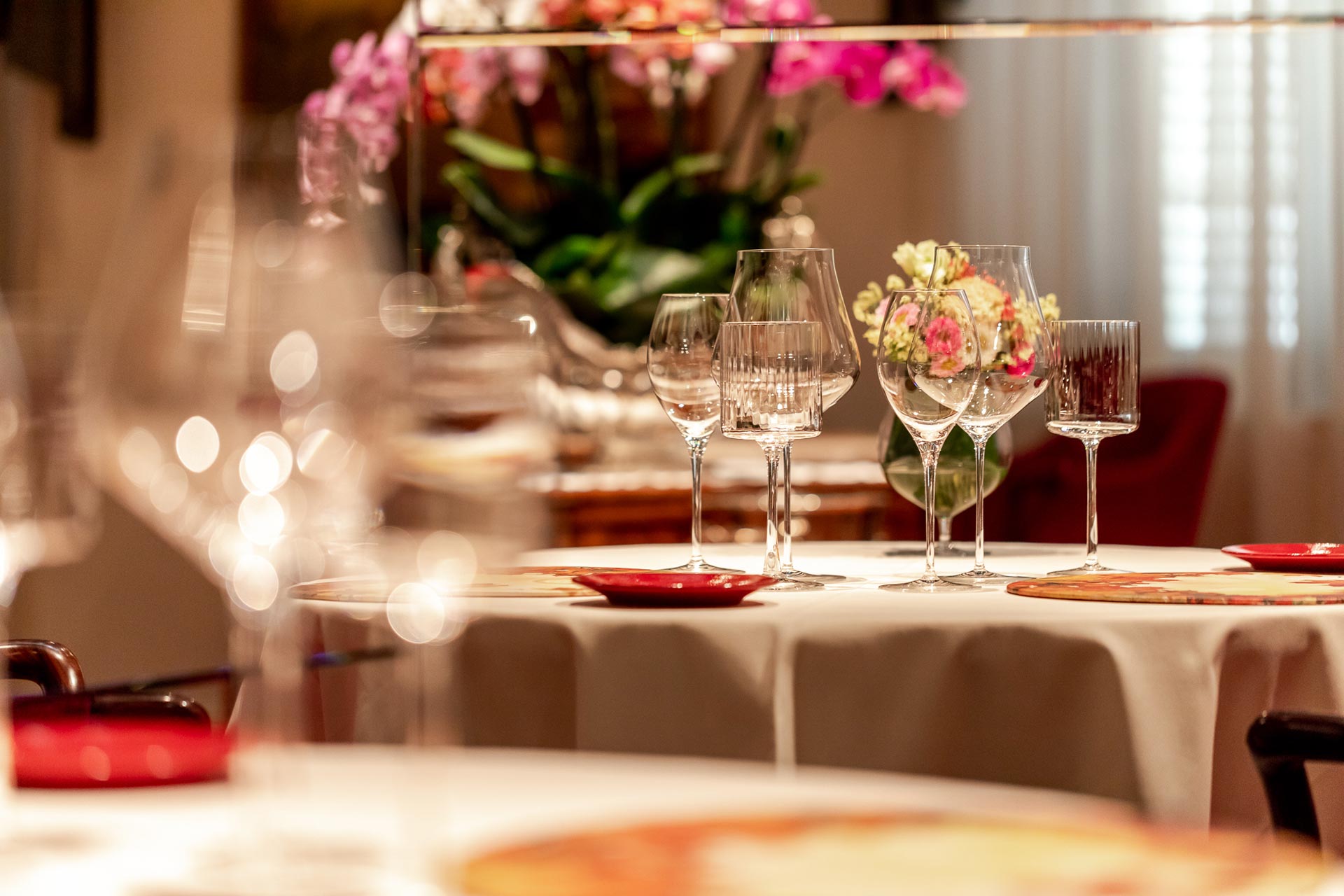
La Torre carries a Michelin star and operates under Executive Chef Giovanni Luca Di Pirro, who also oversees the estate's kitchen garden, vineyard, beehives, and olive groves. The supply chain is short by design: produce moves from the estate grounds to the kitchen, a model that has become common language across Italian fine dining but is less frequently executed with this degree of vertical integration at a hotel property. The estate grows its own ingredients, presses its own oil, and maintains its own hives, which means the sourcing credentials behind the menu are verifiable rather than aspirational.
Michelin-starred hotel restaurants in Tuscany tend to fall into two patterns: those that operate as destination restaurants drawing outside bookings, and those that function primarily as an amenity for guests staying on property. La Torre's position within a 50-room country estate suggests the latter model, with the star serving as a quality signal for the overall property rather than a standalone dining destination. That distinction matters for how you plan your stay: reservations are more accessible here than at freestanding starred restaurants in Florence or Siena, and the pace of service reflects a resort rhythm rather than a tight urban counter format.
Pavilion and La Taverna: The Summer Register
The estate's second restaurant, Pavilion, opens seasonally in summer and operates as an outdoor Mediterranean dining venue. This follows a pattern common across high-end Tuscan properties: a formal interior restaurant for cooler months and year-round gourmet dining, paired with a more relaxed alfresco format when Chianti evenings permit. The menu register shifts accordingly, with lighter, more casual Mediterranean cooking replacing the structured Italian cuisine of La Torre.
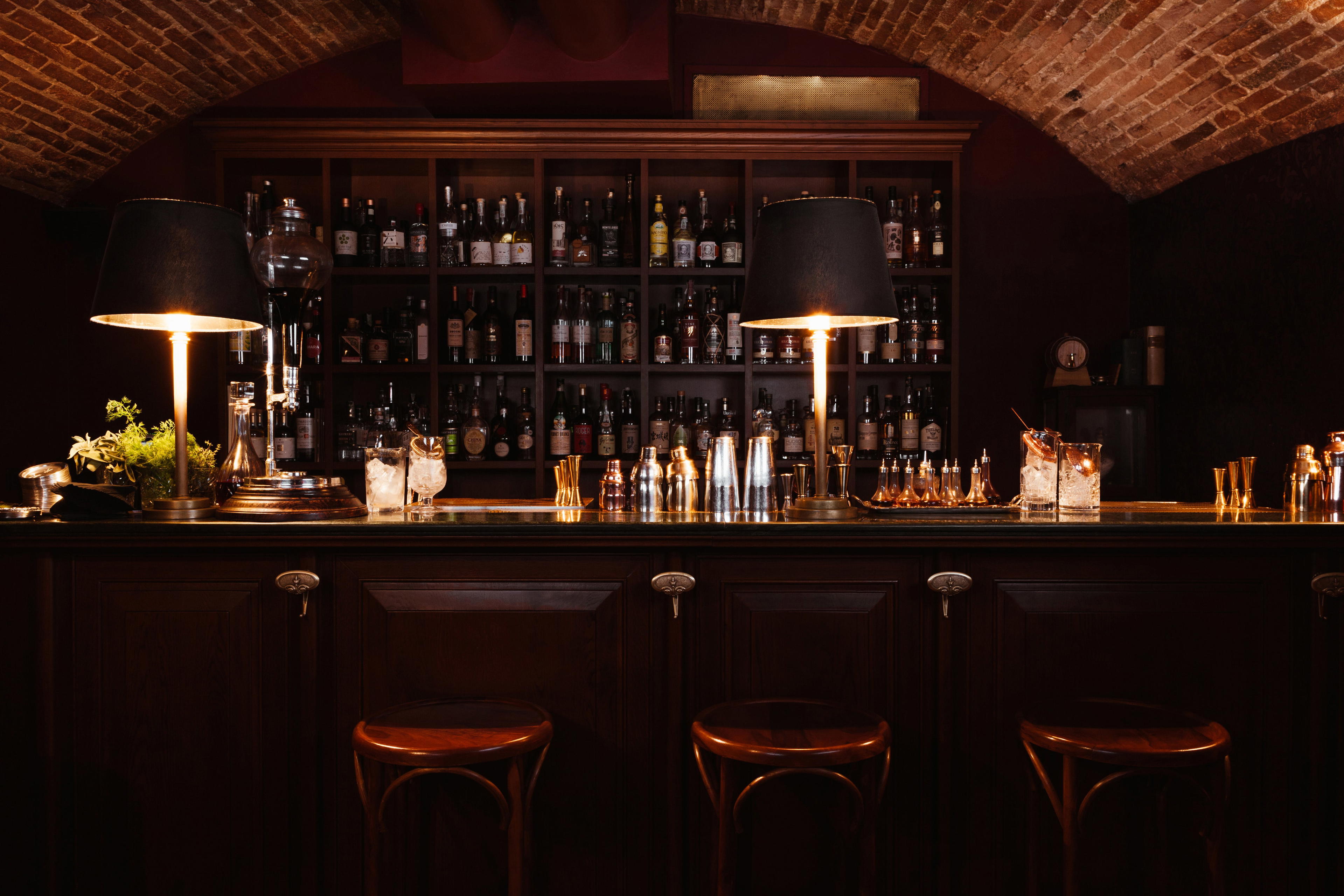
La Taverna functions as the property's bar, with what the hotel describes as a cocktail programme oriented around modern interpretations. COMO Hotels have developed a recognisable bar identity across their global portfolio, and Castello del Nero applies that template here: trained mixologists, a menu built around contemporary technique, and a setting that draws from the castle's historic interiors rather than working against them.
The Wine Cellar as a Separate Programme
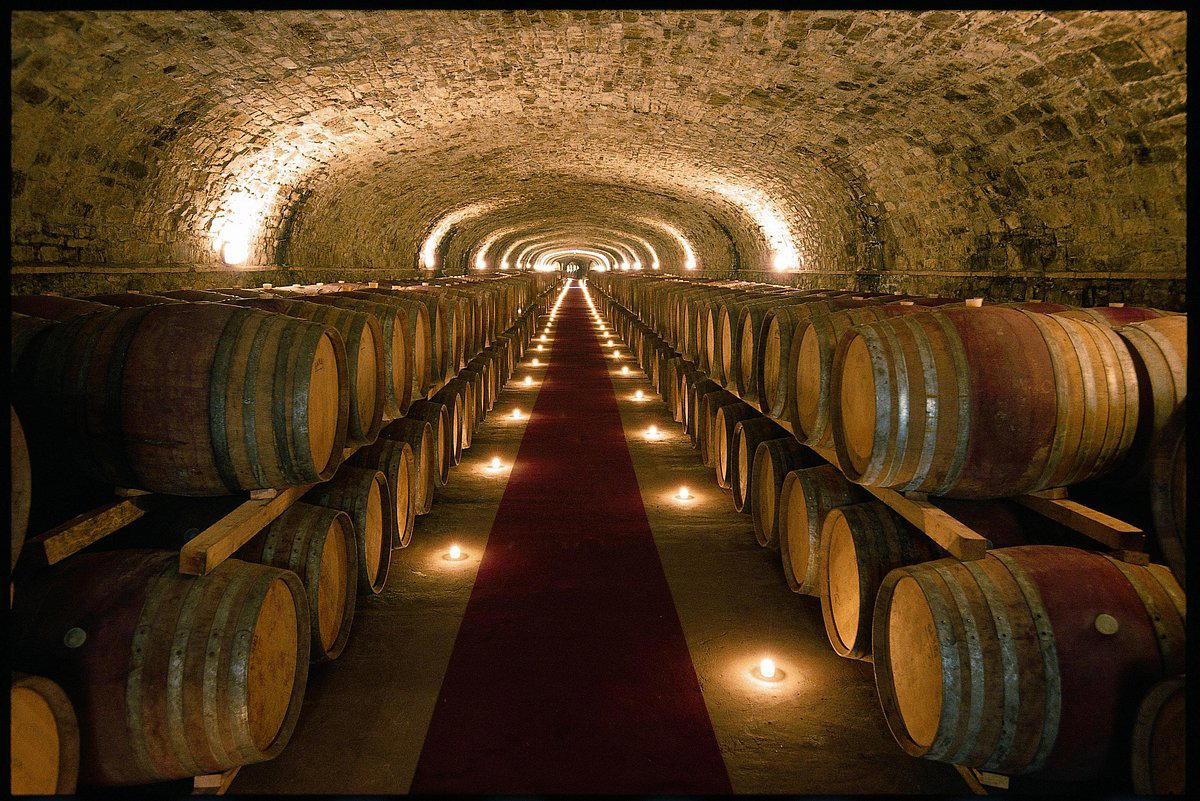
The estate wine cellar operates as both a practical storage facility and a programming venue, with wine tasting experiences and private dining available within it. In a region where Chianti Classico producers are within a short drive in any direction, having a dedicated tasting infrastructure on-property is a logistical advantage. Guests who want structured wine education or a private dinner setting away from the main restaurant have access to both without leaving the estate. The property also maintains its own vineyard, which gives the wine programme a degree of specificity that purely curatorial wine lists cannot replicate.
The 740-Acre Estate and What It Actually Provides
The physical scale of COMO Castello del Nero is a functional feature rather than an abstract credential. At 740 acres, the estate has room for a heated outdoor swimming pool, tennis courts, an e-bike fleet, morning yoga, and Villa San Luigi, a private villa with an infinity pool and a wellness annexe, all without those facilities crowding the main castle. The COMO Shambhala Retreat, the brand's wellness division, operates on-site with therapeutic massages and health-focused treatments, drawing from the wider COMO Shambhala methodology that the group has developed across thirty years of operation.
Villa San Luigi functions as a separate accommodation tier: a private villa within the estate, bookable with optional access to all hotel services. For guests who want the full-service infrastructure of a luxury hotel without the shared spaces, the villa format provides that separation. It is a model that Castello di Reschio in Lisciano Niccone and Castelfalfi in Montaione also deploy, treating the standalone villa as a premium layer above the main room inventory.
The Rooms and Their Hierarchy
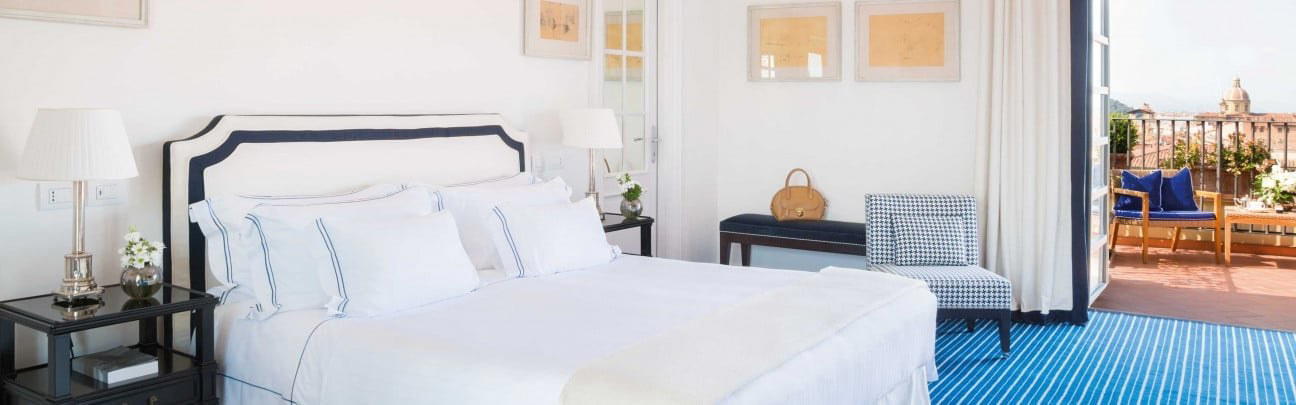
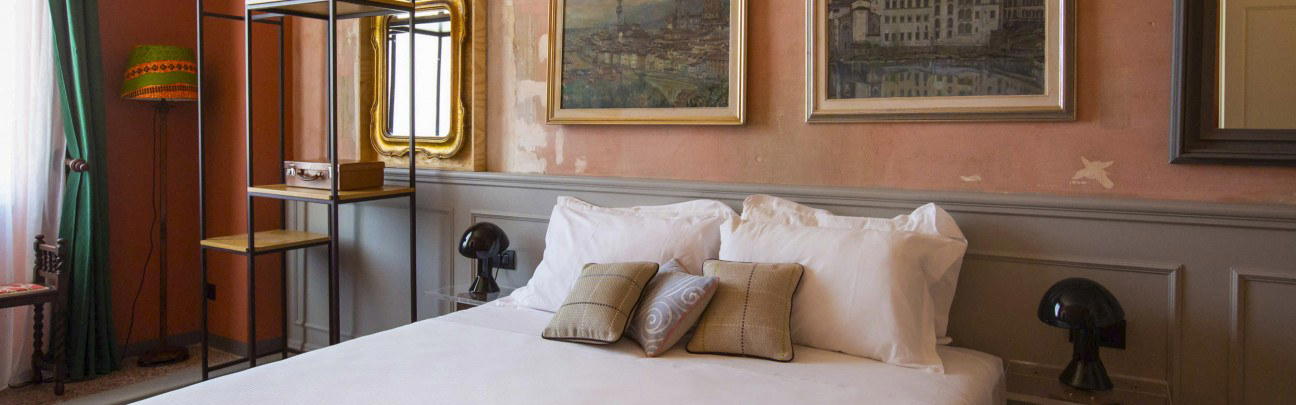
The 50 rooms and suites divide broadly between standard rooms with wooden beamed ceilings, terracotta floors, and marble bathrooms, and higher-category suites with frescoed walls and fireplaces. Navone's interior approach keeps the contemporary COMO aesthetic present without stripping out the historic detail that makes the castle architecturally coherent. Many rooms carry views across the Tuscan countryside, which in this location means vineyard and olive grove sightlines rather than a manicured hotel garden. The castle's association with the Del Nero family of Florence and subsequent Torrigiani ownership since 1825 gives the interiors their collection of Renaissance paintings, family crests, and period furniture, all of which sit alongside plasma televisions and contemporary connectivity.
Rates begin at $760 per night. The property holds a Michelin One Key (2024), the guide's hotel quality designation, in addition to La Torre's restaurant star.
Getting There and What to Do Beyond the Estate
COMO Castello del Nero sits in Tavarnelle Val di Pesa in the Chianti Classico zone, placing it within day-trip range of both Florence and Siena. Florence is the more practical base for airport arrivals, with the estate reachable by car in under an hour. The surrounding area contains some of the most concentrated wine tourism in Italy: Greve in Chianti, Panzano, and Radda are all within a short drive, and the estate's e-bike programme offers a lower-speed format for navigating the local roads and vineyards.
For guests approaching Tuscany as part of a wider Italian itinerary, the COMO Castello del Nero stay pairs logically with urban properties such as the Four Seasons Hotel Firenze in Florence for a city-and-countryside split, or with other Italian estate formats such as Casa Maria Luigia in Modena for a different regional register. Those planning a broader Italian circuit might consider Aman Venice in Venice, Bulgari Hotel Roma in Rome, or Portrait Milano in Milan as urban anchors. Further afield within Italy, Borgo Santandrea in Amalfi Coast, Il Pellicano in Porto Ercole, Il San Pietro di Positano in Positano, and Borgo Egnazia in Savelletri di Fasano represent the coastal and southern alternatives. For those looking at the broader range of northern Italian or Alpine stays, Passalacqua in Moltrasio, EALA My Lakeside Dream in Limone sul Garda, Forestis Dolomites in Plose, Castel Fragsburg in Merano, and Corte della Maestà in Civita di Bagnoregio provide a wider geographic spread. For those comparing destination options outside Europe, Amangiri in Canyon Point, Aman New York in New York City, and The Fifth Avenue Hotel in New York City occupy a comparable tier in their respective markets. Within the immediate area, La Locanda Di Pietracupa offers a smaller-scale alternative in Tavarnelle Val di Pesa itself. See our full Tavarnelle Val di Pesa restaurants guide for broader local context. JK Place Capri in Capri and Bellevue Syrene 1820 in Sorrento round out the southern Italian island and coastal options for those building a multi-stop itinerary.
Price and Recognition
Comparable venues nearby, for context on price, style, and recognition.
| Venue | Price | Awards | Notes |
|---|---|---|---|
| COMO Castello del NeroThis venue — the venue you are viewing | Not listed | 1 Michelin Key · Mr & Mrs Smith Seal of Approval | Not listed |
| La Locanda Di Pietracupa | Not listed | Not listed | San Donato in Poggio, Charming early 1900s bourgeois house in quintessential Chianti farmhouse style. |
| Castello di Spaltenna | $300–500 | Michelin Selected · Small Luxury Hotels of the World Member | Gaiole in Chianti, Historic luxury castle resort blending medieval architecture with contemporary wellness amenities in the heart of Chianti wine country. |
| Castello di Vicarello | Not listed | 1 Michelin Key · Mr & Mrs Smith Seal of Approval | Cinigiano, Historic Tuscan castle estate with vineyards and olive groves |
| Pensione America | $750–1,000 | 1 Michelin Key · Conde Nast Hot List Hotels | Forte dei Marmi, Historic villa with timeless Italian elegance and contemporary comfort. |
| Monastero di Cortona Hotel & Spa | Not listed | 1 Michelin Key | Cortona Old Town, Converted historic monastery with modern luxury |
Recognition history
Dated appearances from independent guides and award organizations, with the underlying list record or original source where available.
Michelin 1 Key
Michelin
Mr & Mrs Smith Seal of Approval
Mr & Mrs Smith
Virtuoso Luxury Hotel Partner
Virtuoso
Full recognition history (5 entries)
Michelin 1 Key
Michelin
Michelin 1 Key
Michelin
Continue exploring
More in Tavarnelle Val di Pesa
Hotels in Tavarnelle Val di Pesa
Browse all →
Bars in Tavarnelle Val di Pesa
Browse all →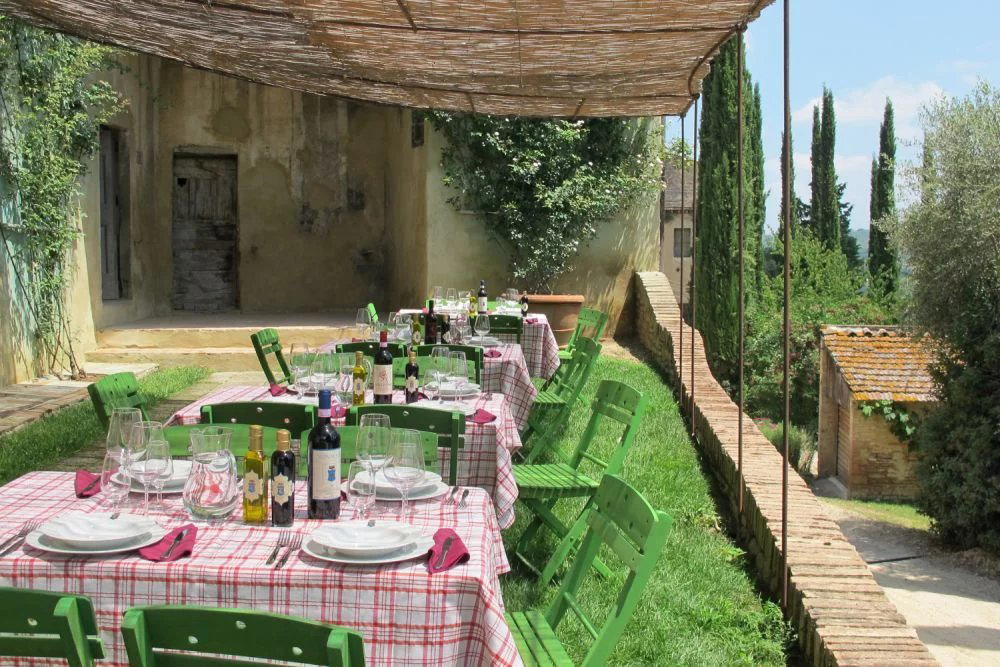
Restaurants in Tavarnelle Val di Pesa
Browse all →
Details
- Romantic
- Elegant
- Sophisticated
- Scenic
- Classic
- Honeymoon
- Romantic Getaway
- Wellness Retreat
- Anniversary
- Weekend Escape
- Historic Building
- Panoramic View
- Destination Spa
- Golf Course
- Garden
- Terrace
- Wi Fi
- Pool
- Spa
- Fitness Center
- Room Service
- Concierge
- Restaurant
- Bar
- Tennis
- Sauna
- Hot Tub
- Vineyard
- Garden
- Mountain
- Elevator
- Wheelchair Accessible
Elegant and relaxing with light modern interiors, frescoed ceilings, beamed ceilings, and panoramic views of Chianti hills, vineyards, and olive groves.