La Grotta

A long-running address on Montepulciano's main corso, La Grotta applies a lightening hand to the Sienese kitchen without abandoning its foundations. Dishes like pappardelle with guinea fowl and prunes or slow-cooked suckling pig with chard read as the region's larder treated with some discipline. It is the kind of table that makes sense after a morning walking the town's Renaissance streets.
Pearl is the En Primeur Club membership app — saves, bookings, and concierge access live there. Same editors, same standards.
- Address
- Via di Gracciano nel Corso, 11, 53045 Montepulciano SI, Italy
- Phone
- +39 0578 441978
- Website
- lagrottamontepulciano.it
- Directions
- Get directions
 Saves & bookings on Pearl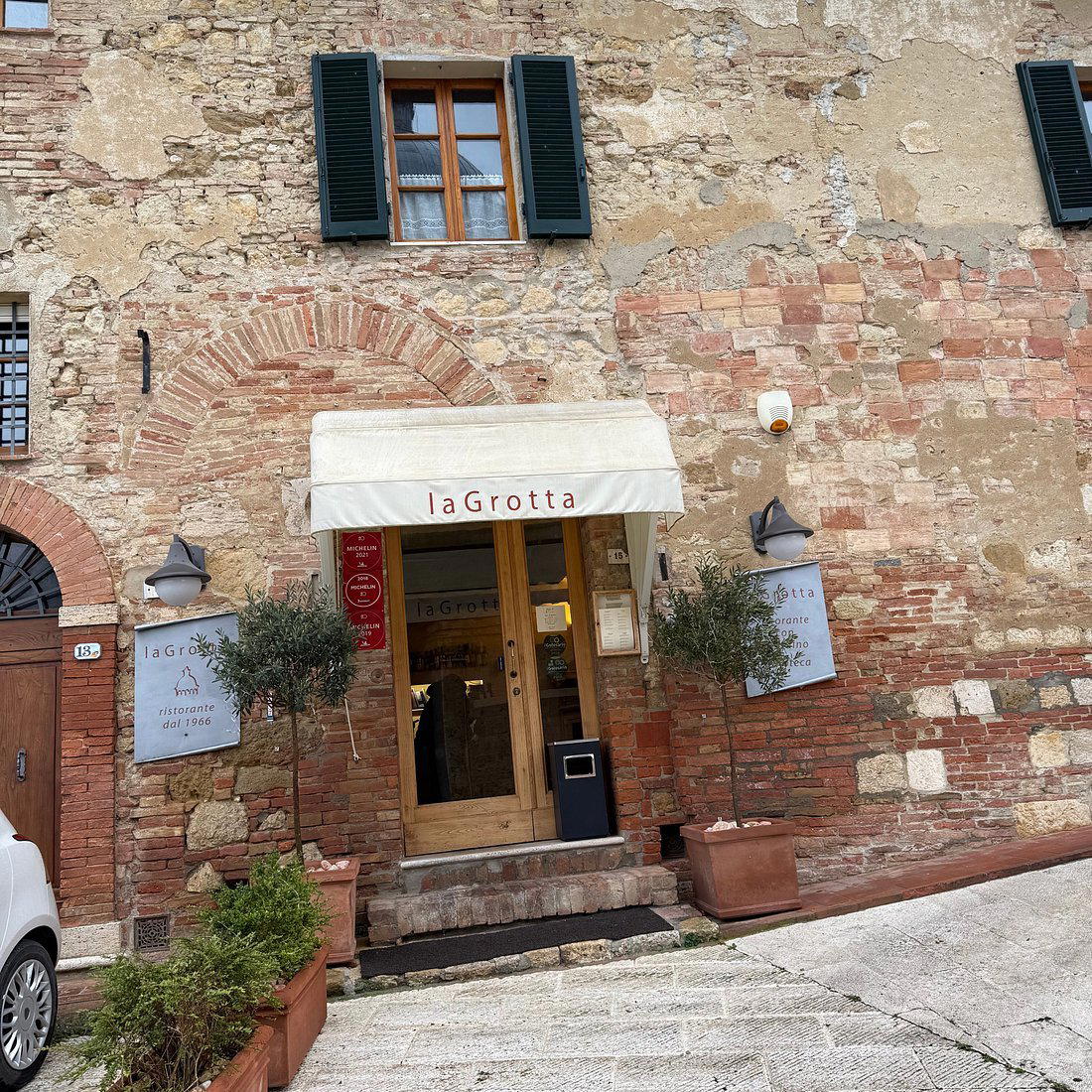
Stone, Corso, and the Tuscan Larder
Via di Gracciano nel Corso is the spine of Montepulciano, a long basalt-paved climb that connects the lower town to the high Piazza Grande. Arriving at number 11, the entrance to La Grotta sits within the kind of thick-walled civic architecture that defines the hilltop towns of the Val di Chiana: stone that has been retaining heat in winter and cold in summer for several centuries. The room does not need to perform. The setting does that work already, and the kitchen seems to understand this. There is no effort here to compete with the abstracted tasting menus found at places like Osteria Francescana in Modena or Le Calandre in Rubano. The ambition is narrower and more honest: take the ingredients that Sienese Tuscany has always produced and cook them with enough care that the sourcing shows.
What the Val di Chiana Puts on the Plate
The editorial case for La Grotta rests on a reading of the menu as a sourcing document. This is a zone defined by specific agricultural traditions: the white Chianina cattle of the valley floor, the small-scale vegetable plots and orchards climbing the hillside terraces, the wild-reared guinea fowl that still appears on farm tables in late autumn, the slow-cured Tuscan bacon that has been produced in this part of Siena province for generations. A kitchen that commits to this geography does not need to import ambition from elsewhere.
The menu as documented reflects that commitment with some consistency. Eggplant pie and zucchini with crispy Tuscan bacon draws on the same summer-garden tradition that runs through every agrarian kitchen in this province, but the execution described as lighter and more refined suggests a kitchen that has looked hard at the fat content of the original and made a considered edit without erasing the flavour logic. That discipline, applied to produce grown within a short radius, is not especially fashionable in the broader conversation about Italian fine dining, but it has its own integrity.
Pappardelle with guinea fowl sauce and prunes is a specifically Sienese register. The wide egg pasta absorbs the braised-bird sauce in a way that narrower cuts do not, and the prune introduces a sweetness that cuts through the richness without obscuring the gaminess of the bird. This is a preparation that belongs to a particular pocket of central Italy, and it reads as evidence that the kitchen is drawing on the canon rather than departing from it. Contrast this with the kind of Tuscan-adjacent cooking found at Enoteca Pinchiorri in Florence, where French technique has been layered over the regional base for decades, or the progressive coastal departures at Uliassi in Senigallia. La Grotta is doing something more localised and less hybrid.
Potato gnocchi with cherry tomatoes and asparagus represents the spring end of the same logic: seasonal produce from the hillside plots, minimal intervention, the gnocchi presumably made in-house given the dish's architecture. And slow-cooked suckling pig with chard closes the menu's argument. Porchetta and its relatives are the feast food of central Italy, and the choice of chard as an accompaniment over a richer braised green is the kind of small decision that signals kitchen literacy. Chard's slight bitterness works as a counterweight. It is a considered pairing, not a default one. For readers who want to see how this same philosophy of central-Italian produce discipline plays out at a higher price point and with more formal technique, Dal Pescatore in Runate and Reale in Castel di Sangro offer useful comparisons, though both operate in substantially different registers and at €€€€ price levels that bear no resemblance to what Montepulciano's mid-range trattoria tier delivers.
Where This Sits in Montepulciano's Dining Picture
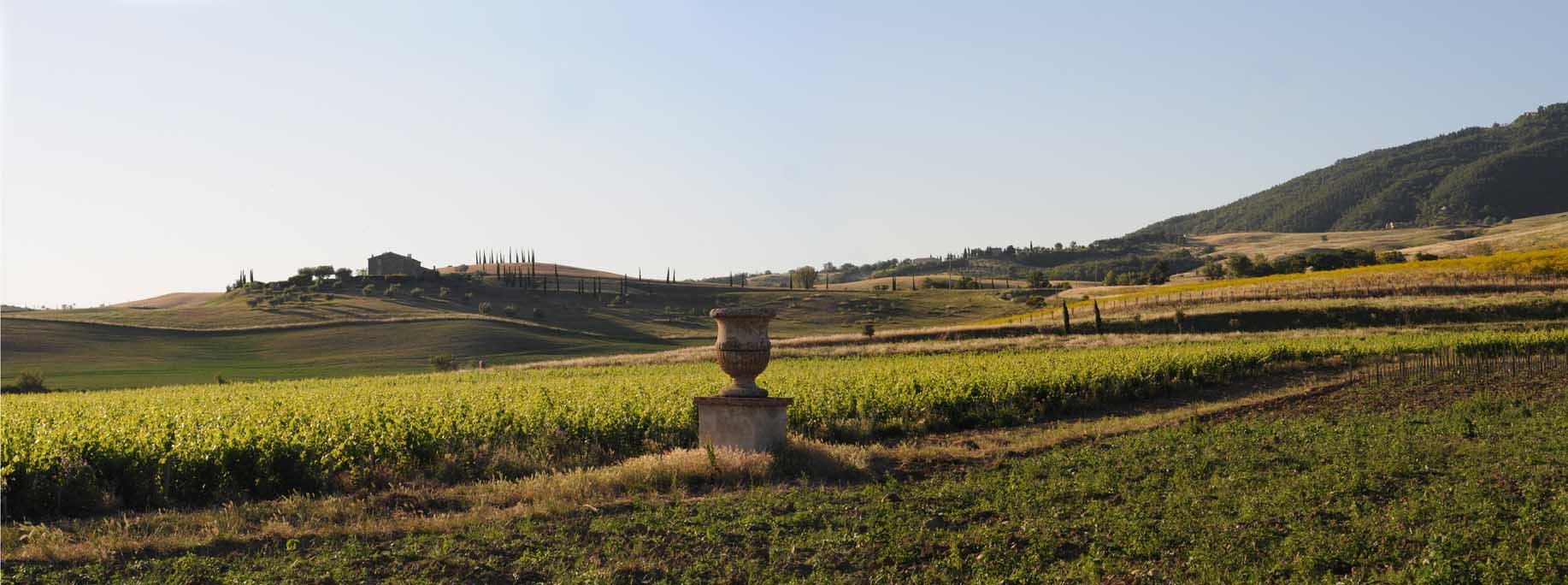
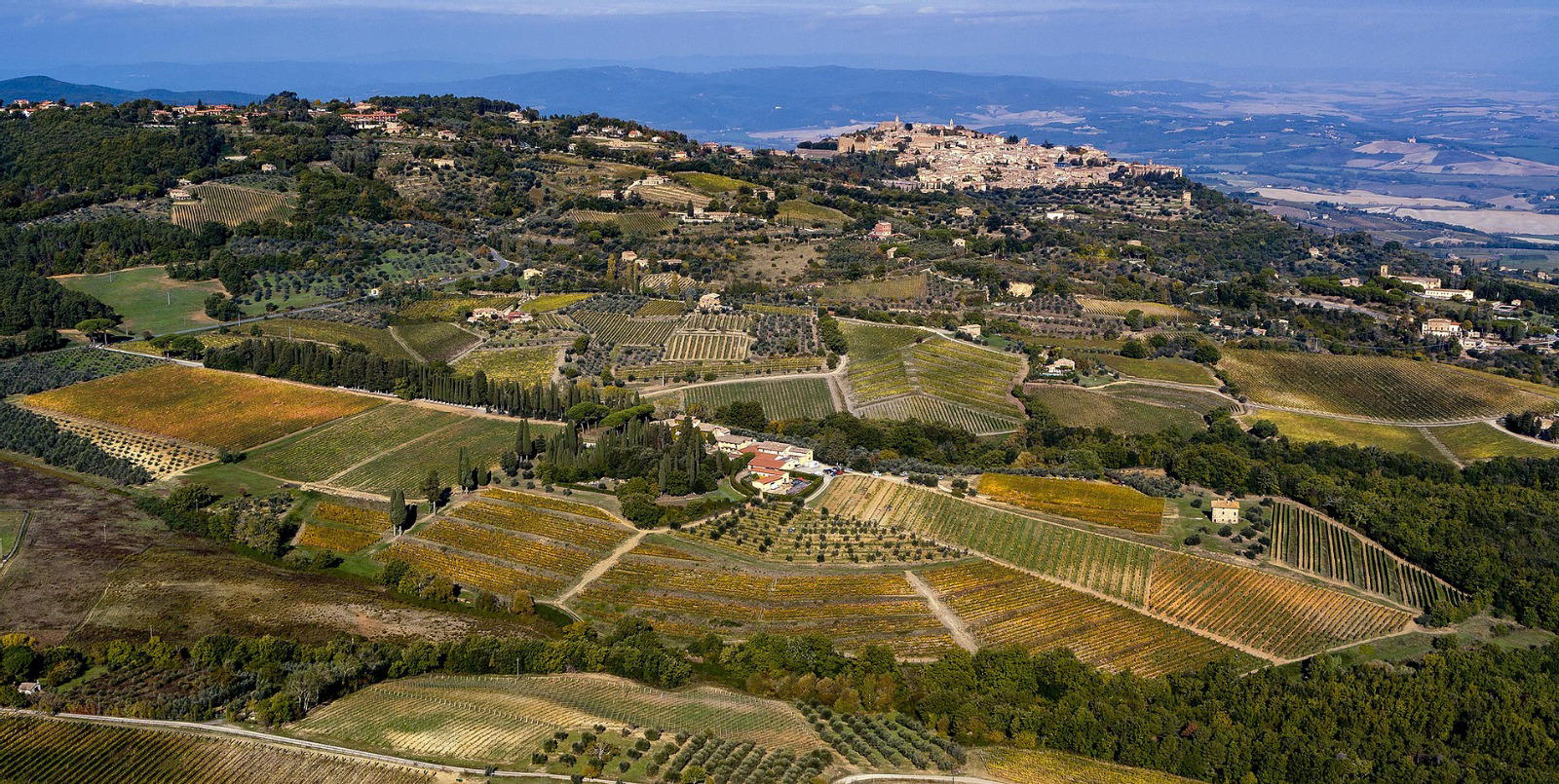
Montepulciano is a wine town first. The Vino Nobile DOCG designation gives it an identity that draws visitors primarily through the enotecas and cantinas rather than the restaurant scene. This means the food offer, while solid, exists partly in service of the wine. Most visitors will arrive already oriented toward Sangiovese-dominated blends and will expect the kitchen to reflect rather than compete with that priority. Producers like Avignonesi "Le Capezzine" have created their own hospitality spaces, so the competition for a visitor's table is genuinely distributed across wine estates and town restaurants alike.
Within the town's restaurant tier, La Grotta occupies the thoughtful-trattoria bracket rather than the special-occasion bracket. The menu's composition, the emphasis on lighter preparations of Sienese standards, and the address on the main corso all suggest a kitchen calibrated for travellers who are spending two or three days in the town and want their meals to reflect where they are. That is not a diminished ambition. It is a specific one, and in a region where over-reaching kitchens can produce expensive disappointments, specificity is its own form of confidence.
For a complete picture of what the town offers beyond the table, our full Montepulciano SI restaurants guide maps the full range, and the wineries guide is the logical companion for anyone building a multi-day itinerary around Vino Nobile. The hotels guide, bars guide, and experiences guide cover the rest of the town's infrastructure for extended stays.
Planning a Meal Here
The restaurant sits at Via di Gracciano nel Corso, 11, on the main pedestrian corso that runs through the centre of Montepulciano. Arrival on foot from the lower town car parks takes roughly ten minutes up the corso, which is part of the experience given the street's architecture and the view lines it opens at intervals. The restaurant recommends reservations, and the dining room suits smart casual dress. Montepulciano's restaurant scene is relatively compact, so availability is generally easier than in larger Tuscan towns, but the summer months from June through August draw significant visitor numbers and some forward planning is reasonable. The menu's emphasis on seasonal produce means the offer in autumn, when guinea fowl, earthy root vegetables, and the new Vino Nobile vintage all coincide, is one coherent expression of what the kitchen is attempting.
Piazza Duomo in Alba, Enrico Bartolini in Milan, Atelier Moessmer Norbert Niederkofler in Brunico, and Quattro Passi in Marina del Cantone each represent a different Italian region's produce-first argument at the formal end of the market. The restaurant is making a version of the same argument at a different price point and with a different set of expectations on both sides of the pass. Internationally, the philosophy of sourcing discipline within a defined regional cuisine has parallels at places like Le Bernardin in New York City and Emeril's in New Orleans, both of which have built their reputations on a clear-eyed relationship with specific ingredients rather than on technique for its own sake.
Side-by-Side Snapshot
Comparable venues nearby, for context on price, style, and recognition.
| Venue | Cuisine | Price | Awards | Notes |
|---|---|---|---|---|
| La GrottaThis venue — the venue you are viewing | Modern Tuscan Fine Dining | $$$ | Not listed | Not listed |
| Avignonesi "Le Capezzine" | Tuscan Farm-to-Table | $$$ | Not listed | Montepulciano |
| Le Logge del Vignola | Modern Tuscan Fine Dining | $$$$ | Michelin Plate | historic center |
| Indigeno | Modern Tuscan Farm-to-Table | $$$ | Michelin Plate | Montepulciano |
| Osmosi | Contemporary Tuscan Fine Dining | $$$$ | Michelin 1 Star | Montepulciano countryside |
| Claudio Alvicolo | Experimental Gourmet Pizza | $$$ | Not listed | Orvieto pedestrian center |
Recognition history
Dated appearances from independent guides and award organizations, with the underlying list record or original source where available.
We're Smart World 1 Radish
We're Smart World
Continue exploring
More in Montepulciano
Restaurants in Montepulciano
Browse all →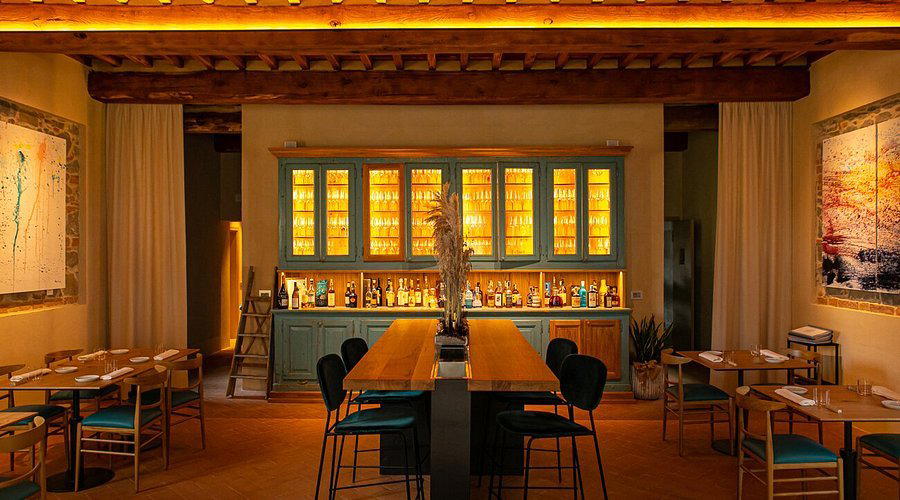
Bars in Montepulciano
Browse all →
Hotels in Montepulciano
Browse all →
At a Glance
- Elegant
- Romantic
- Rustic
- Intimate
- Sophisticated
- Date Night
- Special Occasion
- Celebration
- Historic Building
- Terrace
- Wine Cellar
- Extensive Wine List
- Local Sourcing
Current opening hours
- Monday
- 11 AM–11 PM
- Tuesday
- 11 AM–11 PM
- Wednesday
- 11 AM–11 PM
- Thursday
- 11 AM–11 PM
- Friday
- 11 AM–11 PM
- Saturday
- 11 AM–11 PM
- Sunday
- 11 AM–11 PM
Hours can change for holidays and private events. Last verified .
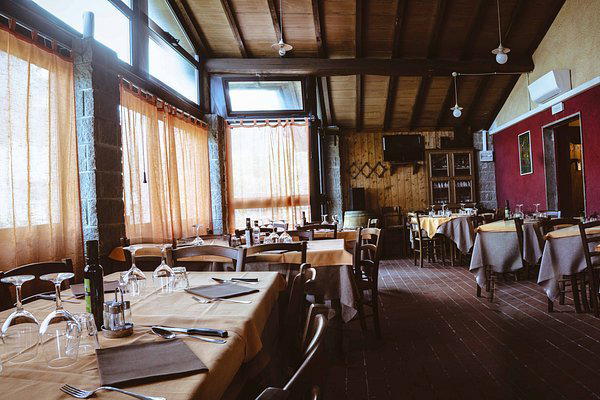
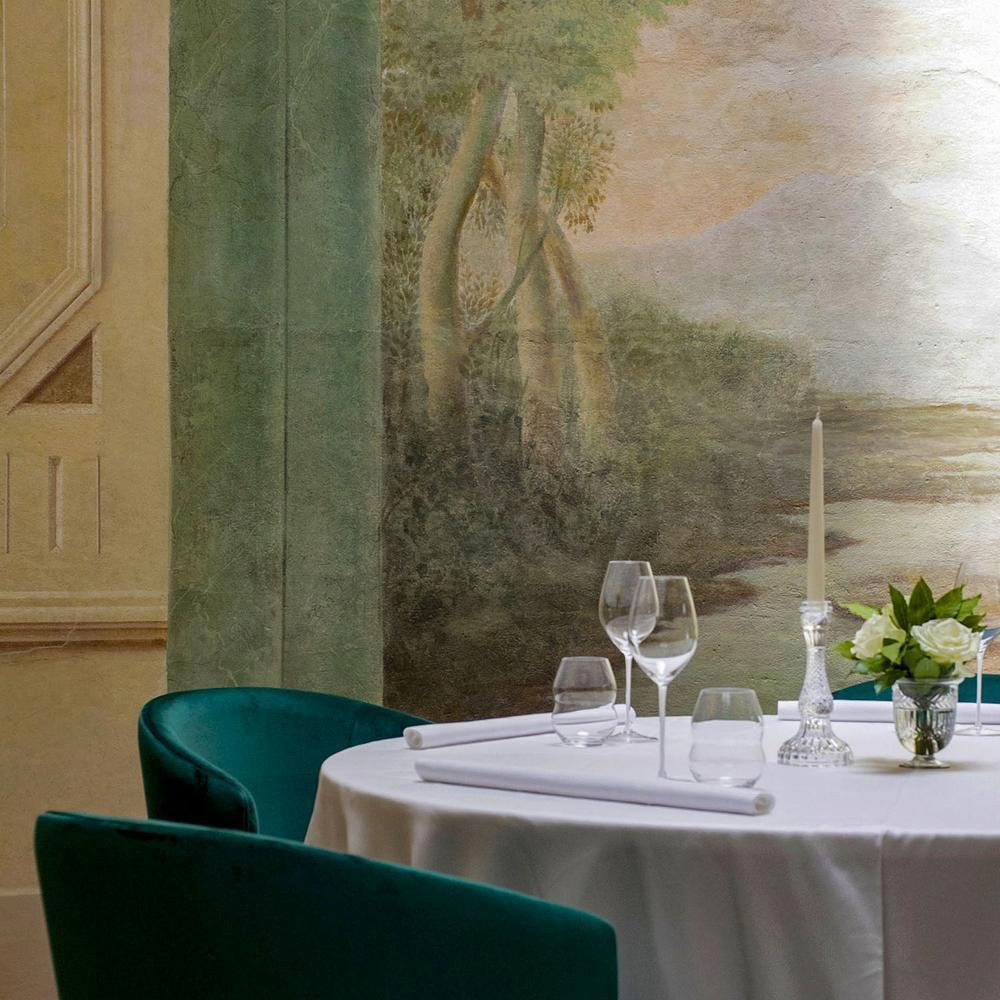
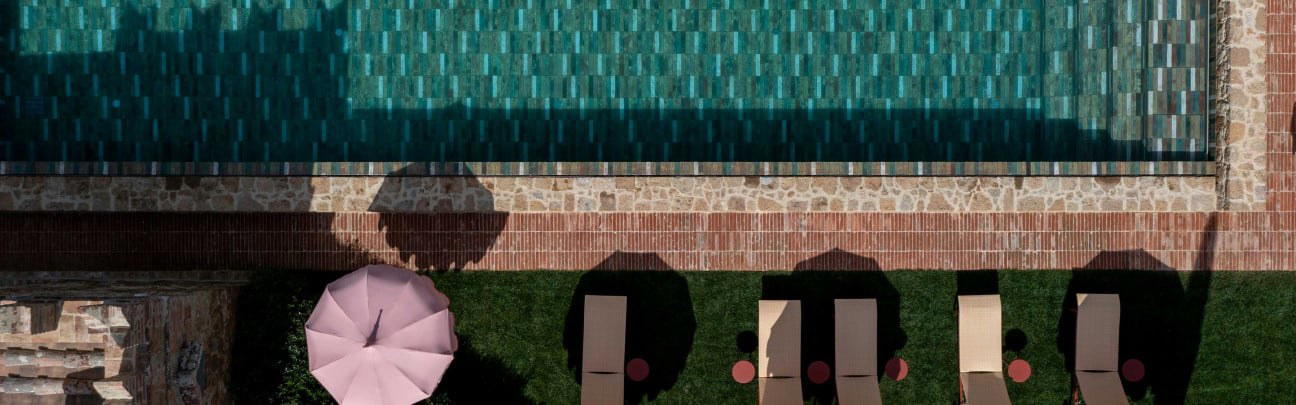
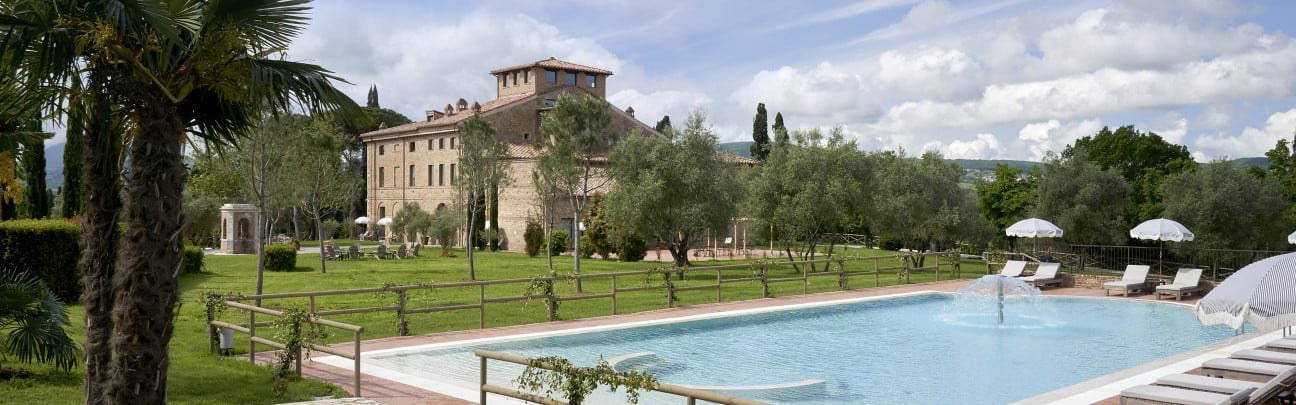
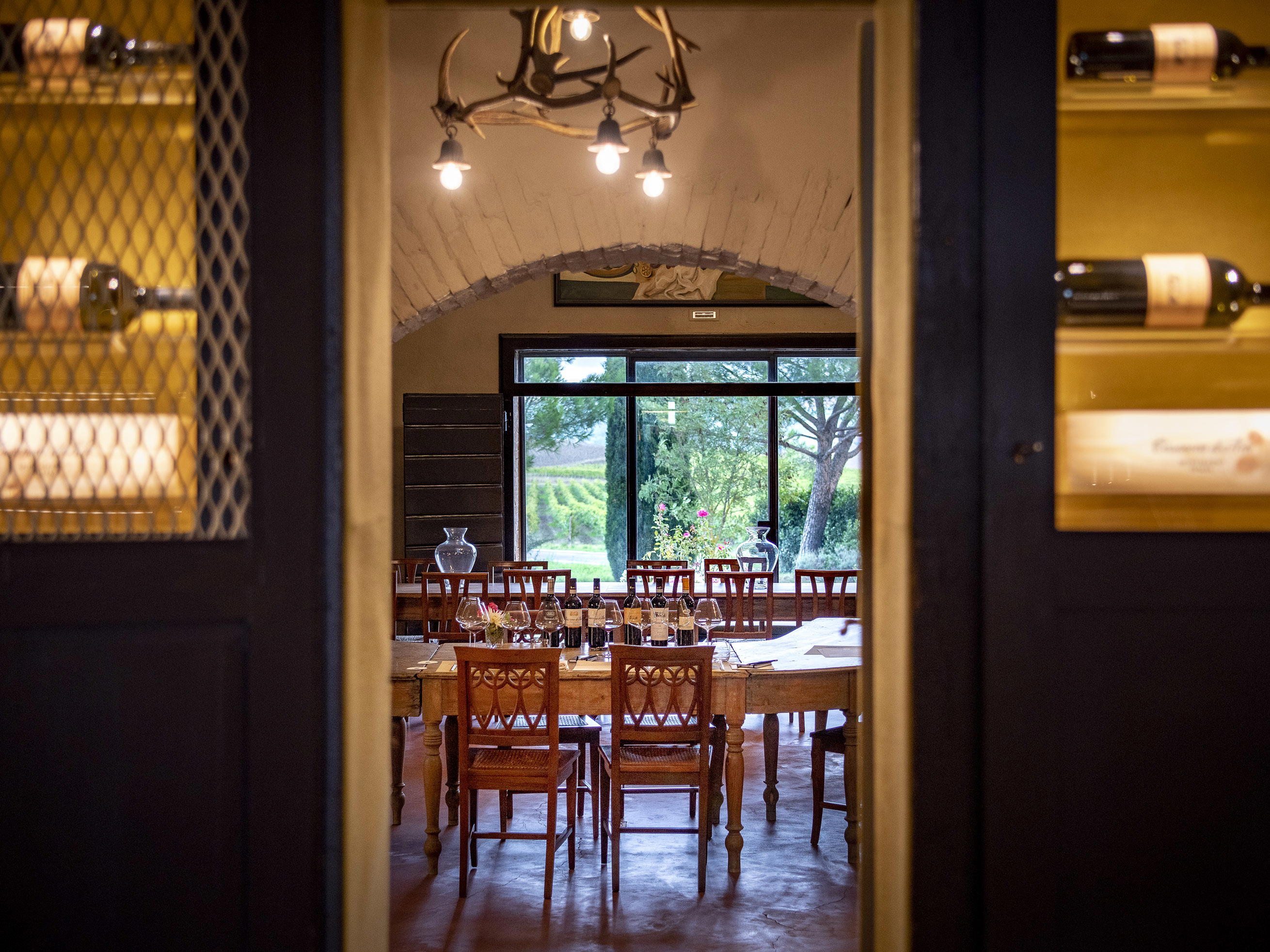
Sober and refined atmosphere under exposed brick vaults with soft lighting, complemented by a discreet garden terrace for outdoor dining.