Our verdict
In Hangzhou's growing omakase tier, 帆影·鮨无忌 occupies a niche where Japanese counter discipline meets a city audience that has moved well past novelty. The format is structured around the rhythm of a traditional omakase sitting, with a regulars-driven clientele that returns for the counter experience rather than spectacle. For those tracking where premium Japanese dining is taking root in eastern China, this address is part of that conversation.

Pearl is the En Primeur Club membership app, where members save venues, book tables and use the concierge.
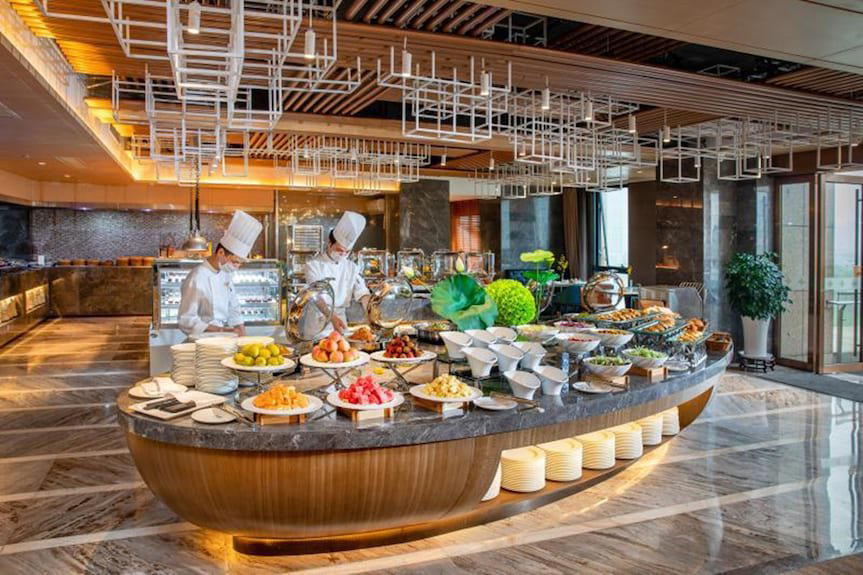
The Counter, the City, and the Commitment
Hangzhou has spent the last decade developing a dining scene that moves between deeply rooted Zhejiang tradition and formats imported from Tokyo, Seoul, and beyond. The omakase counter sits at the intersection of those two currents. Where a city's first wave of Japanese counters typically attracted curious diners seeking novelty, the more mature tier attracts regulars who understand the rhythm of the format: the expectation of deference to the chef's sequence, the discipline of the counter, and the accumulation of trust between host and guest that makes repeat visits categorically different from a first. 帆影·鮨无忌·Omakase addresses that second audience. It is not a venue you stumble into. It is one you return to.
The name itself signals a specific positioning. 鮨无忌, roughly, sushi without constraint, places the concept in a lineage of Japanese counter formats that have proliferated across China's tier-one and tier-two cities since the mid-2010s, while the poetic prefix 帆影, evoking sail shadows on water, gestures toward a distinctly Hangzhou sensibility. That combination, Japanese structural discipline layered over local aesthetic register, is characteristic of how Hangzhou's premium dining market has evolved. For a broader map of where this venue sits within the city's restaurant spectrum, the full Hangzhou restaurants guide is the most efficient starting point.
What Regulars Already Know
At counters of this format, the gap between a first visit and a fourth is substantial. First-time guests experience the choreography of an omakase sequence. Returning guests experience something more specific: a counter that has calibrated to their preferences, a pacing that reflects accumulated familiarity, and an unspoken menu that sits alongside the printed one. The regulars at 帆影·鮨无忌 are not dining at a restaurant in the conventional sense. They are maintaining a relationship with a format that rewards consistency.
This is the operating principle behind Hangzhou's stronger omakase addresses, and it distinguishes them from the city's broader Japanese dining tier, which includes a wide range of price points and formats. The counter is the discipline. The omakase sequence is the editorial frame. What fills that frame varies by the market cycle, supplier relationships, and the quiet accumulation of what the kitchen has learned about its audience. Venues that compete in the same space include Hangzhou's Zhejiang fine-dining houses like Ru Yuan and Guiyu (Xihu), which approach the city's premium dining market from a different culinary direction, and innovative formats like Ambré Ciel, which signals how far Hangzhou's appetite for structured tasting experiences now extends.
Omakase in the Chinese City: A Brief Comparative Frame
The omakase format has traveled across Chinese cities with remarkable speed, but its expression varies considerably by market. In Shanghai, high-volume counter programs compete alongside long-established Japanese communities and a sophisticated importing infrastructure. In Beijing, the format is often attached to luxury hotel groups or positioned as a corporate entertainment vehicle. In Hangzhou, the audience skews toward younger, locally rooted wealth that has traveled extensively and returns with specific reference points.
That difference in audience shapes what works. A counter in Hangzhou does not need to perform the same educational function that an equivalent address might in a smaller inland city. It can assume familiarity with the format and focus on the finer calibrations: fish aging, temperature precision, the pace at which courses arrive. This is the operational logic that separates counters like 帆影·鮨无忌 from the broader Japanese dining tier, and it places the venue in a comparative conversation with counter programs across eastern China. For reference points in adjacent cities, Dingshan·Jiangyan (Xiangcheng) in Suzhou and Dai Yuet Heen in Nanjing represent how neighboring markets are developing their own premium dining tiers. Farther afield, Xin Rong Ji (Xinyuan South Road) in Beijing and 102 House in Shanghai show the range of format ambition across China's major dining cities.
Hangzhou's Wider Table
Positioning 帆影·鮨无忌 within Hangzhou's dining map requires acknowledging how deep the city's indigenous culinary tradition runs. Zhejiang cuisine is not a minor regional category. It is one of China's eight classical culinary traditions, and Hangzhou is its most prominent expression. Venues like Hangzhou House and Jie Xiang Lou represent that tradition at a serious level. The coexistence of a strong local culinary identity and a growing appetite for Japanese counter formats reflects a dining audience that holds both without contradiction.
Internationally, the ambition behind Hangzhou's premium tier is visible when you map it against reference points like Chef Tam's Seasons in Macau or even counters as far afield as Atomix in New York City and Le Bernardin in New York City, where structured tasting formats have long operated at the intersection of technique and hospitality ritual. The ambition is recognizable even if the specific expression is local.
Planning a Visit
Omakase counters in Hangzhou's premium tier operate on advance booking, and 帆影·鮨无忌 is the kind of address where walk-in availability is unlikely on evenings and weekends. The recommended approach is to book as far in advance as the venue permits, particularly if you are coordinating a visit around travel. Specific booking channels, current pricing, and seating times are best confirmed directly through the venue's current contact point, as these details shift. For those building a broader Hangzhou itinerary, pairing a counter dinner here with a Zhejiang fine-dining meal at a venue like Ru Yuan across two evenings gives the most complete reading of where the city's premium dining sits right now. Elsewhere in the region, Xin Rong Ji in Chengdu, Imperial Treasure Fine Chinese Cuisine in Guangzhou, Fleurs Et Festin in Xiamen, Jiangnan Wok‧Rong in Fuzhou, and Shang Palace in Yangzhou offer useful points of comparison for how serious dining is developing across eastern and southern China.
Frequently asked questions
Where exactly is 帆影·鮨无忌·Omakase?
帆影·鮨无忌·Omakase is located at 杭州市, 浙江, Hangzhou.
How does omakase in Hangzhou differ from the format found in Shanghai or other major Chinese cities?
Hangzhou sits in a distinct position within eastern China's Japanese dining market. Shanghai carries the highest density of Japanese counter venues and the deepest supplier infrastructure for imported fish, while Hangzhou's omakase scene is smaller and more selective. 帆影·鮨无忌 operates within that context, serving a city whose own culinary tradition, rooted in Zhejiang cuisine, provides a discernibly different baseline guest expectation than a metropolis shaped primarily by international dining formats.
What should I order at 帆影·鮨无忌·Omakase?
The question resolves itself before you sit down. Omakase means the sequence is set by the kitchen, not selected by the guest, and that structure defines the entire format at 帆影·鮨无忌. Your role is to communicate dietary restrictions at the time of booking. Beyond that, the progression from lighter preparations through to richer courses is the chef's call.
Do I need a reservation for 帆影·鮨无忌·Omakase?
Yes. Counter-format omakase venues in Hangzhou's premium tier operate on fixed seatings with a small number of covers per service, which means walk-in access on any given evening is not realistic. check the venue's official channels to confirm availability and booking procedure, as lead times at addresses of this format typically run several weeks during peak periods.
Cuisine and Credentials
| Venue | Cuisine | Price | Awards | Notes |
|---|---|---|---|---|
| 帆影·鮨无忌·OmakaseThis venue (the venue you are viewing) | Japanese Omakase | $50–100 | Not listed | Not listed |
| Xin Rong Ji | Taizhou Cuisine | $50–100 | 1 Michelin Star · La Liste Top Restaurants | Taizhou |
| 28 Hubin Road | Modern Zhejiang Fine Dining | $50–100 | Michelin Plate · La Liste Top Restaurants | Zhejiang |
| Ru Yuan | Modern Hangzhou Fine Dining | $150–200 | 2 Michelin Stars · World's 50 Best #10 | Zhejiang |
| L'éclat 19 | French-Chinese Fusion Fine Dining | Not listed | 1 Michelin Star | French Contemporary |
| Wild Yeast | Tai-French Chinese Contemporary | Not listed | 1 Michelin Star · Black Pearl 1 Diamond | Chinese Contemporary |
Continue exploring
More in Hangzhou
Restaurants in Hangzhou
All restaurants in Hangzhou →
Bars in Hangzhou
All bars in Hangzhou →
Details
- Intimate
- Elegant
- Sophisticated
- Date Night
- Special Occasion
- Chefs Counter
- Sake Program
- Omakase
- Counter Dining
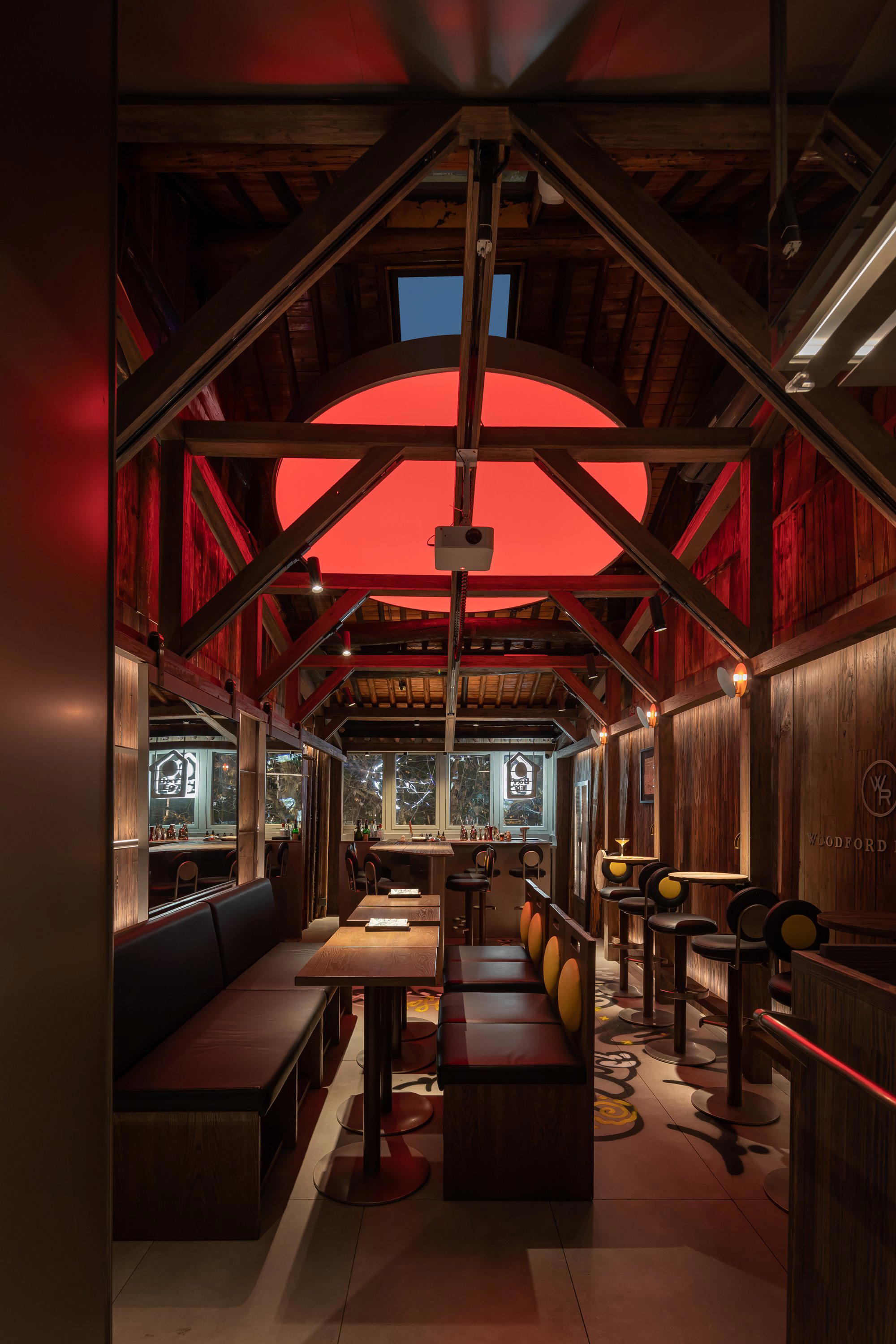
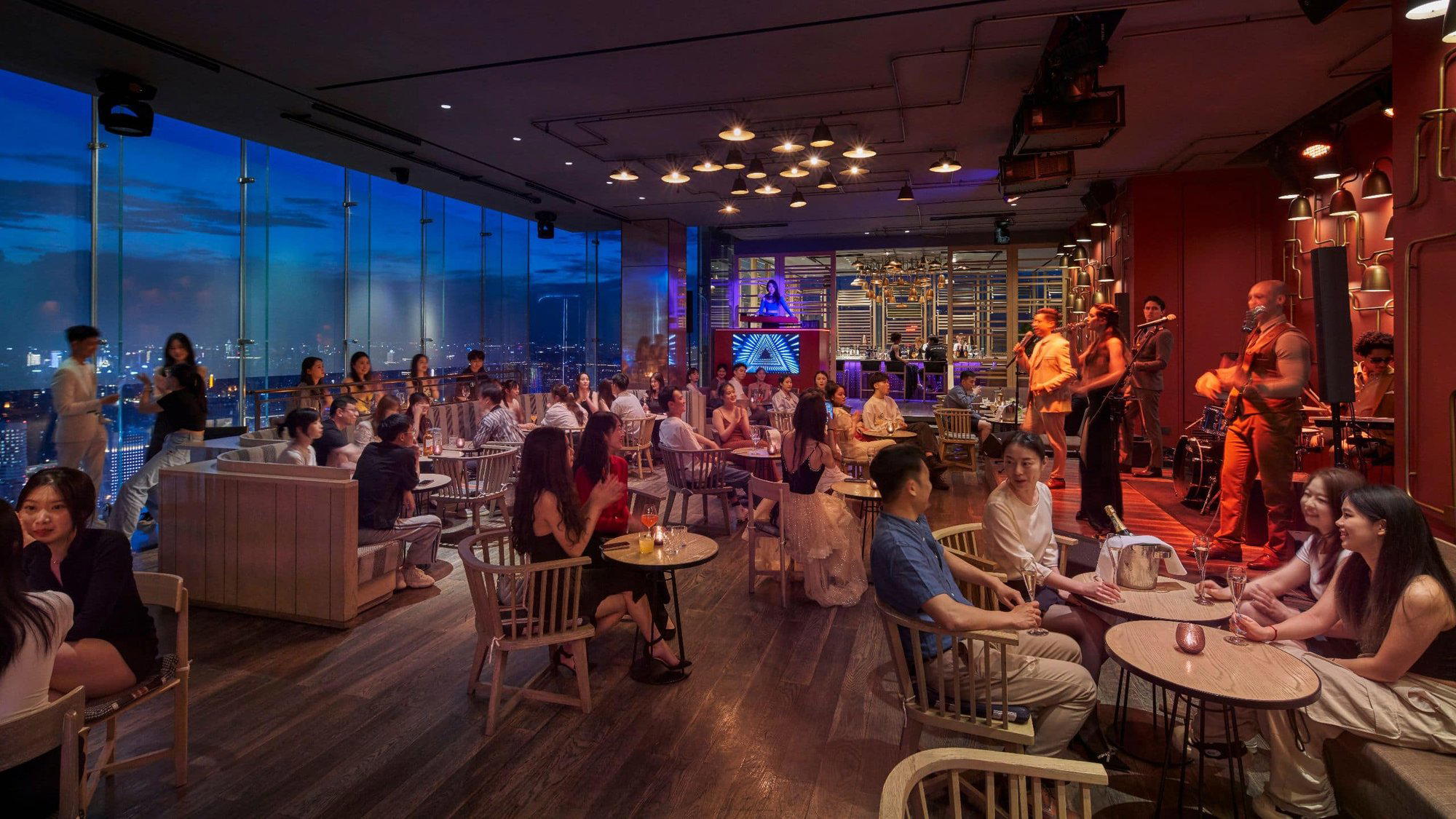
Clean, comfortable, and intimate atmosphere focused on the chef's counter without private rooms.