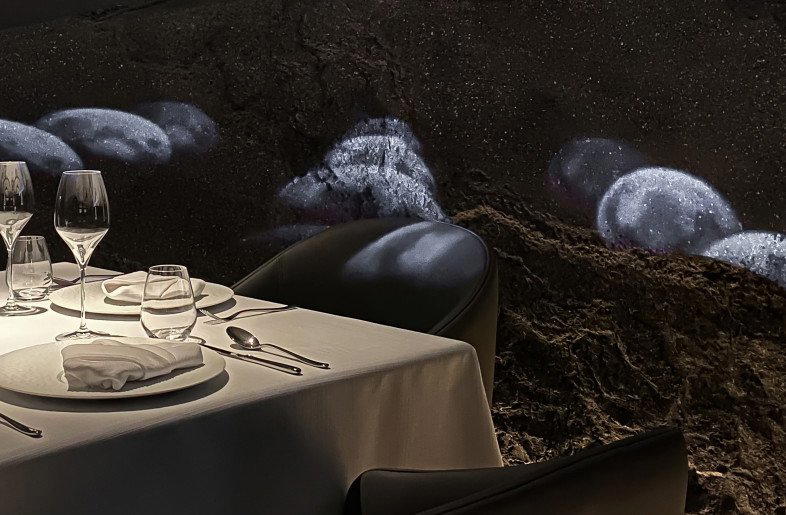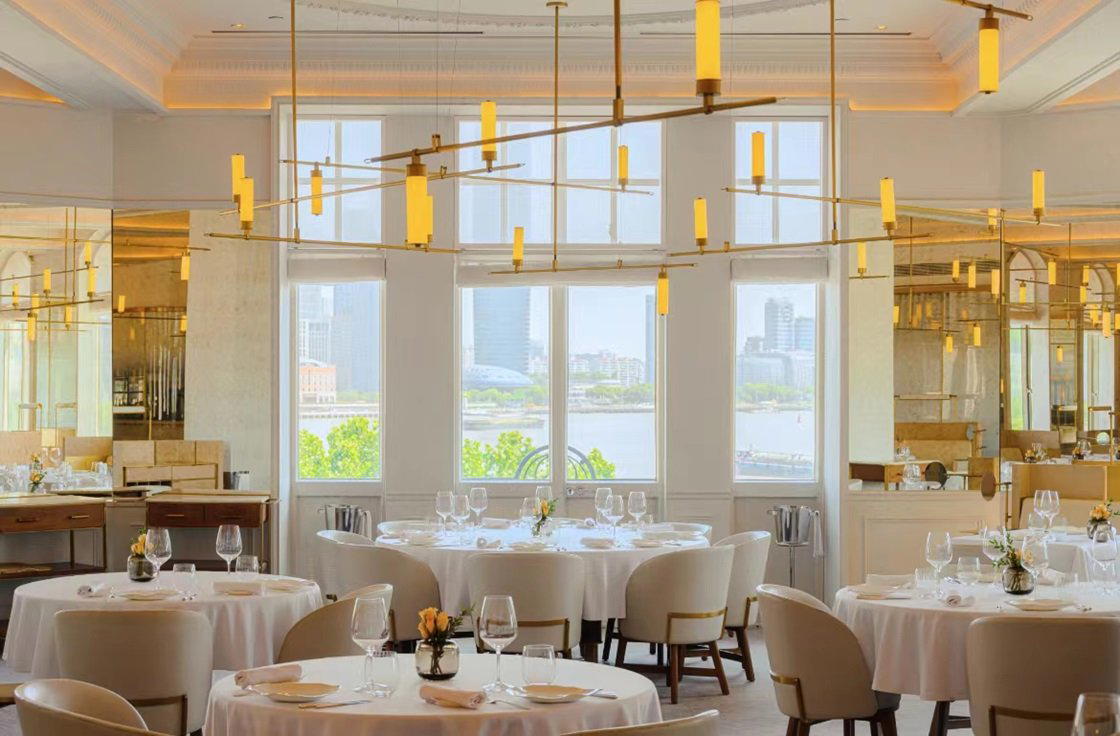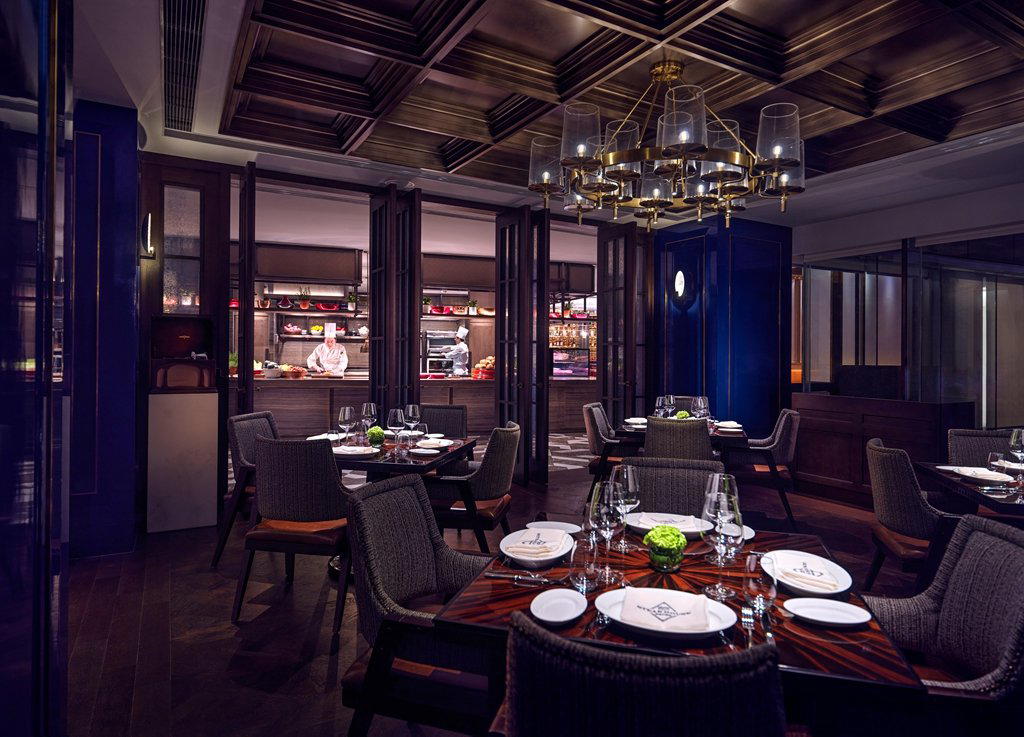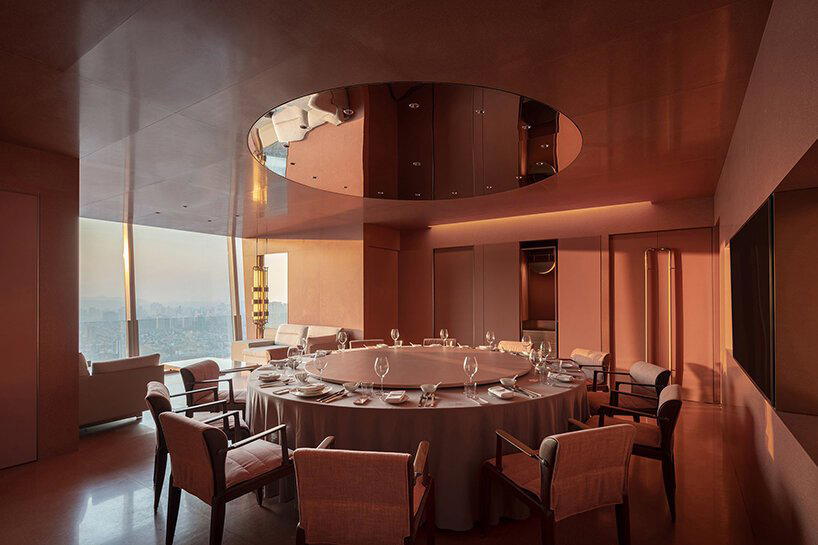
Michelin Plate · Black Pearl 2 Diamond
Our verdict
Zi Wei Hall holds consecutive Michelin Plate recognition (2024 and 2025) for its Zhejiang cooking on Caidong Road in Hangzhou's Jianggan District.

Pearl is the En Primeur Club membership app, where members save venues, book tables and use the concierge.
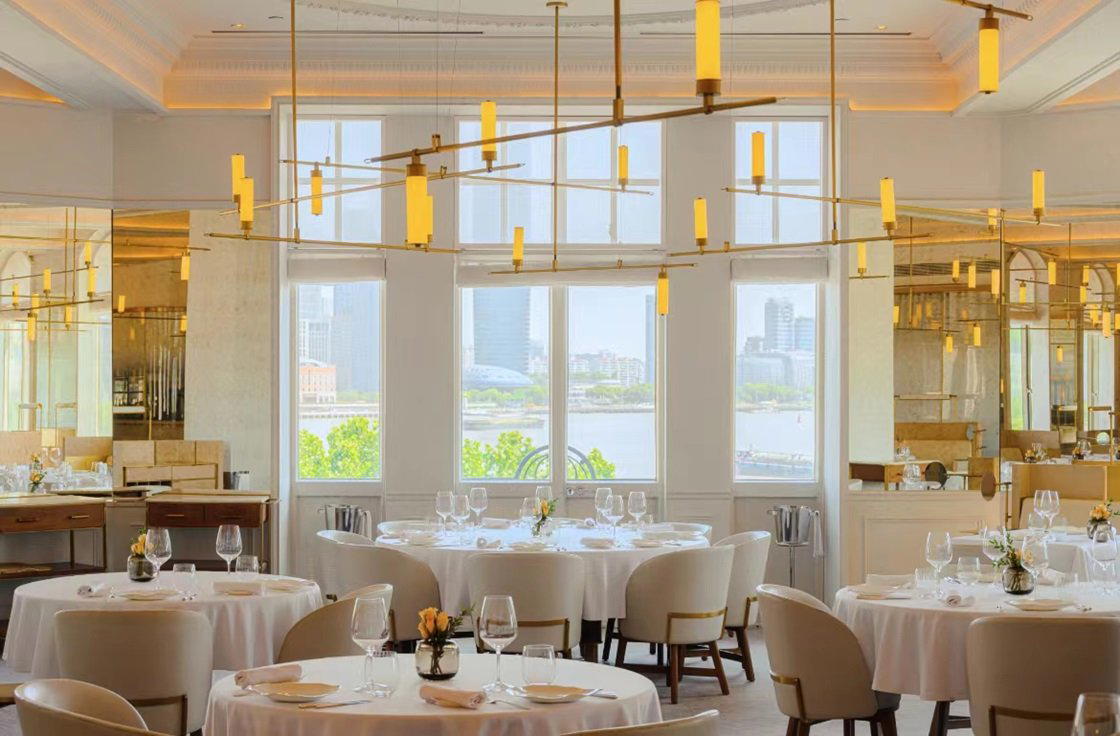
The menu
What to order
- West Lake vinegar fish
- Dongpo pork
- Hangzhou crisp fish
- Fried shrimp cake
- Longjing shrimp
- Braised Qiandao Lake fish head
Zhejiang Cooking on the Eastern Edge of Hangzhou
Caidong Road sits in Jianggan District, east of West Lake and well clear of the tourist corridors that cluster around the water. Restaurants here draw primarily from the surrounding residential population and a city-wide audience that travels specifically for the food rather than the view. That separation from the scenic economy shapes the character of dining in this part of Hangzhou: less performative, more kitchen-forward, and generally better value per plate than the lakefront addresses that compete on location as much as cuisine.
Zi Wei Hall occupies this context, holding Michelin Plate recognition in both 2024 and 2025, which places it inside the tier of establishments the Guide considers worthy of attention without yet awarding a star. In Hangzhou, that cohort is competitive: the city's Zhejiang restaurant scene spans everything from heavily funded flagship rooms such as Ru Yuan, which operates at ¥¥¥¥, through to mid-market addresses including Hangzhou House and Jie Xiang Lou. Zi Wei Hall prices at ¥¥¥, which positions it as a considered middle option: more deliberate in its craft than a neighbourhood canteen, less structurally elaborate than the rooms that target banquet dining and corporate entertaining.
What Zhejiang Cuisine Actually Means Here
Zhejiang cooking is sometimes reduced, outside the province, to Dongpo pork and West Lake vinegar fish. Both dishes are real markers of the tradition, but they sit within a far wider repertoire that emphasises freshness, relatively light seasoning, and a strong reliance on seasonal and local produce. The cuisine draws from several sub-regional schools, including Hangzhou, Ningbo, and Shaoxing styles, each with distinct approaches to sweetness, fermentation, and protein sourcing. Restaurants at Zi Wei Hall's level are typically where that breadth gets more careful expression than at volume-driven operations, with sourcing decisions and technique given more visible weight.
Across Chinese regional cooking, the sustainability dimension of Zhejiang cuisine is structurally embedded rather than consciously added. The tradition's emphasis on freshness means short supply chains have always mattered, and its reliance on river fish, cultivated vegetables, and fermented staples keeps the cuisine relatively close to its sourcing. Addresses such as Guiyu (Xihu) and Longjing Manor have made that sourcing relationship more explicit, building menu identity around named tea-growing land or specific lake produce. Zi Wei Hall's Jianggan District address and its consistent Michelin recognition suggest a kitchen operating with similar attention to ingredient provenance, even if it communicates that less conspicuously to the wider public.
How It Compares Within the Hangzhou Tier
The ¥¥¥ bracket in Hangzhou covers a range of ambitions. Song, which works in Ningbo-inflected cooking, and 28 Hubin Road, another recognised Zhejiang address, occupy comparable price territory. What differentiates venues within that bracket is usually the balance between regional fidelity and adaptation for a broad dining public, and the degree to which sourcing is treated as a kitchen discipline rather than a marketing variable.
Zi Wei Hall's consecutive Plate awards indicate that the Guide's inspectors have returned and found the kitchen consistent enough to re-recommend. That kind of repeat recognition matters more than a single-year acknowledgement in terms of what it implies about operational reliability.
For readers building an itinerary across Chinese cities, the Zhejiang tradition has a comparative presence beyond Hangzhou. Zhejiang Heen in Hong Kong and Rong Rong Yuan in Taipei both carry the cuisine into different urban contexts, allowing direct comparison of how the same tradition adapts when removed from its source geography. Within mainland China, the broader fine regional dining conversation includes Xin Rong Ji in Beijing, 102 House in Shanghai, and Xin Rong Ji in Chengdu, each representing how coastal and riverine Chinese cooking translates into a different city's dining expectations. Further afield, Chef Tam's Seasons in Macau, Imperial Treasure Fine Chinese Cuisine in Guangzhou, and Dai Yuet Heen in Nanjing round out the regional fine-dining map for readers tracking Chinese cuisine across formats and geographies.
The Sourcing Argument in Zhejiang Cooking
There is an ongoing tension in Chinese regional cuisine between the preservation of traditional sourcing relationships and the pressure of urban scale. Zhejiang's classic ingredients, including Longjing tea leaves used in cooking, river shrimp from the Qiantang watershed, and the fermented products of the Shaoxing tradition, are finite and increasingly expensive to source authentically. Restaurants operating at the Plate and Star level of the Michelin system in Hangzhou tend to be the ones making active sourcing decisions rather than substituting with commodity equivalents.
That distinction is difficult to confirm from outside the kitchen without direct inspection, but the address pattern and price positioning of Zi Wei Hall are consistent with a restaurant that takes those decisions seriously. Jianggan District's location on the eastern side of the city keeps it close to supply networks that bypass the premium markup of West Lake-adjacent hospitality. The ¥¥¥ pricing suggests a margin structure that can accommodate real sourcing costs rather than needing to reduce them to hit a lower price point.
Planning a Visit
- Address: 63 Caidong Road, Jianggan District, Hangzhou 310016
- Price range: ¥¥¥ (mid-to-upper tier)
- Recognition: Michelin Plate 2024 and 2025
- 4.7
- Cuisine: Zhejiang
- Booking: Contact; walk-in availability varies by day and season
- Getting there: Jianggan District is accessible from central Hangzhou by metro or taxi; allow 20-30 minutes from the West Lake area depending on traffic
For readers building a broader Hangzhou programme, see our full Hangzhou restaurants guide, our full Hangzhou hotels guide, our full Hangzhou bars guide, our full Hangzhou wineries guide, and our full Hangzhou experiences guide.
Frequently asked questions
What kind of recognition has Zi Wei Hall received?
Zi Wei Hall has received recognition including: Michelin Plate (2025); Michelin Plate (2024).
What does dinner at Zi Wei Hall typically cost?
Pricing at Zi Wei Hall is listed as ¥¥¥.
What dish is Zi Wei Hall famous for?
No single signature dish has been confirmed in public records for Zi Wei Hall. The kitchen operates within the Zhejiang tradition, a canon built on precision sourcing and technique rather than a single calling-card plate, think freshwater fish, slow-braised pork, and seasonal vegetables rather than one showpiece dish. Two consecutive Michelin Plates (2024 and 2025) suggest the broader menu holds up consistently, which in Zhejiang cooking is the more meaningful measure.
What type of food is Zi Wei Hall known for?
What's Zi Wei Hall's location?
Zi Wei Hall is located at 63 Caidong Rd, 城东 Jianggan District, Hangzhou, Zhejiang, China, 310016, Hangzhou.
The Quick Read
A short peer table to compare basics side-by-side.
| Venue | Cuisine | Price | Awards | Notes |
|---|---|---|---|---|
| Zi Wei HallThis venue (the venue you are viewing) | Refined Jiangzhe & Hangzhou Cuisine | Not listed | Michelin Plate · Black Pearl 2 Diamond | Not listed |
| Xin Rong Ji | Taizhou Cuisine | $50–100 | 1 Michelin Star · La Liste Top Restaurants | Taizhou |
| 28 Hubin Road | Modern Zhejiang Fine Dining | $50–100 | Michelin Plate · La Liste Top Restaurants | Zhejiang |
| Ru Yuan | Modern Hangzhou Fine Dining | $150–200 | 2 Michelin Stars · World's 50 Best #10 | Zhejiang |
| L'éclat 19 | French-Chinese Fusion Fine Dining | Not listed | 1 Michelin Star | French Contemporary |
| Song | Ningbo Chinese Fine Dining | Not listed | 1 Michelin Star | Ningbo |
Recognition history
Dated appearances from independent guides and award organizations, with the underlying list record or original source where available.
Michelin Plate
Michelin
Black Pearl 2 Diamond
Black Pearl
Opinionated About Dining Top Restaurants in Asia Recommended
Opinionated About Dining
Full recognition history (4 entries)
Michelin Plate
Michelin