
Sense holds a 2025 Michelin star on Hangzhou's Hefang Street, placing it at the upper tier of the city's innovative dining scene. The kitchen works in the ¥¥¥¥ bracket, positioning it alongside Hangzhou's most ambitious contemporary restaurants. With 350 Google reviews averaging 4.4, it has built consistent recognition among the city's most discerning tables.
Pearl is the En Primeur Club membership app — saves, bookings, and concierge access live there. Same editors, same standards.
- Address
- 35 Hefang St, Shangcheng District, Hangzhou, Zhejiang, China, 310002
- Phone
- +8617557292077
 Saves & bookings on Pearl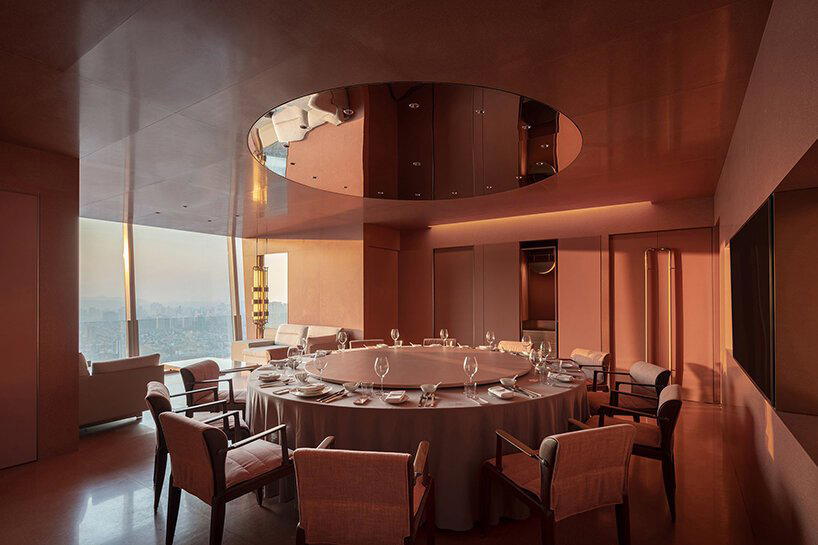
A Star on Hefang Street
Hefang Street carries centuries of commercial history through the Shangcheng District, its stone-paved length threading past teahouses, apothecaries, and the kind of mid-range tourist trade that defines old-town corridors across Chinese cities.
Sense received its first Michelin star in the 2025 Hangzhou guide, joining a small cohort of restaurants in the city that operate at the guide's recognised level. Hangzhou's Michelin presence remains modest compared to Shanghai or Beijing, which means a star here carries a different weight: it signals not just kitchen quality but a degree of relative scarcity in the local market. At the ¥¥¥¥ price tier, Sense prices against the city's most ambitious tables, a bracket that in Hangzhou includes both heritage Zhejiang specialists and a small number of contemporary format restaurants.
What the Michelin Recognition Actually Signals
The innovative cuisine classification places Sense in a category that Michelin inspectors apply to kitchens that work outside a single national or regional tradition, typically drawing on technique from multiple sources to build a coherent menu identity. Across Greater China, this classification has become increasingly competitive. At the ¥¥¥¥ tier in other major cities, innovative restaurants like 102 House in Shanghai and alla prima in Seoul and MAZ in Tokyo operate with tasting menus built around a defined culinary point of view. A Michelin star in this category functions as confirmation that the kitchen's approach is coherent enough, and consistent enough, to merit recognition on those terms.
For Hangzhou specifically, the 2025 star for Sense contributes to a modest but growing body of evidence that the city's fine dining tier is deepening. Historically, Hangzhou's restaurant identity has been anchored in Zhejiang cuisine, with its emphasis on freshwater fish, delicate seasoning, and seasonal produce from the surrounding region. The Michelin guide's recognition of an innovative format alongside more traditional Zhejiang houses reflects the same pattern visible in other second-tier Chinese cities: a premium dining scene that supports both heritage-format restaurants and kitchens working in a more contemporary idiom. At the ¥¥¥¥ level in Hangzhou, Sense sits alongside Ru Yuan (Zhejiang), which operates at the same price point in the Zhejiang tradition, and Guiyu (Xihu) (Zhejiang), a West Lake-facing address in the same tier.
The Innovative Format in a Zhejiang Context
Understanding where Sense sits requires understanding what Hangzhou's broader restaurant market offers. The ¥¥¥ tier covers a range of well-regarded Zhejiang specialists, including Hangzhou House (Zhejiang), which operates with strong local recognition. At ¥¥¥¥, the market thins: there are fewer tables, and those that exist are competing for a smaller pool of guests who are specifically seeking a premium format.
The innovative category matters here because it marks a departure from Hangzhou's default culinary identity. Zhejiang cuisine, with its light sauces, careful knife work, and dependence on local seasonal ingredients including the freshwater fish of West Lake and the bamboo shoots of the surrounding hills, has defined what fine dining in this city means for most of its history. A kitchen classified as innovative is by definition working against or alongside that tradition rather than within it. Whether it incorporates local ingredients into a broader framework, or moves away from regional reference points entirely, is the kind of question that separates the leading examples of the format from those that simply apply the label. The 2025 Michelin star suggests the kitchen at Sense has answered that question in a way that satisfied inspectors.
Across the region, the comparable set for this format extends beyond Hangzhou. Xin Rong Ji (Xinyuan South Road) in Beijing and Xin Rong Ji in Chengdu demonstrate how premium Chinese dining can operate with consistent recognition across multiple cities. Further afield, Chef Tam's Seasons in Macau and Imperial Treasure Fine Chinese Cuisine in Guangzhou illustrate the range of formats that earn Michelin recognition across Greater China, from classic Cantonese to refined regional cooking. Dai Yuet Heen in Nanjing, in the same Yangtze Delta region as Hangzhou, offers another reference point for how premium Chinese dining operates in cities outside the first-tier cluster.
Guest Reception and the 4.4 Signal
The 5.0 Google rating across 4 reviews is worth reading carefully. At this price tier, ratings tend to compress toward the higher end: guests spending at the ¥¥¥¥ level arrive with refined expectations, and satisfaction scores often reflect whether the experience justified the premium rather than whether the food was good in any absolute sense. A 4.4 across 350 reviews at a Michelin-starred address in this bracket indicates consistent delivery rather than polarising results. It is not the score of a kitchen that has occasional outstanding nights and frequent disappointments; it is the kind of number that suggests a repeatable experience.
For international visitors to Hangzhou, Sense sits alongside a small number of Western-format premium restaurants in the city. Ambré Ciel and La Villa offer alternative formats at the upper end of the Hangzhou market, covering different cuisine traditions for guests building a multi-night dining itinerary. For the broader picture of where Sense sits within the city's full restaurant offer,
Planning Your Visit
Know Before You Go
- Address: 35 Hefang St, Shangcheng District, Hangzhou, Zhejiang, China, 310002
- Price tier: ¥¥¥¥
- Awards: Michelin 1 Star (2025)
- Google rating: 4.4 / 5 (350 reviews)
- Cuisine: Innovative
- Booking: Advance reservation is essential.
- Getting there: Hefang Street is accessible by metro and lies within walking distance of the Wushan Square area in Shangcheng District
Recognition, Side-by-Side
Comparable venues nearby, for context on price, style, and recognition.
| Venue | Cuisine | Price | Awards | Notes |
|---|---|---|---|---|
| SenseThis venue — the venue you are viewing | Modern French with Chinese Produce | $$$$ | Michelin 1 Star | |
| Ambré Ciel | French-Chinese Fusion Fine Dining | $$$$ | Michelin 1 Star | Hangzhoushi |
| Yu Zhi Lan | Refined Sichuan Fine Dining | $$$$ | Michelin 1 Star | Hangzhoushi |
| Song | Modern Ningbo Cuisine | $$$$ | Michelin 1 Star | Hangzhoushi |
| L'éclat 19 | French-Chinese Fusion Fine Dining | $$$$ | Michelin 1 Star | Hangzhoushi |
| Hangzhou House | Modern Jiangzhe Fine Dining | $$$ | Michelin 1 Star | Hangzhoushi |
Continue exploring
More in Hangzhou
Restaurants in Hangzhou
Browse all →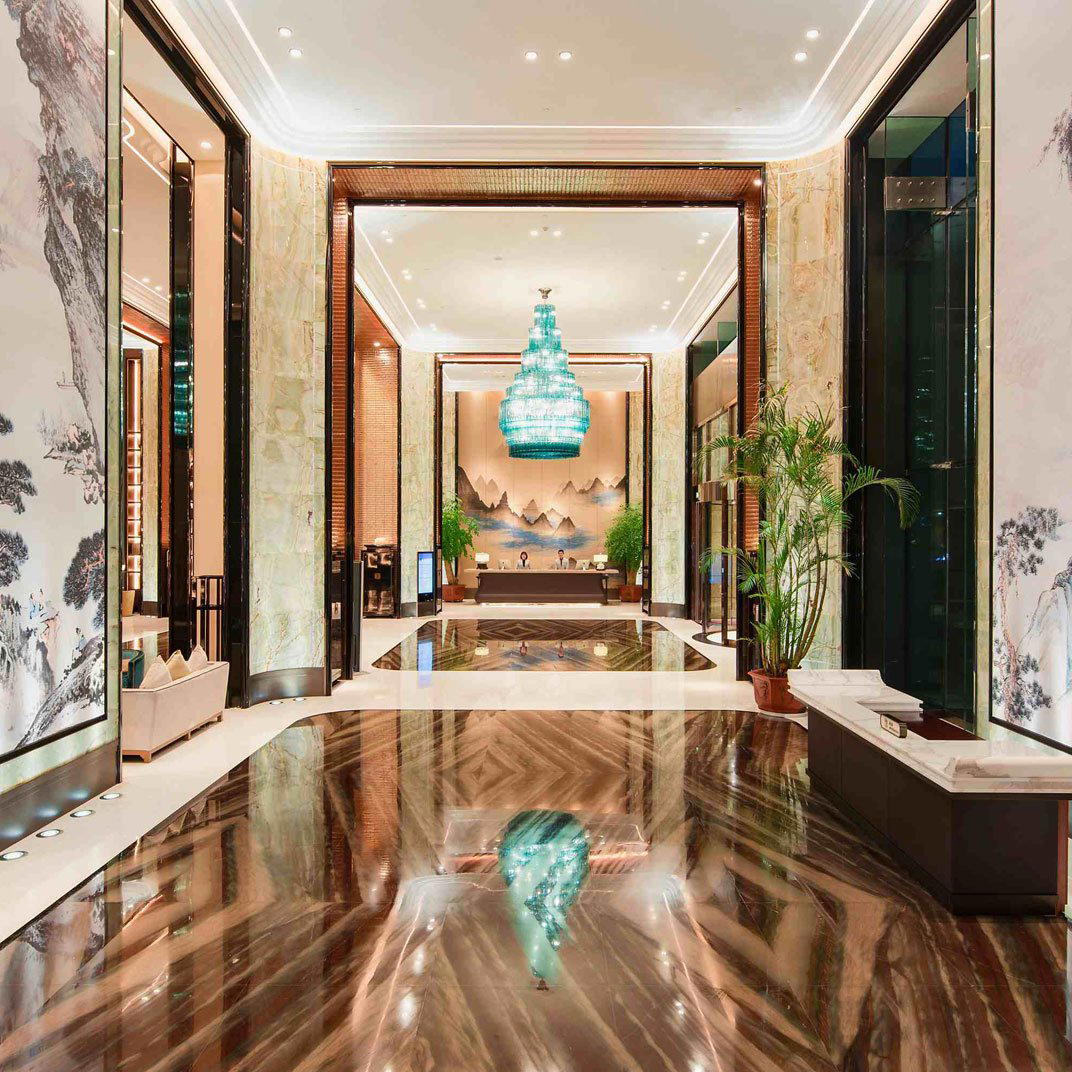
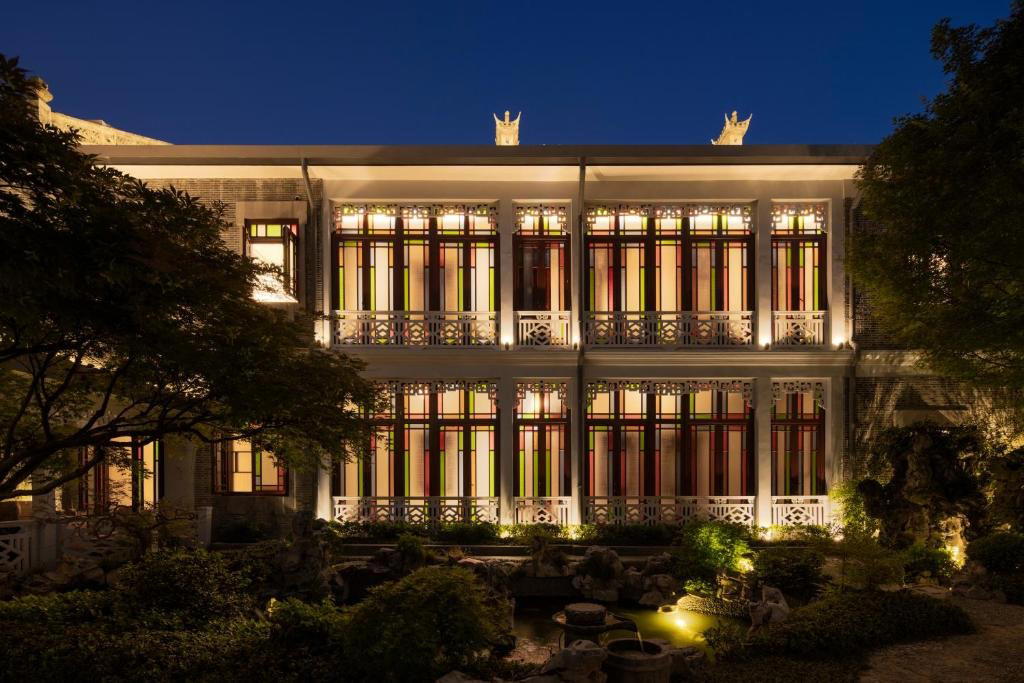
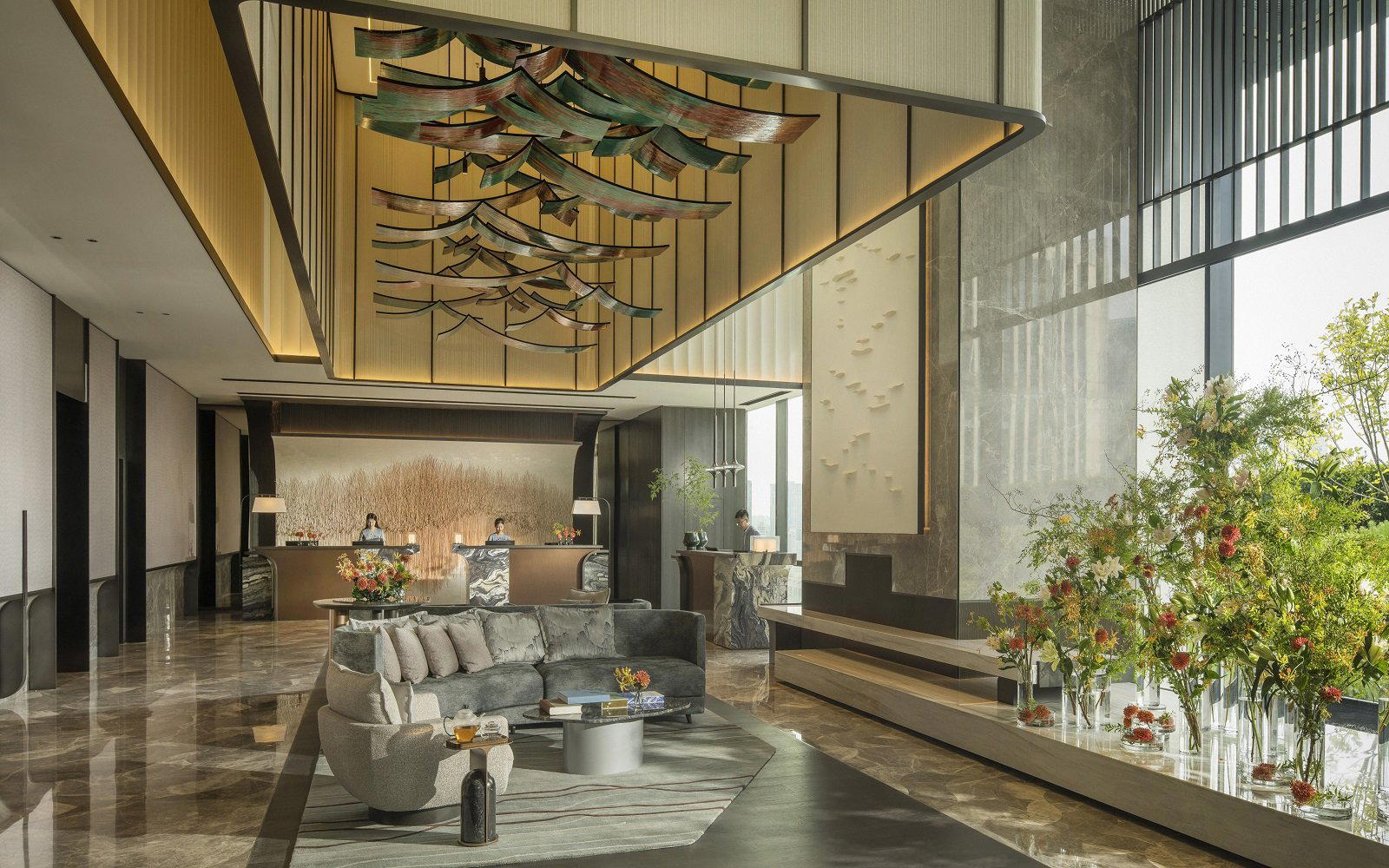
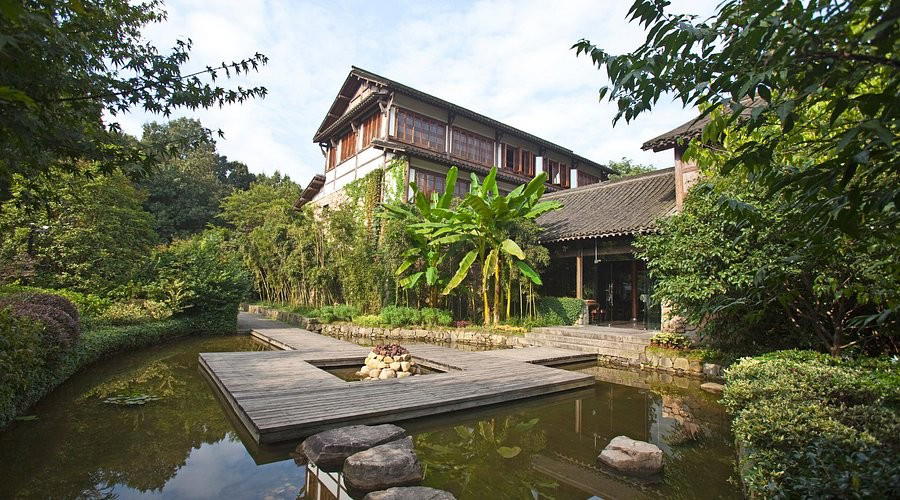
At a Glance
- Modern
- Elegant
- Scenic
- Special Occasion
- Date Night
- Design Destination
- Local Sourcing
- Garden
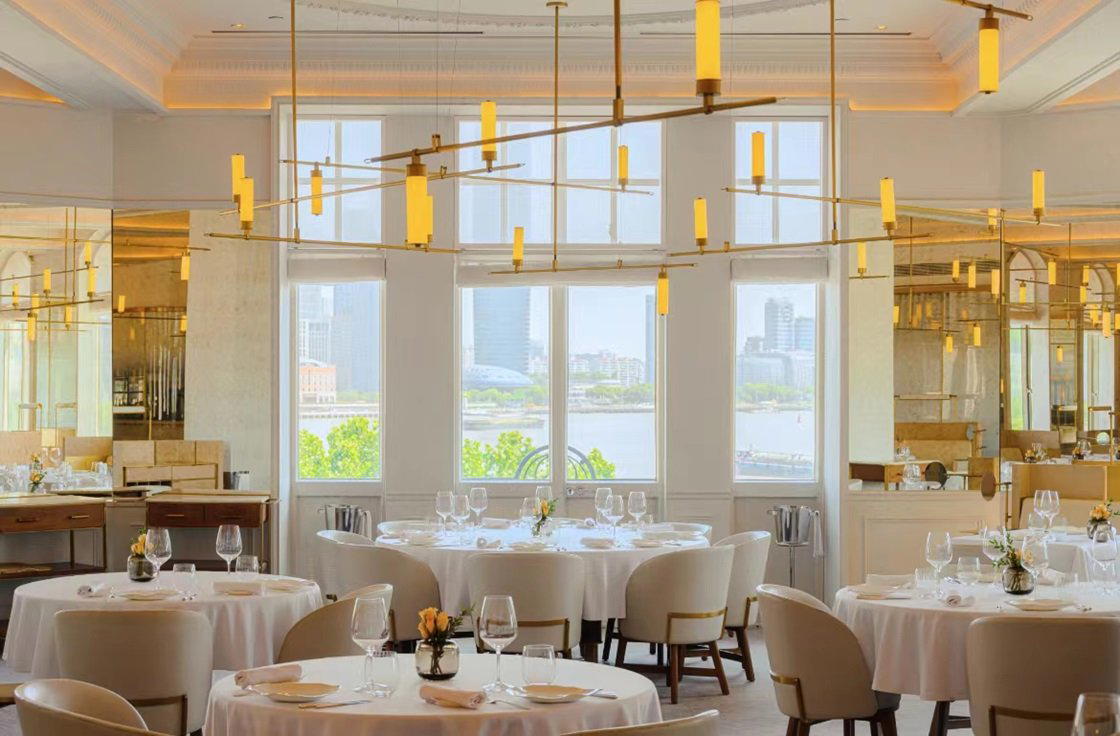
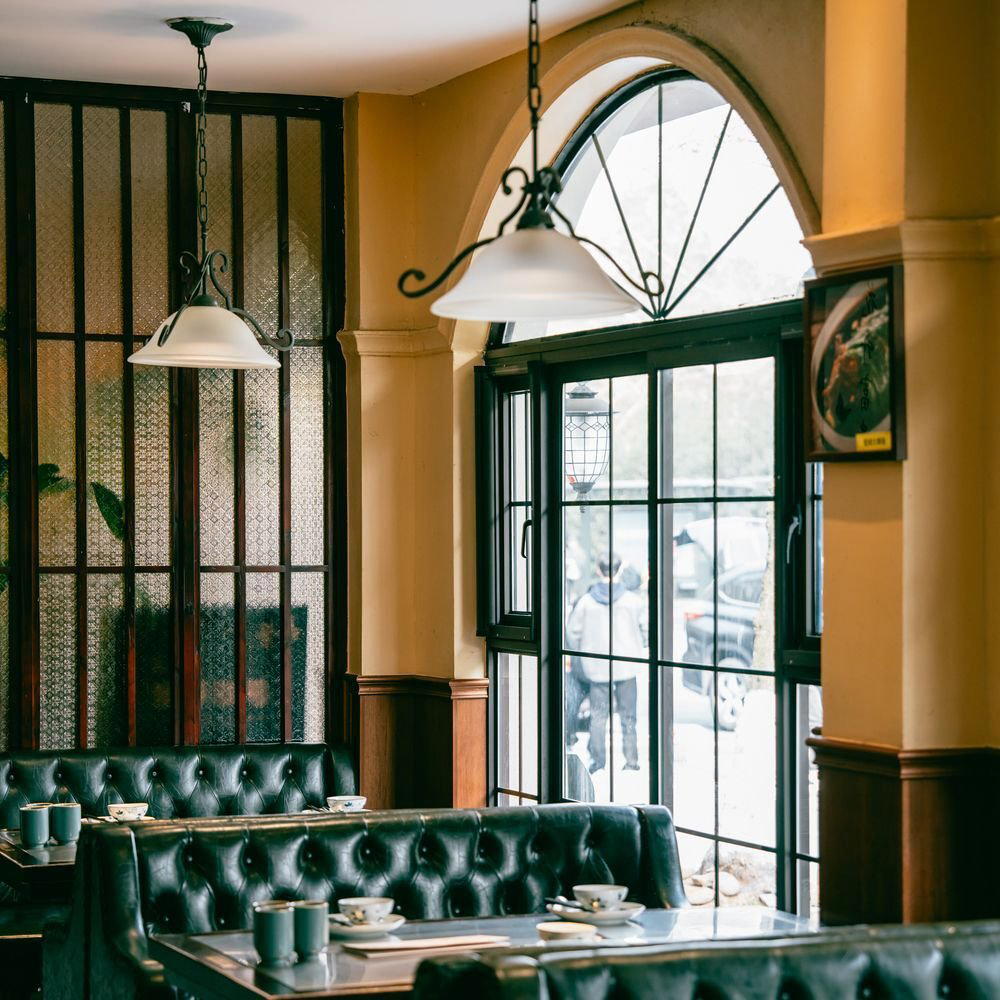
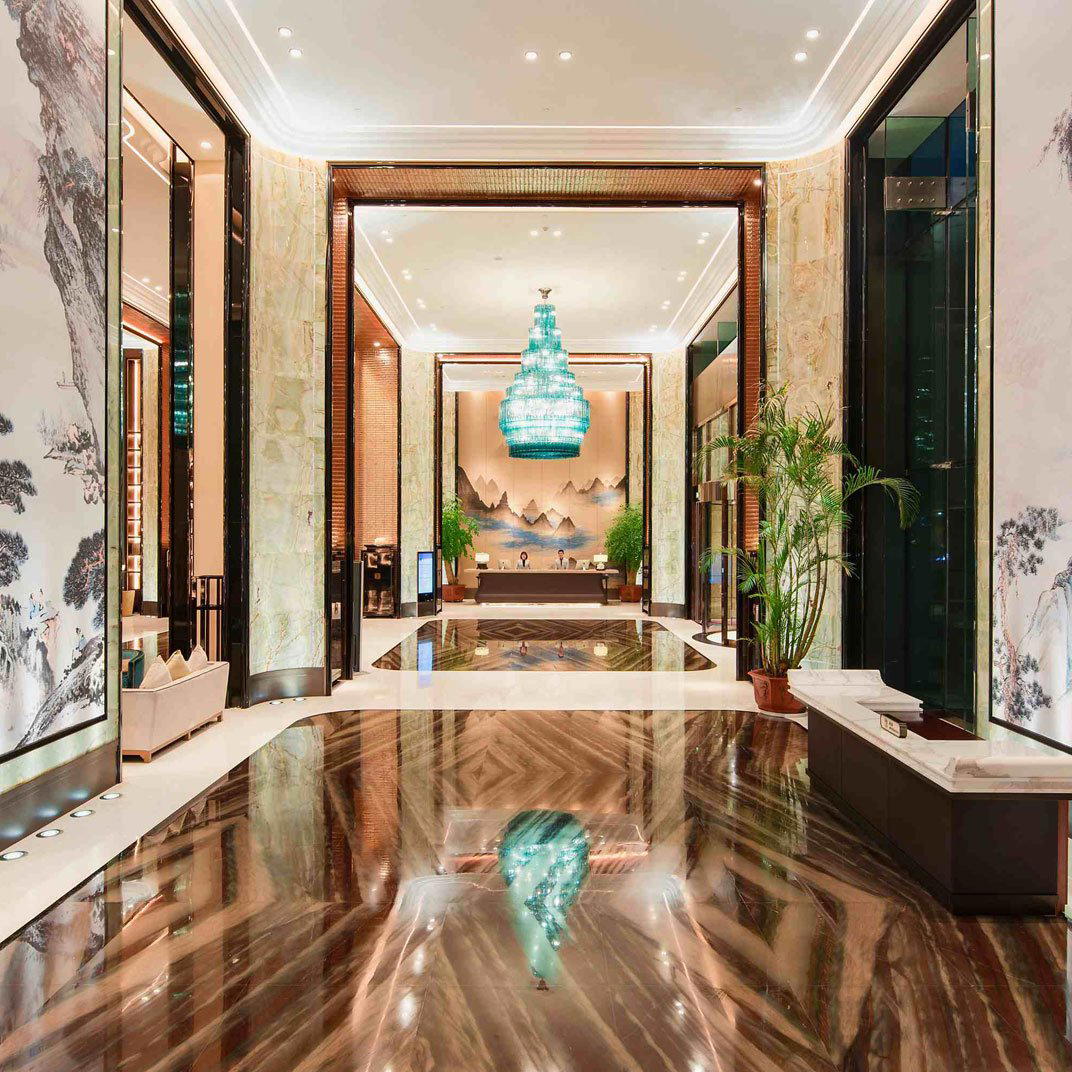
Lush greenery views through full-length windows, white dome kitchen resembling a place of worship with fermenting jars.