DC Hotel Hangzhou CBD belongs to Hangzhou’s business-district hotel conversation rather than the city’s lakeside resort tradition. With public record data limited on rooms, dining, awards, pricing and design authorship, the responsible reading is contextual: treat it as a CBD address to compare against Hangzhou’s better-documented luxury and retreat properties before committing to a stay.
Pearl is the En Primeur Club membership app — saves, bookings, and concierge access live there. Same editors, same standards.
- Address
- Hangzhou, China
- Directions
- Get directions
 Saves & bookings on Pearl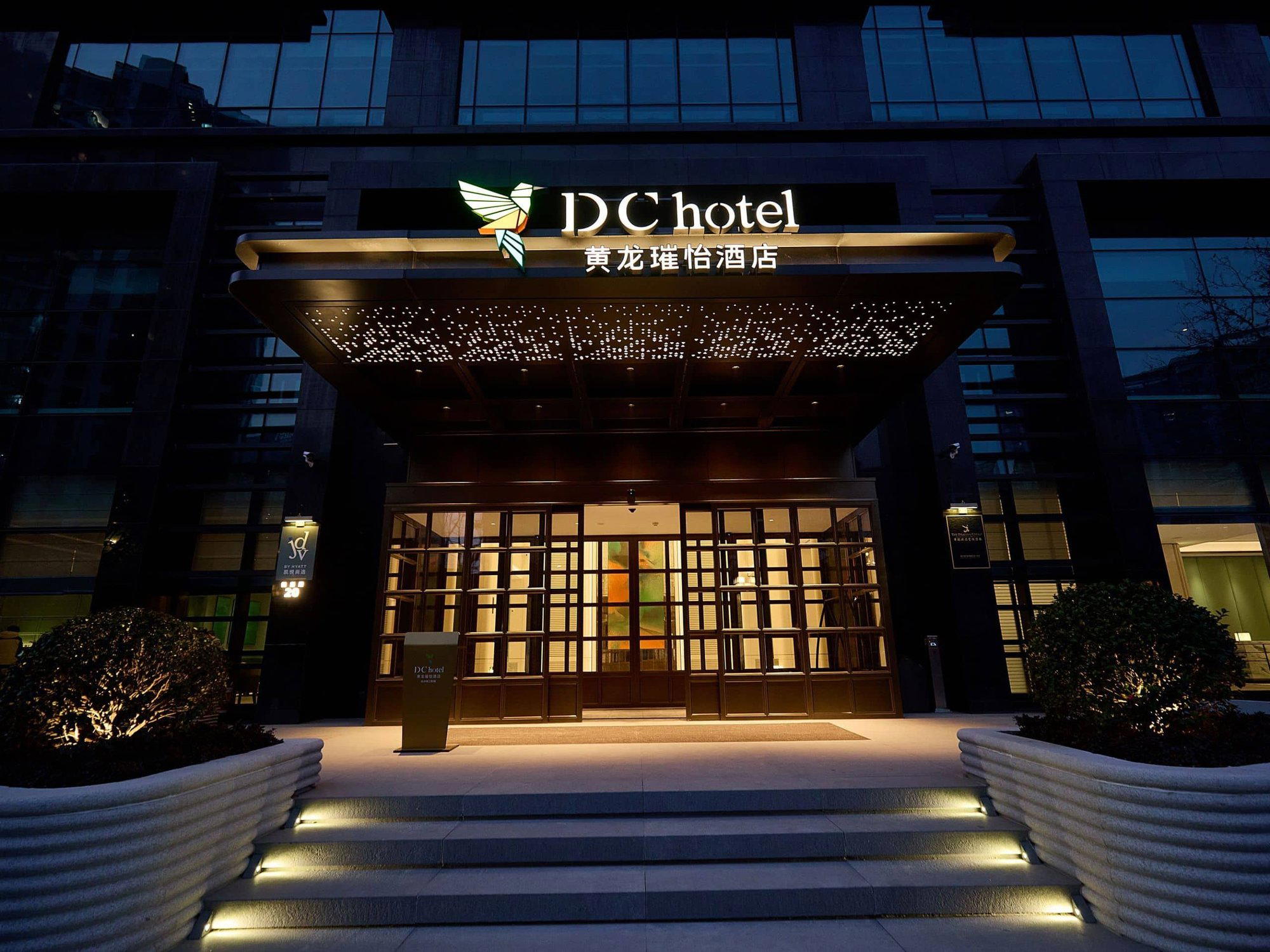
Hangzhou's CBD hotel question starts with the street, not the lobby
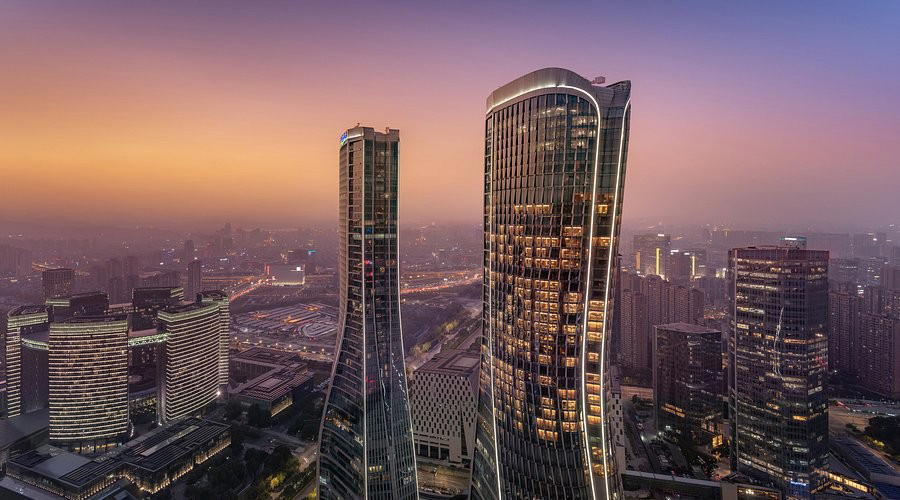
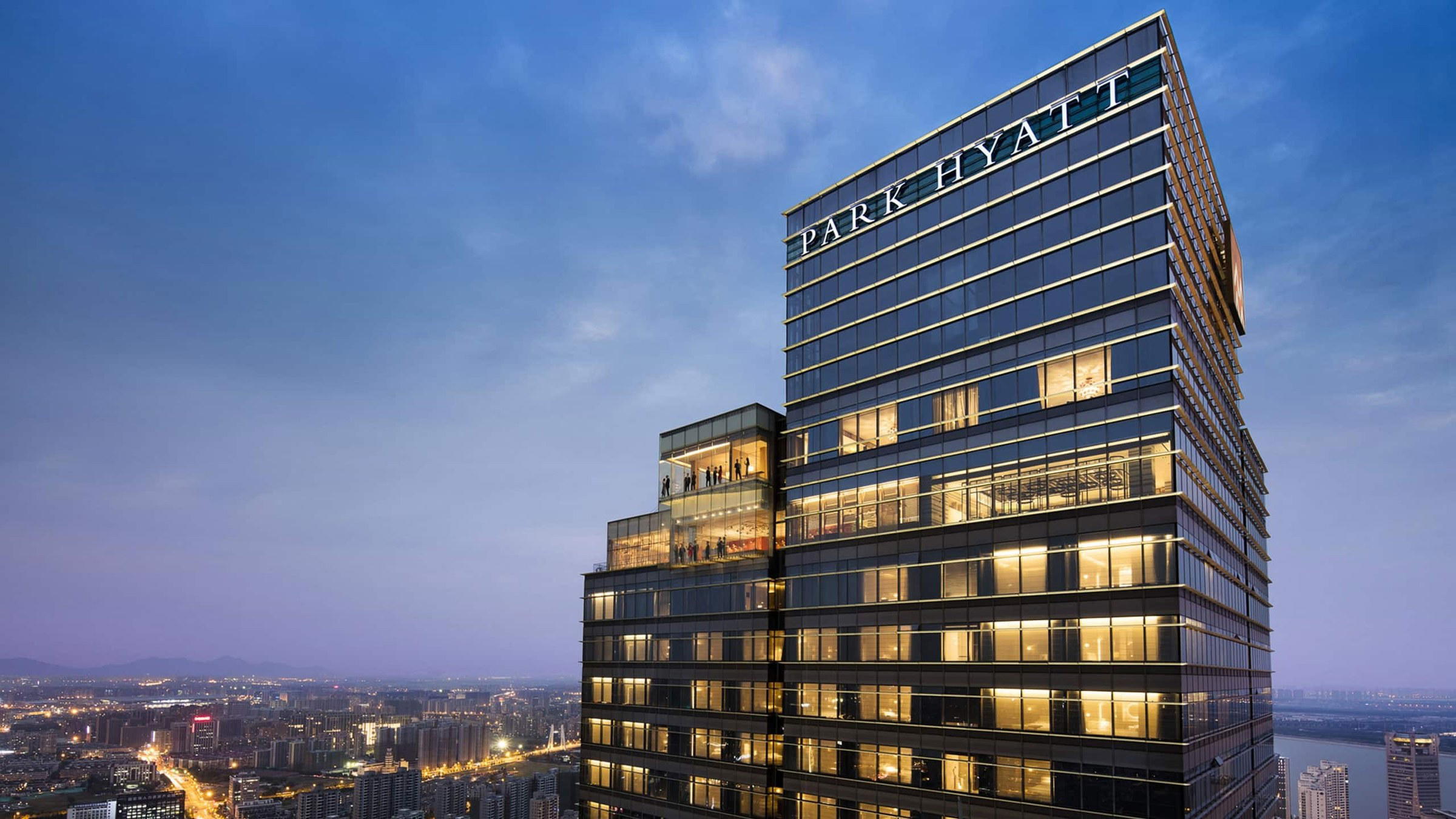
Approaching a hotel in Hangzhou’s central business district means entering a different version of the city from the one sold through West Lake postcards and tea-field retreats. The cues are urban first: commercial towers, office movement, transport logic, evening light on glass, and a schedule shaped by meetings rather than slow resort days. DC Hotel Hangzhou CBD sits inside that metropolitan reading of Hangzhou, where the relevant comparison is not a lakeside hideaway but the newer generation of business-facing hotels built around access, vertical space and proximity to the city’s corporate core.
That distinction matters because Hangzhou now supports several hotel identities at once. West Lake properties trade on landscape, historical symbolism and a slower guest rhythm. Xixi and Fuyang addresses lean toward water, wetland or resort quiet. The CBD tier answers a different question: how to stay in Hangzhou when the city is being used as a commercial base, not only as a leisure destination. In that frame, the absence of published detail around DC Hotel Hangzhou CBD’s restaurants and design authorship is not a small footnote. It changes how the hotel should be assessed. The property can be placed geographically and conceptually, but not critically scored against fully documented peers. DC Hotel Hangzhou CBD is a 4-star hotel in Hangzhou with 195 rooms and a nightly rate from $58.
For readers comparing the city at a serious hotel level, that means using the broader Hangzhou field as the control group. Conrad Hangzhou represents the internationally branded urban category. Four Seasons Hotel Hangzhou at Hangzhou Centre is another city-centre reference point, while Four Seasons Hotel Hangzhou at West Lake shifts the equation toward landscape and heritage-coded leisure. Against that field, a CBD hotel has to prove itself through practical clarity: location, room function, service reliability, dining convenience and ease of arrival.
Architecture and design: the CBD hotel as a civic instrument
Hangzhou’s hotel architecture has split along a clear axis. On one side are low-rise retreat formats that borrow from courtyards, gardens and water edges. On the other are urban hotels that use height, façade discipline and interior compression to deal with density. The CBD hotel belongs to the second group. Its design value is usually judged less by scenic romance than by how well it handles thresholds: drop-off, lobby scale, lift circulation, work areas, privacy and the transition from public commercial space to private room.
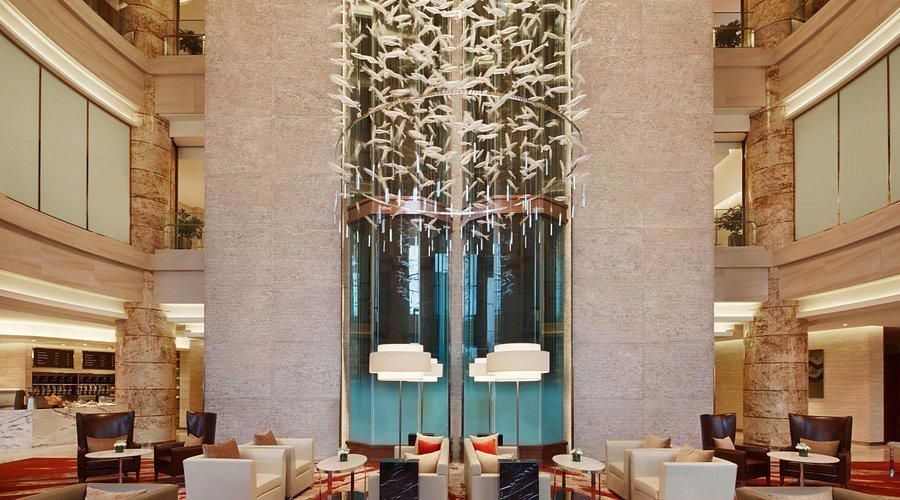
Because DC Hotel Hangzhou CBD has no available public detail on architect, interior designer, room categories or style language, it would be irresponsible to assign a design school or aesthetic identity to it. The stronger editorial point is that Hangzhou’s CBD properties compete in a category where design is expected to be operational as much as visual. A good city hotel lobby in this context should manage arrivals without theatre getting in the way. A good room should support a late return, a laptop session, and a morning departure with minimal friction. A good public floor should offer enough spatial hierarchy that business travellers are not forced to conduct every conversation in the same exposed lounge.
This is where Hangzhou differs from cities whose luxury hotel culture is dominated by monumentality. The city’s strongest hotel contrasts are not only between expensive and less expensive, but between immersion and efficiency. Amanfayun is useful as the opposite pole, a retreat model tied to village-like scale and cultural setting. Banyan Tree Hangzhou and Hangzhou Muh Shoou Xixi Hotel pull the conversation toward Xixi’s slower, water-adjacent character. Fuchun Resort Hotel Fuyang moves farther into resort territory. A CBD hotel must instead make density legible and comfortable. That is a different design problem, and in many ways a harder one to hide behind scenery.
Where it fits in Hangzhou's hotel map
The city’s hotel geography is unusually instructive. West Lake remains Hangzhou’s symbolic centre for leisure travellers, but the business map has widened as the city’s technology, finance and commercial districts have matured. The result is a hotel market where choosing the wrong district can distort an entire trip. A traveller with meetings in the CBD gains little from a poetic lakeside address if each day begins and ends with cross-city transfers. A leisure traveller focused on temples, lake paths, tea villages and slower dinners may find a CBD base efficient but emotionally thin.
DC Hotel Hangzhou CBD is therefore a practical proposition before it is a romantic one. Its name places the promise squarely in the central business district, not in a heritage quarter or resort enclave. That matters for travellers who value predictability: corporate access, urban transport, and a built environment that tends to run on weekday rhythms. It also limits what should be expected. It is better read as a candidate within the CBD stay category, to be cross-checked against better-documented central hotels.
For a wider city comparison, Our full Hangzhou hotels guide gives the cleanest overview of how the city divides by district and travel purpose. Dining-led trips should be planned separately through Our full Hangzhou restaurants guide, because hotel location and restaurant ambition do not always overlap. The same applies to drinking and specialist itineraries: Our full Hangzhou bars guide, Our full Hangzhou wineries guide and Our full Hangzhou experiences guide help separate the hotel decision from the rest of the trip.
Rooms, dining and service: what can be said responsibly
That scarcity is itself useful intelligence. In premium travel planning, unknowns are not neutral. They affect risk. A hotel with documented room categories, published rates, recognised design credentials and named dining outlets gives a reader more to evaluate before committing. A hotel without those fields requires direct verification through current channels or comparison with properties that publish fuller information.
The room question should therefore be approached by function rather than fantasy. For a CBD stay in Hangzhou, the strongest room choice is usually the category that secures quiet, desk comfort, reliable bathroom layout and enough space for luggage and work materials. Without confirmed room names at DC Hotel Hangzhou CBD, no specific category can be recommended. The practical editorial answer is to ask for the hotel’s current room-category list, confirm whether higher-floor rooms are available, and verify what is included in the rate before payment. That is not caution for its own sake. It is how to avoid mistaking a location-led hotel for a full-service luxury address.
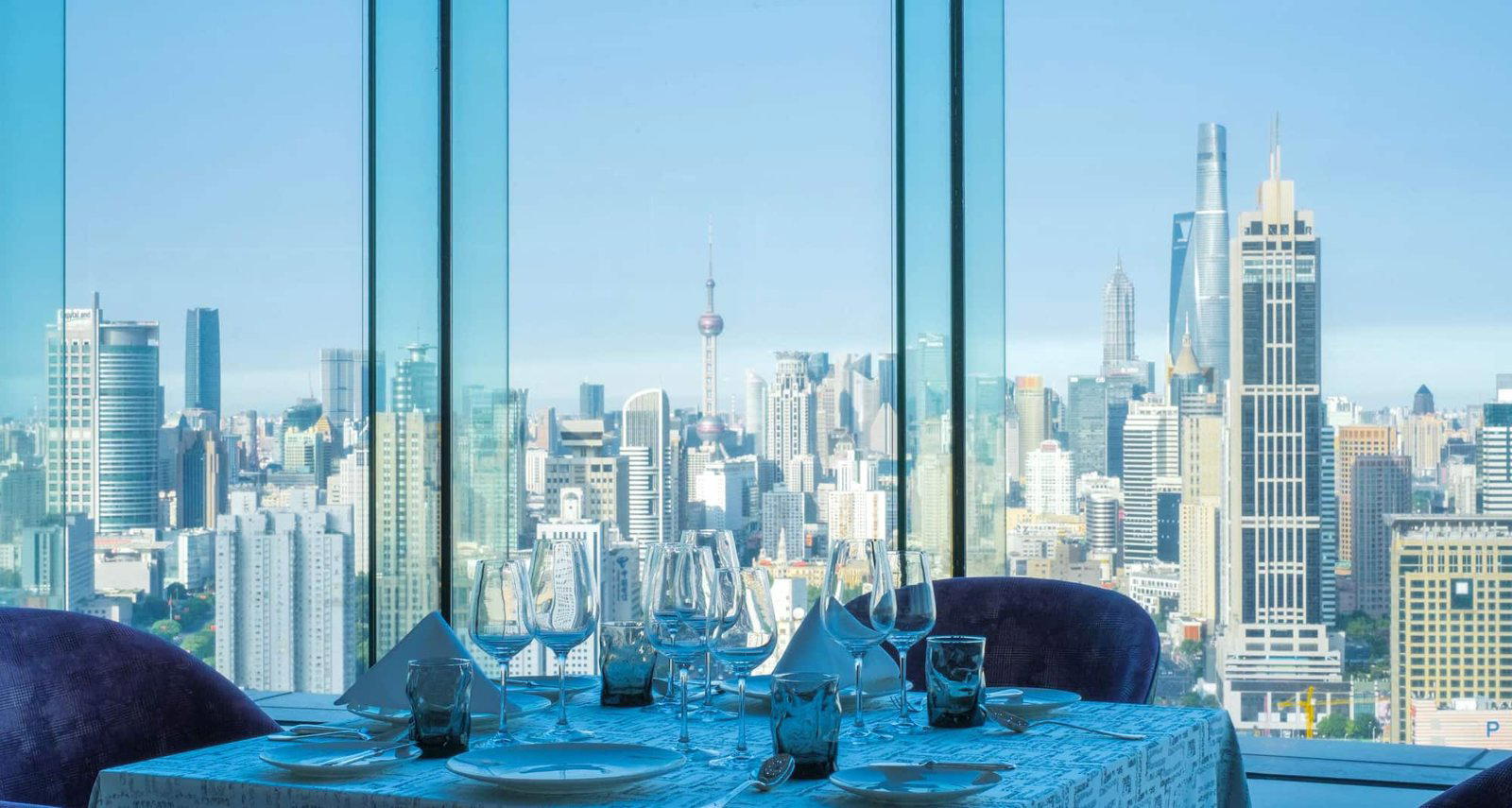
Dining requires the same discipline. Hangzhou has one of China’s significant regional food identities, shaped by freshwater produce, Jiangnan restraint, Longjing tea culture and dishes associated with West Lake. A CBD hotel restaurant may be convenient, but convenience is not the same as culinary authority. Since no cuisine type, chef or signature dishes are listed for this property, the safer plan is to treat any in-house dining as unverified until current menus are checked. Travellers whose trip is food-led should build meals around independent research rather than assume the hotel will carry the dining programme.
How it compares with Hangzhou's better-documented stays
The relevant comparable set depends on the purpose of the trip. For urban business travel, central branded hotels such as Conrad Hangzhou and Four Seasons Hotel Hangzhou at Hangzhou Centre are logical comparators because they speak the language of city access and international service expectations. For lake-focused leisure, Four Seasons Hotel Hangzhou at West Lake changes the value calculation: setting becomes part of the room rate. For retreat travel, Amanfayun, Banyan Tree Hangzhou, Hangzhou Muh Shoou Xixi Hotel and Fuchun Resort Hotel Fuyang belong to a quieter conversation about landscape, pace and removal from the office grid.
That spread explains why Hangzhou resists a single hotel hierarchy. The city rewards precision. A traveller attending meetings may value a CBD address above a scenic one. A traveller planning a lake-and-tea itinerary may reach the opposite conclusion. A family using Hangzhou as part of a longer China route may prefer predictable international facilities. A design traveller may care more about architectural language than postcode. In that matrix, the hotel should be assessed as a CBD candidate with limited public detail, not as a substitute for the city’s fully documented resort or luxury addresses.
China-wide comparisons sharpen the same point. Mandarin Oriental Qianmen in Beijing sits in a capital-city heritage context. JW Marriott Hotel Shanghai at Tomorrow Square in Shanghai belongs to a high-rise metropolitan tradition. LN Hotel Five in Guangzhou reflects a southern urban hotel culture with its own food and river-city logic. Star Tower at Studio City Macau in Macau operates in an entertainment-resort market. InterContinental Chongqing Raffles City in Chongqing is shaped by megastructure urbanism. These comparisons show how much setting defines hotel meaning in China, even before service or room detail enters the discussion.
Who should consider it
The hotel is a sensible name to investigate for travellers whose Hangzhou plans are concentrated around the business district and who place location efficiency ahead of resort atmosphere. It is also a possible fit for short stays where the hotel is primarily a base between appointments, rail movements or evening plans.
Travellers seeking a design-led retreat, a lake-facing stay, a documented luxury service model or a hotel with recognised awards should compare carefully before deciding. Hangzhou has enough differentiated hotel supply that compromise is rarely necessary if the trip purpose is clear. Those building a broader China itinerary may also want to compare Hangzhou’s CBD logic with other urban or resort formats, from Conrad Xiamen in Xiamen and Conrad Urumqi in Urumqi to The Hanyu Garden Reserve Suzhou in Suzhou and Tian Ranju Inn in Tian Tou Zhai. International benchmarks add another layer: The Fifth Avenue Hotel in New York City, Hôtel de Paris Monte-Carlo in Monte Carlo and Badrutt's Palace Hotel in St. Moritz show how much verified heritage, service reputation and public detail can influence confidence before arrival.
Planning notes before committing
The practical approach is simple: verify the current address, rate inclusions, room category, cancellation terms, breakfast arrangement, transport access and payment policy before confirming any stay. In Hangzhou, district choice can have a larger impact than marginal room upgrades, especially when plans involve the CBD during weekday business hours or West Lake during leisure periods.
Price is also unavailable, which prevents a value judgement. A CBD hotel priced below the city’s recognised luxury properties may make sense for an efficient overnight. The same hotel priced near established luxury peers would need to demonstrate comparable room quality, service depth and facilities. That does not disqualify the property, but it does place the burden of verification on the booking process.
Reputation & Price
Comparable venues nearby, for context on price, style, and recognition.
| Venue | Price | Awards | Notes |
|---|---|---|---|
| DC Hotel Hangzhou CBDThis venue — the venue you are viewing | $$$ | 4-Star | Not listed |
| Banyan Tree Hangzhou | $$$$ | 5-Star | Yuhangxian, Seasonally-themed luxury suites and villas blending traditional Jiangnan style with modern comforts in a wetland paradise. |
| Fuchun Resort Hotel Fuyang | $$$$ | 5-Star | Fuyangshi, Lakeside luxury resort with traditional Chinese influences |
| Nostalgia Hotel Hangzhou Wulinmen | $ | 3-Star | Xihu, Simple midscale urban hotel geared to practical stays near West Lake and business districts. |
| InterContinental One Thousand Island Lake Resort | $$$$ | 5-Star | Chun'an County, Nature-inspired luxury resort |
| Four Seasons Hotel Hangzhou at Hangzhou Centre | $$$$ | 5-Star | Hangzhoushi, contemporary urban luxury hotel |
At a Glance
- Modern
- Sophisticated
- Elegant
- Quiet
- Business Trip
- Family Vacation
- Weekend Escape
- Group Retreat
- Panoramic View
- Design Destination
- Terrace
- Wi Fi
- Pool
- Fitness Center
- Room Service
- Restaurant
- Bar
- Concierge
- Business Center
- Parking
- EV Charging
- Pet Friendly
- Laundry Service
- Waterfront
- Skyline
- Wi Fi
- Pool
- Fitness Center
- Room Service
- Restaurant
- Bar
- Concierge
- Business Center
- Parking
- EV Charging
- Pet Friendly
- Laundry Service
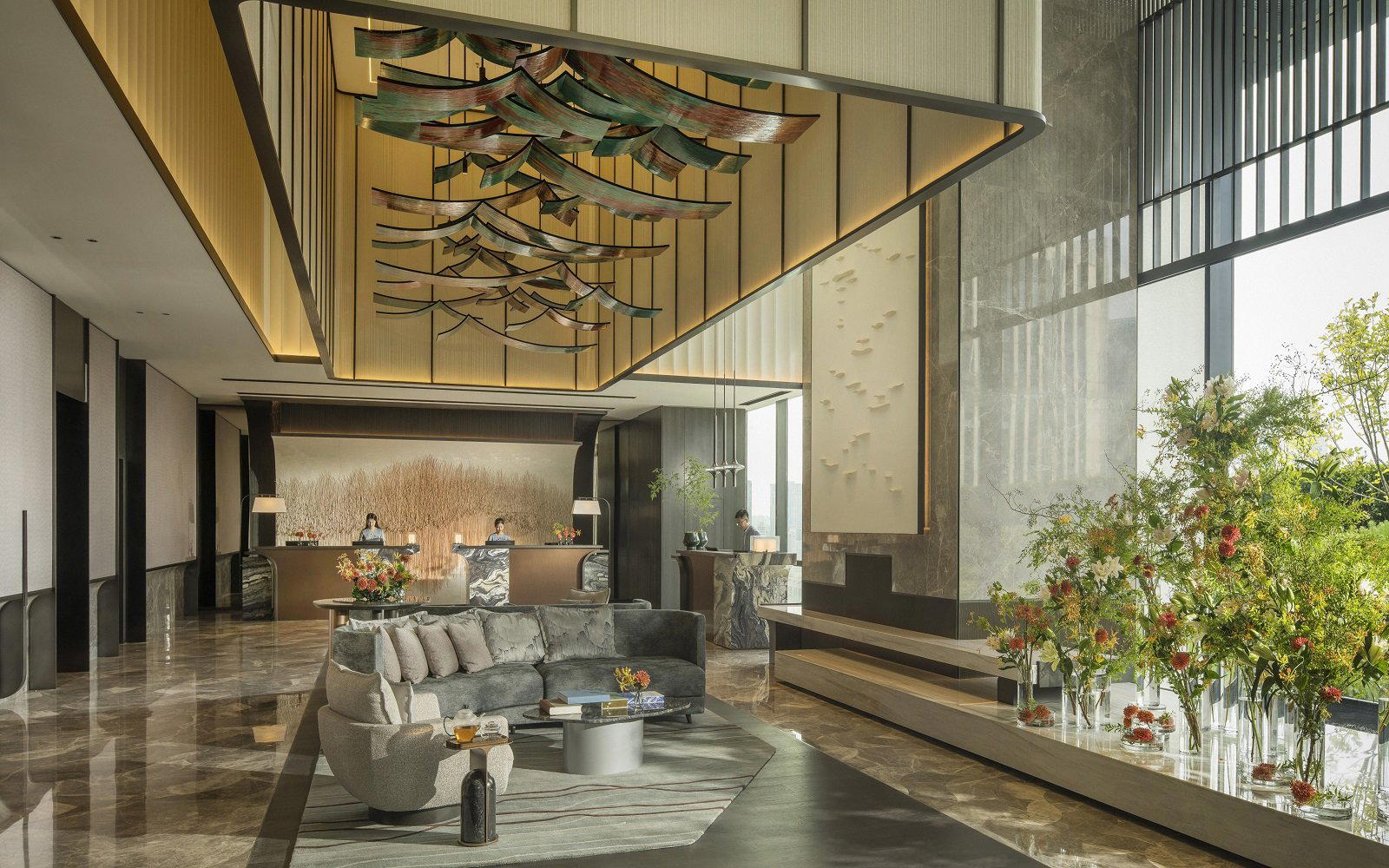
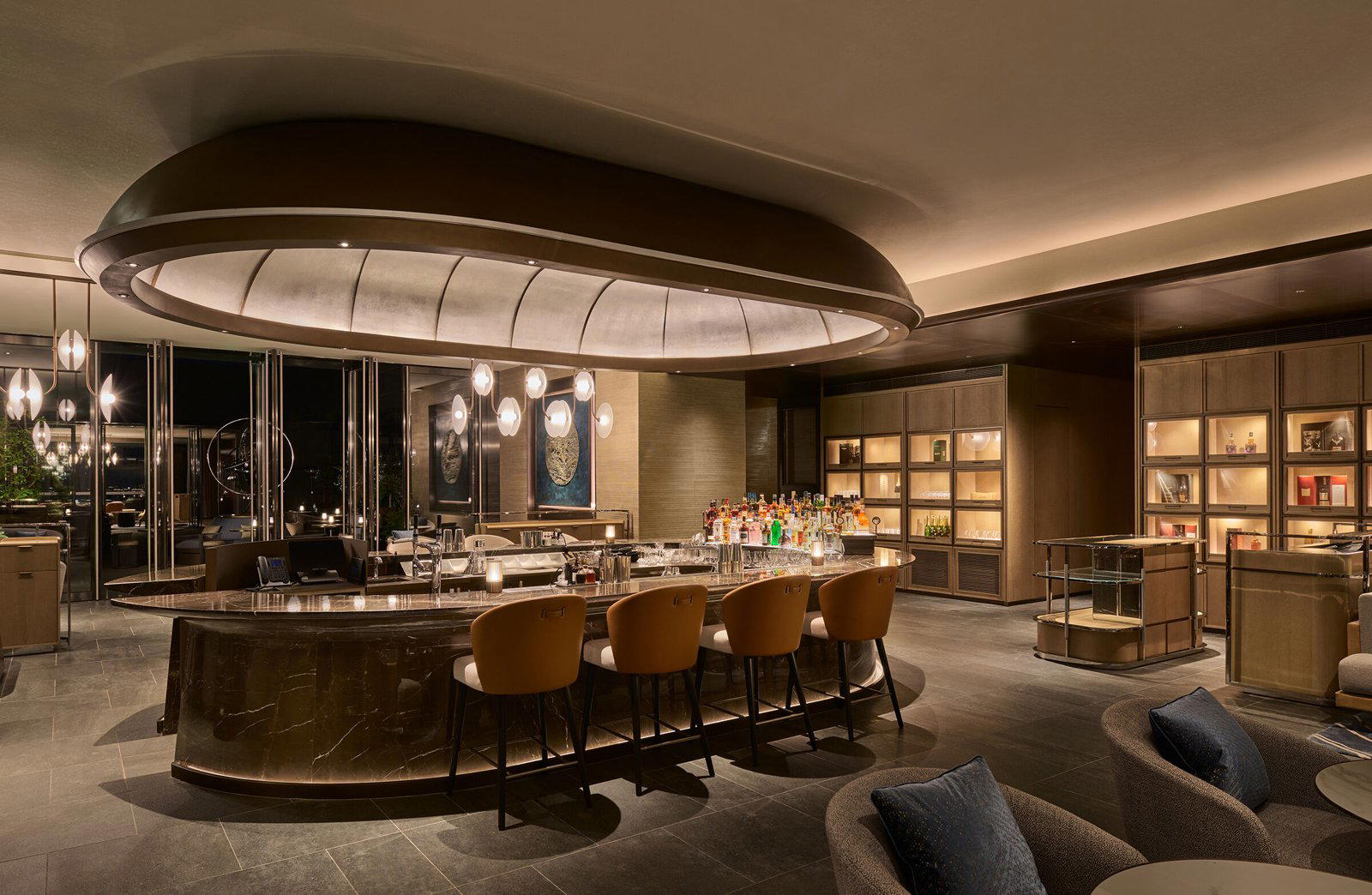
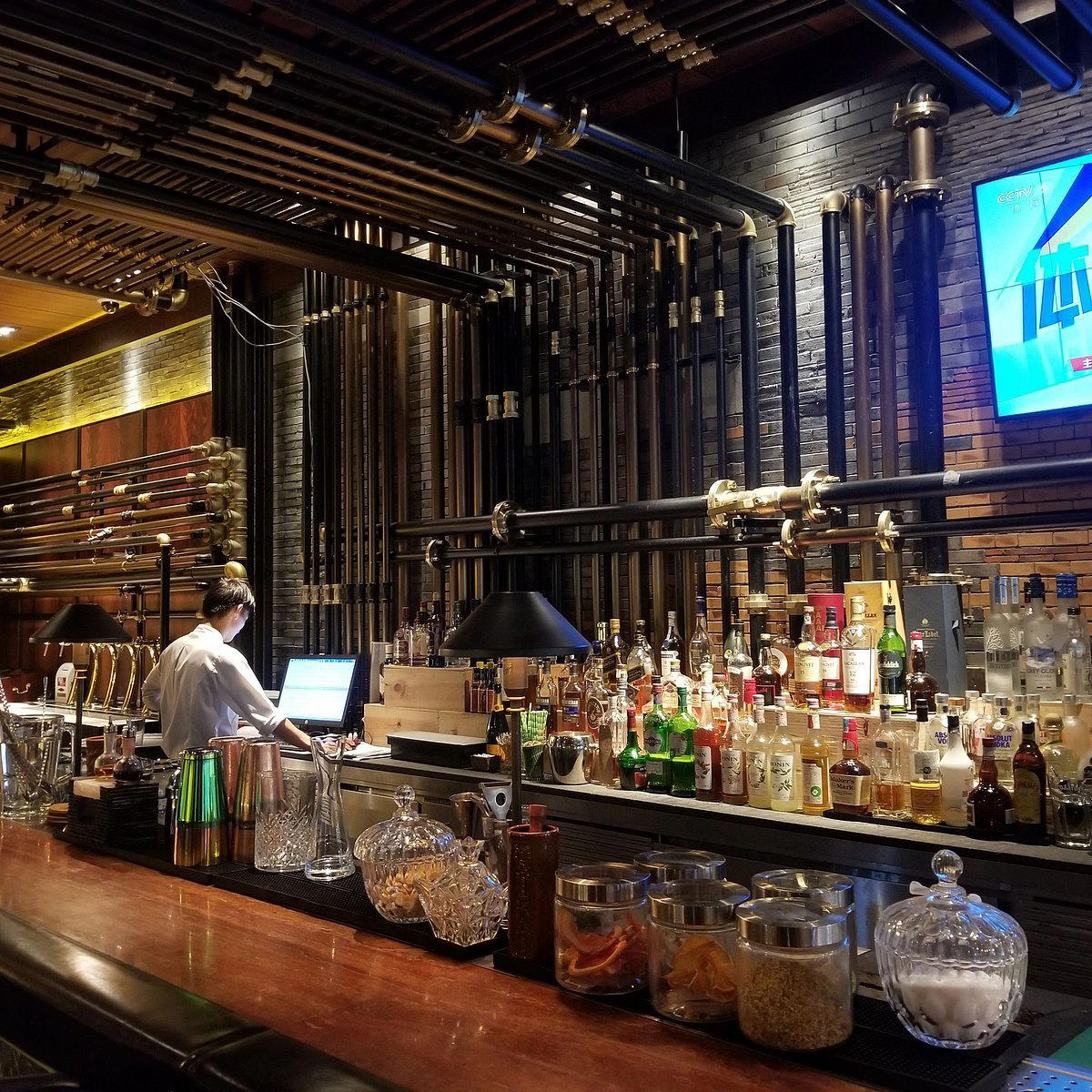
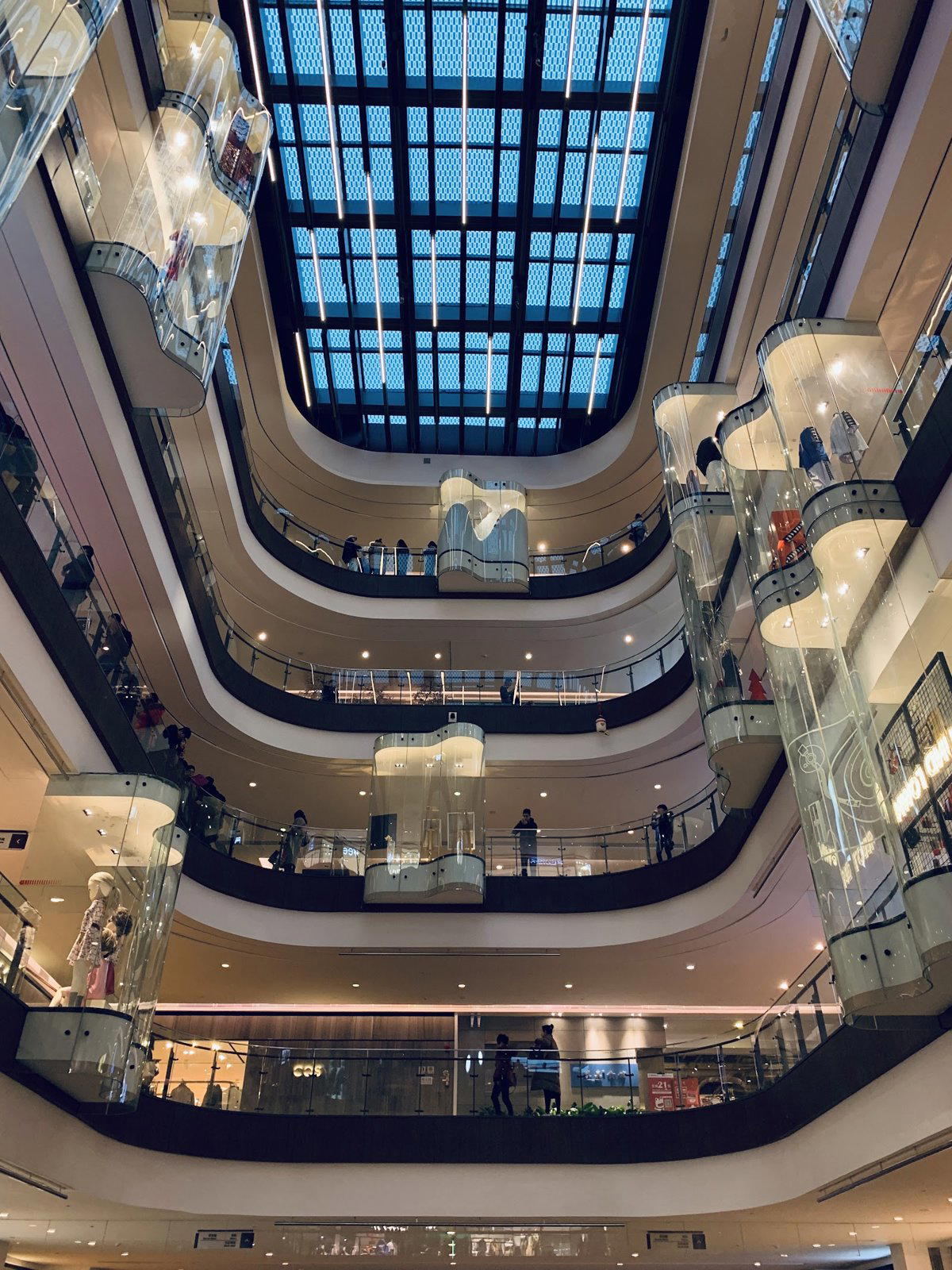
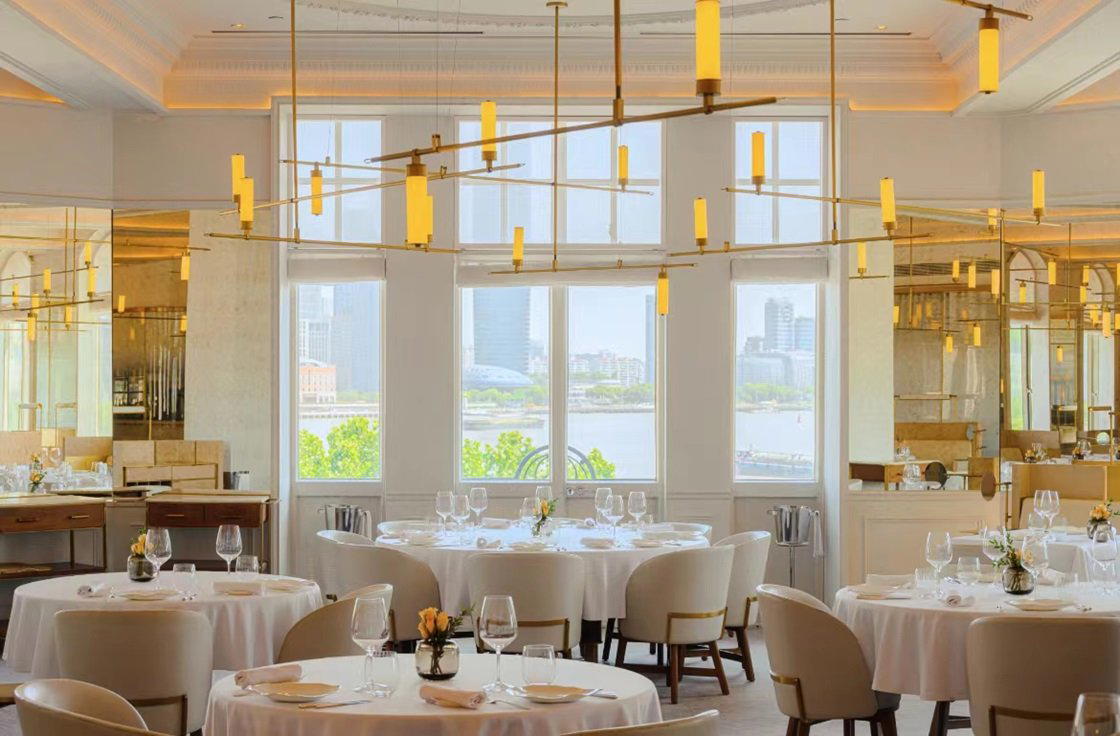
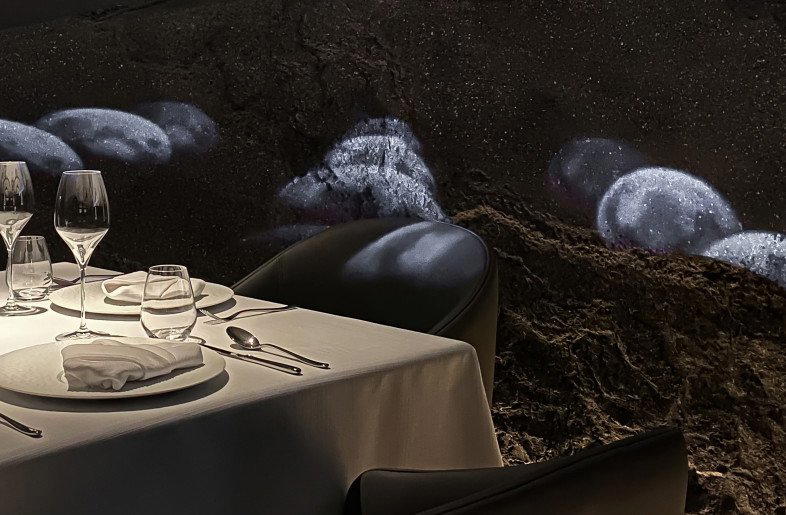
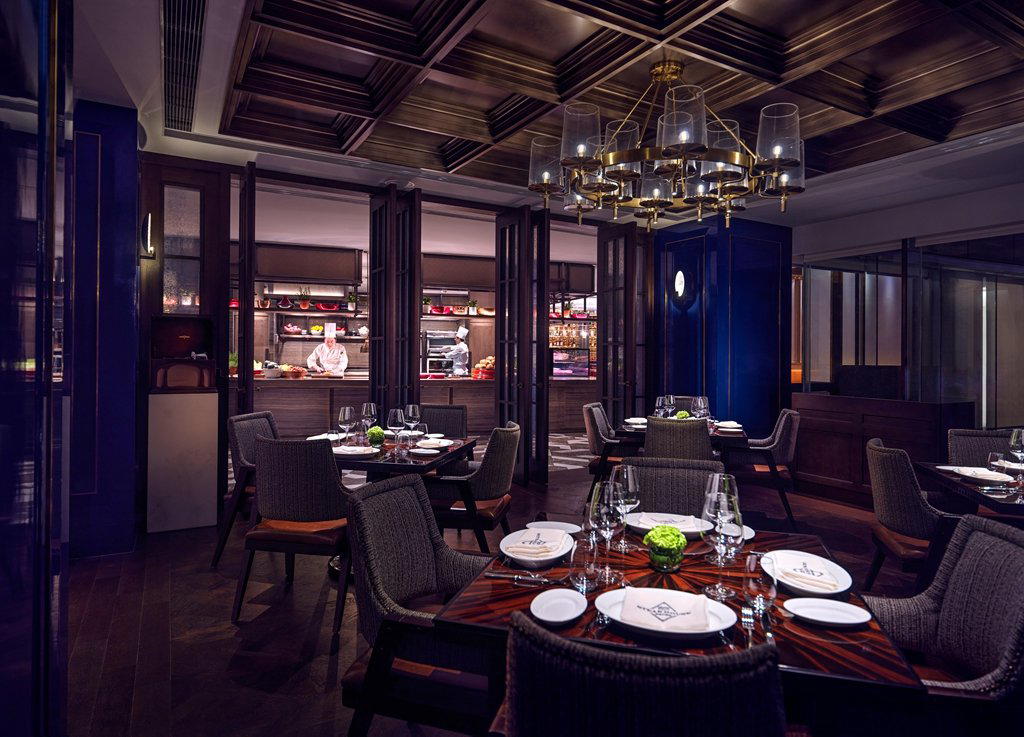
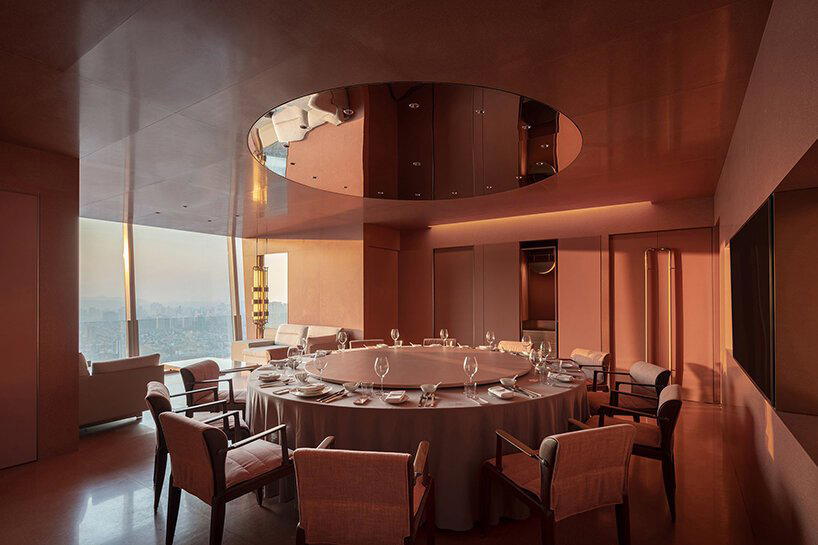
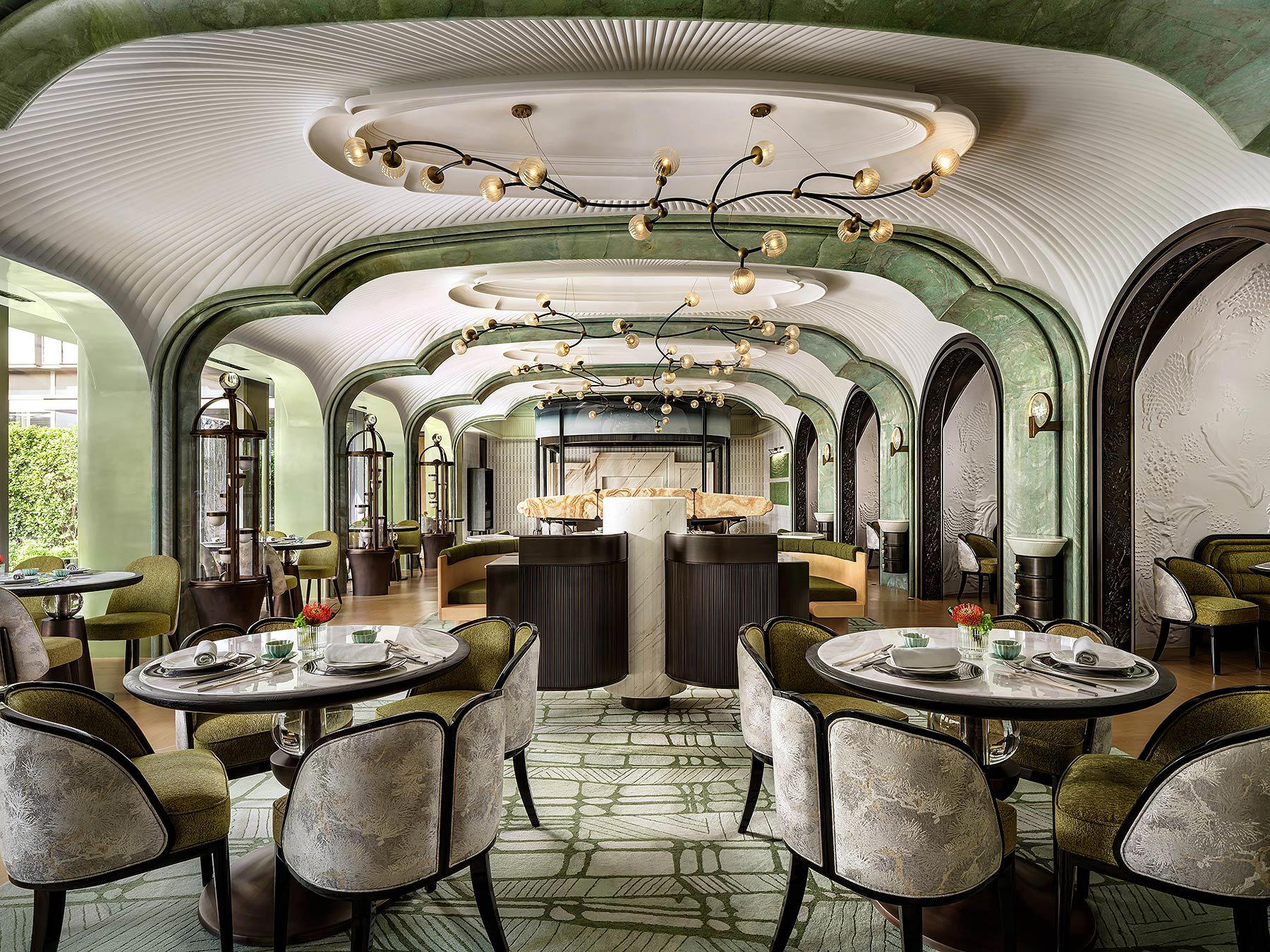
Bright, stylish, and contemporary, with a lively but polished business-hotel feel; guest feedback also points to an elegant, comfortable lobby and generally quiet, private public areas.