
Fu Xing Mian Wang on Hedong Road is a no-frills Gongshu noodle counter where the queues form early and the bowls arrive fast. The self-proclaimed 'noodle king' draws a loyal crowd for tomato-and-scrambled-egg noodles finished with pork cracklings, plus made-to-order toppings like deep-fried carp. Extra noodles come free for those who want them.
Pearl is the En Primeur Club membership app — saves, bookings, and concierge access live there. Same editors, same standards.
- Address
- 178 Hedong Road, Gongshu
- Phone
- +86 152 5881 3500
- Directions
- Get directions
 Saves & bookings on Pearl
Where Hangzhou Eats on Its Own Terms
Fu Xing Mian Wang is a casual Chinese noodles restaurant in Gongshu, Hangzhou, at 178 Hedong Road. At 178 Hedong Road in Gongshu, Fu Xing Mian Wang is exactly that kind of place. The room is spare, the tables are shared, and the queue outside most mornings tells you everything the decor does not. Hangzhou has its share of lacquered dining rooms and tasting menus built around West Lake aesthetics, but this counter operates on a different logic entirely, one rooted in daily habit rather than occasion dining.
That contrast matters when you are reading the city. Places like Ru Yuan (Zhejiang) and Hangzhou House (Zhejiang) represent Zhejiang cuisine at its formal register, where the Longjing shrimp and dongpo pork arrive with ceremony. Fu Xing Mian Wang represents the other half of the same food culture: the everyday register that local workers and residents actually return to every week. Both are necessary to understand the city's relationship with its own cooking.
The Cultural Weight of the Noodle Bowl
Noodles in Zhejiang carry a different cultural charge than they do further north in, say, Shanxi, or in Sichuan where the sauce drives everything. The Hangzhou approach tends toward subtlety: broths that are clean rather than aggressive, toppings that complement rather than dominate. The tomato-and-scrambled-egg combination that Fu Xing Mian Wang has built its reputation on sits squarely in that tradition. It is a pairing deeply embedded in Chinese home cooking, the kind of dish that carries genuine nostalgia weight for anyone who grew up eating it. Presenting it as a noodle topping, rather than a standalone stir-fry, is a small but meaningful piece of culinary translation from domestic kitchen to street-counter format.
The addition of pork cracklings as a finishing element adds texture and richness without pushing the bowl into heavier territory. That balance, between a tangy, tomato-driven sauce and a rendered pork garnish, reflects something about how Hangzhou cooks tend to think: contrast achieved through restraint, not through accumulation. For broader context on how Zhejiang flavours read across the price spectrum, Jie Xiang Lou (Zhejiang) and Guiyu (Xihu) (Zhejiang) offer a useful reference set at higher price points.
What the Queue Means
The queue that forms at Hedong Road most days is a clear sign of local demand. In a city where food options at every price point are plentiful, sustained foot traffic to a no-frills counter is a meaningful signal. Hangzhou diners are not a captive audience; they have Ambré Ciel (Innovative) and a dense field of regional specialists competing for the same meal occasions. The fact that people choose a shared table and a queue over those alternatives, repeatedly, says something about what the bowl delivers.
Across China's major dining cities, the category of neighbourhood noodle counters is well established. Places with comparable reputations in other cities, including spots that have drawn attention from critics covering 102 House in Shanghai or Xin Rong Ji (Xinyuan South Road) in Beijing, tend to share a set of characteristics: a focused menu, a made-to-order kitchen, and a proprietor with a clear point of view about what the food should be. Fu Xing Mian Wang fits that pattern.
The Menu Logic
The made-to-order approach is worth pausing on. At a counter operating with consistent queues, the temptation to pre-batch toppings would be obvious, but Fu Xing Mian Wang prepares toppings fresh per order, which is why everything arrives piping hot. The deep-fried carp is the topping most worth noting for first-time visitors: it is a regional gesture, carp being deeply embedded in Zhejiang cooking, and the textural contrast it provides against soft noodles in a tomato-based sauce is deliberate rather than incidental.
The policy of offering free extra noodles for larger appetites is both a practical hospitality gesture and a signal about what kind of establishment this is. It is not managing portion sizes toward a revenue target; it is running a neighbourhood counter where the primary measure of success is whether the person in front of you leaves satisfied. That orientation is rarer than it might seem even at this price level.
Planning Your Visit
Fu Xing Mian Wang is at 178 Hedong Road in the Gongshu district, a working-commercial area of Hangzhou that sits outside the main tourist corridor around West Lake. Getting there from the lake district takes time, which makes this less of a casual addition to a sightseeing day and more of a deliberate meal choice. The shared tables and no-frills format suit walk-in dining. Timing matters: the venue draws consistent queues, so arriving at an off-peak moment within service hours will reduce wait time, though off-peak is relative at a counter with this kind of following. It sits in the accessible, low-cost tier of Hangzhou eating.
Xin Rong Ji in Chengdu and Dai Yuet Heen in Nanjing offer points of comparison at different registers, as does the more formal end of the regional spectrum at Imperial Treasure Fine Chinese Cuisine in Guangzhou. And for those building a broader Asia itinerary, Chef Tam's Seasons in Macau shows how Cantonese fine dining has evolved in a different direction from where Fu Xing Mian Wang sits. For reference points outside the region entirely, Le Bernardin in New York City and Emeril's in New Orleans illustrate how different the logic of a destination counter becomes when the cultural context changes. Also worth consulting: our full Hangzhou wineries guide for those extending the trip into the tea and wine country around the city.
Budget and Context
Comparable venues nearby, for context on price, style, and recognition.
| Venue | Cuisine | Price | Awards | Notes |
|---|---|---|---|---|
| Fu Xing Mian Wang (Gongshu)This venue — the venue you are viewing | Hangzhoushi, Chinese Noodles | $ | Bib Gourmand | Not listed |
| Wang Shi Shao Bing | Not listed | $ | Michelin Plate | Hangzhoushi, Traditional Chinese Shaobing & Street Eats |
| Hao Shi Tang 1987 (Wensan Road) | Hangzhoushi, Authentic Hangzhou Cuisine | $$ | Bib Gourmand | Not listed |
| Wang Ri Shun Hao | Hangzhoushi, Traditional Jinhua Snacks | $$ | Bib Gourmand | Not listed |
| Fang Lao Da (Shangcheng) | Hangzhoushi, Hangzhou-Style Noodles | $$ | Bib Gourmand | Not listed |
| Wu Ming Mian Guan | Hangzhoushi, Hangzhou Noodles | $ | Michelin Plate | Not listed |
Recognition history
Dated appearances from independent guides and award organizations, with the underlying list record or original source where available.
Michelin Bib Gourmand
Michelin
At a Glance
- Cozy
- Casual Hangout
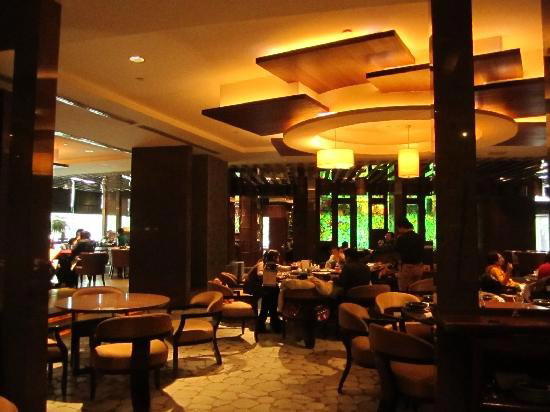
Casual shop lacking snazzy decor with shared tables and always queues.