
A Michelin Selected hotel on North Shui Cheng Road, Hotel Indigo Hangzhou Uptown translates the IHG brand's neighbourhood-story design concept into a city known more for classical lakeside retreats than urban design statements. The selection places it in a recognisable tier of internationally endorsed mid-to-upper properties that prioritise design coherence over resort scale.
Pearl is the En Primeur Club membership app — saves, bookings, and concierge access live there. Same editors, same standards.
- Address
- NO. 8, SHUI CHENG ROAD, NORTH, Hangzhou, China, 310008
- Phone
- +86 571 8791 3003
- Directions
- Get directions
 Saves & bookings on Pearl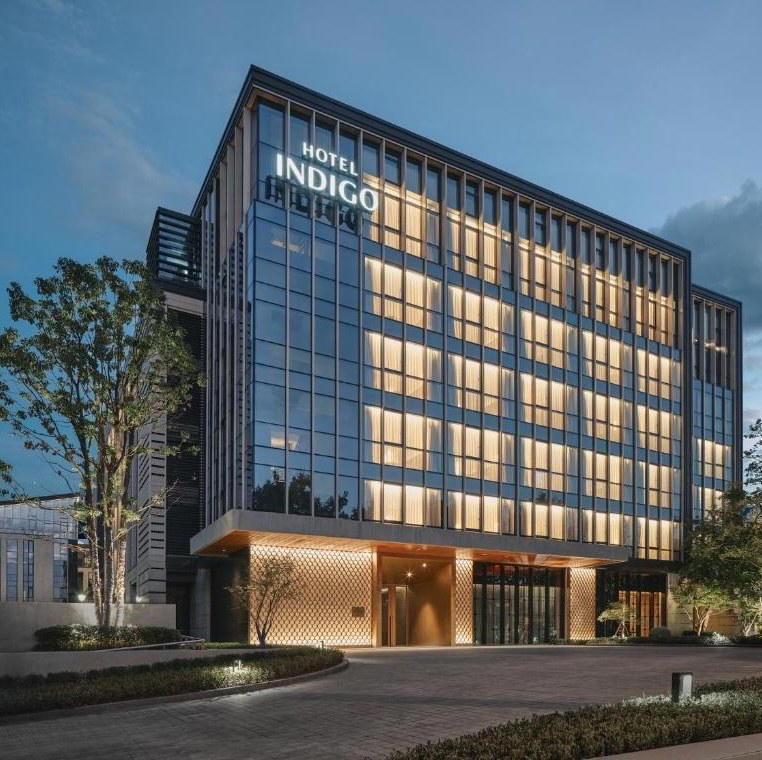
Design in the Uptown Quarter: A Different Hangzhou Argument
Hangzhou's hotel conversation tends to orbit West Lake. The Four Seasons Hotel Hangzhou at West Lake, Amanfayun, and Banyan Tree Hangzhou have defined the city's premium category around classical scenery, temple gardens, and the cultural weight of one of China's most painted bodies of water. Hotel Indigo Hangzhou Uptown operates from a different premise entirely. Positioned on North Shui Cheng Road in the uptown district, it addresses a part of the city that is more commercial, more contemporary, and considerably less trafficked by the heritage-first traveller. For the right guest, it's the more useful one.
The Hotel Indigo brand, within the IHG portfolio, is structured around a neighbourhood-story design concept: each property is expected to translate its immediate urban context into spatial and aesthetic language rather than apply a uniform template. In cities where this discipline is maintained, the result is a hotel that reads more like a design-led independent than a chain product. Its success depends on how granular and committed the design references to this part of the city are, rather than to a generic Chinese contemporary aesthetic.
The Physical Argument: What the Indigo Format Delivers Here
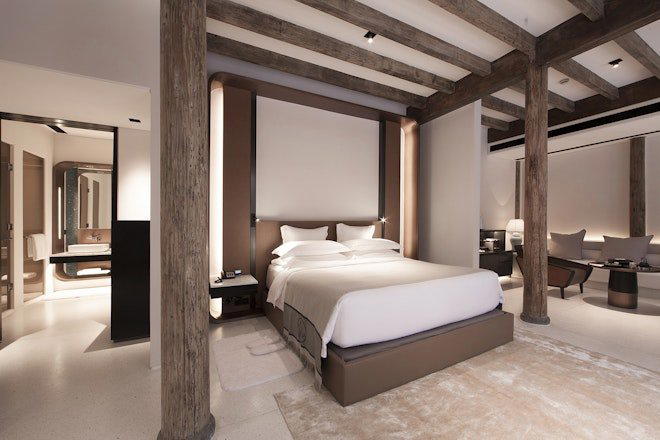
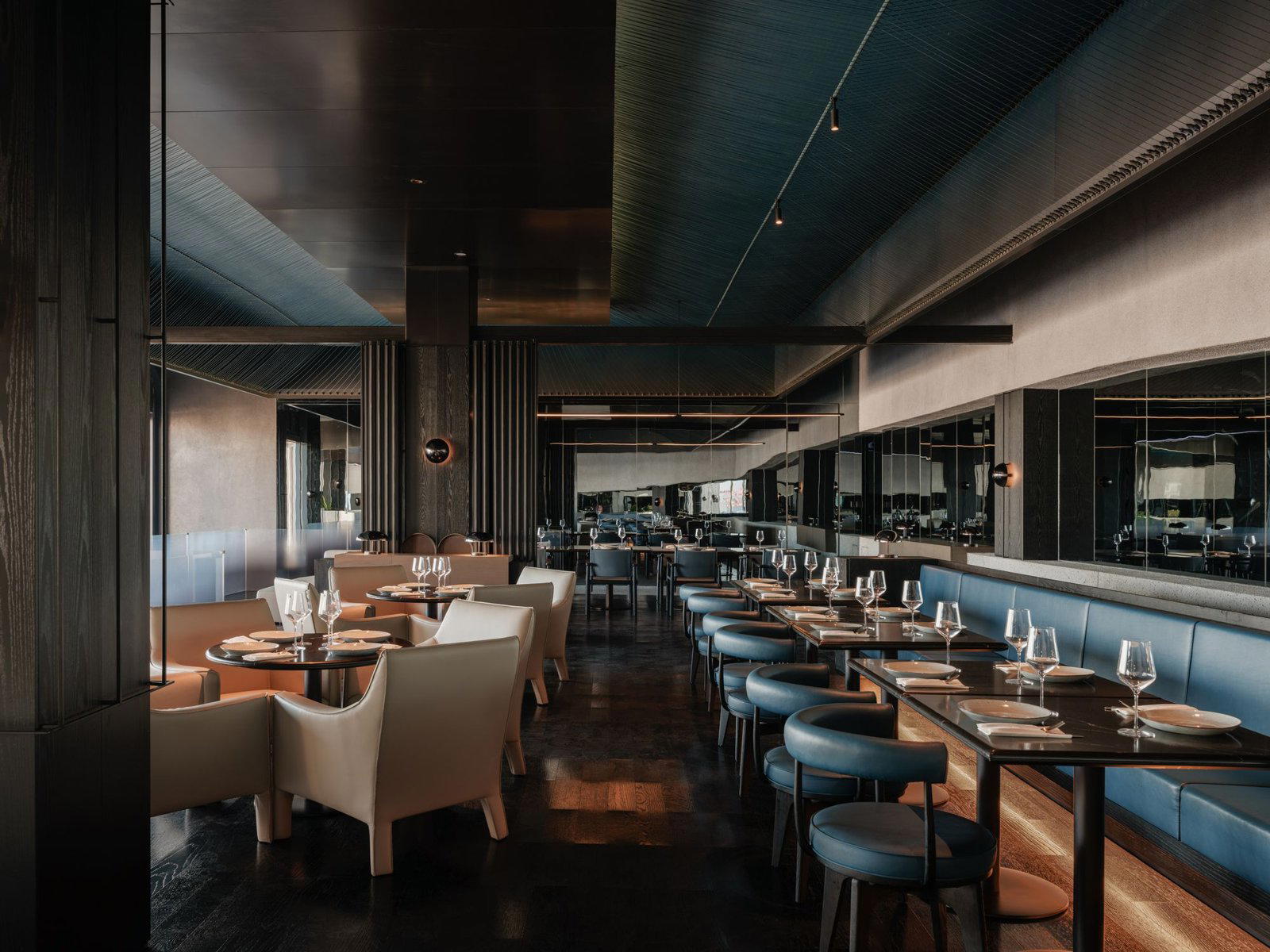
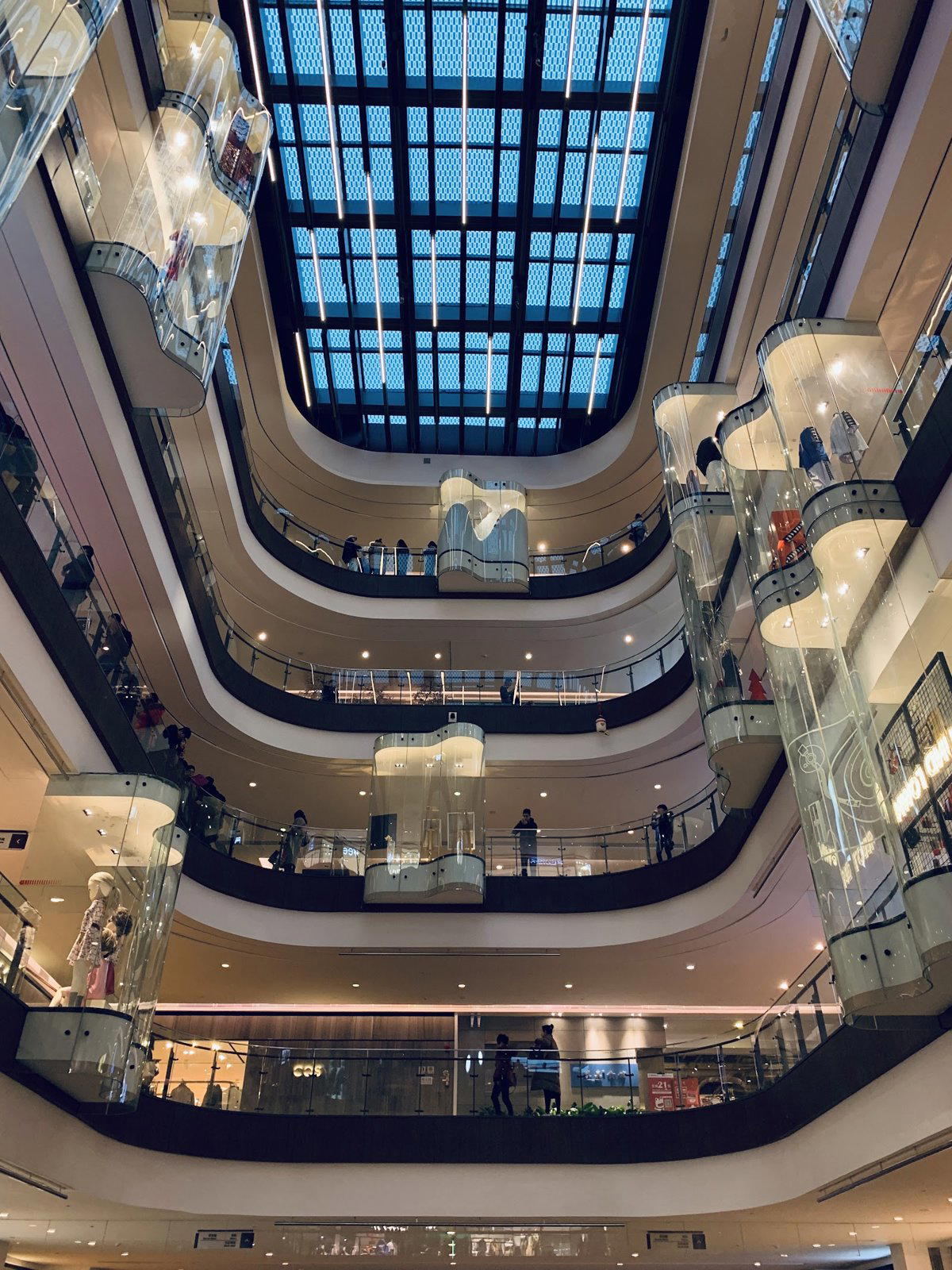
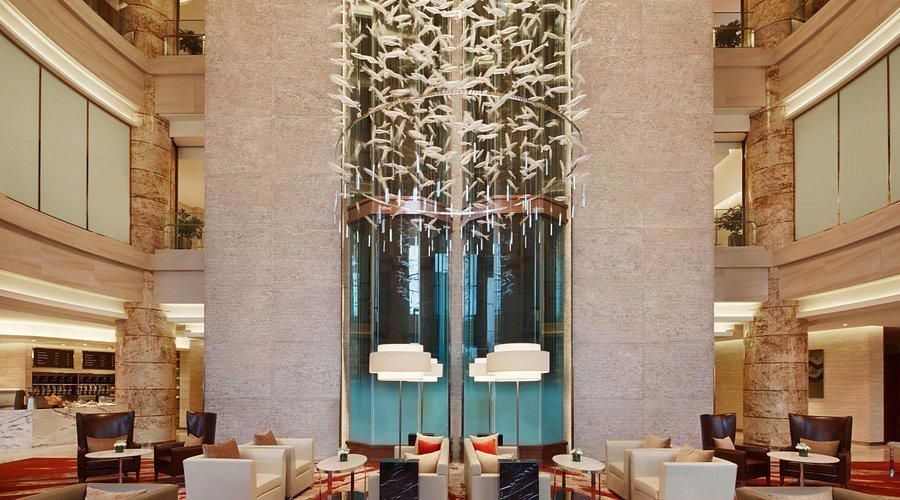
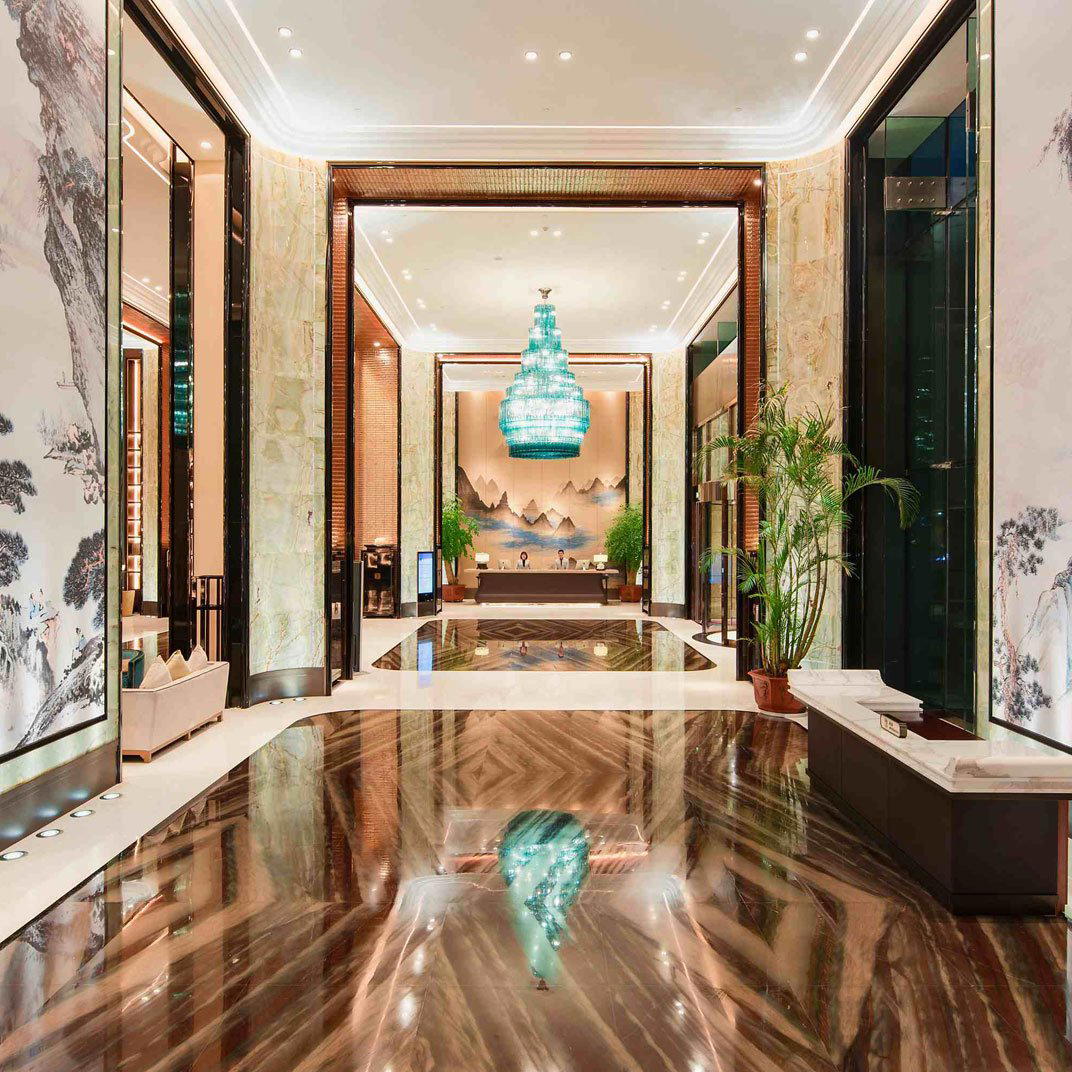
The IHG Indigo model places architectural and interior coherence at the centre of its value proposition. At Hotel Indigo Hangzhou Uptown, the address on North Shui Cheng Road anchors the property in a district shaped by modern commercial development rather than classical landscape. This matters for how the design registers: without a dominant natural or heritage backdrop to defer to, the interiors carry more of the positioning weight. The brand's typical toolkit includes strong material choices, local cultural references embedded in artwork and spatial detail, and a scale that avoids the anonymous corridors of larger convention hotels.
Internationally, the Hotel Indigo format has been applied in cities from London to Bangkok with varying degrees of conviction. The Hangzhou Uptown property enters a local market where design-led positioning is less common among international branded hotels than in Shanghai or Beijing, which gives it a clearer differentiation argument. For a traveller arriving primarily on business in the uptown commercial zone, the alternative is either a larger conventional business hotel or the lake-adjacent luxury tier represented by the Four Seasons Hotel Hangzhou at Hangzhou Centre or Conrad Hangzhou.
Michelin Selected: What the Recognition Actually Means
Hotel Indigo Hangzhou Uptown holds a Michelin Selected designation from the Michelin Hotels 2025 guide, which positions it within a tier of editorially acknowledged properties that meet a defined standard without carrying the full Michelin Key distinction. The Selected category covers hotels that inspectors recognise for quality and character across accommodation, service, and setting, but which fall below the Key threshold awarded to particularly notable properties in any given city.
In practical terms, this places the hotel in the same recognition framework as other Michelin-acknowledged properties across China, including those EP Club covers in other cities such as the Mandarin Oriental Qianmen in Beijing, JW Marriott Hotel Shanghai at Tomorrow Square in Shanghai, and InterContinental Chongqing Raffles City in Chongqing. The recognition signals a baseline of reliability without placing it in competition with Hangzhou's resort properties for visitors whose primary reason to travel is the lakeside experience.
Within Hangzhou specifically, Michelin's hotel coverage has concentrated on the West Lake corridor and the heritage resort zone. An Uptown selection carries a contextual note: it tells you Michelin found the property worth naming even outside that primary cluster, which is a narrower but meaningful credential.
Where It Sits in Hangzhou's Hotel Spectrum
Hangzhou's premium accommodation has developed along two clear axes. The first is the classical resort model, large, landscape-integrated properties where the outdoor experience is the primary product. Fuchun Resort Hotel Fuyang and Amanfayun represent that category at different price points and scales. The second axis is urban business-and-leisure, concentrated in the commercial districts and serviced by international chain brands.
The hotel operates on the second axis but tries to separate itself from pure business-hotel positioning through the design programme the brand requires. That's a sensible approach in a market where the commercial-district hotel default tends toward function over form. The Hangzhou Muh Shoou Xixi Hotel represents a different kind of design-conscious offering in another part of the city, and together they point to a small but growing tier of Hangzhou properties prioritising aesthetic identity over raw room count.
For points of comparison further afield, the brand's design-forward model in China finds analogues in how properties like Hylla Vintage Hotel in Lijiang or Yihe Mansions in Nanjing approach locally grounded design as a primary differentiator. Internationally, you see the same structural argument, design coherence as the lead credential, at properties like The Fifth Avenue Hotel in New York City, though at a different price tier and with a different competitive context.
Planning Your Stay
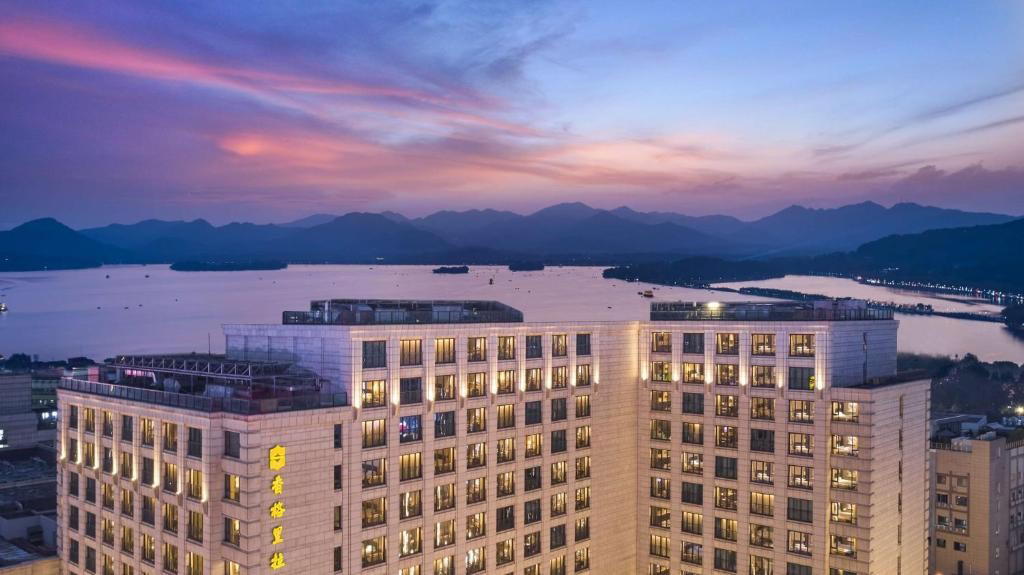
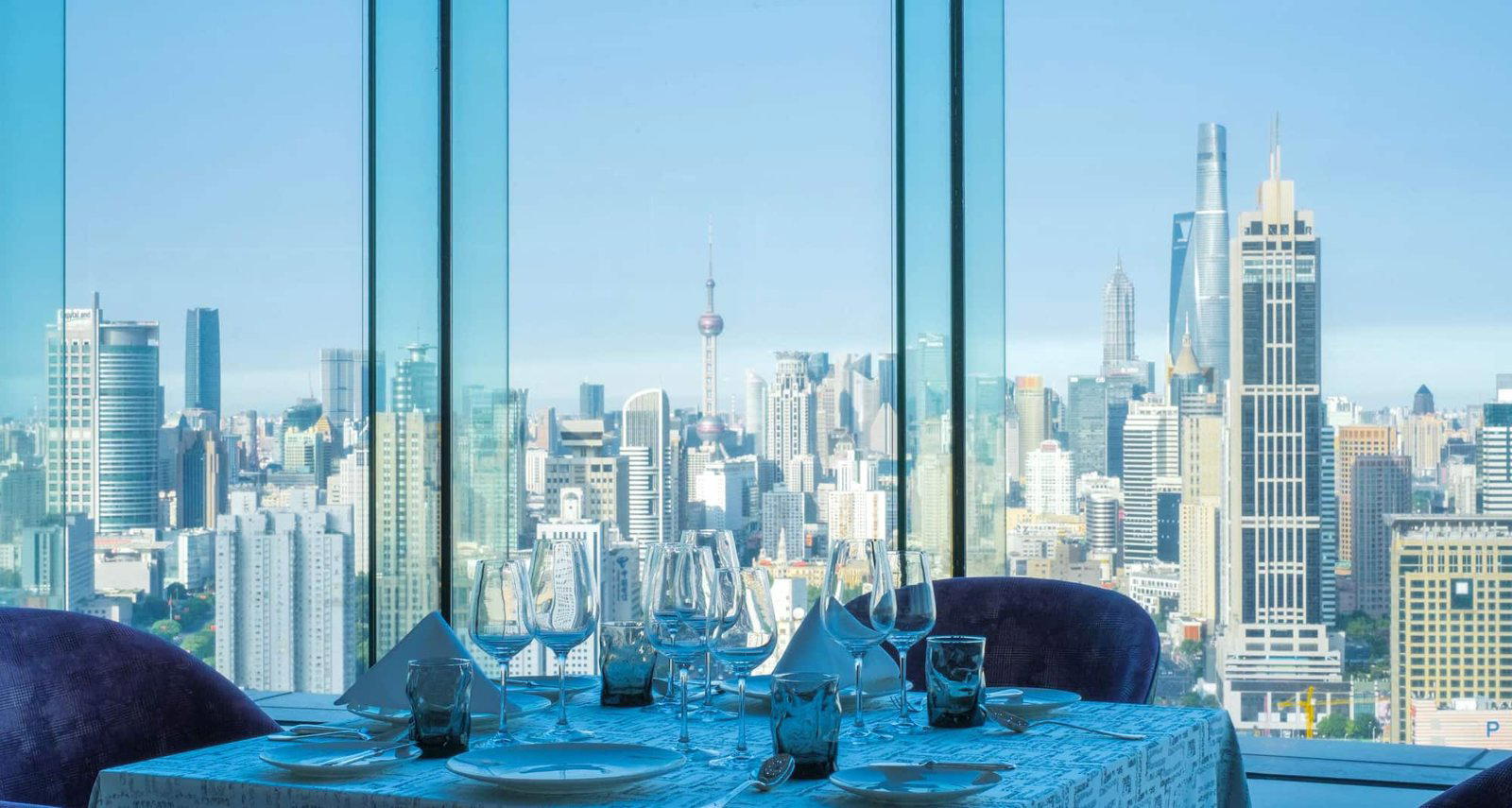
The hotel sits at No. 8 North Shui Cheng Road in Hangzhou's uptown district. Travellers arriving by high-speed rail at Hangzhou East Station, which connects to Shanghai in under an hour and to Beijing in around five hours, will find the uptown location more practical than the West Lake cluster for direct transfers. West Lake itself is accessible by taxi or ride-share, typically a fifteen to twenty-five minute drive depending on traffic, which means a stay here doesn't preclude the lakeside day, it simply doesn't foreground it. For those whose Hangzhou itinerary is split between business obligations and leisure exploration, the address is more functional than it might first appear. Booking through IHG's direct channels is the standard approach for this property type; Michelin Selected recognition can also be cross-referenced against the Michelin Hotels guide for independent verification.
Fast Comparison
Comparable venues nearby, for context on price, style, and recognition.
| Venue | Cuisine | Price | Awards | Notes |
|---|---|---|---|---|
| Hotel Indigo Hangzhou UptownThis venue — the venue you are viewing | Boutique hotel fusing Song Dynasty heritage with modern aesthetics | $$$ | 5-Star | Not listed |
| Vallie Hotel | Tranquil forest retreat in repurposed tea farmer buildings | $$$$ | 5-Star | Xiaoshanshi |
| voco Hangzhou Binjiang Minghao | Modern design hotel with Art Deco architecture and thoughtful, unstuffy charm. | $$$$ | 5-Star | Binjiang District |
| Seven Villas | Intimate Relais & Chateaux resort with seven traditional Chinese villas in a forested West Lake setting. | $$$$ | 5-Star | Hangzhoushi |
| Hangzhou Muh Shoou Xixi Hotel | Boutique luxury seamlessly integrated with surrounding wetlands. | $$$$ | 5-Star | Yuhangxian |
| Conrad Hangzhou Tonglu | Contemporary luxury resort inspired by natural Tonglu landscape with modern amenities and traditional regional design elements. | $$$$ | 5-Star | Tongluxian |
Recognition history
Dated appearances from independent guides and award organizations, with the underlying list record or original source where available.
Michelin Selected
Michelin
At a Glance
- Modern
- Elegant
- Scenic
- Sophisticated
- Romantic Getaway
- Business Trip
- Weekend Escape
- Historic Building
- Design Destination
- Wi Fi
- Pool
- Indoor Pool
- Fitness Center
- Room Service
- Concierge
- Restaurant
- Wi Fi
- Pool
- Indoor Pool
- Fitness Center
- Room Service
- Concierge
- Restaurant
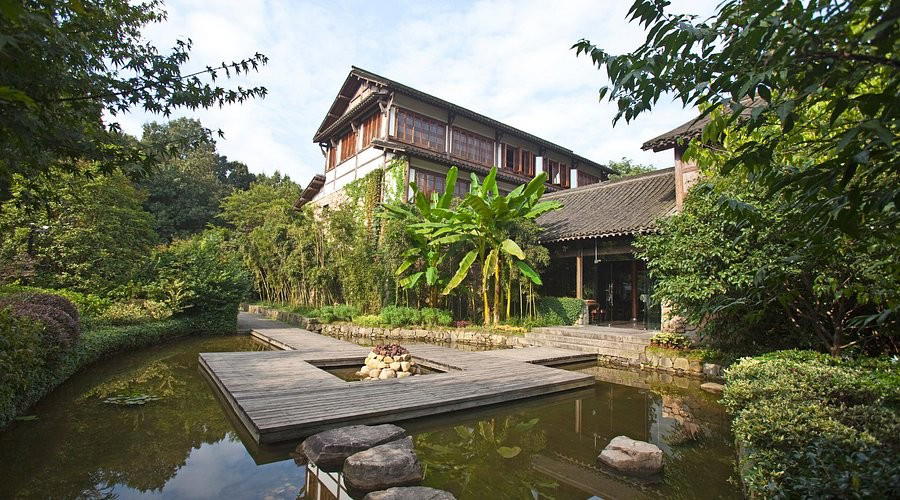
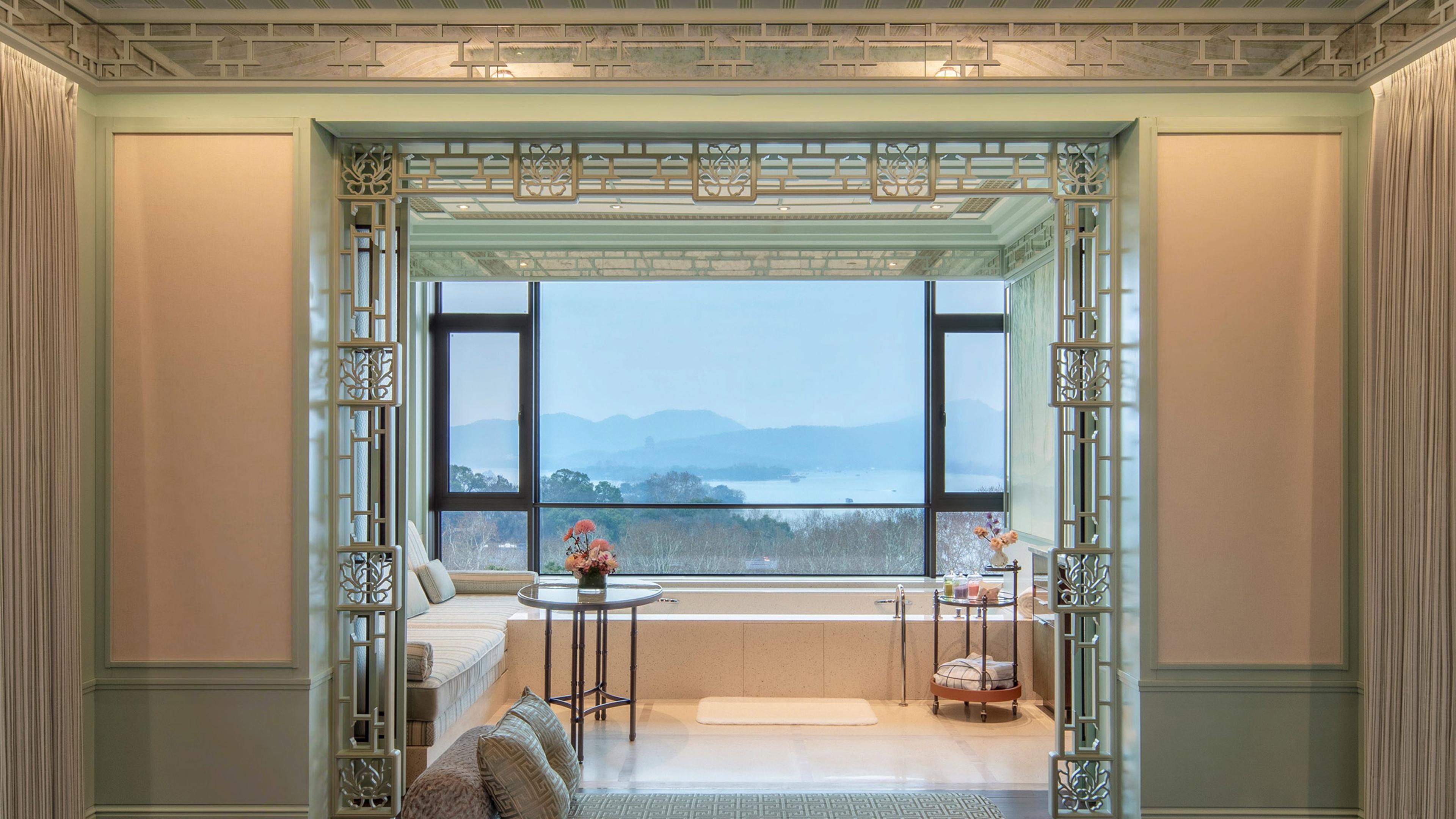
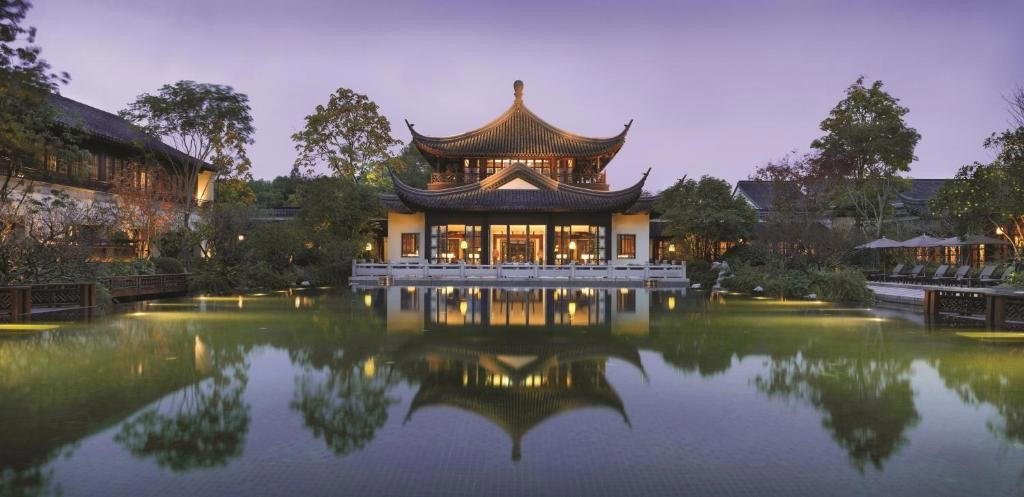
Trendsetting and fashionable atmosphere merging ancient and modern cultures with vivid Song-style design and airy lighting.