
Fang Lao Da in Hangzhou's Shangcheng District holds back-to-back Michelin Bib Gourmand recognition for 2024 and 2025, placing it among the city's most consistently decorated noodle houses. At the single-¥ price tier, it represents the sharper end of Hangzhou's street-level noodle tradition, where craft and value converge without ceremony.
Pearl is the En Primeur Club membership app — saves, bookings, and concierge access live there. Same editors, same standards.
- Address
- 481 Zhongshan S Rd, Shangcheng District, Hangzhou, Zhejiang, China, 310002
- Phone
- +86 151 6832 5020
- Directions
- Get directions
 Saves & bookings on Pearl
Where Hangzhou's Noodle Tradition Gets Serious
On Zhongshan South Road, the pedestrian rhythm of Shangcheng District sets a particular tempo. Neighbourhood canteens and specialist noodle houses have occupied these streets for generations, and the morning queue outside a well-regarded bowl is still a civic ritual in this city. Fang Lao Da sits inside that tradition, on a stretch that carries the working energy of old Hangzhou rather than the curated polish of its lakeside tourist corridor. The setting frames what you are about to eat before you sit down.
Hangzhou's noodle culture operates on different logic from, say, the wheat-forward schools of Lanzhou or the broth-heavy canon of Wuhan. The local tradition pulls from Zhejiang's broader pantry: river fish, cured pork, seasonal vegetables, and braising liquids that owe something to the region's long history of red-cooking. A bowl here is not a single-ingredient showcase but a layered proposition, where toppings, broth, and noodle texture are expected to function as a coherent whole. That coherence is precisely what Michelin's Bib Gourmand designation reflects, value and quality held simultaneously, without compromise to either.
Two Years of Bib Gourmand Recognition: What It Signals
The Bib Gourmand is a specific instrument in Michelin's toolkit. It does not measure ambition or luxury; it measures whether a kitchen delivers genuinely good cooking at a price accessible to a broad audience. Fang Lao Da has held the designation in both 2024 and 2025, placing the kitchen inside Hangzhou's recognised dining scene.
For context, Hangzhou's Michelin-recognised restaurants span a wide range: Ru Yuan holds two stars in the Zhejiang fine-dining bracket, Jin Sha and Xin Rong Ji carry one star each at the ¥¥¥ price point, and L'éclat 19 occupies the French contemporary tier at ¥¥¥¥. Fang Lao Da operates at the single-¥ level, which means its Bib Gourmand sits at the accessible end of a recognition spectrum that reaches considerably higher in price. That positioning matters: it tells you that Michelin inspectors found a reason to return but because the cooking earned it on its own terms.
Among Hangzhou's Bib Gourmand noodle houses, Fang Lao Da shares the category with several other recognised addresses. A Bing Bao Shan Mian, Fu Xing Mian Wang, Gui Yu Jia Mian, Lai Cui Mian Guan (Ji Mao Road), and Rong Xian Mian Guan (Qianjiang Road) form the competitive comparable set at this level. Each has its own neighbourhood anchor and house style, and the fact that multiple noodle specialists hold the designation simultaneously tells you something about the depth of craft in this category across Hangzhou.
The Noodle Bowl as a Carrier of Regional Identity
Elsewhere in China, Michelin recognition at the accessible tier tends to cluster around regional standards: xiao long bao in Shanghai, roast goose in Guangzhou, and so on. In Hangzhou, noodles carry a disproportionate share of that recognition, and the reason is partly historical. The city was the capital of the Southern Song dynasty, a period that brought extraordinary culinary refinement to the region and established cooking traditions that persisted long after the dynasty ended. The noodle houses that survive today are inheritors of a craft lineage, not just cheap-eat operators who happened to impress a reviewer.
For travellers comparing noodle traditions across China, the Hangzhou bowl sits in an interesting middle position. It lacks the dramatic single-ingredient purity of A Kun Mian's approach in Taichung and the elaborate broth engineering that defines some Shanghai specialists like A Niang Mian Guan, but it compensates with Zhejiang's ingredient culture. The toppings are the argument here, and a well-constructed Hangzhou noodle bowl can justify the visit on those toppings alone.
On the Question of Drink
Wine lists and cellar programs apply differently at a single-¥ noodle house than at starred tables further up Hangzhou's price scale. At Fang Lao Da, the drink proposition is not the point, and the format does not pretend otherwise. The Zhejiang fine-dining tier, Ru Yuan, Jin Sha, 28 Hubin Road, is where you find considered beverage programs alongside a meal. At the Bib Gourmand level, the pairing logic shifts entirely: tea, or the particular Chinese tradition of eating noodles with nothing more than the broth itself as liquid, is the operating framework. This is not a limitation of the kitchen; it is the correct register for what the kitchen is doing.
Placing Fang Lao Da in the Wider China Noodle Conversation
Michelin's Bib Gourmand noodle recognitions across China share a common thread: kitchens that hold the designation consistently tend to have a defined house style rather than a rotating menu built around novelty. The recognition is for execution, not innovation. In that sense, Fang Lao Da belongs to the same broader category as consistently recognised noodle and casual specialists elsewhere in the country, even as its specific flavour profile remains distinctly Zhejiang.
For readers building a broader trip through China's eastern culinary belt, comparison points at the fine-dining end include Xin Rong Ji in Beijing, 102 House in Shanghai, and Xin Rong Ji in Chengdu. Beyond the mainland, Chef Tam's Seasons in Macau, Imperial Treasure Fine Chinese Cuisine in Guangzhou, and Dai Yuet Heen in Nanjing offer different registers of regional Chinese cooking worth placing alongside a Hangzhou visit.
Planning a Visit
Fang Lao Da is located at 481 Zhongshan South Road in Shangcheng District, the address registered in the Michelin guide. Shangcheng is the older commercial core of Hangzhou, accessible from the main tourist areas around West Lake and well-served by public transport. For a noodle house operating at the ¥ price tier with Bib Gourmand status, morning and lunchtime are typically the peak periods; arriving outside those windows generally means a shorter wait. Reservations are recommended.
What Regulars Order at Fang Lao Da (Shangcheng)
What the recognition does confirm is that the kitchen's output at the ¥ price tier has satisfied inspectors across two consecutive guide cycles, which implies a consistent house repertoire rather than a menu built around a single showpiece. At Hangzhou noodle houses of this standing, the ordering logic typically follows the house specialities displayed at the counter or written on the wall board, the dishes that appear most frequently in local usage are usually the ones that earned the kitchen its reputation. Arriving, reading the board, and ordering what the kitchen clearly wants to make is the correct approach here.
Cuisine and Recognition
Comparable venues nearby, for context on price, style, and recognition.
| Venue | Cuisine | Price | Awards | Notes |
|---|---|---|---|---|
| Fang Lao Da (Shangcheng)This venue — the venue you are viewing | Hangzhou-Style Noodles | $$ | Bib Gourmand | Not listed |
| Definitely Fresh | Zhejiang Seafood | $$ | Bib Gourmand | Hangzhoushi |
| Rong Xian Mian Guan (Qianjiang Road) | Traditional Hangzhou Noodles | $$ | Bib Gourmand | Jiaxingshi |
| Wang Ri Shun Hao | Traditional Jinhua Snacks | $$ | Bib Gourmand | Hangzhoushi |
| Lai Cui Mian Guan (Ji Mao Road) | Hand-Rolled Noodle Shop | $$ | Bib Gourmand | Hangzhoushi |
| Zhi Wei Guan • Wei Zhuang (Xihu) | New Hangzhou Cuisine | $$ | Michelin Plate | Hangzhoushi |
Recognition history
Dated appearances from independent guides and award organizations, with the underlying list record or original source where available.
Michelin Bib Gourmand
Michelin
Michelin Bib Gourmand
Michelin
At a Glance
- Classic
- Cozy
- Elegant
- Casual Hangout
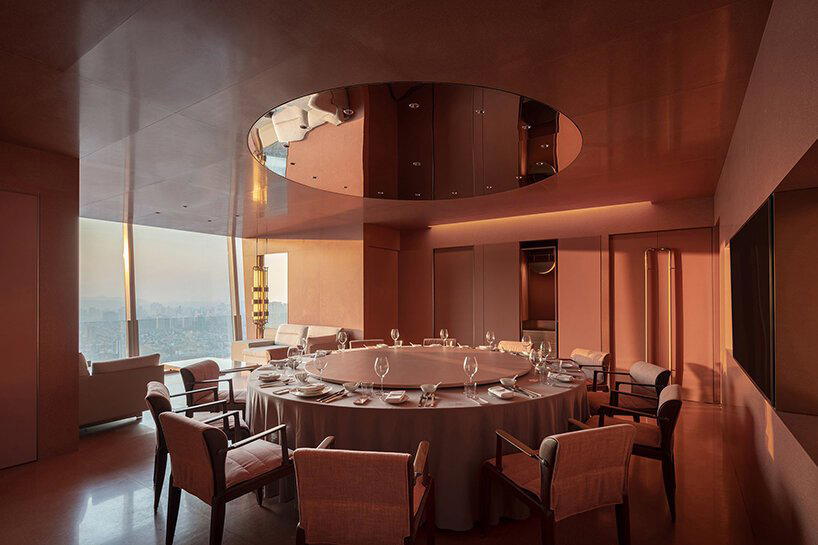
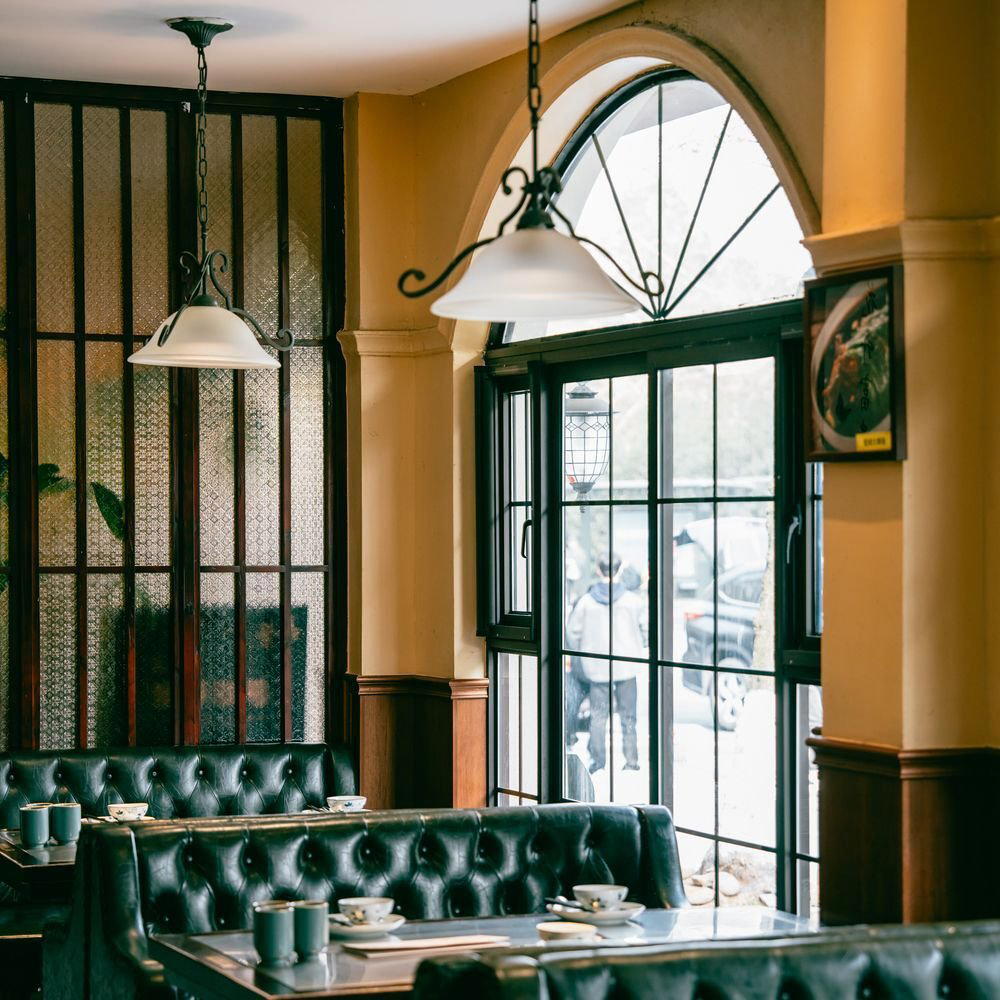
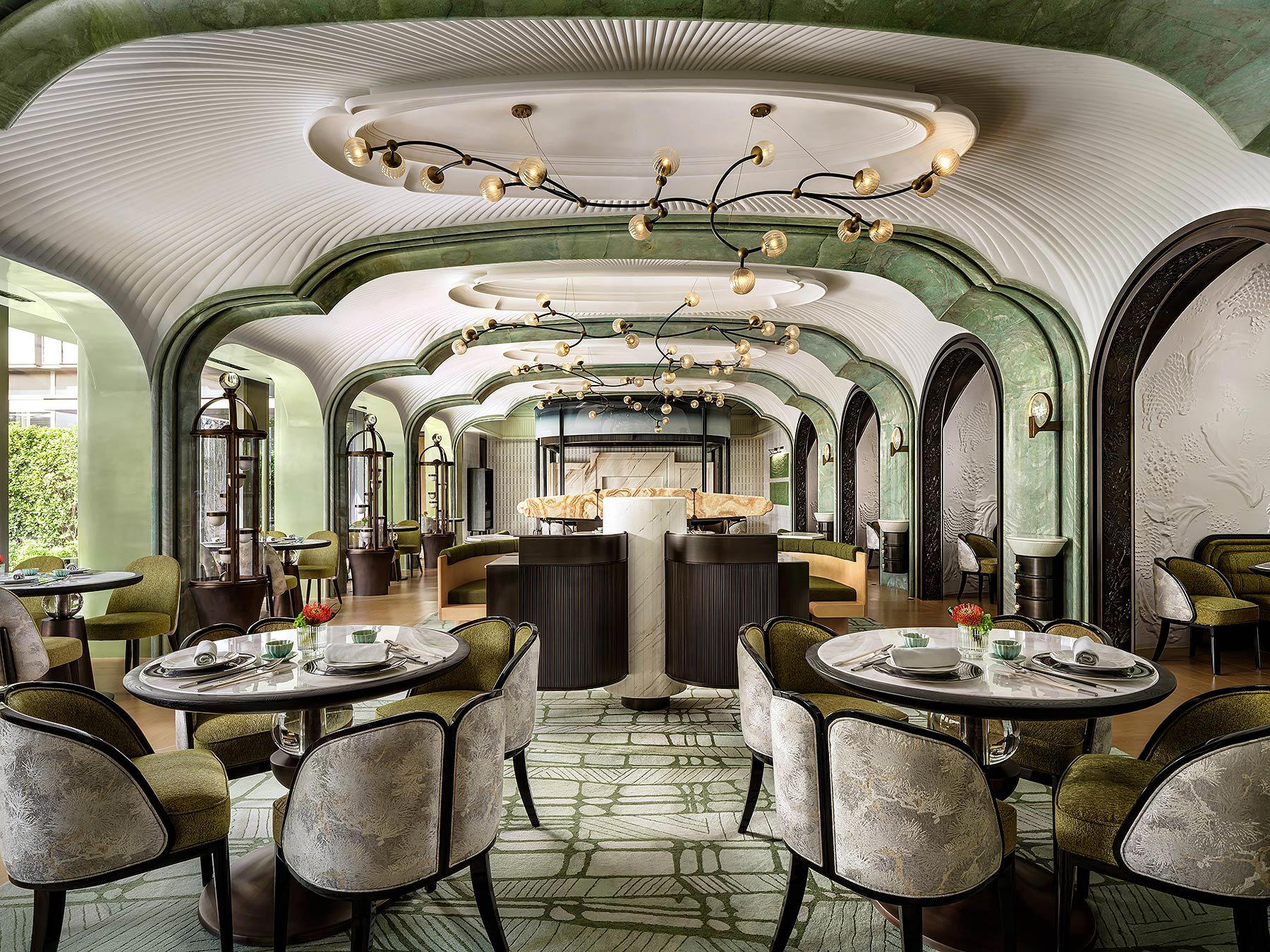
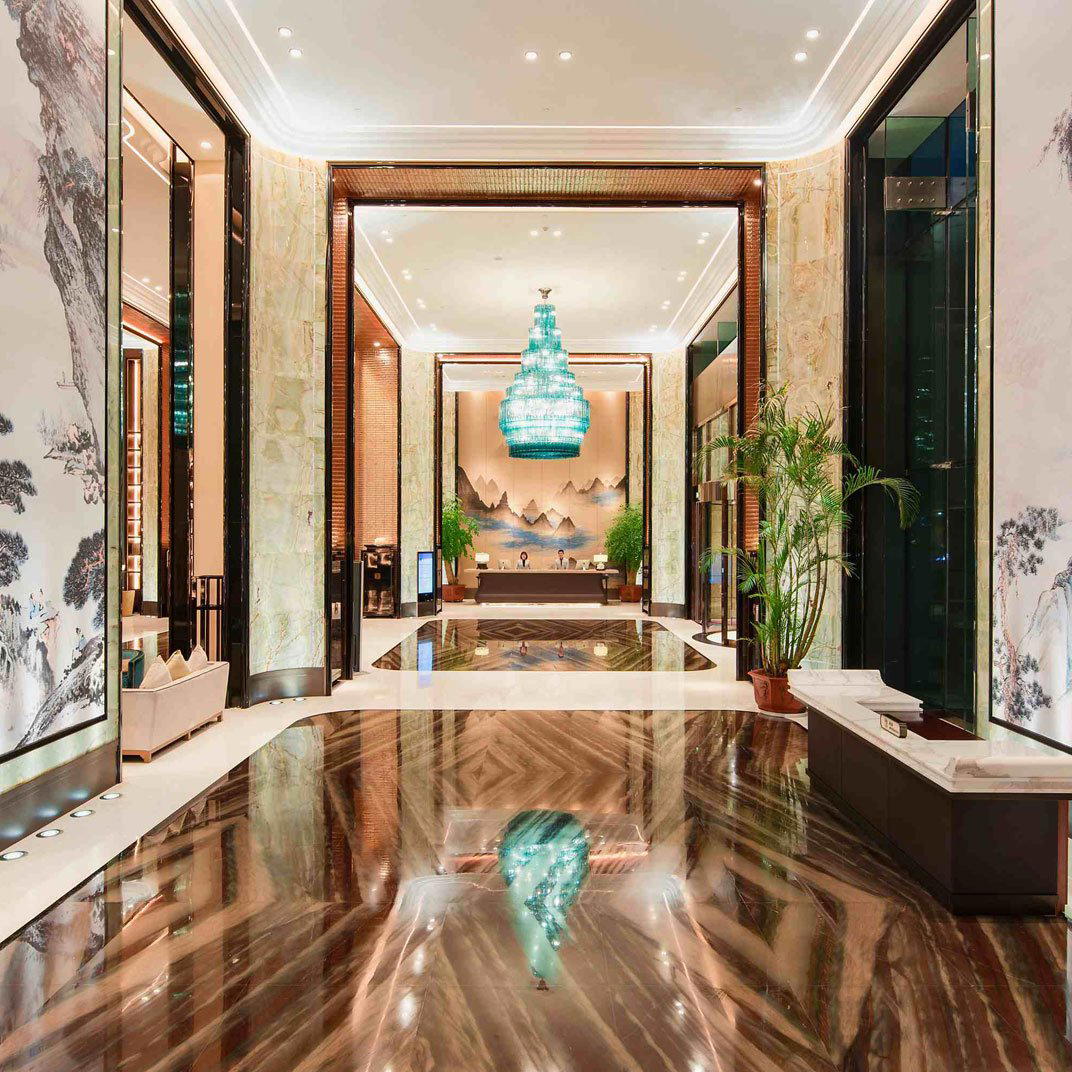
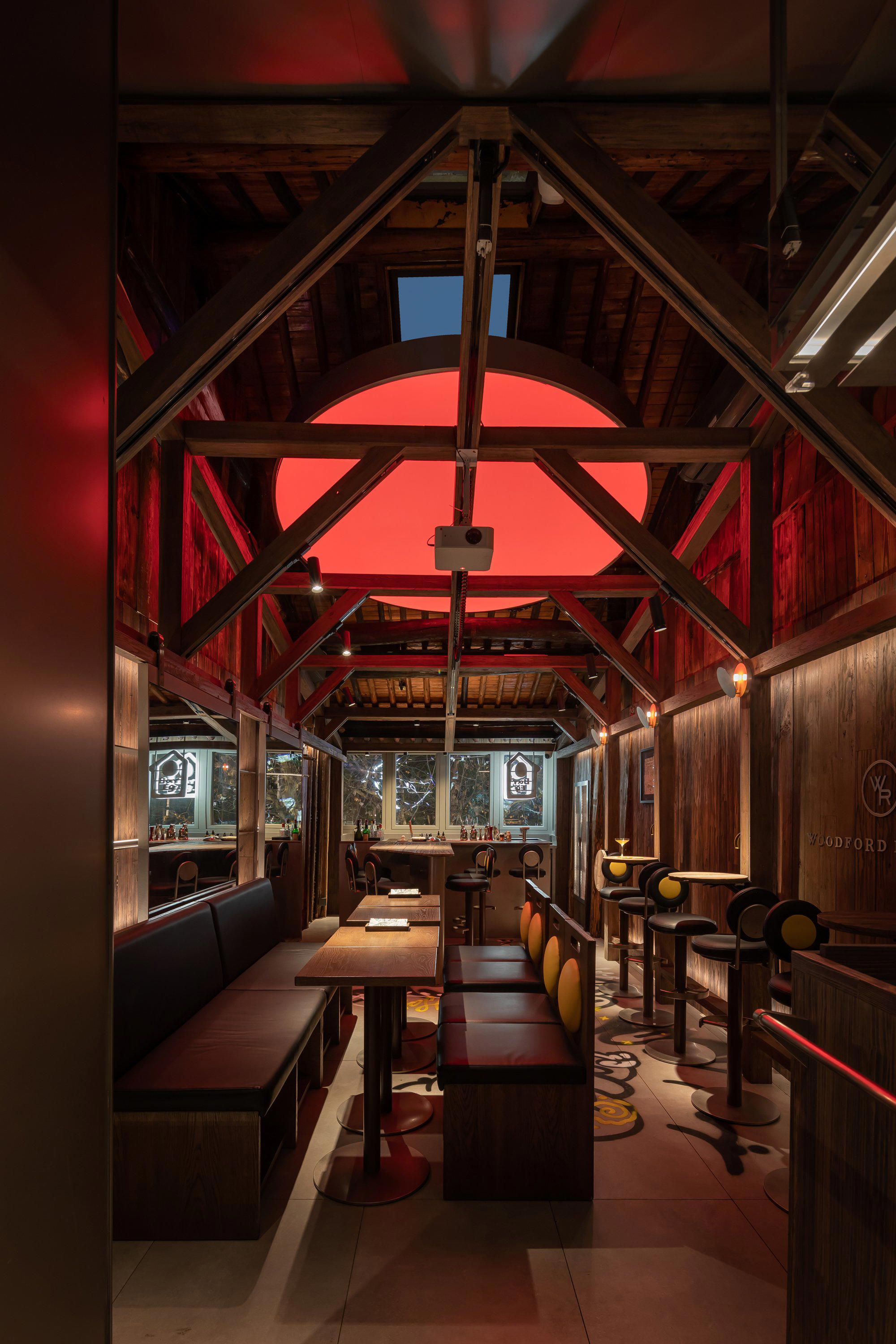
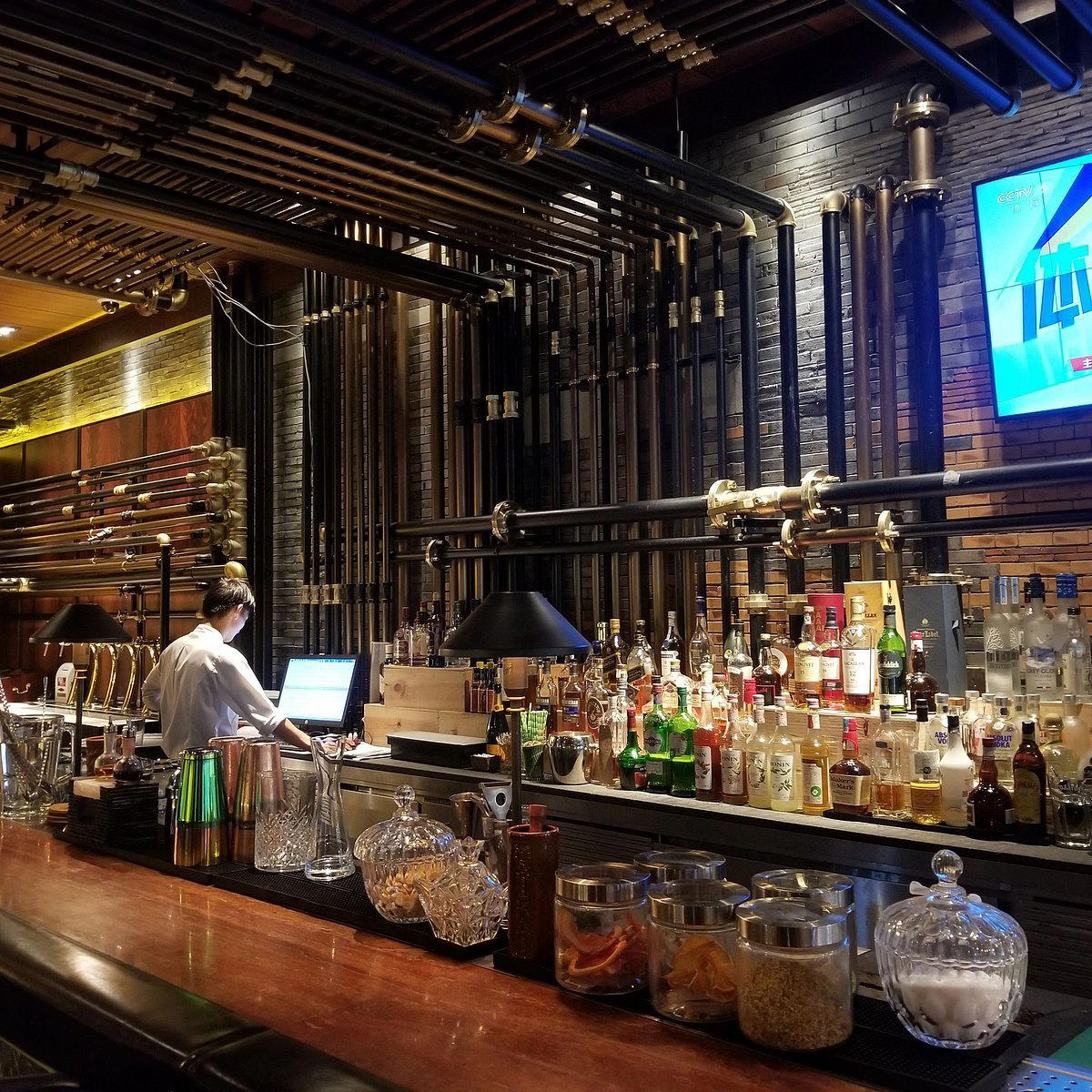
Clean, quietly elegant room with efficient service and a hum that crescendos at mealtimes, emphasizing substance over spectacle.