Nostalgia Hotel Hangzhou Wulinmen sits in Hangzhou, a city where hotel dining ranges from West Lake resort ceremony to downtown convenience. With no published dining awards, chef name, price range, or booking channels in the available record, it reads as a low-key urban stay rather than a destination restaurant hotel. The useful comparison is with Hangzhou’s broader hotel scene, where location and food access often matter as much as in-house restaurants.
Pearl is the En Primeur Club membership app — saves, bookings, and concierge access live there. Same editors, same standards.
- Address
- Hangzhou, China
- Directions
- Get directions
 Saves & bookings on Pearl
Wulinmen, hotel dining, and the practical Hangzhou stay
Approaching a hotel in central Hangzhou is different from arriving at a lakeside retreat. The city tightens around office towers, shopping corridors, metro exits, and evening food streets before it opens toward West Lake and the older quarters. That contrast matters for Nostalgia Hotel Hangzhou Wulinmen. The available record gives no restaurant name, chef, bar programme, cuisine type, room style, awards, website, phone number, or address, so the editorial read has to start with the city rather than with invented hotel mythology. In Hangzhou, a property without published culinary credentials belongs to a practical urban category: useful for travellers who plan to eat through the city, not for those choosing a hotel because of a named dining room.
That distinction is important because Hangzhou hotel dining is unusually split. At one end sit resort-style properties that use gardens, water, tea culture, and destination restaurants as part of the stay. At the other are downtown hotels whose value is measured by access: fast movement between business districts, West Lake, shopping streets, and local restaurants. Its name places the expectation around Wulinmen, a central Hangzhou reference point associated with movement across the city rather than with a secluded resort mood.
For travellers comparing hotel food programmes, the absence of published details is itself a useful signal. A hotel with a chef-led restaurant usually says so. A hotel with awards, a signature bar, a tasting menu, a cellar, or a recognised regional dining room normally makes those facts visible. That does not make the stay weak; it changes the assignment. The question becomes how well the hotel supports a Hangzhou itinerary outside its walls.
The dining programme, read through what is and is not published
Hangzhou’s cuisine rewards planning. The city’s cooking is tied to freshwater fish, bamboo shoots, river shrimp, Longjing tea, soy-braised technique, and a softer register than the firepower associated with Sichuan or Hunan. Hotel restaurants in the city often translate that tradition in two directions: formal Jiangnan dining for guests who want ceremony, or all-day hotel practicality for guests who are using the property as a base. Without a listed cuisine type, chef name, signature dish, bar concept, or opening hours, Nostalgia Hotel Hangzhou Wulinmen cannot be credibly framed as a culinary hotel in the destination-restaurant sense.
That matters less in Hangzhou than it would in a resort island or remote wine region. The city rewards leaving the lobby. A traveller can build a stronger dining trip by pairing a central hotel with reservations across neighbourhoods than by relying on a single in-house restaurant. For context, the editorial spread across Hangzhou restaurants guide is a better tool for the food portion of the trip than any assumption about this hotel’s kitchen. The same applies after dinner: Hangzhou bars guide helps separate cocktail-led addresses from hotel lounges and casual drinking rooms.
The useful comparison is with hotels where the dining identity is part of the reason to stay. Amanfayun is read through village-scale quiet and temple-adjacent atmosphere, while Four Seasons Hotel Hangzhou at West Lake belongs to a more formal lakeside hospitality tier. Banyan Tree Hangzhou and Hangzhou Muh Shoou Xixi Hotel point toward the Xixi wetland side of the city, where landscape setting and slower pacing shape the stay.
How Hangzhou's hotel scene frames the choice
Hangzhou can mislead first-time visitors because the city’s hotel map looks compact on paper but behaves in layers. West Lake pulls leisure travellers westward. Qianjiang New City and the commercial districts pull business traffic east and south. Xixi and Fuyang stretch the conversation into wetland and retreat territory. Tonglu and the Fuchun River extend the region beyond central Hangzhou altogether. That is why hotel choice here is not only about brand level; it is about how much time the guest wants to spend moving between meals, museums, lake walks, meetings, and transport nodes.
A downtown hotel without listed destination-dining credentials can work well when the itinerary is restaurant-led. The guest is not paying, at least in editorial terms, for a celebrity chef, a view-framed tasting room, or a resort compound. The trade is simpler: use the hotel as a sleeping base, then spend meals elsewhere. That strategy suits Hangzhou because the city’s food culture is distributed. Some of its strongest experiences are not necessarily inside luxury hotels; they may be in established local dining rooms, tea-adjacent settings, or restaurants that specialise in Zhejiang classics.
Travellers wanting a broader hotel comparison should start with the Hangzhou hotels guide. Within the city and region, Conrad Hangzhou signals a contemporary international-hotel format, while Four Seasons Hotel Hangzhou at Hangzhou Centre speaks to the newer urban-luxury side of the market. For a more river-and-retreat orientation, Conrad Hangzhou Tonglu and Fuchun Resort Hotel Fuyang pull the decision outside the immediate downtown frame. Nostalgia Hotel Hangzhou Wulinmen is better read against central convenience than against those retreat properties.
Where food travellers should place their attention
The strongest way to use a hotel like this is to separate lodging from dining ambition. Hangzhou is not a city where every serious meal has to be attached to a hotel. Its culinary identity sits in local dining rooms, refined Zhejiang kitchens, tea culture, and the seasonal market logic that shapes Jiangnan cooking. When a hotel record does not publish a restaurant, chef, awards, bar, or price band, the sharper move is to treat breakfast and convenience as unknowns and plan the main meals independently.
That planning has practical consequences. Do not assume walk-in availability for serious restaurants in Hangzhou, especially around weekends, public holidays, and high domestic travel periods. Build lunch and dinner around neighbourhood movement: lake-side sightseeing pairs differently from Wulin-area shopping, and both differ from wetland or Fuyang excursions. If wine or cellar-led travel is part of the trip, the Hangzhou wineries guide gives the category its own lane rather than forcing it into the hotel decision. For cultural programming, tea, craft, architecture, and guided formats belong in the Hangzhou experiences guide.
The dining-programme angle therefore becomes a negative-space assessment. There is no verified chef to cite, no award body to reference, no menu format to compare, and no room category to link to a restaurant view or club-lounge ritual. Stay centrally if movement matters; book restaurants separately if meals are the purpose of the trip.
Planning notes: booking, arrival, and expectations
That means any practical decision should be confirmed through the channel used to secure the room, rather than through assumed hotel norms. For a traveller evaluating Nostalgia Hotel Hangzhou Wulinmen, the planning checklist is short: verify the exact address, confirm arrival time, ask whether breakfast is included, ask whether there is an operating restaurant or bar, and check whether the hotel can help with taxis or local directions.
Energy level is another point to frame carefully. Wulinmen suggests a central-city context, which generally means more movement and street activity than a lakeside or wetland resort setting. But the hotel’s own atmosphere is not documented in the record. The safe editorial position is that the area is urban, while the hotel experience itself remains unverified beyond name and city. Travellers seeking a high-touch retreat should compare against Hangzhou’s resort-leaning properties. Travellers who want a base for restaurants, errands, and city access may find the Wulinmen logic more relevant.
For China-wide context, the comparison set is instructive. Mandarin Oriental Qianmen in Beijing is tied to capital-city heritage hospitality, while JW Marriott Hotel Shanghai at Tomorrow Square in Shanghai belongs to a dense metropolitan hotel format. LN Hotel Five in Guangzhou gives another example of a city stay where food culture outside the hotel can dominate the trip. Macau, Chongqing, Xiamen, Urumqi, Suzhou, and Longsheng-area stays each shift the balance between hotel dining and local exploration, as seen in Star Tower at Studio City Macau in Macau, InterContinental Chongqing Raffles City in Chongqing, Conrad Xiamen in Xiamen, Conrad Urumqi in Urumqi, The Hanyu Garden Reserve Suzhou in Suzhou, and Tian Ranju Inn in Tian Tou Zhai.
How it compares beyond Hangzhou
International hotel dining can distort expectations. At properties such as The Fifth Avenue Hotel in New York City, Hôtel de Paris Monte-Carlo in Monte Carlo, and Badrutt's Palace Hotel in St. Moritz, the hotel itself often carries a dining and social reputation that shapes the entire stay. Hangzhou has those high-ceremony options too, but not every useful hotel needs to operate in that register. The Wulinmen case is a reminder that in food cities, a quieter lodging record can be acceptable when the traveller’s dining plan is external and well built.
The critical point is not to over-read the name. “Nostalgia” may imply retro mood, but the supplied data does not verify style, décor, period references, or service character. A disciplined travel edit does not invent atmosphere from branding. It asks what can be known, what should be checked, and how the property fits the city. On that basis, this is a central Hangzhou hotel entry with limited published evidence, most useful to readers who are comfortable doing restaurant planning separately.
In Context
Comparable venues nearby, for context on price, style, and recognition.
| Venue | Price | Awards | Notes |
|---|---|---|---|
| Nostalgia Hotel Hangzhou WulinmenThis venue — the venue you are viewing | $ | 3-Star | Not listed |
| DC Hotel Hangzhou CBD | $$$ | 4-Star | Qianjiang New Town / Qianjiang CBD, Modern business-lifestyle hotel with serviced-residence features. |
| Midtown Shangri-La, Hangzhou | $$$$ | 5-Star | Hangzhoushi, Modern luxury hotel in mixed-use complex |
| Hangzhou Muh Shoou Xixi Hotel | $$$$ | 5-Star | Yuhangxian, Boutique luxury seamlessly integrated with surrounding wetlands. |
| voco Hangzhou Binjiang Minghao | $$$$ | 5-Star | Binjiang District, Modern design hotel with Art Deco architecture and thoughtful, unstuffy charm. |
| Conrad Hangzhou Tonglu | $$$$ | 5-Star | Tongluxian, Contemporary luxury resort inspired by natural Tonglu landscape with modern amenities and traditional regional design elements. |
At a Glance
- Modern
- Classic
- Cozy
- Business Trip
- Family Vacation
- Weekend Escape
- Wi Fi
- Business Center
- Concierge
- Parking
- Meeting Rooms
- Laundry Service
- Restaurant
- Wi Fi
- Business Center
- Concierge
- Parking
- Meeting Rooms
- Laundry Service
- Restaurant
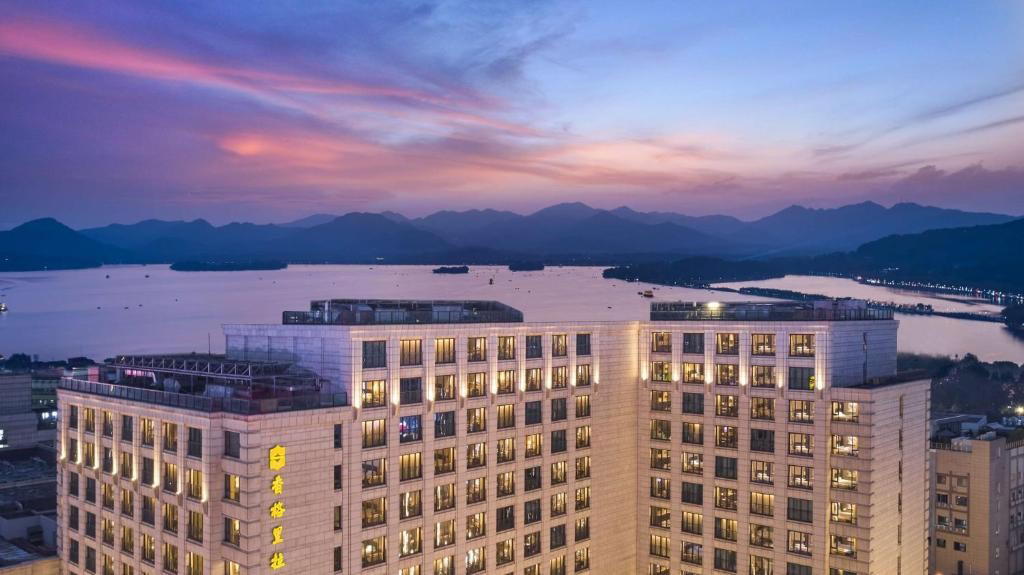
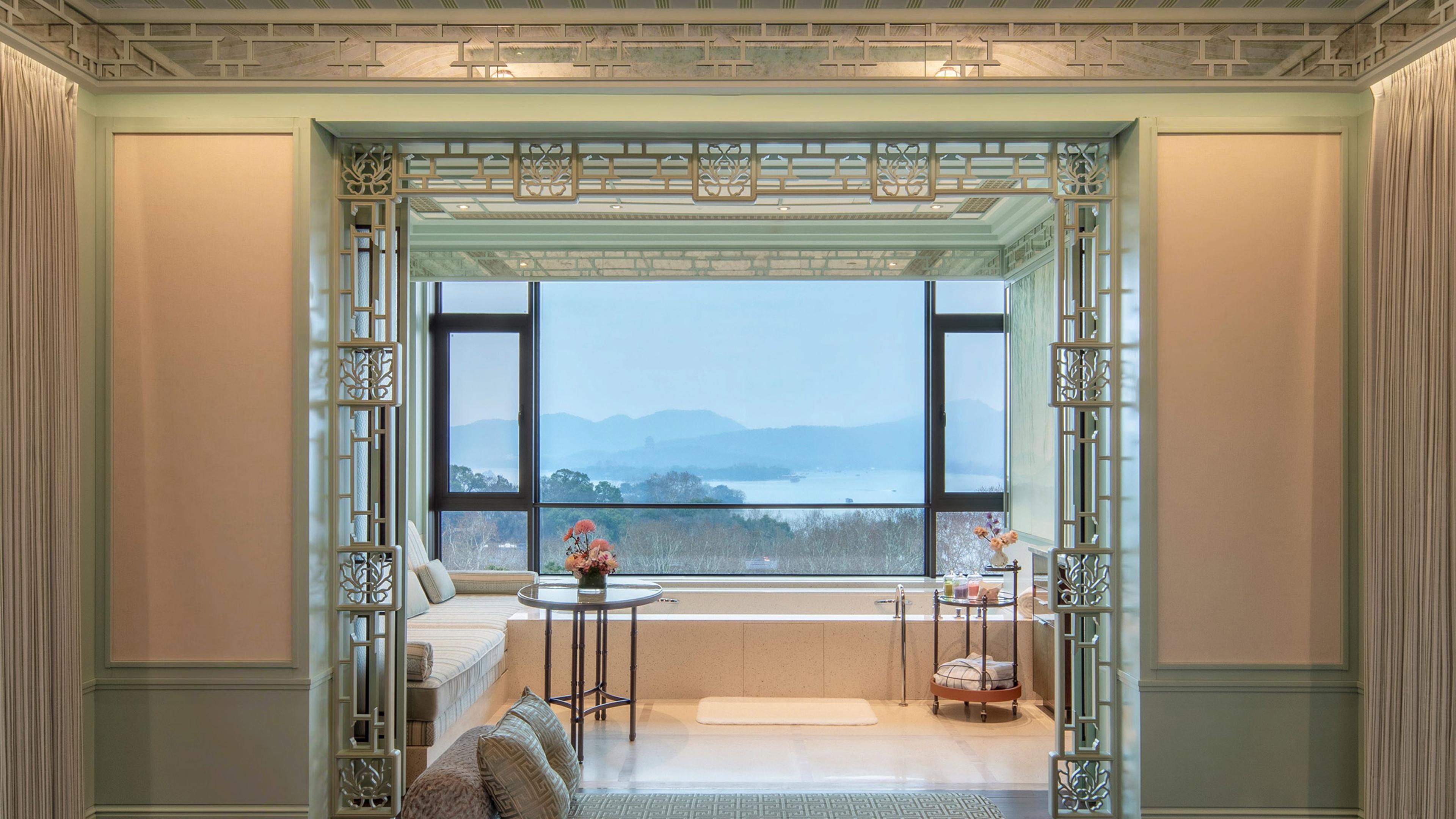
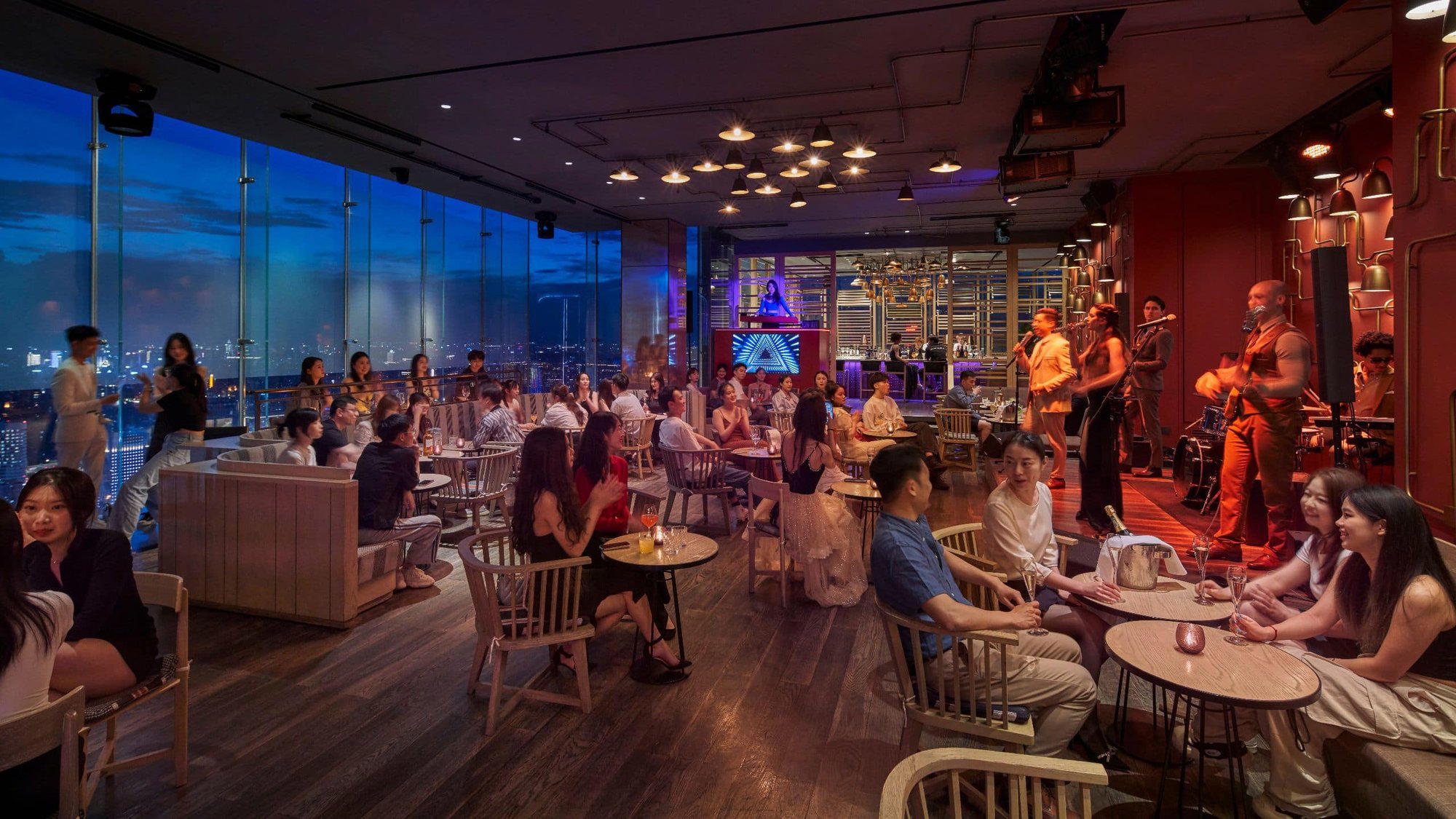
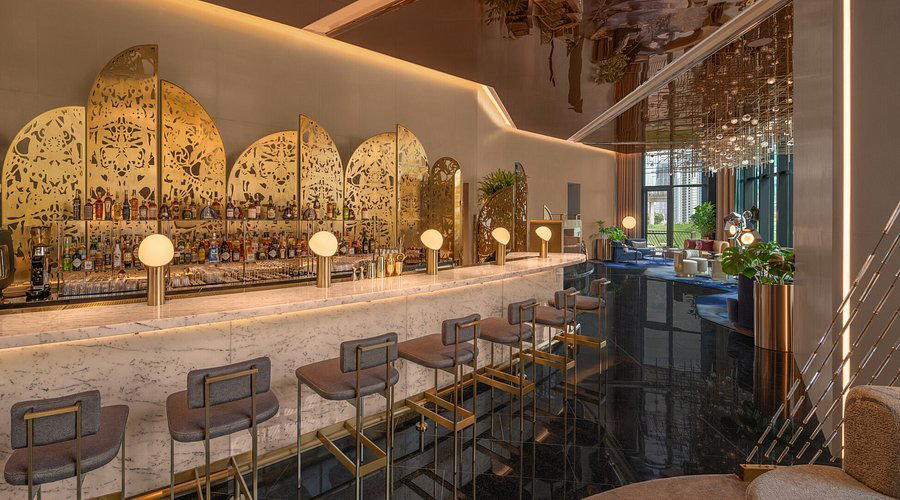
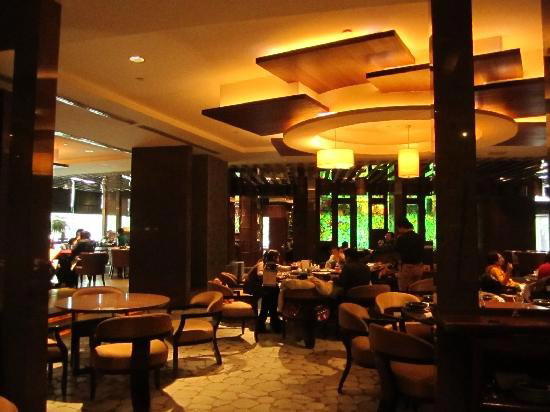
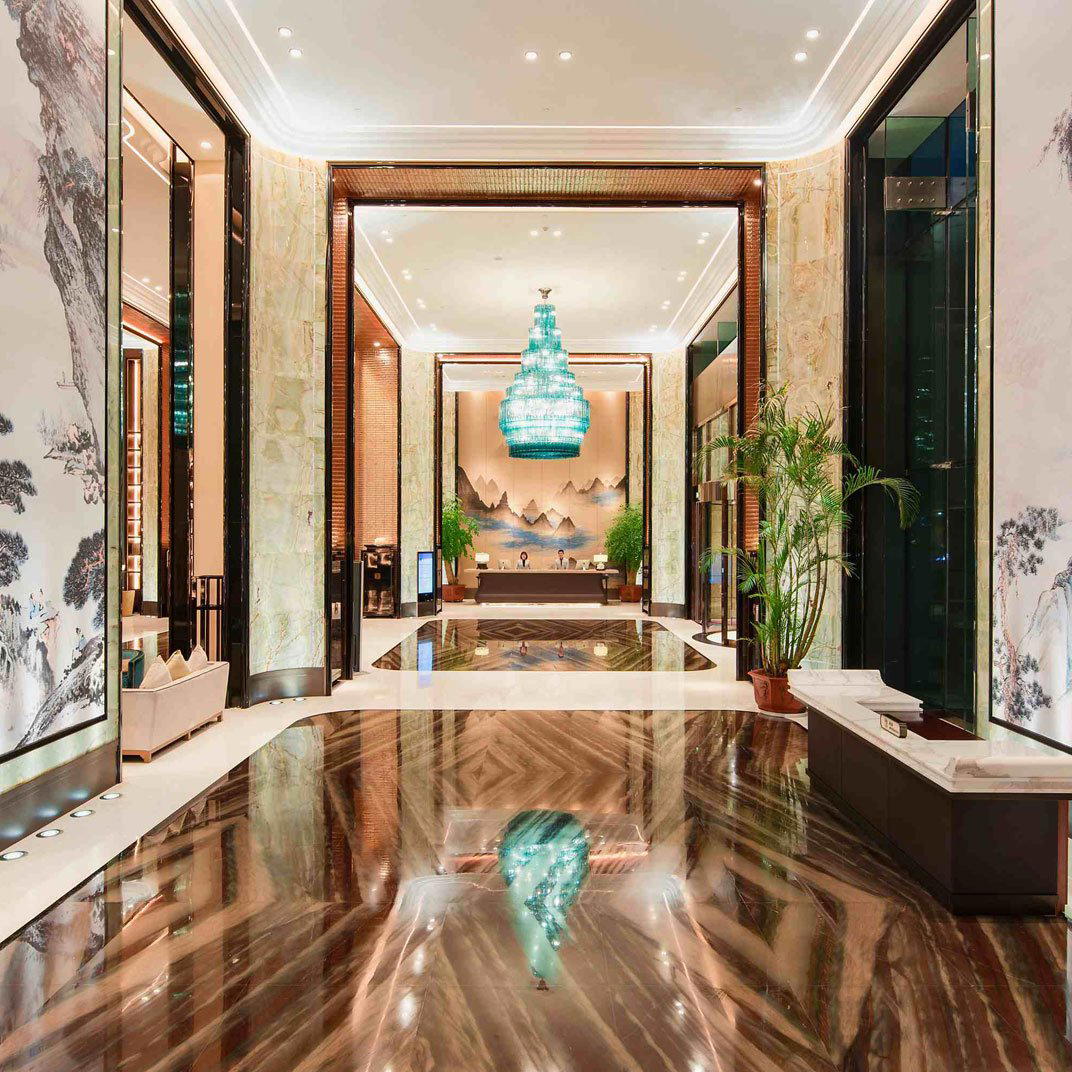
A practical, business-friendly city hotel with simple modern rooms, functional public spaces, and a calm, low-key atmosphere suited to both business and leisure stays.