

1 Michelin Star · Tabelog 100 #16
Our verdict
A Michelin-starred Japanese restaurant in Toranomon, Minato City, Okamoto operates within the disciplined register of formal Tokyo dining. it occupies the upper-middle tier of the city's Japanese restaurant hierarchy, where precision of service and the architecture of the meal matter as much as what arrives on the plate.

Pearl is the En Primeur Club membership app, where members save venues, book tables and use the concierge.
The menu
What to order
- Sabazushi (mackerel sushi wrapped in kombu)
- Crab dishes with chrysanthemum
- Pepper-flower hotpot
The Ritual of Formal Japanese Dining in Toranomon
Tokyo's most serious Japanese restaurants share a common grammar: the meal arrives not as a sequence of dishes but as a composed arc, calibrated in temperature, texture, and weight. Courses proceed in a logic inherited from kaiseki tradition, raw before cooked, delicate before rich, each transition marked by a shift in vessel or service posture. Okamoto, holding a 2024 Michelin Star and positioned in Toranomon's business-professional district of Minato City, operates squarely within this discipline. The neighbourhood context matters: Toranomon draws an audience of senior corporate diners and embassy guests rather than the tourist-facing crowds of Ginza, which tends to sharpen the expectation for formality and composed restraint.
That formality is not ceremony for its own sake. In the lineage of traditional Japanese cooking, the pacing of a meal communicates respect, for the ingredients, for the season, and for the guest's capacity to absorb both. Restaurants in this register treat silence and spacing as craft elements, not service gaps. The 2024 Michelin recognition positions Okamoto within a defined peer bracket: one-star Japanese restaurants that meet the guide's threshold for quality cooking without yet entering the multi-star tier occupied by counters like RyuGin, which has held three stars across multiple guide cycles.
Where Toranomon Sits in Tokyo's Restaurant Hierarchy
Minato City contains some of Tokyo's more concentrated fine-dining addresses, but Toranomon specifically has developed as a district where the dining audience tends to arrive with clear expectations: composed service, a structured menu, and the kind of environment where a business conversation can proceed without competition from ambient noise. This differs from the Ginza corridor, where venues like Ginza Fukuju operate with a higher degree of public visibility, or from Azabu Juban, where Azabu Kadowaki draws a more international crowd to its kaiseki format.
At the ¥¥¥¥ price tier, Okamoto competes not against neighbourhood bistros but against a set of restaurants where the pricing reflects the total composition of the experience: sourcing at seasonal peak, service ratios that allow attentive pacing, and tableware chosen to complement presentation. Across central Tokyo, this tier has become increasingly defined by a single question: does the kitchen demonstrate genuine command of Japanese seasonal logic, or does it perform the aesthetics of that tradition without the underlying knowledge? Michelin's 2024 inclusion is the clearest available signal that Okamoto satisfies the former condition.
Comparable formal Japanese restaurants in Tokyo, such as Kagurazaka Ishikawa in the literary Kagurazaka district, or Jingumae Higuchi near Harajuku, each occupy distinct neighbourhood registers. Ishikawa's location in an older entertainment district brings a different character to an otherwise similarly formal meal; Higuchi's position near the Omotesando axis attracts a younger international clientele. Toranomon's Okamoto occupies a quieter, more corporate frequency.
Reading the Meal: Etiquette and Expectations
For diners less familiar with formal Japanese restaurant conventions, a few structural realities shape the experience at restaurants of this type. First, the menu is typically fixed rather than à la carte at the ¥¥¥¥ tier, the kitchen sets the sequence, and the diner's role is to follow it, not to edit it. This is not rigidity; it is the vehicle through which the chef demonstrates seasonal command. Second, courses arrive at intervals calibrated to allow genuine attention to each element rather than to turn tables quickly. At Michelin-recognised addresses in Tokyo, a full dinner spanning eight to twelve courses may take two to three hours.
Third, and perhaps most importantly for first-time visitors to this category: Japanese fine dining rewards attentiveness to service cues. When a bowl is placed in front of you with a specific orientation, or when a dish is introduced with a brief explanation, these are not decorative formalities. They communicate how the dish is intended to be approached, which side to lift a lid from, which component to taste first, how the elements are meant to interact. Restaurants of Okamoto's standing typically explain dishes without being asked, but guests who respond with curiosity rather than passive reception tend to have a measurably richer meal.
Seasonality is the central organising principle. Tokyo's formal Japanese kitchens build their menus around the Japanese seasonal calendar, which runs more granularly than the four-season model. In autumn, matsutake mushrooms, Pacific saury, and sudachi citrus define the palette; in spring, bamboo shoots, cherry blossom-cured fish, and young vegetables take over. A ¥¥¥¥ kitchen at Michelin level is expected to source these at peak expression and to make the seasonality legible in every course, not merely referenced in the menu title.
The Broader Context: Michelin-Starred Japanese Cooking Across Japan
Tokyo holds more Michelin stars than any other city in the world, a fact that has been documented and verified across multiple consecutive guide editions. This concentration reflects both the density of serious kitchens and the guide's long-established presence in the Japanese market. But it also means that a single Michelin Star in Tokyo represents a different baseline condition than a star in a smaller city: the competition set is enormous, and the guide applies consistent pressure across a large field.
For EP Club members planning a broader Japan itinerary, formal Japanese cooking at a comparable standard is available across multiple cities. Gion Sasaki in Kyoto and Isshisoden Nakamura in Kyoto operate within Kyoto's older kaiseki tradition, which draws more explicitly on the city's temple and court heritage. Kashiwaya Osaka Senriyama and HAJIME in Osaka represent the city's parallel tradition of formal dining with a somewhat bolder approach to flavour. Further afield, Goh in Fukuoka and akordu in Nara offer serious table experiences that justify the travel time within a Japan circuit.
Within Tokyo itself, Myojaku represents a different formal Japanese register, while the sushi-focused tier, exemplified by counters like Harutaka, operates on a different service model (counter-only, sushi as the entirety of the progression) that should be treated as a separate category from multi-course Japanese cooking. Okamoto, as a Japanese restaurant rather than a dedicated sushi counter, likely covers a broader course structure across a longer sitting.
Guests planning around Okamoto can cross-reference our full Tokyo restaurants guide for the wider picture, and consult our Tokyo hotels guide, Tokyo bars guide, Tokyo experiences guide, and Tokyo wineries guide for a complete city itinerary. For day trips within the Kanto region, 1000 in Yokohama and 6 in Okinawa round out the regional fine dining picture beyond central Tokyo.
Know Before You Go
Address: 5 Chome-2-8 Toranomon, Minato City, Tokyo 105-0001, Japan
Awards: Michelin 1 Star (2024)
Price tier: ¥¥¥¥ (formal multi-course; budget accordingly for a full dinner with drinks)
Nearest access: Toranomon Station (Tokyo Metro Ginza Line) is the closest major transit point for Minato City's Toranomon district
Booking: Michelin-starred Japanese restaurants at this tier typically require advance reservation; walk-ins are not standard practice.
Dress code: Smart dress is the expected standard at ¥¥¥¥ Japanese restaurants of this type. Formal business attire is common in Toranomon given the corporate dining profile of the neighbourhood.
Language: Some English-language accommodation is standard at Michelin-level Tokyo restaurants, but confirming in advance is advisable for guests who require English menu explanations throughout the meal.
Frequently asked questions
What dish is Okamoto famous for?
No specific signature dish has been documented in available public sources for Okamoto. At restaurants operating within the formal Japanese kaiseki or multi-course tradition, the menu is seasonal by design and changes according to what the kitchen judges to be at peak quality. This means that a dish celebrated in autumn will not appear in spring, and the kitchen's identity is better understood through its overall command of seasonal Japanese cuisine than through any single fixed preparation. The 2024 Michelin Star confirms that the kitchen meets the guide's standard for quality and consistency, which at this tier is the more meaningful indicator than any single recipe.
Standing Among Peers
| Venue | Cuisine | Price | Awards | Notes |
|---|---|---|---|---|
| OkamotoThis venue (the venue you are viewing) | Seasonal Kaiseki | $150–200 | 1 Michelin Star · Tabelog 100 #16 | Not listed |
| Harutaka | Edo-Style Omakase Sushi | $200–300 | 3 Michelin Stars · World's 50 Best #76 | Sushi |
| RyuGin | Modern Kaiseki | $500+ | 3 Michelin Stars · World's 50 Best #41 | Kaiseki, Japanese |
| L'Effervescence | Modern French with Japanese Influences | $200–300 | 3 Michelin Stars · World's 50 Best #69 | French |
| HOMMAGE | Modern French with Japanese Influences | $150–200 | 2 Michelin Stars · World's 50 Best #78 | Innovtive French, French |
| MAZ | Innovative Peruvian-Japanese Fusion | $150–200 | 2 Michelin Stars · World's 50 Best #28 | Innovative |
Recognition history
Dated appearances from independent guides and award organizations, with the underlying list record or original source where available.
Michelin 1 Star
Michelin
Tabelog 100 #16 · No. 16
Tabelog · Tabelog 100 - Japanese cuisine - TOKYO - 2025
Continue exploring
More in Tokyo
Restaurants in Tokyo
All restaurants in Tokyo →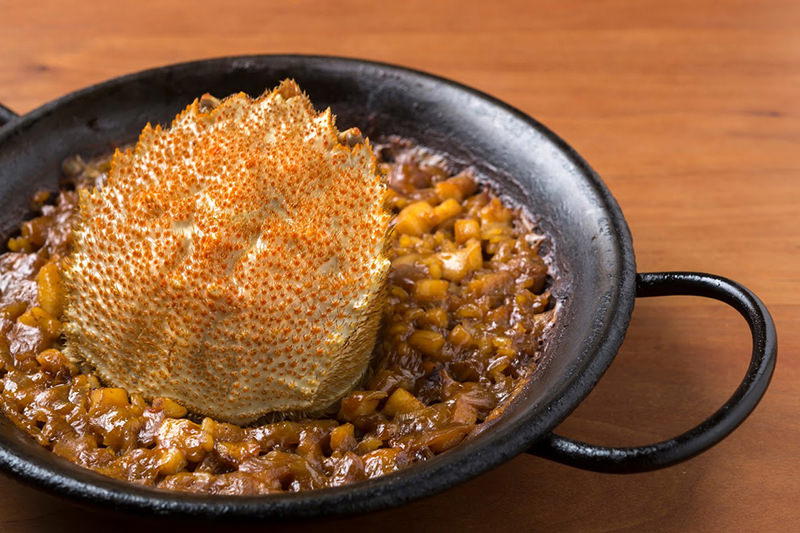

Bars in Tokyo
All bars in Tokyo →



Details
- Elegant
- Intimate
- Sophisticated
- Modern
- Special Occasion
- Date Night
- Open Kitchen
- Chefs Counter
- Sake Program
- Local Sourcing
- Tasting Menu
- Counter Dining
- Sake
Current opening hours
- Monday
- 6–10 PM
- Tuesday
- 12–2:30 PM, 6–10 PM
- Wednesday
- 12–2:30 PM, 6–10 PM
- Thursday
- 12–2:30 PM, 6–10 PM
- Friday
- 12–2:30 PM, 6–10 PM
- Saturday
- 12–2:30 PM, 6–10 PM
- Sunday
- Closed
Hours can change for holidays and private events. Hours as of .
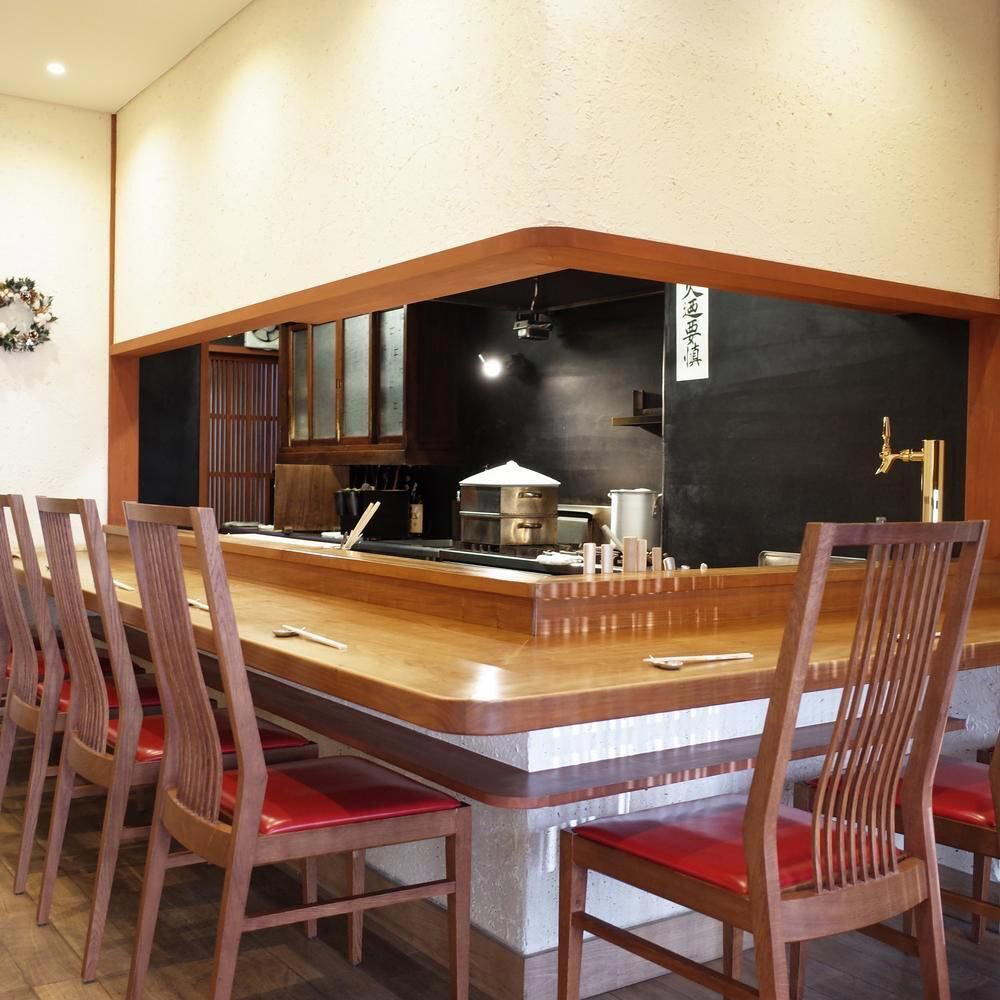
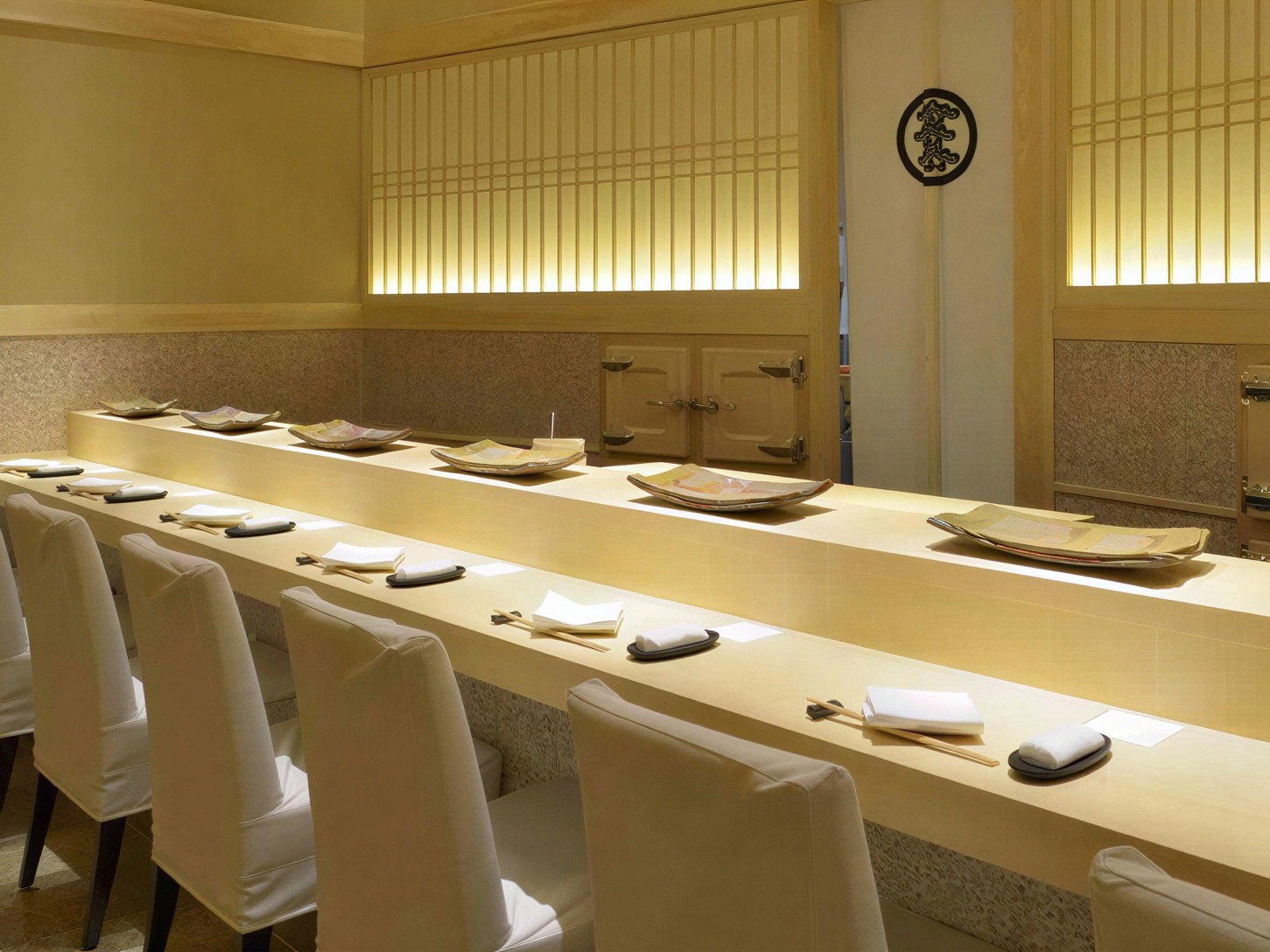
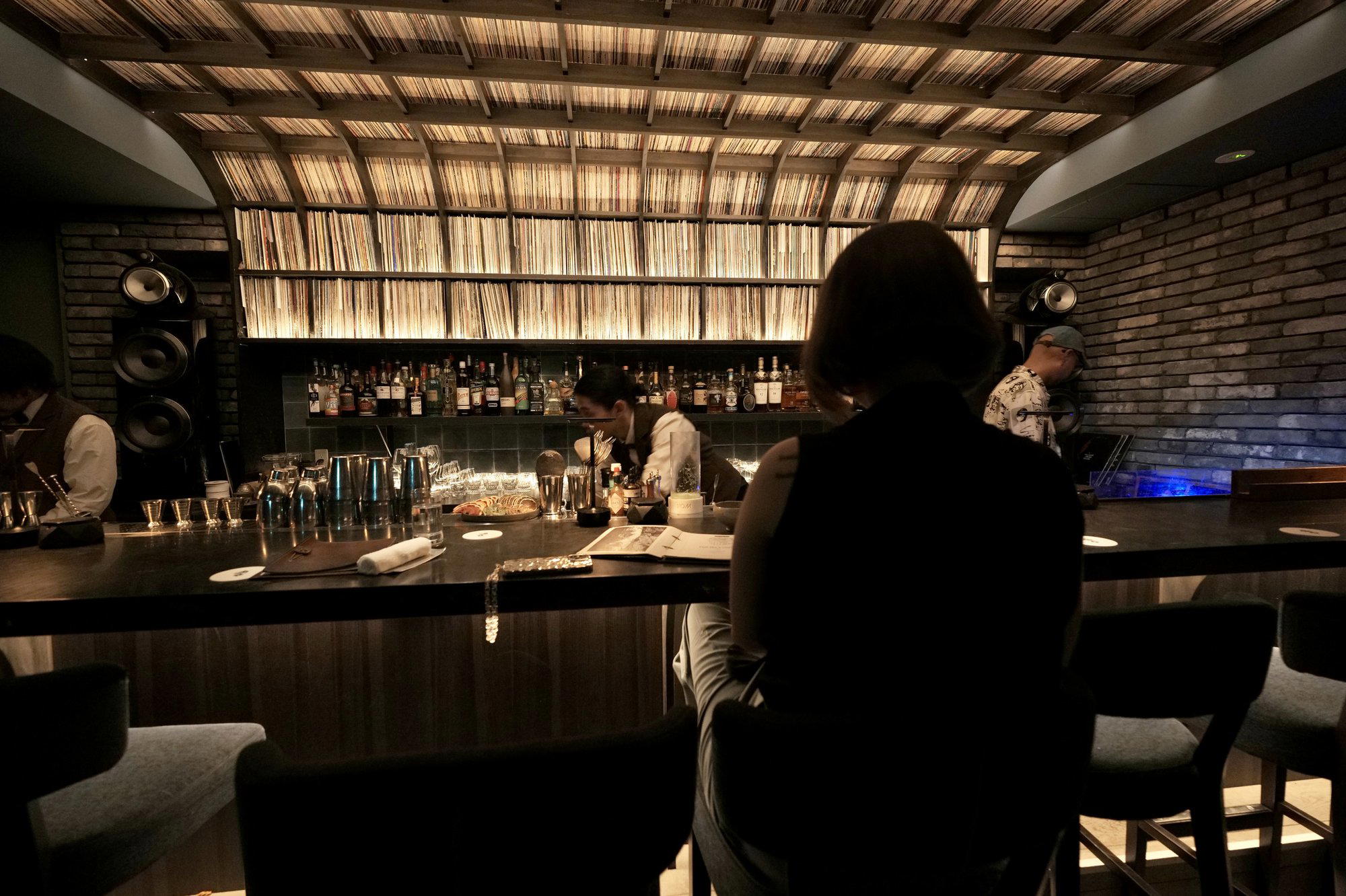
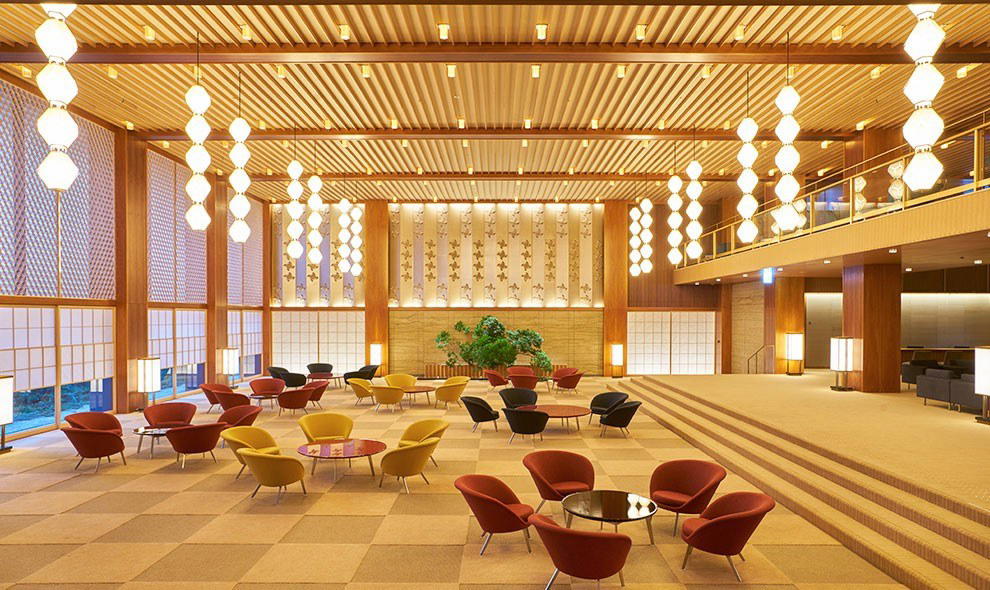
Refined and tranquil Japanese atmosphere with a completely open kitchen counter, modern minimalist interior with focused lighting that emphasizes the cooking process.