
Tabelog 100 #71
Our verdict
12/10 Shinjuku ten belongs to Tokyo’s serious bakery culture rather than the city’s sit-down restaurant circuit: a takeaway-focused counter in Shinjuku with Tabelog Bread TOKYO 100 selection in 2022. Its appeal is the urban bread ritual itself, quick, precise, and commuter-friendly, with Western-style sweets in the same low-friction format.

Pearl is the En Primeur Club membership app, where members save venues, book tables and use the concierge.
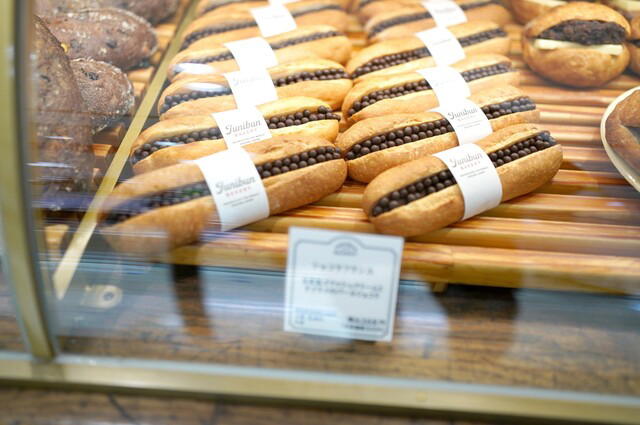
Shinjuku’s food rhythm changes underground. Above, the station district runs on crossings, department-store entrances, taxi queues, and rail-line choreography; below, the tempo tightens into counters, display cases, paper bags, and quick decisions made between trains. In that setting, a bakery is not a leisurely café by default. It is part of Tokyo’s daily provisioning system, where the ritual is selection, payment, and movement.
12/10 Shinjuku ten fits that pattern with unusual clarity. It is classified around bread and Western-style sweets, operates as a takeaway specialty store, and was selected for Tabelog Bread TOKYO 100 in 2022. That recognition matters because Tokyo’s bakery field is dense: French technique, Japanese shokupan culture, department-store food halls, and commuter retail all compete for the same morning and late-afternoon attention. A bakery earning notice in that category is not simply selling a snack; it is competing in a city where bread has become a serious craft purchase.
Tokyo bread culture, compressed into a station-district ritual
The Tokyo bakery habit is different from the long brunch model that dominates many Western cities. Here, bread is often folded into transit, office routines, school runs, and home dining. Department stores and station buildings helped shape that behavior: shoppers expect careful packaging, broad choice, and fast service without the ceremony of a dining room. The format rewards precision over lingering.
That is where 12/10 Shinjuku ten is useful editorially. Its takeaway setup places the bakery in the same practical category as other Shinjuku food counters, but the Tabelog Bread TOKYO 100 selection puts it in a narrower competitive band than casual station snacking. The comparison is not with a tasting-menu restaurant or a bar with a reservation book; it is with the city’s better bread counters, where repeatability, texture, and range have to survive retail speed.
Shinjuku itself sharpens the point. Nearby food choices can move from compact department-store meals to higher-spend evenings quickly: En Dashi Ochazuke Lumine Shinjuku and Cha no Ikedaya sit in the lower-cost daily-use lane, while Ibuki and Itteki Hassenya Shinjuku honten occupy a different dinner register; Ben Fiddich, in turn, represents Shinjuku’s cocktail seriousness at a much higher spend. A bakery counter in this district has to earn attention in minutes, not over courses.
The etiquette is choice first, lingering later
The correct way to read this kind of Tokyo bakery is through pacing. The counter is not built around table allocation, wine service, or chef narration. The custom is visual scanning, tray or bag selection where applicable, quick payment, and onward travel. That gives the food a different role: bread becomes a portable luxury, a breakfast decision, a train-adjacent purchase, or a gift-like addition to a hotel room table.
For visitors, this is also a useful corrective to the idea that Tokyo dining only happens at omakase counters and reservation-only rooms. The city’s food intelligence often appears in formats that look ordinary until the standards become clear. A low-ticket bakery with Tabelog recognition can teach as much about Tokyo’s expectations as a long dinner, because it shows how much discipline the city applies to everyday categories.
A sit-down restaurant can soften flaws through atmosphere; a takeaway bakery has fewer places to hide. Packaging, queue flow, product turnover, and clarity of display all become part of the meal’s structure. The choice is made before eating, so trust signals carry more weight. Tabelog’s Bread TOKYO 100 selection gives the counter a shorthand for readers who need to distinguish a serious stop from a convenience purchase.
How to place it in a Tokyo food day
12/10 Shinjuku ten works better as part of a planned Tokyo route than as the anchor of a long meal. Pair it with Shinjuku shopping, a rail transfer, or a hotel breakfast strategy, then save the evening for a different register. Readers building a wider itinerary can use Our full Tokyo restaurants guide for dining structure, Our full Tokyo bars guide for late-night planning, and Our full Tokyo hotels guide to make the geography less punishing.
The broader Tokyo map rewards category thinking. Sushi at 3110 (Sushi), yakitori at 124. KAGURAZAKA (Yakitori), curry at 3 Chome no Curry Ya San, and casual visual culture at 2D Cafe all answer different Tokyo cravings. For a fish-and-grill lane. 鮪と炭火焼き うお炭 秋葉原店 sits elsewhere on the city’s casual dining spectrum.
Beyond restaurants, Tokyo planning benefits from separating drinking, culture, and regional side trips. Our full Tokyo experiences guide helps with non-restaurant structure, while Our full Tokyo wineries guide is useful for readers tracking wine-led stops around the capital. Further out, the same editorial habit applies across Japan: -Grilled beef Sukiyaki- KAMAKURA TANUKIAN 鎌倉 たぬき庵 in Kamakura.cafe in Osaka.know in Kumamoto, (Shoku) Vietnam in Kawasaki, [Curry Senmon Ten] Maruyama Kyoju. in Sapporo, and [ki:] in Kyoto show how specific formats travel across regions. For Japanese food culture abroad, compare the casual-rice format at Onigiri Time in Pasadena with the drinks-and-sake register at Jōdo Saké Bar in Los Angeles.
The editorial verdict is compact: this is a bread stop for readers who value Tokyo’s small rituals as much as its formal dining. Its strength is not theatrical service or chef biography, but the way a recognized bakery counter fits into Shinjuku’s fast, exacting food economy.
Frequently asked questions
What's 12/10 Shinjuku ten's location?
12/10 Shinjuku ten is located in Tokyo.
What price level is 12/10 Shinjuku ten?
Pricing at 12/10 Shinjuku ten is listed as - JPY 999 - JPY 999.
Is 12/10 Shinjuku ten open every day?
Hours at 12/10 Shinjuku ten: Mon: 10 AM–8 PM; Tue: 10 AM–8 PM; Wed: 10 AM–8 PM; Thu: 10 AM–8 PM; Fri: 10 AM–8 PM; Sat: 10 AM–7 PM; Sun: 10 AM–7 PM.
What is 12/10 Shinjuku ten known for?
12/10 Shinjuku ten is primarily known for its core concept and execution in Tokyo.
Style and Standing
Comparable venues side-by-side for orientation.
| Venue | Cuisine | Price | Awards | Notes |
|---|---|---|---|---|
| 12/10 Shinjuku tenThis venue (the venue you are viewing) | Japanese Bakery | $10–20 | Tabelog 100 #71 | Not listed |
| Nutty’s Caff | British-leaning Coffee Bar / Café | $1–10 | Tabelog 100 #93 | Bunkyō |
| Gelateria Sincerita | Artisanal Gelato & Ice Cream | $1–10 | Tabelog 100 #1 | Suginami |
| L'ibisco Ginza ten | Japanese-style Gelato & Desserts | $1–10 | Tabelog 100 #12 | Chūō |
| Espresso Factory | Coffee & espresso cafe | $1–10 | Tabelog 100 #41 | Bunkyō |
| Italiano Jerato Ya | Italian-style gelato & ice cream shop | $1–10 | Tabelog 100 #83 | Taitō |
Recognition history
Dated appearances from independent guides and award organizations, with the underlying list record or original source where available.
Tabelog 100 #71 · No. 71
Tabelog · Tabelog 100 - Bread - TOKYO - 2022
Continue exploring
More in Tokyo
Restaurants in Tokyo
All restaurants in Tokyo →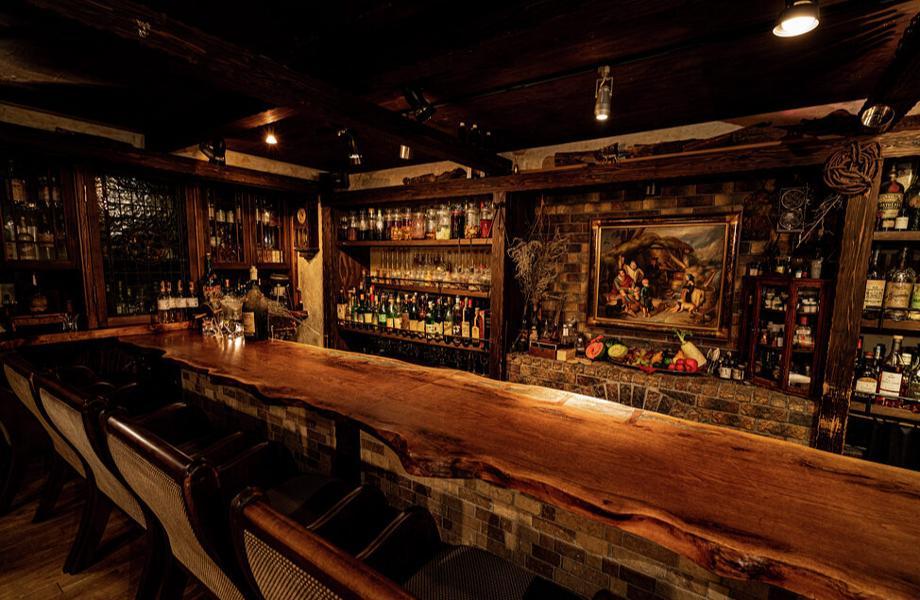

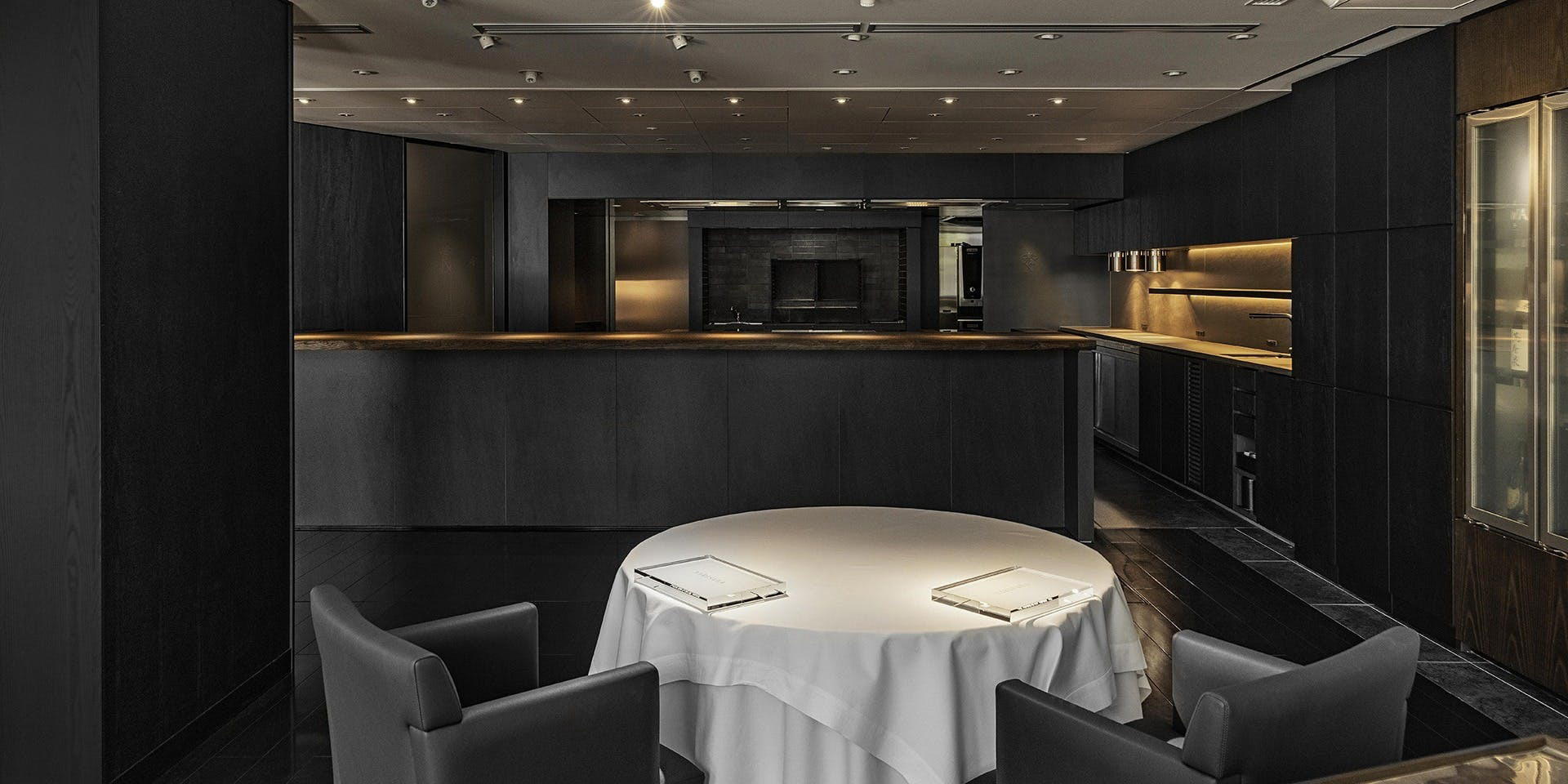
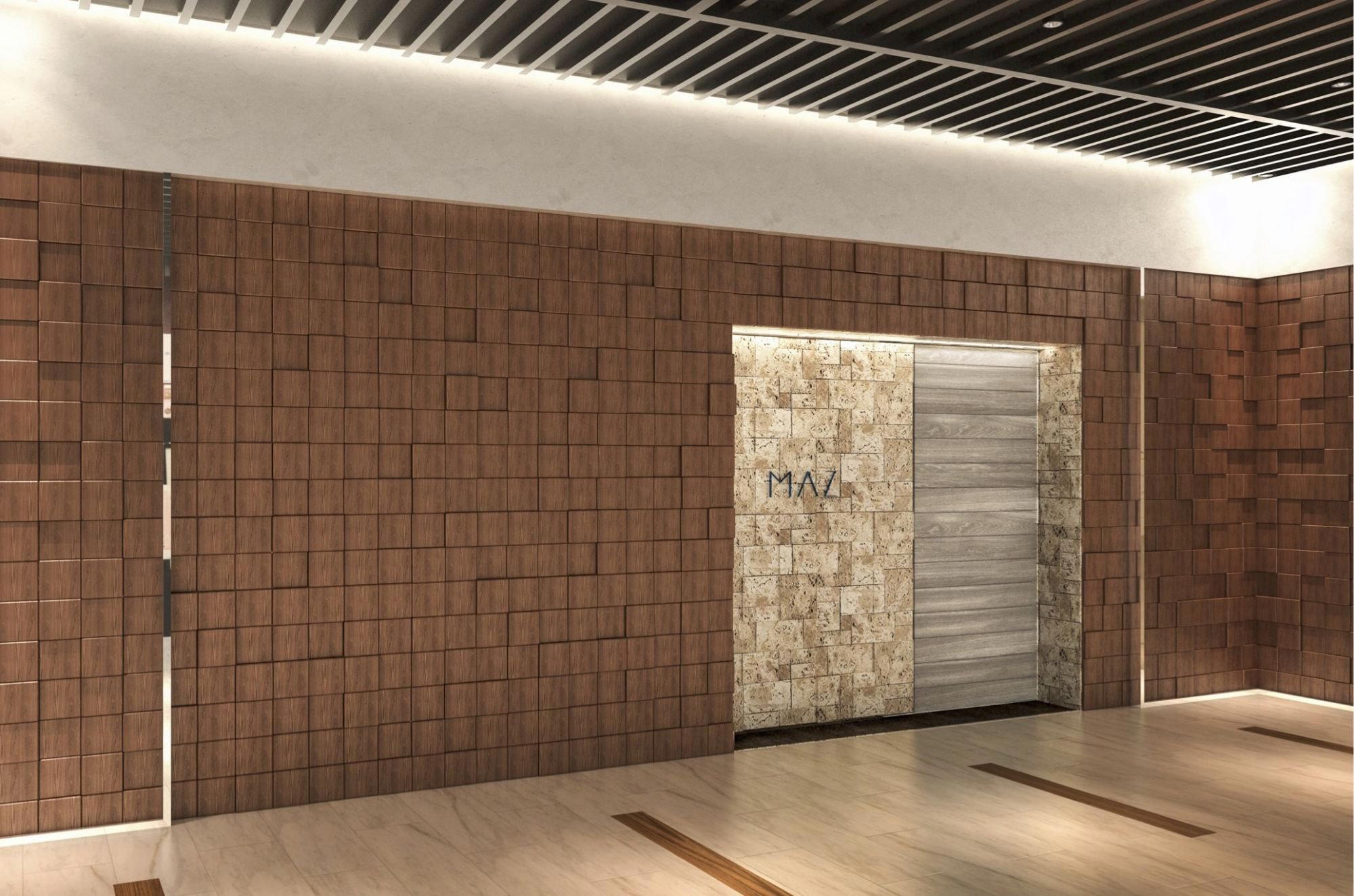

Bars in Tokyo
All bars in Tokyo →



Details
- Casual Hangout
- Standalone
- A La Carte
Current opening hours
- Monday
- 10 AM–8 PM
- Tuesday
- 10 AM–8 PM
- Wednesday
- 10 AM–8 PM
- Thursday
- 10 AM–8 PM
- Friday
- 10 AM–8 PM
- Saturday
- 10 AM–7 PM
- Sunday
- 10 AM–7 PM
Hours can change for holidays and private events. Hours as of .