In Akihabara's Kanda Sakumacho, うお炭 occupies a position defined by two things Tokyo does particularly well: premium tuna and binchōtan charcoal cookery. The format sits between izakaya informality and specialist robatayaki precision, drawing on produce-first sourcing and open-fire technique. For those who want serious fish and live-fire craft without the ceremony of a full omakase counter, this is a credible address.
Pearl is the En Primeur Club membership app — saves, bookings, and concierge access live there. Same editors, same standards.
- Address
- 2 Chome-11 Kanda Sakumacho, Chiyoda City, Tokyo 101-0025, Japan
- Phone
- +815054844152
- Website
- uozumi-akihabara.com
- Directions
- Get directions
 Saves & bookings on Pearl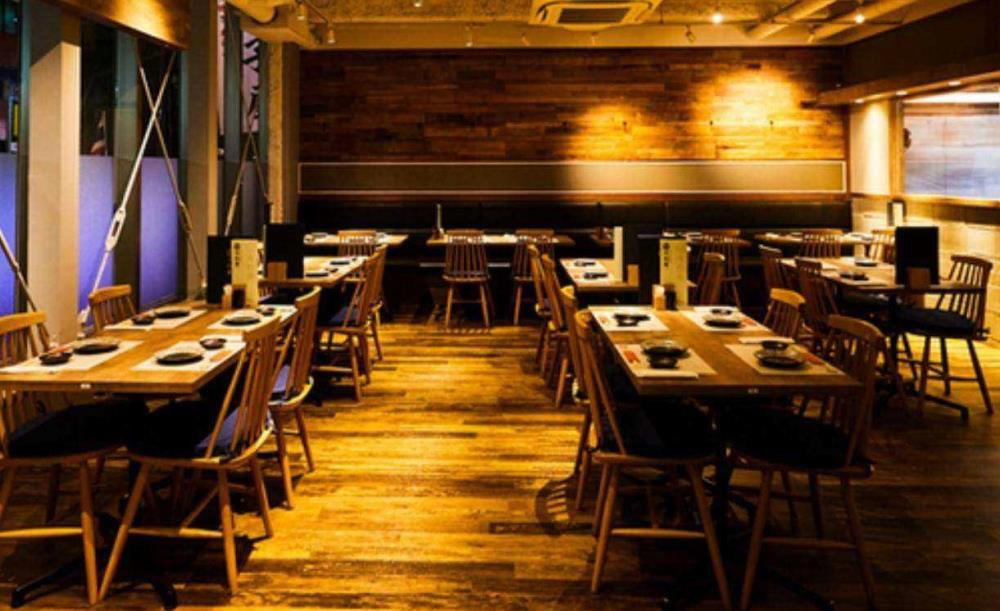
Charcoal, Tuna, and the Akihabara Dining Shift
Akihabara's identity has been redrawn several times in the past decade. Electronics retail still anchors the district's global reputation, but the blocks around Kanda Sakumacho have accumulated a layer of serious eating options that have little to do with gadgets. The neighbourhood sits at the edge of Chiyoda City, where office density and transit connectivity create reliable lunch and dinner foot traffic, conditions that support specialist formats rather than just tourist-facing volume restaurants. うお炭 秋葉原店 operates in this context: a tuna and charcoal-grill specialist at 2 Chome-11 Kanda Sakumacho, positioned in a part of Tokyo that rewards those who move a few blocks off the main drag.
The dual focus on 鮪 (tuna) and 炭火焼き (binchōtan charcoal grilling) reflects a well-established Japanese conviction that the quality of raw material and the precision of heat application are the two variables that matter most. Neither is incidental here. Tokyo's fish culture runs from the hyperlocal kaitenzushi counter to the multi-hour omakase format at counters like Harutaka, one of the city's most respected sushi addresses. うお炭 occupies a different register, less ceremony, more directness, but the underlying logic of sourcing and technique is shared.
What Binchōtan Charcoal Actually Does
Open-fire cooking in Japan has a precise vocabulary, and binchōtan is its most controlled instrument. Made from ubame oak, it burns at high, consistent temperatures with almost no smoke, which means the cook can apply sustained radiant heat without imparting heavy char flavour. The technique was historically associated with yakitori specialists and high-end kaiseki kitchens that used it for grilling small portions of seasonal ingredients. Its application to tuna, a protein that most western kitchens would treat as raw or seared briefly, is a more specifically Japanese move, and one that connects to a broader trend in Tokyo's mid-to-upper dining tier.
Across the city, the intersection of premium seafood sourcing and live-fire technique has produced a recognisable category of restaurant: more casual than the counter omakase format, more technically serious than the standard izakaya. RyuGin represents the kaiseki end of this spectrum, where classical Japanese technique is pushed toward the contemporary. At the other end, the robatayaki tradition has always prioritised simplicity and heat management over elaborate plating. うお炭 draws on both lineages without fully belonging to either.
Tuna as a Specialist Subject
In Japan's fish hierarchy, bluefin tuna holds a position with few equivalents in other culinary traditions. The annual Toyosu auction, where the first bluefin of the new year regularly sells for figures that attract international press, is one theatrical expression of a valuation system that runs through the entire supply chain. For a restaurant that names tuna in its title, the sourcing question is not peripheral, it is the premise.
Tokyo's tuna-specialist restaurants generally operate along a spectrum from sushi-focused formats to those that apply heat to cuts that benefit from it: fatty sections like otoro and chutoro that respond differently to charcoal than they do to a knife alone. The grilling approach also allows the kitchen to work with a wider range of the fish, moving beyond the cuts that command premium sashimi prices. This is a sensible and technically interesting position, and one that distinguishes this format from the strictly raw presentation of counters in Ginza's upper omakase tier.
For broader context on how Japan's regional fish cultures feed into Tokyo's restaurant scene, addresses like Goh in Fukuoka and Gion Sasaki in Kyoto show how regional sourcing networks shape menus in cities with strong local fishing traditions. Tokyo aggregates from all of them.
Local Ingredients, Global Influence
The editorial angle that makes Akihabara's charcoal-and-tuna format worth examining is not purely domestic. Binchōtan technique has become among the more exported elements of Japanese cooking culture in the past fifteen years, appearing in kitchens from London to São Paulo as chefs trained in Japan or influenced by Japanese sourcing principles began adapting the method to local proteins. At the same time, the reverse flow has brought French and European ideas about smoke, crust, and maillard reaction into Japanese kitchens.
In Tokyo's more technically ambitious rooms, this cross-pollination is explicit. L'Effervescence and Sézanne both operate in the zone where French training meets Japanese produce and seasonality. Crony applies innovative French logic to local ingredients across its tasting format. The fish-and-fire specialist category that うお炭 represents is a less theorised but equally coherent response to the same underlying dynamic: imported methods applied to Japan's extraordinary indigenous seafood.
This pattern is visible beyond Tokyo as well. HAJIME in Osaka and akordu in Nara both work in spaces where technique and locality intersect in ways that would be impossible to replicate in another country. Japan's produce specificity, the regional variation in fish, the seasonality of domestic ingredients, the decades-long refinement of ingredient supply chains, gives even casual-tier formats a foundation that is harder to achieve elsewhere. Internationally, the seafood-forward precision on display at Le Bernardin in New York City represents a comparable commitment to fish as the primary subject of a kitchen's attention, even if the idiom is entirely different.
Where It Sits in the Tokyo Dining Map
Tokyo's dining options at every price point are extensive enough that category clarity helps. うお炭 is not competing with the multi-course kaiseki counter or the long-format omakase room. It is competing with the better izakayas, the yakitori specialists, and the robatayaki houses that Tokyo supports in large numbers. In that field, a dual focus on named premium protein and named cooking technique is a differentiating position. The address in Akihabara rather than Shinjuku or Roppongi also keeps it away from the heaviest tourist concentration, which tends to affect both the room composition and the operational pressure on kitchen quality.
For those building a broader itinerary through Japan's eating culture, the full range of what the country's regions offer is worth considering: from Nanao's fish tradition on the Noto Peninsula to Sapporo's distinctive northern cuisine, and from Takashima's lakeside dining to Nishikawa Machi's mountain-inflected formats. Specialist restaurants like Birdland in Sakai and Bistro Ange in Toyohashi show how technically serious cooking has spread well beyond major city centres. At the innovative-global end of the spectrum, Atomix in New York City demonstrates how Japanese culinary thinking travels when transplanted into a completely different urban context.
Know Before You Go
Where It Fits
Comparable venues nearby, for context on price, style, and recognition.
| Venue | Cuisine | Price | Notes |
|---|---|---|---|
| . 鮪と炭火焼き うお炭 秋葉原店This venue — the venue you are viewing | Maguro and Charcoal-Grilled Fish Izakaya | $$ | Not listed |
| Japanese Soba Noodles Tsuta (Japanese Soba Noodles 蔦) | Michelin-Starred Shoyu Soba Ramen | $$ | Yoyogi-Uehara |
| Menya Hanabi (麺屋はなび 新宿店) | Taiwan Mazesoba | $$ | Minami Shinjuku |
| Ponchi Ken | Tonkatsu & Pork Shabu by Western-Cuisine Chef | $$ | Chiyoda |
| HINATA-YA | Japanese curry café | $$ | Chiyoda |
| Ishigama Bake Bread Sabo Tamutamu | Japanese Bakery Cafe | $$ | Chiyoda |








At a Glance
- Cozy
- Elegant
- Intimate
- Business Dinner
- Group Dining
- After Work
- Open Kitchen
- Sake Program
- Sustainable Seafood
Current opening hours
- Monday
- 5–11 PM
- Tuesday
- 5–11 PM
- Wednesday
- 5–11 PM
- Thursday
- 5–11 PM
- Friday
- 5–11 PM
- Saturday
- 12–11 PM
- Sunday
- 12–11 PM
Hours can change for holidays and private events. Last verified .
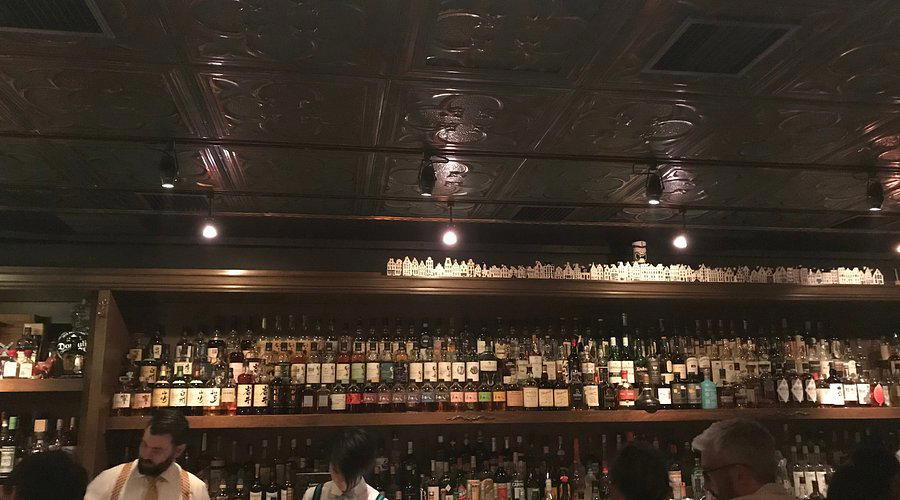
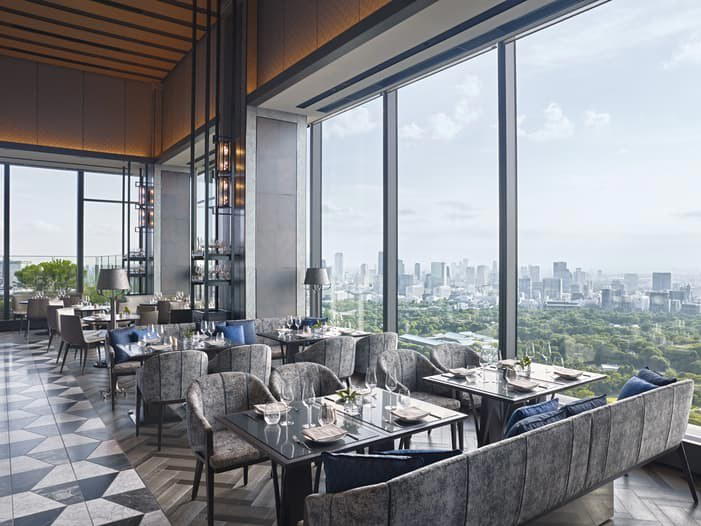
Calm and relaxed atmosphere with spacious seating, glass walls for openness, and private partitions for comfortable conversations.