
Ginza’s Chinese dining scene spans business-room formality, tea-salon restraint and luxury shopping-district polish. Reikasai Ginza The Chinese Imperial Court dishes belongs to the refined end of that spectrum, with Chinese and dim sum cooking, fish-focused and wellness-minded menu signals, sommelier service and selection for Tabelog Chinese TOKYO “Tabelog 100” in 2026, 2024 and 2023.
Pearl is the En Primeur Club membership app — saves, bookings, and concierge access live there. Same editors, same standards.
- Address
- 東京都中央区銀座1-7-7 ポーラ銀座ビル 9F
- Phone
- +81362286218
- Website
- reikasai.jp
 Saves & bookings on Pearl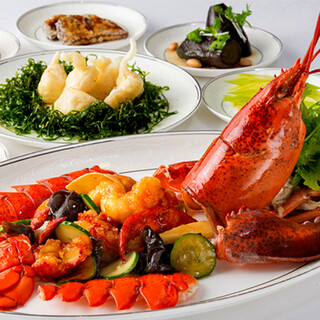
Arriving on an upper floor in Ginza changes the register before the first course: the city drops away, the room quiets, and Chinese dining moves from street-level appetite into private rooms, view, service rhythm and occasion. In Tokyo, that distinction matters. Chinese cooking here is not one category but many formats, from dumpling counters and Sichuan heat to banquet rooms for business, family meals and polished multi-course dining. Reikasai Ginza The Chinese Imperial Court dishes sits in the latter camp, where the test is control: sourcing cues, pacing, room discipline and whether the meal carries both ceremony and restraint.
Ginza Chinese dining, filtered through fish and wellness cues
Ginza absorbs foreign cuisines into its own codes. French rooms become quieter, sushi counters more exacting, and Chinese restaurants often lean into private-room diplomacy rather than volume. The category competes not only with other Chinese restaurants, but with Ginza sushi, steak, wagyu and tea-led salons serving the same high-intent diner. Nearby reference points show the range: HIGASHIYA GINZA through tea and confectionery ritual, Dons de la Nature through steakhouse seriousness, Ginza Sushi Ichidai Yugo through sushi precision, GURGAON through a more casual curry price tier, and Ushigoro through yakiniku. Against that mix, Chinese dining earns its place when banquet grammar feels measured rather than heavy.
The useful signal at Reikasai is its emphasis on fish and health-and-wellness cooking. In weaker rooms those phrases can be empty, but in a Ginza Chinese context they mark a clear position: less abundance for its own sake, more sourcing, balance and the lightness expected by diners who might otherwise choose sushi or kaiseki. Dim sum and yum cha widen the frame, adding Cantonese-adjacent small-format precision to a restaurant otherwise built for courses, private rooms and formal occasions. The result is Chinese cuisine adapted to Tokyo’s appetite for seasonality, portion control and product clarity.
Selection for Tabelog Chinese TOKYO “Tabelog 100” in 2026, after previous selections in 2024 and 2023, places the restaurant in a peer group judged by local diners rather than international trophy logic. Its 3.71 Tabelog score is not global-award shorthand, but in Tokyo it is a practical signal: enough consensus to matter, especially where regulars, business diners and multi-generational families shape reputation more than destination tourists.
Why the room matters as much as the cooking
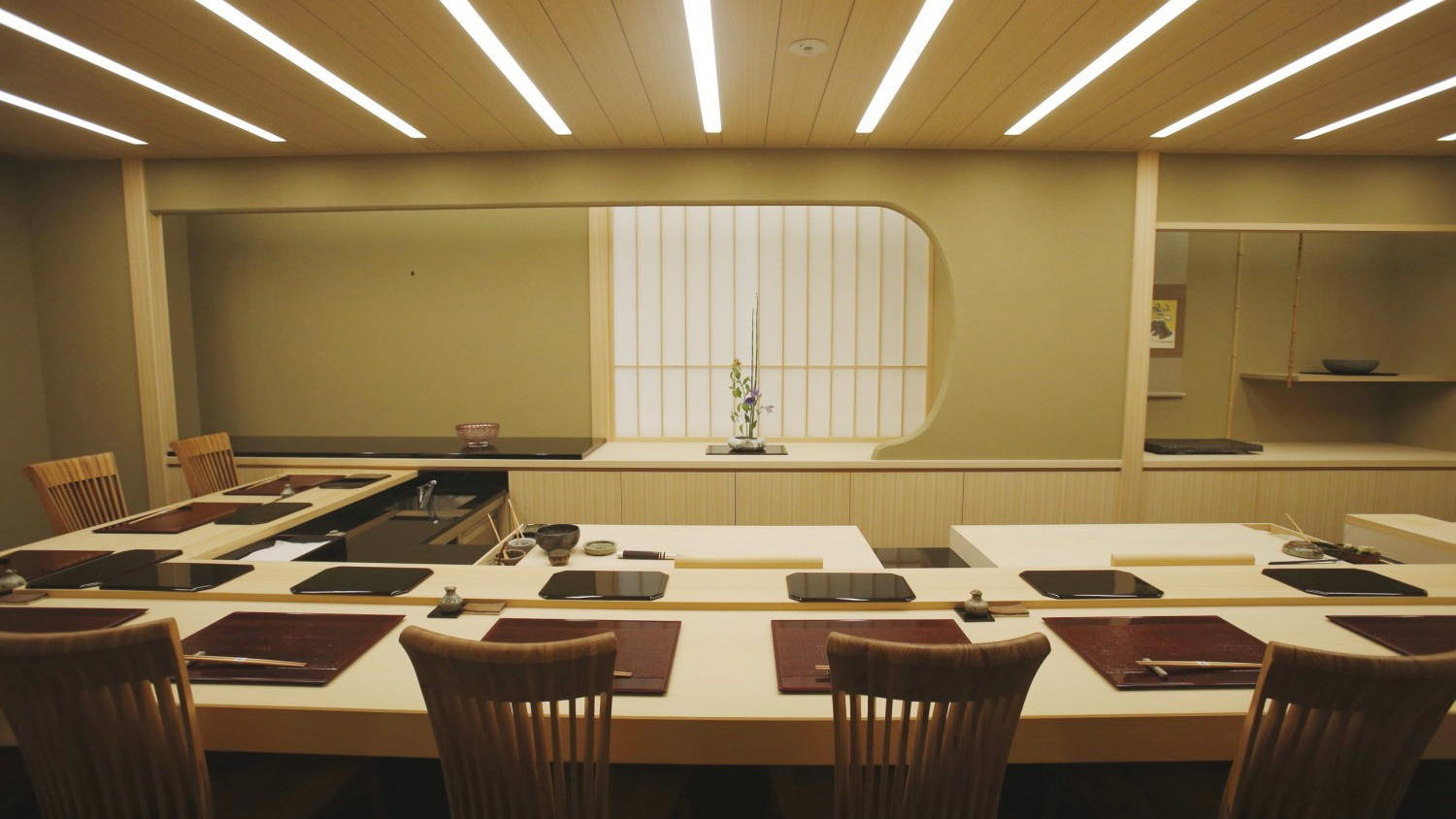
Chinese dining in Tokyo often succeeds or fails on the room. A counter can forgive tight choreography; a banquet-style restaurant cannot. Here, the physical format is part of the proposition: 51 seats, two fully private rooms and six semi-private rooms. That scale is large enough for business meals and family occasions, yet segmented enough to avoid hotel-dining-room anonymity. For groups, the private-room structure is not a luxury flourish; it is what lets course-based Chinese cooking work for negotiations, celebrations and cross-generational meals.
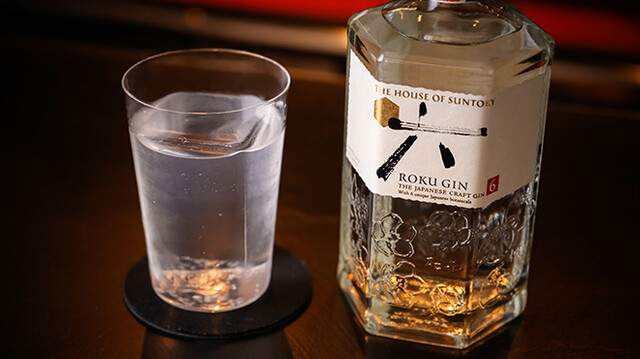
Sommelier availability and a drinks list with sake and wine add another Tokyo-specific layer. Chinese restaurants in Japan have long negotiated between Shaoxing-wine tradition, French-cellar expectations and local drinking habits. Sake is not incidental: it reflects how Chinese dining in Tokyo is translated for diners who want seafood, lighter sauces and aromatic restraint to sit comfortably beside Japanese drinking culture. Wine keeps the restaurant in conversation with Ginza’s European dining rooms, where service and pairing expectations are established.
The no-smoking policy, private-use capacity and family guidance put it between adult occasion restaurant and family-compatible dining room. Children are accepted with conditions, a common Tokyo compromise in higher-price rooms: the hall suits older children accompanied by adults ordering course meals, while infants are directed to private rooms. That is not casual family dining, but it is more usable than many small counters in the district.
How to place it within a Tokyo itinerary
For a visitor building a Tokyo dining sequence, this is not the slot for maximum theatre. It is the slot for a composed Chinese meal in Ginza when sushi counters, yakiniku rooms and French-Japanese tasting menus have already filled the calendar. The district rewards contrast: a precise sushi lunch one day, a private-room Chinese dinner the next, a tea-led afternoon between. That is where Reikasai Ginza The Chinese Imperial Court dishes makes its strongest case, as part of Ginza’s habit of turning dining into calibrated occasion rather than spectacle.
Travelers comparing across the city should treat it as a polished Ginza Chinese option, not a catch-all Tokyo restaurant. For a broader map, start with Our full Tokyo restaurants guide, then use district and genre to sharpen the choice. Casual or offbeat daytime plans might point to 2D Cafe or 3 Chome no Curry Ya San; meat-focused evenings sit closer to . 鮪と炭火焼き うお炭 秋葉原店, 124. KAGURAZAKA (Yakitori) or 12/10 Shinjuku ten. City planning does not stop at restaurants: Our full Tokyo hotels guide, Our full Tokyo bars guide, Our full Tokyo wineries guide and Our full Tokyo experiences guide help set the rest of the day around the meal.
Beyond Tokyo, the same format question follows Japanese dining: what kind of room does the food need? Compare the group-friendly comfort of -Grilled beef Sukiyaki- KAMAKURA TANUKIAN 鎌倉 たぬき庵 in Kamakura, the café register of.cafe in Osaka, the regional pull of.know in Kumamoto, the casual Vietnamese frame of (Shoku) Vietnam in Kawasaki, the curry specialization of [Curry Senmon Ten] Maruyama Kyoju. in Sapporo and the Kyoto precision of [ki:] in Kyoto. Even outside Japan, formats such as Jōdo Saké Bar in Los Angeles and Onigiri Time in Pasadena show how Japanese drinking and casual food cultures travel differently. Ginza’s version is more formal, more controlled and more dependent on the room doing its work.
Just the Basics
Comparable venues to calibrate price, style, and recognition.
| Venue | Cuisine | Price | Notes |
|---|---|---|---|
| Reikasai Ginza The Chinese Imperial Court dishesThis venue — the venue you are viewing | $$$ | ||
| Chinese Sai Chirin | $$$ | Shinjuku, Modern Chinese with Shaoxing wine and Yunnan qiguo specialties | |
| Matsushima | $$$ | Shibuya, Modern regional Chinese (Yunnan-influenced) | |
| Reikasai | $$$ | Minato, Qing Dynasty Imperial Chinese Cuisine | |
| jiubar | Shinjuku, Modern Chinese Bistro & Bar | $$$ | |
| CHEF'S | $$$ | Shinjuku, Traditional Shanghai Chinese with a “subtractive” philosophy |





At a Glance
- Elegant
- Sophisticated
- Romantic
- Quiet
- Date Night
- Business Dinner
- Group Dining
- Private Event
- Private Dining
- Design Destination
- Standalone
- Organic
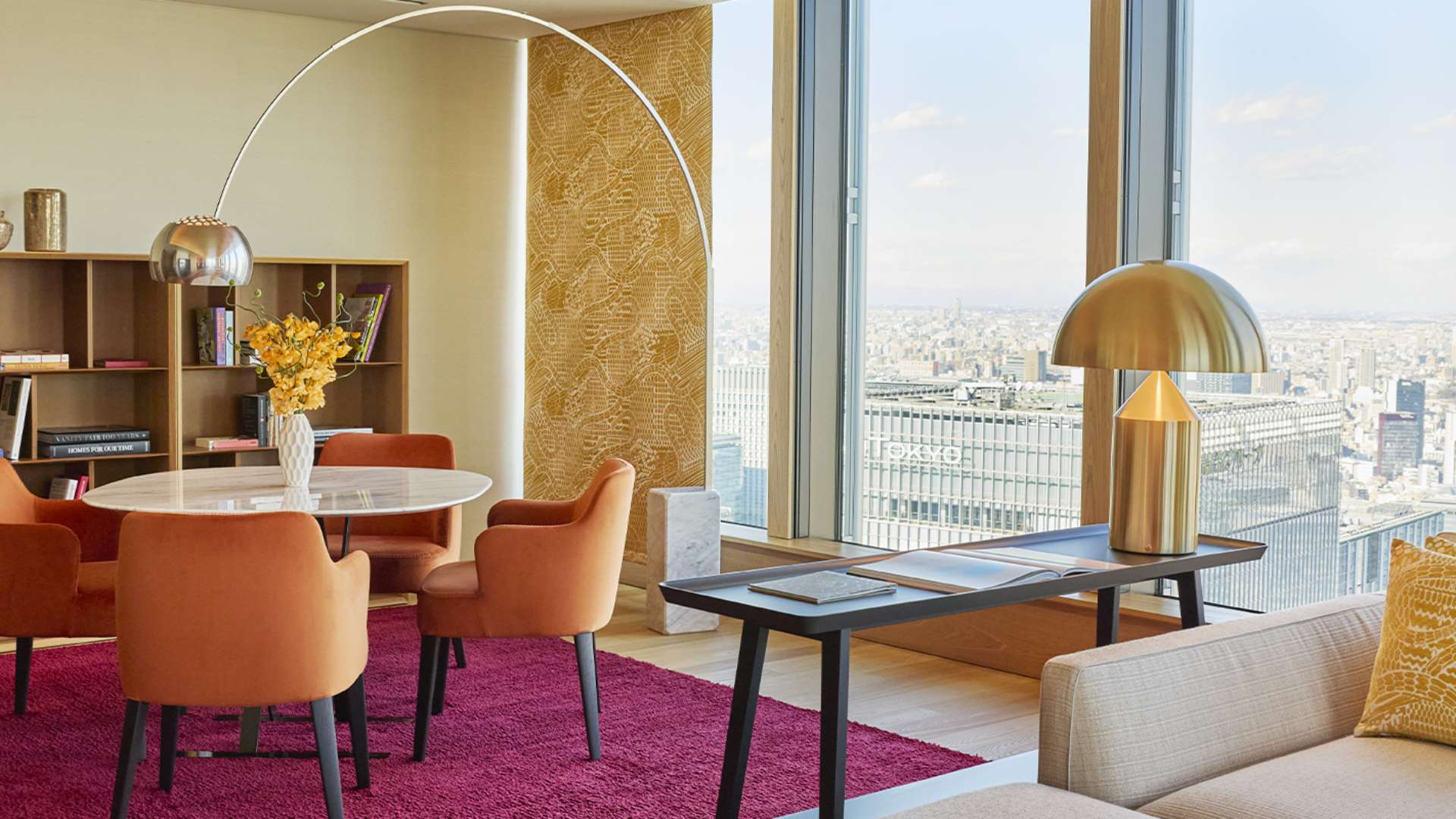
A refined, court-style dining room with softly filtered light, jade-colored sofas, and fully private rooms, creating a serene and luxurious setting suited to leisurely course meals and afternoon tea.