Our verdict
Choyo brings refined Chinese cooking to the heart of Ginza under chef Zhao Yang, earning a ranked position on the 2024 Opinionated About Dining list for Japan. The address places it inside Tokyo's most demanding dining corridor, where it competes on precision rather than spectacle.

Pearl is the En Primeur Club membership app, where members save venues, book tables and use the concierge.
Chinese Cooking in Ginza's Most Exacting Postcode
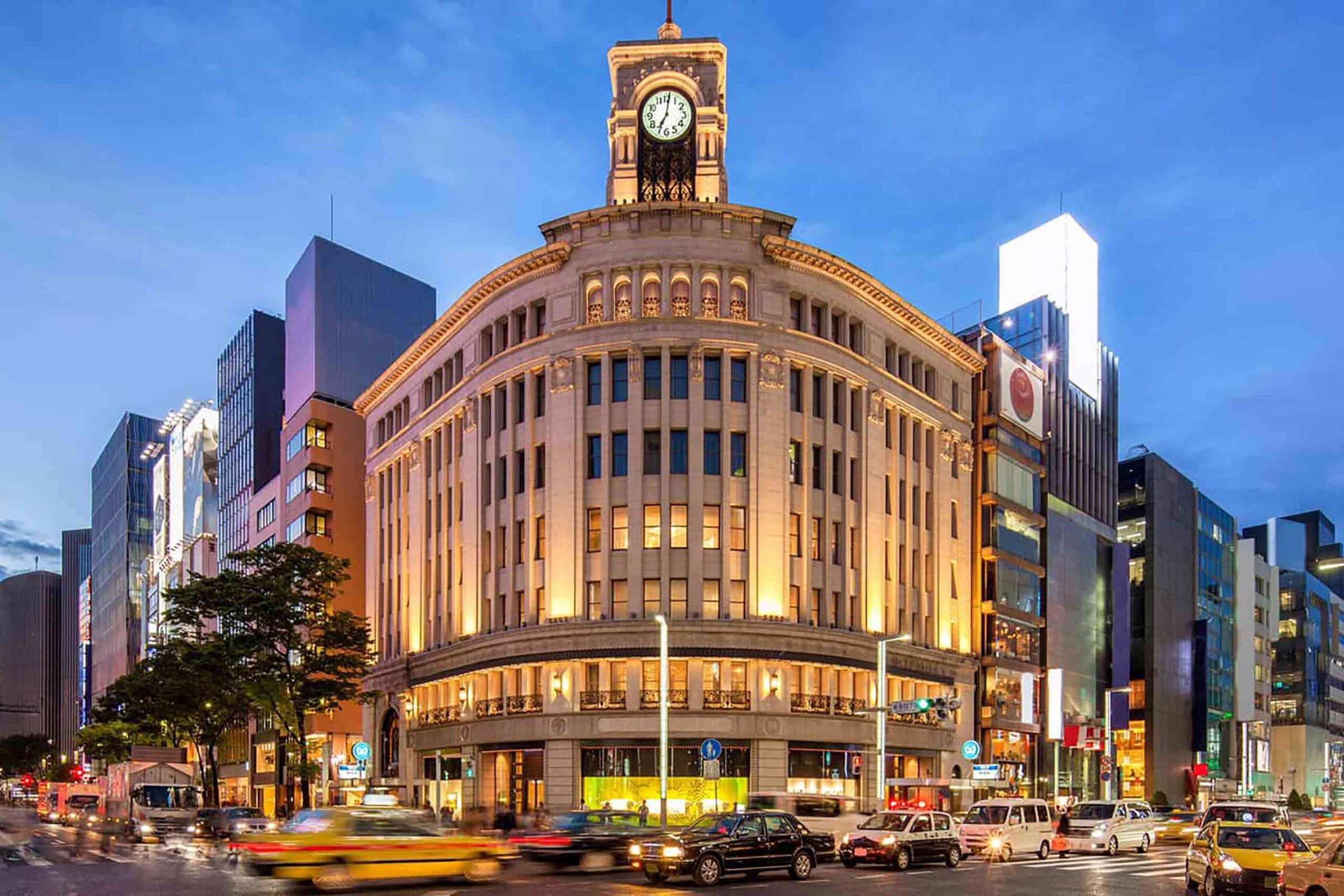
Ginza's dining floor, the stretch of Chuo City where ¥¥¥¥ counters and Michelin-starred rooms occupy the same city blocks as department-store flagships, runs on a logic of precision and restraint. The neighbourhood tolerates very little noise. Restaurants that hold a position here long enough to earn critical acknowledgement do so by delivering something specific, night after night, at a level that matches what the address implies. Choyo, the Chinese table run by chef Zhao Yang from an eighth-floor address on Chome-17-4, sits inside that demand. It is not making a statement about being Chinese in Ginza; it is simply cooking at the level the postcode requires.
That context matters, because serious Chinese fine dining in Tokyo occupies a smaller and more specialised space than Japanese or French. Where sushi counters like Harutaka or kaiseki rooms like RyuGin have deep critical infrastructures and clear peer hierarchies, Chinese restaurants in this city have historically been assessed against a less codified standard. The ones that break through into recognised rankings tend to do so by absorbing the discipline of Japanese service culture and applying it to a cuisine with its own technical depth. Choyo's 2024 ranking on the Opinionated About Dining list for Japan, ranked 192nd overall, and its Highly Recommended designation the year prior, signal that this process has been working.
Where Tea Shapes the Table
In serious Chinese dining, the relationship between tea and food is not decorative, it is structural. The tannin weight of a well-steeped oolong, the floral register of a high-mountain dancong, the grassy cut of a fresh green: these interact with fat, salt, and sauce in ways that parallel the wine pairing logic applied in French rooms. The difference is that tea unfolds differently across a meal. It does not arrive in a single glass; it can shift in variety and temperature as the courses move. At the upper tier of Chinese fine dining, this distinction becomes part of the dining proposition itself.
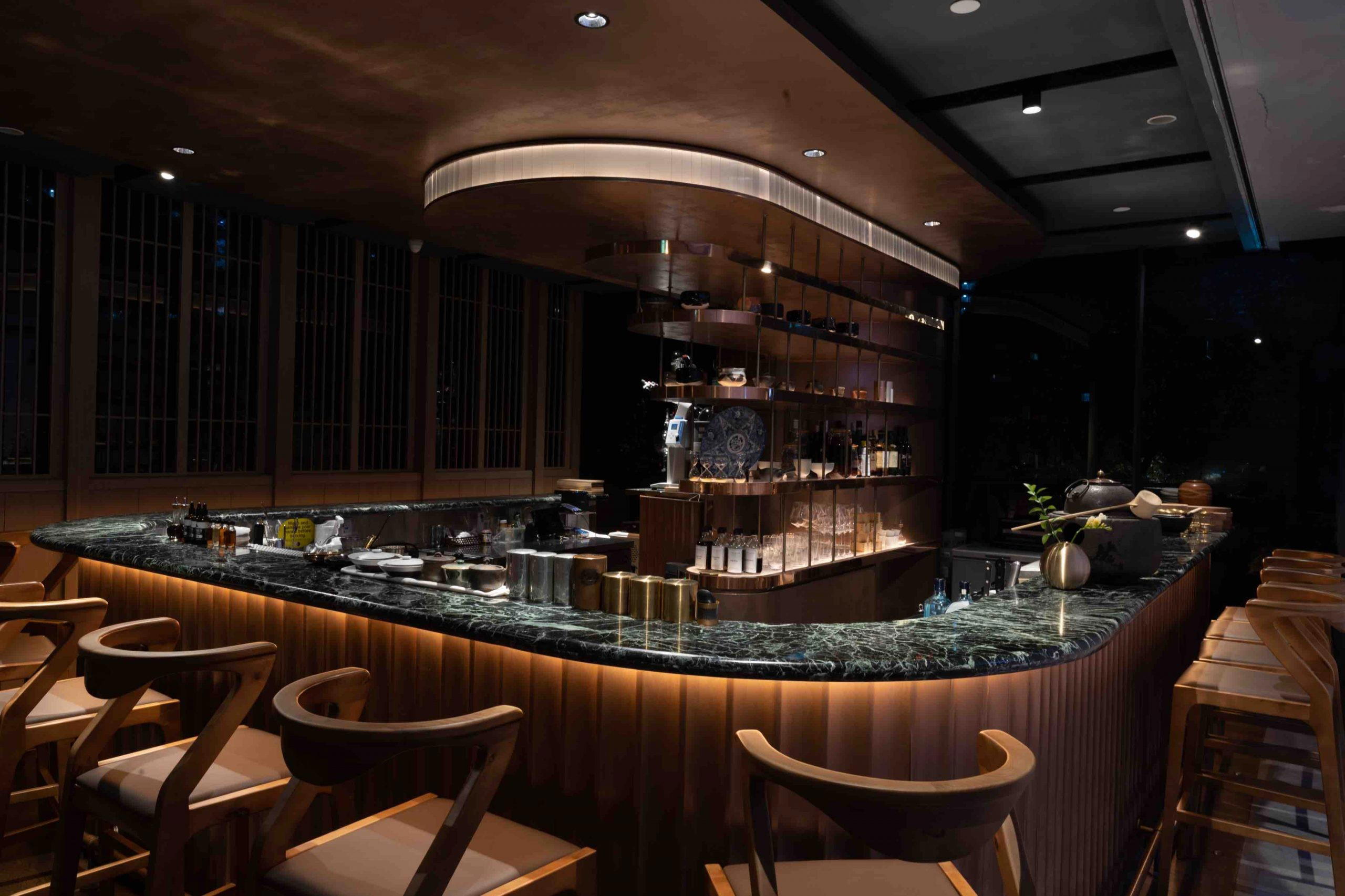
Chinese restaurants that treat tea seriously tend to work in one of two registers. The first is encyclopaedic, a programme of varieties organised by region and style, where each pairing reflects a specific decision about harmony or contrast. The second is quieter: a small, carefully chosen selection where the brewing itself is part of the ritual visible to the guest. Either approach, when executed well, changes the pace of a meal. It asks the diner to slow down between courses, to hold attention on what is in the cup rather than simply waiting for the next dish. In rooms where the cooking is technically dense, this recalibration has real value.
The Broader Chinese Fine-Dining Register in Tokyo
Tokyo's Chinese fine-dining scene is not monolithic. Chugoku Hanten Fureika and its sibling Chugoku Hanten Kohakukyu (Amber Palace) represent one lineage: Cantonese-rooted cooking adapted over decades inside Tokyo's luxury hotel and entertainment district culture. Ippei Hanten occupies a different register, its approach shaped more directly by the Shanghai and Jiangnan tradition. Across these, what holds is a shared insistence on technique, the kind that makes Chinese cooking harder to evaluate casually, because the evidence of skill is often in texture and temperature rather than dramatic flavour. Koshikiryori Koki extends that conversation into historical Chinese court cuisine.
Choyo's Ginza position places it in this competitive set but does not define it. The OAD ranking confirms it has earned critical attention in Japan's most scrutinised dining market, and the trajectory from Highly Recommended in 2023 to a ranked number in 2024 is a signal worth noting, it suggests momentum rather than plateau.
For comparison, innovative French rooms like itsuka operate in a peer tier where Michelin recognition drives much of the external framing. Chinese restaurants in Tokyo have tended to receive less Michelin attention relative to their critical standing in other systems, which makes OAD recognition a more reliable signal for this particular category.
What the Address Signals
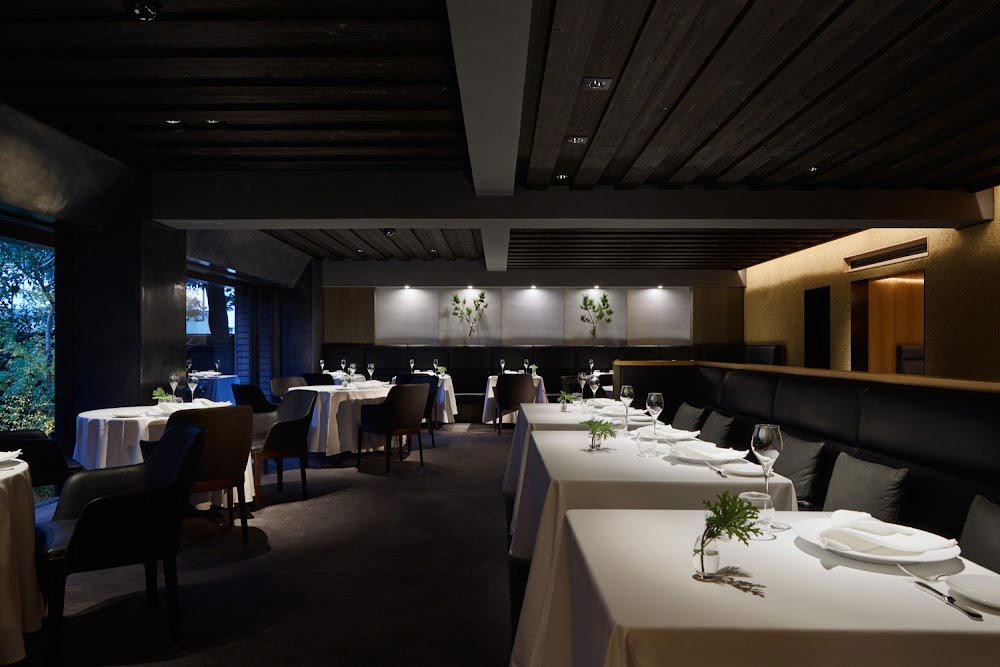
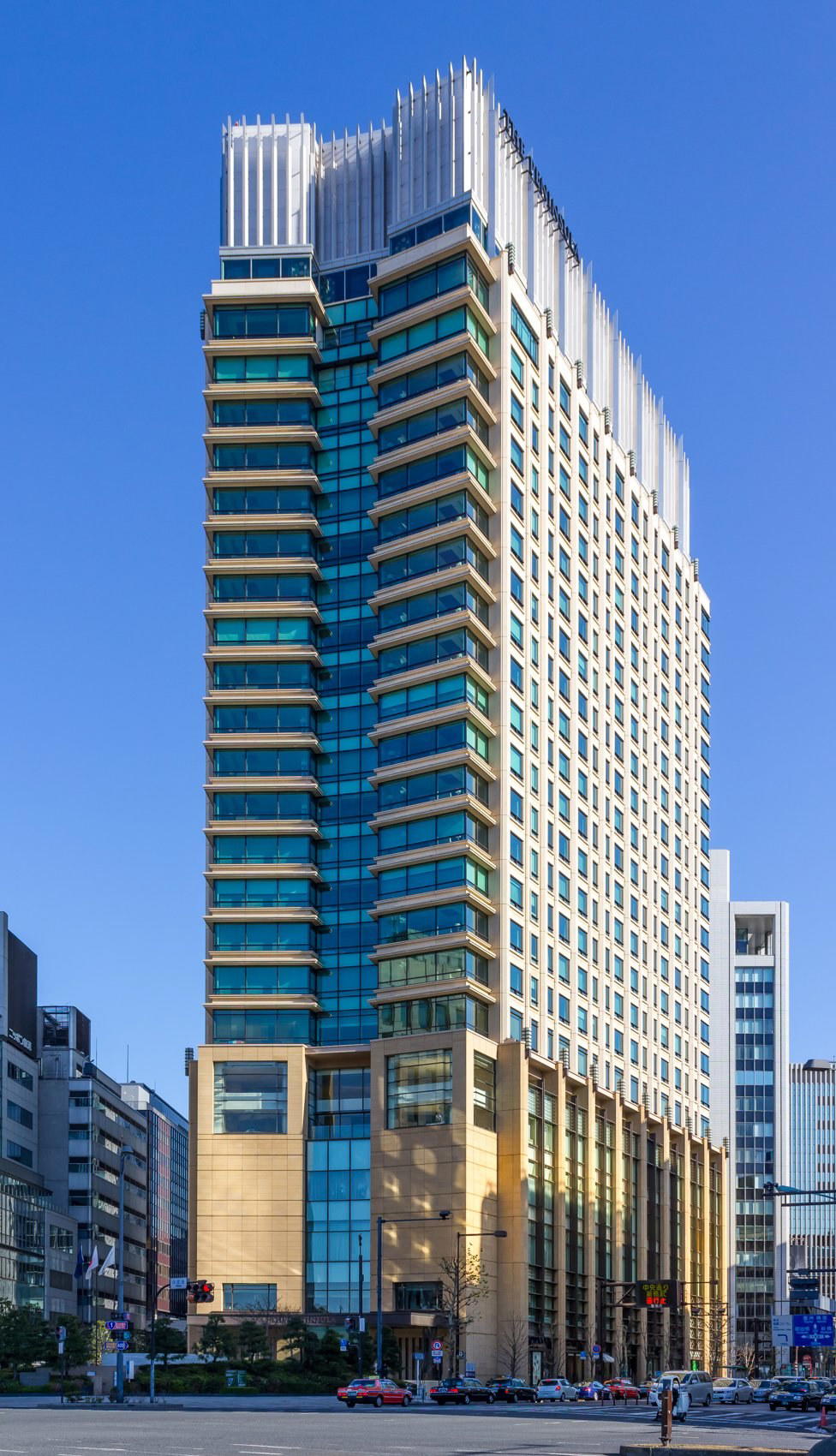
Ginza 8-chome is the southernmost stretch of the district's main corridor, closer to Shimbashi than to Ginza Itchome. The density of serious restaurants in this block is high. A visitor arriving for dinner is making a decision that takes at least two hours and, in rooms at this level, often considerably more. The neighbourhood infrastructure, ease of taxi access, proximity to the major Ginza subway exits, the quiet between buildings in the evening, is conducive to that kind of commitment. Guests arriving from other parts of Tokyo tend to treat this stretch as destination rather than neighbourhood, which means the room itself carries the entire experience. There is no walk before dinner through a vibrant street life to set the tone. The restaurant does that work alone.
The same logic applies to rooms worth comparing internationally. Restaurant Tim Raue in Berlin works in the space between Chinese flavour references and European fine-dining structure, a different synthesis, shaped by a different city. Mister Jiu's in San Francisco uses Cantonese foundations inside an American tasting-menu format. Choyo is neither of these: it is Chinese cooking at a Japanese level of service precision, in a city where that discipline is the expected baseline.
Planning Your Visit
For EP Club members building a Tokyo itinerary around serious dining, Choyo is one reference point in a broader network. Our full Tokyo restaurants guide covers the complete range. Members interested in wider Japan can extend across regions: HAJIME in Osaka, Gion Sasaki in Kyoto, akordu in Nara, Goh in Fukuoka, 1000 in Yokohama, and 6 in Okinawa each define their respective cities' upper tiers. For everything else in the capital, our Tokyo hotels guide, bars guide, wineries guide, and experiences guide cover the full picture.
Know Before You Go
- Address: 8 Chome-17-4 Ginza, Chuo City, Tokyo 104-0061
- Chef: Zhao Yang
- Cuisine: Chinese
- Awards: Opinionated About Dining, Ranked #192 in Japan (2024); Highly Recommended (2023)
- Booking: Not publicly listed, direct contact or concierge recommended for reservations
- Getting There: Nearest subway stations are Shimbashi and Ginza (multiple lines); taxi access is direct from central Tokyo
Frequently asked questions
What kind of cuisine does Choyo serve?
Who is the chef or culinary lead at Choyo?
The chef associated with Choyo is Zhao Yang.
What should I order at Choyo?
What the venue's Opinionated About Dining Top 192 ranking (2024) signals is a kitchen operating at a level where the full chef's selection is the intended experience. At restaurants in this category in Tokyo's Chinese fine-dining register, ordering around the counter's lead sequence rather than à la carte typically reflects how chef Zhao Yang structures the meal.
Where is Choyo located?
Choyo is located at 8 Chome-17-4 Ginza, Chuo City, Tokyo 104-0061, Japan, Tokyo.
What awards or recognition does Choyo have?
Choyo has received recognition including: Opinionated About Dining Top Restaurants in Japan Ranked #192 (2024); Opinionated About Dining Top Restaurants in Japan Highly Recommended (2023).
Price and Positioning
A quick peer check to anchor this venue’s price and recognition.
| Venue | Cuisine | Price | Awards | Notes |
|---|---|---|---|---|
| ChoyoThis venue (the venue you are viewing) | Authentic Sichuan Chinese | $50–100 | Not listed | Not listed |
| Harutaka | Edo-Style Omakase Sushi | $200–300 | 3 Michelin Stars · World's 50 Best #76 | Sushi |
| RyuGin | Modern Kaiseki | $500+ | 3 Michelin Stars · World's 50 Best #41 | Kaiseki, Japanese |
| L'Effervescence | Modern French with Japanese Influences | $200–300 | 3 Michelin Stars · World's 50 Best #69 | French |
| HOMMAGE | Modern French with Japanese Influences | $150–200 | 2 Michelin Stars · World's 50 Best #78 | Innovtive French, French |
| MAZ | Innovative Peruvian-Japanese Fusion | $150–200 | 2 Michelin Stars · World's 50 Best #28 | Innovative |
Recognition history
Dated appearances from independent guides and award organizations, with the underlying list record or original source where available.
Opinionated About Dining Top Restaurants in Japan Ranked #192
Opinionated About Dining
Full recognition history (2 entries)
Opinionated About Dining Top Restaurants in Japan Highly Recommended
Opinionated About Dining