
1 Michelin Star
Our verdict
In Nishitemma, Osaka's densest concentration of serious Japanese dining, Ichigaya draws on Semba merchant food culture, the commercial city's centuries-old culinary inheritance, and folds in French technique where the crossover earns its place. A 2024 Michelin Plate and, making it a considered choice for occasion meals that ask something more of the kitchen than rote tradition.

Pearl is the En Primeur Club membership app, where members save venues, book tables and use the concierge.
Where Semba Merchant Culture Still Sets the Table
Nishitemma sits north of the Nakanoshima island district, in a part of Kita Ward where the density of serious Japanese restaurants rivals any neighbourhood outside Kyoto's Gion. The streets here carry a quieter register than Dotonbori or Shinsaibashi, the clientele is local, the occasions tend to be deliberate, and the cooking reflects a city that has been trading, eating, and refining both for several centuries. It is the kind of neighbourhood where a milestone dinner feels contextually correct before you even open the door.
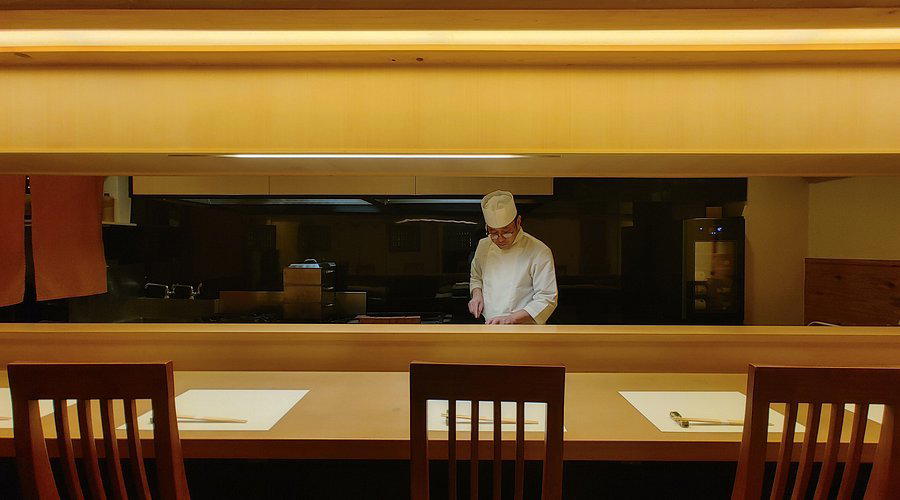
Nishitemma Ichigaya occupies an address on 2 Chome-10-9 Nishitenma, within that concentration of considered Japanese dining. The physical setting rewards arrival on foot: the low-profile entrance is consistent with the neighbourhood's preference for understatement over announcement. Inside, the atmosphere belongs to the category of Japanese restaurants where the room recedes so the food can advance.
The Occasion Case: What This Kitchen Is For
Osaka's mid-to-upper tier of Japanese restaurants divides broadly into two operating philosophies. One group works within tight stylistic categories, kaiseki-only, sushi-only, robata-only, and prices accordingly. The other, smaller group treats those categories as source material, drawing across Osaka's own culinary traditions and allowing selective outside influence where it clarifies rather than complicates. Nishitemma Ichigaya belongs to the second group, and that positioning makes it a better fit for occasions when the meal itself is meant to be the event, rather than a demonstration of a single technique.
The Michelin Plate awarded in 2024 places it in a defined tier: recognised for consistent quality and intent without carrying the three-star tariff that venues like Kashiwaya Osaka Senriyama or the innovative French houses operate at. That positioning, credentialled but accessible within the ¥¥¥ bracket, is precisely where many of the more interesting Osaka occasions happen.
Semba Food Culture and What It Actually Means
Osaka's commercial identity is not a backdrop, it is an ingredient. The Semba district, historically the city's wholesale merchant quarter, developed a cuisine built around the practical requirements of traders: nourishing, flavour-forward, calibrated to the ingredients moving through the city's markets. Ma-kombu kelp, harvested from Hokkaido and traded through Osaka's historic distribution networks, became foundational to Semba broth-making in ways that distinguish it from Kyoto's lighter dashi tradition. The umami extracted from ma-kombu produces soups with greater depth and body, a difference perceptible in even a single bowl.
Nishitemma Ichigaya references this tradition directly. The use of ma-kombu to enliven soup broths is a traceable line back to that merchant food culture, not a decorative historical gesture. Similarly, the deployment of traditional Osaka vegetables, varieties selected through centuries of cultivation for the city's specific climate and culinary preferences, grounds the menu in a local agricultural specificity that most visitors to the city never encounter in more tourist-facing restaurants.
For diners arriving from elsewhere in Japan's dining circuit, the comparison is instructive: Harutaka in Tokyo works within an entirely different tradition, and Gion Sasaki in Kyoto operates from Kyoto's more austere culinary inheritance. What Osaka offers specifically, and what Ichigaya draws on, is a cuisine formed by commercial abundance rather than imperial restraint.
The French Crossover: When It Earns Its Place
The integration of French methods into Japanese cooking has become common enough to attract scepticism. At its weakest, the combination reads as prestige signalling, a French sauce applied to Japanese fish for the appearance of sophistication. At its strongest, it identifies genuine flavour territory that neither tradition reaches alone.
The seafood with miso sauce américain at Nishitemma Ichigaya falls into the second category. Sauce américain, the French preparation built from crustacean shells, tomato, and aromatics, carries an intensity of shellfish reduction that amplifies rather than masks miso's fermented depth. The combination is specific enough that it does not exist in the same form at other addresses, which is a more meaningful distinction than general claims of creativity. Osaka's broader dining scene has produced serious Franco-Japanese work at venues like Yugen and at the ¥¥¥¥ tier with restaurants like Hajime and La Cime. Ichigaya operates within that same intellectual tradition at a lower price point and with a more Osaka-rooted base vocabulary.
Within Nishitemma and the surrounding Kita Ward, the competitive set at the ¥¥¥ level includes serious Japanese addresses across multiple formats. Miyamoto, Oimatsu Hisano, and Tenjimbashi Aoki all operate in this neighbourhood cluster and share the same broadly local-professional clientele. The differentiating factor for occasion dining specifically is whether a kitchen has a point of view that rewards a meal focused on it, not just competent execution, but a coherent set of ideas that gives the evening a through-line.
For wider regional context, the approach at Ichigaya sits in an interesting position relative to Japanese restaurants elsewhere in Kansai. Akordu in Nara represents a different model of regional Japanese cooking with outside influence, while the kaiseki tradition at the upper end of Kyoto's dining is the direct ancestor of much of what happens in Osaka's serious Japanese rooms. Diners who have eaten at Goh in Fukuoka or Myojaku or Azabu Kadowaki in Tokyo will recognise the same commitment to a specific regional identity, expressed through a different city's culinary logic.
For anyone planning a broader Osaka visit, the full Osaka restaurants guide covers the city's dining range in detail. Accommodation context is available in the Osaka hotels guide, and the city's drinking culture, distinct from Tokyo's and worth separate attention, is covered in the Osaka bars guide. The Osaka experiences guide and Osaka wineries guide round out the city picture for longer stays. Regional context from further afield, 1000 in Yokohama and 6 in Okinawa, illustrates how differently Japan's regional dining scenes approach the same questions of local identity and outside influence.
Know Before You Go
- Address: 2 Chome-10-9 Nishitenma, Kita Ward, Osaka, 530-0047, Japan
- Cuisine: Japanese, with selective French technique
- Price range: ¥¥¥
- Recognition:
- Occasion fit: Milestone dinners, celebratory meals, client entertaining at a serious but not ceremonially formal level
- Neighbourhood: Nishitemma, Kita Ward, walkable from Osaka's central hotel cluster
- Booking: Advance reservation recommended; specific booking method not confirmed, contact the restaurant directly
- Hours: Confirm directly before visiting
at Nishitemma Ichigaya?
The seafood with miso sauce américain is the dish that most clearly defines the kitchen's position. It combines a French shellfish reduction technique with miso fermentation in a way that neither Japanese nor French cooking produces independently, the flavour is specific to this address and to the crossover approach the kitchen has developed. Alongside it, the soup courses built on ma-kombu broth are the most direct expression of Semba merchant food culture: richer and more savoury in profile than Kyoto-style dashi, and a reliable indicator of how seriously the kitchen treats Osaka's own culinary inheritance. Traditional Osaka vegetables, where they appear, function as the regional grounding that keeps the French-influenced dishes from floating free of their context.
Cuisine and Awards Snapshot
| Venue | Cuisine | Price | Awards | Notes |
|---|---|---|---|---|
| Nishitemma IchigayaThis venue (the venue you are viewing) | Modern Kappo | $100–150 | 1 Michelin Star | Not listed |
| HAJIME | Avant-Garde Japanese Fine Dining | $300–500 | 3 Michelin Stars · World's 50 Best #83 | French, Innovative |
| La Cime | Modern French with Japanese Ingredients | $150–200 | 2 Michelin Stars · World's 50 Best #13 | French |
| Kashiwaya Osaka Senriyama | Seasonal Kaiseki Omakase | $200–300 | 3 Michelin Stars · La Liste Top Restaurants | Japanese |
| Taian | Traditional Japanese Kaiseki Omakase | $150–200 | 3 Michelin Stars · La Liste Top Restaurants | Kaiseki, Japanese |
| Fujiya 1935 | Modern Japanese with European influences | $100–150 | 2 Michelin Stars · La Liste Top Restaurants | Innovative |
Recognition history
Dated appearances from independent guides and award organizations, with the underlying list record or original source where available.
Michelin 1 Star
Michelin
Full recognition history (2 entries)
Michelin Plate
Michelin
Continue exploring
More in Osaka
Restaurants in Osaka
All restaurants in Osaka →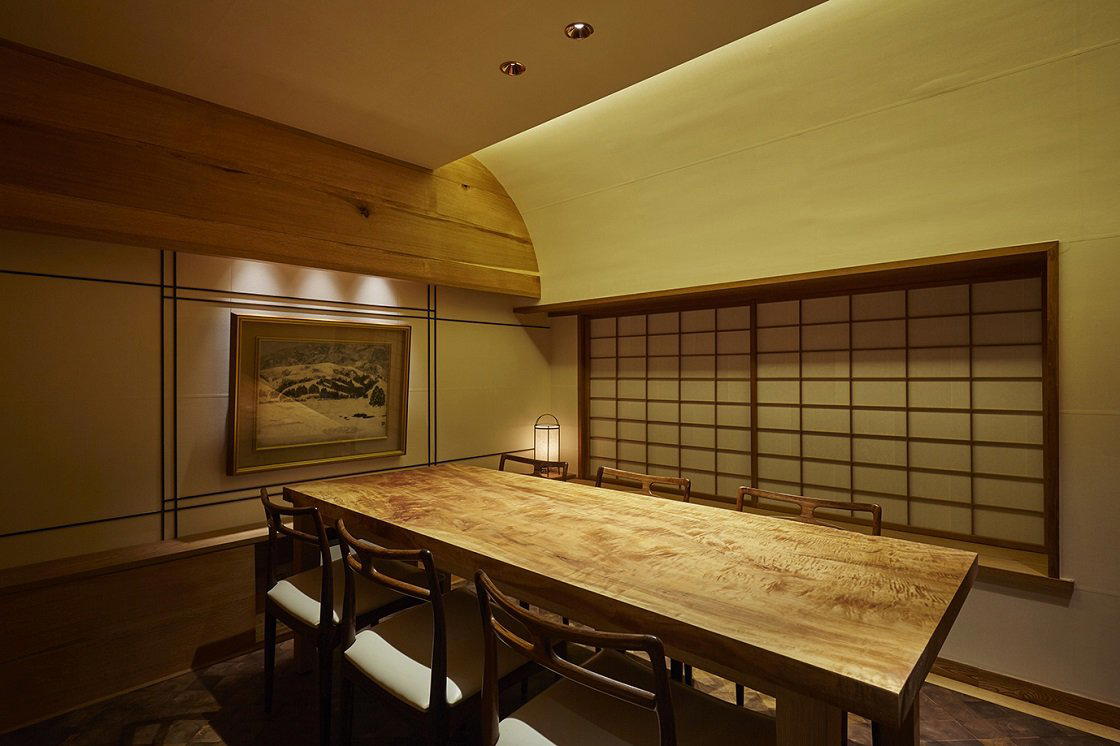


Bars in Osaka
All bars in Osaka →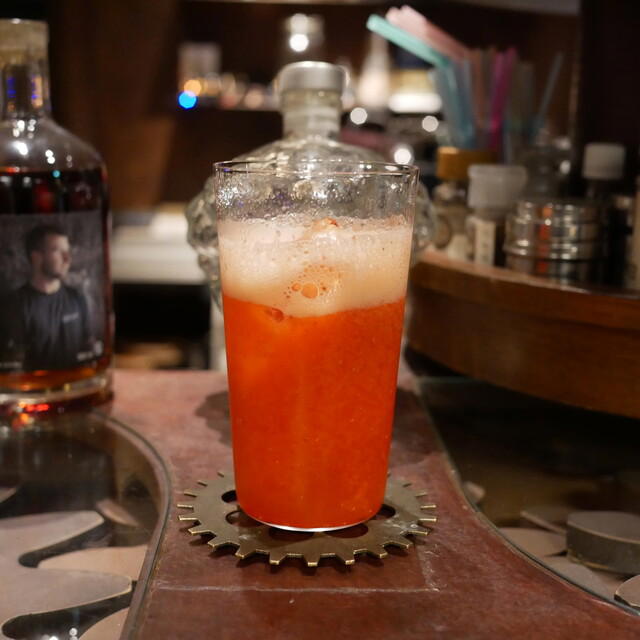



Hotels in Osaka
All hotels in Osaka →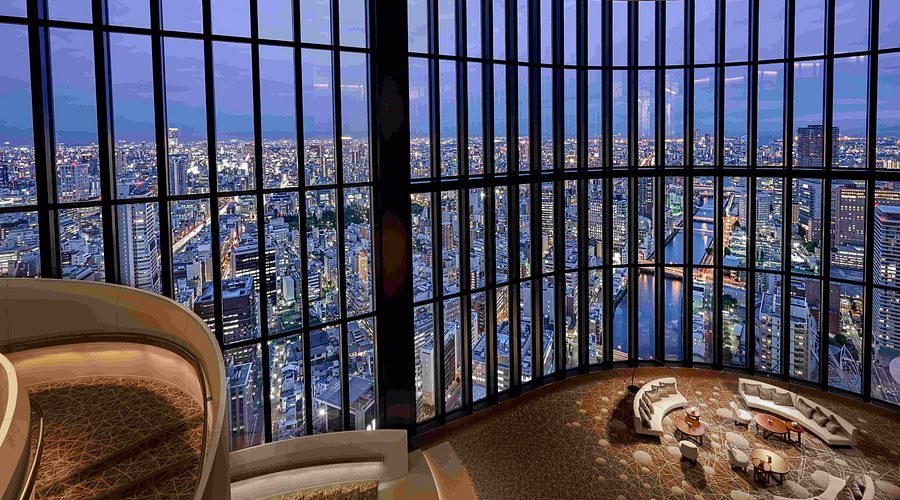



Wineries in Osaka
Browse all →
Details
- Elegant
- Sophisticated
- Intimate
- Cozy
- Special Occasion
- Date Night
- Chefs Counter
- Sake Program
- Sake
Current opening hours
- Monday
- 11:30 AM–2 PM, 5–11 PM
- Tuesday
- 11:30 AM–2 PM, 5–11 PM
- Wednesday
- 11:30 AM–2 PM, 5–11 PM
- Thursday
- 11:30 AM–2 PM, 5–11 PM
- Friday
- 11:30 AM–2 PM, 5–11 PM
- Saturday
- 11:30 AM–2 PM, 5–11 PM
- Sunday
- 11:30 AM–2 PM, 5–11 PM
Hours can change for holidays and private events. Hours as of .
Peaceful atmosphere with magnificent Japanese exterior, relaxing counter seating for 7, polished modern take on storied culinary lineage.