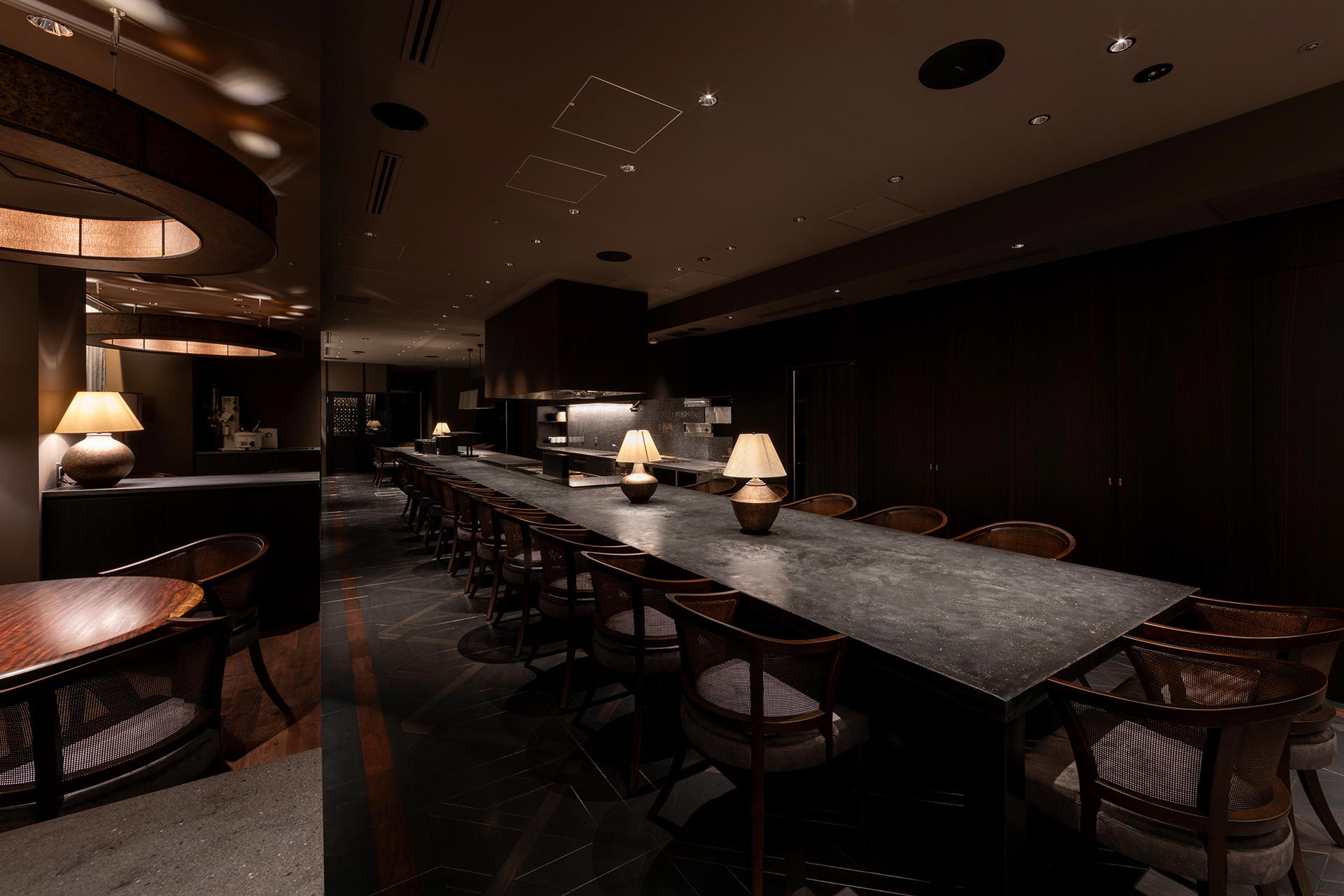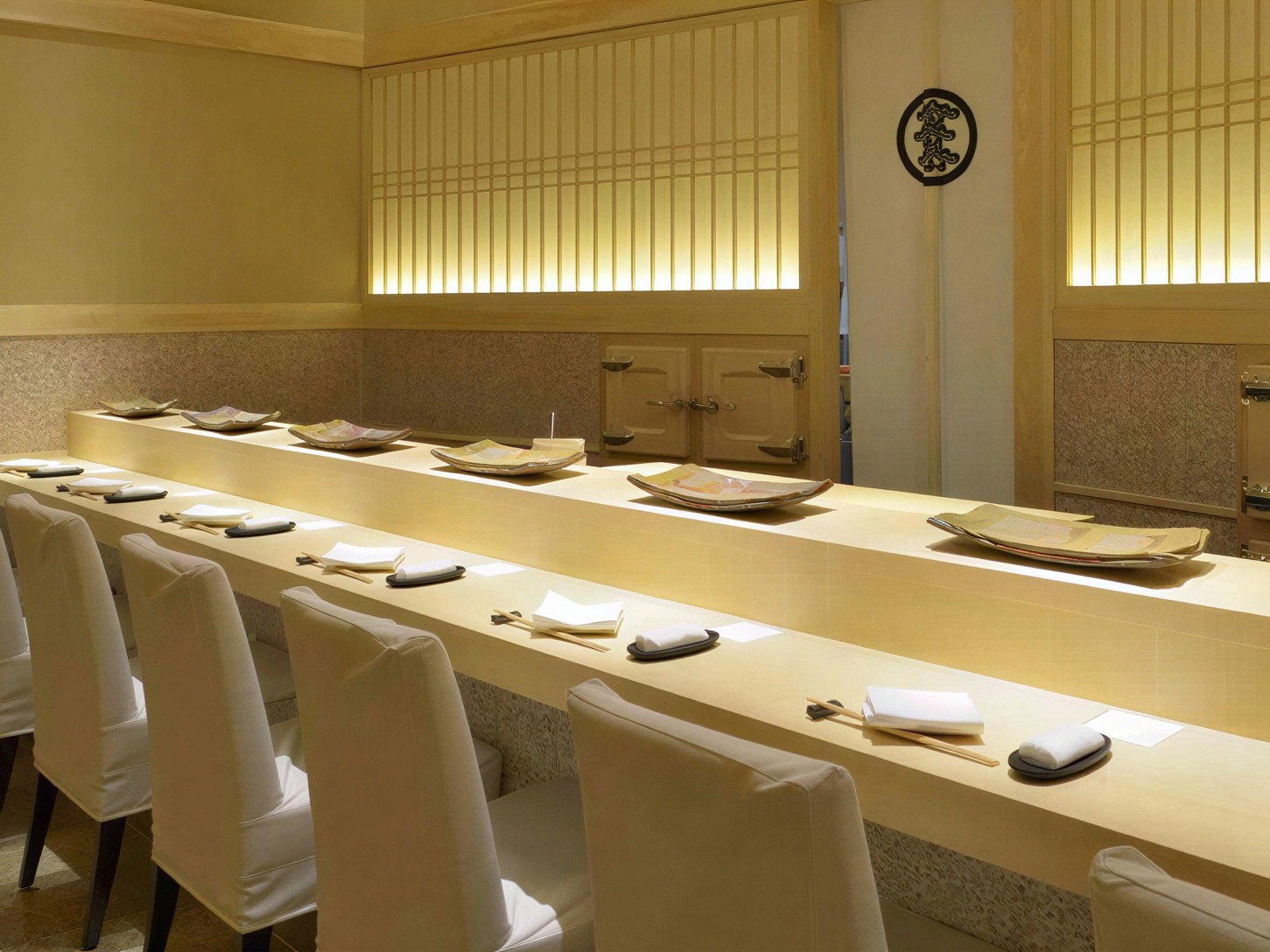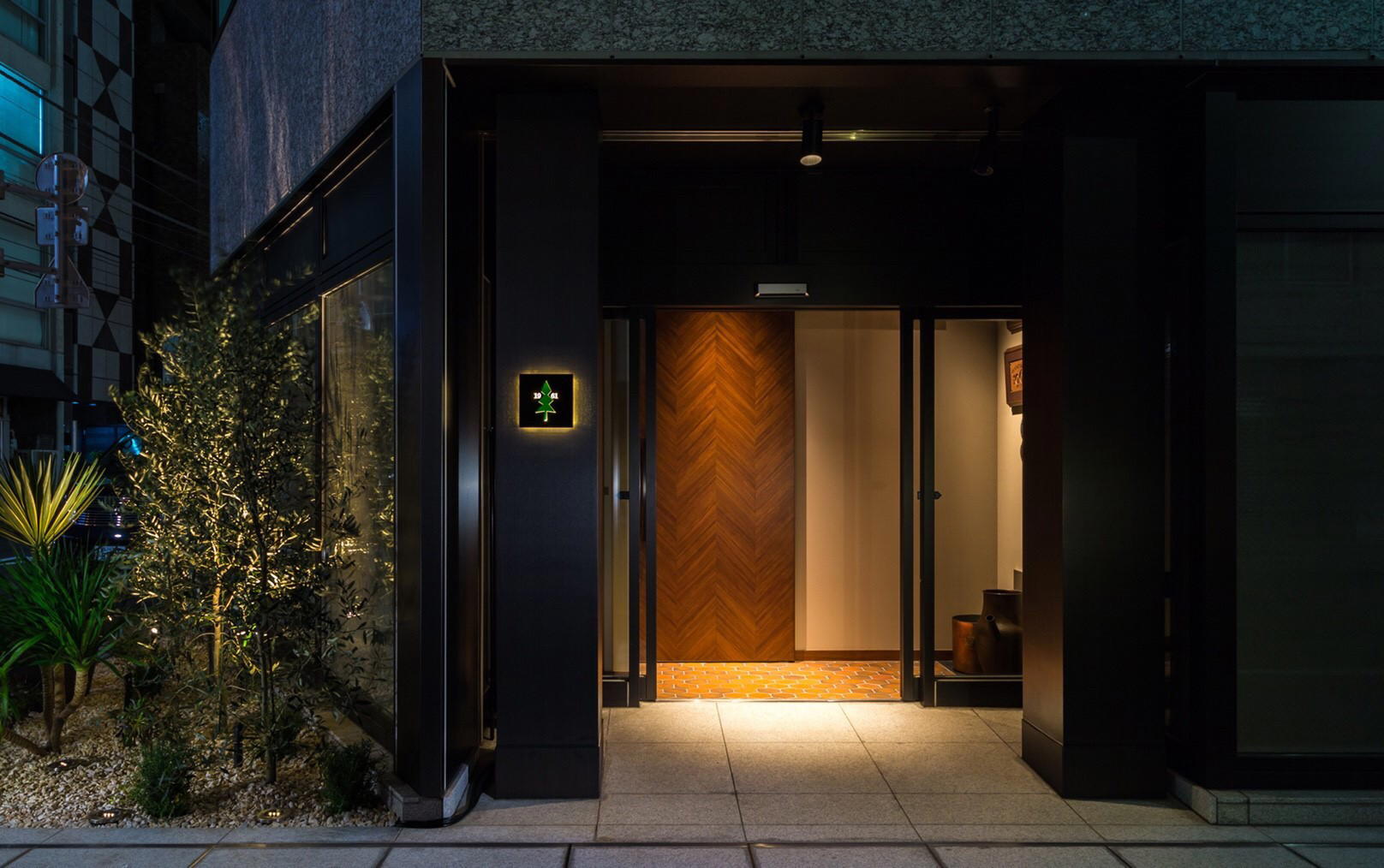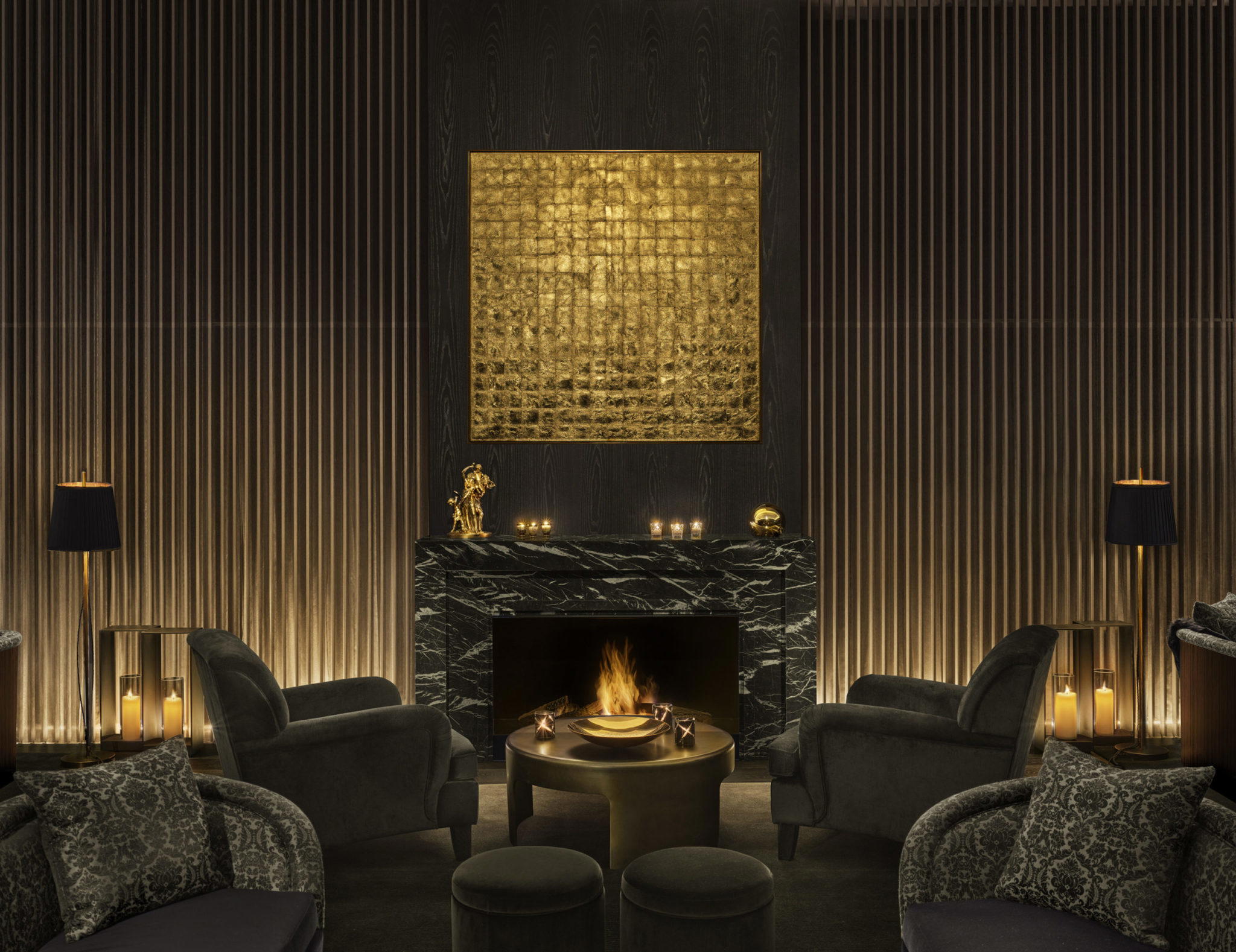
La Liste Top Restaurants
Our verdict
Aoyagi (青柳) is a kaiseki restaurant in Azabudai, Minato, Tokyo, carrying La Liste scores of 97 points (2026) and 96.5 points (2025) — placing it among a small group of Japanese restaurants that rank consistently near the top of that global index. The kaiseki format here sits within Tokyo's most serious traditional Japanese dining tier, where seasonal precision and restraint define the competitive standard.

Pearl is the En Primeur Club membership app — saves, bookings, and concierge access live there. Same editors, same standards.
- Address
- Japan, 〒106-0041 Tokyo, Minato City, Azabudai, 2 Chome−3−20 麻布台豊栄ビル 1F
- Phone
- +81 3-6435-5776
- Website
- aoyagi-group.jp
- Directions
- Get directions
- Booking
- Book on TableCheck
Azabudai's Quiet Weight
The streets around Azabudai 2-chome are not Tokyo's loudest dining address. Roppongi's restaurant corridor is a short walk west; Toranomon's hotel dining cluster sits just north. But the immediate block around Aoyagi (青柳) operates at a different register — residential in feel, low in foot traffic, and largely unknown to the city's tourist circuits. That geography is not incidental. In Tokyo, the most serious kaiseki houses rarely occupy high-visibility corners. They find ground-floor space in low-profile buildings, rely on reservation-only models, and let the food do the signalling. Aoyagi sits in a first-floor unit of the Azabudai Hoei Building, and the address itself carries the codes that regular guests of this dining tier already know how to read.
For broader context on where this restaurant fits within Tokyo's dining scene, see our full Tokyo restaurants guide.
Kaiseki at Tokyo's Highest Tier
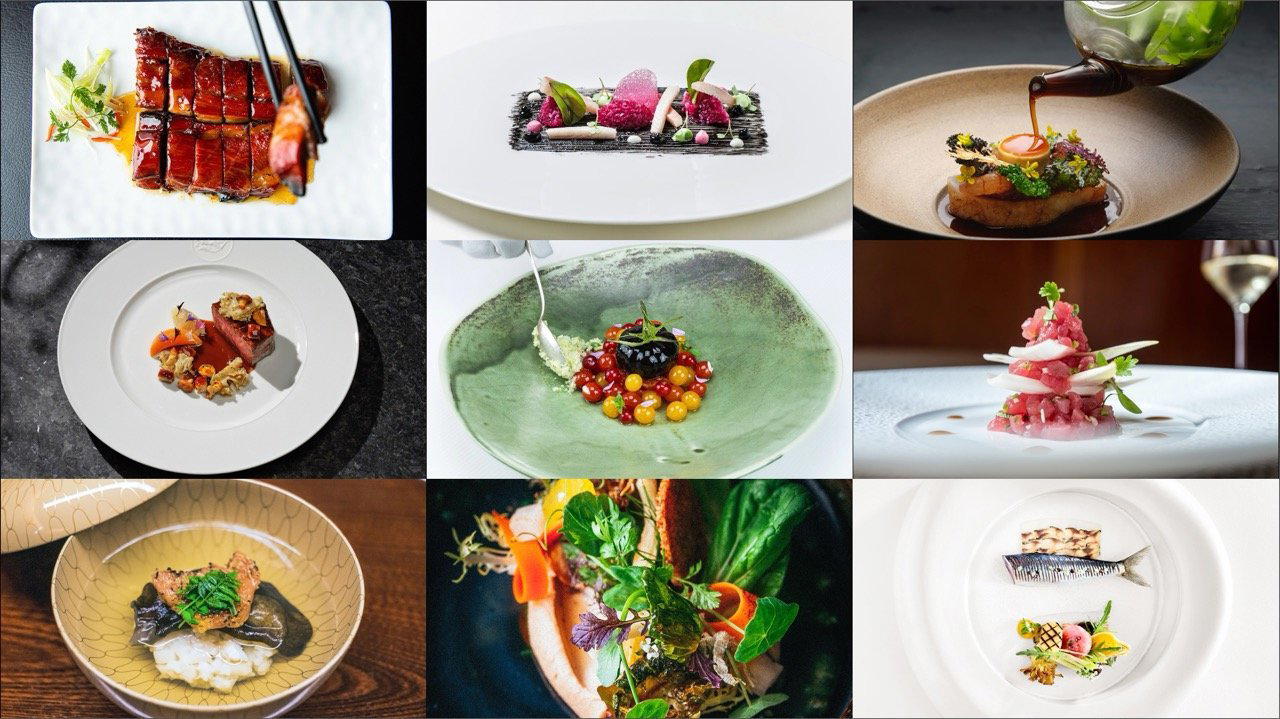
Japanese kaiseki, in its classical form, is a multi-course structure built around the logic of the season. Each course responds to what is growing, what is caught, what the weather is doing. The format descends from tea ceremony meal traditions and has evolved over centuries into one of the most technically demanding culinary disciplines in the world. Tokyo's kaiseki tier is large relative to most cities — dozens of restaurants operate seriously within the format, but the cohort that achieves consistent global recognition is small.
Aoyagi holds La Liste scores of 97 points for 2026 and 96.5 points for 2025, placing it in the bracket of restaurants that La Liste's aggregated-critic methodology identifies among the top-ranked in Japan and globally. That two-year consistency at this score range is a meaningful signal: La Liste compiles data from hundreds of sources across multiple seasons, so sustained placement in the 96-97 range reflects repeated endorsement rather than a single favourable cycle.
The comparison matters because kaiseki at this tier is not a monolithic style. Some houses push toward contemporary technique; others maintain the most classical sequencing. 東麻布 天本 (Amamoto), also in Minato, represents the precision-focused end of the capital's seafood-forward kaiseki. The presence of multiple serious kaiseki addresses within a compact radius of central Minato speaks to how geographically concentrated Tokyo's highest-level Japanese dining has become.
The Azabudai Neighbourhood as Context
Azabudai as a district has gained new attention since the opening of the Azabudai Hills development to the north, which brought high-end residential and commercial space to an area that previously ran on embassies, long-established restaurants, and quiet mid-century apartment blocks. That development has not materially changed the immediate character of the 2-chome streets where Aoyagi operates, which retain the compressed, human-scaled feeling common to Tokyo's older residential pockets. A restaurant at this address is drawing from a local clientele of long-time Minato residents and business professionals from the surrounding area, as well as the informed visitors who seek it out specifically. That is a different guest profile from the hotel-adjacent dining rooms that dominate Toranomon or the tourist-proximate counters of Ginza.
The neighbourhood also places Aoyagi in proximity to other serious dining addresses without being defined by them. L'Effervescence, the Michelin three-star French restaurant, operates in nearby Nishiazabu. Harutaka, the three-star sushi counter, is accessible from central Minato. The cluster suggests that this arc of the city has quietly become one of Tokyo's most concentrated zones for high-commitment dining, not through any single landmark development, but through accumulated decisions by serious restaurateurs to open here.
Where Aoyagi Sits in the Broader Japan Picture
Japan's kaiseki tradition is not exclusive to Tokyo. Kyoto remains its historical home, and a comparison between the two cities reveals different stylistic tendencies: Kyoto kaiseki often foregrounds vegetable-led courses and subtler dashi construction; Tokyo kaiseki has historically incorporated more seafood and, in its modern form, more willingness to engage with European plating conventions. Restaurants like Gion Sasaki in Kyoto and Aca 1° in Kyoto show how the format plays out in its original geography. Aoyagi's Azabudai address situates it within the Tokyo iteration of that tradition.
Beyond Kyoto, the form has spread to other Japanese cities with distinct inflections. HAJIME in Osaka and Goh in Fukuoka demonstrate how kaiseki sensibility adapts to different regional ingredient vocabularies. Further afield, Enowa Yufuin in Yufu and akordu in Nara show the format in smaller-city and resort-adjacent contexts. 1000 in Yokohama and 6 in Okinawa extend the picture to the greater metropolitan and island regions. Aoyagi's La Liste placement holds up within this national context, not just within the Tokyo subset.
Planning a Visit
Aoyagi is located at Azabudai 2-chome-3-20, Minato City, Tokyo, on the ground floor of the Hoei Building. The nearest stations are Kamiyacho on the Hibiya Line and Azabu-Juban on the Namboku and Oedo lines, each within a ten-to-fifteen minute walk through the low-rise streets of the neighbourhood. For visitors combining the meal with a wider Minato stay, our Tokyo hotels guide covers accommodation options across the city's central wards. Contact and booking details are not published here; the most reliable route is through a concierge service familiar with Tokyo's high-end restaurant landscape or through direct inquiry to the restaurant. Those planning a wider evening in the area can consult our Tokyo bars guide and our Tokyo experiences guide for surrounding options. The Tokyo wineries guide covers sake and wine-adjacent experiences for those extending the visit.
Frequently asked questions
Where is Aoyagi - 青柳 located?
Aoyagi - 青柳 is located at Japan, 〒106-0041 Tokyo, Minato City, Azabudai, 2 Chome−3−20 麻布台豊栄ビル 1F, Tokyo.
What's Aoyagi - 青柳 known for in terms of accolades?
Aoyagi - 青柳 has received recognition including: La Liste Top Restaurants (2026): 97pts; La Liste Top Restaurants (2025): 96.5pts.
How would you describe the cuisine at Aoyagi - 青柳?
Do they take walk-ins at Aoyagi - 青柳?
Reservations are recommended for Aoyagi - 青柳 in Tokyo. Confirm current policy via the venue's official channels.
What's the defining dish or idea at Aoyagi - 青柳?
What dish is Aoyagi famous for?
Aoyagi operates within the kaiseki tradition, meaning no single dish defines the experience — the structure itself is the point. Each course is built around the logic of the season, with the full sequence reflecting what classical Japanese cooking considers the correct order of flavours, temperatures, and textures. La Liste has awarded the restaurant 97 points in 2026, placing it among the highest-rated restaurants in Japan.
Price and Positioning
| Venue | Cuisine | Price | Awards | Notes |
|---|---|---|---|---|
| Aoyagi - 青柳This venue — the venue you are viewing | Edomae Sushi Omakase | $150–200 | La Liste Top Restaurants | Not listed |
| Harutaka | Edo-Style Omakase Sushi | $200–300 | 3 Michelin Stars · World's 50 Best #76 | Sushi |
| RyuGin | Modern Kaiseki | $500+ | 3 Michelin Stars · World's 50 Best #41 | Kaiseki, Japanese |
| L'Effervescence | Modern French with Japanese Influences | $200–300 | 3 Michelin Stars · World's 50 Best #69 | French |
| HOMMAGE | Modern French with Japanese Influences | $150–200 | 2 Michelin Stars · World's 50 Best #78 | Innovtive French, French |
| MAZ | Innovative Peruvian-Japanese Fusion | $150–200 | 2 Michelin Stars · World's 50 Best #28 | Innovative |
Recognition history
Dated appearances from independent guides and award organizations, with the underlying list record or original source where available.
La Liste Top Restaurants
La Liste
Full recognition history (2 entries)
La Liste Top Restaurants
La Liste