
Yanagimachi puts Fukuchiyama’s slower, northern-Kyoto rhythm into a chicken-focused format rather than the temple-district dining circuit many visitors associate with the city. Recognition in Tabelog’s 2025 Chicken Cuisine 100 places it in a defined specialist category, with duck hot pot, chicken dishes and oyako-don anchoring a restaurant that reads as regional Kyoto rather than central Kyoto performance.
Pearl is the En Primeur Club membership app — saves, bookings, and concierge access live there. Same editors, same standards.
- Address
- 京都府福知山市下柳町21
- Phone
- +81773221809
- Website
- yanagimachi.kyoto.jp
 Saves & bookings on Pearl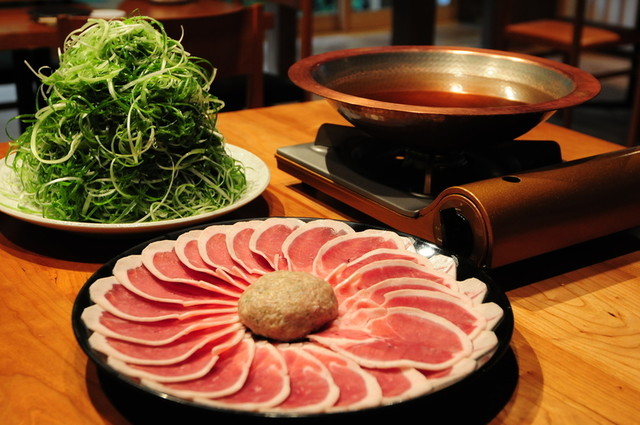
Approaching Shimoyanagi in Fukuchiyama changes the register of a Kyoto meal before the menu appears. Central Kyoto’s dense choreography gives way to a quieter town-house setting, where the point is not procession or ceremony but local comfort built around chicken, hot pot and rice-bowl cooking. Yanagimachi belongs to that northern Kyoto mood: less polished theatre, more category confidence.
That matters because Kyoto dining is often flattened into kaiseki shorthand, while the city and prefecture are broader. Chicken cuisine, nabe and oyako-don sit in an everyday tradition, but specialist recognition can push them into a sharper bracket. Yanagimachi’s inclusion in Tabelog’s 2025 Chicken Cuisine 100 gives the restaurant a clear reference point: not a generic washoku stop, but part of a judged national category where poultry technique, stock, rice, egg and sake compatibility carry the argument.
Fukuchiyama gives the meal its frame
Location is not incidental. Fukuchiyama sits outside the image most travellers carry of Kyoto, and that distance usefully changes expectations. Central Kyoto can reward reservation discipline and aesthetic literacy; Fukuchiyama asks for a more regional reading of place. A meal in Shimoyanagi feels closer to a local gathering room than to the polished export version of Kyoto cuisine.
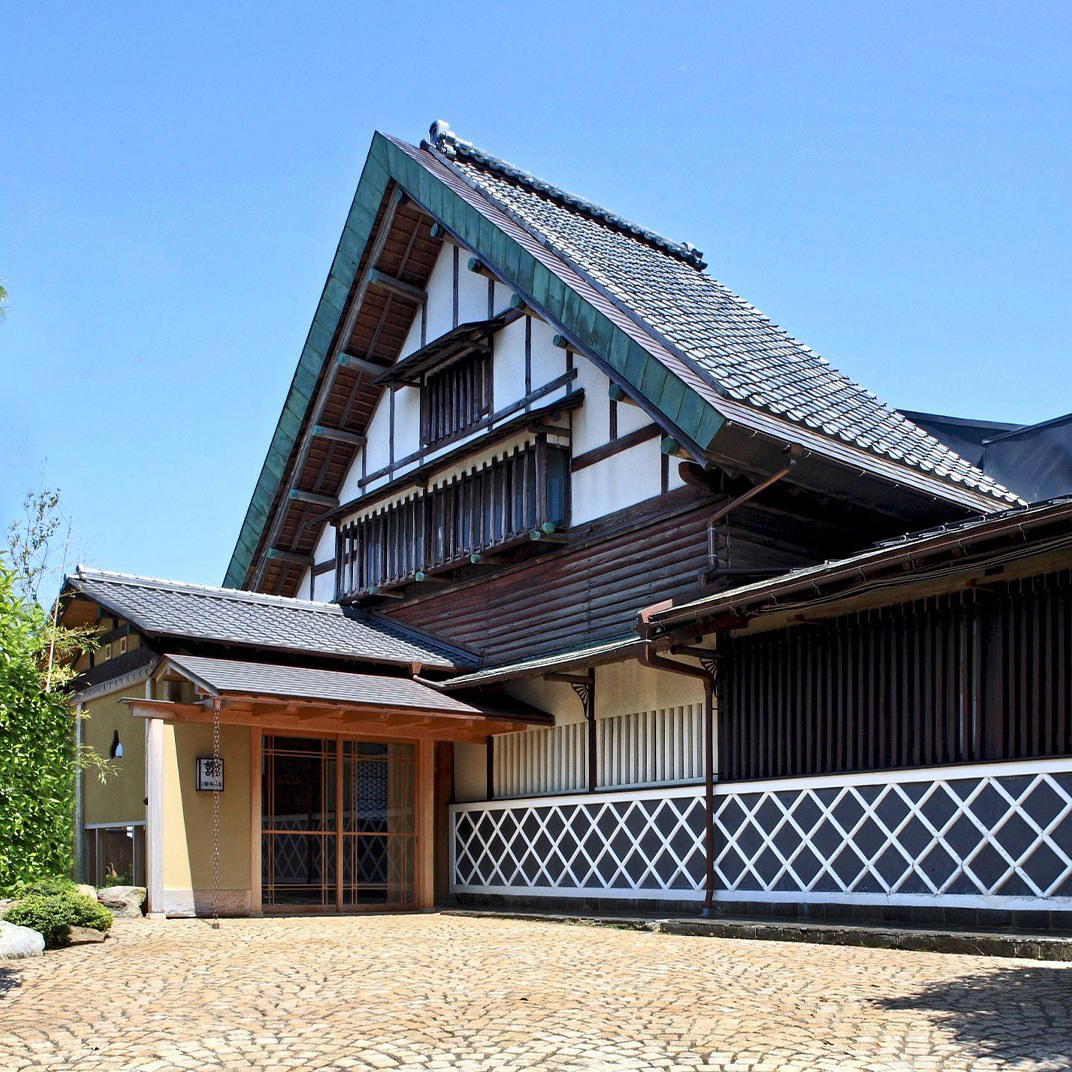
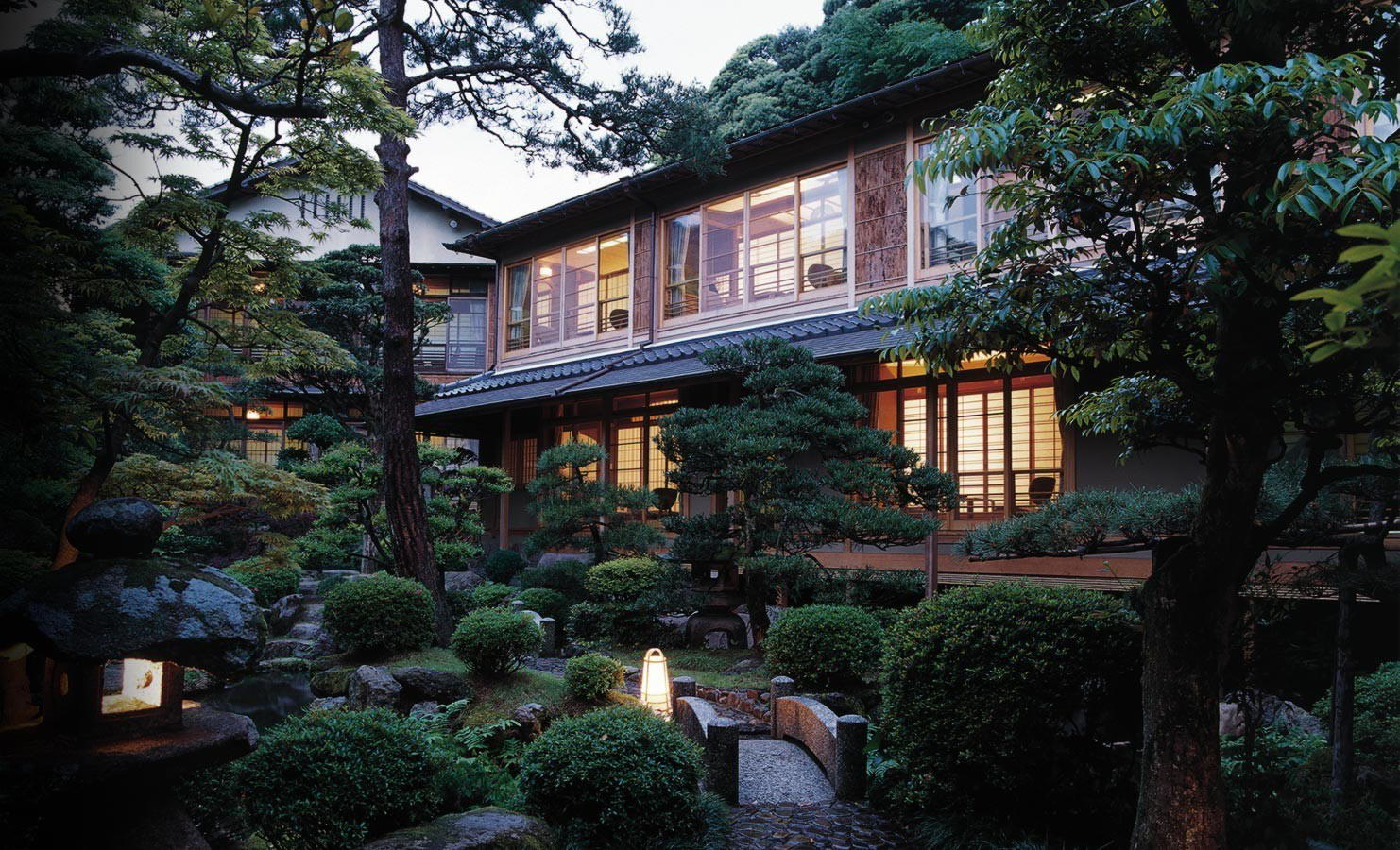
The building reinforces that split. The restaurant is described as a renovated Meiji-era town house, with tatami seating and private-room options shaping the experience around groups as much as couples. In a city where counters often dominate the premium conversation, a 64-seat house restaurant promises something different: room for families, private conversations and hot pot at the table’s centre. That practical distinction is also cultural. Nabe is social architecture as much as food.
For travellers mapping Kyoto beyond the expected circuit, Yanagimachi fits beside other category-specific addresses rather than against luxury tasting-menu rooms. Within the comparison set, Torinago occupies a similar Kyoto poultry-and-hot-pot price lane, while Menya Somie’s shows how a lower-priced noodle specialist can draw attention through focus rather than breadth. At the other end, NOMI RESTAURANT sits in a much higher innovative-Japanese bracket, making the contrast useful: Fukuchiyama chicken cooking is not trying to win the same contest.
Chicken cuisine, hot pot and the discipline of limits
The menu structure is more revealing than a long dish list. Chicken dishes, nabe and oyako-don define the core categories, with duck hot pot carrying separate reservation logic. Lunch is built around set meals, while dinner moves away from that format. At lunch, à la carte ordering is limited to fried chicken and mini salad outside the set structure. These restrictions are not quirks; they show a kitchen organizing demand around formats that suit different times of day.
That division is common in Japan but often misunderstood by visitors. Lunch can be a value-led, high-throughput expression of a restaurant’s identity, while dinner creates space for longer formats, drinks and group ordering. Yanagimachi’s price bands underline the point: lunch sits at JPY 1,000 to JPY 1,999, dinner at JPY 5,000 to JPY 5,999, with a dinner-only service charge of JPY 500 per person. The gap is not just cost; it signals a different meal.
Duck hot pot is the logistical centrepiece because it requires planning. Reservations for kamo-suki are handled through Tabelog, while seats-only and lunch set meals are handled by phone. Weekend lunch demand is specifically flagged as heavy, and walk-ins may not be accommodated when the room is full. In practice, treat this restaurant with the seriousness of a small urban counter, even though the format is more relaxed and group-friendly.
Drink context also helps place the meal. Sake, shochu and wine are offered, and the listing notes particular attention to sake. That pairing logic suits poultry and hot pot: stock, fat, egg and rice reward drinks with texture and temperature flexibility rather than loud aromatics. BYO drinks and take-out are also listed, adding a casual regional layer to a restaurant recognized in a national specialist category.
How to place it in a Kyoto itinerary
Yanagimachi is strongest for travellers who understand that Kyoto’s food culture extends past Gion, Pontocho and the hotel-concierge circuit. It is more convincing for a northern Kyoto day than as an afterthought between central temple visits. The address is about a 20-minute walk from Fukuchiyama Station or a short taxi ride, and parking is available, making it unusually approachable by regional-Japan standards.
The room also changes the audience. Children are welcome, including babies, preschoolers and school-age children, though there is no separate children’s menu. Private rooms and semi-private rooms suit families or small groups, with the caveat that seating changes after arrival are not handled casually and private rooms add a charge. For a couple, the appeal is less seclusion than watching a local chicken-cuisine format operate with enough consistency to earn category recognition.
Kyoto visitors building a broader food map can use this page as one point in a wider set rather than a standalone answer. For central-city contrast, see 3TOKU6MI Shijo karasuma ten, [ki:], Abbesses, 551蓬莱 and Aburi Mochi Honke Nemoto Kazariya. Broader planning sits in Our full Kyoto restaurants guide, with parallel city context in Our full Kyoto hotels guide, Our full Kyoto bars guide, Our full Kyoto wineries guide and Our full Kyoto experiences guide.
For readers comparing regional Japanese formats outside Kyoto, useful cross-references include -Grilled beef Sukiyaki- KAMAKURA TANUKIAN 鎌倉 たぬき庵 in Kamakura,. 鮪と炭火焼き うお炭 秋葉原店 in Tokyo,.cafe in Osaka,.know in Kumamoto, (Shoku) Vietnam in Kawasaki, [Curry Senmon Ten] Maruyama Kyoju. in Sapporo, Jōdo Saké Bar in Los Angeles and Onigiri Time in Pasadena.
The editorial case is precise: this is Kyoto by prefecture and food culture, not postcard shorthand. Yanagimachi works when the reader wants a poultry specialist with national category recognition, a town-house setting and a regional address that reshapes the meal before the first order is placed.
A Minimal
Nearby venues at a similar price tier for orientation.
| Venue | Cuisine | Price | Notes |
|---|---|---|---|
| YanagimachiThis venue — the venue you are viewing | $$ | ||
| Mentakumi Takamatsu (麺匠 たか松) | central Kyoto, Takamatsu Ramen | $$ | |
| ほしぞら | Shimogyo-ku, Korean-style Yakiniku | $$ | |
| Kichi Kichi (ザ・洋食屋 キチキチ) | $$ | Gion/Pontocho, Japanese Yoshoku (Omurice) | |
| Aitsu no Ramen Kataguruma Honten | Shimogyō, Modern Kyoto foam-style ramen | $$ | |
| aoi | Sakyō, Traditional Kyoto Obanzai | $$ |
Continue exploring
More in Kyoto
Restaurants in Kyoto
Browse all →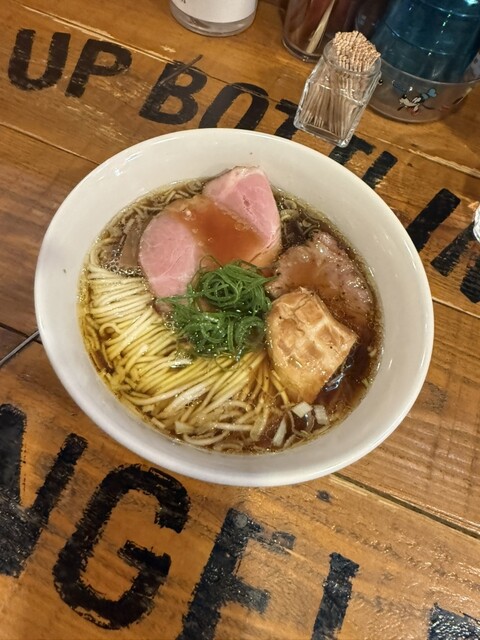
At a Glance
- Classic
- Cozy
- Hidden Gem
- Rustic
- Group Dining
- Casual Hangout
- Business Dinner
- Standalone
- Historic Building
- Sake Program
- Beer Program
- Local Sourcing
- Street Scene
Historic and understated, with a traditional machiya setting that feels local and quietly atmospheric rather than flashy.