
Akai brings Hiroshima’s creative-cuisine conversation out toward Miyajimaguchi, where the tempo feels different from the city’s denser restaurant districts. Chef Akai Kenji’s name is attached to a 2026 Opinionated About Dining Recommended listing, giving the restaurant a clear trust signal without turning it into a trophy room.
Pearl is the En Primeur Club membership app — saves, bookings, and concierge access live there. Same editors, same standards.
- Address
- 4 Chome-3-41 Miyajimaguchi, Hatsukaichi, Hiroshima 739-0411, Japan
- Phone
- +81 70-2662-1329
- Website
- pocket-concierge.jp
 Saves & bookings on Pearl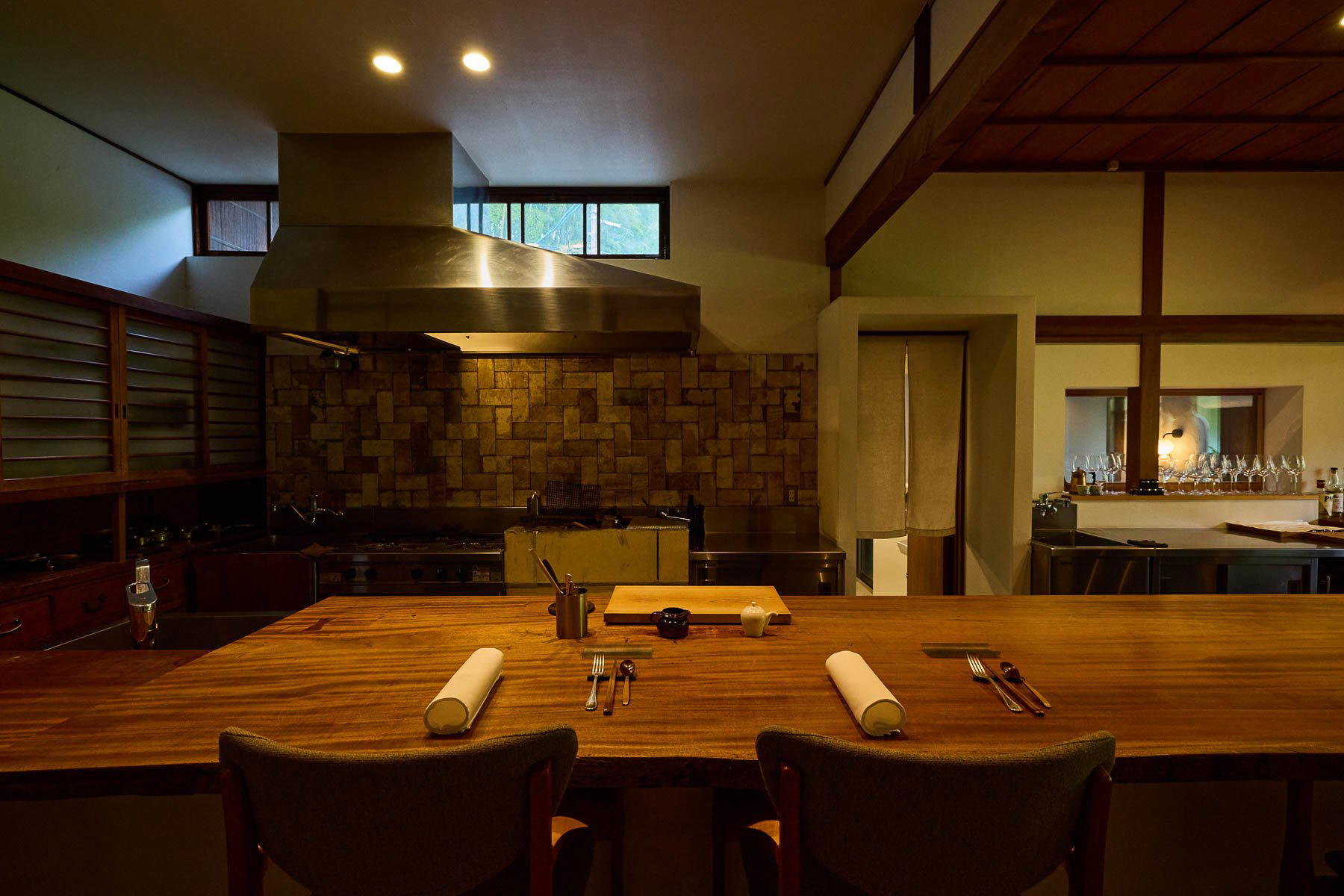
The approach to Miyajimaguchi changes the terms of a Hiroshima meal. The city’s urban appetite gives way to the ferry-gate rhythm of Hatsukaichi, where diners are already thinking about water, islands, and the slower edges of the Seto Inland Sea. In that setting, Akai reads less as a central-city dining address and more as part of a regional conversation: Hiroshima cuisine after oysters, okonomiyaki, and sake bars have had their say.
Creative cuisine in Japan can become a vague label when it is used to soften the edges between French technique, Japanese seasonality, and chef-led tasting formats. Here, the useful point is not genre fluidity for its own sake, but geography. Hiroshima’s better restaurants often work under the shadow of stronger national dining centers, so recognition matters when it points attention beyond the obvious circuits. A 2026 Recommended placement from Opinionated About Dining places Akai Kenji’s cooking inside a national list rather than a purely local footnote.
Hiroshima creative cuisine with a Miyajimaguchi frame
Hiroshima dining is not short on recognizable anchors. The city has a distinct everyday food culture, shaped by okonomiyaki counters, oyster season, local seafood, and drinking rooms that reward regulars more than trend-chasing visitors. Creative cuisine occupies a narrower lane. It asks diners to accept a chef’s sequencing, a more interpretive use of ingredients, and a meal that may not announce itself through a single regional dish.
That makes the Miyajimaguchi location relevant. The area is commonly treated as a transit point for Miyajima, but a serious restaurant there changes the calculation: dinner can belong to the coastal edge rather than the hotel-and-station core. The surrounding geography gives the meal a different mental register from a restaurant buried in a commercial district. It is not countryside dining, and it is not a downtown counter; it sits between movement and pause.
For readers mapping the city more broadly, Our full Hiroshima restaurants guide places Akai alongside other local dining styles, while Our full Hiroshima hotels guide, Our full Hiroshima bars guide, Our full Hiroshima wineries guide, and Our full Hiroshima experiences guide help separate a meal-led itinerary from a standard sightseeing loop.
Chef identity as evidence, not mythology
Chef Akai Kenji is the named figure attached to the restaurant, but the stronger editorial reading is not biographical romance. Hiroshima’s contemporary dining scene has room for chefs who translate local context without reducing it to a checklist of regional products. In creative cuisine, authorship matters because the diner is buying judgment: pacing, restraint, temperature, sequence, and the confidence to stop before a dish becomes overworked.
It does not turn the restaurant into a global trophy reservation, and it should not be read as a substitute for Michelin-style hierarchy. It does, however, signal that the restaurant has crossed the threshold from neighborhood curiosity into the wider Japan dining conversation.
That distinction matters in Hiroshima. The city’s stronger known food traditions are accessible, repeatable, and often informal; a creative-cuisine meal asks for more trust from the diner. Akai’s appeal is strongest for travelers who already understand that a Hiroshima table can be more than a regional-specialty stop. It is less suited to anyone trying to compress the city into a single representative bite.
How it fits into a Hiroshima itinerary
The decision here is partly about tempo. A meal near Miyajimaguchi makes sense when the day has already been oriented toward the bay, the island route, or the western side of the city. It is a weaker fit for a tightly packed night built around central Hiroshima bar-hopping. The practical intelligence is simple: treat the restaurant as an anchor for that side of the trip, not as an afterthought squeezed between transit legs.
Hiroshima’s dining range is wider than first-time visitors often assume. Bakery culture, Chinese cooking, specialist sweets, and chef-led restaurants all occupy different parts of the map. Within the city’s EP Club coverage, addresses such as ANDERSEN, Bishu Bikou Hamai, Butter Cake no Nagasaki Do, CHILAN, and Chinese Sai Kichijitsu show how quickly the city moves beyond a single food identity.
Seen from outside Hiroshima, Akai also belongs to a broader Asian category of chef-led creative cooking rather than a fixed regional template. That same category takes different forms elsewhere, from Locavore, Creative Cuisine in Manilla and Mecha Uma, Creative Cuisine in Manilla to smaller-format Japanese listings such as -Grilled beef Sukiyaki- KAMAKURA TANUKIAN 鎌倉 たぬき庵 in Kamakura. 鮪と炭火焼き うお炭 秋葉原店 in Tokyo.cafe in Osaka.know in Kumamoto, (Shoku) Vietnam in Kawasaki, and [Curry Senmon Ten] Maruyama Kyoju. in Sapporo. The useful comparison is not dish-for-dish, but expectation: these are meals where format and point of view carry as much weight as category.
The editorial case for Akai is strongest when Hiroshima is being treated as a dining city with multiple speeds. Central addresses cover convenience and density; Miyajimaguchi offers a more deliberate frame. For a traveler already moving toward the coast, that shift is the point.
In Context
Comparable venues nearby, for context on price, style, and recognition.
| Venue | Cuisine | Price | Notes |
|---|---|---|---|
| Akai | Not listed | $$$$ | Miyajimaguchi, Hatsukaichi, Innovative Japanese-French Omakase (“AKAI cuisine”) |
| Teppanyaki Atago | Naka, Modern Japanese Teppanyaki & Wagyu | $$$$ | Not listed |
| Chisou Sottakuito (馳走啐啄一十) | Fujimicho, Naka Ward, Kaiseki | $$$$ | Not listed |
| Wagyu lab K | Nishi, Sakakiyama Beef Yakiniku | $$$$ | Not listed |
| Eizan | Naka, Seasonal Kaiseki Omakase | $$$$ | Not listed |
| Bishu Bikou Hamai | Naka, Traditional Japanese Izakaya | $$ | Not listed |
Recognition history
Dated appearances from independent guides and award organizations, with the underlying list record or original source where available.
Opinionated About Dining Top Restaurants in Japan Recommended
Opinionated About Dining
Continue exploring
More in Hiroshima
Restaurants in Hiroshima
Browse all →
Bars in Hiroshima
Browse all →
At a Glance
- Intimate
- Cozy
- Minimalist
- Elegant
- Date Night
- Business Dinner
- Celebration
- Solo
- Chefs Counter
- Private Dining
- Design Destination
- Standalone
- Sake Program
- Extensive Wine List
- Local Sourcing
- Mountain
Current opening hours
- Monday
- 12–3 PM, 7–10 PM
- Tuesday
- 12–3 PM, 7–10 PM
- Wednesday
- 12–3 PM, 7–10 PM
- Thursday
- Closed
- Friday
- Closed
- Saturday
- 12–3 PM, 7–10 PM
- Sunday
- 12–3 PM, 7–10 PM
Hours can change for holidays and private events. Last verified .
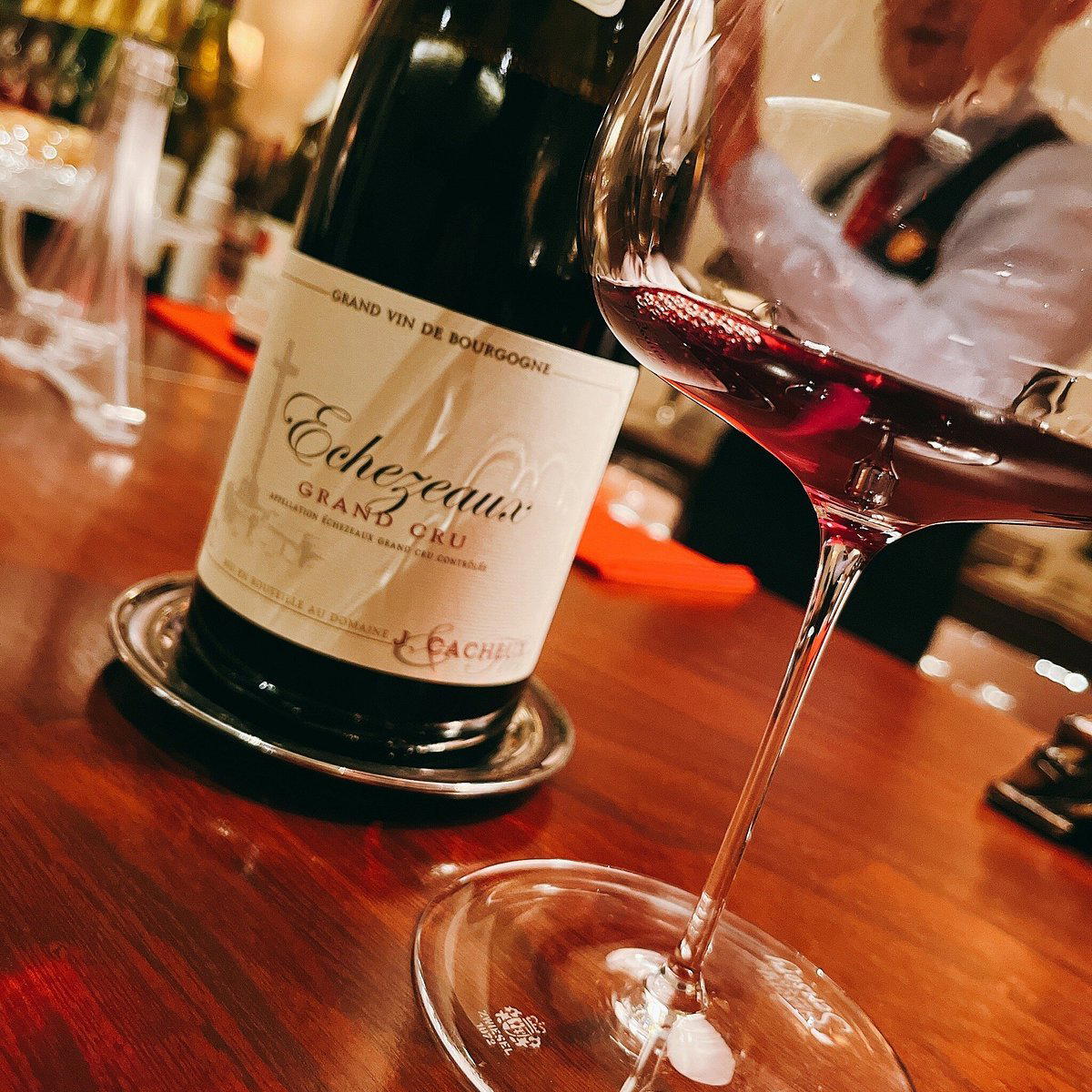
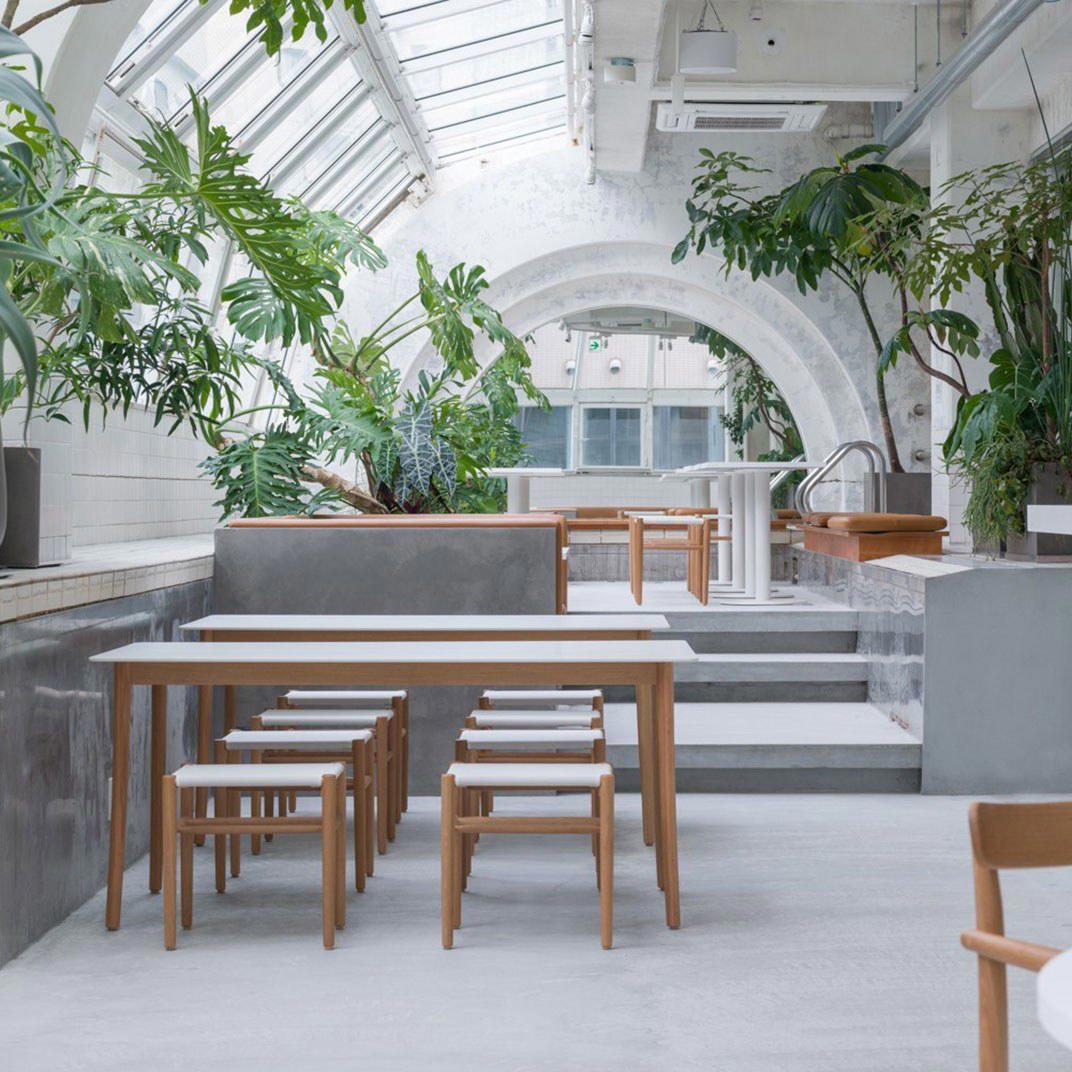
The restaurant is housed in a quiet mountainside townhouse away from tourist areas, with a minimalist, distraction-free interior and just eight seats, creating a tranquil, almost hushed atmosphere focused entirely on the food and its presentation.