Ichijoin sits within Wakayama's quieter, more contemplative dining register, where the pace and structure of the meal carry as much meaning as what arrives on the plate. The setting and service etiquette follow the kind of deliberate ritual that distinguishes this tier of Japanese dining from its noisier urban counterparts. Visitors to the region's refined end will find Ichijoin a considered entry point into Wakayama's serious table.
Pearl is the En Primeur Club membership app — saves, bookings, and concierge access live there. Same editors, same standards.
- Address
- Wakayama, Japan
- Directions
- Get directions
 Saves & bookings on Pearl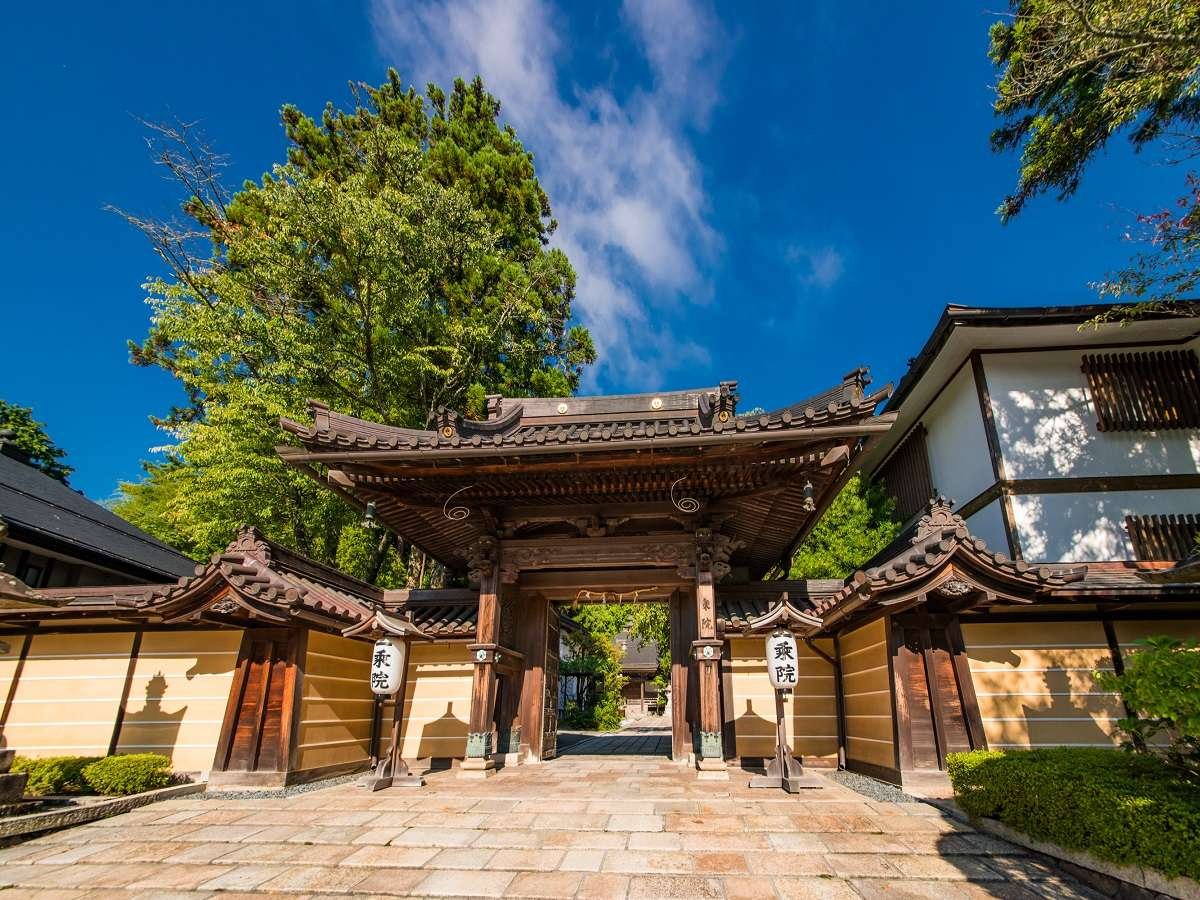
The Ritual Before the First Course
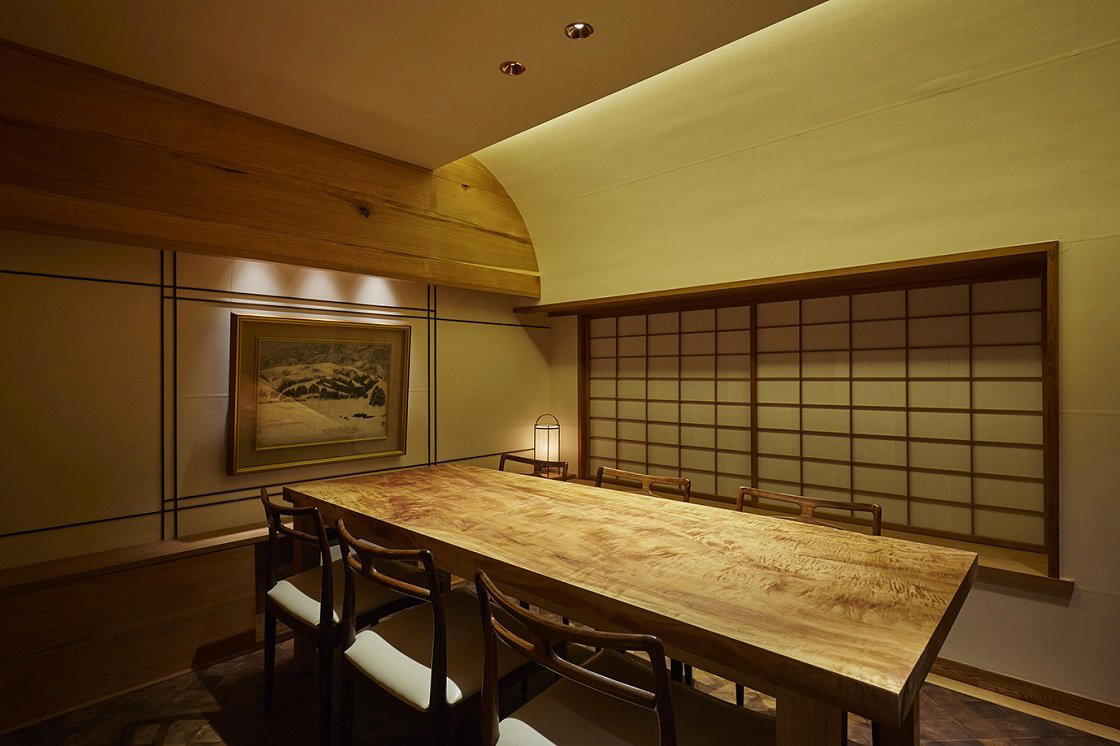
There is a particular kind of silence that precedes a serious meal in Japan. Not the silence of an empty room, but the silence of a space that has been prepared, calibrated, and made ready with the assumption that whoever sits down deserves the full attention of everyone in it. That quality of preparedness is what orients the upper tier of Japanese dining, and Ichijoin in Wakayama belongs to a tradition where the architecture of the meal, its pacing, its sequence, and its small ceremonies of service communicate as fluently as the food itself.
Wakayama rarely appears on the same circuit as Osaka, Kyoto, or Tokyo when serious dining conversations happen in English-language media. That relative obscurity is, in part, structural: the city sits 60 to 90 minutes south of Osaka by limited express, outside the triangular premium corridor that pulls most inbound attention. But that distance from the spotlight has allowed a category of local dining to develop on its own terms, without the pressure to perform for international critics or win awards that validate for export. Ichijoin operates in that register.
A City That Cooks for Itself
Wakayama's food culture divides cleanly into two tiers that rarely overlap. The street-level tier is ramen, and it is serious: Ideshouten Ramen and Chuka Soba Hayami represent the Wakayama shoyu-tonkotsu style that has its own regional identity, distinct from Hakata or Tokyo's conventions, and Noodles Dining Tsukinoya offers another vantage on how the city's noodle culture has evolved. The refined tier, to which Ichijoin belongs, is quieter and less documented. Venues in this bracket draw from the same culinary logic that governs kaiseki in Kyoto or omakase in Ginza, but they express it for a local clientele that values restraint and familiarity over novelty.
Japan's most precisely ritualised dining formats, kaiseki in particular, were never designed as spectacles for strangers. They were designed as hospitality for guests who already understand the grammar. At Ichijoin, the assumption running beneath the service is that the guest knows to arrive on time, to eat at the pace the kitchen sets, and to read each element of the setting as intentional rather than decorative.
The Grammar of a Japanese Formal Meal
The dining ritual that structures this tier of Japanese hospitality has its own vocabulary. The sequence of courses, the temperature of what arrives, the ceramics chosen for each element, the timing between service moments: none of it is accidental. At comparable rooms across Kansai, the geography of a kaiseki progression moves from light to rich, from raw to cooked, from individual portions to shared elements and back again. The same grammar applies at this level in Wakayama.
For reference, venues operating at the formal end of Kansai's dining register include Gion Sasaki in Kyoto and HAJIME in Osaka. Ichijoin shares the underlying discipline: the meal is a sequence, not a collection of dishes, and the service knows the difference.
Further afield, the formal tasting counter format at places like Harutaka in Tokyo or akordu in Nara illustrates how the same commitment to ritual and pacing translates across different cuisines and formats. Even beyond Japan, that structural seriousness appears in rooms as different as Le Bernardin in New York City and Atomix in New York City, both of which treat the sequence of service as a load-bearing element of the meal rather than a backdrop to it.
Reading the Room: Etiquette as Intelligence
First-time visitors to this tier of Japanese dining sometimes misread restraint as distance. The absence of showmanship, the measured explanations, the space between courses: these are signals of respect, not indifference. At a venue like Ichijoin, the room's quietness is not a problem to be solved with background music or tableside theatre. It is the condition under which the food is presented.
Practical preparation matters here. Arriving a few minutes early, confirming any dietary restrictions well in advance of the booking, and declining to photograph every course mid-service are all conventions that experienced diners at this level observe without prompting. The kitchen's rhythm is not designed around interruption. For visitors less familiar with formal Japanese service, those small calibrations make the difference between watching a meal and participating in one.
Seasonality is also structural rather than decorative at this level. Japanese formal cuisine is among the more calendar-sensitive in the world: ingredients, ceramic choices, decorative elements, and even the style of lacquerware in use shift with the season. Visiting in autumn versus spring means eating a meaningfully different meal, not just a variation on a fixed menu.
Wakayama's Quieter End of the Table
Wakayama draws visitors primarily for Koyasan, the Kumano Kodo pilgrimage routes, and the coastline south toward Shirahama, none of which are dining destinations in the conventional sense. The city's restaurant culture benefits from that misalignment: it remains calibrated for residents and regional visitors rather than for inbound tourism. Nakakooriten Kakigori and Hotel de Yoshino, which operates a French kitchen in a city not typically associated with European cuisine, are both evidence of a local dining culture comfortable with precision and craft across formats.
For visitors constructing a Kansai itinerary with serious eating as a priority, Wakayama functions as a day trip or overnight extension from Osaka rather than a standalone destination. The limited express from Namba or Tennoji stations puts the city well within range for lunch or dinner, with last trains returning late enough to accommodate a full formal meal. Those combining the Kumano Kodo with a dining detour will find the pacing of Ichijoin's meal format a natural complement to the deliberate, unhurried logic of the pilgrimage route itself.
Comparable venues in Japan's secondary and tertiary cities, places like Goh in Fukuoka or venues further afield such as a formal counter in Nanao or a ryotei-adjacent room in Nishikawa Machi, demonstrate that precision dining in Japan is not geographically confined to Tokyo or Kyoto. Wakayama follows that pattern. For a broader orientation to what the city offers across price points and formats, our full Wakayama restaurants guide maps the range.
Planning Your Visit
Visitors are advised to confirm hours, booking requirements, and menu format directly before planning around it. Formal dining rooms at this level in Japan typically require advance reservations. Arriving without a booking at venues in this tier is rarely viable. Japanese-language booking channels may be one reliable route; hotel concierge services in Osaka can assist.
Style and Standing
Comparable venues nearby, for context on price, style, and recognition.
| Venue | Cuisine | Price | Notes |
|---|---|---|---|
| IchijoinThis venue — the venue you are viewing | Shojin Ryori (Buddhist Vegetarian) | $$$$ | Not listed |
| Aji Ichi | Yoshoku tonkatsu & curry | $ | Wakayamashi Station area |
| Shintaro | Charcoal-Grilled Yakitori Kappo with Wine Pairing | $$$ | Ota, Wakayama City |
| Tonkatsu So Fujimaru | Casual Tonkatsu & Yoshoku | $ | Wakayama (central business district) |
| Ide Shoten (井出商店) | Traditional Wakayama Ramen | $$ | Tanakamachi |
| Sushi Gishin | Sushi Omakase | $$$ | Hatayashiki Higashinocho |






At a Glance
- Quiet
- Serene
- Historic
- Intimate
- Elegant
- Special Occasion
- Historic Building
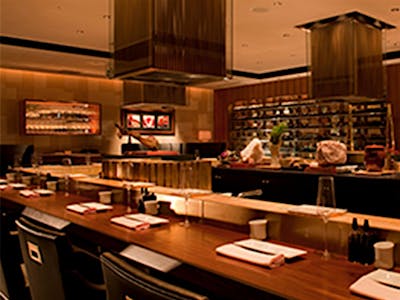
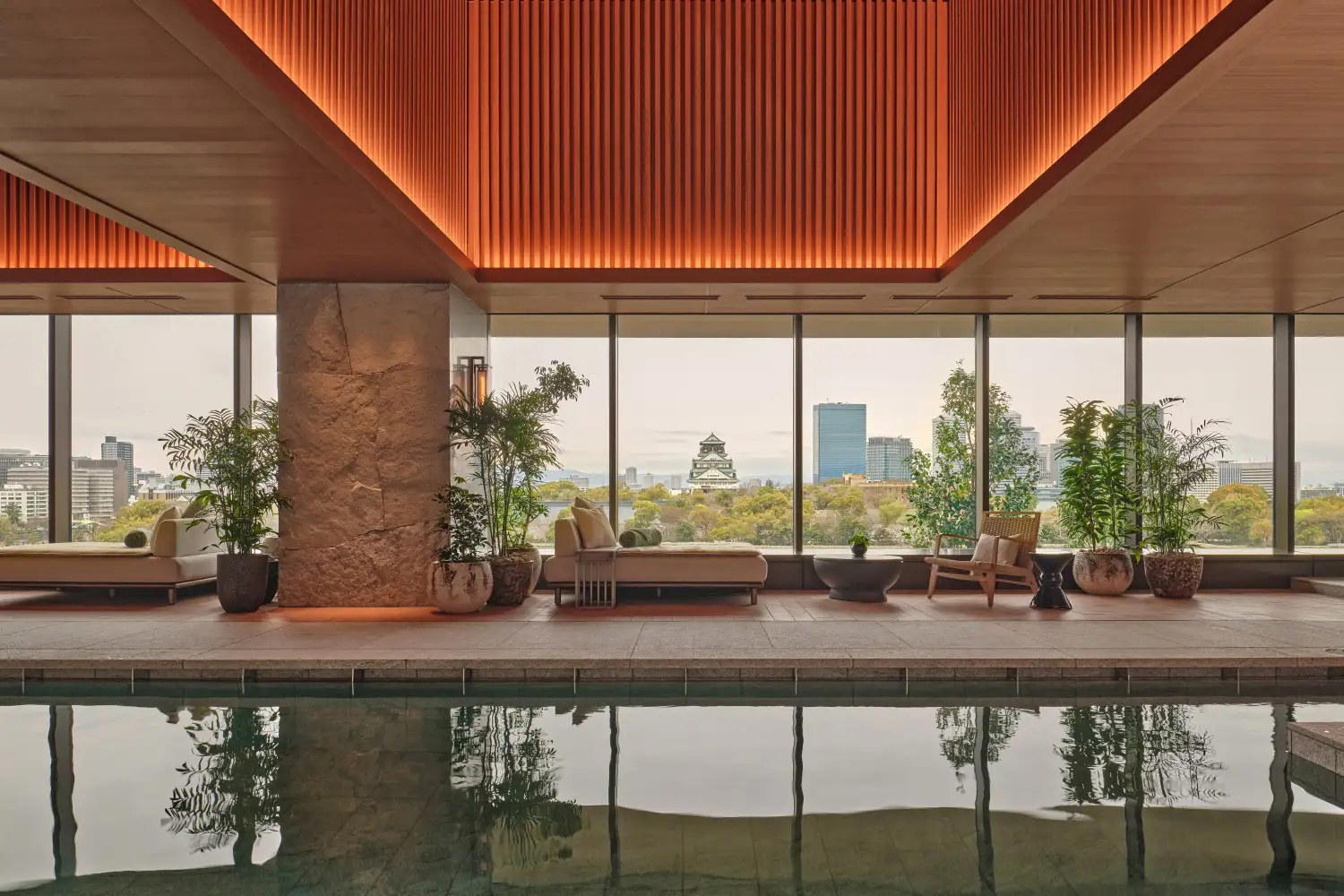
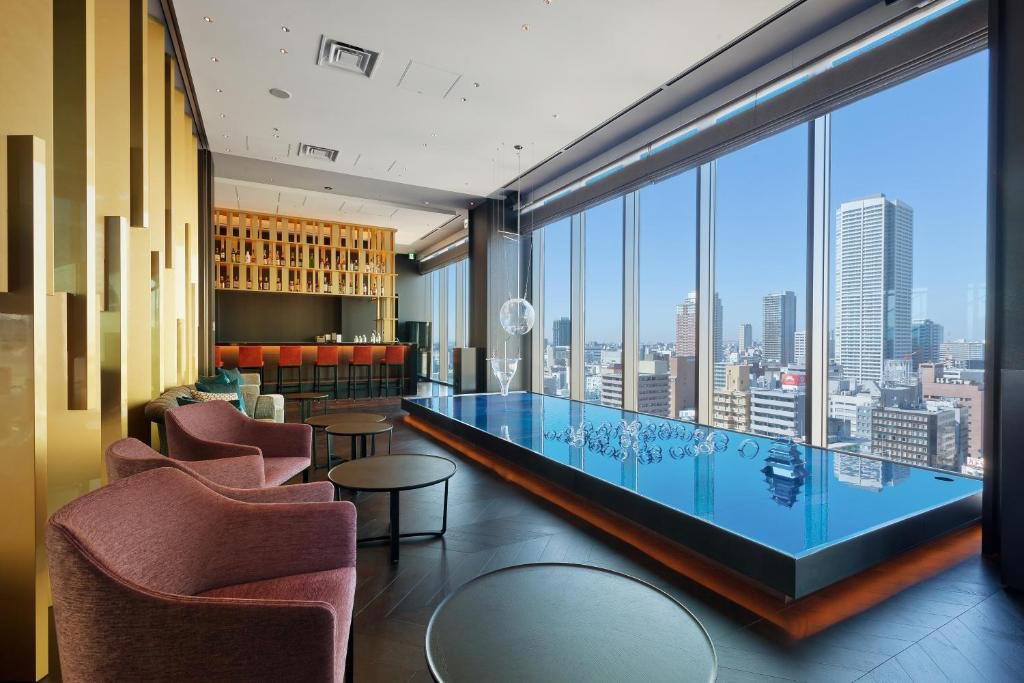
Serene and spiritual atmosphere with traditional Japanese temple setting and tranquil spaces.