
A Michelin-starred kaiseki counter in Nishiazabu where ryotei training from Gifu meets a deliberate rejection of convention. The kitchen sends out seasonal croquettes stuffed with hair crab or porcini, char-grilled meat and fish, and game, winter duck, Asian black bear, sourced directly from hunters in Gifu Prefecture. Definitely Japanese cuisine, yet free of the orthodoxies that define most rooms at this price tier.
Pearl is the En Primeur Club membership app — saves, bookings, and concierge access live there. Same editors, same standards.
- Address
- Japan, 〒106-0031 Tokyo, Minato City, Nishiazabu, 1 Chome−4−23 CORE西麻布 1階
- Phone
- +81 3-6459-2833
- Website
- nishiazabu-otake.com
- Directions
- Get directions
 Saves & bookings on Pearl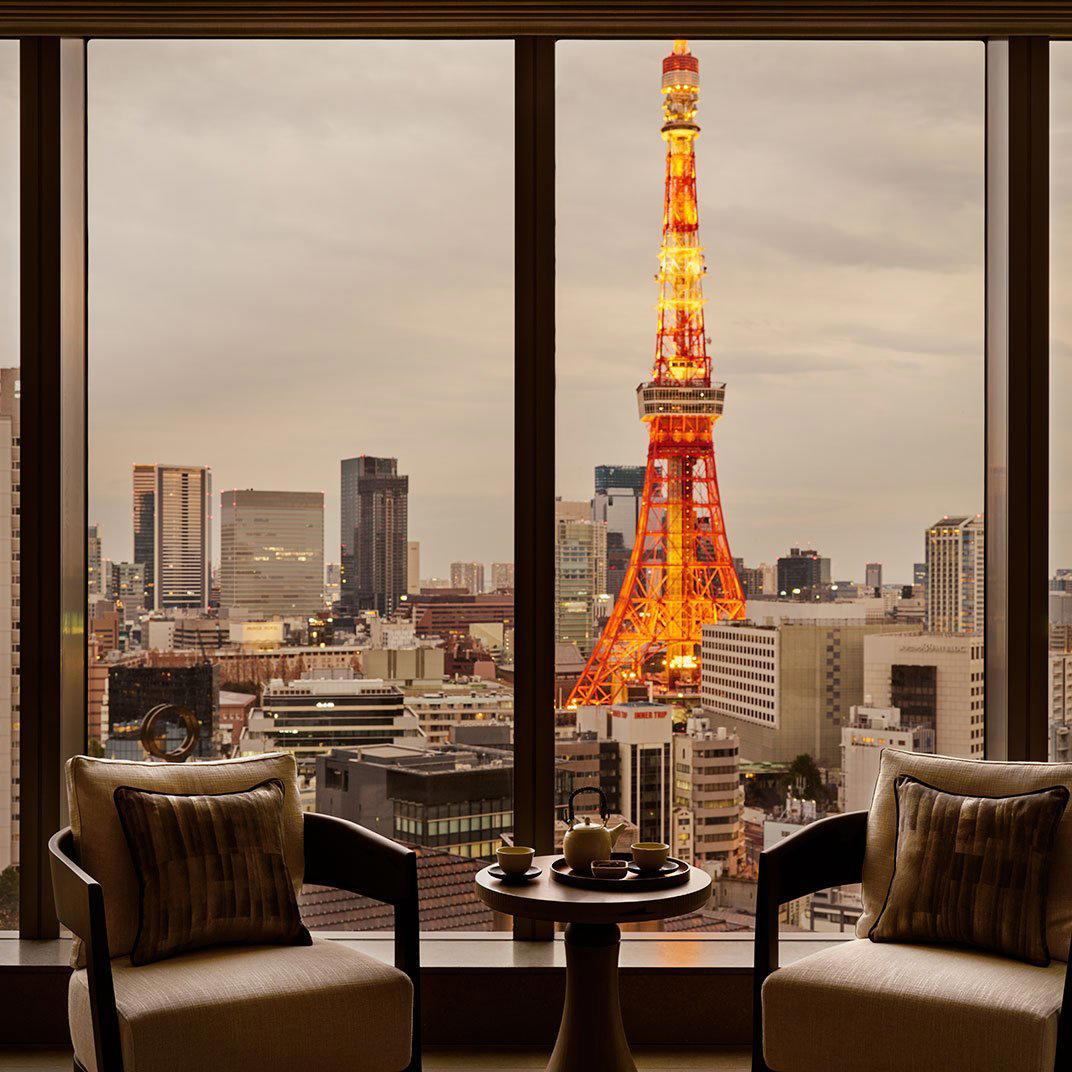
Where Ryotei Discipline Meets a Hunter's Larder
Tokyo's kaiseki tier has, over the past decade, sorted itself into a fairly legible hierarchy. At one end sit the austere multi-course rooms where every gesture, the fold of a cloth, the temperature of a bowl, is governed by centuries of codified ritual. At the other, a smaller cohort of Michelin-starred kitchens applies that same ryotei discipline but works against convention deliberately, treating the training as a foundation rather than a ceiling. Nishiazabu Otake is a one-star restaurant in Tokyo serving Modern Kaiseki Omakase, with a price of about $140 per person.Nishiazabu Otake occupies that second category, and it does so with more specificity than most.
The kitchen's philosophical grounding comes from a traditional high-end ryotei in Gifu Prefecture, a region whose mountainous geography produces ingredients, freshwater fish, wild game, foraged produce, that rarely reach Tokyo's more formal dining rooms. That provenance shapes the menu in ways that move it well outside standard kaiseki expectations. Croquettes appear as a recurring motif, stuffed with hair crab in spring and porcini mushrooms in autumn, their form deliberately populist but their execution seasonal and precise. Char-grilled preparations cover both meat and fish, adding textural register to a meal that could otherwise lean too heavily on delicacy. And then there is the game: winter duck and Asian black bear, sent directly from hunters in Gifu, ingredients that appear on almost no other Michelin-starred menu in the city.
The Supply Chain as Editorial Statement
In kaiseki, sourcing is rarely a surprise, most rooms at this tier work with the same network of trusted brokers and seasonal suppliers that feed a dozen comparable kitchens. What distinguishes Nishiazabu Otake is a direct relationship with hunters rather than wholesalers, a logistical fact with real culinary consequences. Wild game sourced this way arrives with variability: different fat content across seasons, flavour profiles that shift with the animal's diet and territory. A kitchen that commits to this model is committing to adaptation rather than standardisation, and that orientation filters through the rest of the menu.
The phrase the kitchen associates with its output, cuisine that lingers in the soul, is easy to read as marketing language, but it points at something structural. Ryotei cooking at its most traditional is less about wow moments than about a cumulative emotional register, a meal that builds feeling rather than spectacle. Nishiazabu Otake holds that ambition while refusing the conservatism that sometimes accompanies it. The croquettes are a useful signal: a comfort-food form executed with kaiseki-grade seasonal rigour is the kind of synthesis that takes real confidence to put on a serious tasting menu.
How the Room Operates
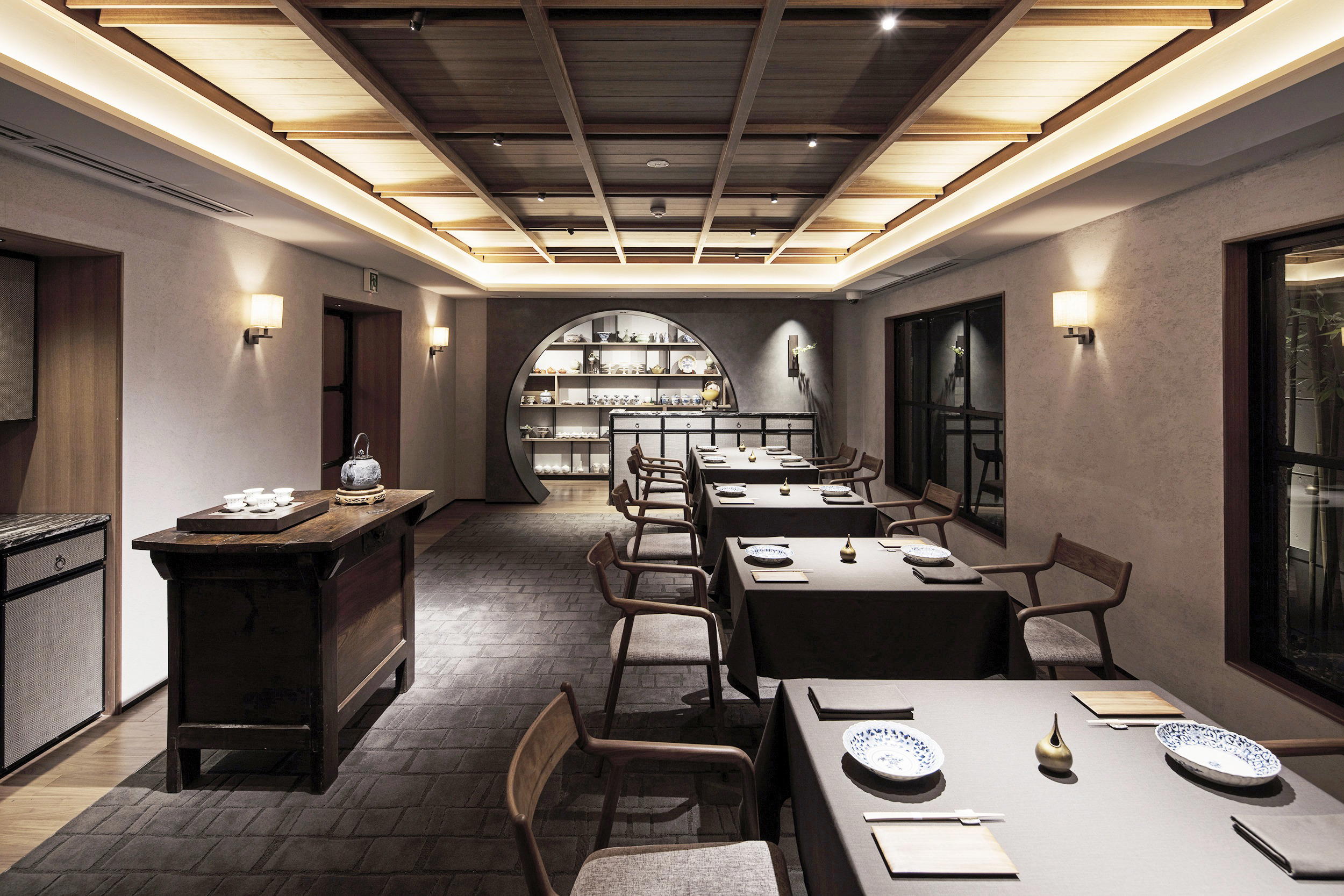
The address places the restaurant inside the CORE Nishiazabu building in Minato City, a neighbourhood whose dining identity is shaped by proximity to Roppongi's international density and Azabu's quieter old-money residential character. The combination draws a clientele that skews cosmopolitan without being tourist-driven, and the room reflects that: formal enough to signal the one-star status Michelin awarded in 2024, but not so rigidly ceremonial that the unconventional menu feels incongruous.
In rooms like this, the collaboration between kitchen, floor, and, where applicable, wine or sake service determines whether the unconventional elements of a menu land or simply puzzle. The front-of-house role in a kaiseki room running game and seasonal croquettes alongside more traditional preparations is to bridge the conceptual gap for guests who arrive expecting the familiar arc of a standard high-end Japanese meal. That contextualisation, explaining the Gifu hunter supply chain, framing the croquette as a seasonal gesture rather than an aberration, is as much part of the experience as the food itself. At, the room is evidently managing that communication effectively.
Placing It Among Tokyo's One-Star Japanese Rooms
Tokyo carries more Michelin stars than any other city, and its one-star Japanese category is correspondingly dense. Within that field, the restaurants that hold interest over time tend to be those with a clear and specific identity that cannot easily be replicated. Myojaku and Azabu Kadowaki occupy different positions within the Japanese fine dining register; Kagurazaka Ishikawa and Ginza Fukuju represent the more classically structured end of the kaiseki spectrum. The restaurant's distinguishing marker, the Gifu game supply, the deliberate conventionality-breaking, places it in a narrower comparable set of kitchens where the identity proposition is tied to a specific regional or philosophical stance rather than to technical mastery alone.
For reference points elsewhere in Japan, the tension between deep tradition and structural innovation shows up in different forms at Gion Sasaki in Kyoto and HAJIME in Osaka. The approach at the restaurant is less technically maximalist than either, but the underlying question, how far can you push against a form before it becomes something else, is the same.
Seasonality and Timing
The menu's seasonal architecture means the experience changes materially by quarter. The spring hair crab croquette and the autumn porcini version are not minor garnish variations; they signal genuine reformulation of a signature dish around what is available and at peak quality. The game component adds a further seasonal layer: winter duck and bear arrive in cold-weather months, shifting the overall register of the meal toward heavier, more strong preparations. A visit in late autumn captures both the porcini croquette and the arrival of game season, which makes October and November one compositionally complete window. Spring visits offer a different balance, lighter, more delicate, anchored by the hair crab preparation.
Parallel options worth considering alongside a Tokyo itinerary include Jingumae Higuchi for seasonal Japanese cooking in a different neighbourhood register, and further afield, Isshisoden Nakamura in Kyoto and Kashiwaya Osaka Senriyama in Osaka for kaiseki rooted in their respective cities' traditions.
Know Before You Go
- Address: 1 Chome-4-23 CORE Nishiazabu 1F, Nishiazabu, Minato City, Tokyo 106-0031
- Cuisine: Japanese (ryotei-rooted, game-inclusive)
- Price range: ¥¥¥¥
- Awards: Michelin 1 Star (2024) 6 (100 reviews)
- Booking: Reservation essential
- Leading season: Late autumn (October–November) for porcini croquette and the start of game season; spring for hair crab preparations
What to Order at Nishiazabu Otake
What's the leading thing to order at Nishiazabu Otake?
The menu at the restaurant is structured as a multi-course tasting progression rather than an à la carte selection, so the question is less about individual dishes than about timing your visit around the seasonal signatures. The croquettes are one discussed preparation in the room: hair crab in spring and porcini mushrooms in autumn, both executed with the kind of seasonal precision the Michelin one-star (2024) recognition affirms. The game courses, winter duck and Asian black bear sourced from hunters in Gifu Prefecture, appear in cold-weather months and represent especially distinctive element among the kitchen's identity; no comparable ingredient appears regularly on other starred menus in Tokyo. If you have flexibility on visit timing, late autumn gives you access to both the porcini croquette and the opening of game season, which is one compositionally concentrated version of what the kitchen does. The char-grilled preparations covering both meat and fish run across seasons and function as the structural backbone of the meal's textural range.
How It Stacks Up
Comparable venues nearby, for context on price, style, and recognition.
| Venue | Cuisine | Price | Awards | Notes |
|---|---|---|---|---|
| Nishiazabu OtakeThis venue — the venue you are viewing | Modern Kaiseki Omakase | $$$$ | Michelin 1 Star | Not listed |
| Nogizaka Shin | Modern Kaiseki with Wine Pairings | $$$$ | Michelin 1 Star | Minato |
| Kabi | Modern Japanese Fermentation Fine Dining | $$$$ | Michelin 1 Star | Meguro |
| Sushi Masashi | Edomae Sushi Omakase | $$$$ | Michelin 1 Star | Minato |
| Nishiazabutaku | Modern Japanese Omakase | $$$$ | Michelin 1 Star | Minato |
| TEN-MASA | Tempura Kaiseki | $$$$ | Michelin 1 Star | Meguro |
Recognition history
Dated appearances from independent guides and award organizations, with the underlying list record or original source where available.
Michelin Plate
Michelin
Michelin 1 Star
Michelin










At a Glance
- Elegant
- Intimate
- Sophisticated
- Cozy
- Date Night
- Special Occasion
- Chefs Counter
- Sake Program
- Local Sourcing
Current opening hours
- Monday
- 6–11 PM
- Tuesday
- 6–11 PM
- Wednesday
- Closed
- Thursday
- 6–11 PM
- Friday
- 12–2:30 PM, 6–11 PM
- Saturday
- 12–2:30 PM, 6–11 PM
- Sunday
- 12–2:30 PM, 6–10 PM
Hours can change for holidays and private events. Last verified .
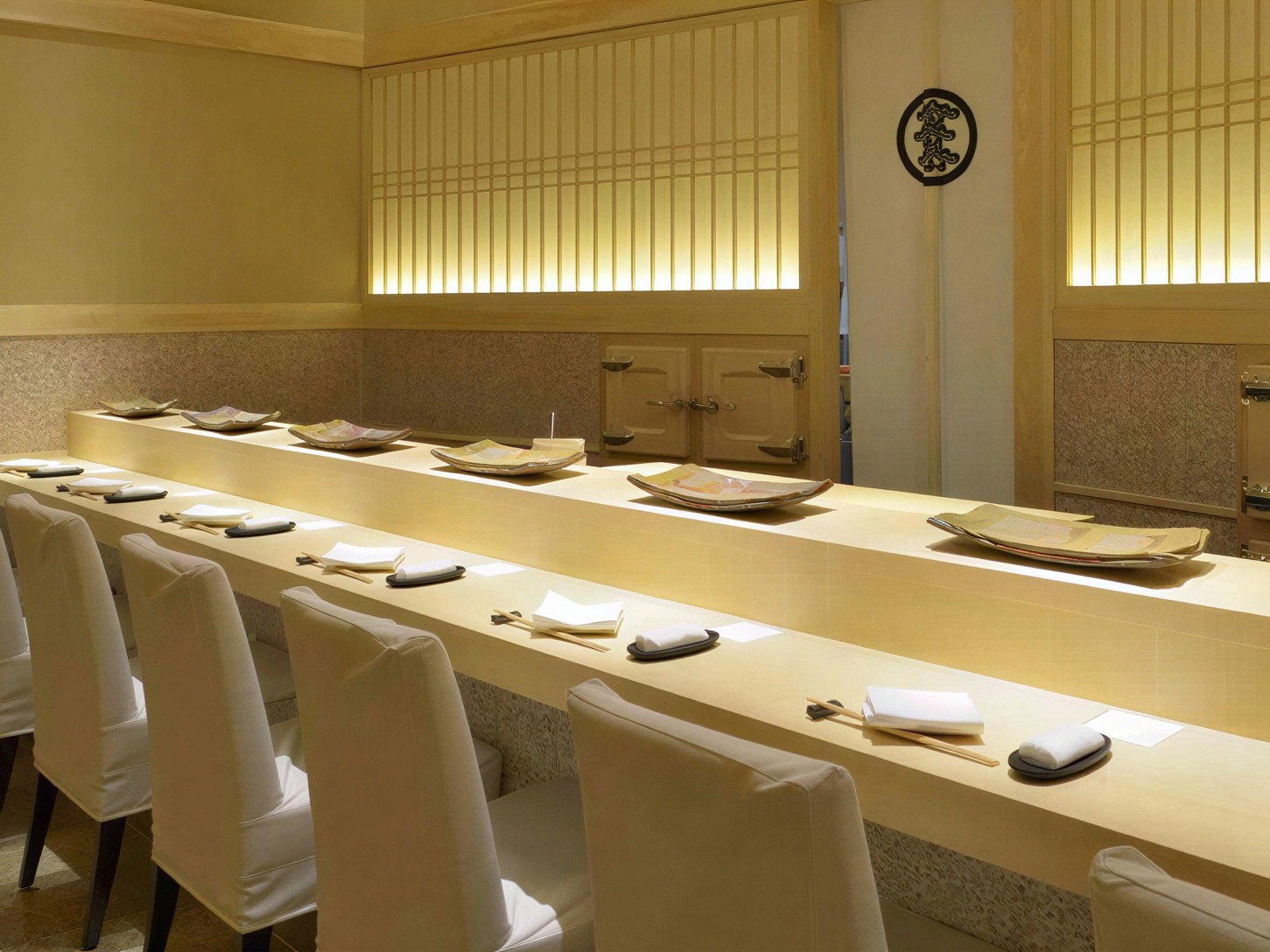
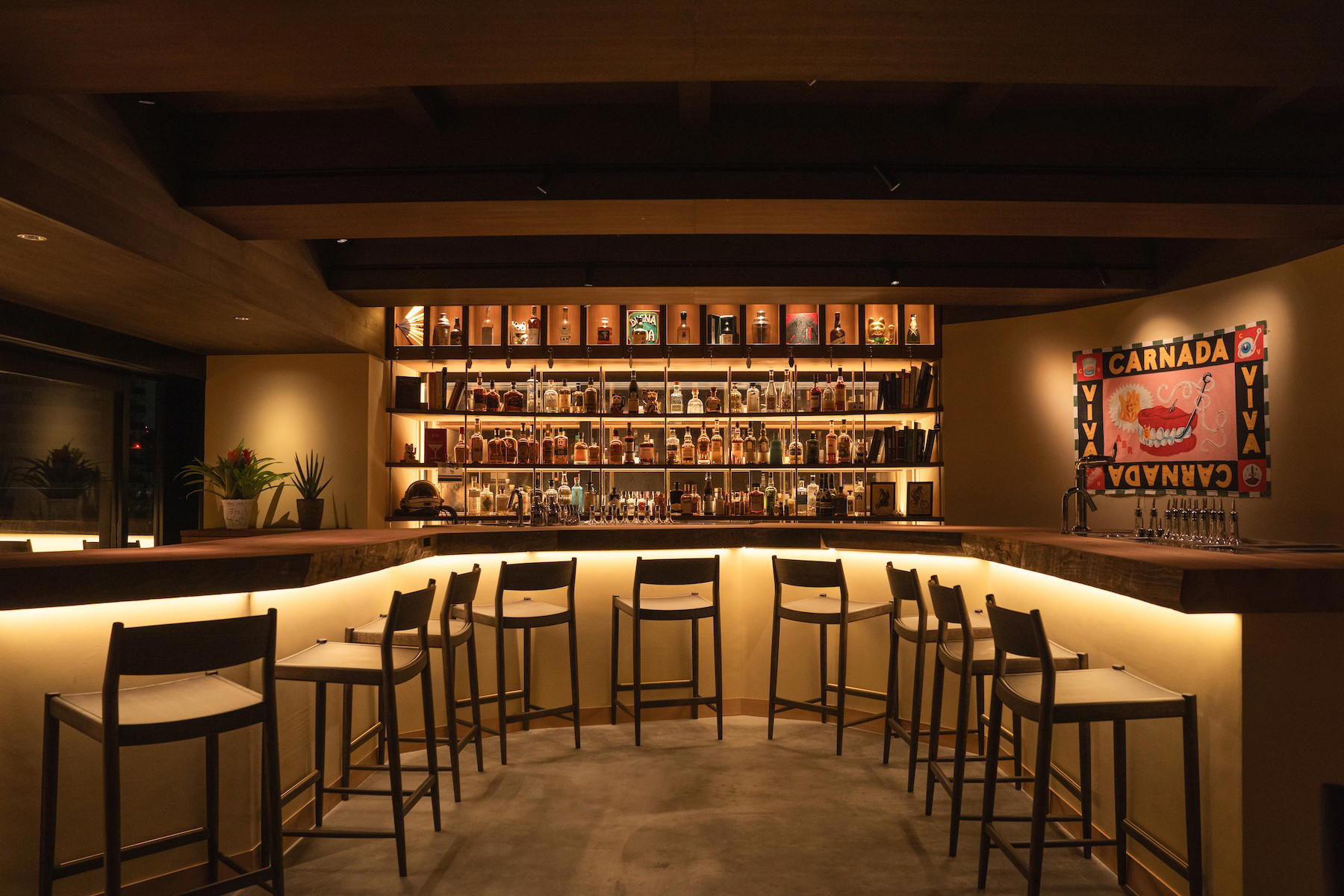
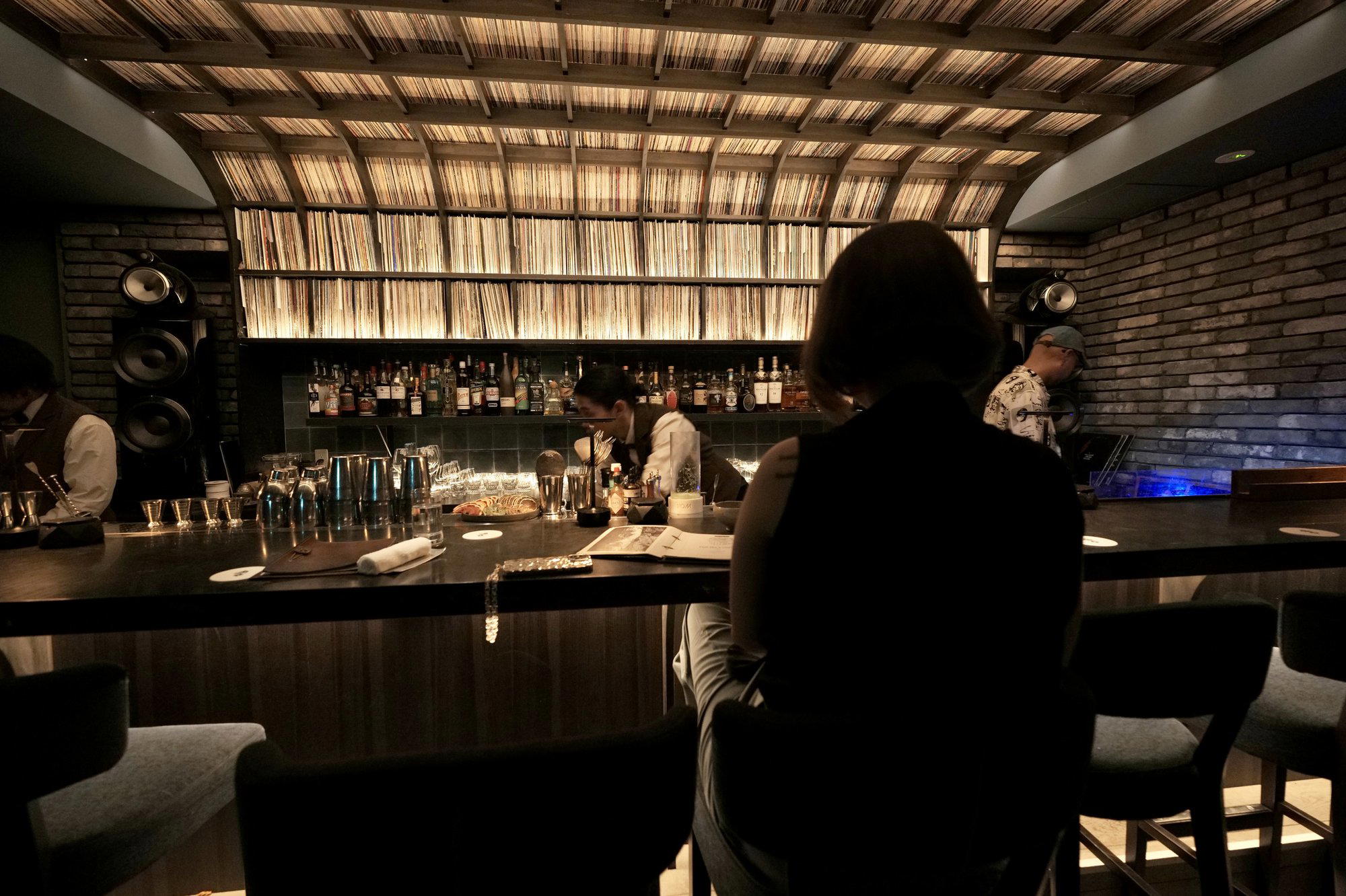
Intimate counter seating for 8 with a glimpse into the kitchen, offering a relaxing and stylish space focused on seasonal Japanese artistry.