Nihonbashi is one of Tokyo's oldest commercial districts, a neighbourhood where Edo-period merchant culture and contemporary finance coexist in the shadow of an refined expressway. The area rewards those who look past the infrastructure to find the layered dining and cultural history that defines central Tokyo at its most historically grounded.
Pearl is the En Primeur Club membership app — saves, bookings, and concierge access live there. Same editors, same standards.
- Address
- Chuo City, Tokyo 103-0027, Japan
- Phone
- +81 3 3271 3436
- Website
- nihonbashi-yukari.com
- Directions
- Get directions
 Saves & bookings on Pearl
Where Edo Meets the Expressway
There is a particular kind of dissonance in Nihonbashi that no amount of urban redevelopment has resolved. The neighbourhood sits at the literal and symbolic centre of Japan's road network: every national highway distance is measured from the stone bridge here, a cartographic convention that dates to the Tokugawa shogunate's early seventeenth-century grip on the city then called Edo. Above that bridge runs a concrete expressway, built in haste for the 1964 Olympics, which casts a permanent shadow over the water below. The tension between these two facts, ancient meridian, brutalist overhang, tells you most of what you need to know about Nihonbashi's character. It is a district that carries extraordinary historical weight while absorbing the pragmatic decisions of successive generations who did not always treat that weight with care.
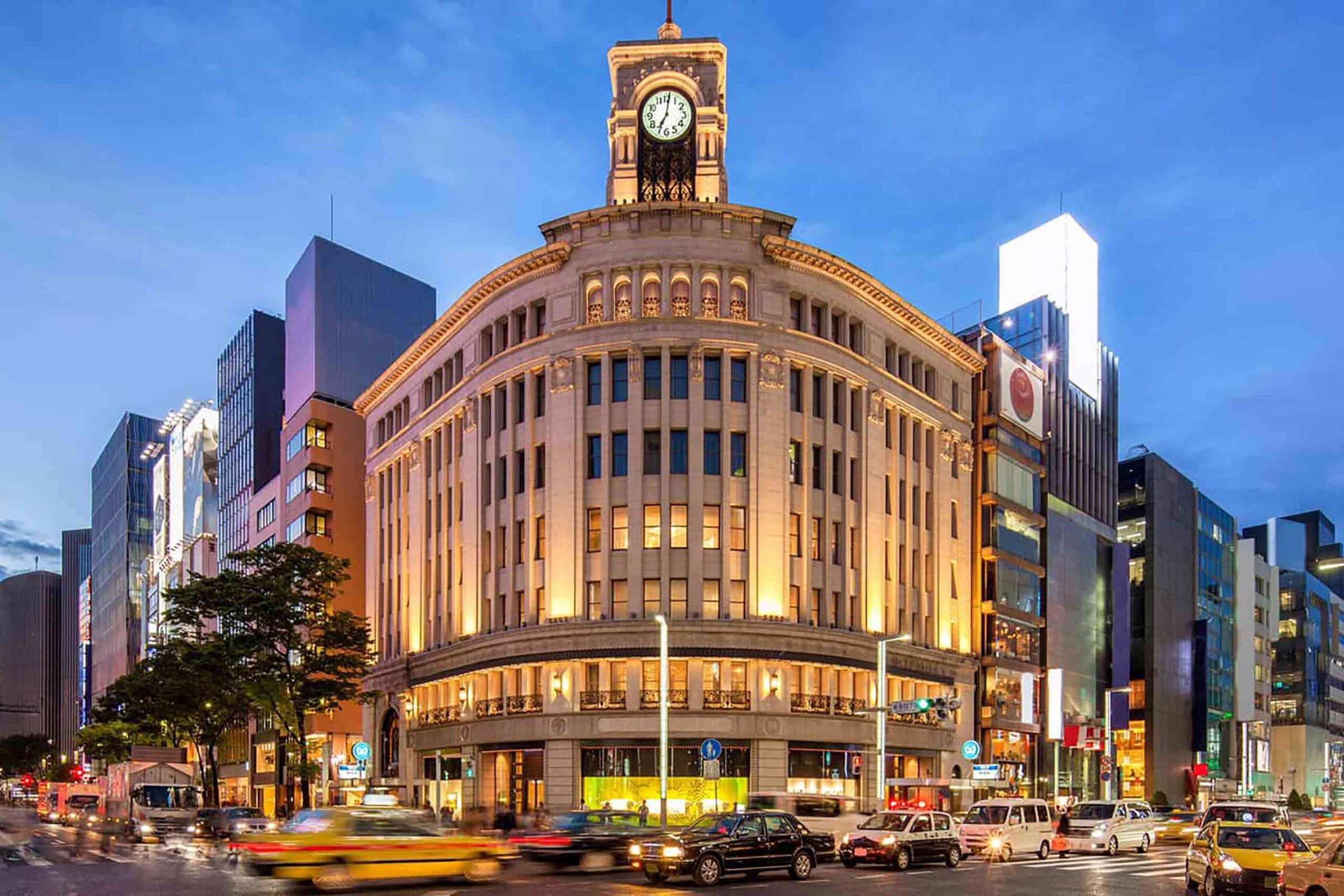
The area falls within Chuo City, Tokyo's commercial core, and the street grid reflects centuries of merchant activity. Mitsukoshi, one of Japan's oldest department stores, has anchored a corner here since 1673 in its earliest form. The district's dining culture grew from that same merchant logic: food as transaction, as hospitality, as civic performance. That foundation makes Nihonbashi meaningfully different from Ginza's trophy-restaurant circuit to the south or Marunouchi's corporate lunch economy to the west. Dining here has historically been about feeding people who work seriously and eat seriously, a distinction that still shapes which restaurants take root and which do not.
The Culinary Tradition Underneath the Surface
Central Tokyo's dining scene is often discussed in terms of its Michelin density, and Nihonbashi contributes to that count, but the more interesting frame is the long history of specialist food culture in this part of the city. The shitamachi tradition, low city, as opposed to the hilly Yamanote uplands, produced a pragmatic, craft-oriented approach to food that prized precision over showmanship. Edomae cooking, the predecessor to what the world now recognises as Tokyo-style sushi, originated in and around this district, drawing on the proximity to Tokyo Bay before industrial reclamation pushed the water's edge further away.
That lineage matters when reading the contemporary restaurant map. Restaurants operating in Nihonbashi today inherit, whether consciously or not, a neighbourhood expectation that craft should be visible and that excess should be earned. The comparable set within this district leans toward long-established houses and specialist counters rather than the high-concept experimental formats more common in Shinjuku or Shibuya. For comparison, the high-commitment omakase tier visible at venues like Harutaka in nearby areas represents one pole of Tokyo's sushi spectrum; Nihonbashi tends to hold the middle ground where craft and accessibility coexist at slightly less stratospheric price points, though the neighbourhood supports both.
Nihonbashi in Tokyo's Broader Dining Circuit
Tokyo's dining geography rewards those who think in neighbourhoods rather than individual names. Nihonbashi sits within a cluster of central districts that together form one historically dense dining zone in the city. Marunouchi handles the business lunch in its glass towers. Ginza manages the formal occasion at price points that test even serious expense accounts. Nihonbashi occupies something between: substantial, self-respecting, with a longer institutional memory than either.
That positioning makes it a productive starting point or anchor for a broader Tokyo itinerary. Visitors already exploring RyuGin's kaiseki precision or the French-inflected work at L'Effervescence and Sézanne will find Nihonbashi complements rather than duplicates those experiences. The neighbourhood's food culture is less about singular destination restaurants and more about the accumulation of specialist houses, many operating for decades in the same address, serving the same categories of customer in the same disciplined formats. Crony, which works in the innovative French register, and the broader Tokyo canon covered in our full Tokyo restaurants guide show how the city's creative dining has diversified, but Nihonbashi holds the historical baseline against which that diversification is measured.
For those building a longer Japan itinerary, Nihonbashi is well-positioned relative to Shinkansen connections and serves as a logical base before travelling south to HAJIME in Osaka or west to Gion Sasaki in Kyoto. Those planning to reach further into the archipelago will find relevant reference points in akordu in Nara, Goh in Fukuoka, and Abon in Ashiya. For more regionally specific dining, affetto akita in Akita, Aji Arai in Oita, Ajidocoro in Yubari District, Akakichi in Imabari, and aki nagao in Sapporo each represent distinct regional registers worth knowing. Internationally, the craft discipline visible in Tokyo's specialist counters finds its closest analogues at venues like Le Bernardin in New York City and the format-conscious approach at Lazy Bear in San Francisco, though the cultural frameworks differ substantially.
Planning a Visit
Nihonbashi is accessible via the Tokyo Metro Ginza Line and Tozai Line, with the Nihonbashi station exit placing visitors directly into the commercial heart of the district. The area operates on a weekday-heavy rhythm given its business district character, which means weekend visits tend to be quieter and some specialist counters reduce covers or close entirely on Saturdays and Sundays. Arriving in the district mid-morning allows time to orient before lunch service begins, and the Mitsukoshi department store's basement food hall, known as a depachika, gives a useful cross-section of the food culture operating in and around the neighbourhood. Spring and autumn are particularly comfortable seasons for walking the area; summer humidity in central Tokyo warrants realistic expectations.
At-a-Glance Comparison
Comparable venues nearby, for context on price, style, and recognition.
| Venue | Cuisine | Price | Notes |
|---|---|---|---|
| Nihonbashi YukariThis venue — the venue you are viewing | Traditional Japanese | $$ | Not listed |
| Tenfusa (天房) | Tempura & Tendon | $$ | Toyosu |
| Mendokoro Honda | Shoyu Ramen Specialist | $$ | Akihabara |
| Hongoku Tei | Japanese curry bar | $$ | Chūō |
| Muromachi Sunaba Nihonbashi Yukari hon ten | Traditional Edo-style soba | $$ | Chūō |
| Ginza Kagari - Soba | Chicken Tori Paitan Ramen | $$ | Chūō |






At a Glance
- Classic
- Elegant
- Business Dinner
- Casual Hangout
- Historic Building
- Sake Program
- Local Sourcing
Current opening hours
- Monday
- 11:30 AM–2 PM, 5:30–9:30 PM
- Tuesday
- 11:30 AM–2 PM, 5:30–9:30 PM
- Wednesday
- 11:30 AM–2 PM, 5:30–9:30 PM
- Thursday
- 11:30 AM–2 PM, 5:30–9:30 PM
- Friday
- 11:30 AM–2 PM, 5:30–9:30 PM
- Saturday
- 11:30 AM–2 PM, 5:30–9:30 PM
- Sunday
- Closed
Hours can change for holidays and private events. Last verified .
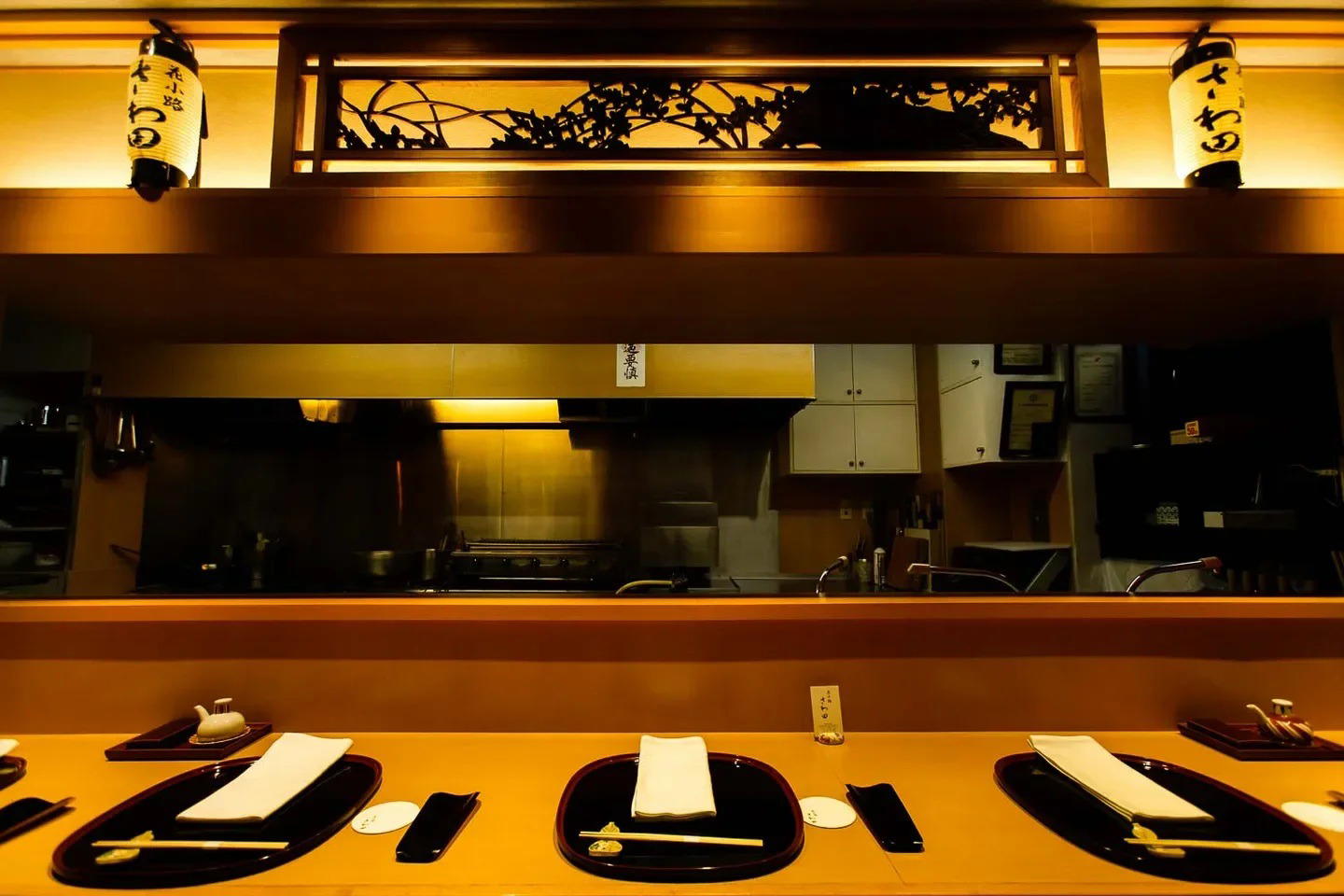
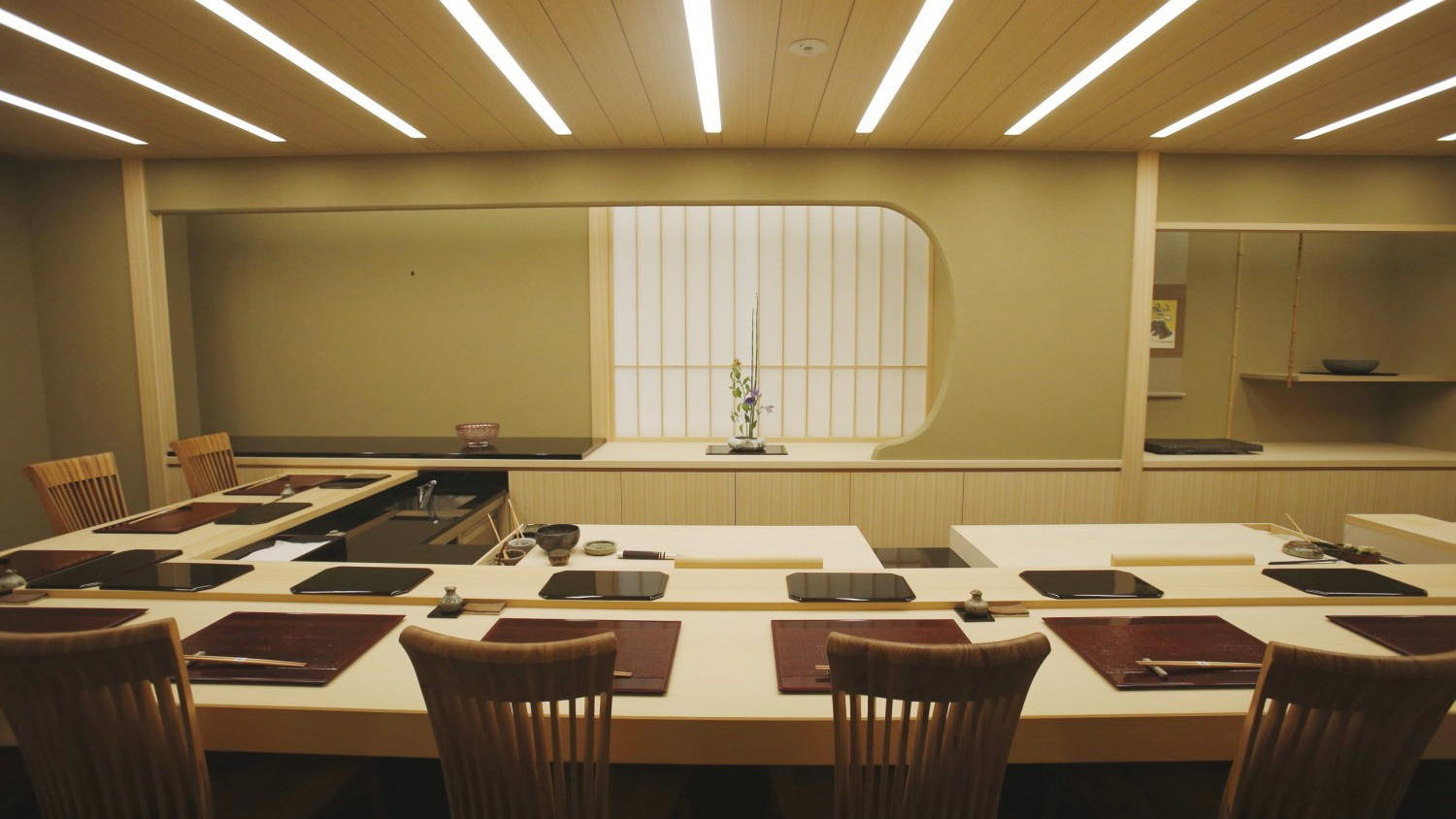
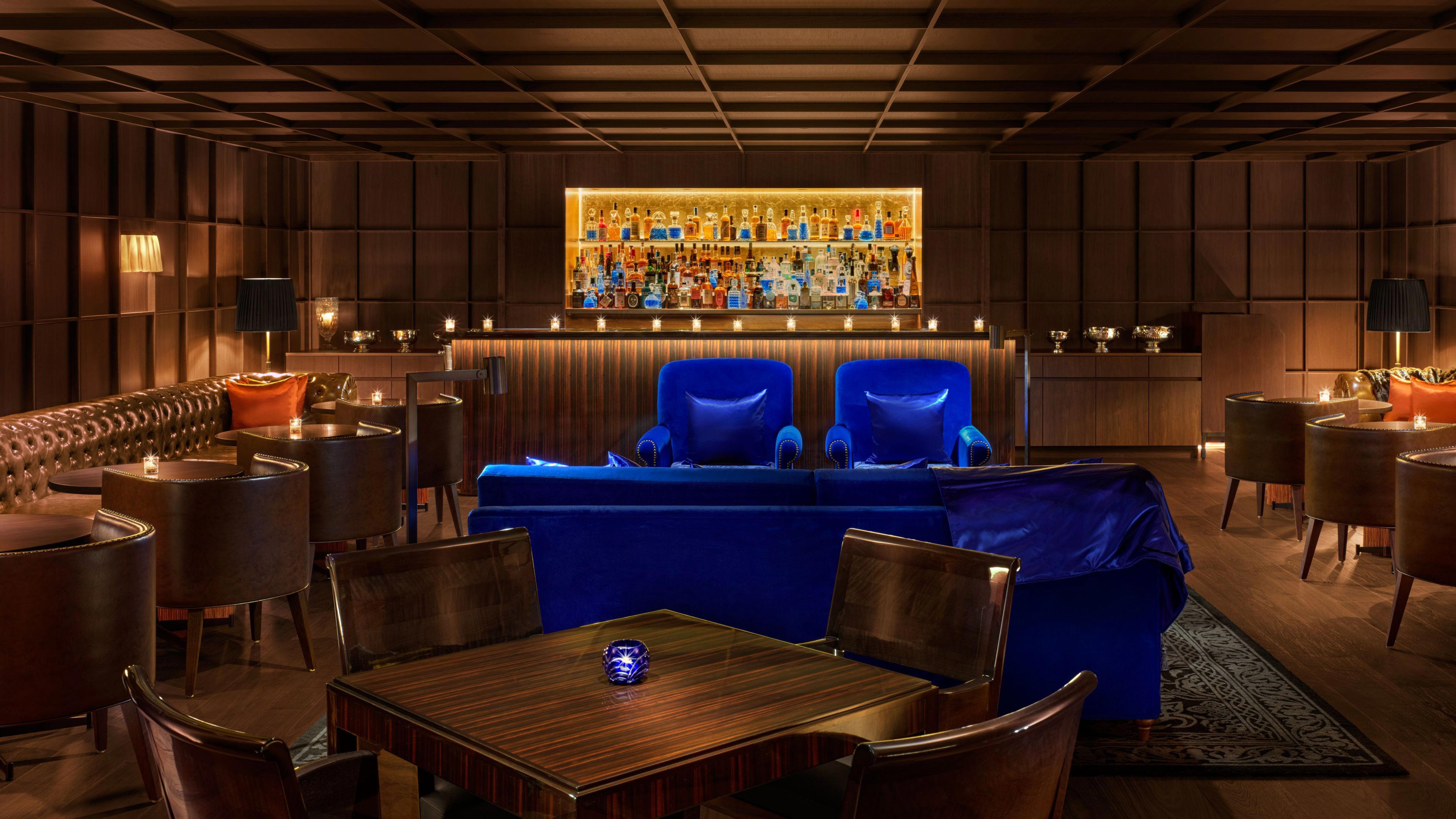
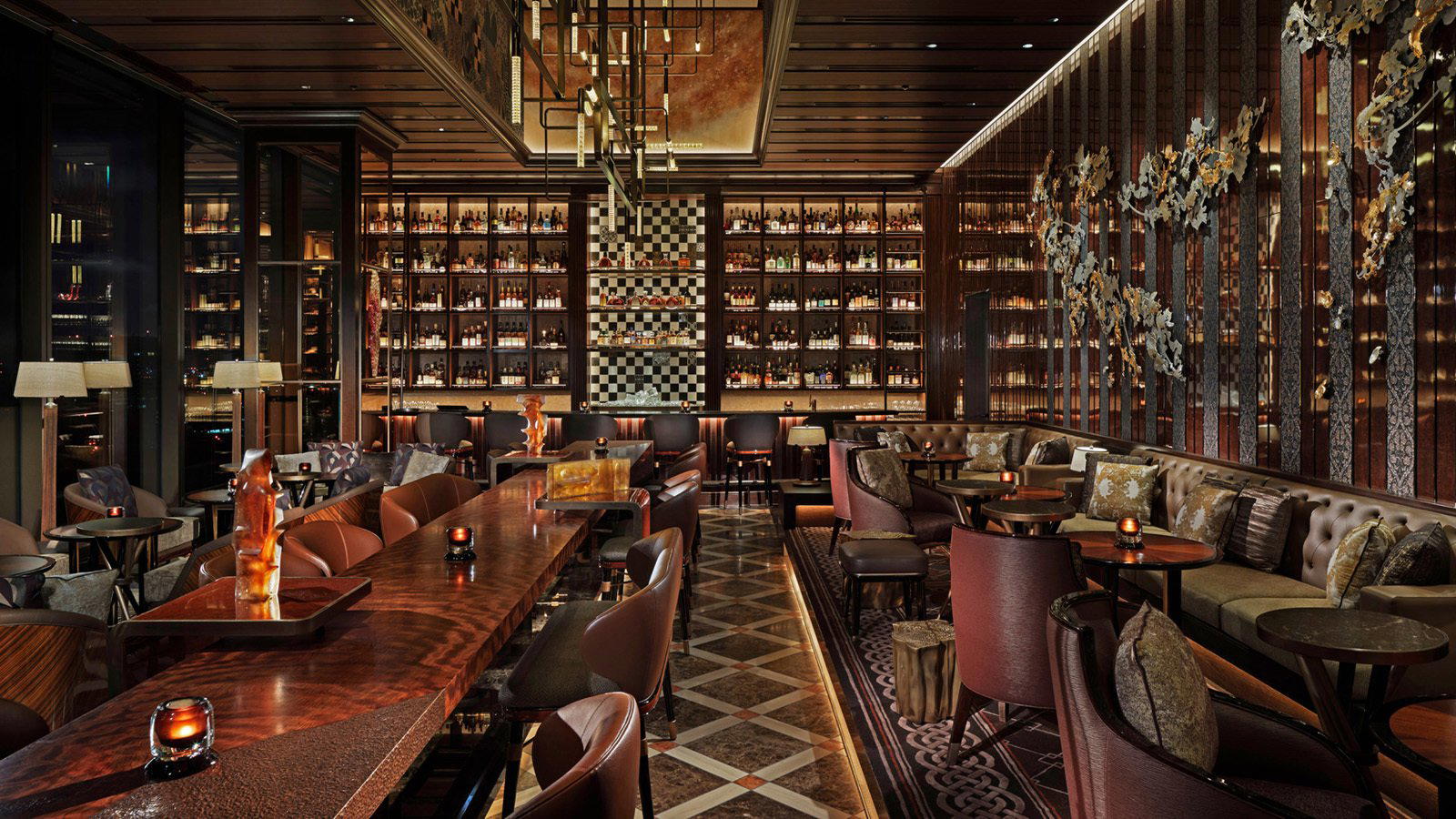
Traditional Japanese-style seating with nostalgic and eclectic decor in cozy settings.