
Hongoku Tei is a compact Nihonbashihongokucho curry and bar address with 11 seats, counter-heavy service, and repeated Tabelog Curry 100 recognition through 2024. The draw is the Tokyo value equation: a serious curry stop in a business district where lunch is tightly timed, the evening shifts into bar mode, and the spend remains modest by central Tokyo standards.
Pearl is the En Primeur Club membership app — saves, bookings, and concierge access live there. Same editors, same standards.
- Address
- 4 Chome-4-16 Nihonbashihongokucho, Chuo City, Tokyo 103-0021, Japan
- Phone
- +81 3-3272-2909
- Website
- tabelog.com
 Saves & bookings on Pearl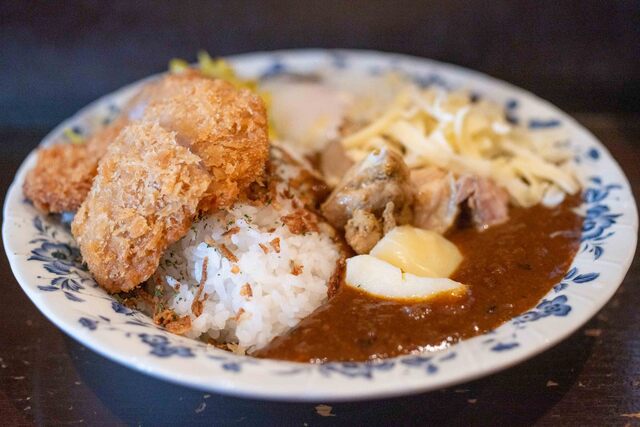
In the back streets between Shin-Nihombashi, Kanda, and Mitsukoshimae, Tokyo’s lunch economy changes register. The department-store polish of Nihonbashi gives way to small counters, office workers moving with intent, and restaurants that treat the midday window as a discipline rather than a leisure ritual. Curry fits that rhythm better than almost any other category: fast enough for a workday, personal enough to reward repeat visits, and broad enough in Tokyo to cover Japanese curry, Indian-influenced plates, and bar-adjacent cooking without losing its identity.
That is the context that makes Hongoku Tei useful to know. It sits in a part of Chuo where value is often measured against convenience, but its repeated selection for Tabelog Curry 100, including the Tokyo 2024 list, puts it into a narrower class than the average office-lunch curry shop. The format is small, the service footprint is tight, and the category matters: Tokyo curry has become a serious micro-scene, not merely a fallback meal between meetings.
A counter-scale curry shop in a high-rent business district
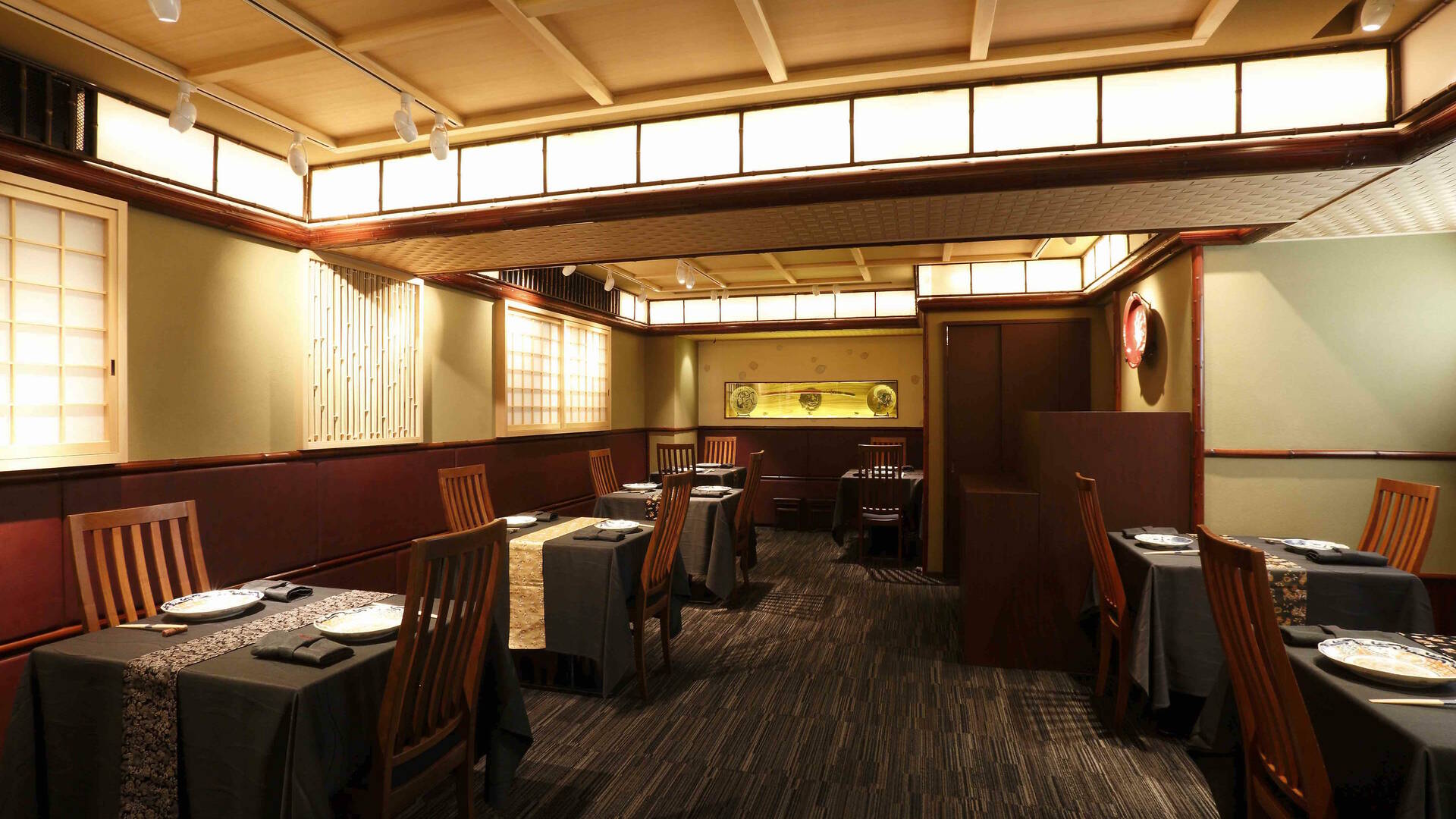
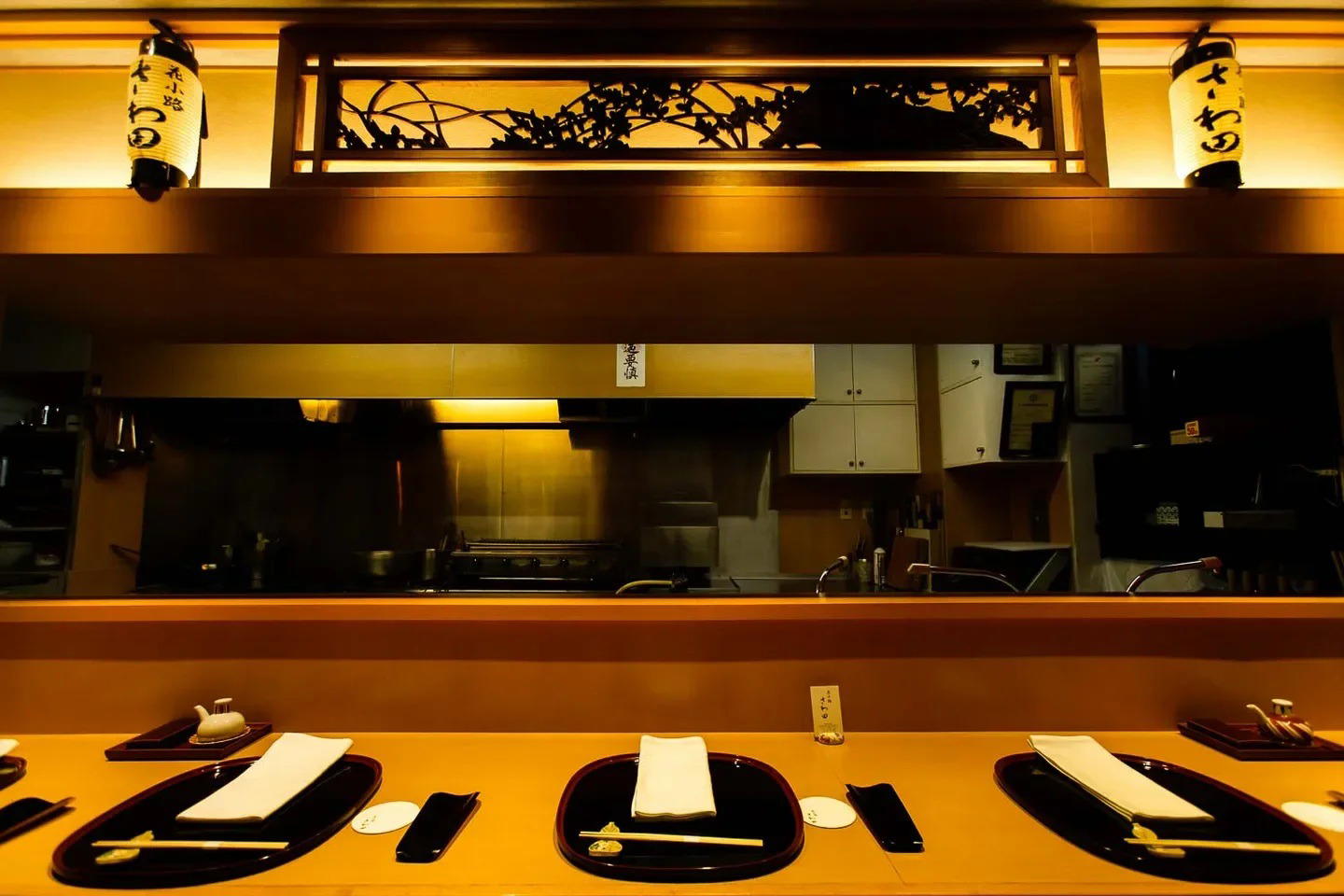
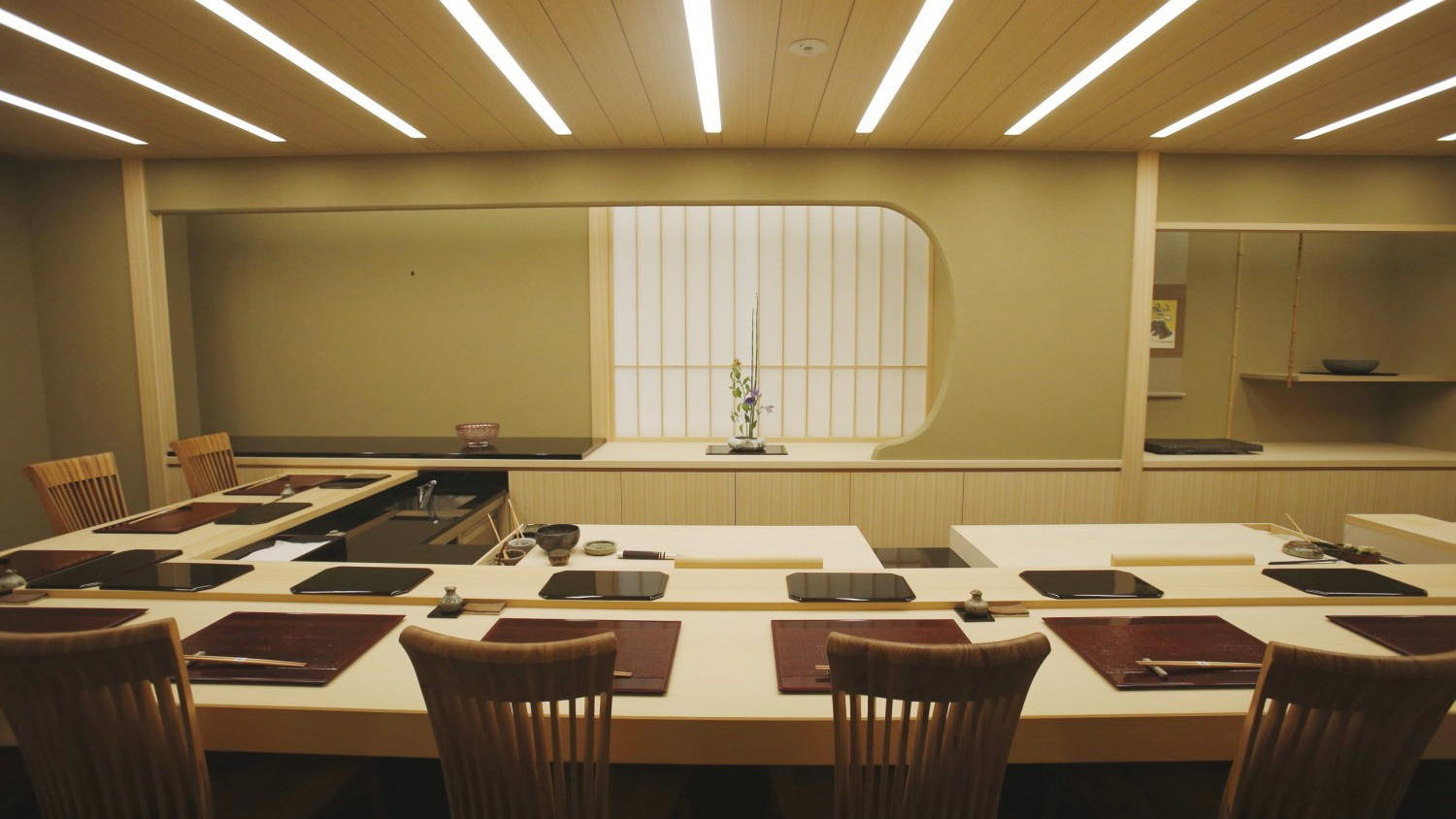
Central Tokyo is full of inexpensive lunches, but the stronger addresses usually reveal themselves through constraints. Small rooms, short service windows, cash-driven habits, and counter seating are not affectations here; they are how independent restaurants survive in areas where rents and foot traffic push operators toward efficiency. Hongoku Tei’s 11-seat setup, with a counter-led first floor, places it firmly in that tradition. The room is scaled for quick turnover and regulars rather than lingering groups.
The value proposition is therefore not simply low spend. It is low spend attached to a venue with durable recognition in a competitive curry category. A Tabelog score of 3.81 and repeat Curry 100 selections from 2017, 2018, 2019, 2020, 2022, 2023, and 2024 suggest a place that has kept local attention across several cycles of Tokyo dining fashion. In a city where new curry specialists appear constantly, that continuity carries weight.
The comparison set around Nihonbashi helps sharpen the point. Nihonbashi Izumoya occupies a far higher spend bracket, while Muromachi Sunaba Nihonbashi hon ten sits closer to the same everyday-lunch range, though in a different tradition. Budouya stretches from lunch accessibility into a higher evening spend. Hongoku Tei belongs to the compact, category-specific tier: less ceremony, more focus, and a cost-to-recognition ratio that makes sense for visitors who want Tokyo dining depth without turning every meal into a reservation project.
Why curry in Tokyo rewards small formats
Tokyo curry is not a single cuisine. It absorbs Japanese yoshoku habits, Indian spice structures, café culture, bar food, and neighbourhood lunch logic. The category’s strength is its elasticity, but that elasticity also makes curation harder. Awards and repeat list appearances matter because they separate serious specialists from places that merely serve curry as one option among many. The restaurant is listed across curry, bar, and Indian curry categories, a combination that reads as Tokyo-specific rather than generic.
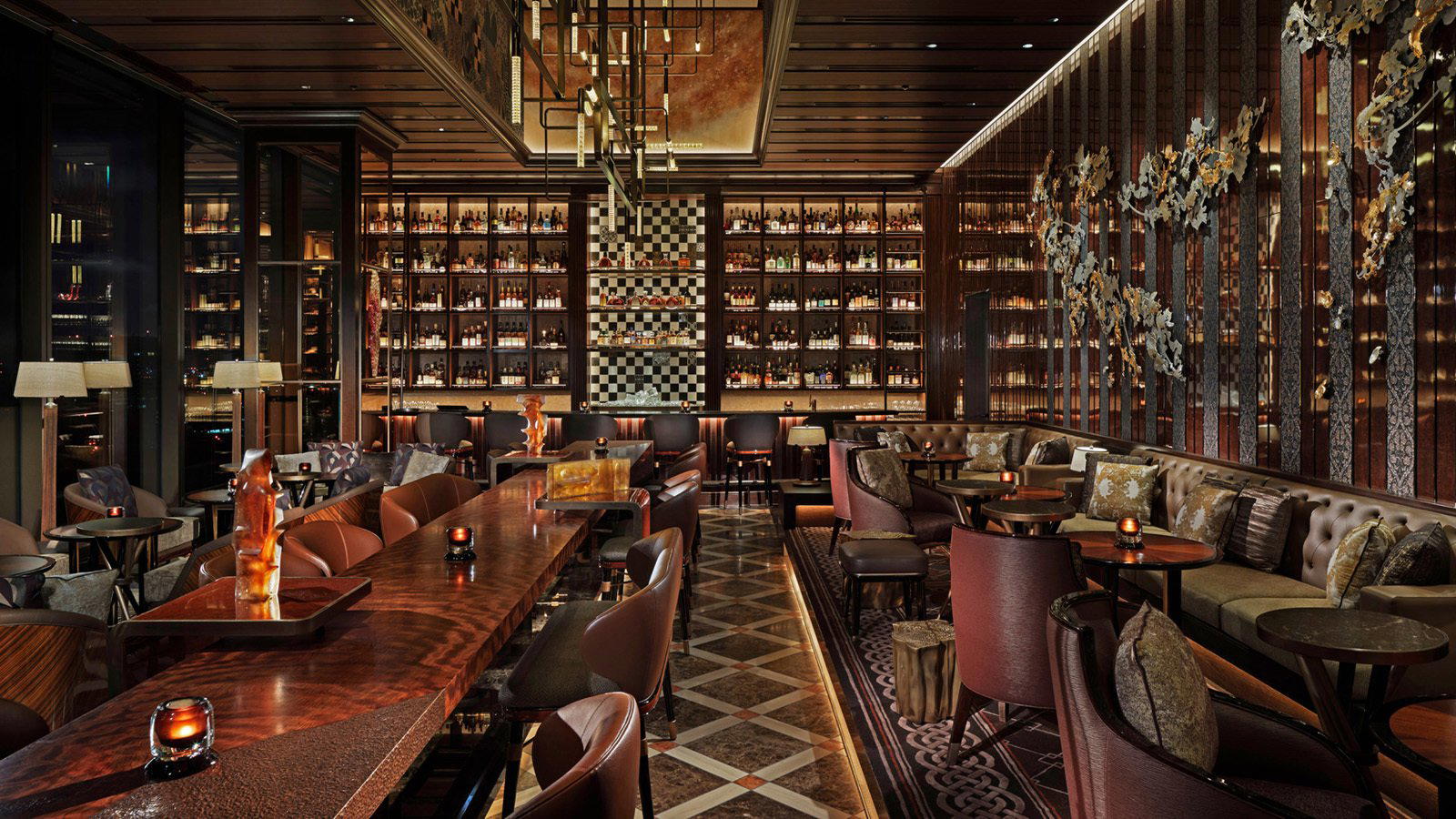
The day-to-night split is part of the appeal. Lunch operates as a compressed curry service, while the evening identity moves toward bar time, with shochu, wine, and cocktails available. That dual role is common in Tokyo’s smaller restaurants, where a single room has to perform different economic jobs across the day. For diners, it changes the calculation: lunch is the cleanest way to read the curry side of the operation, while evening introduces bar customs and a different rhythm.
This is also where expectations should stay disciplined. The attraction is not luxury polish, chef theatre, or a long menu narrative. The attraction is a small Tokyo curry address with enough external validation to justify a detour within Chuo, especially for travellers already mapping restaurants around Nihonbashi, Kanda, or Tokyo Station. For broader planning, Our full Tokyo restaurants guide gives the wider city context, while nearby or category-adjacent browsing can include 3 Chome no Curry Ya San, . 鮪と炭火焼き うお炭 秋葉原店, 12/10 Shinjuku ten, 124. KAGURAZAKA (Yakitori), and 2D Cafe.
Planning the meal around Chuo, not around spectacle
The smart way to use the restaurant is as part of a tightly planned central Tokyo day rather than as a standalone destination requiring elaborate choreography. Shin-Nihombashi is the closest rail anchor, with Kanda and Mitsukoshimae also practical. That matters because the neighbourhood rewards short moves: coffee, department-store food halls, old merchant streets, and business-district lunch counters sit within a compact area. A curry stop here can sit between Nihonbashi errands, Kanda drinking, or a Tokyo Station arrival without distorting the day.
Practical discipline matters in small Tokyo rooms. Seating is limited, lunch is brief, and payment habits are conservative, with cards and digital payments not accepted. The evening bar format also changes the economics through drink and cover customs, so lunch remains the cleaner value play for curry-focused diners. Take-out is listed, children of school age are welcome, and the space is non-smoking, all of which make it more flexible than its tiny scale might suggest.
For travellers building a wider itinerary, the surrounding EP Club city pages help separate food stops from the rest of the trip: Our full Tokyo hotels guide, Our full Tokyo bars guide, Our full Tokyo wineries guide, and Our full Tokyo experiences guide. Japan-wide comparisons can also be useful, from -Grilled beef Sukiyaki- KAMAKURA TANUKIAN 鎌倉 たぬき庵 in Kamakura and.cafe in Osaka to.know in Kumamoto, (Shoku) Vietnam in Kawasaki, [Curry Senmon Ten] Maruyama Kyoju. in Sapporo, and [ki:] in Kyoto. For readers tracking Japanese food culture abroad, Jōdo Saké Bar in Los Angeles and Onigiri Time in Pasadena show how different formats travel beyond Japan.
The critical case is simple: in Tokyo, value often hides in disciplined formats rather than in generous portions or low prices alone. The restaurant delivers value because it combines a modest spend, a serious curry identity, repeat category recognition, and a location that works hard for the traveller. It is not a grand occasion restaurant. It is a precise Chuo curry stop, and that precision is the point.
Credentials Lens
Comparable options at the same price tier.
| Venue | Cuisine | Price | Notes |
|---|---|---|---|
| Hongoku TeiThis venue — the venue you are viewing | Japanese curry bar | $$ | Not listed |
| HIKINIKU TO COME (挽肉と米) | Japanese Hamburger Steak with Rice | $$ | Shibuya |
| やきそばー HIT | Japanese Yakisoba & Ramen Bar | $$ | Sugamo |
| Muromachi Sunaba Nihonbashi hon ten | Traditional Edo-style soba | $$ | Chūō |
| . 鮪と炭火焼き うお炭 秋葉原店 | Maguro and Charcoal-Grilled Fish Izakaya | $$ | Chiyoda |
| 虎白 | Traditional Japanese Kaiseki | Not listed | Shinjuku |
Recognition history
Dated appearances from independent guides and award organizations, with the underlying list record or original source where available.
Tabelog 100 #60 · No. 60
Tabelog · Tabelog 100 - Curry - TOKYO - 2024



At a Glance
- Cozy
- Classic
- Intimate
- Solo
- After Work
- Casual Hangout
- Family
- Group Dining
- Late Night
- Standalone
- Private Dining
- Craft Cocktails
Current opening hours
- Monday
- 11:30 AM–1 PM, 8–11 PM
- Tuesday
- 11:30 AM–1 PM, 8–11 PM
- Wednesday
- 11:30 AM–1 PM, 8–11 PM
- Thursday
- 11:30 AM–1 PM, 8–11 PM
- Friday
- 11:30 AM–1 PM, 8–11 PM
- Saturday
- 8–11 PM
- Sunday
- Closed
Hours can change for holidays and private events. Last verified .
An intimate, counter‑focused hideout down a back alley, with a relaxed, slightly old‑school bar feel at night and a simple, efficient lunch atmosphere by day; non‑smoking, softly lit, and cozy rather than polished.