Mughal occupies a second-floor address in Kyoto's Nakagyo Ward, bringing Indian cuisine into a city better known for kaiseki precision and centuries-old Japanese culinary tradition. Its presence in this context raises the same question that defines Kyoto's evolving restaurant scene: how does a foreign culinary tradition find genuine footing among so many deeply rooted ones? For visitors tracking Kyoto's growing breadth of dining options, Mughal represents that quieter, less-charted corner of the city's food culture.
Pearl is the En Primeur Club membership app — saves, bookings, and concierge access live there. Same editors, same standards.
- Address
- Japan, 〒604-0923 Kyoto, Nakagyo Ward, 上樵木町 496 アイル竹嶋ビル2F
- Phone
- +81 75-241-3777
- Website
- kyoto-mughal.com
- Directions
- Get directions
 Saves & bookings on Pearl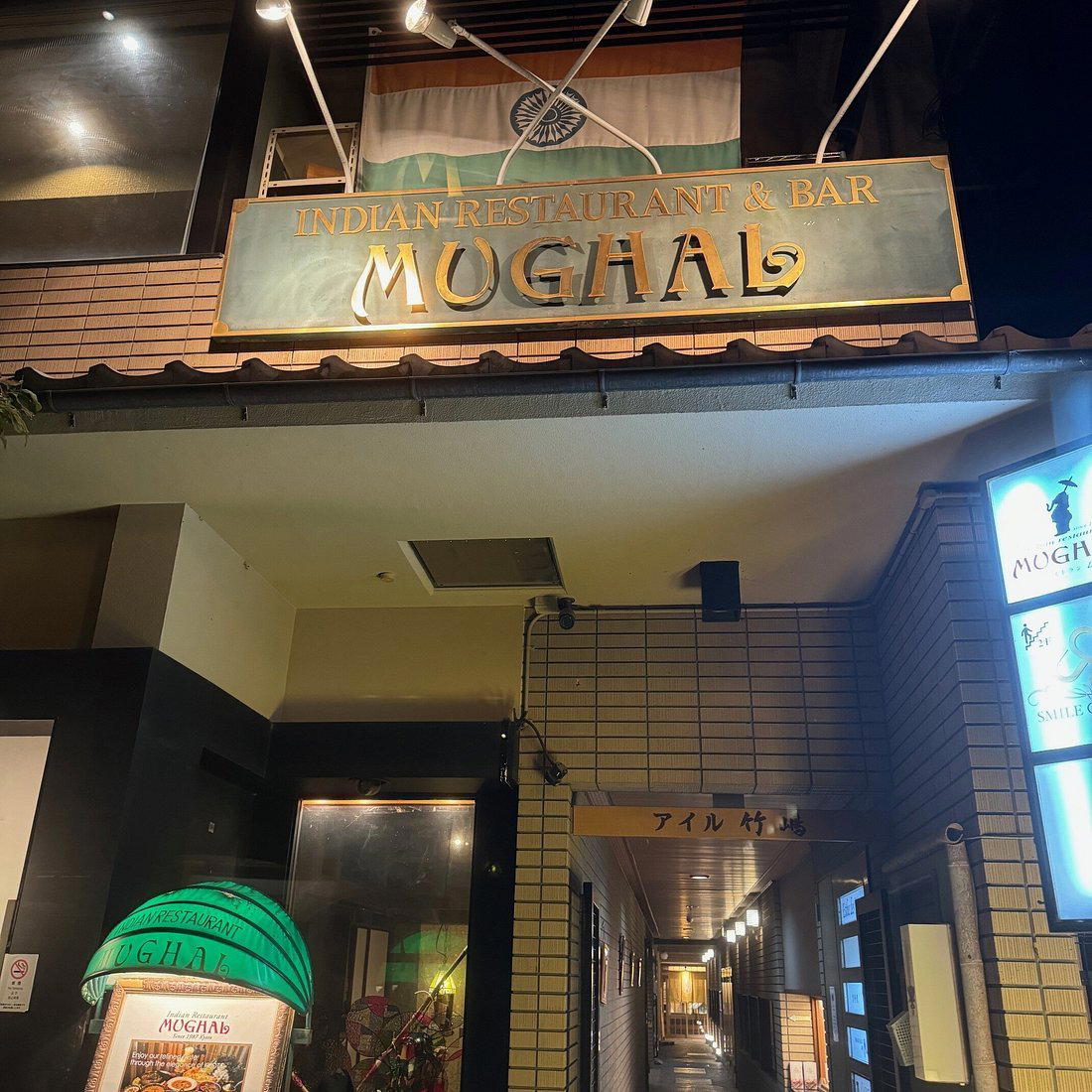
Indian Cuisine in a City Defined by Tradition
Kyoto's dining identity has long been shaped by kaiseki, the multi-course Japanese culinary form that draws on seasonal produce, precise technique, and centuries of refinement. Venues like Gion Sasaki, Hyotei, and Kikunoi Honten represent the apex of that tradition, operating at ¥¥¥¥ price points and drawing international visitors who travel specifically for that experience. Against that backdrop, a restaurant named Mughal, located on the second floor of a building in Nakagyo Ward, occupies a different register. It is not trying to compete with kaiseki counters. It is, instead, part of a quieter but meaningful evolution in how Kyoto's dining scene has expanded beyond its own culinary heritage.
That expansion has been gradual. For much of the city's modern restaurant history, non-Japanese cuisine existed at the margins, tolerated rather than embraced by a dining public with high expectations shaped by local tradition. Over the past decade, that dynamic has shifted. International cuisines have found more stable footing in Kyoto, particularly in the wards that attract a mix of long-term residents, students, and a growing international population. Nakagyo Ward, where Mughal is situated, sits at a crossroads of that demographic shift: close to the commercial energy of central Kyoto, but with a residential grain that supports neighbourhood restaurants rather than destination dining.
The Address and What It Signals
A second-floor location in a mixed-use building (アイル竹嶋ビル, Airu Takeshima Building) at 496 Kamikiorigi-cho is the kind of address that, in Kyoto's context, carries some meaning. The city's most established restaurants often occupy discreet positions, away from ground-floor visibility, in spaces that require a degree of intention to find. This is not distinctive to any single cuisine tradition; it describes a broad pattern across Kyoto's mid-tier and specialist restaurants, from Mizai to the smaller, less-discussed operators that serve the city's daily dining life. Mughal fits the pattern of a neighbourhood restaurant that does not announce itself loudly, which in Kyoto tends to be a functional signal rather than a stylistic affectation.
For context, Nakagyo Ward runs through the central corridor of the city, between the northern temple districts and the more tourist-saturated streets of Gion and Higashiyama to the east. Restaurants in this ward tend to serve a working mix of local regulars and visitors who have moved beyond the obvious itinerary. That is the audience Mughal most plausibly serves.
Indian Cuisine in Japan: A Shifting Context
Japan has a longer relationship with Indian cuisine than many visitors assume. Indian restaurants began appearing in Japanese cities in the 1970s and grew significantly through the 1980s and 1990s, initially clustered in Tokyo and Osaka before spreading to secondary cities. The category has since diversified considerably. What was once a relatively homogeneous category, dominated by North Indian curry-house formats, now spans regional Indian cooking, South Indian specialists, and operators with more contemporary approaches. Cities like Osaka, where HAJIME represents the cutting edge of Western-influenced Japanese fine dining, show the range of influences now present in the Kansai region more broadly.
In Kyoto specifically, Indian restaurants have carved out a small but consistent presence. The city's spice-averse reputation is somewhat overstated; Kyoto cuisine is delicate and seasonal, but that does not mean its residents lack appetite for bold flavour in other contexts. The local Indian restaurant scene operates as a complement to, rather than a challenge against, the dominant culinary culture. Mughal's presence in Nakagyo fits that complementary role.
Evolution and the Neighbourhood Restaurant Category
The editorial angle that leading frames a venue like Mughal is not discovery but persistence and gradual normalisation. Indian restaurants in Japanese cities have moved through several phases: novelty, proliferation, consolidation, and finally a kind of settled presence where the leading operators develop loyal local followings that sustain them independently of tourist traffic. This mirrors what has happened in other non-Japanese categories across Kyoto's food scene, including Italian (venues like cenci operate at ¥¥¥ with strong local followings) and Chinese (Kyo Seika represents a ¥¥¥ tier Chinese operator with local standing).
For reference, Isshisoden Nakamura illustrates how even within Japanese cuisine, a restaurant's longevity and evolution matters more than its category position alone. Mughal, whatever its current form, participates in the same logic: a restaurant that has established itself in a specific neighbourhood earns its place through sustained service to a defined audience rather than through awards or media coverage.
Comparisons beyond Kyoto are useful here. In Tokyo, Harutaka shows how a specialist counter can build a reputation over time through consistency and focus. In Nara, akordu demonstrates how a non-Japanese format can find serious footing in a city with strong culinary heritage. In both cases, the mechanism is the same: commitment to a specific culinary position, sustained over time. That is the framework through which a neighbourhood Indian restaurant in Kyoto should be assessed.
For those building a broader picture of the Kansai dining region, Goh in Fukuoka and 1000 in Yokohama show how other Japanese cities are developing their own distinctive fine dining identities, while 6 in Okinawa illustrates how geographic distinctiveness shapes dining culture even within Japan. Internationally, the precision-driven formats at Le Bernardin in New York City and the Korean-American fine dining of Atomix in New York City provide a useful frame for understanding how cuisines outside a host city's dominant tradition can achieve sustained critical standing.
Planning Your Visit
Hours, pricing, and reservation policy: Mon: 12–2:30 PM, 5–9 PM; Tue: Closed; Wed: 12–2:30 PM, 5–9 PM; Thu: 12–2:30 PM, 5–9 PM; Fri: 12–2:30 PM, 5–9 PM; Sat: 12–2:30 PM, 5–9 PM; Sun: 12–2:30 PM, 5–9 PM; recommended; about $25 per person. Address: 496 Kamikiorigi-cho, Nakagyo Ward, Kyoto (2F, Airu Takeshima Building). Reservations: Budget: about $25 per person. Timing: Autumn and spring bring heavier visitor traffic to Kyoto overall; neighbourhood restaurants in Nakagyo tend to be less affected by tourist peaks than those in Higashiyama or Arashiyama.
Peers in This Market
Comparable venues nearby, for context on price, style, and recognition.
| Venue | Cuisine | Price | Notes |
|---|---|---|---|
| MughalThis venue — the venue you are viewing | Authentic Indian Curry House | $$ | Not listed |
| Kyoto Mo:Mo Pasal /Café Restaurant OA | Nepalese & Indian Curry | $$ | Kamigyō |
| Kamal (カマル) | Indian & Thai Curry Fusion | $$ | Sanjo |
| Kichi Kichi Omurice | Japanese Omurice | $$ | Gion |
| とんかつ山本 | Traditional Tonkatsu | $$ | Nakagyo-ku |
| RESTAURANT hidamarino | Modern French in central Kyoto | $$ | Shimogyō |
Continue exploring
More in Kyoto
Restaurants in Kyoto
Browse all →

Bars in Kyoto
Browse all →

Hotels in Kyoto
Browse all →

Wineries in Kyoto
Browse all →
At a Glance
- Cozy
- Relaxed
- Family
- Casual Hangout
- Sake Program
- Local Sourcing
- Street Scene
Current opening hours
- Monday
- 12–2:30 PM, 5–9 PM
- Tuesday
- Closed
- Wednesday
- 12–2:30 PM, 5–9 PM
- Thursday
- 12–2:30 PM, 5–9 PM
- Friday
- 12–2:30 PM, 5–9 PM
- Saturday
- 12–2:30 PM, 5–9 PM
- Sunday
- 12–2:30 PM, 5–9 PM
Hours can change for holidays and private events. Last verified .
Warm, inviting, and relaxing atmosphere with muslin canopy curtains and cozy dining area.