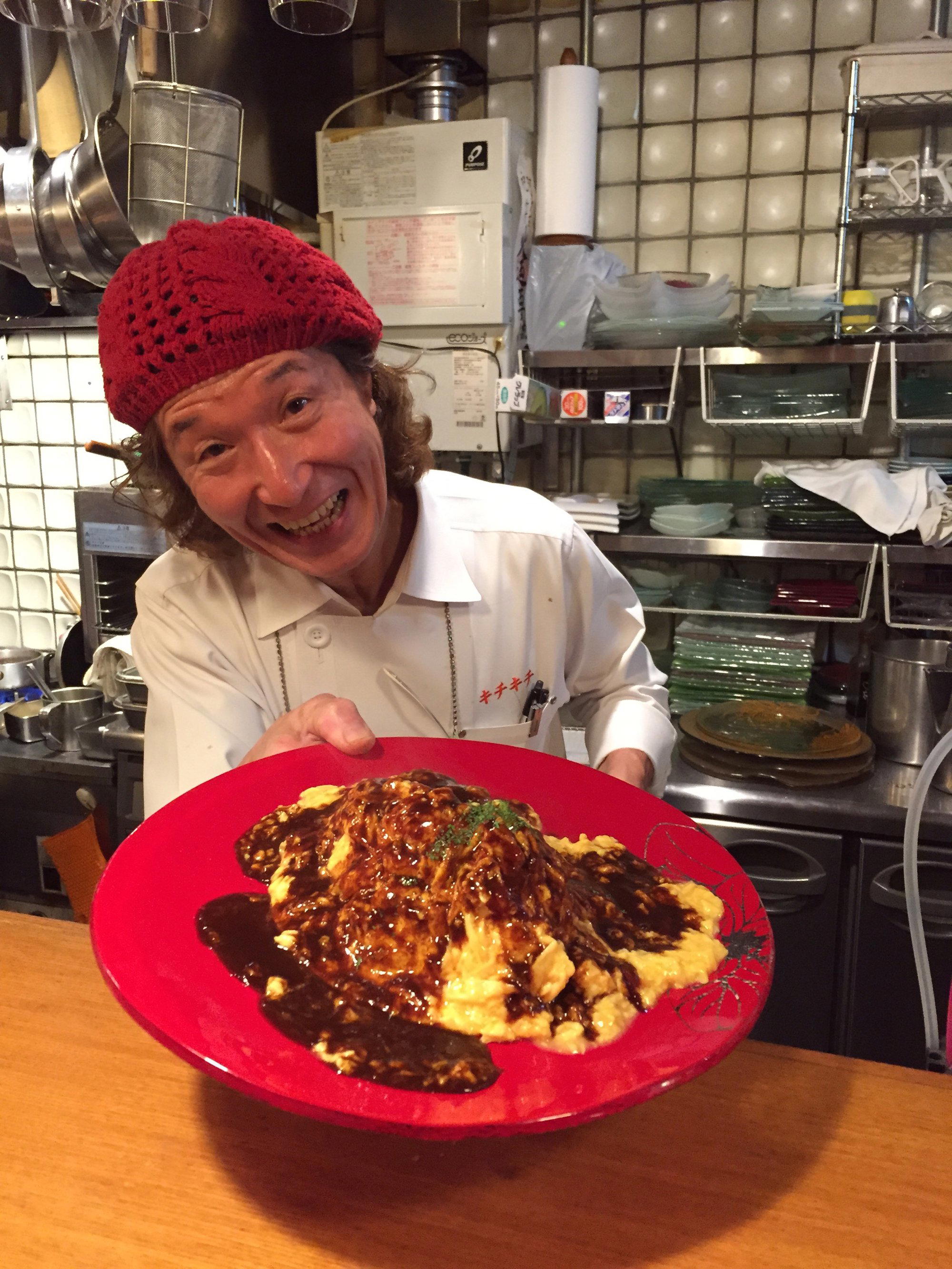
Kichi Kichi Omurice is a Kyoto institution built around a single dish: omurice, the Japanese comfort staple of fried rice wrapped in a thin egg omelette, executed here with theatrical precision at an intimate counter. The format sits in sharp contrast to the city's kaiseki tradition, offering a democratic entry point to Kyoto's dining culture without sacrificing craft or atmosphere.

Pearl is the En Primeur Club membership app — saves, bookings, and concierge access live there. Same editors, same standards.
A Counter, a Pan, and One Dish Done Right
Kyoto's dining identity is usually written in the language of kaiseki: multi-course precision, seasonal restraint, lacquerware, and ceremony. The city's Michelin-decorated institutions, from Gion Sasaki to Hyotei and Kikunoi Honten, occupy a formal register that requires planning, budget, and often a degree of cultural literacy to fully appreciate. Kichi Kichi Omurice occupies the opposite end of that spectrum, not in quality, but in style. It is a small, counter-focused room built entirely around omurice, and it has become among the more-watched dining experiences in the city for reasons that have nothing to do with tasting menus or wine lists.
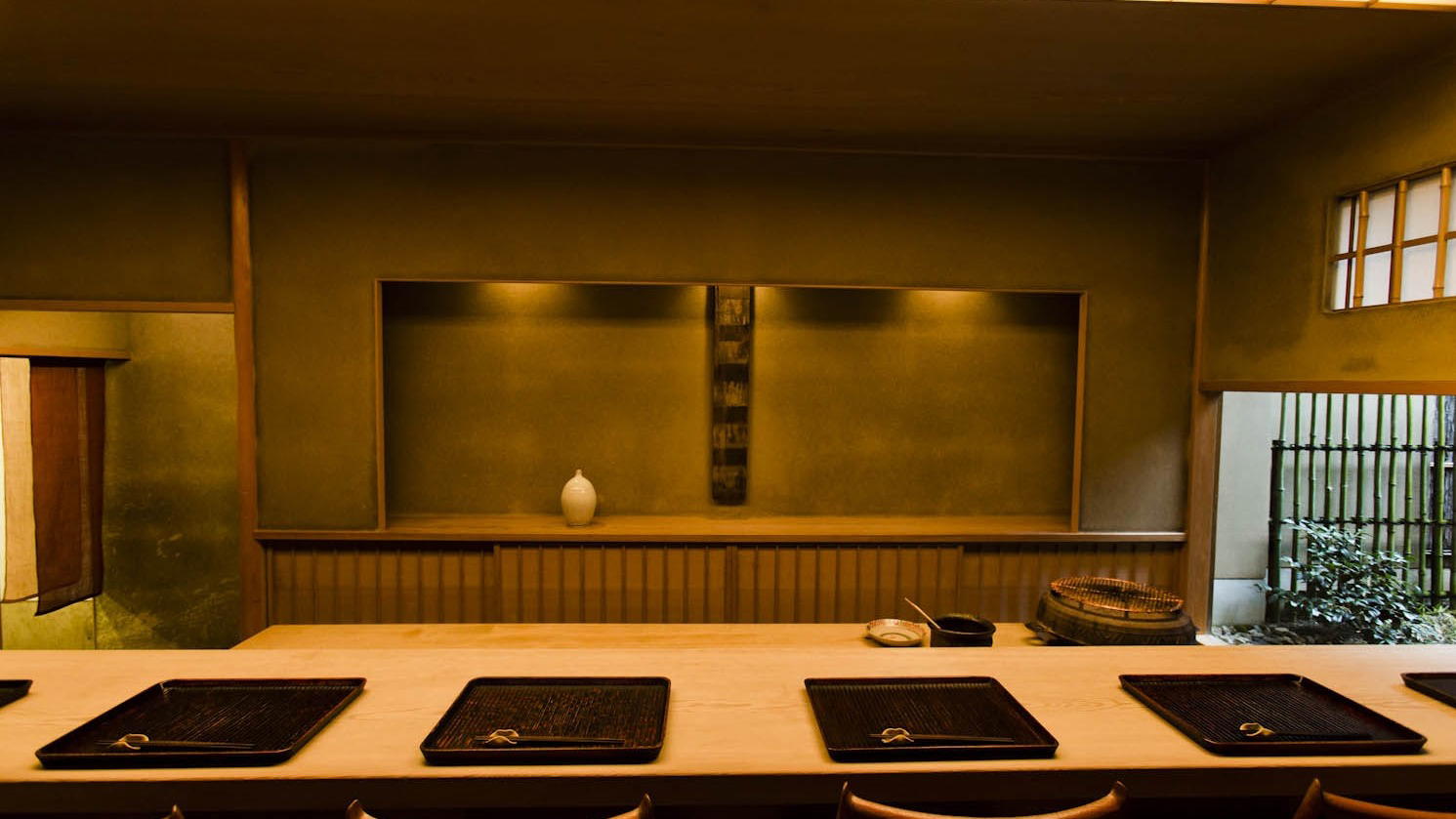
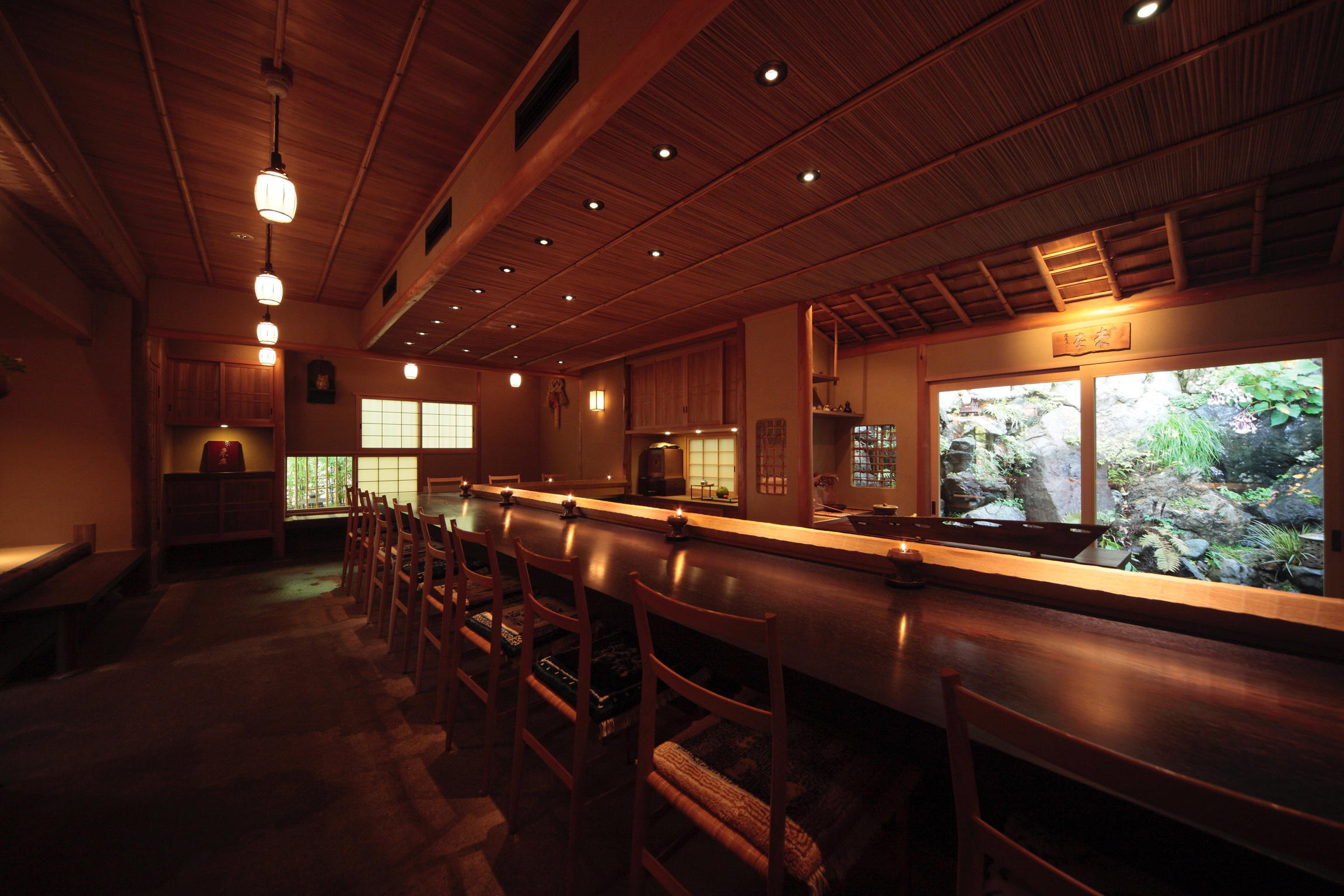
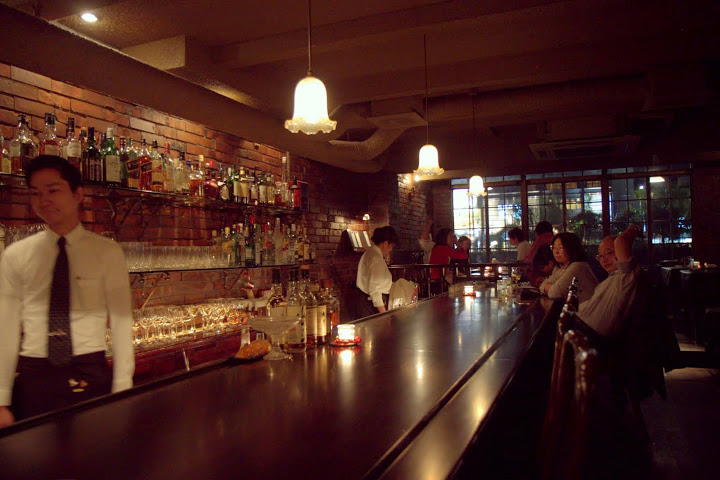
The physical space is compact and deliberately unadorned. Counter seating places diners close to the cooking action, which is the architectural logic of the entire room: everything flows toward the moment of preparation. The layout strips away the layered spatial choreography of a kaiseki dining room and replaces it with direct sight lines. You watch. That proximity is not incidental design; it is the experience itself.
The Grammar of a Single Dish
Omurice as a category sits within yoshoku, Japan's tradition of Western-influenced dishes absorbed and transformed through a Japanese culinary lens. Fried rice seasoned with ketchup, wrapped in egg, and often finished tableside, it is found across Japanese home kitchens and casual restaurants. What varies is execution. The version performed at Kichi Kichi Omurice belongs to a specific technique: a thin, barely-set egg omelette folded and then slit open tableside, allowing the interior to cascade over the rice in what has become a widely circulated visual online. That moment of opening, the egg parting, the steam rising, is the centrepiece of the format, and it is why video footage of the counter has accumulated millions of views across international platforms.
The theatrical element places this in a category of dining that prioritises the act of preparation as part of the offering, a format that higher-end venues like Atomix in New York City or HAJIME in Osaka deploy through different means. At Kichi Kichi, the spectacle is compressed into a single gesture rather than distributed across a multi-hour sequence.
Kyoto's Casual Tier Is Not an Afterthought
The city's reputation for formality can obscure the fact that Kyoto's mid-register and casual dining scene is genuinely worth attention. Venues at the ¥¥¥¥ tier, including Mizai and Isshisoden Nakamura, set the cultural tone for the city's dining identity, but they do not represent the full picture. Kichi Kichi Omurice operates in a different competitive frame entirely, closer in spirit to the focused single-dish counters found across Japanese cities than to the formal dining establishments for which Kyoto is internationally noted.
This matters because it positions the venue as an entry point for travellers who want to experience Kyoto's dining craft without the investment, financial or logistical, that kaiseki requires. The audience for the restaurant overlaps minimally with those booking at Gion Sasaki; it overlaps considerably with international visitors encountering Japan's counter dining culture for the first time.
Japan's wider single-focus counter tradition is well-documented. Venues like Harutaka in Tokyo or Goh in Fukuoka demonstrate how a narrow, disciplined focus can anchor a reputation at any price point. Kichi Kichi follows that same structural logic: one dish, delivered repeatedly, with enough craft and enough visual drama to sustain attention.
Why the Room Works
Counter dining in Japan is not simply a space-saving measure. It encodes a relationship between cook and diner that differs from table service in both attention and accountability. When the counter is the only seating format, every preparation is performed in front of someone who chose specifically to be there for that preparation. The cook cannot disappear into a kitchen. The diner cannot ignore the process. At venues like akordu in Nara, that proximity operates within a fine dining framework. At Kichi Kichi, it operates within a yoshoku framework, but the principle of direct engagement is identical.
The room's design, by orienting everything toward the cooking surface and eliminating visual distractions, concentrates attention in a way that larger, more elaborate spaces cannot replicate. There is no background architecture competing for focus. The counter, the pan, and the preparation are the room's entire argument.
Planning a Visit
The restaurant draws queues, and the nature of a small, counter-led room means capacity is limited by design. Arriving early is the practical advice that consistently appears from those who have visited: the queue forms before opening, and later arrivals may face a wait that extends well beyond the sitting itself. The venue's online presence, driven substantially by video content of the tableside egg technique, has made it a high-demand stop for international visitors to Kyoto, which means timing a visit outside peak tourist seasons, late summer or mid-winter, may offer a more manageable arrival experience.
Those planning a wider Kansai itinerary may also consider HAJIME in Osaka as a contrast at the formal end of the regional spectrum.
What It’s Closest To
Comparable venues nearby, for context on price, style, and recognition.
| Venue | Cuisine | Price | Notes |
|---|---|---|---|
| Kichi Kichi OmuriceThis venue — the venue you are viewing | Japanese Omurice | $$ | Not listed |
| Coco Hana | Modern Japanese Organic Cafe | $$ | Kita |
| Yoshida Yama Seseri | Yakitori & Izakaya Counter near Kyoto Station | $$ | Minami |
| 方寸長島 | japanese | Not listed | Nakagyō |
| Grill & Coffee Hasegawa | Kyoto yoshoku hamburger steak grill | $$ | Kita |
| Ryuhei Soba | Traditional Kyoto soba and Japanese cuisine | $$ | Nishikyō |
At a Glance
- Lively
- Trendy
- Cozy
- Energetic
- Casual Hangout
- Solo
- Special Occasion
- Chefs Counter
- Open Kitchen
- Sake Program
Current opening hours
- Monday
- 5–8:10 PM
- Tuesday
- 5–8:10 PM
- Wednesday
- 5–8:10 PM
- Thursday
- 5–8:10 PM
- Friday
- 5–8:10 PM
- Saturday
- 12–1:10 PM, 5–8:10 PM
- Sunday
- 12–1:10 PM, 5–8:10 PM
Hours can change for holidays and private events. Last verified .
Cozy intimate counter seating with high-energy chef performance creating an entertaining and lively atmosphere.