Motoi occupies a quiet address in Nagoya's Chikusa Ward, operating in a city where high-precision dining rarely courts outside attention. The space positions itself within Nagoya's understated fine-dining tier, where physical environment and service architecture matter as much as what arrives at the table. For visitors already familiar with Japan's regional restaurant culture, it represents a considered stop beyond the city's more-publicised kaiseki and eel circuits.
Pearl is the En Primeur Club membership app — saves, bookings, and concierge access live there. Same editors, same standards.
- Address
- 1 Chome-58 Nishiyama Motomachi, Chikusa Ward, Nagoya, Aichi 464-0063, Japan
- Phone
- +81527505942
- Website
- kyoaji-motoi.com
 Saves & bookings on Pearl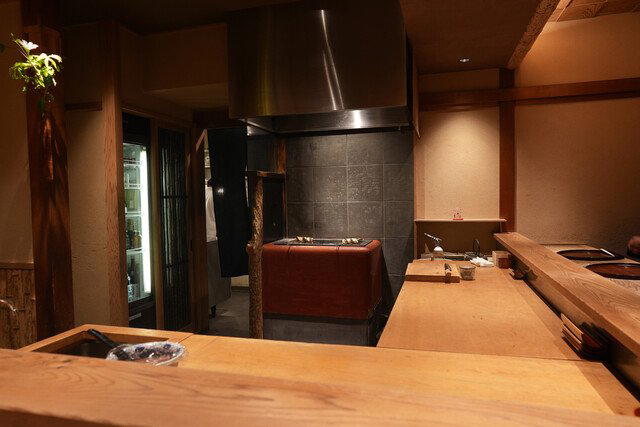
A Room That Sets Its Own Terms
Chikusa Ward sits east of Nagoya's commercial centre, in a residential stretch that bears little resemblance to the neon-dense dining corridors most visitors map first. This is the kind of address that filters its audience before the meal begins: no signage arms race, no ground-floor foot traffic to court. Restaurants that choose this positioning tend to be making a deliberate statement about who they expect to walk through the door. Motoi, on Nishiyama Motomachi, is a Modern Kyoto Kaiseki Omakase restaurant.
Nagoya's fine-dining tier has long operated in the shadow of Kyoto and Tokyo's more-documented scenes, which means serious rooms here attract a different kind of guest: one who has already worked through the canonical stops, Gion Sasaki in Kyoto, Harutaka in Tokyo, and is now looking at what Japan's less-annotated cities are doing at the same altitude. Nagoya rewards that approach.
The Physical Container
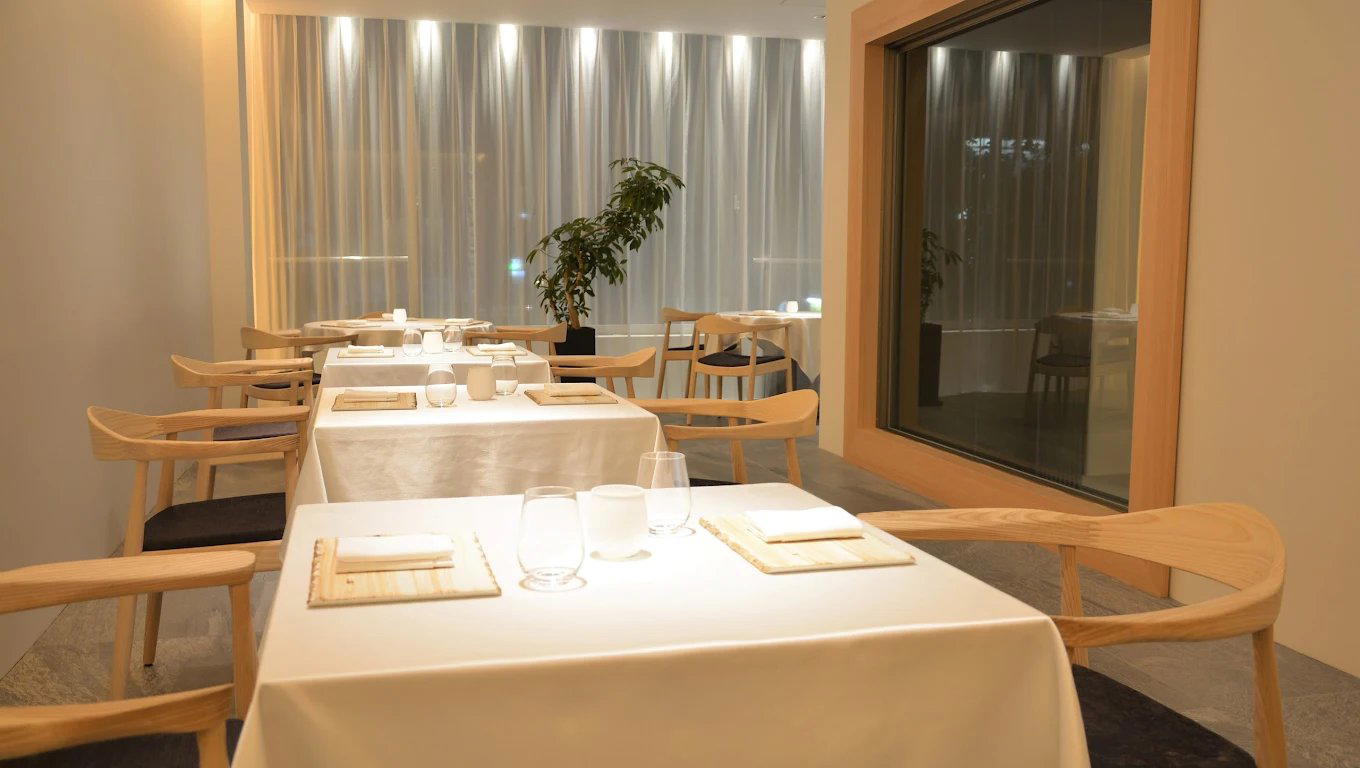
In Japanese fine dining, the room is not decoration, it is argument. The proportions of a space, the material choices, the way natural and artificial light interact with lacquerware or ceramite: these are editorial decisions that frame every dish before the chef has plated a single thing. At the upper end of Nagoya's dining tier, this design discipline tends toward restraint. The city's aesthetic tradition leans into what might be called considered simplicity: surfaces that age well, volumes that seat small numbers without feeling sparse.
Motoi fits within that tradition. The Chikusa Ward address places it in a neighbourhood where the built environment is lower-density and more textured than central Nagoya, which gives a restaurant operating here a different set of ambient conditions to work with. Sound levels drop. The pace of arrival changes. These are not trivial factors: in Japan's most attentive dining rooms, the physical approach to the venue is understood as part of the experience's architecture. The transition from street to interior, managed well, resets the guest's attention before the first course.
What differentiates them is usually the relationship between scale and precision: smaller rooms allow a higher degree of control over the guest's sensory environment, and that control is itself a form of hospitality philosophy. Motoi's Chikusa location suggests an appetite for exactly that kind of calibration.
Nagoya's Dining Tier in Context
Understanding where Motoi sits requires a brief map of Nagoya's fine-dining scene, which is more varied than its reputation abroad suggests. The city is best known internationally for its distinct regional ingredients and preparations, notably its miso-based dishes and the long-standing unagi tradition represented by establishments like Atsuta Horaiken. But alongside that heritage tier, Nagoya supports a serious contemporary restaurant population. Italian rooms including Bacio and cucina Wada hold their own against comparable addresses in Osaka or Tokyo. French-leaning operations add further range. The city's dining ecosystem, in other words, is not monolithic.
Within that ecosystem, restaurants that operate in residential wards rather than central business or entertainment districts occupy a specific niche. They tend to attract repeat local guests alongside the more occasional visitor who has done the research. The booking pattern at such restaurants is typically less volatile than at high-profile urban rooms, less susceptible to tourist surges, more dependent on a loyal regional audience. That stability, where it exists, tends to produce a different quality of service: staff who know the room's rhythms, front-of-house teams who have worked together long enough to read a table without prompting.
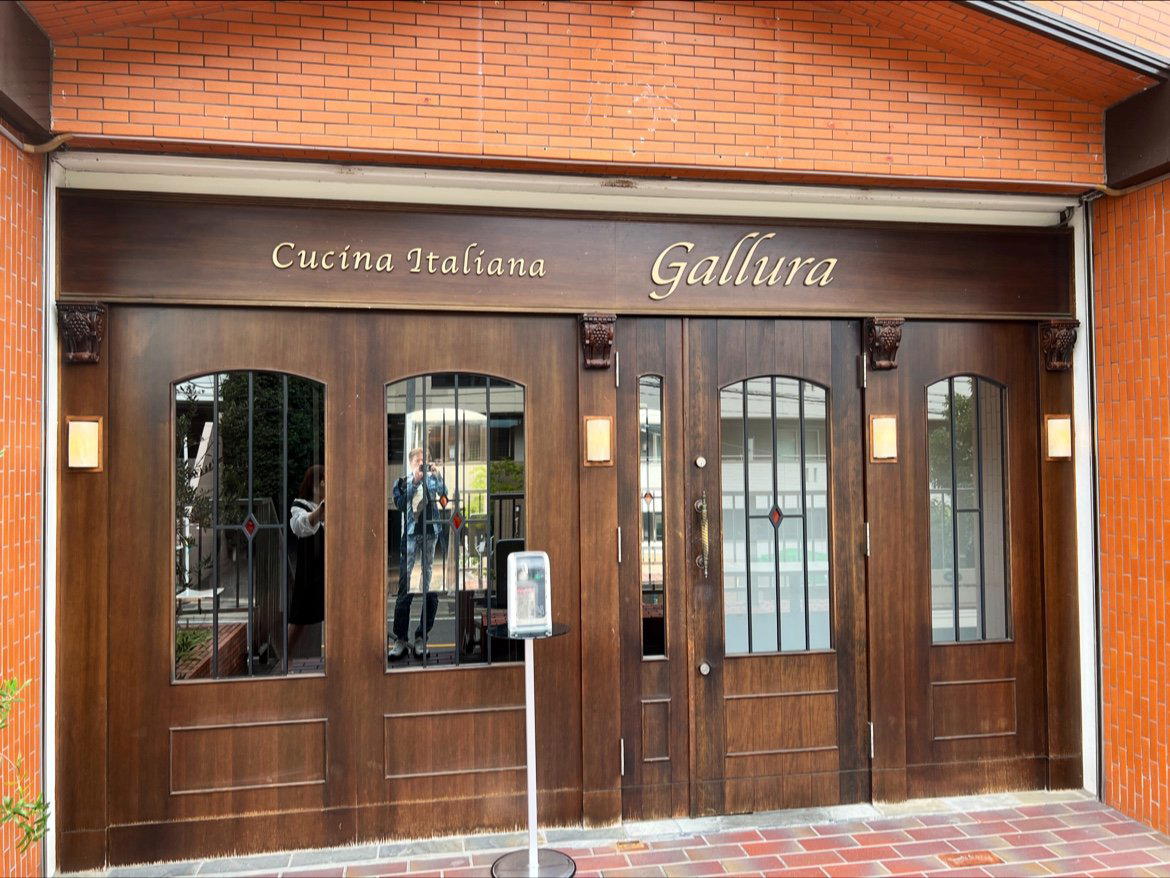
For comparison points within Nagoya's Italian-adjacent or cross-cuisine contemporary tier, Cucina Italiana Gallura and Chez Kobe represent the kind of precision-focused rooms that share a comparable set with Motoi. Each makes different choices about format and cuisine emphasis, but all operate in a city where the guest tends to arrive knowing what they want and expecting the room to meet them at that level.
Regional Ambition Beyond the Major Cities
Japan's broader dining conversation has increasingly acknowledged what was always true for those willing to travel: particularly interesting rooms are not always in Tokyo or Kyoto. Akordu in Nara, for example, has demonstrated that a non-metropolitan address can carry serious international weight. Nanao's Ichimotsu Nakagawa and Sapporo's Kotofuyama extend that argument further. Nagoya, with its industrial wealth base and historically self-sufficient dining culture, has always had the conditions to support serious restaurants. What it has lacked is sustained outside coverage.
That gap is closing. Visitors approaching Nagoya as a dining destination in its own right, rather than a transit point between Tokyo and Kyoto, are finding a city with genuine range across price points and cuisine categories. At the upper tier, rooms like Motoi represent the kind of address that functions as a destination in itself: a reason to extend a stay, not simply a dinner to fill an evening.
For those building a broader itinerary, the full Nagoya restaurants guide maps the city's dining range across categories and neighbourhoods. For reference points outside Japan entirely, Le Bernardin in New York City and Atomix in New York City illustrate how serious rooms in any city use physical design and service architecture to signal tier before the food arrives, a principle Motoi's Chikusa address applies in its own register. Regional options like Koshibyoue in Takashima, Kakuhane-ya in Nishikawa Machi, and Birdland in Sakai further illustrate the depth available to guests willing to move beyond the canonical city circuits.
Planning a Visit
Chikusa Ward is accessible from central Nagoya by subway on the Higashiyama Line, with the ward's residential character meaning that guests arriving by taxi or on foot from nearby stations will find the transition from city infrastructure to quieter streets relatively quick. Reservations are essential. As with many serious Japanese rooms in residential districts, confirmation of dietary requirements and format preferences is most productively handled at the point of booking rather than on arrival.
A Tight Comparison
Comparable venues nearby, for context on price, style, and recognition.
| Venue | Cuisine | Price | Notes |
|---|---|---|---|
| MotoiThis venue — the venue you are viewing | Chikusa, Modern Kyoto Kaiseki Omakase | $$$ | Not listed |
| Maruko | Not listed | $$$ | Naka, Traditional Wagyu Sukiyaki & Shabu‑shabu |
| Otsuaji Asai | Not listed | $$$ | Naka, Creative Japanese cuisine with handmade soba |
| Umi no Hi | Naka, Seafood-focused Japanese Izakaya | $$$ | Not listed |
| Tori Ryori Masa | Higashi, Yakitori & Chicken Cuisine | $$$ | Not listed |
| Toriryori Jun | Not listed | $$$ | Higashi, Omakase Yakitori & Chicken Cuisine |
Continue exploring
More in Nagoya
Restaurants in Nagoya
Browse all →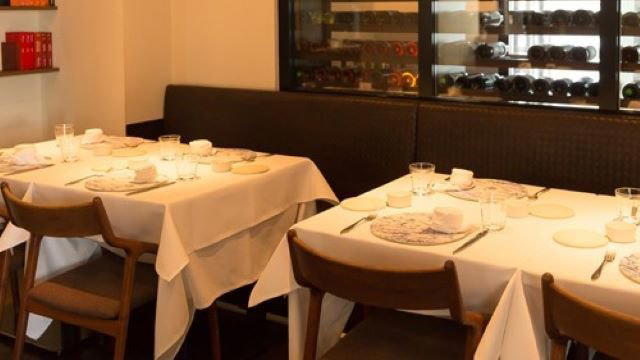
At a Glance
- Elegant
- Cozy
- Sophisticated
- Special Occasion
- Date Night
- Sake Program
- Local Sourcing
Current opening hours
- Monday
- Closed
- Tuesday
- 12–2:30 PM, 6–9 PM
- Wednesday
- 12–2:30 PM, 6–9 PM
- Thursday
- 12–2:30 PM, 6–9 PM
- Friday
- 12–2:30 PM, 6–9 PM
- Saturday
- 12–2:30 PM, 6–9 PM
- Sunday
- Closed
Hours can change for holidays and private events. Last verified .
Relaxing and spacious atmosphere in a renovated traditional Japanese residence next to Nittai-ji temple.