
Toriryori Jun belongs to Nagoya’s compact, reservation-led chicken-cuisine circuit, where the meal is judged by pacing, counter discipline, and the handling of a narrow ingredient vocabulary. Its 2025 Tabelog 100 selection for chicken cuisine gives it a clear external credential, while the eight-seat counter format keeps the experience firmly in the small-room category rather than the casual yakitori lane.
Pearl is the En Primeur Club membership app — saves, bookings, and concierge access live there. Same editors, same standards.
- Address
- 愛知県名古屋市東区泉2-28-12 アクセス泉 4F
- Phone
- +81529909762
- Website
- tabelog.com
 Saves & bookings on Pearl
The approach is vertical before it is culinary: an upper-floor address in Izumi, close to Takaoka, with the sense of a small dining room removed from Nagoya’s louder restaurant traffic. That matters for chicken cuisine in Japan. The genre rewards attention to sequence, heat, and restraint; it rarely benefits from spectacle. At this level, the meal is less about abundance than timing, with counter service turning each course into a measured exchange between kitchen rhythm and diner patience.
Nagoya has a broad dining identity, from miso-rich local cooking to polished sushi counters and French-leaning rooms, but chicken-focused specialist restaurants occupy a narrower lane. Toriryori Jun sits in that lane with a 2025 Tabelog 100 selection for chicken cuisine, a useful signal in a category where the distinction between casual poultry cooking and serious chicken-course dining can be easy to miss from outside Japan. The award places the restaurant inside a national conversation about toriryori rather than simply inside the city’s general restaurant market.
Chicken cuisine treated as a paced counter ritual
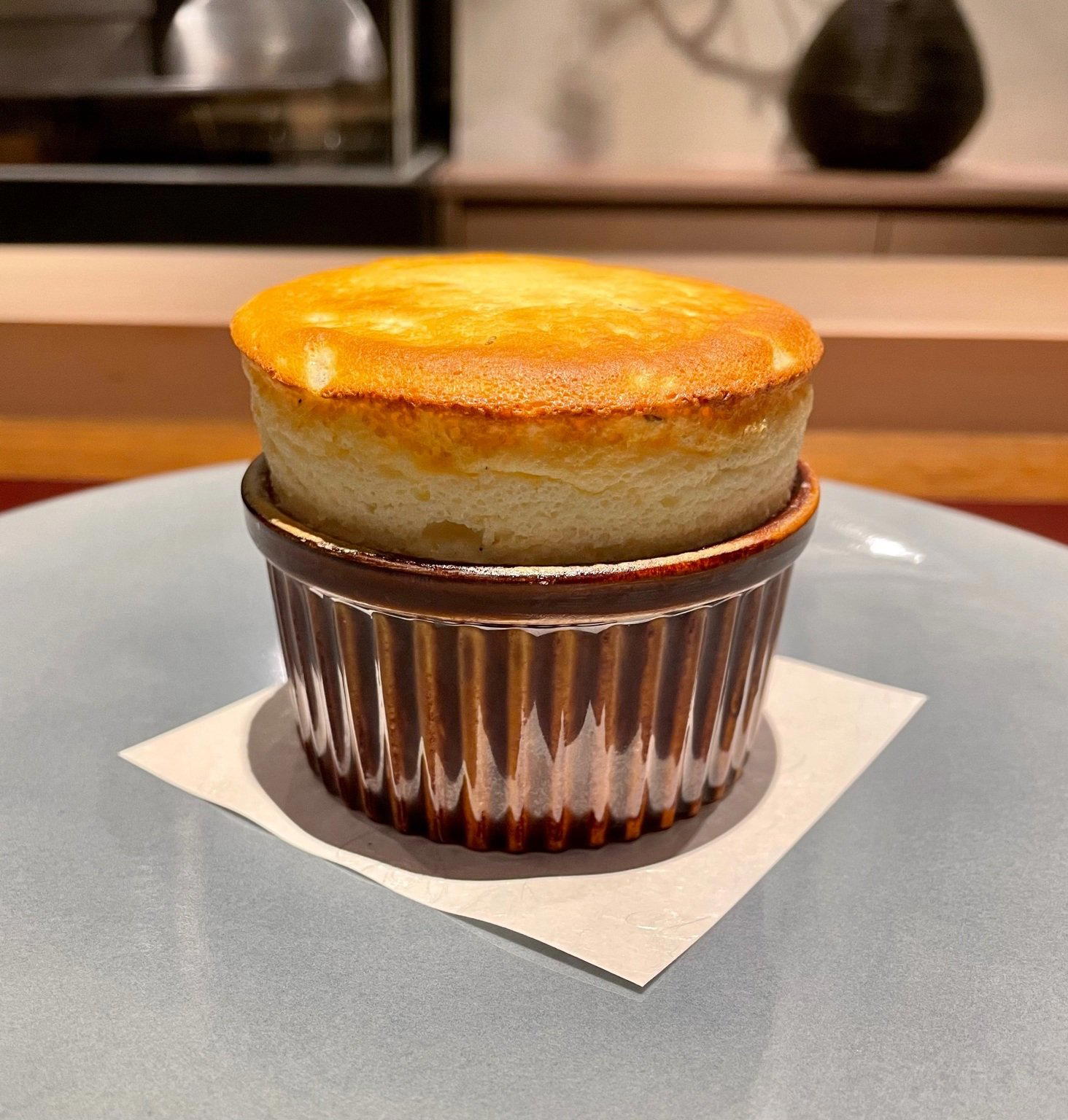
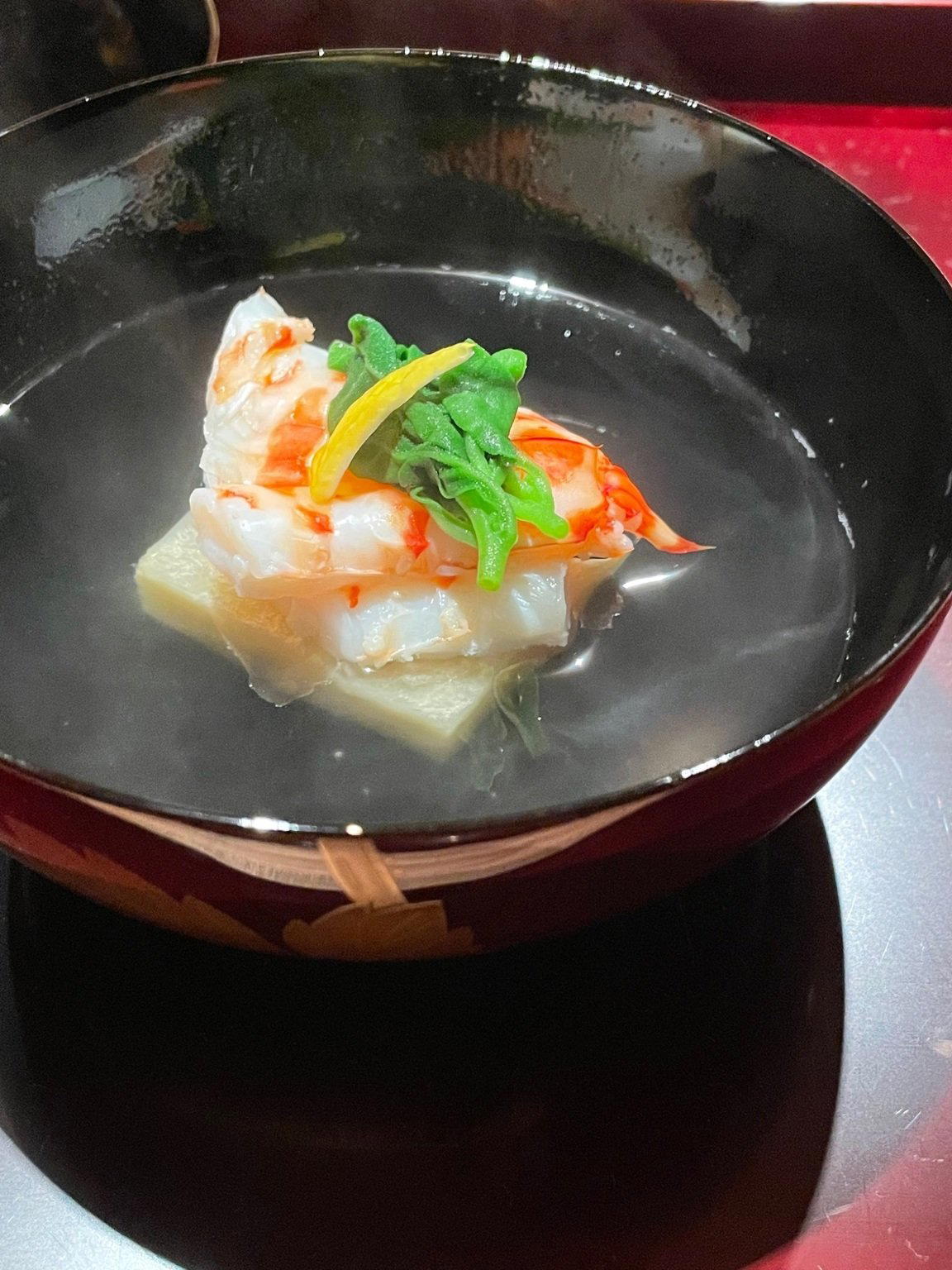
Japanese chicken dining has several registers. Yakitori is the familiar entry point, built around skewers, smoke, and repeat ordering. Toriryori, when handled as a specialist format, is broader and more formal: cuts, cooking methods, seasoning, and drinks move through a planned arc. The point is not a single headline dish. The point is cumulative control, especially when the room is small enough for every plate to be read as part of the same sequence.
That is why counter-only dining changes the stakes. An eight-seat room leaves little buffer between cooking and service, and it also narrows the social contract. Diners who want a long, free-form evening may find the format more disciplined than relaxed. Diners who like watching a kitchen work at close range will understand the appeal quickly. In Nagoya, where premium dining often splits between sushi formality, kappo discretion, and Western tasting menus, this kind of chicken counter offers a different grammar: direct, ingredient-specific, and built around pacing rather than ceremony for its own sake.
The drinks signal also matters. Sake, shochu, and wine all appear in the restaurant’s orbit, which gives the meal more range than a beer-and-skewer outing. That breadth is typical of the modern Japanese specialist counter: not fusion, not loosened izakaya dining, but a more flexible pairing culture around a tightly defined food category. The presence of BYO service also points to a clientele that may care about bottles as much as the cooking sequence.
Where it fits in Nagoya's serious dining map
For travelers building a Nagoya dining schedule, the decision is not simply whether to eat chicken. It is whether to allocate one evening to a specialist counter instead of another sushi, beef, kappo, or French reservation. Within the comparison set, Kappo Hosono and Gyutei occupy adjacent Japanese dining territory, while Baci, le Lotus, and Sushi Isao pull the itinerary toward Italian, French, or sushi-led spending. Toriryori Jun makes sense when the itinerary needs a narrower lens: one ingredient family, one compact room, and a format that rewards focus.
The price band also positions it below some of Nagoya’s more expensive tasting-menu and sushi counters, which gives the restaurant a practical advantage for diners who want a serious evening without committing the budget often associated with high-end sushi. That does not make it casual. Small capacity, award recognition, and a specialist category create their own pressure. A seat here is better treated as a planned dinner than a spontaneous stop between bars.
There is a useful Nagoya lesson here. The city’s dining reputation outside Japan is often flattened into local specialties, but its stronger contemporary restaurants are frequently category specialists: small counters, precise formats, and menus that assume the diner has come for a specific craft. Readers mapping the city more broadly should use Our full Nagoya restaurants guide alongside adjacent city planning in Our full Nagoya hotels guide, Our full Nagoya bars guide, Our full Nagoya wineries guide, and Our full Nagoya experiences guide.
How to read the room before choosing it
This is a compact counter for diners who are comfortable with close pacing, limited seats, and a meal organized around chicken rather than broad à la carte choice. It is not the right call for a mixed group that needs wide dietary flexibility, a stroller-friendly room, or a casual drop-in atmosphere. It is better suited to two diners, or a small party, who want a controlled specialist dinner and are comfortable letting the kitchen’s sequence define the evening.
The stronger way to place it in an itinerary is to treat it as Nagoya’s chicken-focused counter slot. Pair it against a kappo night or a sushi night, not against a ramen stop or an izakaya crawl. That framing prevents disappointment and clarifies the appeal: a narrow format, external recognition from Tabelog’s 2025 chicken-cuisine list, and a room small enough that etiquette becomes part of the meal. Arrive ready for pace, not sprawl.
For broader comparison across EP Club’s restaurant coverage, related reading includes Nagoya entries such as 1022, 451, Aaron, Alan., and All Day Dining Montmartre. Wider Japan and transpacific context runs through -Grilled beef Sukiyaki- KAMAKURA TANUKIAN 鎌倉 たぬき庵 in Kamakura. 鮪と炭火焼き うお炭 秋葉原店 in Tokyo.cafe in Osaka.know in Kumamoto, (Shoku) Vietnam in Kawasaki, [Curry Senmon Ten] Maruyama Kyoju. in Sapporo, Jōdo Saké Bar in Los Angeles, and Onigiri Time in Pasadena.
Cuisine and Awards Snapshot
Comparable venues at a glance for context.
| Venue | Cuisine | Price | Notes |
|---|---|---|---|
| Toriryori JunThis venue — the venue you are viewing | Omakase Yakitori & Chicken Cuisine | $$$ | Not listed |
| Otsuaji Asai | Creative Japanese cuisine with handmade soba | $$$ | Naka |
| Manpuku | Yakiniku (Japanese BBQ) | $$$ | Nakagawa |
| Kamisono | Japanese Kaiseki Omakase | $$$ | Higashi |
| Nagoya Cochin Kappo Torifuku | Nagoya Cochin Kappo & Mizutaki | $$$ | Higashi |
| Sakana To Nihonshu Atarayo | Creative Seafood Izakaya with Sake | $$$ | Naka |
Recognition history
Dated appearances from independent guides and award organizations, with the underlying list record or original source where available.
Tabelog 100 #35 · No. 35
Tabelog · Tabelog 100 - Chicken cuisine - 2025
Continue exploring
More in Nagoya
Restaurants in Nagoya
Browse all →
At a Glance
- Intimate
- Cozy
- Date Night
- Special Occasion
- After Work
- Solo
- Private Event
- Chefs Counter
- Standalone
- Sake Program
- Byob
- Extensive Wine List
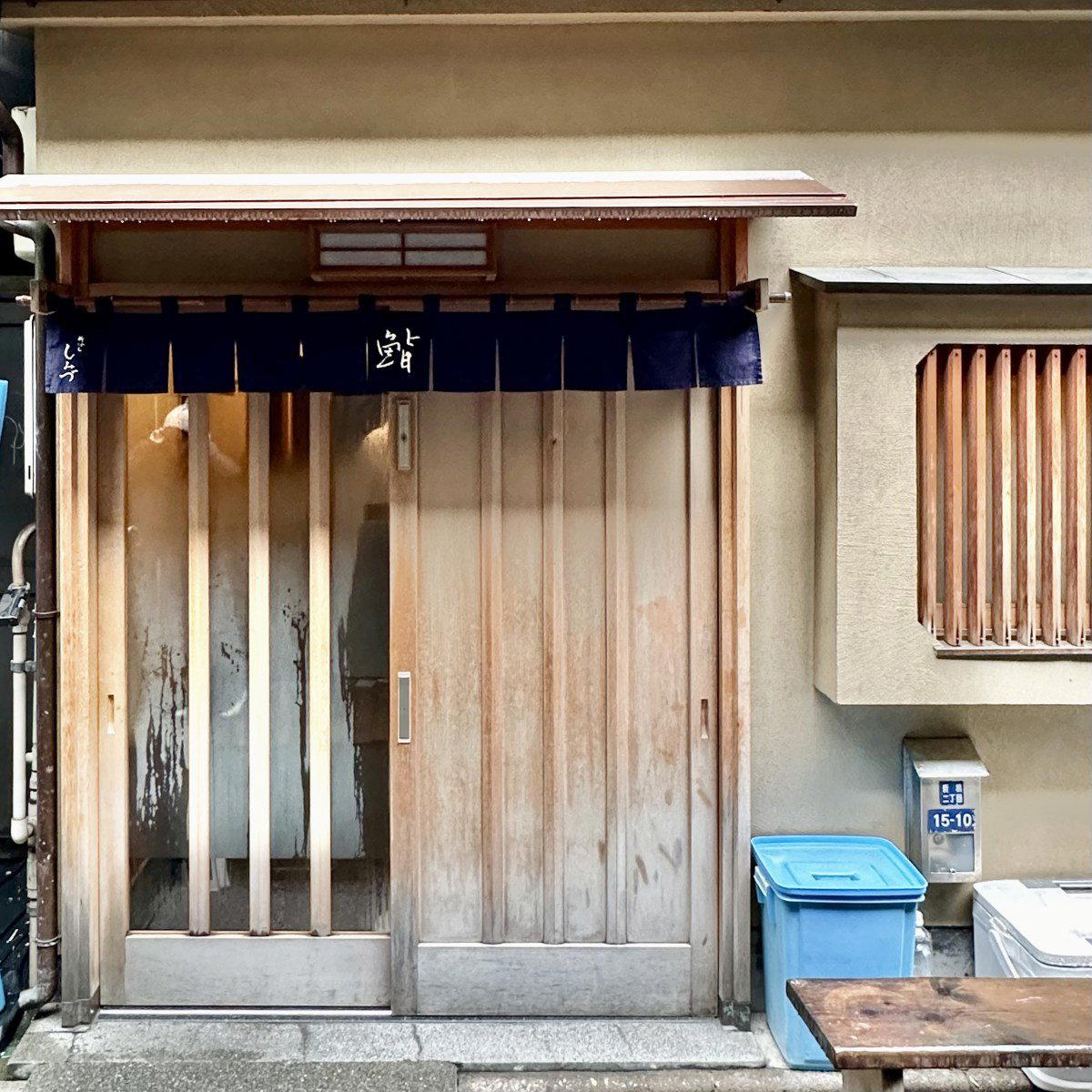
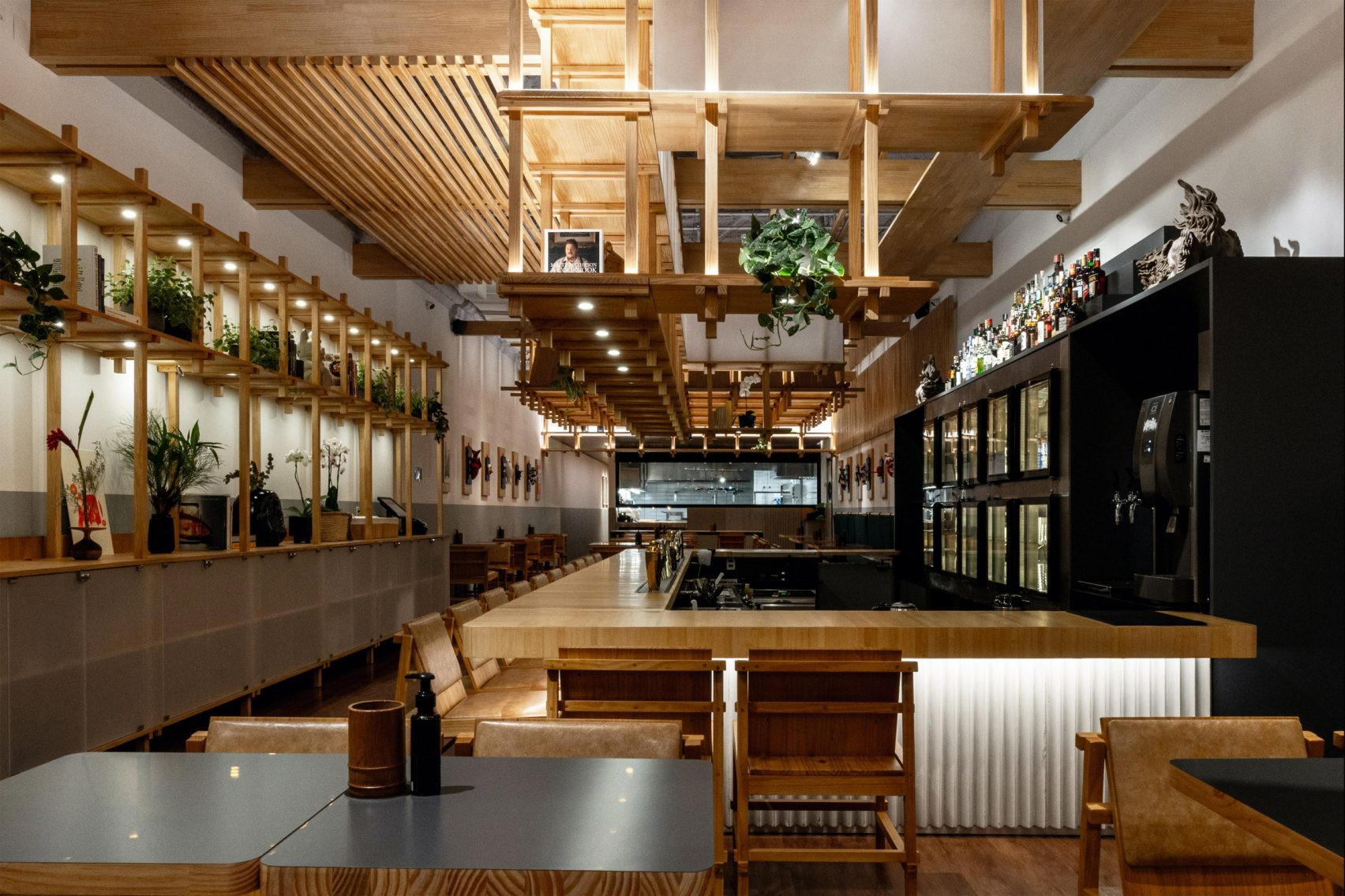
Relaxed, hideaway counter with only eight seats, non-smoking and designed as a calm, intimate space suited to slow, course-style dinners and dates rather than noisy groups.