
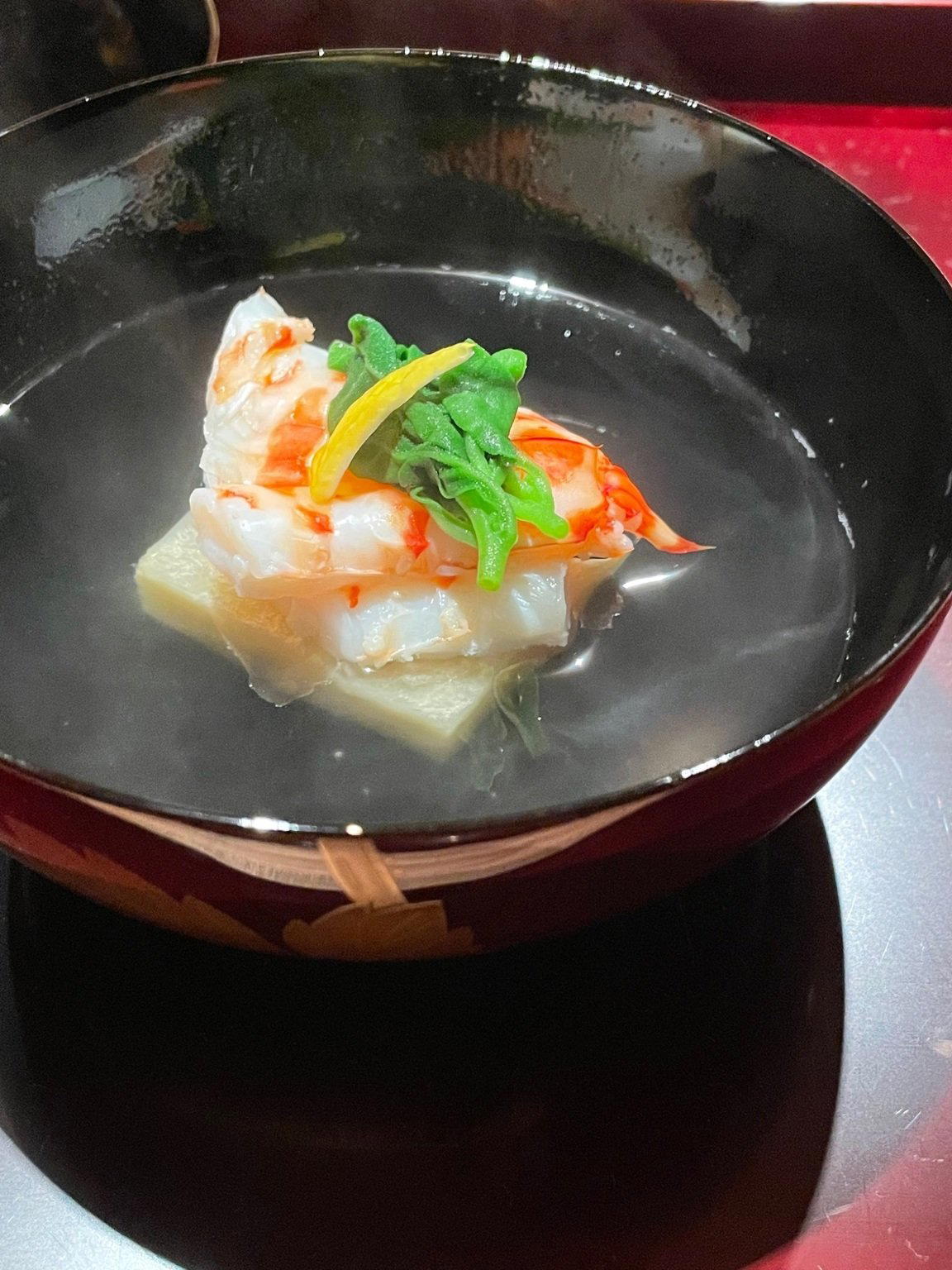
Umi no Hi sits in Nagoya’s Sakae dining district as a seafood-led izakaya with a serious drinks posture: sake and shochu are part of the identity, not an afterthought. Its Tabelog 100 Izakaya EAST selections in 2022, 2024, and 2025 place it among Japan’s more closely watched izakaya addresses, especially for diners who read the category through fish, nabe, and the rhythm of drinking well.
Pearl is the En Primeur Club membership app — saves, bookings, and concierge access live there. Same editors, same standards.
- Address
- Japan, 〒460-0008 Aichi, Nagoya, Naka Ward, Sakae, 4 Chome−15−14 栄ハイホーム
- Phone
- +81 52-265-5262
- Website
- m.facebook.com
 Saves & bookings on Pearl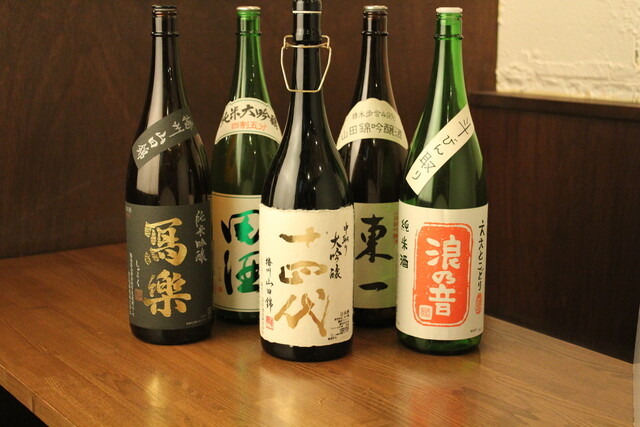
Sakae after dark is built for decisions: department-store polish gives way to basement counters, late trains, and rooms where the first order can define the evening. In Nagoya, the seafood izakaya occupies a precise lane: not sushi theatre, not kappo formality, and not the broad, beer-first tavern model. The better version asks how much structure a drinking restaurant can carry before it loses its ease.
Umi no Hi answers from the fish-and-drink side. The public labels are plain, izakaya, seafood, and nabe, but the alignment is the signal: fish as anchor, sake and shochu as core companions, and a room disciplined enough to earn repeat Tabelog 100 Izakaya EAST selections in 2022, 2024, and 2025. In Nagoya, where attention often goes to hitsumabushi, miso-katsu, kishimen, and other civic staples, that matters. It places the restaurant in a specialist conversation: not what a visitor eats to tick off Aichi, but where locals go when the night is built around seafood and bottles.
Seafood izakaya, read through the drinks list
The useful way to read this address is through the drinks program. Sake and shochu are not decorative menu categories; they set the meal’s pace. Strong izakaya culture relies on exchange between plate and pour, and seafood sharpens the requirement. A fish-led counter or dining room needs range: sake for temperature, texture, and rice-derived breadth; shochu for cleaner cuts through grilled, dried, or simmered preparations; and enough confidence to keep the format social rather than ceremonial.
That is why the izakaya label can undersell the experience for travelers used to casual pub translations. At this tier, the category is less informality than elasticity. A meal can move from sashimi and dried fish into nabe without changing register, while drinks carry continuity. The appeal is not a long tasting-menu arc, but the Japanese skill of letting a table build momentum through small decisions, one pour and one plate at a time.
Nagoya’s mid-to-upper dining bracket clarifies the position. Sumiyaki Chicken Kababu sits higher on budget at JPY 10,000 to JPY 14,999, while kawaramachi hisaya ukiyo banare occupies a lower JPY 6,000 to JPY 7,999 range, and Tori Yakiniku Toriichi Sakae joshidai ten is lower again at JPY 4,000 to JPY 4,999. Seafood izakaya at Umi no Hi’s level sits between casual drinking and destination dining, useful for travelers wanting a serious evening without kaiseki or sushi omakase choreography.
Sakae's after-work grammar suits this format
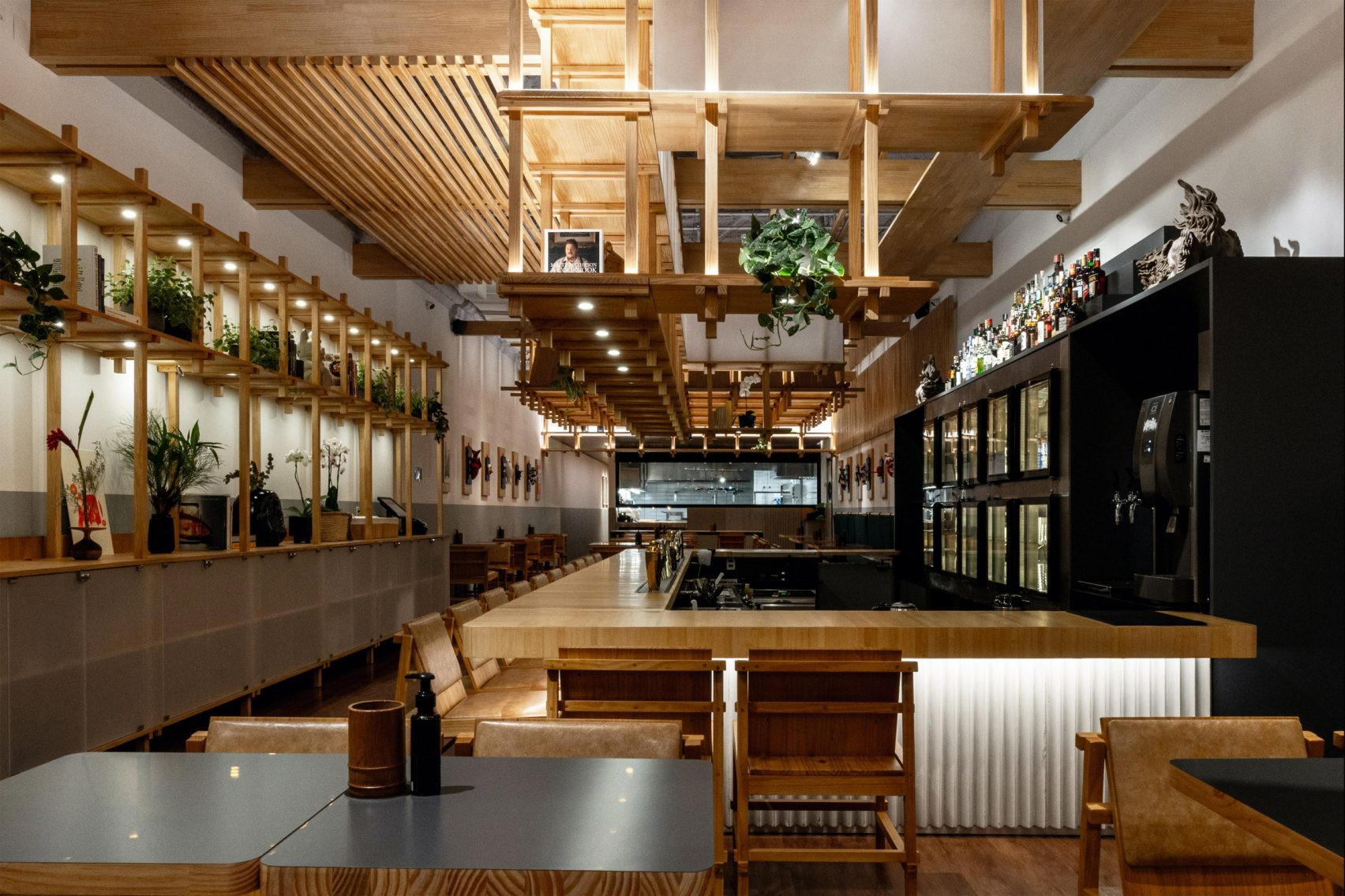
Sakae is Nagoya’s commercial engine, not a quiet culinary village, and that shapes dinner. Restaurants must absorb office workers, regulars, visitors, and second-stop drinkers without flattening the experience. The stronger rooms specialize rather than sprawl: charcoal, Chinese dining, chicken yakiniku. A seafood-and-nabe izakaya with a developed sake and shochu identity fits the district because it can carry both a planned dinner and a long drinking session.
The Tabelog 100 Izakaya EAST recognition is a measurable credential, but the more interesting point is what it implies. Izakaya excellence is hard to rank from outside because the form depends on timing, ordering intelligence, and drink pairing as much as any single plate. Selection across multiple years suggests consistency in a field where many venues are locally loved yet invisible to travelers. For visitors, it narrows the risk: the draw is not novelty, but a tested Nagoya seafood tavern with enough definition to register beyond its neighborhood.
The house rules also show the room’s seriousness. Fragrance restrictions are unusually explicit, covering perfumes, scented hair products, creams, and strong fabric softeners. The policy is practical, tied to allergies and raw ingredients, but it also reflects a wider Japanese dining norm that aroma can interfere with food and drink. In a seafood izakaya where sake and shochu matter, scent discipline is not etiquette theatre. It protects the table.
How to place it in a Nagoya itinerary
For a Nagoya food itinerary, schedule this dinner after the city’s regional signatures rather than before them. Hitsumabushi and miso-based dishes explain Nagoya’s public culinary identity; a focused seafood izakaya explains how the city eats when the evening is less about landmarks and more about rhythm. The format suits adults traveling in pairs or small groups, where the table can move across fish, hot pot, sake, and shochu without becoming a checklist.
The better comparison is not a luxury counter, but other mid-to-high specialist rooms that ask diners to commit to a category. China Hanten Shunju and Koran point to different spending patterns in Nagoya’s broader dining field, while this address holds the line on seafood tavern culture. That makes it useful for readers who have already scanned Our full Nagoya restaurants guide and want one narrower night. It also pairs naturally with planning across Our full Nagoya hotels guide, Our full Nagoya bars guide, Our full Nagoya wineries guide, and Our full Nagoya experiences guide.
Readers comparing Japanese dining formats may also look at nearby and wider references such as 1022, 451, Aaron, Alan., and All Day Dining Montmartre. For a broader Japan map, useful contrasts include -Grilled beef Sukiyaki- KAMAKURA TANUKIAN 鎌倉 たぬき庵 in Kamakura. 鮪と炭火焼き うお炭 秋葉原店 in Tokyo.cafe in Osaka.know in Kumamoto, (Shoku) Vietnam in Kawasaki, and [Curry Senmon Ten] Maruyama Kyoju. in Sapporo. Outside Japan, Jōdo Saké Bar in Los Angeles and Onigiri Time in Pasadena show how Japanese drinking and casual food forms travel, though Nagoya’s version remains tighter, more local, and more dependent on the room’s ordering tempo.
Umi no Hi is the choice when the priority is control, not spectacle: seafood, sake, shochu, and nabe held inside izakaya social grammar. Its reputation rests on that balance, and the multiple Tabelog 100 selections give travelers a concrete reason to treat it as more than another Sakae dinner option.
Where It Fits
Comparable venues side-by-side for orientation.
| Venue | Cuisine | Price | Notes |
|---|---|---|---|
| Umi no HiThis venue — the venue you are viewing | Seafood-focused Japanese Izakaya | $$$ | Not listed |
| Yakiniku Asahi | Private-room Wagyu Yakiniku | $$$ | Higashi |
| 雪月花たなかさとる | Premium Wagyu Yakiniku | $$$ | Naka |
| Chisouan Hijiri | Traditional Kyoto-style kaiseki | $$$ | Higashi |
| Senkun'an | Japanese Teppanyaki Steakhouse | $$$ | Meitō |
| Yagumo | Traditional Nagoya Shabu-shabu & Sukiyaki (Mingei Kappo) | $$$ | Higashi |
Recognition history
Dated appearances from independent guides and award organizations, with the underlying list record or original source where available.
Tabelog 100 #88 · No. 88
Tabelog · Tabelog 100 - Izakaya - EAST - 2025
Continue exploring
More in Nagoya
Restaurants in Nagoya
Browse all →
At a Glance
- Cozy
- Lively
- After Work
- Casual Hangout
- Group Dining
- Date Night
- Late Night
- Standalone
- Sake Program
- Beer Program
- Sustainable Seafood
Current opening hours
- Monday
- 6–11 PM
- Tuesday
- 6–11 PM
- Wednesday
- 6–11 PM
- Thursday
- 6–11 PM
- Friday
- 6–11 PM
- Saturday
- 6–11 PM
- Sunday
- Closed
Hours can change for holidays and private events. Last verified .
A small, reservation-focused izakaya with a cozy, lively atmosphere centered on carefully handled seafood and drinks; strict rules about perfumes and fragrances suggest an intimate space where food aromas and freshness are emphasized.