
Nagoya’s serious Japanese counters are often judged by coordination as much as cooking: pacing, sake fluency, fish handling, and the quiet discipline of a small room. Otsuaji Asai belongs to that compact tier, with Tabelog Japanese Cuisine EAST 100 selections in 2021, 2023, and 2025, and a format that rewards diners who want seafood, soba, and nihonshu treated as one conversation.
Pearl is the En Primeur Club membership app — saves, bookings, and concierge access live there. Same editors, same standards.
- Address
- 愛知県名古屋市中区新栄1-5-6 メイトウスタービル 2A
- Phone
- +81522117080
- Website
- otsuaji-asai.com
 Saves & bookings on Pearl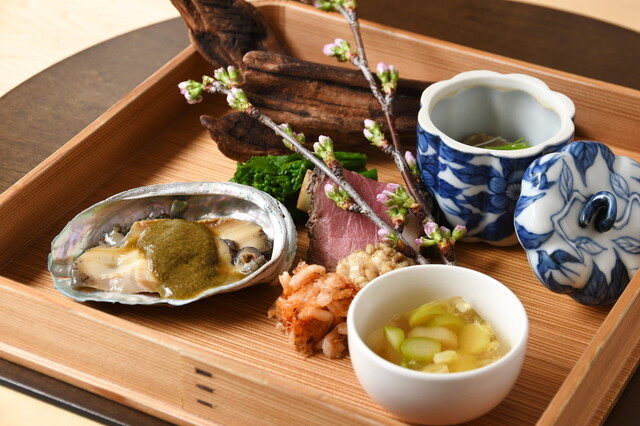
Shinsakae does not announce itself with Ginza ceremony or Kyoto-old-quarter atmosphere. Its better dining rooms often sit above street level or behind modest fronts, where city noise gives way quickly to counter focus. The appeal is compression: a small room, narrow service rhythm, and a team expected to make every handoff invisible.
That is the useful way to read Otsuaji Asai. Nagoya has casual izakaya energy and station-adjacent dining, but its more ambitious Japanese restaurants often work quietly, closer to kappo than theatre. The counter is a working table, not a stage. Fish, soba, sake, shochu, and wine share one grammar; the evening is measured by how well the room links them, not how loudly any course announces itself.
A compact counter built around timing, fish, and drink service
The restaurant’s recognition places it in a selective Japanese-cuisine bracket rather than the general Nagoya dining pack: Tabelog named it to the Japanese Cuisine EAST 100 in 2021, 2023, and 2025. The list tends to reward restaurants where technique, consistency, and local diner confidence have converged. It is not Michelin-style star shorthand, but a Japanese platform’s signal that the room has passed a demanding domestic filter.
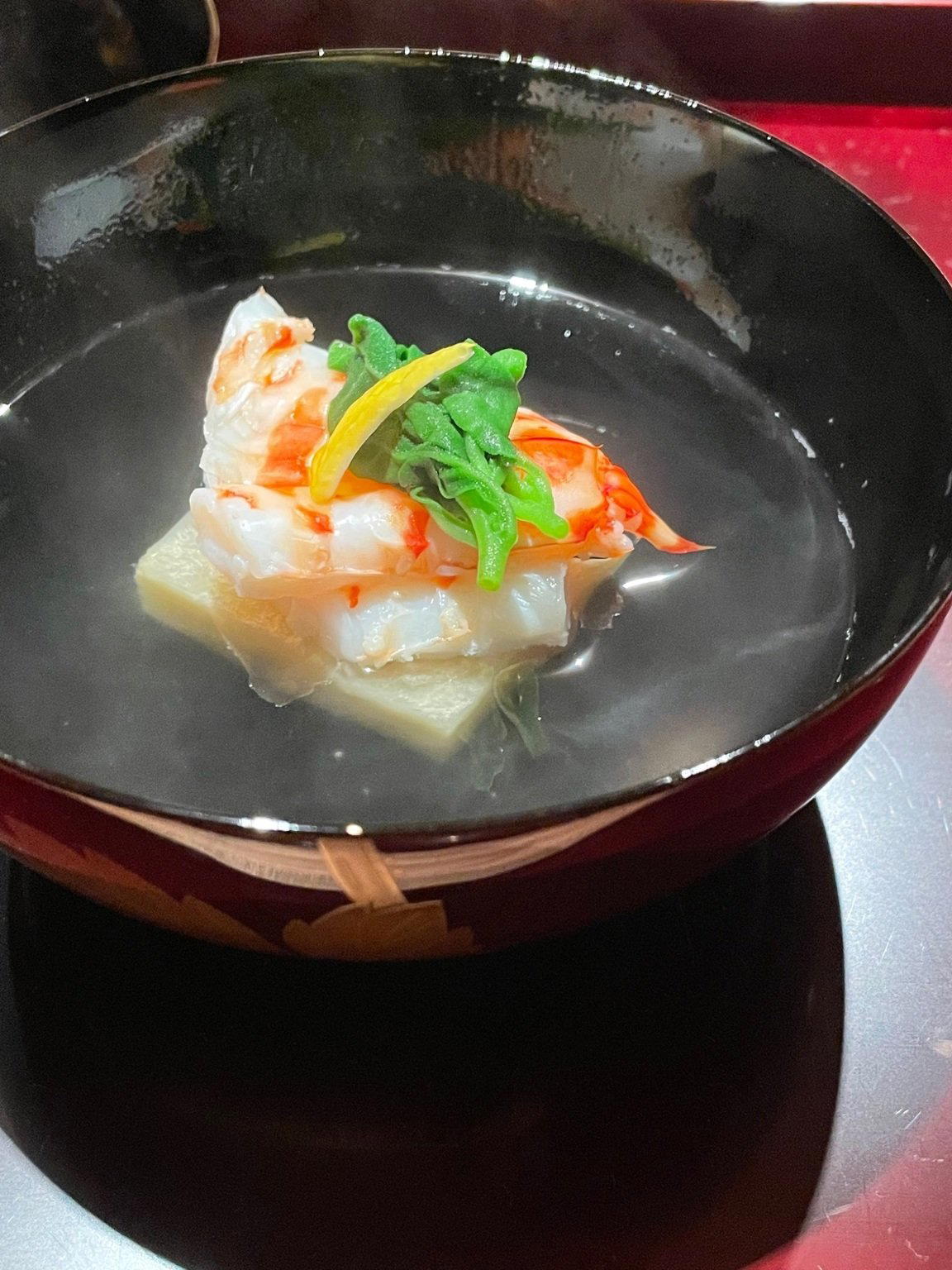
The category mix is telling. Japanese cuisine, soba, and seafood promise something different from a sushi counter or kaiseki room. Soba brings restraint and pacing; seafood requires procurement and temperature control; the wider Japanese-cuisine frame lets a meal move between cooked, raw, seasonal, and noodle-led sequences without becoming single-format. In Nagoya, where stronger flavours and regional comfort dishes shape many visitor expectations, this counter points to a more precise local tier.
Team dynamic is central. At a small counter, cooking cannot be separated from front-of-house timing, and drink service is not decoration. A late sake pour can flatten a seafood course; an overassertive wine pairing can pull attention from dashi, soy, smoke, or buckwheat. The drink program lists sake, shochu, and wine, with a stated focus on each, suggesting cross-category pairing rather than a token bottle list. The experience gains shape when chef, service, and drinks move as one unit.
Nagoya’s mid-to-high dining tier is broad. Maruko operates in a comparable dinner band while keeping lunch far lower, prospero sits in a similar lunch and dinner range, and kibi occupies a higher bracket. Lucca and Torin Chi Nagoya shinsakae ten are far more casual. Otsuaji Asai is neither everyday nor ultra-rarefied; it is the focused counter slot where precision, meal length, and adult pacing carry the value.
Why the room suits diners who read service as part of the cooking
Counter-only Japanese dining changes the guest’s role. With less distance between kitchen, service, and table, discipline becomes visible: plate clearing, glassware, pacing, and the choreography of a meal longer than a quick dinner. The restaurant notes parties over 2.5 hours, a useful signal for planning. This is not a place to squeeze between meetings; it is built for a slower read of seafood, soba, and drinks.
The perfume request is meaningful beyond etiquette. Japanese counters foregrounding fish, broth, buckwheat, and sake depend on aroma more than volume. Strong scent in a small room can distort the experience for neighbouring diners and the wearer. The instruction reveals the venue’s priorities: the table is a shared sensory space, and restraint is part of the social contract.
Children are not broadly excluded, but the format is adult-course oriented. The policy accepts reservations for children who can eat the same course meal as adults, effectively placing the restaurant outside family-casual dining. That is common in small Japanese counters, where pacing, portions, and seating do not easily bend around separate children’s menus.
The restaurant opened in December 2019, giving its recognition context. Repeat selection across 2021, 2023, and 2025 means the counter gained traction through changing travel patterns, shifting reservation habits, and domestic diner scrutiny. Longevity alone is not the point; repeat acknowledgement across cycles is the stronger signal.
Where it fits in a Nagoya dining itinerary
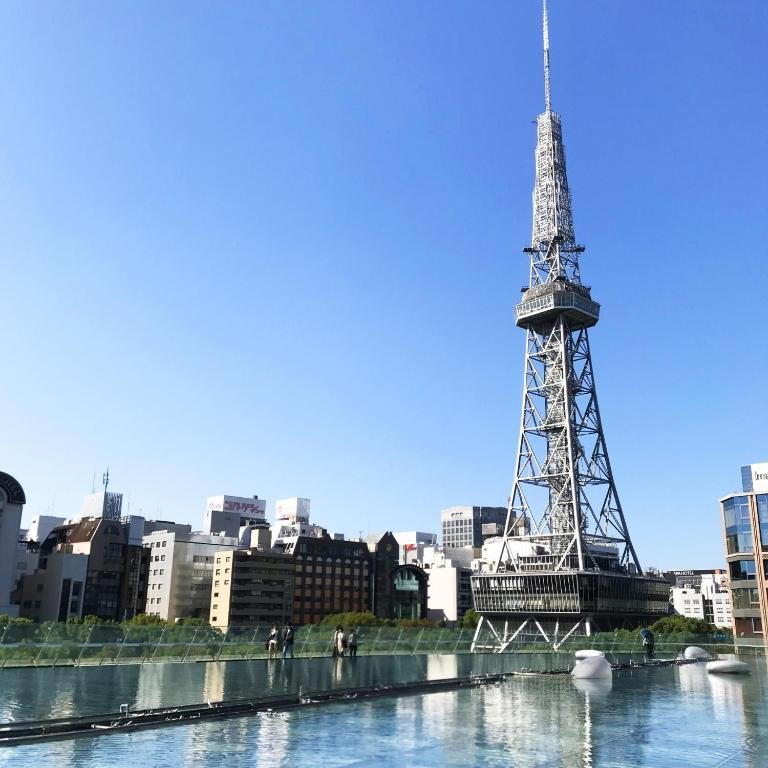
Nagoya dining is easily misunderstood by visitors who reduce the city to miso katsu, hitsumabushi, and station ramen. Those dishes matter, but they do not explain the quieter specialist rooms. Shinsakae suits restaurants that do not need heavy street traffic. The neighbourhood is central enough for visitors, without forcing the restaurant into the louder commercial rhythm around Nagoya Station or Sakae’s broadest nightlife corridors.
For a full stay, place this dinner after the city’s more casual regional signatures, not before them. The contrast helps: first understand Nagoya’s salt, miso, eel, noodles, and beer-friendly comfort food, then book a counter where the language narrows and tightens. Readers building that map can use Our full Nagoya restaurants guide alongside Our full Nagoya hotels guide, Our full Nagoya bars guide, Our full Nagoya wineries guide, and Our full Nagoya experiences guide.
The wider restaurant index also shows how varied Japan-focused dining has become across cities and formats, from 1022, 451, Aaron, Alan., and All Day Dining Montmartre to regional and overseas references such as -Grilled beef Sukiyaki- KAMAKURA TANUKIAN 鎌倉 たぬき庵 in Kamakura. 鮪と炭火焼き うお炭 秋葉原店 in Tokyo.cafe in Osaka.know in Kumamoto, (Shoku) Vietnam in Kawasaki, [Curry Senmon Ten] Maruyama Kyoju. in Sapporo, Jōdo Saké Bar in Los Angeles, and Onigiri Time in Pasadena.
The editorial read is clear: Otsuaji Asai is for diners who care about the whole mechanism of a Japanese counter. The evidence is not a famous chef biography or a single named dish, but repeat Tabelog 100 selection, a narrow seafood-and-soba identity, serious drinks coverage, and a room where service timing has nowhere to hide.
At a Glance
Side-by-side context: comparable cuisine and price.
| Venue | Cuisine | Price |
|---|---|---|
| Otsuaji AsaiThis venue — the venue you are viewing | Not listed | $$$ |
| Kamisono | Higashi, Japanese Kaiseki Omakase | $$$ |
| Yakitori Sensho | Higashi, Nagoya Cochin Yakitori | $$$ |
| Meshiya Ukiyo Banare | Naka, Modern Japanese Izakaya | $$$ |
| Kappo Hosono | Higashi, Seasonal Japanese Kappo Counter | $$$ |
| Shutei Nawa | Higashi, Japanese Izakaya Seafood | $$$ |
Recognition history
Dated appearances from independent guides and award organizations, with the underlying list record or original source where available.
Tabelog 100 #69 · No. 69
Tabelog · Tabelog 100 - Japanese cuisine - EAST - 2025
Continue exploring
More in Nagoya
Restaurants in Nagoya
Browse all →
At a Glance
- Cozy
- Intimate
- Elegant
- Date Night
- Special Occasion
- Business Dinner
- Celebration
- Solo
- Standalone
- Private Dining
- Sake Program
- Extensive Wine List
- Local Sourcing
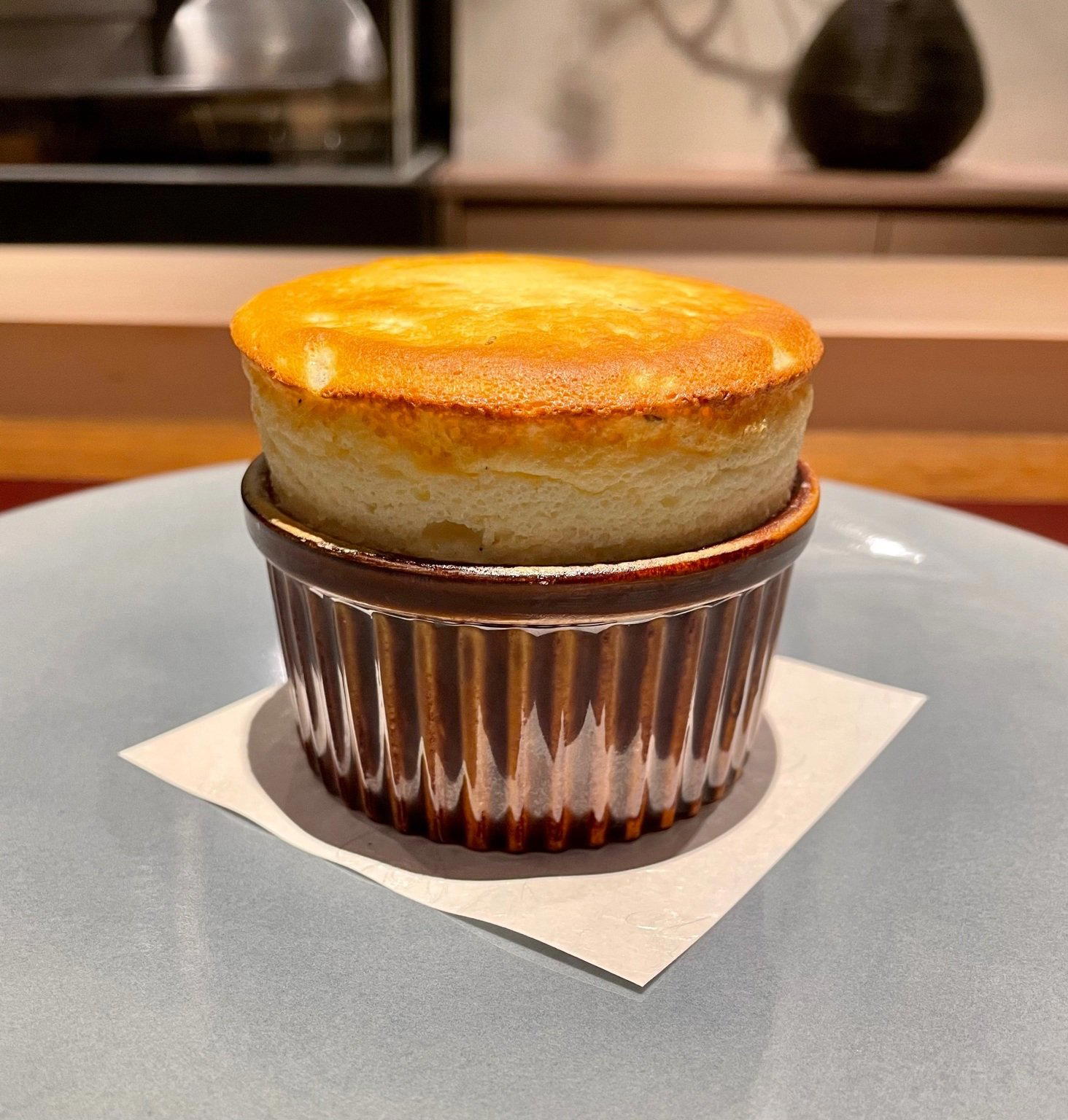
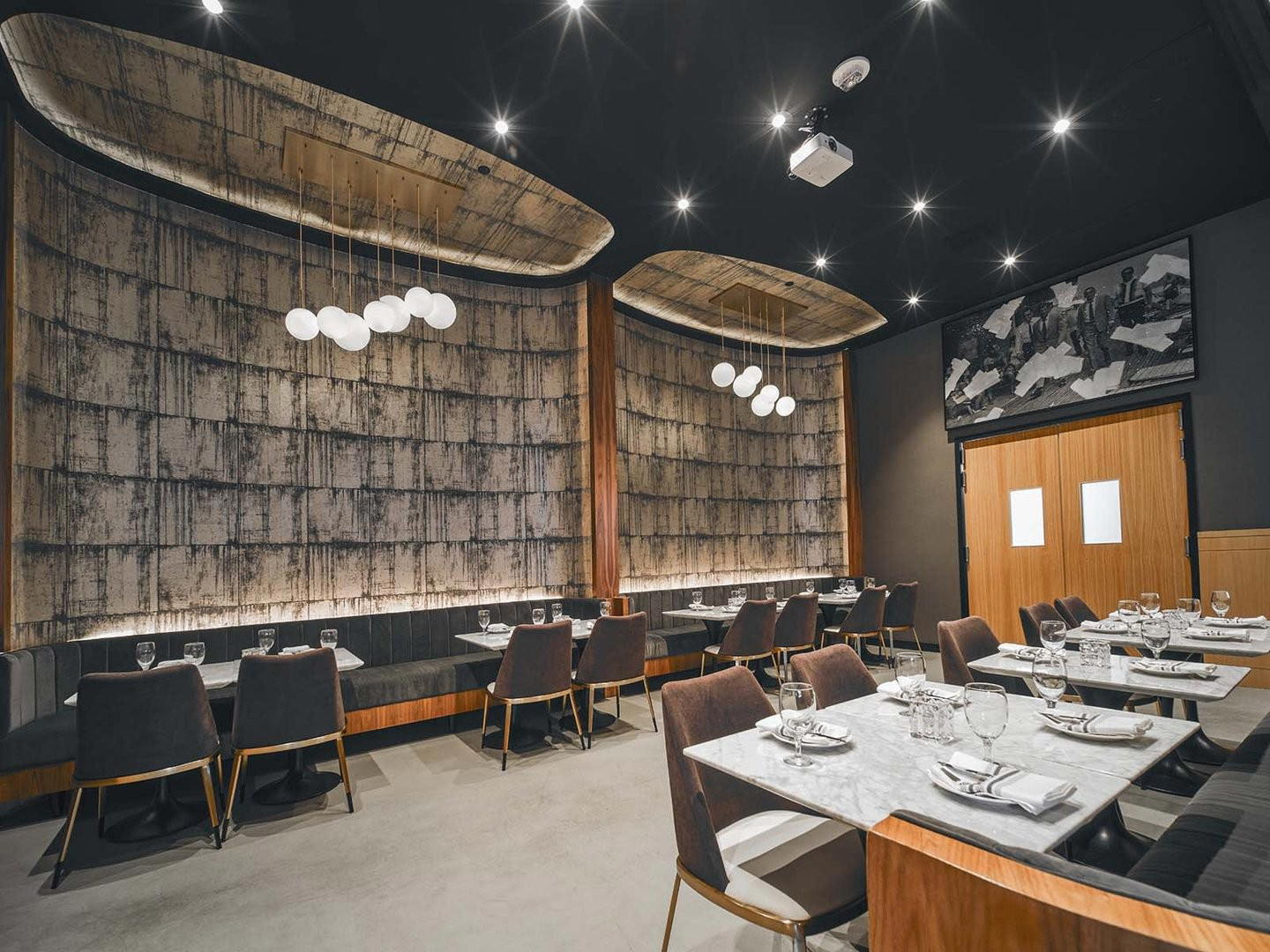
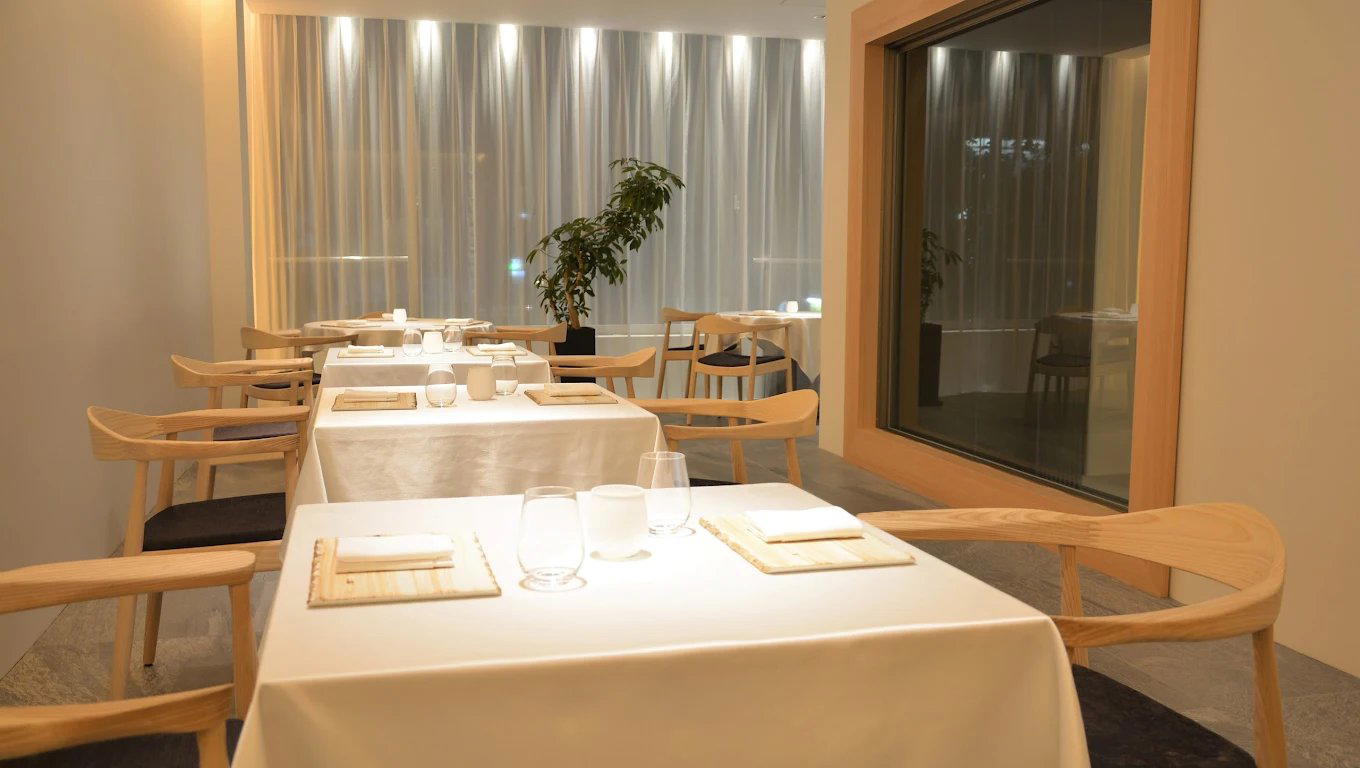
Calm and intimate with a relaxed, quietly elegant atmosphere, designed for guests to enjoy a leisurely multi-course Japanese meal and handmade soba away from the bustle, in a hidden-gem style upstairs space.