Tabelog 100 #47
Our verdict
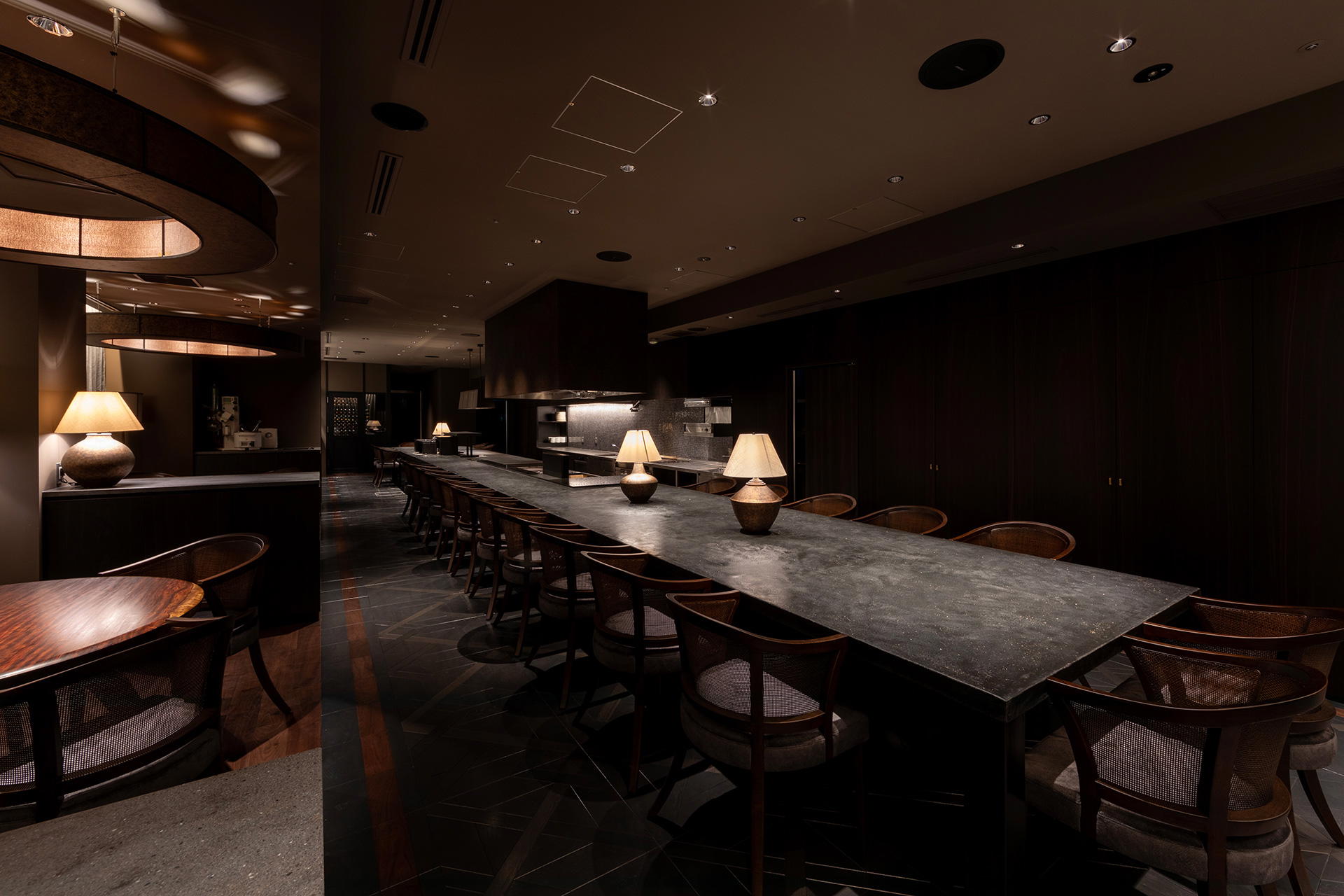
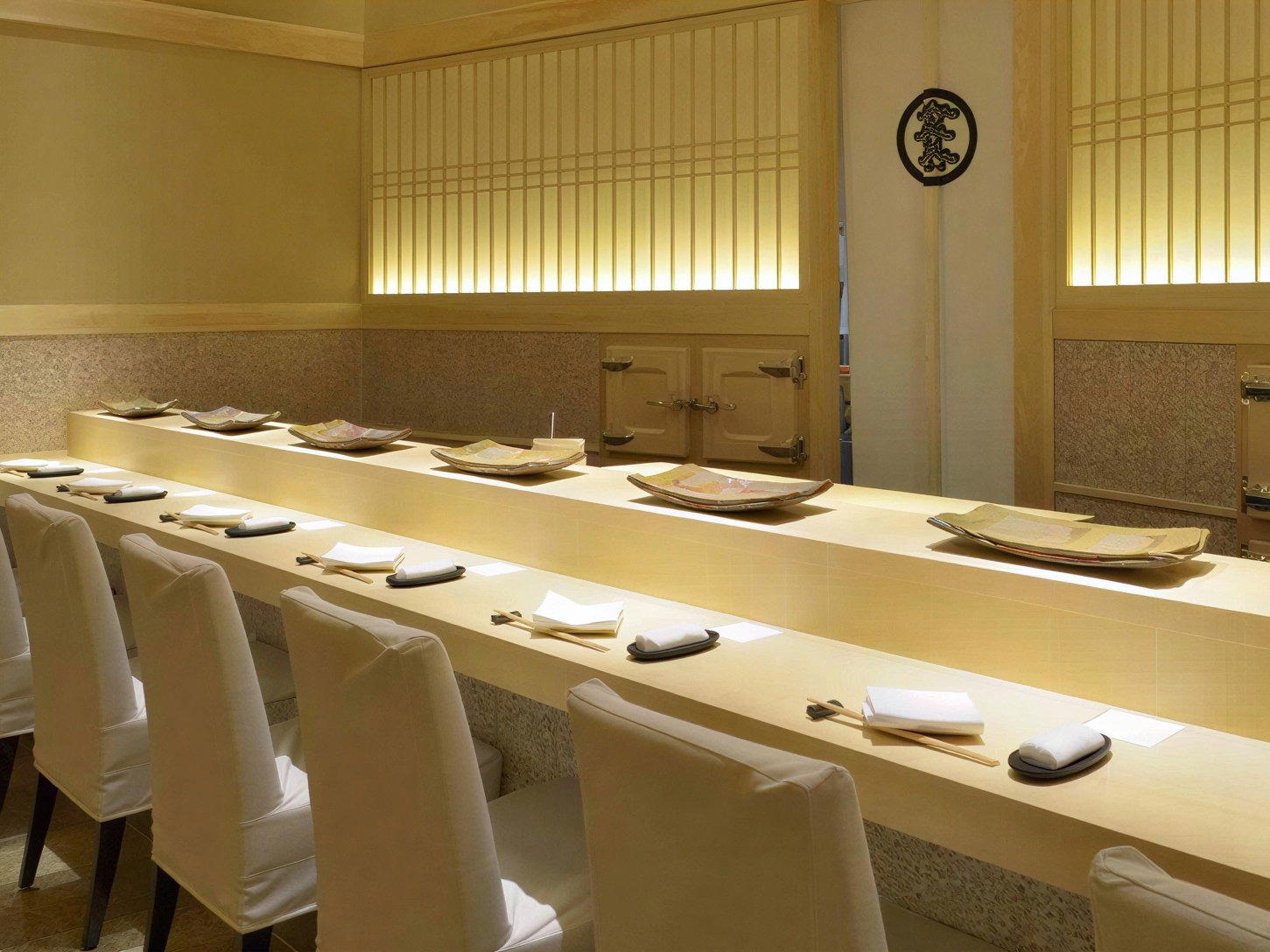
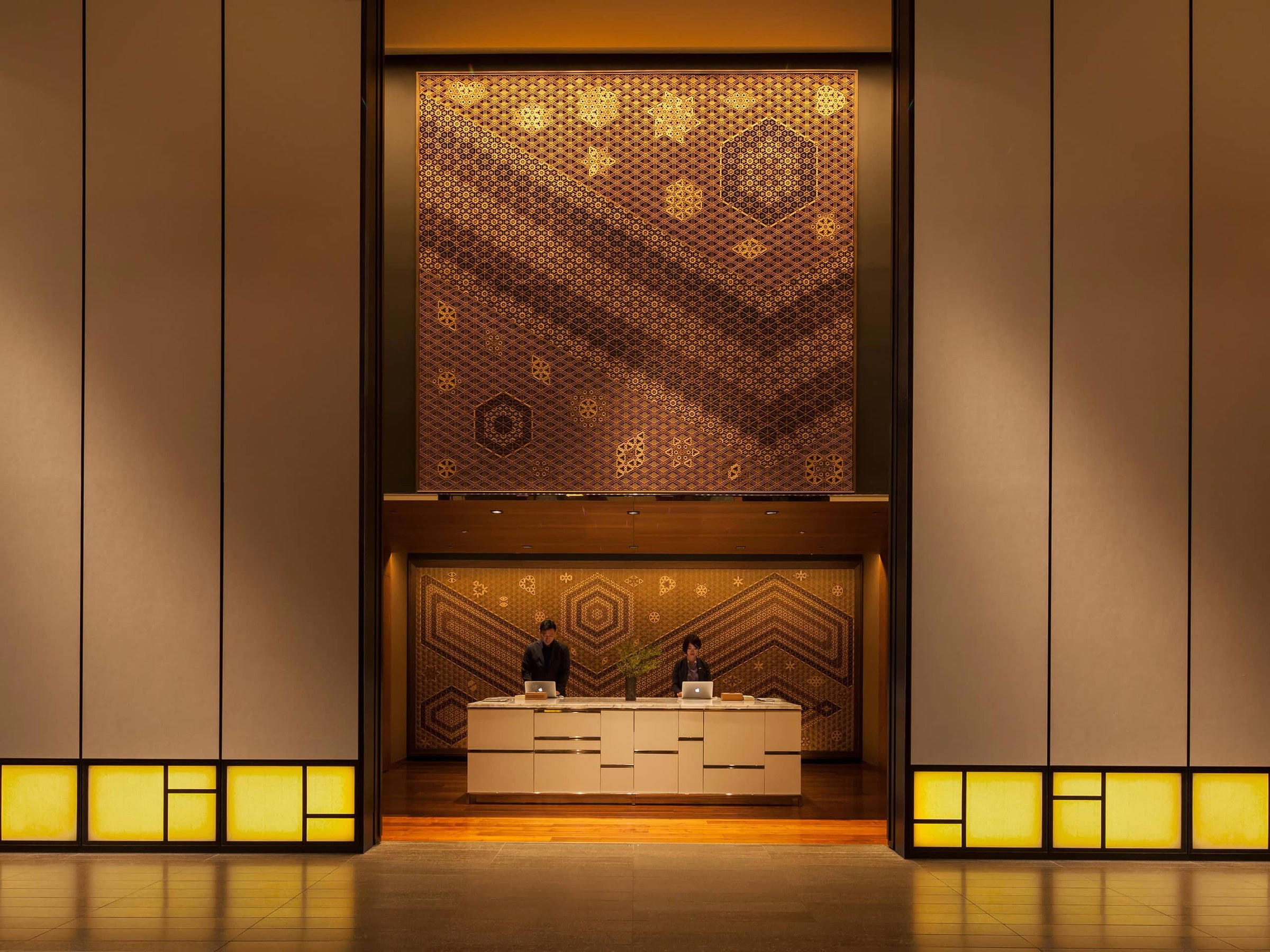
Mudai brings a tight, reservation-only Japanese cuisine format to Azabudai Hills, with an eight-seat room and critical recognition from Tabelog 100 Tokyo 2025 and Opinionated About Dining’s 2026 Japan Recommended list. Its appeal sits in the current Tokyo pattern of small counters inside high-design mixed-use districts, where reputation is built as much through restraint and scarcity as through spectacle.

Pearl is the En Primeur Club membership app, where members save venues, book tables and use the concierge.
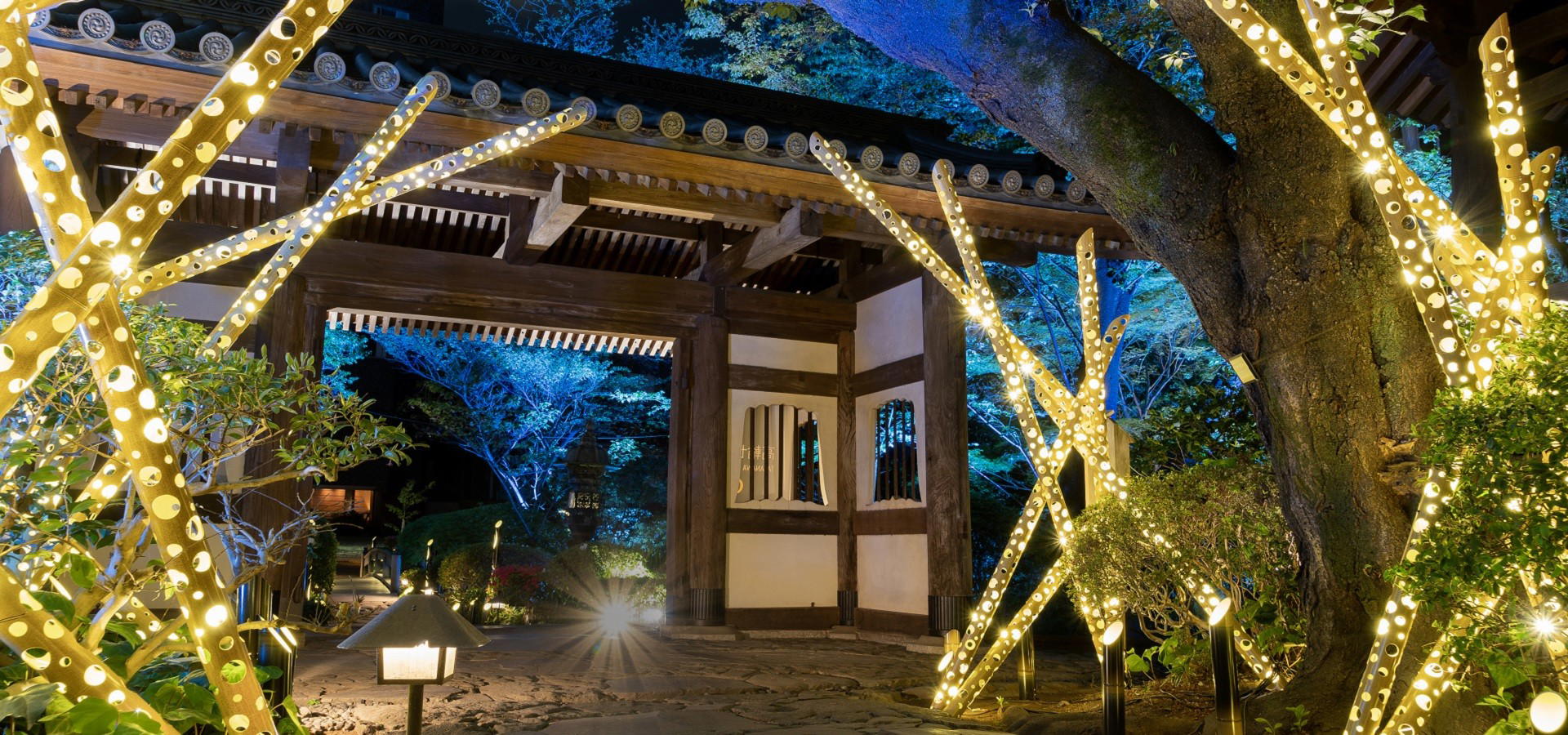
Tokyo changes destination dining’s usual rhythm when a serious meal is placed inside a polished urban setting rather than treated as an old-world hidden address. Mudai fits a newer Tokyo category: focused Japanese cuisine in a contemporary luxury context, judged by the same standards as other discreet high-end dining rooms across the city.
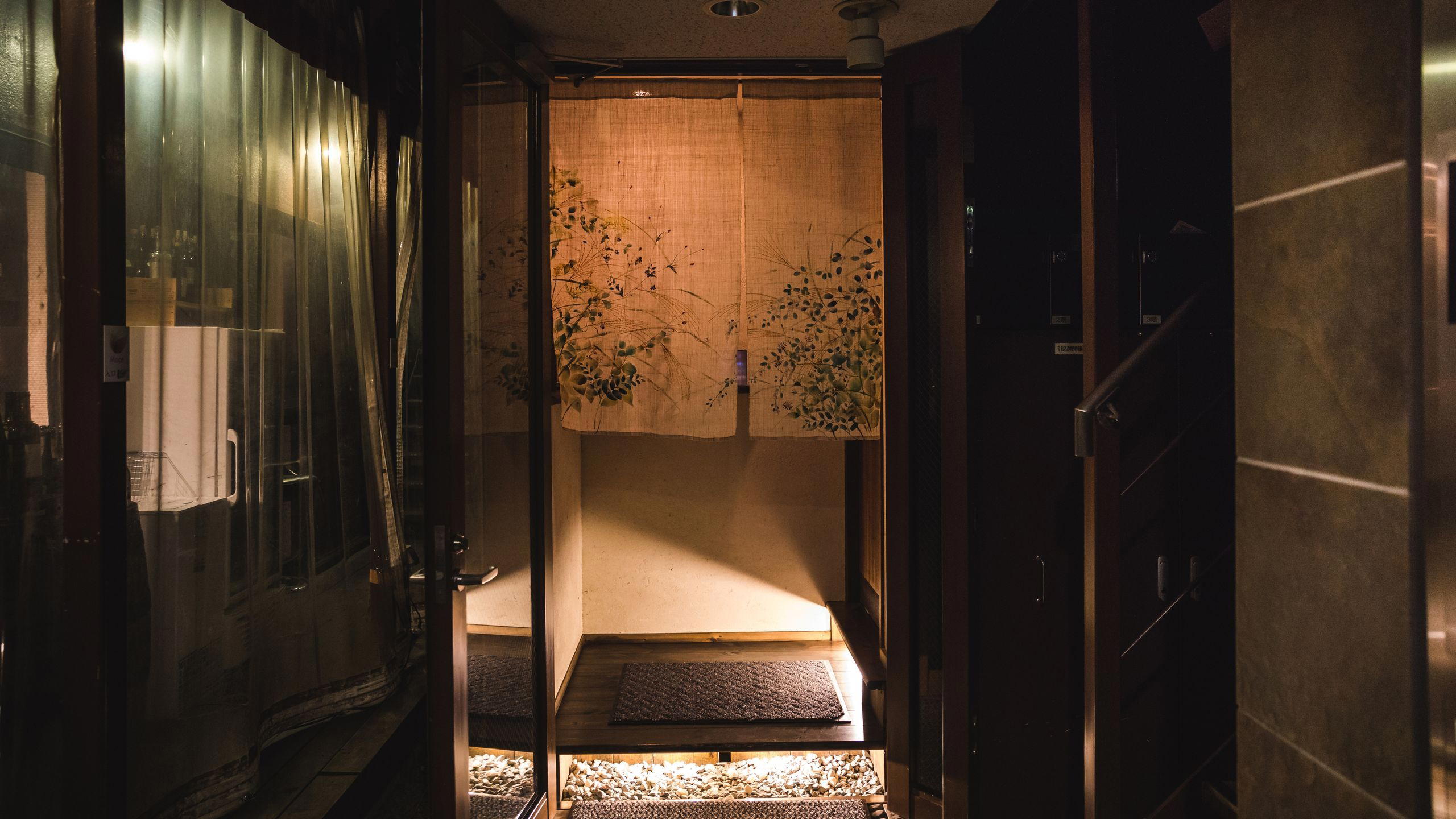
The tension helps. Tokyo’s Japanese cuisine scene has long prized separation from the street: a door, a set pace, a controlled mood, and service attentive enough to read the table without theatre. Tokyo brings that language into a more international frame. Nearby Yoroniku Azabudai Hills, Dining 33, Sushi Saitou Azabudai, Ochiai Rou Steak House Tokyo, and 青柳 show the city’s premium dining density rather than a casual neighbourhood strip. Mudai sits in that field, but its category and recognition place it closer to serious Japanese cuisine than development-driven spectacle.
Focused Japanese cuisine inside Tokyo's luxury dining scene
Japanese cuisine at this level is rarely about abundance. The format asks diners to accept a paced experience, a concentrated setting, and a kitchen controlling tempo closely. In Tokyo, where many refined formats compete for diners who measure precision over decoration, that discipline matters. Mudai’s appeal is best understood in that intimate-feeling category, where service choices are amplified and restraint becomes part of the argument.
Recognition gives that argument weight. Selection in the Tabelog Hyakumeiten Japanese Cuisine 2025 field shows the restaurant sitting within a competitive local category. Its Tabelog score of 3.73 is not casual in this genre; incremental differences matter, especially for restaurants with focused service and a highly engaged audience.
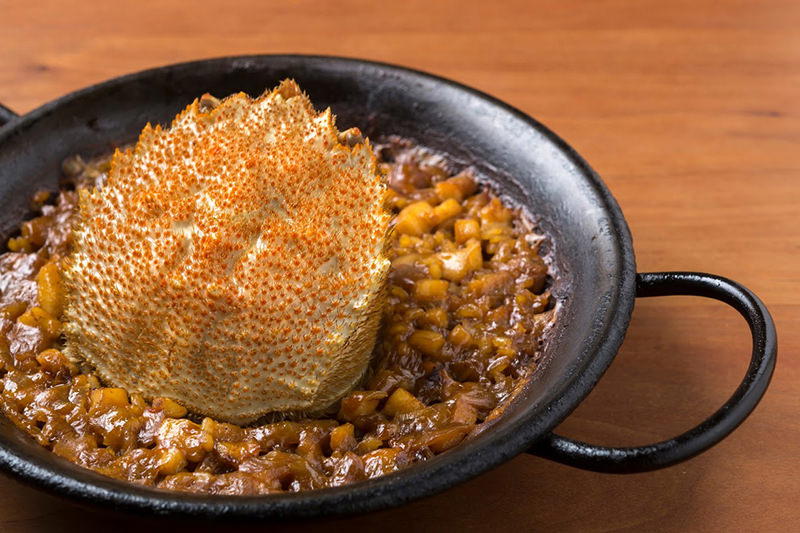
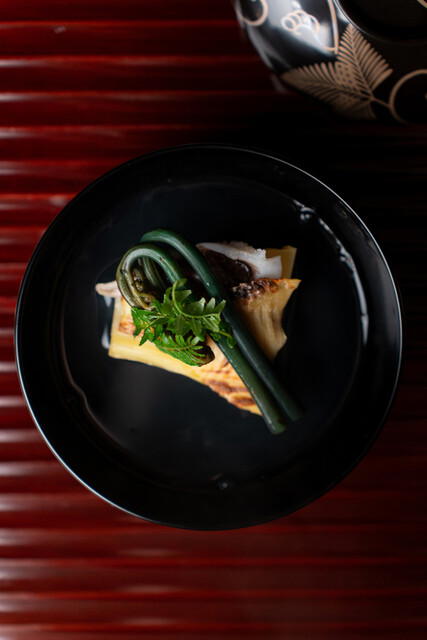
The listing as Japanese Cuisine, rather than a single specialist lane, matters. In Tokyo, that can place a restaurant between formal cooking, seasonal progression, and tasting-menu logic. Without reducing it to a dish-by-dish script, the category points to progression, seasonality, and controlled revelation. The appeal is less about broadcasting every detail than about letting the meal unfold in the room.
Reputation here is built on restraint, not volume
Tokyo signals ambition many ways: historic lineage, luxury ingredients, dramatic plating, or a chef’s public persona. Mudai’s confirmed signals are quieter and current: a high-spend dinner bracket, Japanese Cuisine classification, and recognition through Tabelog’s 2025 Hyakumeiten context. That combination places it in the city’s serious Japanese-cuisine conversation without needing a long public backstory.
The price band shapes expectations. Diners here are comparing controlled, high-cost Tokyo meals, not a casual dinner with a treat. Sushi Saitou Azabudai sits in a similarly high Tokyo price conversation, while Yoroniku Azabudai Hills shows the city’s broader premium mix through a different format. The useful comparison is diner intent, not cuisine-for-cuisine equivalence: Tokyo lets visitors assemble a serious dining itinerary, then choose beef, sushi, French-influenced dining, or a smaller Japanese-cuisine booking.
Tokyo context is part of the draw. The city rewards targeted reservations and careful planning more than casual wandering when meals reach this level. Readers comparing options can use Our full Tokyo restaurants guide for the city’s restaurant spread, then cross-check trip architecture through Our full Tokyo hotels guide, Our full Tokyo bars guide, Our full Tokyo wineries guide, and Our full Tokyo experiences guide.
How to place it in a Tokyo dining plan
Mudai is strongest for diners who understand that Tokyo’s serious Japanese meals are often defined by constraint. The format is focused, the pace is not built for a rushed stop, and the meal asks guests to give it the evening’s attention. That structure is not exclusionary; it simply belongs to a style of dining where the room, sequence, and shared atmosphere all matter.
Tokyo logistics can be simpler than they look from abroad, but the experience deserves the same planning discipline as other high-demand Japanese meals in the city. Keep the evening clean, avoid stacking too much beforehand, and let dinner carry the night. For contrasting Tokyo meals at different registers, EP Club’s restaurant pages range from casual local dining to premium counters and special-occasion rooms.
Outside Tokyo, comparison is more about regional appetite than direct rivalry. A traveller extending the same Japan-focused food trip might pair the capital’s controlled dining culture with other dining elsewhere in Japan, then use those meals to understand how strongly context shapes Japanese cuisine. For Japanese dining outside Japan, the category changes again once ingredients, service expectations, and audience shift away from its home context.
The editorial verdict is measured but clear: this is a reputation-led Tokyo booking for diners who value focused rooms, controlled Japanese-course dining, and the credibility of Tabelog Hyakumeiten recognition. It is not for a loose, improvisational night out. It is for seeing how Tokyo absorbs serious Japanese cuisine into a contemporary luxury context without stripping away the discipline that gives the genre its force.
Frequently asked questions
Is Mudai more mid-range or high-end?
Pricing at Mudai is listed as JPY 50,000 - JPY 59,999.
What's Mudai's location?
Tokyo.
Do I need a reservation for Mudai?
For a high-end Tokyo Japanese Cuisine restaurant with Tabelog Hyakumeiten 2025 recognition, advance planning is sensible.
What is Mudai known for?
Mudai is known as a Tokyo Japanese Cuisine restaurant with Tabelog Hyakumeiten 2025 recognition and a listed score of 3.73.
Cuisine and Credentials
Comparable venues for orientation by cuisine and category.
| Venue | Cuisine | Price | Awards | Notes |
|---|---|---|---|---|
| MudaiThis venue (the venue you are viewing) | Japanese Omakase / Kaiseki | $300–500 | Tabelog 100 #47 | Not listed |
| Ukai-tei Roppongi | Luxury Teppanyaki | $150–200 | Tabelog 100 #1 | Minato |
| Sushi Tanji | Traditional Edo-style Omakase Sushi | $150–200 | Not listed | Minato |
| Isana sushi bar | Traditional Edomae Sushi Omakase | $150–200 | Not listed | Minato |
| Ningyocho Imahan Toukyou gaaden terasu kioichou ten | Traditional Wagyu Sukiyaki & Shabu-shabu | $100–150 | Tabelog 100 #30 | Chiyoda |
| Iwai | Edo-Style Tempura Omakase | $100–150 | Tabelog 100 #90 | Chūō |
Recognition history
Dated appearances from independent guides and award organizations, with the underlying list record or original source where available.
Opinionated About Dining Top Restaurants in Japan Recommended
Opinionated About Dining
Tabelog 100 #47 · No. 47
Tabelog · Tabelog 100 - Japanese cuisine - TOKYO - 2025