Our verdict
Yagiya is a Ryukyuan dining address in Okinawa where the meal unfolds as a structured sequence rooted in the island's distinct culinary traditions. Set apart from the chain-heavy tourist corridors, it draws visitors seeking the kind of context-rich progression that reflects Okinawa's historical position between Japanese, Chinese, and Southeast Asian food cultures. Plan ahead and arrive with appetite for the full arc of the menu.

Pearl is the En Primeur Club membership app — saves, bookings, and concierge access live there. Same editors, same standards.
- Address
- 大頓1172, 八重瀬町, 沖縄県, 901-0502
- Directions
- Get directions
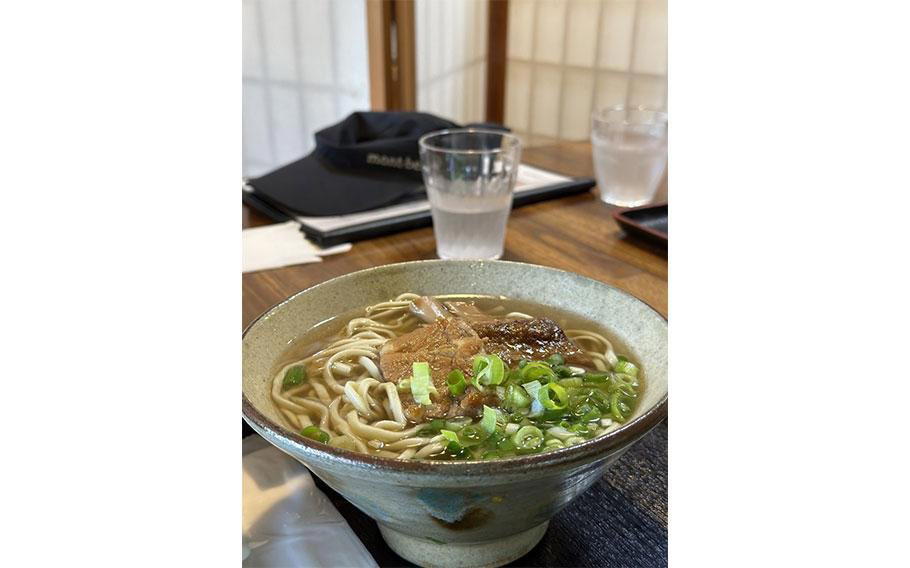
The menu
What to order
- Soki soba
- Asa soba
Where the Meal Begins Before the First Course
Okinawa's dining identity has never mapped cleanly onto mainland Japan's kaiseki orthodoxy. The prefecture sits at a culinary crossroads shaped by centuries of Ryukyu Kingdom trade routes, Chinese court influence, and a postwar American military presence that left its own mark on local food culture — steak houses, taco rice, and canned goods absorbed into everyday cooking. Against that layered backdrop, the dining rooms that do the most interesting work are those capable of holding that complexity within a structured meal rather than reducing it to a single headline dish.
Yagiya is one of those addresses. The experience is less about any single plate than about the progression that builds across a sitting, each course positioned to reflect the Ryukyuan pantry in a sequence that has internal logic rather than arbitrary variety. For a traveller coming from Tokyo, where the omakase format at counters like Harutaka in Tokyo is calibrated to extreme precision, or from Kyoto, where a meal at Gion Sasaki in Kyoto delivers the full weight of classical Japanese tradition, Okinawa offers something categorically different. The cadence here is slower, the flavours more assertive, and the cultural references deliberately regional.
The Architecture of the Meal
Ryukyuan cuisine at its most considered moves through a recognisable structure: lighter preparations early, building toward the heavier, pork-dominant courses that reflect the island's historical reliance on the whole pig, then easing off with fermented and pickled elements before closing. Okinawa's traditional food culture has long treated pork as its central protein, using parts that mainland Japanese cuisine rarely touches, slow-cooked in dashi with awamori and brown sugar until the collagen breaks down completely. That approach to time and temperature is not decorative — it is what distinguishes the tradition.
The vegetable courses that frame these heavier preparations draw from a distinct local larder: goya (bitter melon), sea grapes, mozuku seaweed, and turmeric-inflected preparations that reflect the subtropical climate and the island's independent agricultural history. A meal that sequences these ingredients properly teaches you something about geography as much as gastronomy. The structural parallel here is less with mainland tasting menus and more with the kind of editorial intelligence you find at places like HAJIME in Osaka or Goh in Fukuoka, where regional identity and contemporary format coexist without apology.
Okinawa's Restaurant Field and Where Yagiya Sits
The dining scene across Okinawa's main island is genuinely bifurcated. On one side, there is a dense concentration of American-influenced comfort food and casual chains, a legacy of the US military presence that still shapes Okinawan consumer culture in and around Ginowan and Chatan. Visitors looking for that end of the spectrum will find plenty of options: Mexico Ginowan represents the Tex-Mex corridor well, and Jack's Steak House has been feeding the island's appetite for aged beef since the postwar era. Captain Kangaroo and Downtown occupy adjacent territory in the casual dining tier, while 6 takes a more considered approach to the local ingredient set.
Yagiya operates at a different register from all of these. It belongs to the smaller cohort of Okinawan addresses where the Ryukyuan food tradition is the actual subject of the meal rather than background atmosphere. That cohort is not large. Okinawa has not developed the dense concentration of award-recognized fine dining that characterises Osaka or Fukuoka, which means properties like Yagiya carry more individual weight within the local dining conversation. The comparison set is less about other Okinawan restaurants and more about how the island's tradition reads against the broader Japanese regional dining context, where addresses like akordu in Nara demonstrate how a region's distinct identity can anchor a serious contemporary format.
Planning Your Visit
Okinawa rewards visitors who treat it as a primary destination rather than an add-on to a mainland Japan itinerary. The island's subtropical climate means the shoulder seasons, late spring and early autumn, deliver the most comfortable conditions for exploring across multiple days. Direct flights operate from Tokyo Haneda and Osaka Itami to Naha Airport, with journey times under two and a half hours from the mainland. From Naha, the island's expressway system connects the major dining and accommodation corridors within thirty to forty-five minutes in most directions.
Given the limited number of Ryukyuan-focused dining rooms operating at this level, booking lead times matter. Okinawa does not have the hyper-competitive reservation culture of Tokyo's leading omakase counters, but the addresses worth visiting are small, and walk-in availability during peak tourist periods, July through August and Golden Week in late April and early May, is unpredictable. Contacting Yagiya directly, or working through a local concierge or hotel desk with established restaurant relationships, remains the most reliable approach when specific dates matter. For a broader orientation to what the island's dining field offers, the our full Okinawa restaurants guide maps the scene across categories and neighbourhoods.
Travellers building a Japan itinerary around serious dining will find that Okinawa occupies a specific and non-substitutable position in that circuit. The island's food culture is not a regional variant of Japanese cuisine so much as a parallel tradition that developed independently and was only partially absorbed after formal annexation in the Meiji era. A meal that takes that history seriously, that moves through the Ryukyuan pantry with intention and sequence, is not replicable in Tokyo or Kyoto. For visitors who have already worked through the northern Japan dining tier, places like 一本木 石川製 in Nanao, 夕佳亭山乃 in Sapporo, or 羽根屋 in Nishikawa Machi, Okinawa represents the southernmost and most culturally distinct chapter of Japanese regional dining.
Frequently asked questions
Does Yagiya offer a setting that reflects traditional Okinawan architecture?
Yagiya is located in Okinawa and operates within a culinary tradition that is historically distinct from mainland Japan, drawing on Ryukyuan cultural heritage that predates Japan's formal annexation of the islands in 1879. Restaurants in Okinawa that take this heritage seriously often situate the dining environment itself as part of that context, using materials and spatial arrangements tied to local craft traditions. Specific architectural details for Yagiya have not been formally documented, making a direct inquiry to the venue the most reliable way to confirm what the setting entails.
What dish is Yagiya famous for?
Yagiya is grounded in Ryukyuan culinary tradition, which means pork-forward preparations, slow-cooked rafute, and dishes that reflect Okinawa's centuries-long trade history with China and Southeast Asia. The kitchen follows the structural logic of traditional Okinawan meals rather than mainland kaiseki conventions.
How far ahead should I plan for Yagiya?
Okinawa's stronger dining rooms tend to fill several weeks out, particularly during the spring cherry blossom overlap and the summer peak season from July through August. For a venue of Yagiya's standing in the local Ryukyuan dining scene, booking two to four weeks ahead is a reasonable baseline for weekends. Exact reservation policies have not been publicly documented, so direct inquiry is the safest approach.
What do critics highlight about Yagiya?
The broader critical attention around Okinawa's most considered restaurants tends to focus on how faithfully they hold to Ryukyuan culinary structure rather than drifting toward mainland Japanese or tourist-facing formats. Yagiya sits within Okinawa's more serious dining tier, where that fidelity to local tradition is the primary measure.
Is Yagiya allergy-friendly?
Ryukyuan cuisine relies heavily on pork in multiple preparations, which is structurally central to the cuisine rather than an optional element. Visitors with pork, shellfish, or soy restrictions should communicate those clearly before booking, as substitutions may not always be possible within a traditional format. No allergy policy documentation has been published for Yagiya specifically.
Accolades, Compared
Comparable venues nearby, for context on price, style, and recognition.
| Venue | Cuisine | Price | Awards | Notes |
|---|---|---|---|---|
| YagiyaThis venue — the venue you are viewing | Traditional Okinawan Soba | $10–20 | Not listed | Not listed |
| Miyazato Soba | Okinawan Soba | Not listed | Not listed | Miyazato |
| Tsurukamedo Zenzai | Okinawan Shaved Ice (Zenzai) | $1–10 | Not listed | Yomitan Village |
| Shokusai Shubo Matsumoto | Agu pork shabu-shabu & Okinawan izakaya | $50–100 | Tabelog 100 #19 | Matsuyama |
| Mie | Traditional Okinawan Royal Cuisine | Not listed | Not listed | Kumoji |
| Ralph's Burger Restaurant | Gourmet American-style burgers | $20–30 | Tabelog 100 #68 | Okinawa City |
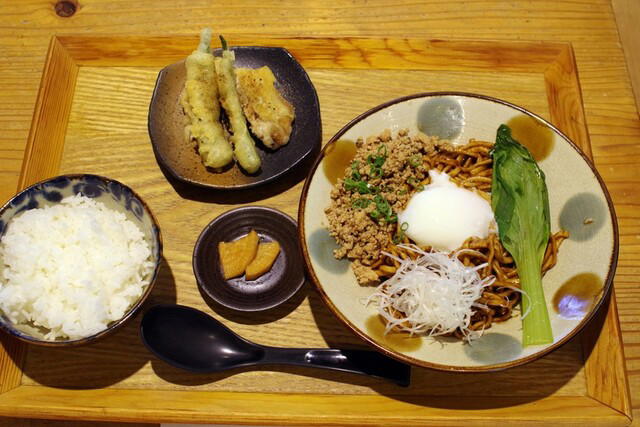





Details
- Rustic
- Cozy
- Classic
- Casual Hangout
- Family
- Historic Building
- Garden
- A La Carte
Charming traditional Okinawan house with red-brick design on a small hill, offering a quaint and relaxing atmosphere.