
Our verdict
A Ginza French restaurant earning recognition from Opinionated About Dining in 2023, Meimon sits on the ground floor of the Tomita Building on Chome 8, where Chef Kazunari Nakamura applies a French framework within one of Tokyo's most competitive dining corridors. Evening-only hours, mid-to-upper tier of Ginza's French dining scene.

Pearl is the En Primeur Club membership app, where members save venues, book tables and use the concierge.
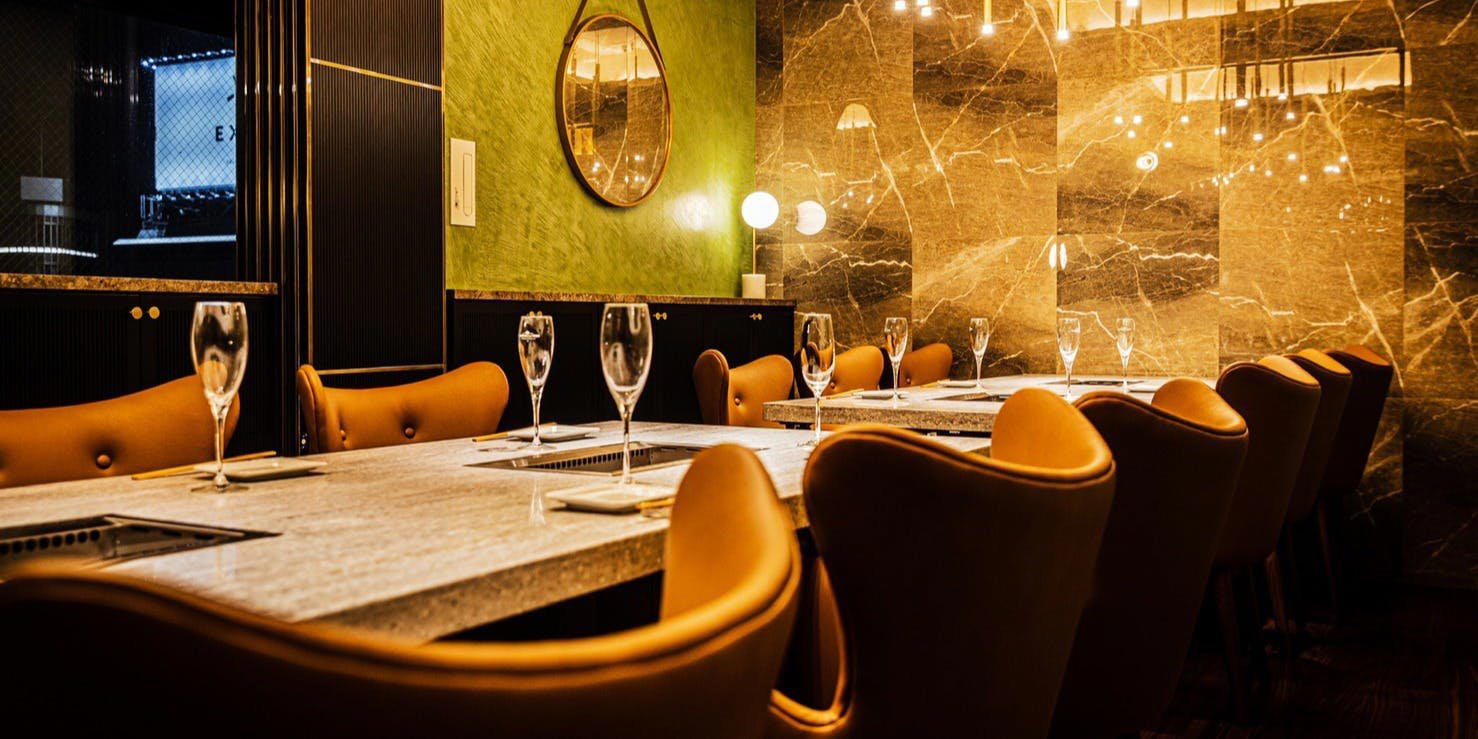
French Cooking in Ginza: A Scene Built on Exacting Standards
Tokyo's relationship with French cuisine is longer and more technically serious than most cities outside France itself. The first wave arrived in the 1970s, carried by Japanese chefs returning from stages in Lyon and Paris; by the 1990s, Ginza had become the district where that ambition concentrated most visibly. Today, the 8-chome end of Ginza, where Meimon occupies the ground floor of the Tomita Building, sits at the heart of that tradition, within a few blocks of some of the most decorated French addresses in Japan. The district's density of high-end French restaurants is not accidental: Ginza's retail and corporate clientele sustains a dinner economy that rewards precision and consistency above novelty.
Meimon earned a place in Opinionated About Dining's Leading Restaurants in Japan list in 2023, a recognition that carries specific weight in this category. OAD rankings are compiled from the dining records of thousands of serious eaters rather than a single inspector's visit, making them a useful barometer of sustained performance across multiple covers and occasions. For a French restaurant operating in the shadow of Tokyo addresses with three Michelin stars, that kind of crowd-sourced credentialing matters.
The Sensory Register of a Ginza French Evening
Arriving on a Tuesday through Saturday evening, Meimon is closed Mondays, and runs from 5pm to 11pm on all open days, the first thing Ginza communicates is compression. The streets around 8-chome narrow into a layered grid of signage, stone facades, and discreet entrances that bear almost no resemblance to the boulevard French-restaurant aesthetic. Ground-floor spaces in buildings like the Tomita are typically compact by European standards, with service formats shaped by that constraint: counter seating or small rooms where the distance between kitchen and table is architectural rather than theatrical.
French cooking in this kind of space tends to be quieter than its Parisian equivalent. Sound is absorbed rather than projected. The soundtrack of a busy brasserie, the percussion of a zinc bar, voices carrying across a wide room, gives way to something closer to the register of a serious kaiseki counter. That acoustic intimacy is not a compromise; it shapes how the food reads. Dishes arrive without announcement, plating visible in full before a word is spoken, in the way that formal Japanese service has long influenced French restaurants operating on this side of the Pacific.
Chef Kazunari Nakamura's position in this setting places him within a generation of Japanese chefs who absorbed classical French technique without treating it as a foreign language to be translated. The cooking reads as French because it is French, the reference points are culinary rather than biographical. That approach has become something of a Tokyo standard: restaurants like Sézanne and L'Effervescence operate in a similar mode, with European-trained Japanese or foreign chefs producing food whose identity is defined by cuisine rather than fusion. ESqUISSE and Florilège represent adjacent positions in that competitive set, each with different price positioning and Michelin credentials.
Where Meimon Sits in Ginza's French Tier
Ginza's French restaurants span a wider range than the district's luxury reputation might suggest. At one end, Château Restaurant Joël Robuchon operates as a formal grand-maison reference point with the full weight of international recognition behind it. Meimon occupies a different register: evening-only, with hours that suggest a dinner-focused format rather than a multi-service operation, and a profile that has built its credibility through consistent performance rather than trophy accolades.
That consistency is worth noting in a district where turnover among mid-tier French restaurants is high. Ginza's rent structure and the demands of its clientele create attrition; restaurants that survive do so because their format and cooking have found a durable match with the neighbourhood's expectations. OAD recognition in 2023 suggests Meimon has reached that point of establishment.
For context within Japan's broader French dining geography, the concentration of serious French kitchens is not exclusive to Tokyo. HAJIME in Osaka operates at a different register entirely, with three Michelin stars and a format defined by large-scale conceptual ambition. akordu in Nara represents the kind of regional French cooking that draws on local agricultural specificity. The international peer comparison extends further: Hotel de Ville Crissier in Switzerland and Les Amis in Singapore both sit in the higher formality end of French cooking outside France, providing a reference frame for how seriously Tokyo takes the cuisine relative to the rest of the world.
Planning a Visit: What to Expect Logistically
Meimon operates Tuesday through Sunday, with evening service beginning at 5pm and running to 11pm; Monday is the weekly closure. The address, 8 Chome-3-10 Tomita Building, 1F, Ginza, Chuo City, is accessible from Ginza Station on the Tokyo Metro, a station served by the Ginza, Hibiya, and Marunouchi lines. The 8-chome location places it toward the southern end of Ginza's main grid, closer to the quieter residential and office mix than the high-traffic retail concentration around 4-chome. No booking method or dress code is recorded in available venue data; given the OAD recognition and the neighbourhood context, advance reservations would be advisable, and Ginza's general dining register skews toward smart-casual as a floor rather than a ceiling.
For those building a broader Tokyo itinerary, our full Tokyo restaurants guide covers the city's dining range in depth. Our full Tokyo hotels guide, bars guide, wineries guide, and experiences guide provide parallel coverage. Elsewhere in Japan, Gion Sasaki in Kyoto, Goh in Fukuoka, 1000 in Yokohama, and 6 in Okinawa represent the range of serious cooking operating outside Tokyo's immediate gravity.
Frequently asked questions
at Meimon?
What's Meimon leading at?
Same-City Peers
Comparable venues nearby, for context on price, style, and recognition.
| Venue | Cuisine | Price | Notes |
|---|---|---|---|
| MeimonThis venue (the venue you are viewing) | Yakiniku Horumon | $100–150 | Not listed |
| Tachiguisushi Akira | Standing Sushi (Tachigui) | $50–100 | Minato |
| Bistrot Dia | Japanese Kobe Beef Teppanyaki | $150–200 | Minato |
| 麺尊RAGE | Modern Shamo Shoyu Ramen | $20–30 | Suginami |
| にしたに | Ginza Sushi | $100–150 | Chiyoda |
| TsuruTonTan UDON NOODLE Brasserie GINZA | Udon Noodle Brasserie | $20–30 | Chūō |
Recognition history
Dated appearances from independent guides and award organizations, with the underlying list record or original source where available.
Opinionated About Dining Top Restaurants in Japan Recommended
Opinionated About Dining
Full recognition history (2 entries)
Opinionated About Dining Top Restaurants in Japan Recommended
Opinionated About Dining
Continue exploring
More in Tokyo
Restaurants in Tokyo
All restaurants in Tokyo →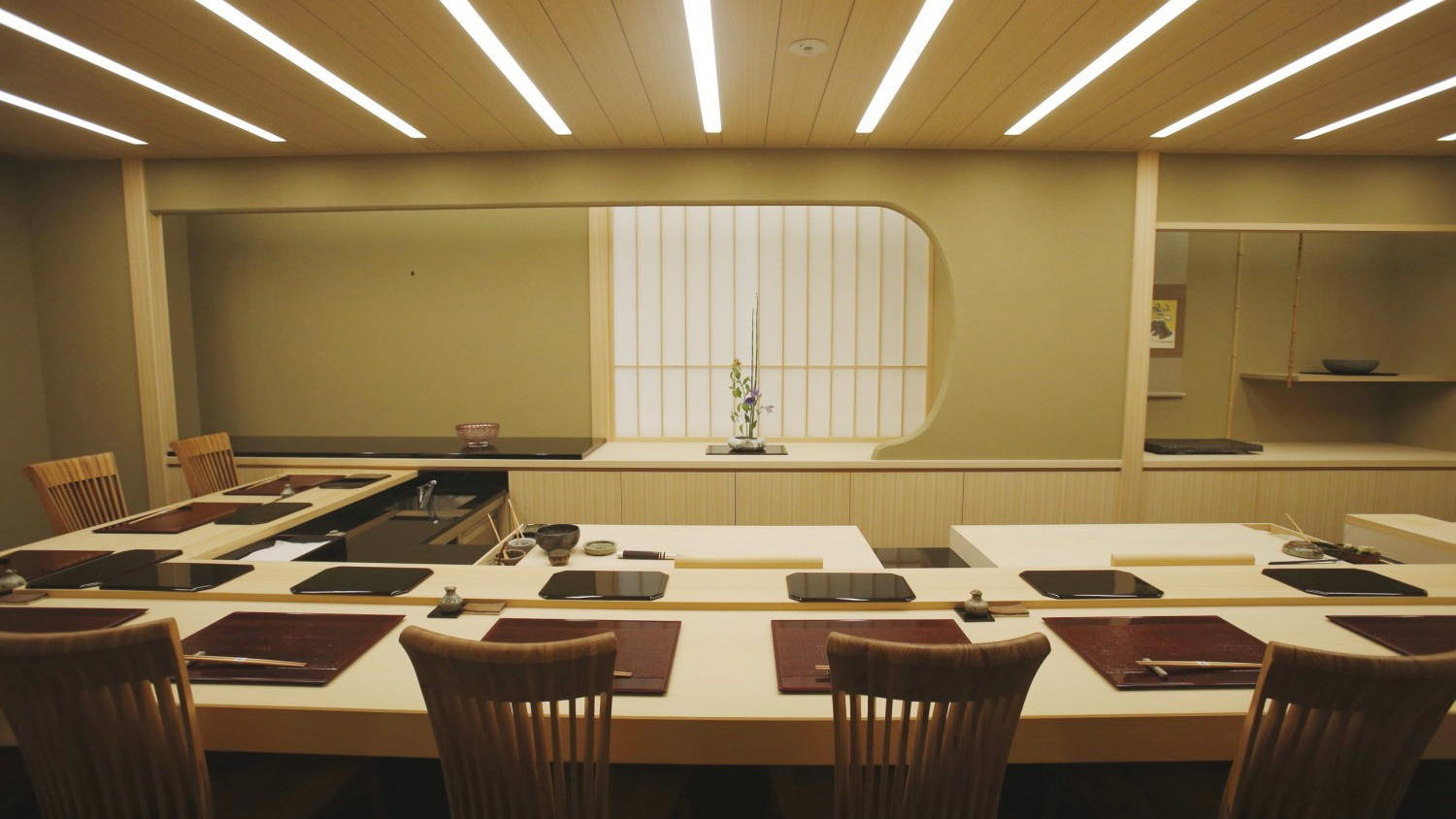
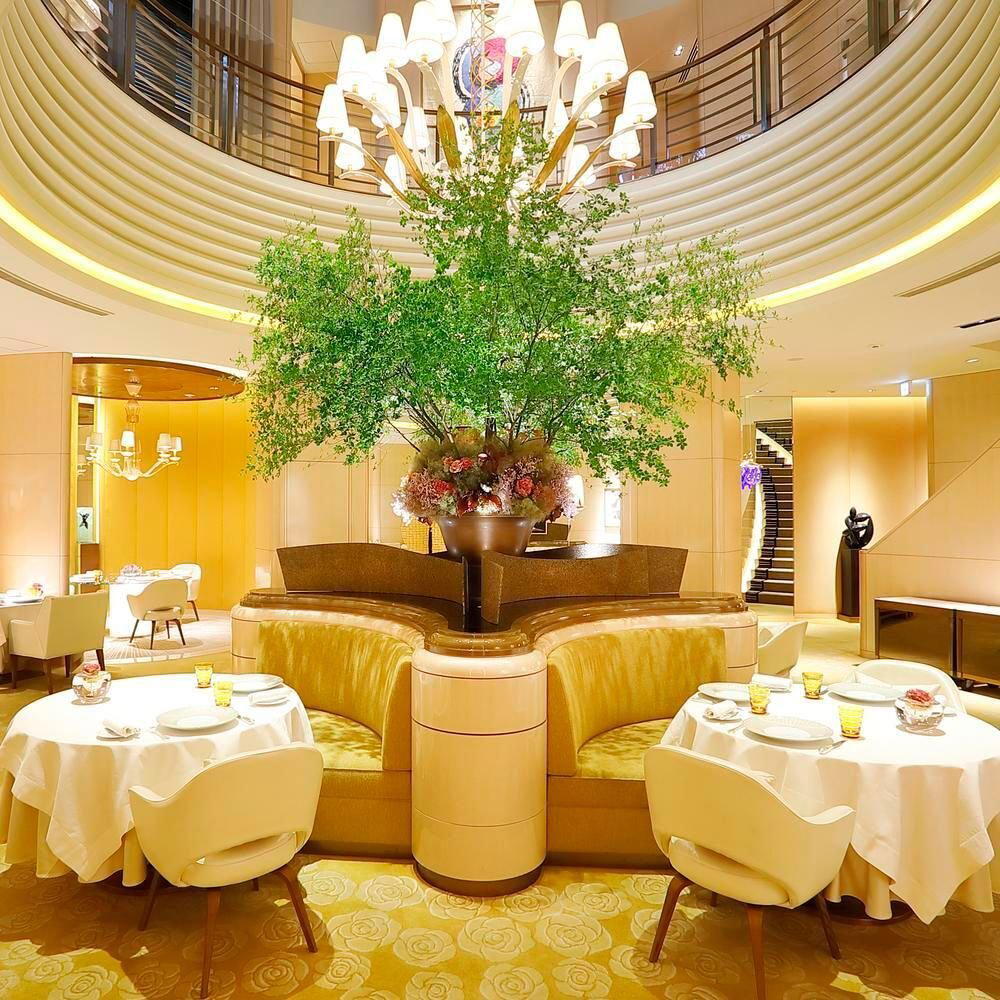



Bars in Tokyo
All bars in Tokyo →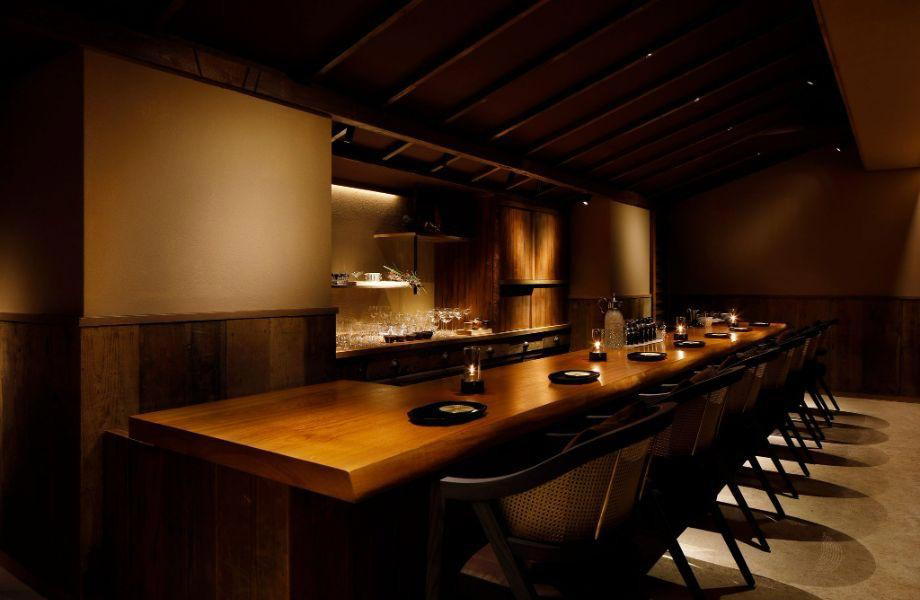
Details
- Lively
- Intimate
- Trendy
- Well Known
- Group Dining
- Casual Hangout
- Celebration
- Open Kitchen
- Beer Program
- A La Carte
- Omakase
- Beer
Current opening hours
- Monday
- 5–10:30 PM
- Tuesday
- 5–10:30 PM
- Wednesday
- 5–10:30 PM
- Thursday
- 5–10:30 PM
- Friday
- 5–10:30 PM
- Saturday
- 4–10 PM
- Sunday
- 4–10 PM
Hours can change for holidays and private events. Hours as of .
Fun, low-key atmosphere with lively grill energy, celebrity photos on walls, and warm, friendly service.