
Our verdict
A standing sushi counter in Shinbashi's B1 circuit, Tachiguisushi Akira earned a place on the Opinionated About Dining Top Restaurants in Japan list (ranked #476, 2025), notable recognition for a format that deliberately strips out the ceremony of seated omakase. It draws a loyal local crowd alongside destination diners who know where to find technically serious nigiri at the counter.

Pearl is the En Primeur Club membership app, where members save venues, book tables and use the concierge.
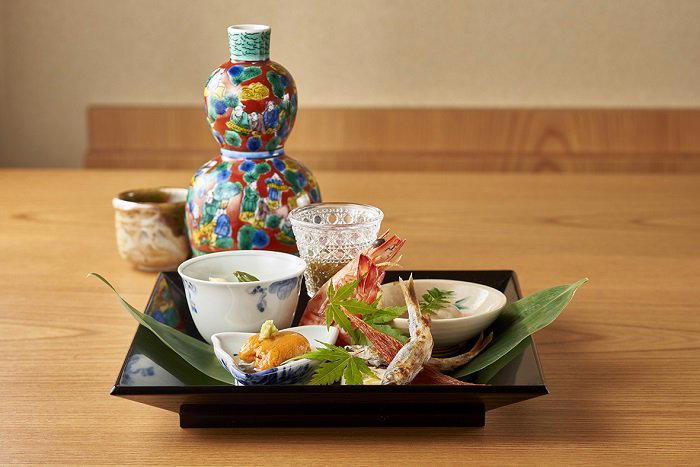
The menu
What to order
- Uni rolls
- Aburi nodoguro
- Honmaguro nigiri
Shinbashi's Standing Sushi Tradition and Where Akira Fits
Tokyo's sushi scene has fractured into two largely separate economies. At one end sit the multi-course omakase counters of Ginza and Azabu, where a single meal at venues like Harutaka or Sushi Kanesaka routinely exceeds ¥30,000 per head and bookings operate months in advance. At the other end sits the tachigui format: standing bars designed for speed, directness, and proximity to the rice. Tachiguisushi Akira operates firmly in the latter category, occupying a basement level in Shinbashi's 3-chome at Le Gratteciel. The neighbourhood, salary-worker Tokyo at its most concentrated, a few hundred metres from Shimbashi Station's SL Plaza exit, sets the tone before you reach the counter.
Shinbashi has functioned as one of Tokyo's primary after-work drinking and eating corridors since the postwar era, and tachigui sushi bars are as native to that fabric as yakitori smoke and standing ramen. What separates the credible counters from the throughput-focused ones is execution at the nigiri level: rice temperature, fish age, neta-to-shari ratio, and the kitchen's ability to maintain consistency across a high-rotation shift. Tachiguisushi Akira's placement on the Opinionated About Dining Leading Restaurants in Japan list (ranked #476, 2025) is a meaningful data point in that context. OAD's methodology leans heavily on repeat visits from serious eaters; appearing at all in a national ranking of this format signals that the counter holds up across multiple visits and multiple palates.
The Format as the Statement
The tachigui counter is not a compromise version of seated sushi. It is a different discipline. Standing removes the staging and the theatrics, there is no tasting-menu pacing, no printed course sequence, no paired drink programme designed around a 90-minute arc. What remains is the transaction between the itamae and the diner at the speed the diner chooses. This directness demands that every piece justify itself immediately, without the scaffolding of a narrative menu.
Premium seated counters like Sukiyabashi Jiro Roppongiten or Edomae Sushi Hanabusa build the dining experience around sequence, restraint over multiple courses, and a house philosophy communicated through the menu's arc. Standing sushi operates on different terms: the quality signal is the individual piece, and the trust the counter earns is cumulative across many visits rather than built into a single extended meal. The two formats are not in direct competition. They answer different questions about what sushi is for.
Collaboration at the Counter
In the tachigui format, front-of-house operations collapse to their essentials. There is no extended service team, no floor sommelier managing a cellar. What the tachigui counter substitutes for those layers is a different kind of collaboration: the itamae works in direct view of the customer, and the interaction between the person behind the counter and the person in front of it becomes the primary service mechanism. At Tachiguisushi Akira, the counter format means that the read on what a diner wants, pace, selection emphasis, level of engagement, falls almost entirely on the kitchen side. That compression of roles is a genuine skill set, distinct from the one required in a large-format restaurant where specialists handle different parts of the experience.
Compared to counters like Hiroo Ishizaka, where the seated format allows for a more extended hospitality arc, the tachigui model asks the itamae to accomplish in a shorter, standing interaction what seated service accomplishes across two hours of careful pacing. Whether Chef Akira Yoshidaida's operation executes that balance well is ultimately what the OAD recognition and the 250-review Google average of 4.3 suggest: consistent enough to reach a national ranked list, approachable enough to accumulate a substantial review base.
Tokyo's Sushi Tier and Where Standing Counters Sit
Tokyo concentrates more serious sushi talent per square kilometre than any other city, and that creates a competitive environment that lifts even mid-market operators. The OAD Leading Restaurants in Japan list for 2025 runs deep into the hundreds of entries, and appearing at #476 in a country whose culinary culture generates this volume of candidates is not a statistical accident. For international visitors accustomed to sushi as a special-occasion format, the tachigui counter offers a recalibration: technically serious fish work presented without ceremony, at a price and pace that makes returning multiple times during a single trip a realistic option.
For comparison across Japan's broader dining scene, the format sits in a different category from the destination restaurants that draw international visitors to cities like Osaka (HAJIME), Kyoto (Gion Sasaki), or Nara (akordu). It also sits apart from the sushi counters that have exported Tokyo's technique to other Asian markets, such as Sushi Shikon in Hong Kong or Shoukouwa in Singapore. Those operations translate the omakase format for international audiences; Tachiguisushi Akira is specifically and deliberately local in its orientation. It is not designed for the export market.
If the tachigui format interests you as part of a broader Tokyo dining itinerary, the EP Club guides offer deeper context: see our full Tokyo restaurants guide for the city's broader range, alongside resources for hotels, bars, and experiences. For those extending beyond Tokyo, Goh in Fukuoka, 1000 in Yokohama, and 6 in Okinawa each represent distinct regional approaches to serious dining outside the capital. Wine-focused visitors can also consult our Tokyo wineries guide for context on pairing options in the city.
Planning Your Visit
Tachiguisushi Akira is located at basement level in the Le Gratteciel building, Shinbashi 3-chome-8-5, Minato City, Tokyo. Shinbashi Station is the nearest access point and is served by the JR Yamanote line, the Tokyo Metro Ginza line, and the Toei Asakusa line, making it direct to reach from most central Tokyo neighbourhoods.
As a standing counter in a working neighbourhood, the venue operates at a different rhythm from seated omakase restaurants. Arriving earlier in a service window, before the post-work rush, typically gives you more space at the counter and more direct interaction with the kitchen.
Quick reference: Tachiguisushi Akira, B1 Le Gratteciel, Shinbashi 3-8-5, Minato City, Tokyo. OAD Leading Restaurants Japan #476 (2025). Google 4.3/5 (250 reviews).
Frequently asked questions
What should I order at Tachiguisushi Akira?
Specific dish recommendations require direct knowledge of the current menu, which changes with fish availability, particularly at a standing counter where the selection reflects what came in that day. The reliable approach at any serious tachigui counter is to follow the itamae's guidance on what is performing well: ask directly, or watch what regulars around you are ordering. Given the OAD recognition and the venue's standing in the Shinbashi scene, the nigiri is the core of what the kitchen is built around. The cuisine type is sushi, the chef is Akira Yoshidaida, and the awards record suggests the kitchen is technically consistent across visits.
How far ahead should I plan for Tachiguisushi Akira?
The tachigui format generally operates with less advance booking friction than Tokyo's seated omakase counters, where top-tier venues can require bookings two to three months ahead. However, a Shinbashi counter with OAD recognition and a visible review base will attract regulars who make it a repeat habit. For international visitors working within a fixed Tokyo itinerary, identifying current opening hours and any reservation requirements before arrival is the practical step, particularly in a city where the gap between a table available tonight and one unavailable for six weeks can be a single phone call. The OAD ranking and Google average both signal that this is not an anonymous basement counter, and it should be treated accordingly in your planning.
Style and Standing
Comparable venues nearby, for context on price, style, and recognition.
| Venue | Cuisine | Price | Awards | Notes |
|---|---|---|---|---|
| Tachiguisushi AkiraThis venue (the venue you are viewing) | Standing Sushi (Tachigui) | $50–100 | Not listed | Not listed |
| Ginza Soseki Arata | Modern Edomae Sushi and Kaiseki | $50–100 | Star Wine List | Chūō |
| Shojin Sougo | Modern Shojin Ryori | $100–150 | We're Smart World 4 Radishes | Minato |
| Iruka Tokyo Roppongi | Modern Ramen | $20–30 | Michelin Bib Gourmand · Tabelog 100 #94 | Roppongi |
| Izumi | Japanese Sushi | $50–100 | Not listed | Minato |
| Tonkatsu Koko Made Yaru Ka. | Modern Tonkatsu & Seafood | $50–100 | Tabelog 100 #40 | Minato |
Recognition history
Dated appearances from independent guides and award organizations, with the underlying list record or original source where available.
Opinionated About Dining Top Restaurants in Japan Recommended
Opinionated About Dining
Full recognition history (2 entries)
Opinionated About Dining Top Restaurants in Japan Ranked #476
Opinionated About Dining
Continue exploring
More in Tokyo
Restaurants in Tokyo
All restaurants in Tokyo →
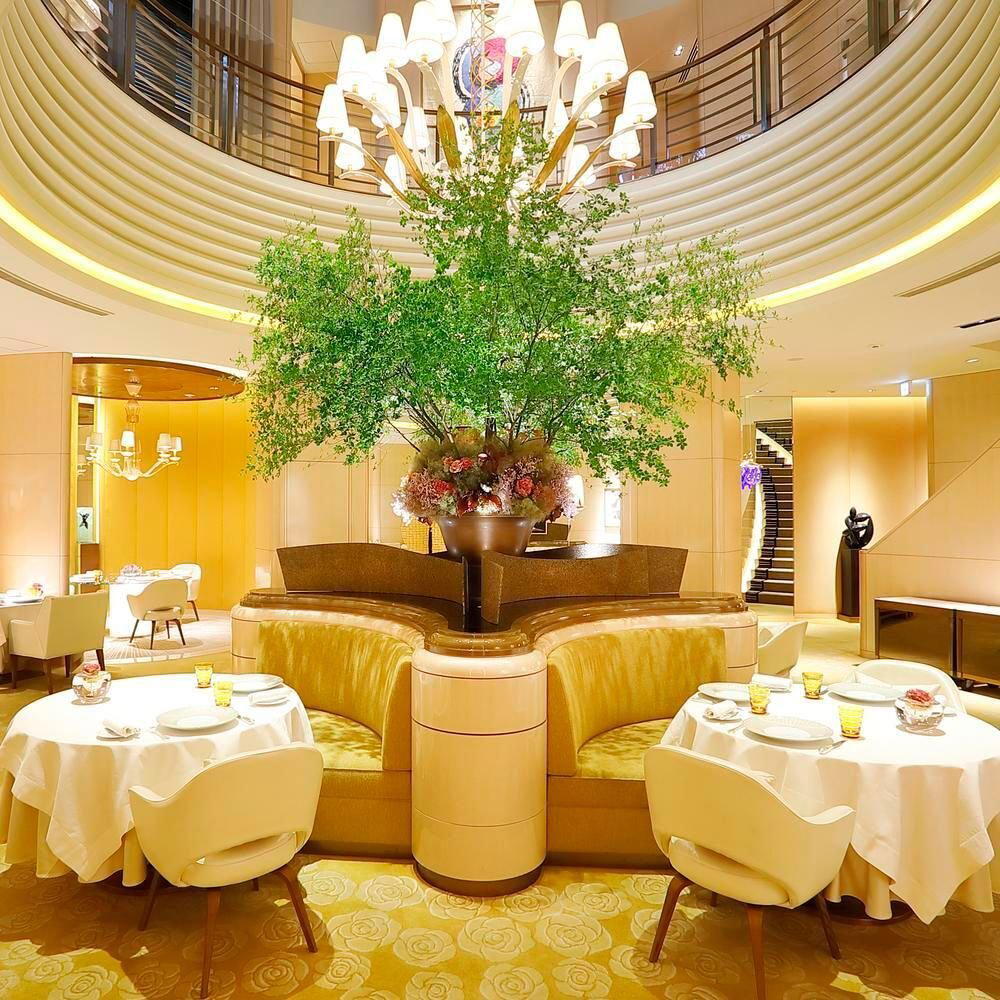
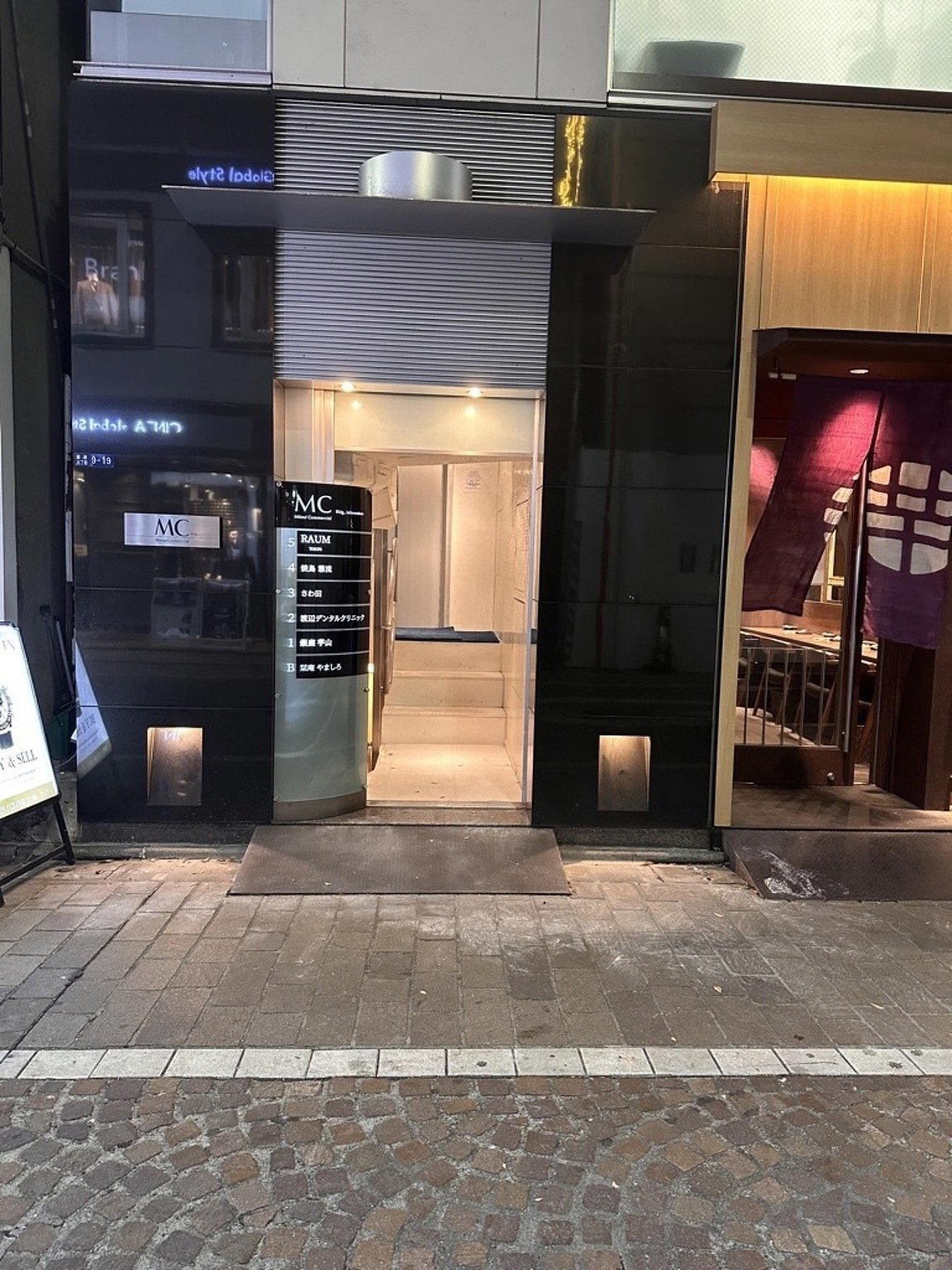
Bars in Tokyo
All bars in Tokyo →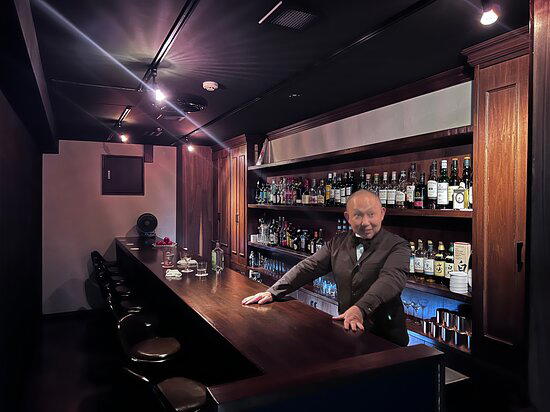
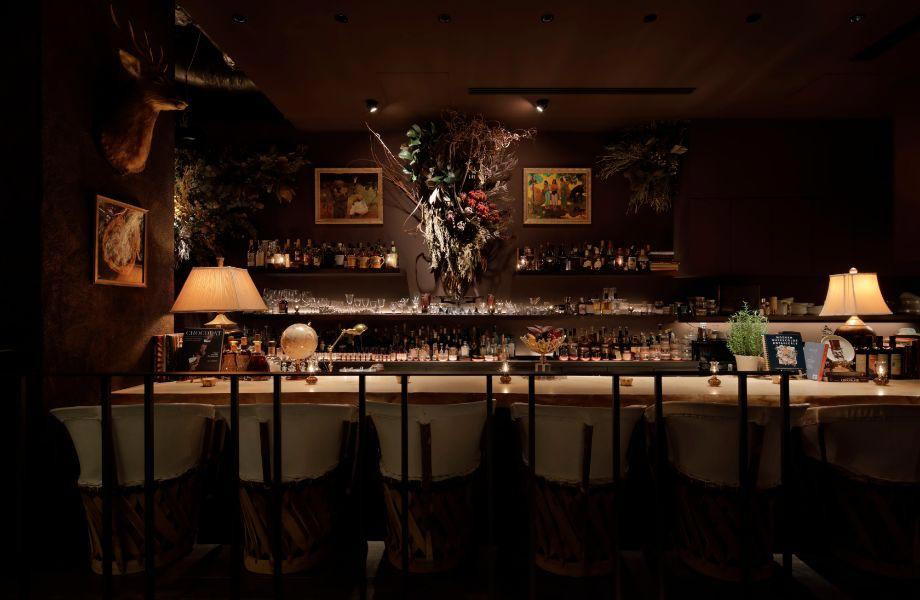
Details
- Lively
- Trendy
- Intimate
- Casual Hangout
- After Work
- Chefs Counter
- Open Kitchen
- Sake Program
- A La Carte
- Counter Dining
- Sake
Current opening hours
- Monday
- 12–3 PM, 5:30–9 PM
- Tuesday
- 12–3 PM, 5:30–9 PM
- Wednesday
- 11:30 AM–5 PM, 5:30–9 PM
- Thursday
- 12–3 PM, 5:30–9 PM
- Friday
- 12–3 PM, 5:30–9 PM
- Saturday
- 12–3 PM, 5:30–9 PM
- Sunday
- 12–3 PM, 5:30–9 PM
Hours can change for holidays and private events. Hours as of .
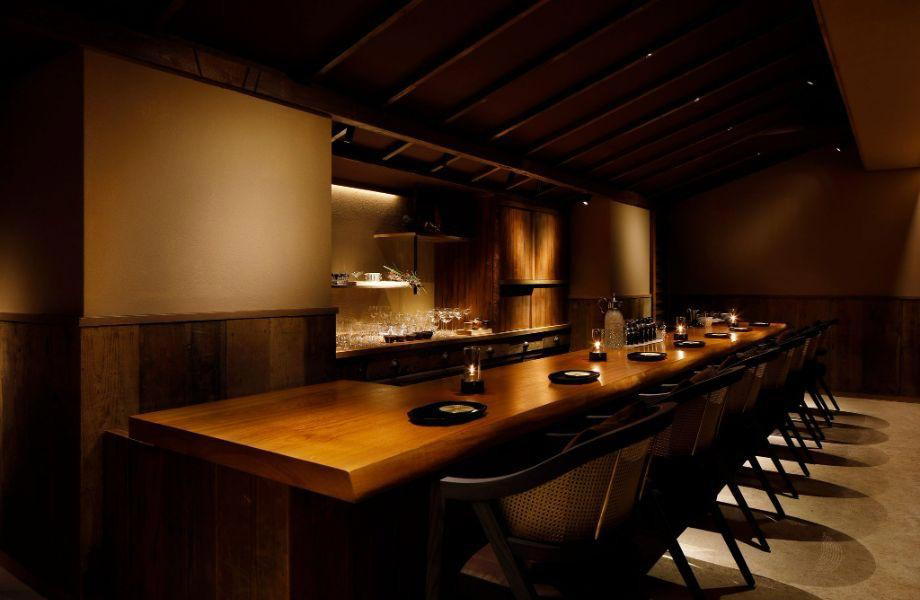
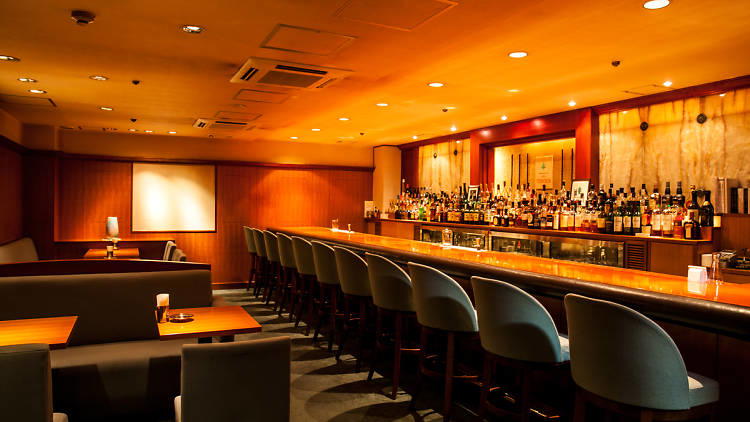
Modest, lively counter atmosphere with an intimate, face-to-face experience at the standing bar.