





On the third floor of a Spadina Avenue building, Alo has spent nearly a decade accumulating the kind of critical recognition that reshapes how Toronto is perceived abroad. A Michelin star, consistent placement on Canada's 100 Best, and a recent entry on the San Pellegrino World's 50 Best Restaurants mark it as the city's benchmark for contemporary French tasting-menu dining. The format is 10 courses, the sourcing is international, and the standard has not slipped.
Pearl is the En Primeur Club membership app — saves, bookings, and concierge access live there. Same editors, same standards.
- Address
- 163 Spadina Ave., 3rd Fl., Toronto, Ont.
- Phone
- +1 416-260-2222
- Website
- alorestaurant.com
- Directions
- Get directions
 Saves & bookings on Pearl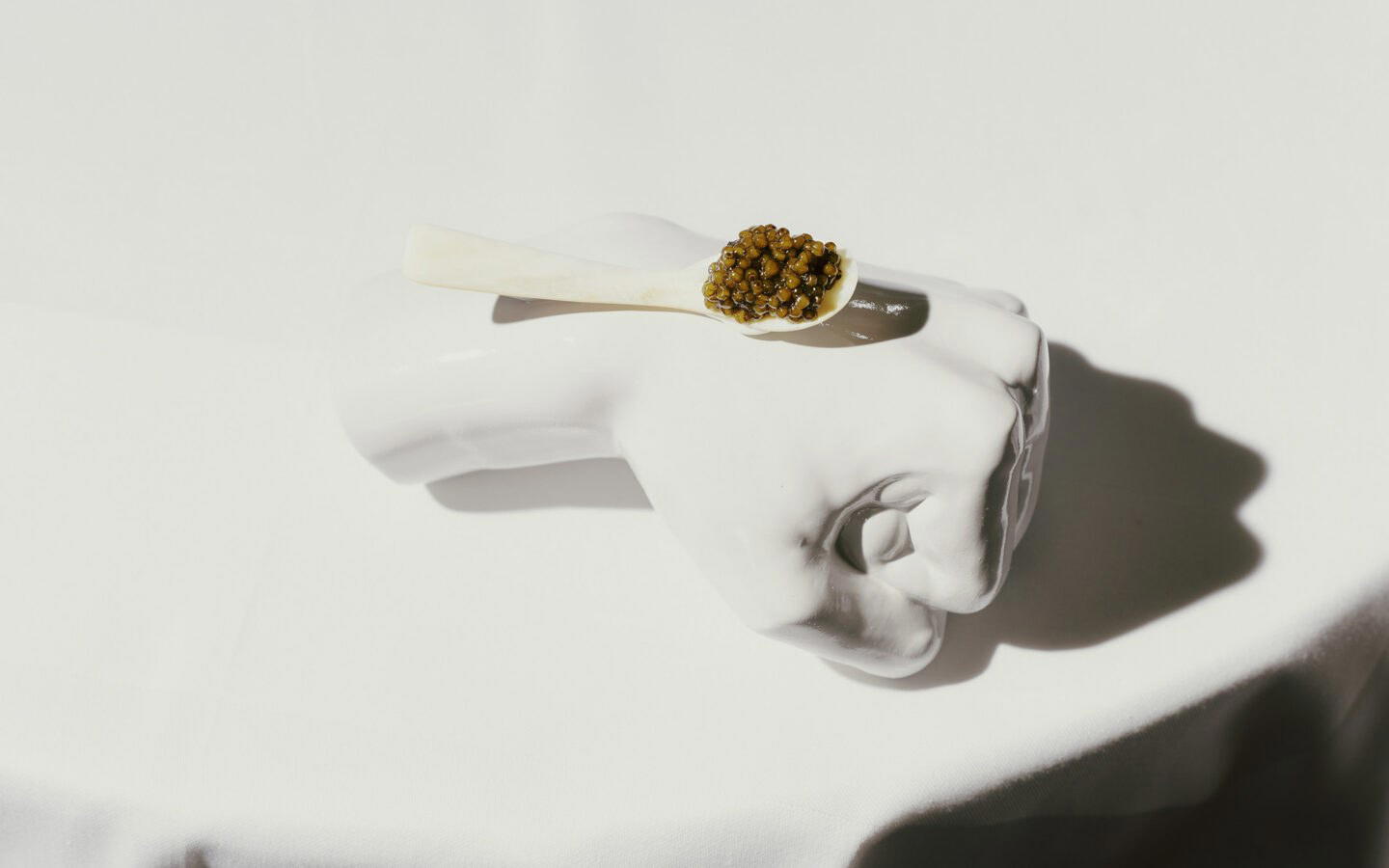
A Third-Floor Room That Changed the Conversation
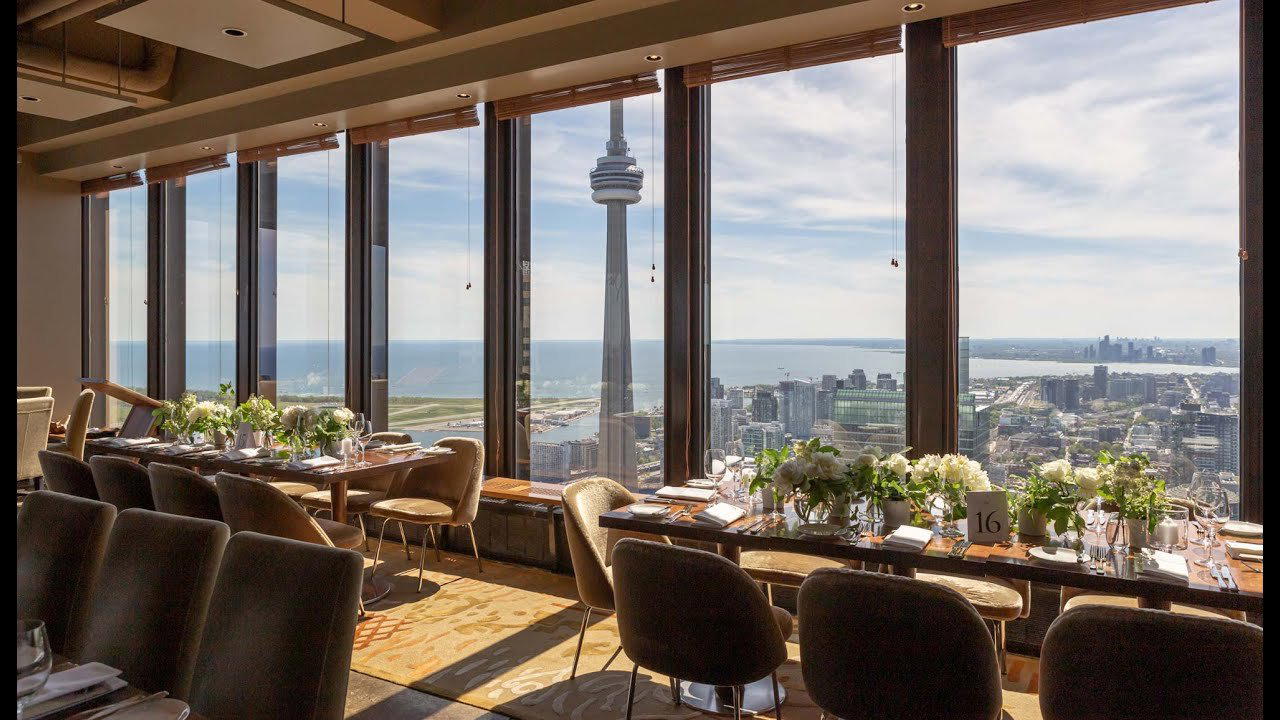
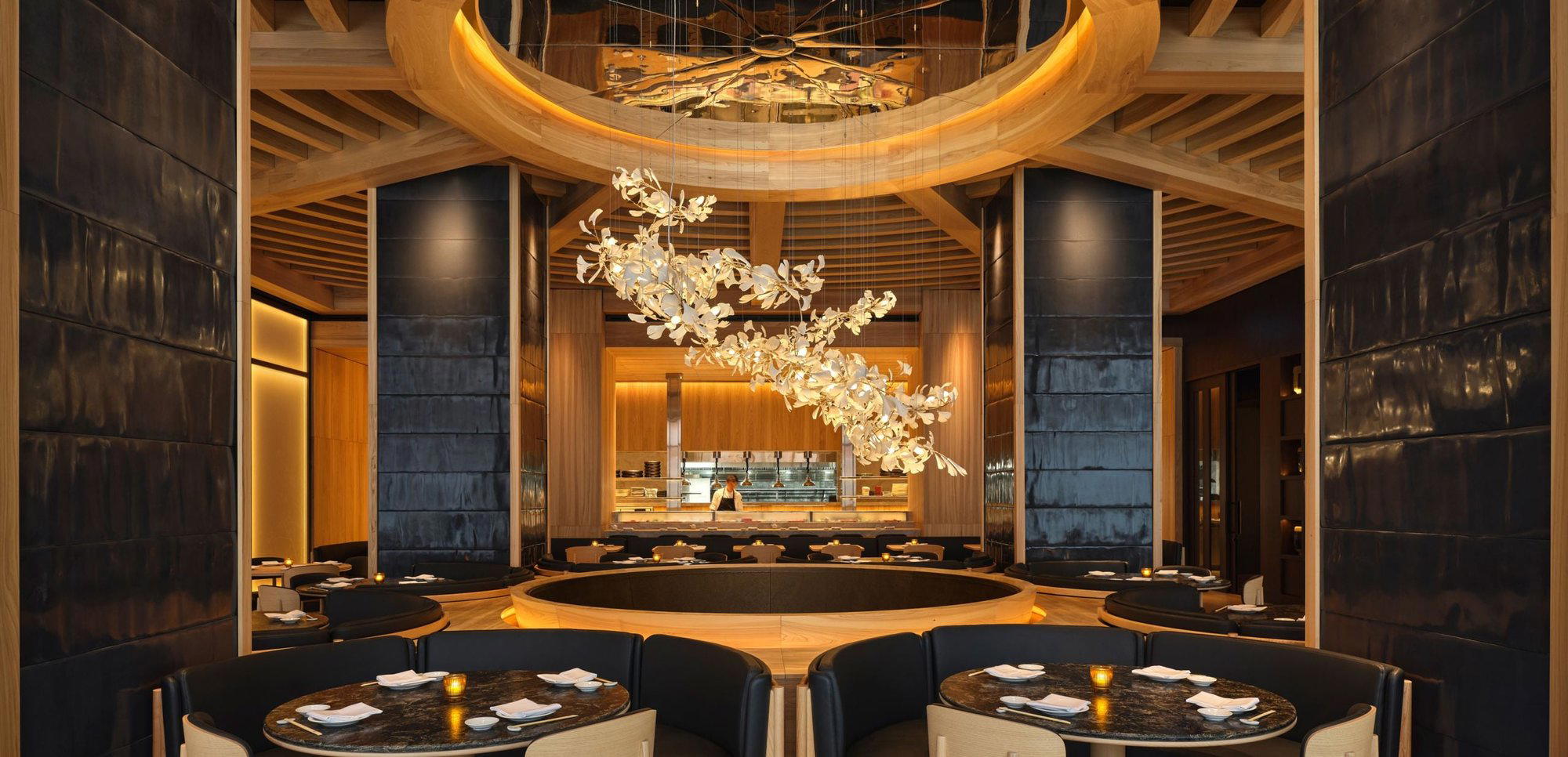
The approach tells you something before you sit down. Alo occupies the third floor of 163 Spadina Avenue, accessible by a staircase or elevator that separates the room from street-level Toronto in a way that feels intentional. The dining room is intimate and dimly lit, with an open kitchen providing the kind of ambient motion that keeps the space alive without becoming theatrical. The marble-topped chef's counter, positioned with a direct sightline into the kitchen, has become the seat most regulars request. Walk-in guests at the bar are handled with the same professionalism as counter reservations, a rarity at this price point.
Toronto's fine-dining tier has expanded considerably since Alo opened, adding Michelin-starred Japanese counters like Antler and contemporary Canadian operators across the city. But the third-floor room on Spadina was instrumental in establishing that Toronto could sustain a serious tasting-menu format without the cultural asterisks that once attached to Canadian fine dining. The city's current Michelin cohort, which now includes kaiseki houses, contemporary Canadian rooms, and European-trained kitchens, owes something to what Alo demonstrated was possible.
The Awards Case, Examined
Critical recognition at Alo has compounded over time rather than spiking around a single moment. The restaurant was voted Canada's Leading Restaurant in 2018 and has remained a fixture on Canada's 100 Best Restaurants list across multiple cycles. In 2024, the Michelin Guide awarded it one star, a validation that arrived after the guide's expansion into Toronto rather than retroactively reordering the city's hierarchy. La Liste, which aggregates critic scores and reader data from across its global panel, rated Alo at 95 points in 2026 and 95.5 points in 2025, scores that position it firmly in La Liste's upper tier of international fine dining.
That combination of Canadian awards, a Michelin star, a World's 50 Best entry, and sustained La Liste scores is not common among North American tasting-menu restaurants outside New York, Chicago, or the major California markets. For Toronto specifically, it represents a degree of international critical validation that the city's restaurant scene had been building toward for years. Comparable ambition is visible elsewhere in Canada, at Tanière³ in Québec City, AnnaLena in Vancouver, and Jérôme Ferrer - Europea in Montreal, but Alo's cross-list consistency is its own data point.
Format and Philosophy: International Luxury, Not Local Forage
Canadian fine dining has split into two recognizable camps in recent years. One draws heavily on domestic terroir: forage-driven menus, regional proteins, hyper-local producer relationships. The other reaches outward, treating international luxury ingredients as the primary building material while using culinary technique as the unifying language. Alo sits clearly in the second camp. Chef Patrick Kriss and chef de cuisine Tim Yun work with Petrossian caviar, A5 wagyu, Périgord truffles, Koshihikari rice cooked in a donabe pot with shio koji butter, and seasonal imports timed to peak availability: Alba truffle in autumn, white asparagus from Provence in early spring.
This is not a kitchen that frames itself through local identity. The flavour logic moves between Japanese and French registers with practiced fluidity, a donabe rice dish finished with dashi and kombu-oil broth appearing alongside something closer to classical French technique in the same menu. The tasting format runs to approximately 10 courses, and the menu evolves regularly rather than locking into seasonal templates. For readers comparing this approach to the hyper-regional model represented by restaurants like Restaurant Pearl Morissette in Lincoln or The Pine in Creemore, the contrast in philosophy is significant and worth understanding before booking.
The kitchen's willingness to move between traditions without anchoring in a single one is both its particular quality and the source of occasional critical debate. Some reviewers find the international luxury approach produces more beauty in execution than surprise in conception, flavour pairings described as more logical than daring. Others point to the consistency of the output across nearly a decade of service as evidence that the approach works precisely because it is not chasing novelty for its own sake. At the level of individual dishes, the technical discipline is consistent enough that the experience holds across multiple visits.
Wine, Service, and the Bar Counter
Sommelier Christopher Sealy's wine pairings for the tasting menu represent one considered way to drink here. The pairing program is designed around the menu's tonal shifts, the movement between Japanese and French registers requires a selection approach that doesn't default to a single regional identity, and the pairings reflect that. Guests who prefer to order from the list directly will find a program that matches the room's ambitions, but the pairing sequence offers a coherence that à la carte selection rarely matches.
Service operates at a level that is genuinely professional without the rigidity that sometimes accompanies rooms at this price tier. The bar counter is treated as a first-class position rather than an overflow option, and walk-in guests at the bar report being handled with the same attention as full tasting-menu bookings. The contrast with the more formal atmosphere that characterizes comparable rooms, Toronto's Michelin-starred Japanese counters, for instance, or contemporary tasting formats at FK or Grey Gardens, is noticeable. Alo achieves formality in execution without reproducing the social distance that sometimes accompanies it.
Alo in the Toronto Tasting-Menu Context
Toronto's $$$$ tasting-menu tier now includes a meaningful range of options. Sushi Masaki Saito holds two Michelin stars and operates within the Japanese counter tradition. Aburi Hana and Edulis each hold one Michelin star in different culinary registers. Enigma Yorkville and Don Alfonso 1890 Toronto extend the contemporary and Italian-adjacent portions of the category. Restaurant 20 Victoria represents another point in the contemporary Canadian range.
Within this cohort, Alo's distinction is its combination of international critical recognition and its specific Franco-Japanese tasting format. The World's 50 Best entry places it in a global conversation that most Toronto restaurants, however accomplished locally, have not entered. For visitors making Toronto a destination specifically for restaurant-level travel, the kind of itinerary that might otherwise be calibrated around rooms like César in New York City or Jungsik in Seoul, Alo is the room that anchors the case for Toronto as a serious stop.
Aloette, Alo's sister restaurant, offers a more accessible entry point into the same kitchen's sensibility for those not committing to a full tasting-menu evening. It is a genuinely different format and price proposition, not simply a casual version of the same experience.
Planning Your Visit
Alo is open Tuesday through Saturday from 5 PM, closed Sunday and Monday. The address is 163 Spadina Avenue, third floor. The price range is $$$$, consistent with comparable tasting-menu formats in Toronto's Michelin tier. Booking in advance is advisable given the room's capacity and the demand that has followed its World's 50 Best entry. The chef's counter seats, which provide the closest engagement with the kitchen, warrant a specific request at the time of reservation. The tasting menu with wine pairings represents one complete version of the experience. For those extending the trip further into Ontario or across Canada, Narval in Rimouski offers a different but equally considered take on the contemporary Canadian tasting format.
Cuisine Context
Comparable venues nearby, for context on price, style, and recognition.
| Venue | Cuisine | Price | Awards | Notes |
|---|---|---|---|---|
| AloThis venue — the venue you are viewing | Modern French Fine Dining with Asian Influences | $$$$ | Michelin 1 Star | Not listed |
| Osteria Giulia | Modern Northern Italian (Ligurian) | $$$$ | Michelin 1 Star | Annex |
| Don Alfonso 1890 | Modern Italian Fine Dining | $$$$ | Michelin 1 Star | Harbourfront |
| Shoushin | Edomae Omakase | $$$$ | Michelin 1 Star | Lawrence Park North |
| aKin | Modern Asian Fine Dining | $$$$ | Michelin 1 Star | Church-Yonge Corridor |
| Edulis | Mediterranean Seafood Tasting Menu | $$$$ | Michelin 1 Star | Niagara |
Recognition history
Dated appearances from independent guides and award organizations, with the underlying list record or original source where available.
Canada's 100 Best Restaurants #7
Canada's 100 Best
La Liste Top Restaurants
La Liste
Opinionated About Dining Top Restaurants in North America Ranked #24
Opinionated About Dining
Star Wine List
Star Wine List
Canada's 100 Best Restaurants #3
Canada's 100 Best
La Liste Top Restaurants
La Liste
Michelin 1 Star
Michelin
The Best Chef One Knife
The Best Chef
Michelin 1 Star
Michelin
Continue exploring
More in Toronto
More from Chef Patrick Kriss
Browse all →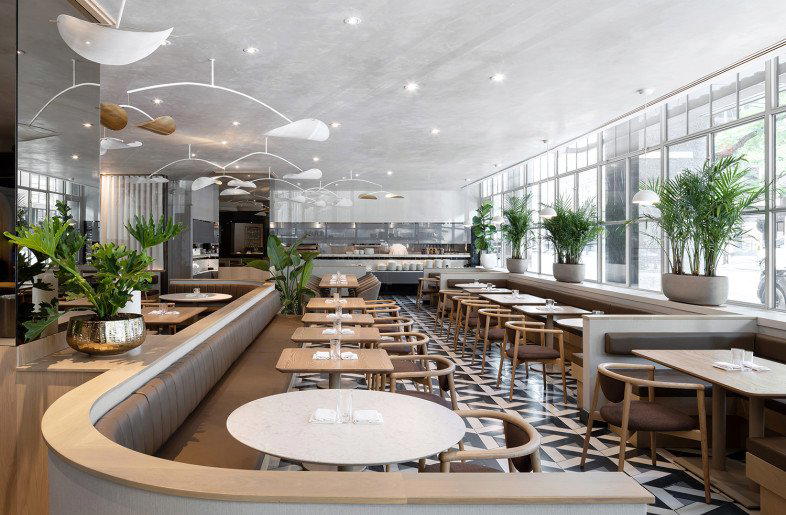
Restaurants in Toronto
Browse all →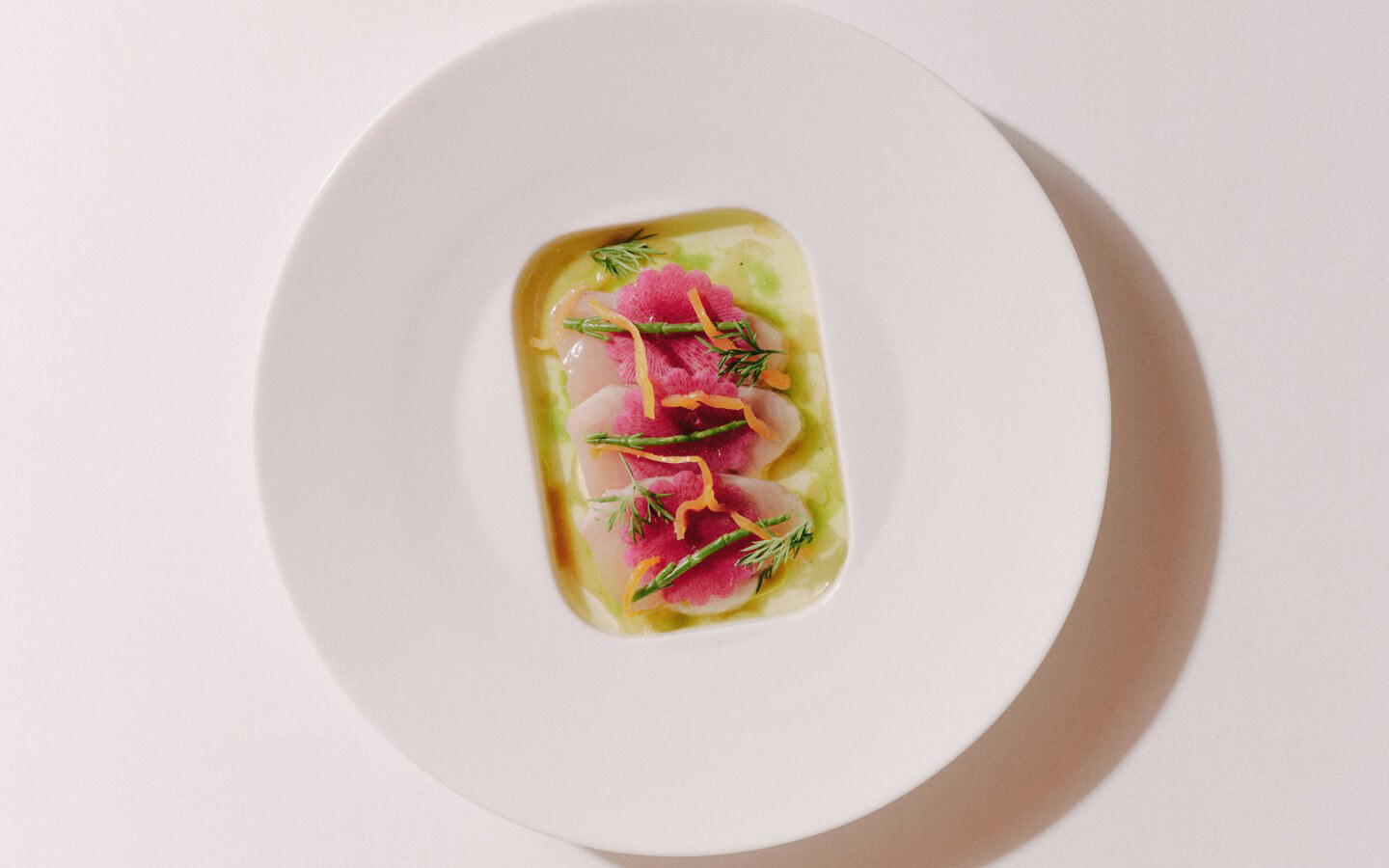
Bars in Toronto
Browse all →
Hotels in Toronto
Browse all →


At a Glance
- Elegant
- Sophisticated
- Intimate
- Modern
- Date Night
- Special Occasion
- Celebration
- Chefs Counter
- Open Kitchen
- Extensive Wine List
- Sommelier Led
Dimly lit, cozy dining room with a lively yet intimate bar area and energetic open kitchen view from the chefs counter.