Tongue & Groove Joint

Michelin Plate
Our verdict
The venue offers a credible entry point into the city's grilled-meat tradition without the commitment of a tasting-menu evening, making it a practical choice for visitors working through Seoul's broader restaurant circuit.

Pearl is the En Primeur Club membership app, where members save venues, book tables and use the concierge.
Arriving in Yongsan: What the Neighbourhood Sets Up
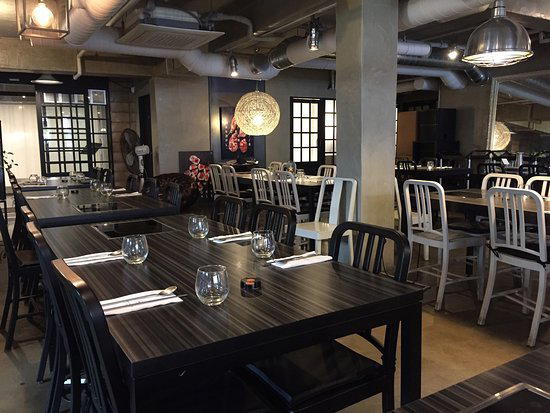
Yongsan-gu occupies an interesting position in Seoul's dining geography. Once defined primarily by its electronics market and transit hub, the district has quietly accumulated a layer of independent restaurants and bars that sit outside the high-visibility corridors of Gangnam or Itaewon's main strip. Bogwang-ro, the street that leads to Tongue & Groove Joint, reflects that character: low-rise, neighbourhood-paced, and largely free of the queue theatre that marks the city's more aggressively promoted grilled-meat spots. Arriving here, the expectation is a meal rather than an event, which is precisely the right frame for what follows.
Barbecue in Seoul: The Competitive Context
Seoul's barbecue scene spans a wider quality and price range than most visitors anticipate. At the lower end, the city runs on affordable pork-belly joints and galbi houses that charge by the portion and turn tables quickly. At the higher end, restaurants like Byeokje Galbi operate at a scale and formality that places them closer to a full dining experience. The mid-tier, where Tongue & Groove Joint sits at ₩₩, represents something harder to find consistently: recognisable quality, Michelin attention, and a price point that doesn't require the kind of forward planning associated with Seoul's fine-dining circuit.
Michelin's Plate designation, awarded in both 2024 and 2025, signals a kitchen that meets the guide's quality threshold without ascending to star territory. In practice, that means the food here competes on cooking rather than concept. For context, the Plate sits below the Bib Gourmand in Michelin's hierarchy in terms of value signalling, but it confirms the kitchen is operating at a standard the guide considers worth noting. Both signals together place this address in a small cohort of Seoul barbecue venues that have collected independent recognition rather than relying on social media momentum alone.
Visitors who have already worked through addresses like Geumdwaeji Sikdang or Boreumsae will find Tongue & Groove Joint occupies a different register. The name itself, a reference borrowed from woodworking joinery, gestures at a particular sensibility about craft and fit, though the dining experience is where that sensibility either holds up or doesn't. For Korean barbecue with a slightly different editorial framing, Budnamujip and Ggupdang are worth mapping alongside this address when planning a Seoul grilled-meat itinerary.
Planning Your Visit: The Booking Angle
The editorial angle that matters most for Tongue & Groove Joint is practical: how difficult is this place to access, and what should you know before committing to the trip to Yongsan-gu? At the ₩₩ price tier with sustained Michelin recognition over two consecutive years, the honest answer is that demand is likely to outpace casual walk-in availability, particularly on weekends and during peak travel months in spring (April to May) and autumn (September to November), when Seoul sees its heaviest inbound visitor traffic.
Without a publicised reservation system, the practical approach is to attempt contact directly through the address, 7 Bogwang-ro 60-gil, Yongsan-gu, or to arrive at off-peak hours on weekday evenings. Korean-language proficiency helps considerably when calling ahead at venues in this neighbourhood tier, where English-language booking infrastructure is less standardised than at Seoul's hotel-attached or internationally oriented restaurants.
Compared to the planning effort required for Seoul's upper-tier dining (the tasting-menu restaurants at ₩₩₩₩ such as Gaon or Kwon Sook Soo, where reservations open weeks or months ahead and require credit card guarantees), the logistics here are more forgiving. The mid-range price point also means a failed walk-in attempt costs less in planning capital than a missed reservation at a starred counter.
How This Venue Compares on Logistics
| Venue | Price Tier | Michelin Recognition | Booking Difficulty | Setting |
|---|---|---|---|---|
| Tongue & Groove Joint | ₩₩ | Plate (2024, 2025) | Moderate / walk-in possible | Yongsan-gu neighbourhood |
| Byeokje Galbi | ₩₩₩+ | Recognised | Reservations advised | Multi-location, established |
| Geumdwaeji Sikdang | ₩–₩₩ | Not listed | Queue-based / high volume | Central, high-traffic |
| Gaon | ₩₩₩₩ | Three Stars | Advance booking essential | Gangnam formal dining |
Where Barbecue Sits in Seoul's Wider Dining Circuit
Visitors building a Seoul dining itinerary across multiple categories will find it useful to situate Tongue & Groove Joint against a broader map. The city's Korean fine dining sits at one pole, represented by addresses that appear in our full Seoul restaurants guide. At the other end, the city's street-food and pojangmacha culture provides an entirely different set of reference points. Barbecue at this tier occupies a middle ground that is neither casual nor formal, and that produces its own kind of planning consideration: dress codes are not a factor, groups are accommodated more easily than at counter formats, and the social structure of the meal (everyone cooking, everyone eating at the same pace) tends to make this a more reliable choice for mixed dining parties than a tasting menu would be.
For visitors exploring beyond Seoul, comparable attention to grilled and smoked formats can be found at Mori in Busan and, in a completely different register, at Baegyangsa Temple in Jangseong-gun, which offers a Buddhist temple-food experience at the furthest possible remove from a Seoul grill house. Those contrasts are part of what makes Korean food travel genuinely instructive rather than repetitive. On the international barbecue axis, the American smoked-meat tradition at addresses like InterStellar BBQ in Austin, la Barbecue, and CorkScrew BBQ in Spring represents an entirely different technique tradition, useful context for understanding how Seoul's table-grill format differs in both method and social choreography. Korean barbecue is fundamentally interactive in a way that American pit barbecue is not; the cooking happens at the table, which means the diner's attention is divided across the meal in a different way.
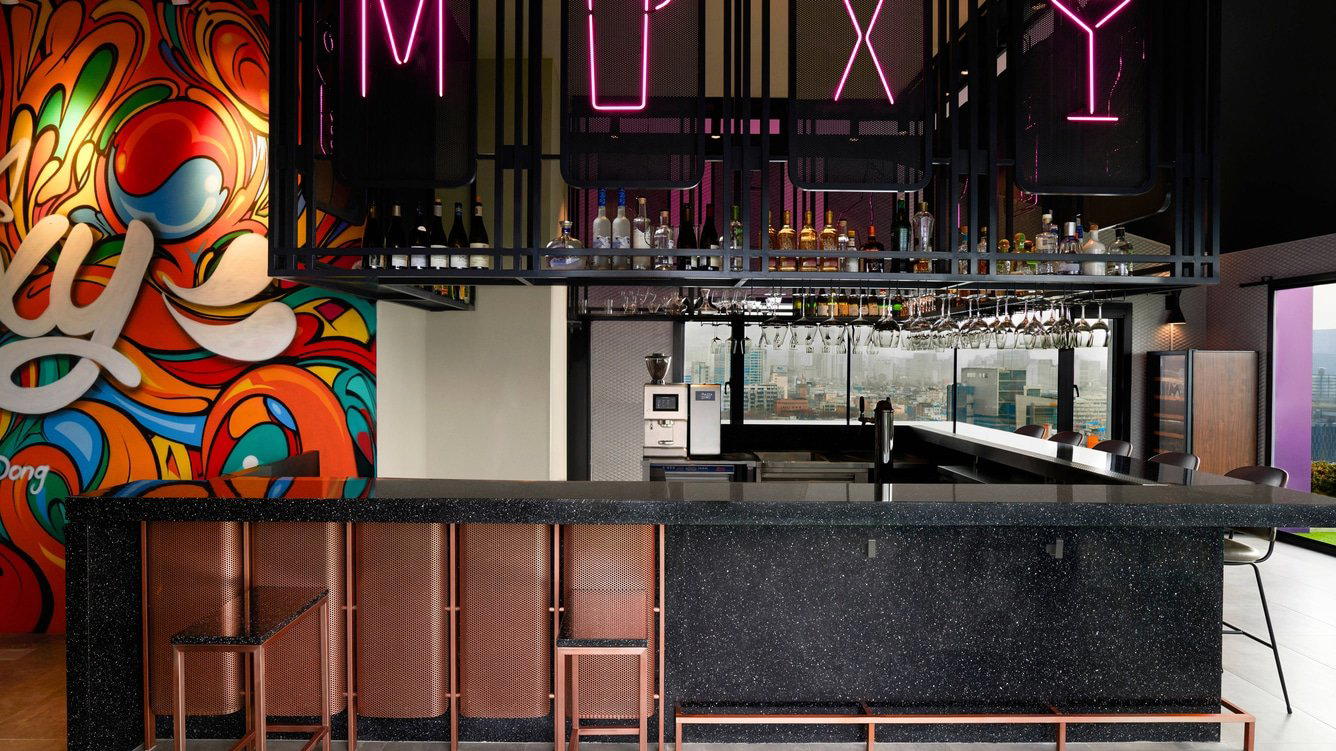
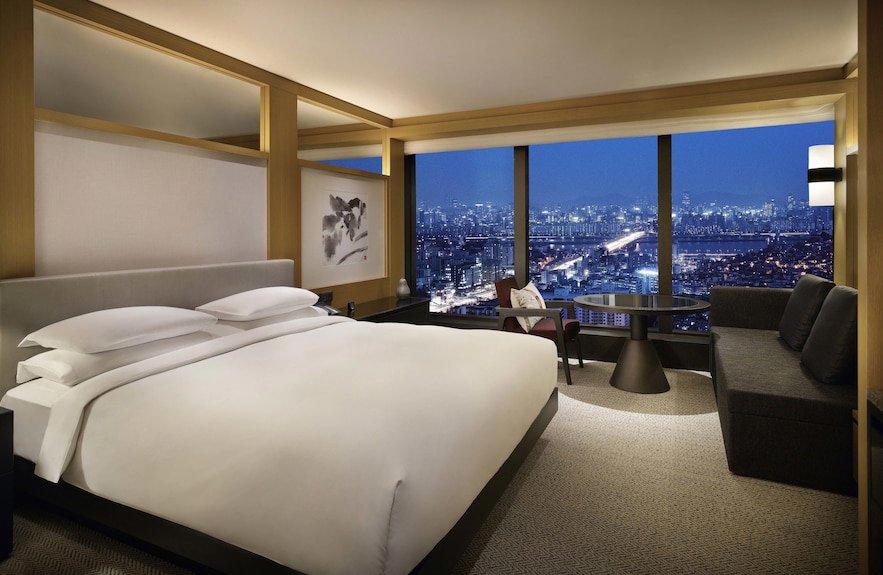
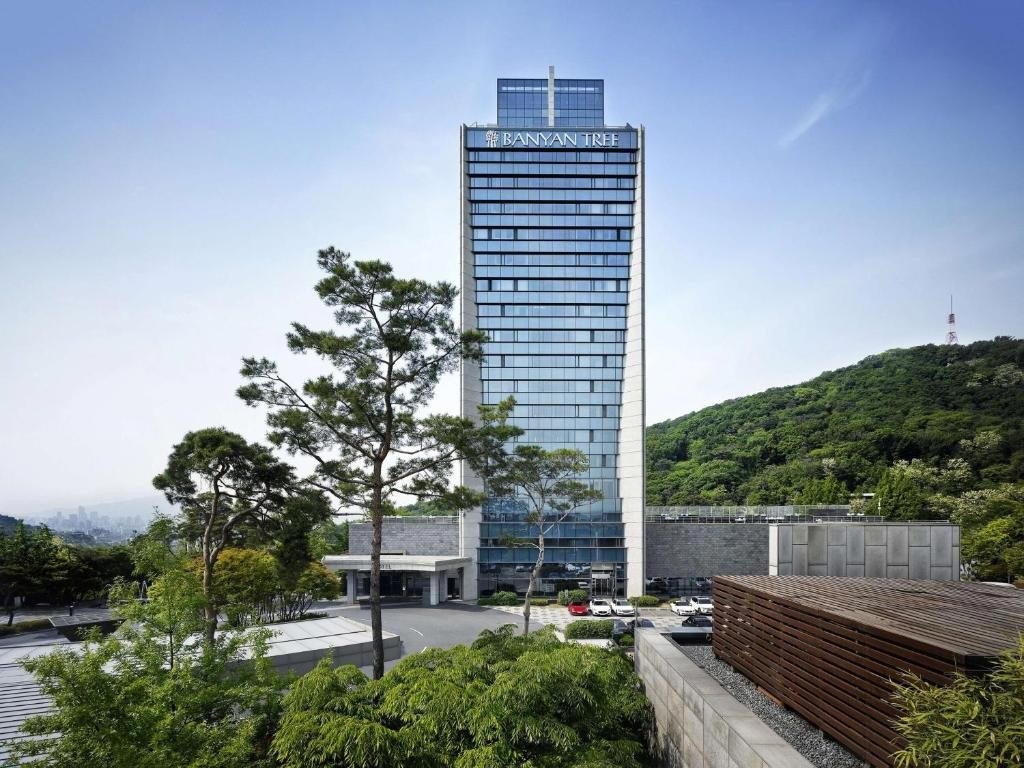
For drinking before or after, our Seoul bars guide covers the city's cocktail and soju bar options across neighbourhoods. Our Seoul hotels guide, wineries guide, and experiences guide round out the city planning picture for visitors spending more than a few days in the capital. Also worth noting for a departure from standard Korean formats is The Flying Hog in Seogwipo, which takes Korean pork culture in a different geographic and stylistic direction on Jeju Island.
Frequently asked questions
Is Tongue & Groove Joint suitable for children?
At the ₩₩ price tier, a meal here sits comfortably within family-dinner range rather than special-occasion territory. Korean barbecue is structurally well-suited to groups with children: the shared, tabletop format keeps the pace flexible. The Bogwang-ro address in Yongsan-gu is a neighbourhood setting, not a formal dining room, which generally makes for a relaxed environment.
What is the atmosphere like at Tongue & Groove Joint?
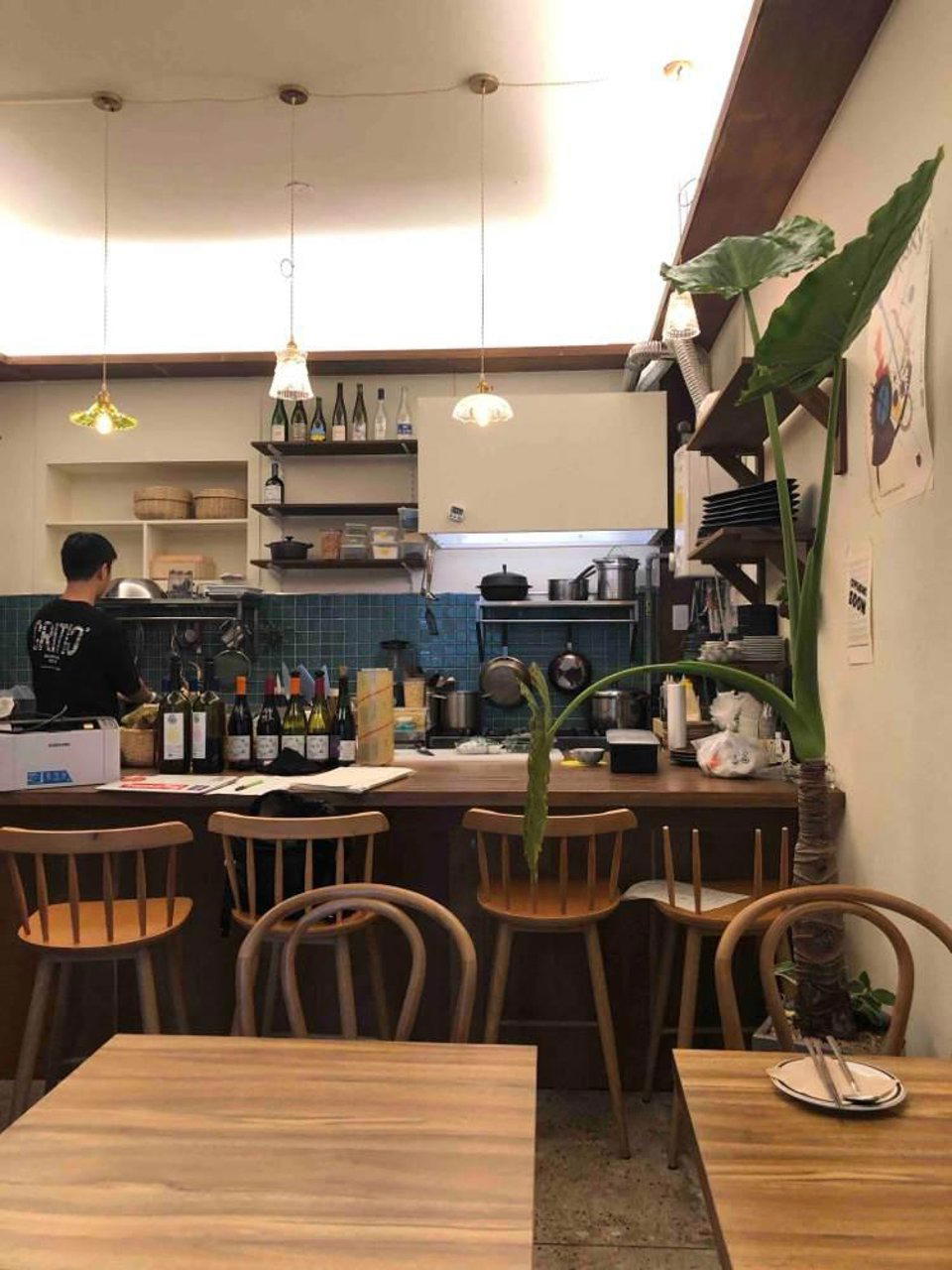
Bogwang-ro in Yongsan-gu reads as a residential-commercial strip rather than a tourist corridor, which shapes the room before anyone sits down. Two consecutive Michelin Plate recognitions (2024 and 2025) signal consistent kitchen quality without the formality those awards sometimes imply in other contexts. Expect the functional energy of a Seoul neighbourhood barbecue address rather than a destination restaurant built around spectacle.
What distinctions does Tongue & Groove Joint have?
Tongue & Groove Joint has received recognition including: Michelin Plate (2025); Michelin Plate (2024).
What's the best thing to order at Tongue & Groove Joint?
EP Club does not currently hold confirmed menu or signature dish data for Tongue & Groove Joint, so specific ordering recommendations would be speculative. What the record does confirm is a barbecue focus at the ₩₩ tier with back-to-back Michelin Plate recognition in 2024 and 2025, which points to a kitchen operating with reliable consistency across its core menu. Arriving with an appetite for the grill format and asking staff what's running well that day remains the most practical approach.
A compact comparison to help you place this venue among nearby peers.
| Venue | Cuisine | Price | Awards | Notes |
|---|---|---|---|---|
| Tongue & Groove JointThis venue (the venue you are viewing) | Modern Korean BBQ | $30–50 | Michelin Plate | Not listed |
| 7th Door | Modern Korean Fermentation Fine Dining | $100–150 | 1 Michelin Star · World's 50 Best #49 | Korean, Contemporary |
| Solbam | Contemporary Neo-Classical Korean | $200–300 | 1 Michelin Star · World's 50 Best #55 | Contemporary |
| Onjium | Modern Korean Royal Court Cuisine | Not listed | 1 Michelin Star · World's 50 Best #41 | Korean |
| L'Amitié | Classic French Fine Dining | $100–150 | 1 Michelin Star · La Liste Top Restaurants | French |
| Zero Complex | Modern French Neo-Bistro | $100–150 | 1 Michelin Star · La Liste Top Restaurants | Korean-French, Innovative |
Recognition history
Dated appearances from independent guides and award organizations, with the underlying list record or original source where available.
Michelin Plate
Michelin
Full recognition history (2 entries)
Michelin Plate
Michelin
Continue exploring
More in Seoul
Restaurants in Seoul
All restaurants in Seoul →
Bars in Seoul
All bars in Seoul →


Details
- Modern
- Trendy
- Lively
- Group Dining
- Business Dinner
- Date Night
- Open Kitchen
- Craft Cocktails
- Beer Program
- A La Carte
- Craft Beers
Casually cool and modern atmosphere resembling a café or beer hall, with warm, inviting, and easy vibes noted in reviews.