Muoki




Muoki occupies a considered corner of Gangnam's contemporary dining scene, earning a Michelin star in 2024 and consistent La Liste recognition. Chef James Park's set menu pairs disciplined technique with unexpected flavour combinations, presented from a raised open kitchen. At the ₩₩₩ price tier, it sits a bracket below Gangnam's tasting-menu flagships while matching them on formal ambition.
Pearl is the En Primeur Club membership app — saves, bookings, and concierge access live there. Same editors, same standards.
- Address
- 12-12 Hakdong-ro 55-gil, Gangnam District, Seoul, South Korea
- Phone
- +82 10-2948-4171
- Website
- muoki.kr
- Directions
- Get directions
 Saves & bookings on Pearl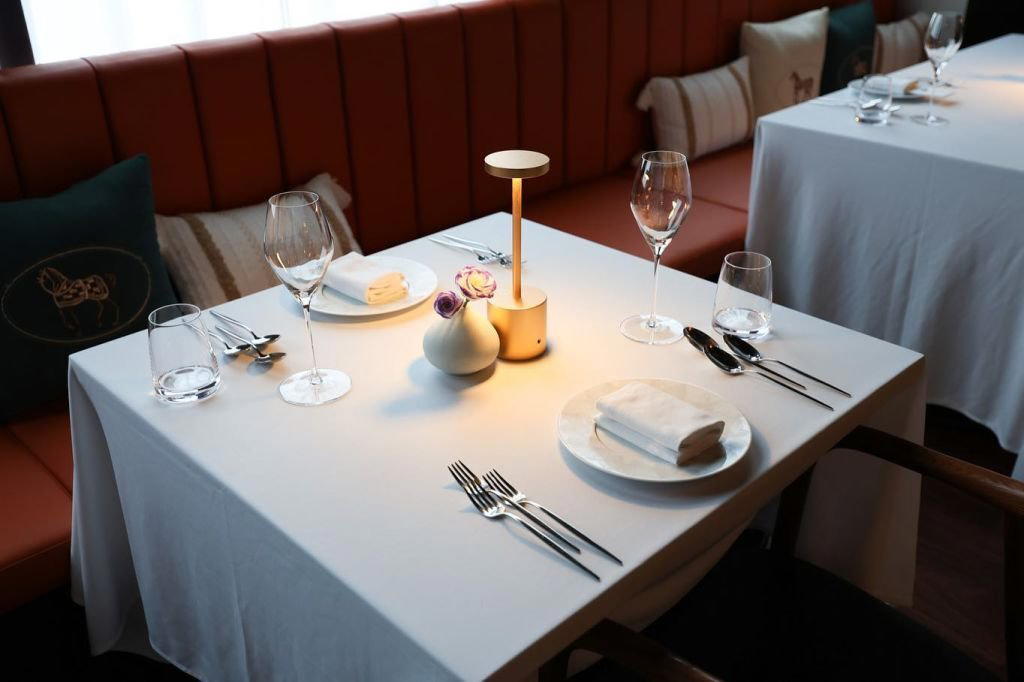
The Kitchen as Stage: Dining in Gangnam's Contemporary Tier
Gangnam's mid-to-upper dining tier has grown more specific in recent years. The neighbourhood once defaulted to a binary of high-ceremony Korean fine dining on one end and casual Korean barbecue on the other. What has emerged between those poles is a cohort of contemporary restaurants that draw on both Western technique and Korean ingredient logic, operating serious set-menu formats without the full ceremony of white-glove tasting rooms. Muoki is a one-star Contemporary Fine Dining restaurant in Gangnam District, Seoul, with dinner priced around $140 per person. Muoki, at 12-12 Hakdong-ro 55-gil, sits squarely in that cohort.
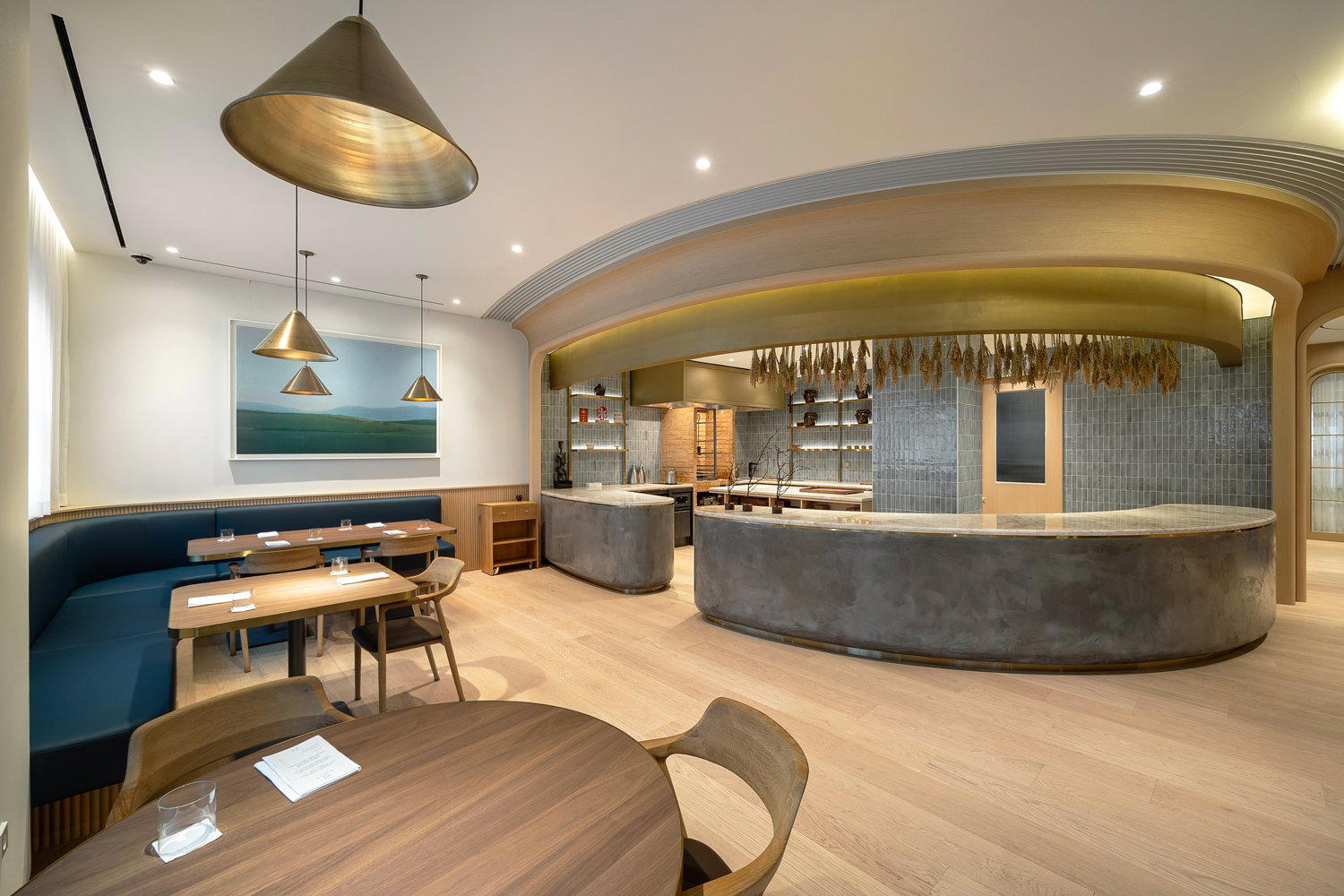
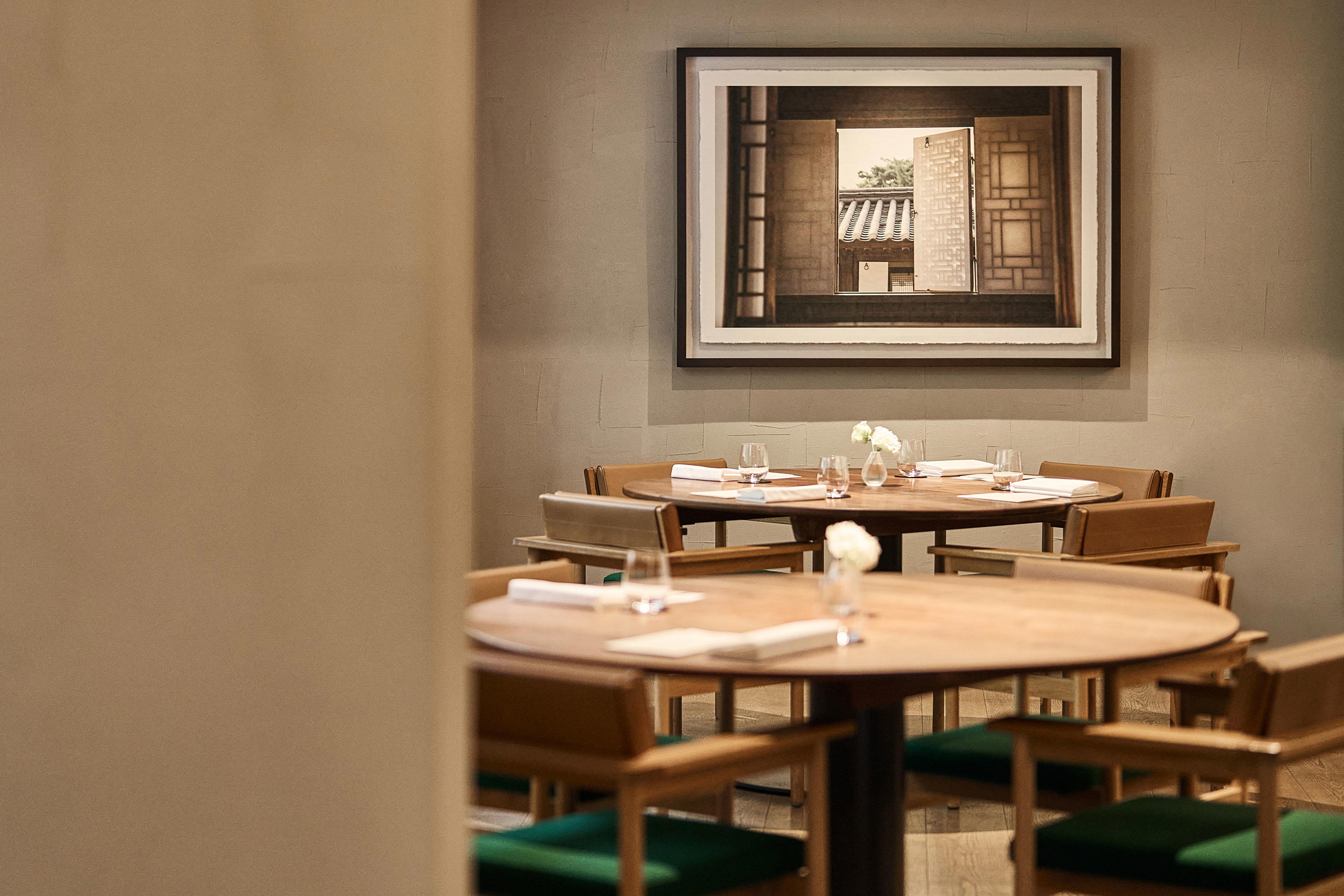
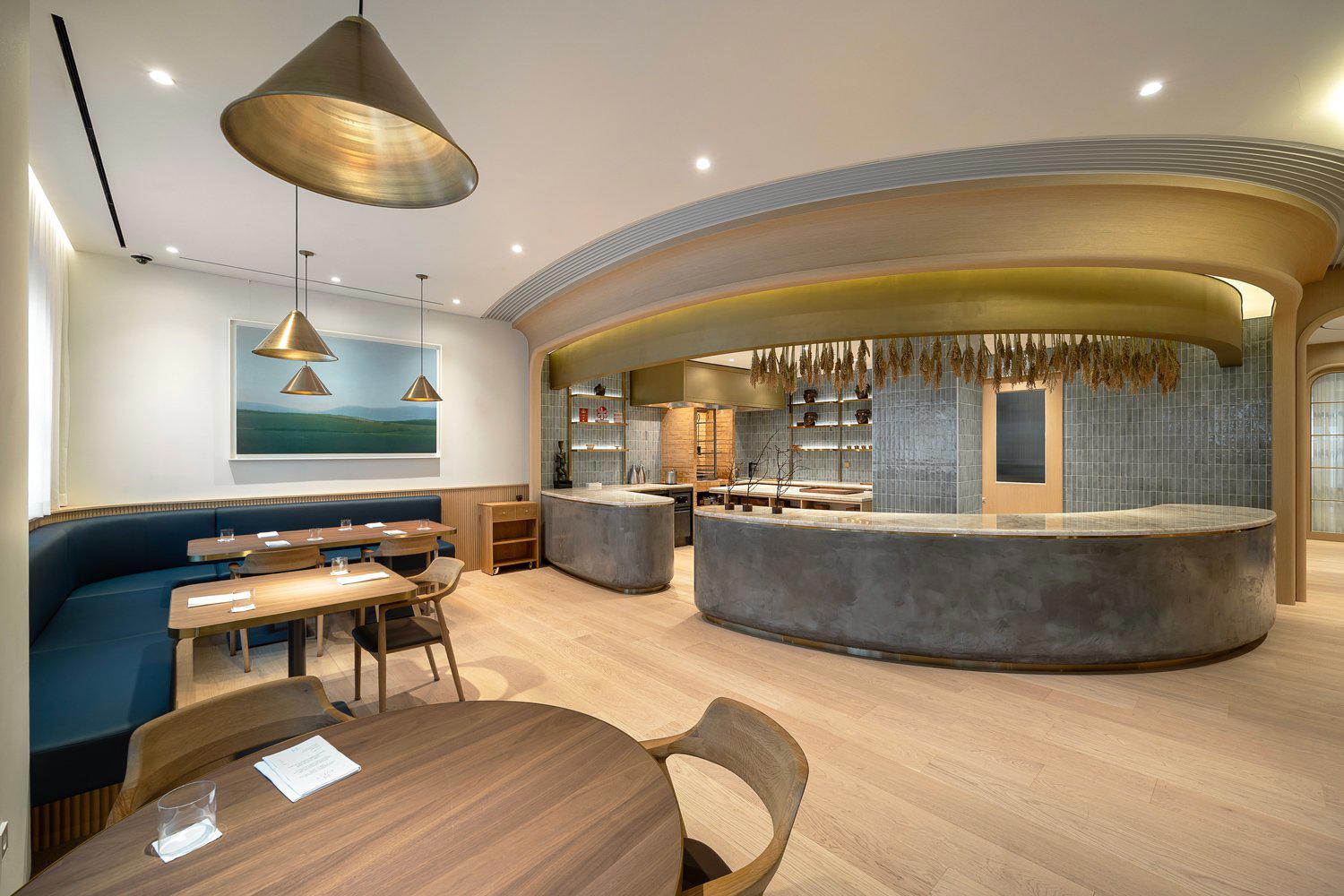
The raised open kitchen is the room's defining architectural move. In Seoul's contemporary scene, the open kitchen has become a standard signal of transparency and craft, but the raised format at Muoki adds a dimension that most flat-pass kitchens lack. Diners are positioned as an audience to a brigade at work, which transforms the pre-course wait from dead time into something closer to low-key theatre. The brigade's size signals a kitchen with real division of labour, more akin to the production discipline of a Jungsik or an Eatanic Garden than to the lean operations of smaller tasting-counter formats.
What the Set Menu Is Actually Doing
Contemporary dining in Seoul has wrestled with a central tension: how much of a menu's identity should be rooted in Korean culinary tradition, and how much should it operate as a globally fluent, technique-led exercise? One persuasive answer has generally come from kitchens that refuse to frame it as a binary. At Muoki, the set menu is structured to alternate between flavour pairings that are legible and harmonious and those that are deliberately dissonant, combinations designed to redirect the palate rather than confirm it.
That approach has a logic in Korean culinary culture, where the interplay of contrasting tastes (sweet against fermented, cooling against pungent) is embedded in the architecture of traditional meals. A contemporary kitchen like this one borrows that structural instinct and applies it at the course level, rather than across the banchan spread of a more traditional format. The result is a progression that moves in a less predictable arc than the standard European tasting-menu model, which typically builds from delicate to rich.
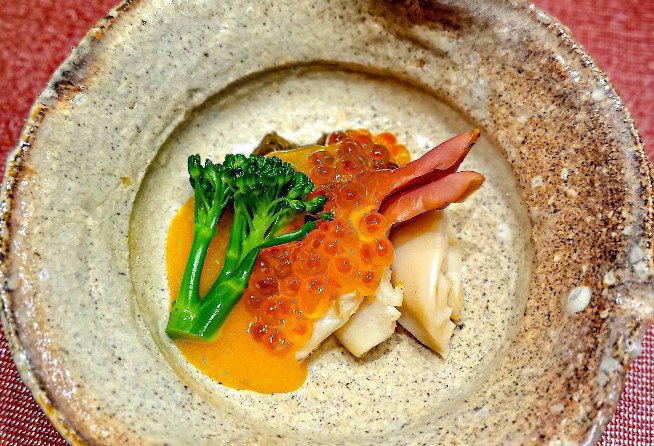
The Michelin inspection notes reference beets with goat's cheese and hazelnuts as a dish where visual presentation and flavour are equally resolved, a combination that is not specifically Korean in its components but belongs to a broader idiom of ingredient contrast that the kitchen deploys throughout the meal. Dessert courses receive specific praise in the same notes, an observation worth taking seriously when sequencing how much appetite to carry into the back half of the meal.
Chef James Park leads the kitchen. The Michelin star, secured in the 2024 guide, is the more durable credential.
Where Muoki Sits in Seoul's Contemporary Dining Map
Positioning matters in a city where the ₩₩₩₩ tier now contains restaurants that price and present themselves in full international competition. Solbam and operations like 권숙수 - Kwon Sook Soo in Gangnam-gu anchor the upper bracket of Gangnam's formal dining, with price and ceremony to match. Muoki at ₩₩₩ operates as a deliberate step below that ceiling, a format with comparable technical ambition and Michelin credentialing, but priced for more frequent return visits.
That positioning is not distinctive to Seoul. In other cities where contemporary fine dining has matured, a comparable pattern has emerged: a first tier of flagship tasting rooms with three-hour runtimes and premium pricing, and a second tier of Michelin-recognised kitchens that compress the experience into a tighter format without surrendering the credential. Alo in Toronto and Orfali Bros in Dubai occupy analogous positions in their respective markets, serious award records, formal set-menu structures, and pricing that sits below the upper-tier ceiling. César in New York City operates in a similar register.
Restaurant Allen or Exquisine gives a reasonable cross-section of the contemporary category without doubling up on register. Those looking to extend beyond Seoul should note that Mori in Busan and Baegyangsa Temple in Jangseong-gun offer contrasting lenses on how Korean culinary thinking is evolving outside the capital. Gaon in Seoul remains the reference point for traditional court-style Korean fine dining, for those wanting to locate Muoki's contemporary approach against its cultural antecedent.
The Service Dimension
La Liste assessors specifically noted the service team as smart and well-versed, capable of guiding diners through the meal's more unexpected combinations. In Seoul's contemporary tier, where menus often assume a level of familiarity with both Western tasting formats and Korean ingredient culture, the quality of front-of-house explanation is genuinely load-bearing. A server who can contextualise why a particular contrast works, or why a dish that reads unfamiliar on paper resolves cleanly on the palate, contributes directly to whether the menu's logic lands. The service notes at Muoki suggest this is handled with competence rather than ceremony.
Planning Your Visit
Muoki runs a split-service model: lunch from 12 PM to 3 PM and dinner from 6 PM to 10 PM, Tuesday through Saturday, with a full lunch service also available on Mondays. The restaurant is closed Sundays. The address, 12-12 Hakdong-ro 55-gil, places it in the Hakdong area of Gangnam District, accessible via Hakdong Station on Seoul Metro Line 7.
| Venue | Cuisine | Price Tier | Michelin | Format |
|---|---|---|---|---|
| Muoki | Contemporary | ₩₩₩ | 1 Star (2024) | Set menu, split service |
| Solbam | Contemporary | ₩₩₩₩ | Recognised | Tasting menu |
| L'Amitié | French | ₩₩₩ | , | Set menu |
| 7th Door | Korean, Contemporary | ₩₩₩₩ | Recognised | Tasting menu |
| Zero Complex | Korean-French | ₩₩₩₩ | Recognised | Tasting menu |
Cuisine Lens
Comparable venues nearby, for context on price, style, and recognition.
| Venue | Cuisine | Price | Awards | Notes |
|---|---|---|---|---|
| MuokiThis venue — the venue you are viewing | Contemporary Fine Dining | $$$$ | Michelin 1 Star | Not listed |
| L'Amant Secret | Contemporary Korean-Western Fine Dining | $$$$ | Michelin 1 Star | 소공동 |
| GAGGEN by Choi Junho | Modern Japanese Kaiseki | $$$$ | Michelin 1 Star | 압구정동 |
| Tutoiement | Modern French Fine Dining | $$$$ | Michelin 1 Star | Sajik-dong |
| Soul | Contemporary Korean Fusion | $$$$ | Michelin 1 Star | 소공동 |
| Muni | Japanese Kaiseki Omakase | $$$$ | Michelin 1 Star | 압구정동 |
Recognition history
Dated appearances from independent guides and award organizations, with the underlying list record or original source where available.
La Liste Top Restaurants
La Liste
Michelin 1 Star
Michelin
Opinionated About Dining Top Restaurants in Asia Recommended
Opinionated About Dining
La Liste Top Restaurants
La Liste
Michelin 1 Star
Michelin
Michelin 1 Star
Michelin
World's Best Wine Lists Awards WBWL 2-Star
World's Best Wine Lists Awards
At a Glance
- Elegant
- Intimate
- Sophisticated
- Modern
- Date Night
- Special Occasion
- Open Kitchen
- Extensive Wine List
- Local Sourcing
Current opening hours
- Monday
- 12–3 PM, 6–10 PM
- Tuesday
- 12–3 PM, 6–10 PM
- Wednesday
- 12–3 PM, 6–10 PM
- Thursday
- 12–3 PM, 6–10 PM
- Friday
- 12–3 PM, 6–10 PM
- Saturday
- 12–3 PM, 6–10 PM
- Sunday
- Closed
Hours can change for holidays and private events. Last verified .
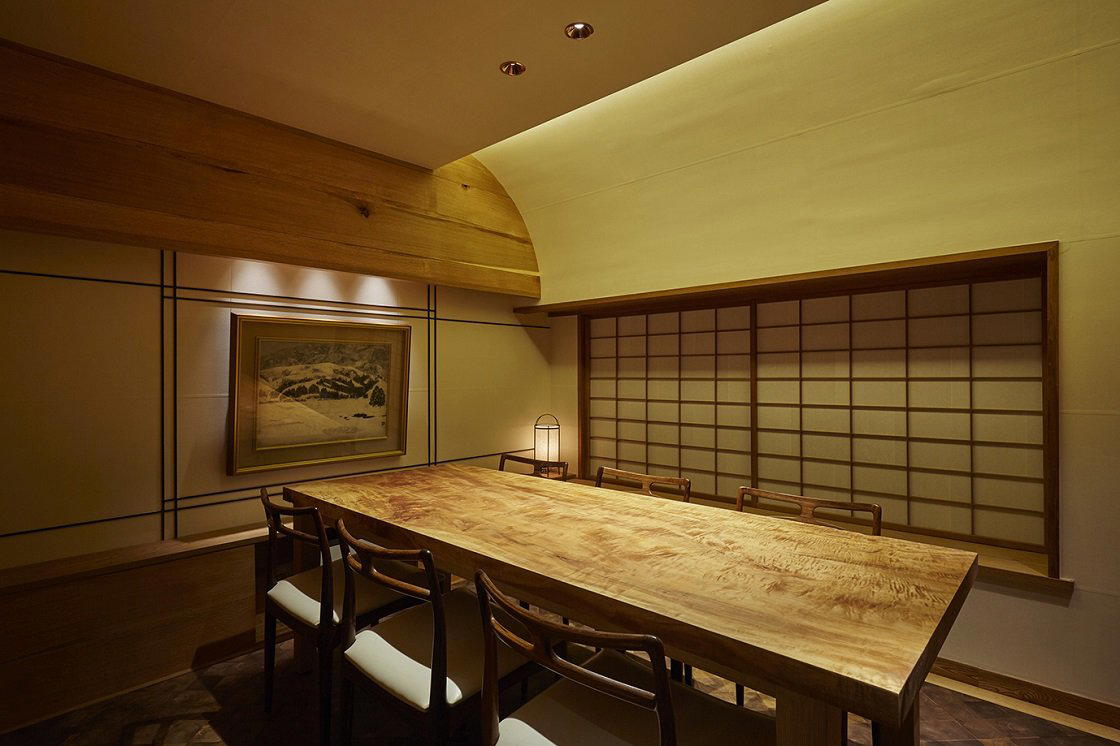
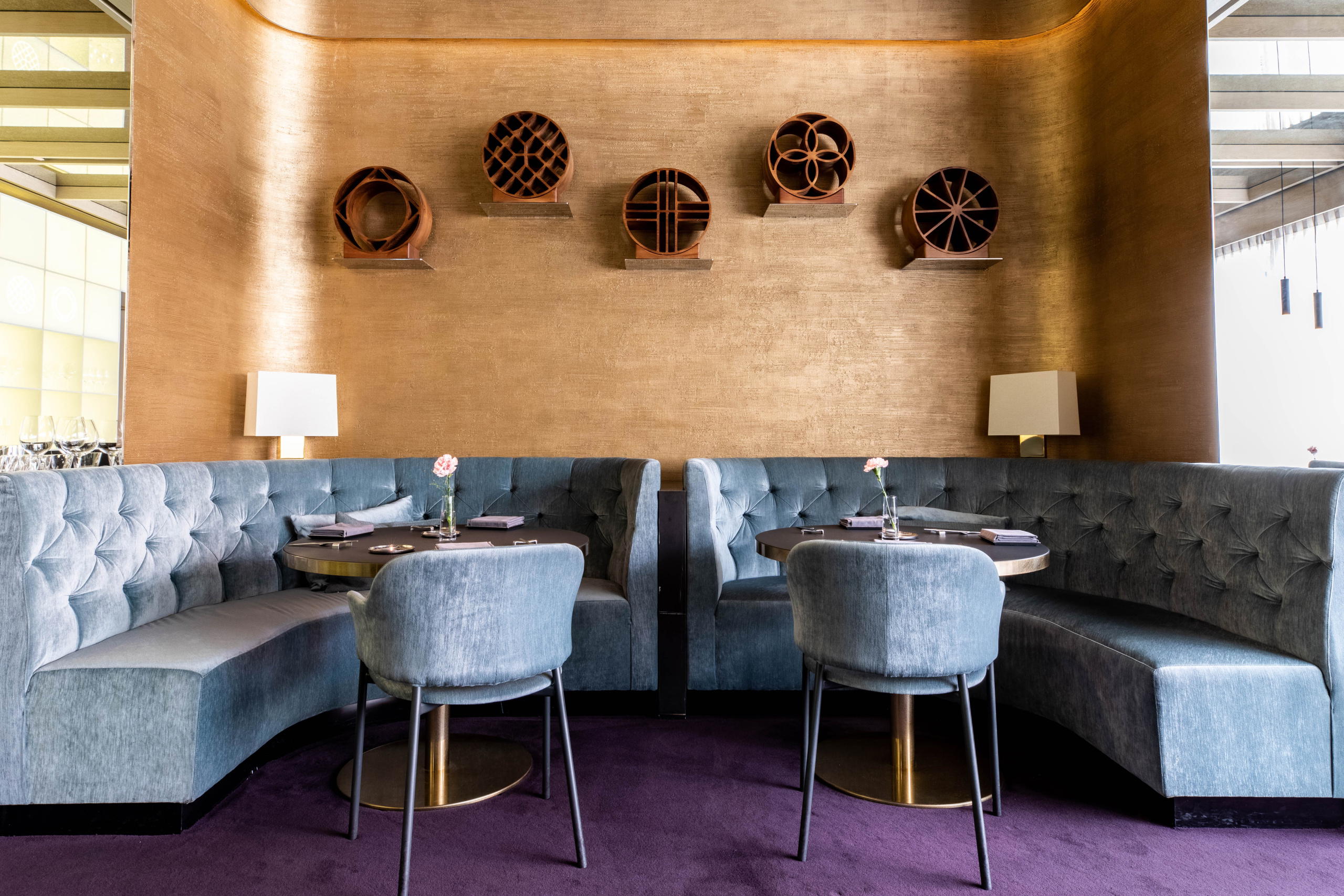
Cozy and stylish with warm lighting, intimate seating, and an open kitchen providing a theatrical view of chefs at work.