Lee Buk Bang

Michelin Plate
Our verdict
Lee Buk Bang in Mapo-gu brings North Korean regional cooking into contemporary Seoul, anchored by blood sausage dishes built from the chef's family recipes. Michelin Plate recognition in 2024 places it within Seoul's documented dining scene, while a mid-range price point makes it one of the more accessible routes into leebuk cuisine in the city. The reclaimed timber interior, sourced from century-old Korean houses, gives the room a material authenticity that matches the food's provenance.

Pearl is the En Primeur Club membership app, where members save venues, book tables and use the concierge.
The menu
What to order
- Baeksundae
- Olisundae
- Yangsundae
- Dwaejimeolipyeon-yug
- Myeongtaesikhye
Old wood, older recipes: the room and what it signals
The first thing you register at Lee Buk Bang is the counter surface. The tops are cut from crossbeams and doors salvaged from traditional Korean houses that are over a century old, joinery repurposed into dining furniture. In a city where interiors often trend toward minimal concrete or curated Scandi-industrial, this is a deliberate statement about where the food is coming from. The material choices work as a kind of preface: what follows in the kitchen is also sourced from somewhere specific and old.
The address is 16 Mapo-daero 1-gil in Mapo-gu, a district on the western edge of central Seoul that sits outside the high-visibility dining corridors of Gangnam or Insadong. That geography is worth noting because it frames the value equation here: Mapo has become home to a range of neighbourhood restaurants that do serious cooking without the rent premium of Apgujeong or Cheongdam. Lee Buk Bang fits that pattern, and at a ₩₩ price point, it prices against casual regional specialists rather than against the ₩₩₩₩ contemporary Korean tier occupied by venues like Onjium, Kwonsooksoo, or La Yeon.
The leebuk tradition and why it matters in Seoul
North Korean regional cuisine, known in Korean as leebuk, occupies a specific and underrepresented corner of the city's dining scene. The Korean peninsula's division has made northern food traditions difficult to access in their original form, and what survives in Seoul tends to appear either in older pojangmacha-adjacent settings or, less commonly, in restaurants that make a deliberate case for the cuisine as a category worth preserving. Lee Buk Bang belongs to the latter type.
Blood sausage, or soondae in its more southern forms, has northern variants that differ in seasoning, casing, and filling. The version here is built from the chef's family recipes, which positions the dish as regional inheritance rather than generic Korean street food. That distinction matters to anyone who has eaten soondae broadly across Seoul and wants to understand how much the preparation varies by provenance. The kitchen also runs a wider repertoire of North Korean dishes, so blood sausage is the anchor but not the whole story.
For context on how Seoul handles regional Korean cooking more broadly, Gaon operates at the formal end of that tradition, while Bicena approaches Korean cuisine through a different regional and historical lens. Lee Buk Bang sits in a more casual register than either, but the specificity of its geographic focus gives it a distinct position in the city's culinary map.
Value through specificity: what ₩₩ actually buys here
Seoul's mid-range restaurant tier is competitive, and the ₩₩ bracket covers a wide range of quality. What differentiates Lee Buk Bang within that range is the combination of documented regional specificity, a Michelin Plate in 2024, and a kitchen that is working from inherited recipes rather than a generalized menu of Korean comfort food.
The Michelin Plate designation is not a star, but it is a marker that the guide's inspectors found the cooking worthy of note. In Seoul's Michelin ecosystem, which includes starred venues like Mingles, the Plate sits in a tier that signals quality without the tasting-menu price structure or the reservation scarcity that comes with star recognition. At Lee Buk Bang's price point, that combination, Michelin-noted cooking, regional specialisation, family-recipe anchoring, represents a measurable return on what you spend.
The modernised approach to traditional dishes adds another dimension. The kitchen is not running a museum, and dishes that incorporate new ingredients alongside inherited methods suggest a kitchen that is working actively rather than just reproducing. That tension between tradition and adaptation is, in practical terms, what makes a meal here more interesting than the average regional specialist.
For comparison, bōm in New York City and DOSA in London both represent Korean cooking reinterpreted for international markets. Lee Buk Bang operates at the opposite end of that spectrum, a Seoul neighbourhood restaurant where the specificity of the reference point is the whole point.
Regional Korean cooking in a wider context
North Korean cuisine's presence in Seoul restaurants is shaped by diaspora and memory as much as by recipe books. Families from the northern provinces who relocated south during and after the Korean War carried food traditions that evolved in the absence of the original geography. What gets cooked in restaurants like Lee Buk Bang is, in part, that carried knowledge in practical form.
That context makes a meal here more than a transaction against a menu. It places the food in a traceable line of transmission, which is a different kind of value from what you get at, say, a technically ambitious tasting menu. The cooking at venues like Kwonsooksoo or Onjium is oriented toward refinement and formality; Lee Buk Bang's orientation is toward fidelity to a specific regional and familial record.
Elsewhere in Korea, Mori in Busan and Baegyangsa Temple in Jangseong-gun each demonstrate how regional and institutional food traditions persist outside Seoul. Lee Buk Bang is Seoul's version of that argument: that specific, geographically grounded cooking survives and earns recognition on its own terms.
For anyone building a broader picture of Seoul's dining scene, our full Seoul restaurants guide covers the range from street-level to starred. The Seoul hotels guide, Seoul bars guide, Seoul wineries guide, and Seoul experiences guide provide the supporting infrastructure for a longer stay.
Also worth noting in the Korean regional dining field: 권숙수 - Kwon Sook Soo in Gangnam-gu and Jeju Noodle Bar in New York City both demonstrate how Korean regional specificity travels and adapts, though in very different directions from what Lee Buk Bang is doing in Mapo.
Know Before You Go
- Address: 16 Mapo-daero 1-gil, Mapo-gu, Seoul, South Korea
- Price range: ₩₩ (mid-range)
- Awards: Michelin Plate 2024
- Cuisine focus: North Korean regional (leebuk), with blood sausage as the signature
- Booking: Contact details not currently listed; walk-in or local reservation platform advised
- Hours: Not confirmed; verify before visiting
Frequently asked questions
Is Lee Buk Bang suitable for children?
The ₩₩ price point and neighbourhood setting in Mapo-gu keep the atmosphere informal, which generally accommodates families. That said, the menu centres on blood sausage and North Korean leebuk dishes, so it suits children already familiar with offal-forward Korean cooking better than those who are not.
What kind of setting is Lee Buk Bang?
Lee Buk Bang is a neighbourhood restaurant in Mapo-gu whose countertops are cut from crossbeams and doors salvaged from century-old traditional Korean houses. The reclaimed timber gives the room a grounded, heritage feel that matches the family-recipe focus of the kitchen. It earned a Michelin Plate in 2024.
Is Lee Buk Bang Michelin-listed?
Lee Buk Bang has received recognition including: As the name suggests, Lee Buk Bang is where one can enjoy meals from the leebuk, or North Korean, region. In this setting, blood sausage and other diverse North Korean dishes with a modern flair offer a valuable dining experience to patrons….
What's the best thing to order at Lee Buk Bang?
The documented signature is blood sausage prepared from the chef's family recipes, which is the clearest expression of the North Korean leebuk tradition the kitchen represents. Beyond that, the menu extends to other regional dishes where the chef applies newer ingredients alongside inherited techniques.
Peers You’d Cross-Shop
| Venue | Cuisine | Price | Awards | Notes |
|---|---|---|---|---|
| Lee Buk BangThis venue (the venue you are viewing) | Modern North Korean Sundae Omakase | $50–100 | Michelin Plate | Not listed |
| 7th Door | Modern Korean Fermentation Fine Dining | $100–150 | 1 Michelin Star · World's 50 Best #49 | Korean, Contemporary |
| Solbam | Contemporary Neo-Classical Korean | $200–300 | 1 Michelin Star · World's 50 Best #55 | Contemporary |
| Onjium | Modern Korean Royal Court Cuisine | Not listed | 1 Michelin Star · World's 50 Best #14 | Korean |
| L'Amitié | Classic French Fine Dining | $100–150 | 1 Michelin Star · La Liste Top Restaurants | French |
| Zero Complex | Modern French Neo-Bistro | $100–150 | 1 Michelin Star · La Liste Top Restaurants | Korean-French, Innovative |
Recognition history
Dated appearances from independent guides and award organizations, with the underlying list record or original source where available.
Michelin Plate
Michelin
Full recognition history (2 entries)
Michelin Plate
Michelin
Continue exploring
More in Seoul
Restaurants in Seoul
All restaurants in Seoul →
Bars in Seoul
All bars in Seoul →
Details
- Cozy
- Modern
- Intimate
- Special Occasion
- Date Night
- Chefs Counter
- Open Kitchen
- Extensive Wine List
- Omakase
Current opening hours
- Monday
- Closed
- Tuesday
- Closed
- Wednesday
- 12–1:30 PM, 7–9 PM
- Thursday
- 12–1:30 PM, 7–9 PM
- Friday
- 12–1:30 PM, 7–9 PM
- Saturday
- 12:30–2:30 PM, 5–9:30 PM
- Sunday
- 12:30–2:30 PM, 5–9:30 PM
Hours can change for holidays and private events. Hours as of .
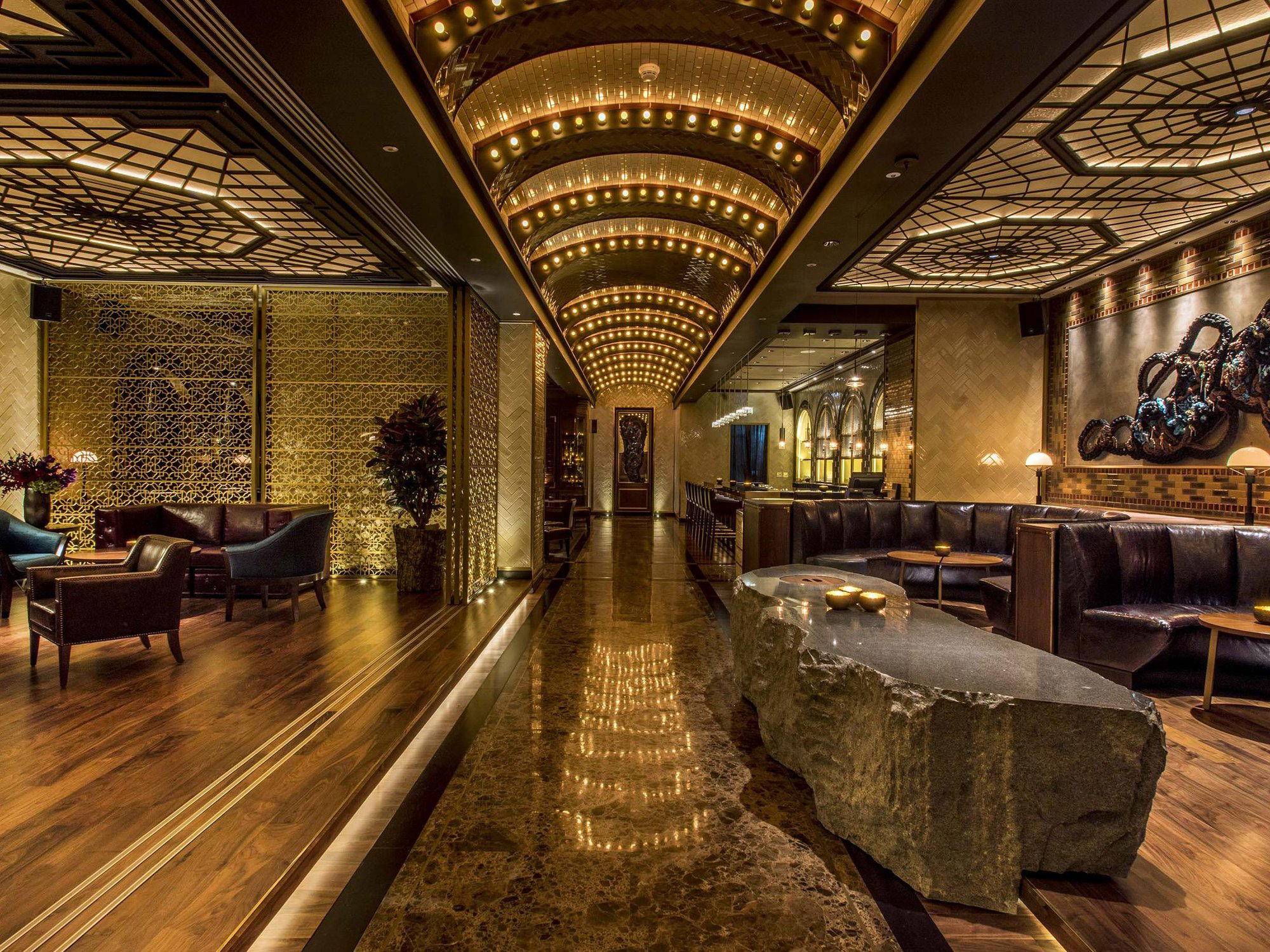
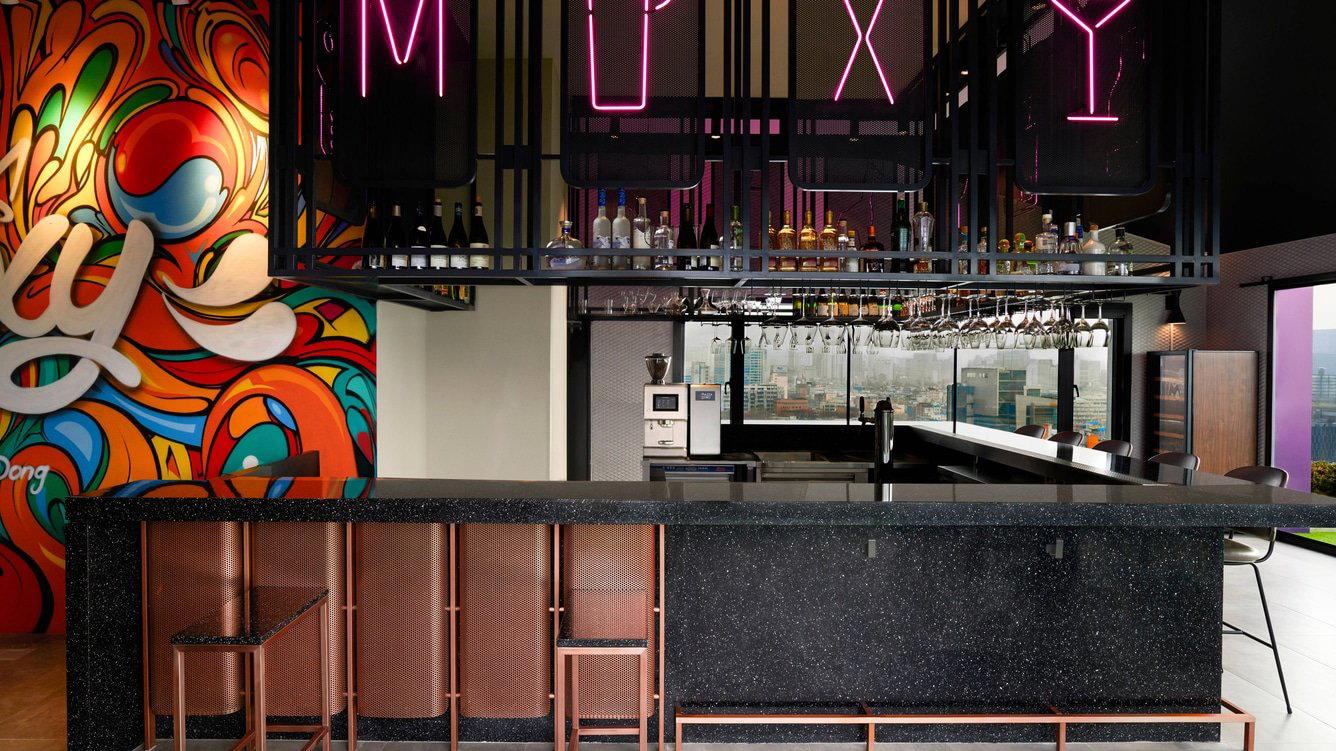
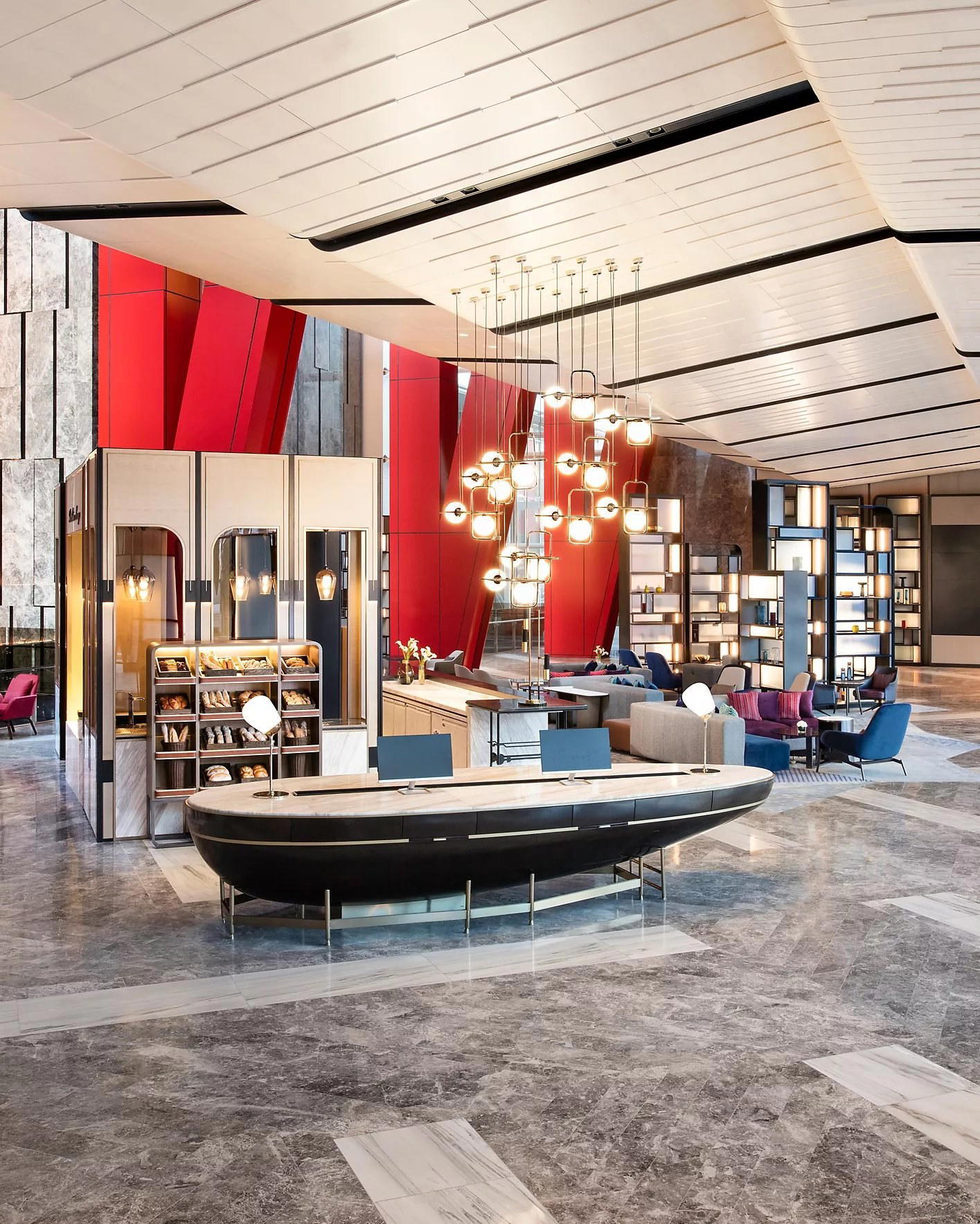
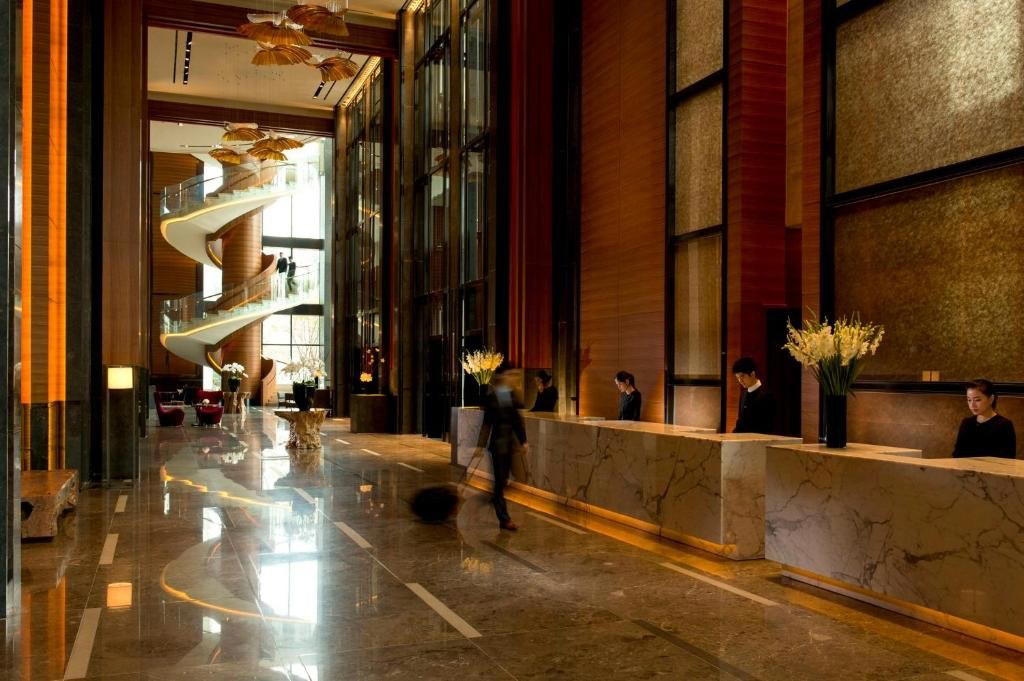
Cozy with century-old wooden countertops, hanji-style walls, traditional cauldron, and dim lighting evoking a modern-traditional Korean feel.