
Tabelog 100 #44
Our verdict
Maru Ichi occupies a quieter corner of Kamata, a working district in Ota City that sits well outside Tokyo's high-profile dining belt. Where much of the city's premium restaurant scene clusters in Ginza or Minami-Aoyama, this address positions itself differently, closer to a neighbourhood regulars' circuit than an awards-season destination, making it a practical study in how serious cooking reaches audiences beyond the established centre.

Pearl is the En Primeur Club membership app, where members save venues, book tables and use the concierge.
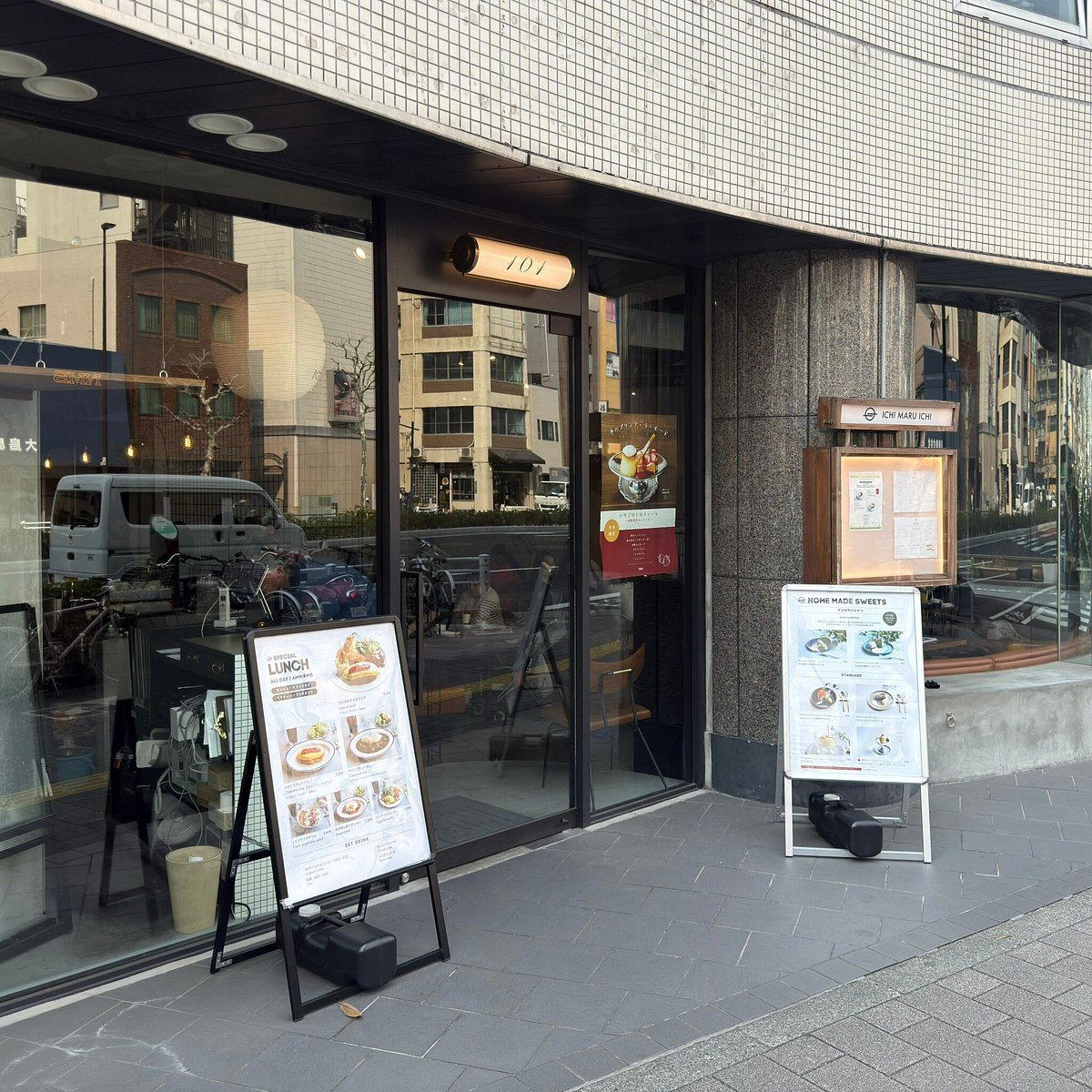
Beyond the Centre: Dining in Kamata's Neighbourhood Circuit
Tokyo's restaurant geography has long been organized around a handful of prestige postcodes. Ginza draws the Michelin hunters. Minami-Aoyama and Roppongi host the international-facing tasting menus. Shinjuku and Shibuya absorb the volume trade. But Ota City, and Kamata specifically, the district where Maru Ichi sits on a residential stretch of 5-chome, operates according to a different logic. This is a part of Tokyo shaped by transit infrastructure and working households, not by expense-account dining or hotel proximity. Restaurants here tend to earn their audience through repetition rather than occasion: the kind of places people return to on a Tuesday rather than visit once for a birthday.
That context shapes how Maru Ichi should be read. In a city where the restaurant conversation is dominated by counter omakase sequences priced into the tens of thousands of yen per head, and where the comparison set for serious cooking typically includes addresses like Harutaka (sushi, ¥¥¥¥) or RyuGin (kaiseki, ¥¥¥¥), a Kamata address at this price tier signals something else, proximity to the community it serves, and the kind of daily-use role that sustains a kitchen over years rather than seasons.
Kamata and the Ethics of Sourcing Outside the Spotlight
One of the less-examined dynamics in Tokyo's dining scene is the relationship between location and sourcing. Restaurants in Ginza or Marunouchi operate in real-estate markets that force a certain kind of menu engineering: high-ticket items, premium imported proteins, and theatre-level presentation justified by rent. Neighbourhood kitchens in districts like Kamata face different constraints, and, arguably, different freedoms. They are less likely to be chasing the same Hokkaido scallop suppliers or Miyazaki wagyu brokers that feed the trophy-room restaurants.
This matters for sustainability and ethical sourcing, a question that has become increasingly central to how serious kitchens define themselves across Japan and globally. The pressure to source hyperlocally or waste-consciously has historically been easier to absorb at neighbourhood scale than at the volume and visibility of a Michelin-starred operation. Restaurants operating outside the prestige circuit, without the same pressure to perform provenance for a camera, often develop more durable sourcing relationships precisely because they depend on them for cost control rather than storytelling.
For comparison, this pattern of neighbourhood-scale sustainability practice shows up across Japan's regional restaurant scene: at Gion Sasaki in Kyoto, where the kaiseki framework enforces seasonal discipline, or at akordu in Nara, where local produce anchors a European-inflected menu. These are not the same tier or format as Maru Ichi, but they illustrate how geography and community embeddedness tend to produce more grounded sourcing decisions than destination dining.
Where Maru Ichi Sits in the Broader Tokyo Picture
Tokyo's dining spectrum is wide enough that a Kamata address and a Ginza counter can coexist without contradiction. The city supports L'Effervescence (French, ¥¥¥¥), which has built one of the city's most coherent sustainability-led tasting menu programs, and Sézanne (French, ¥¥¥¥), which draws from Parisian technique while anchoring itself in Japanese ingredient logic. It also supports Crony, an innovative French address operating at ¥¥¥¥ with a more experimental posture. These are the addresses that absorb the majority of international dining coverage.
Maru Ichi occupies a different register, less visible, less documented, and for that reason harder to place with precision. The venue's data record does not confirm cuisine type, price range, seating count, or awards. What the address confirms is a Kamata location, which places it in a neighbourhood that functions as a transit hub for southern Tokyo, accessible via the Keikyu and JR Keihin-Tohoku lines. That logistical reality, a restaurant reachable without going through central Tokyo, is itself a meaningful signal about the audience it is designed to serve.
For readers assembling a Tokyo itinerary that extends beyond the Michelin trail, the city's regional and near-regional options are worth considering in parallel. HAJIME in Osaka and Goh in Fukuoka both illustrate how serious cooking develops outside Tokyo's gravitational pull. Closer to home, Tokyo's own neighbourhood circuits, Kamata among them, host kitchens that have earned local loyalty without chasing the same recognition metrics as the centre. See our full Tokyo restaurants guide for a wider view of where the city's dining energy is distributed.
Planning a Visit to Kamata
Ota City's Kamata district is not a dining destination in the sense that Ginza or Nishi-Azabu are, there is no concentration of trophy addresses to justify an evening built around the neighbourhood. The more practical framing is a kitchen worth visiting in context: as part of a day that takes in the district's transit infrastructure, its markets, or its proximity to Haneda Airport, which sits a short distance to the southwest along the Keikyu line. Kamata functions as a realistic pre- or post-flight dining option in a way that central Tokyo restaurants do not.
This is consistent with how many neighbourhood-scale Tokyo restaurants operate, particularly those without an international-facing presence. The absence of a confirmed website or phone record in this venue's data profile is itself a signal about how it positions itself: not toward the international traveller, but toward the local repeat customer.
| Venue | Location | Price Tier | Booking Access | Profile |
|---|---|---|---|---|
| Maru Ichi | Kamata, Ota City | Not confirmed | Direct inquiry recommended | Neighbourhood circuit, low international profile |
| Harutaka | Ginza | ¥¥¥¥ | Months in advance | High-prestige omakase counter |
| L'Effervescence | Minami-Aoyama | ¥¥¥¥ | Advance booking required | Sustainability-led French tasting menu |
| RyuGin | Roppongi | ¥¥¥¥ | Advance booking required | Kaiseki, prestige tier |
| Crony | Central Tokyo | ¥¥¥¥ | Advance booking recommended | Innovative French, experimental |
Frequently asked questions
What's Maru Ichi's location?
Maru Ichi is located at 5 Chome-28-12 Kamata, 大ç°åº Ota City, Tokyo 144-0052, Japan, Tokyo.
Is Maru Ichi a practical dining option when transiting through Haneda Airport?
Kamata sits on the Keikyu Main Line, which runs directly between Haneda Airport and central Tokyo, placing Maru Ichi at 5 Chome-28-12 Kamata within a short in-transit detour from the terminal. For travellers with an early departure or late arrival, Ota City's Kamata district offers a lower-key alternative to airport-precinct dining without requiring a full trip into the city centre.
What should I eat at Maru Ichi?
The restaurant's Kamata address in Ota City places it firmly in neighbourhood-kitchen territory rather than the tasting-menu circuit of Ginza or Nishi-Azabu, expect cooking shaped by proximity to local suppliers and daily market availability rather than a fixed prestige format.
How hard is it to get a table at Maru Ichi?
No reservation system or booking data has been confirmed for Maru Ichi. In Tokyo's neighbourhood dining tier, particularly outside the central prestige postcodes, walk-ins and phone reservations are more common than third-party booking platforms, arriving early in the evening is generally the safest approach for venues without a documented online presence.
What's the defining dish or idea at Maru Ichi?
What the Kamata address in Ota City does suggest is a kitchen operating for a local clientele rather than the destination-dining crowd, which in Tokyo typically signals more direct sourcing, tighter margins, and cooking that reflects the neighbourhood rather than a curated concept pitched at critics.
Compact Comparison
Comparable venues nearby, for context on price, style, and recognition.
| Venue | Cuisine | Price | Awards | Notes |
|---|---|---|---|---|
| Maru IchiThis venue (the venue you are viewing) | Tonkatsu Specialist | $20–30 | Tabelog 100 #44 | Not listed |
| Tonkatsu Maruichi (とんかつ丸一) | Tonkatsu Specialist | $20–30 | Tabelog 100 #44 | Fukagawa, Tonkatsu Specialist |
| Menya Hanabi (麺屋はなび 新宿店) | Taiwan Mazesoba | $1–10 | Not listed | Minami Shinjuku, Taiwan Mazesoba |
| Horumon Masaru | Horumon & Yakiniku Izakaya | $30–50 | Tabelog 100 #74 | Minato, Horumon & Yakiniku Izakaya |
| Warayakiya Roppongi | Tosa Straw-Grilled Izakaya | $30–50 | Not listed | Minato, Tosa Straw-Grilled Izakaya |
| Toda Wataru no Okonomiyaki Santekan | Osaka-style Okonomiyaki & Teppanyaki | $20–30 | Tabelog 100 #33 | Minato, Osaka-style Okonomiyaki & Teppanyaki |
Recognition history
Dated appearances from independent guides and award organizations, with the underlying list record or original source where available.
Tabelog 100 #44 · No. 44
Tabelog · Tabelog 100 - Tonkatsu - 2026
Continue exploring
More in Tokyo
Restaurants in Tokyo
All restaurants in Tokyo →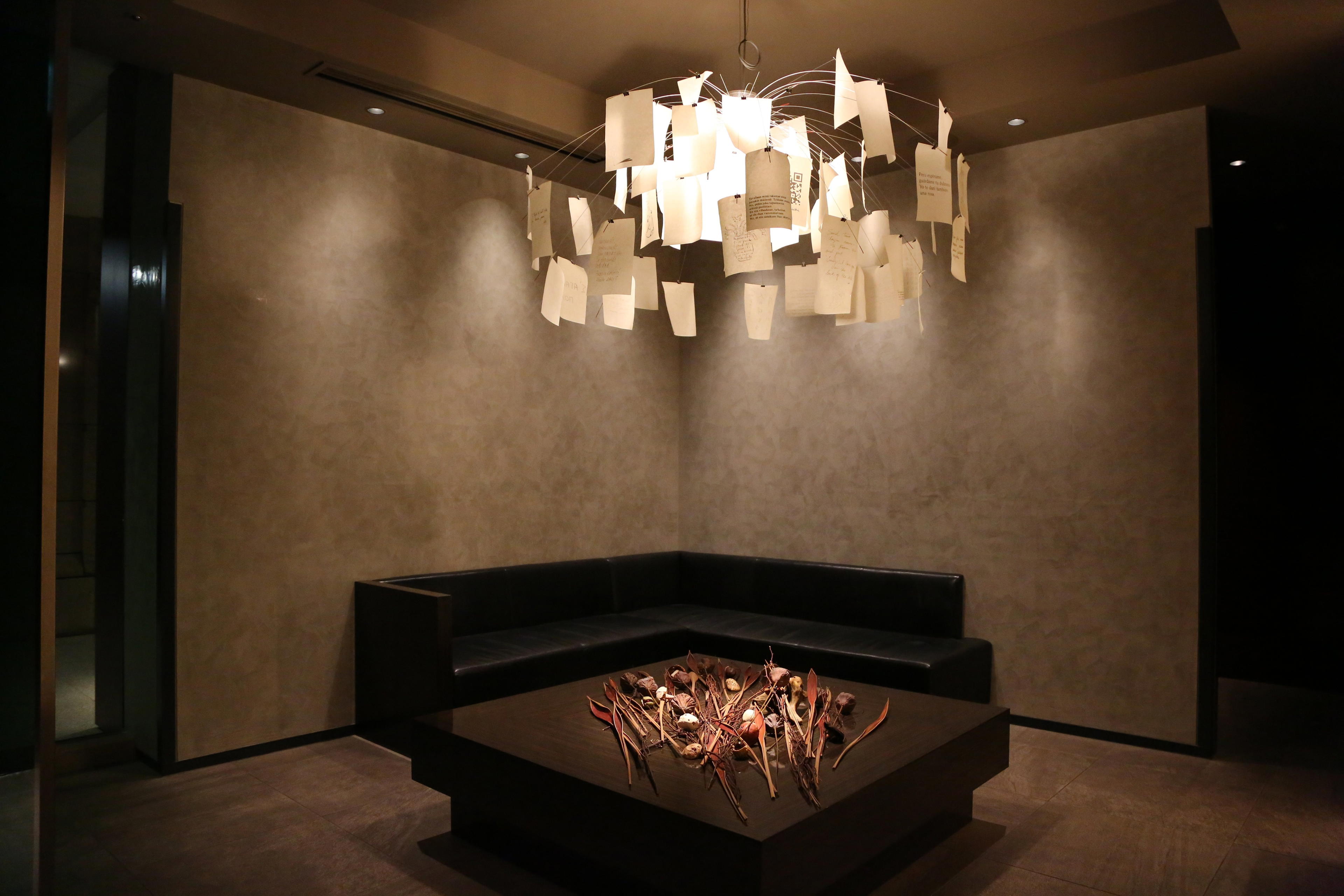
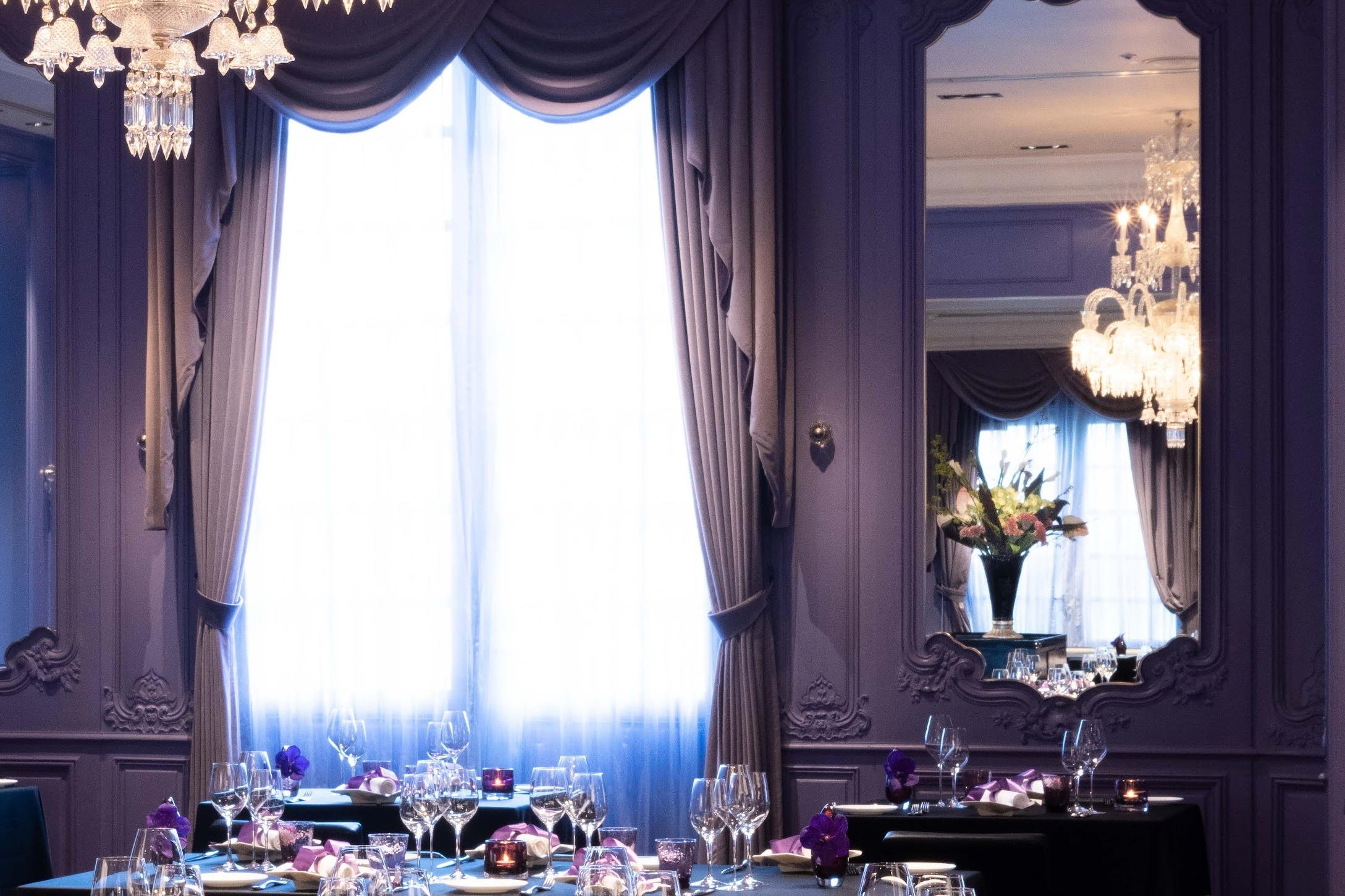
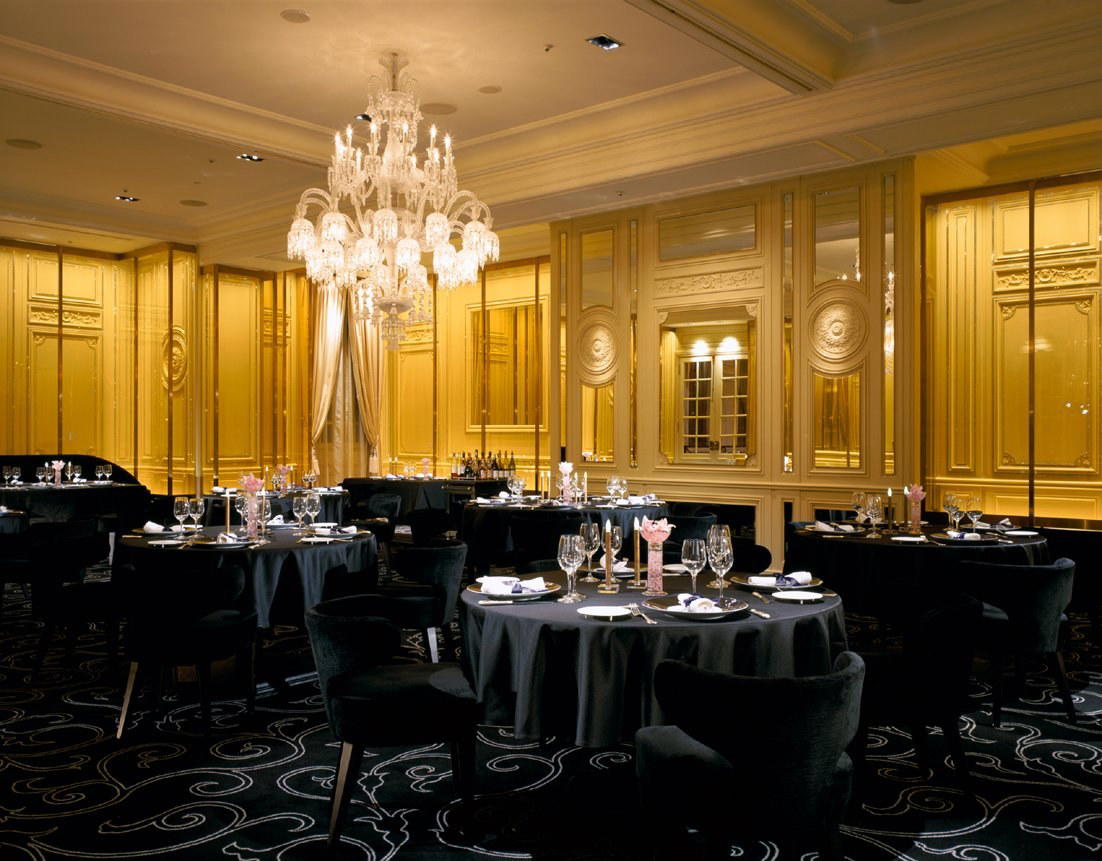
Bars in Tokyo
All bars in Tokyo →


Details
- Cozy
- Solo
- Family
- Casual Hangout
- A La Carte
Current opening hours
- Monday
- Closed
- Tuesday
- 11 AM–2 PM
- Wednesday
- 11 AM–2 PM
- Thursday
- 11 AM–2 PM
- Friday
- 11 AM–2 PM
- Saturday
- 11 AM–2 PM, 5–8 PM
- Sunday
- Closed
Hours can change for holidays and private events. Hours as of .
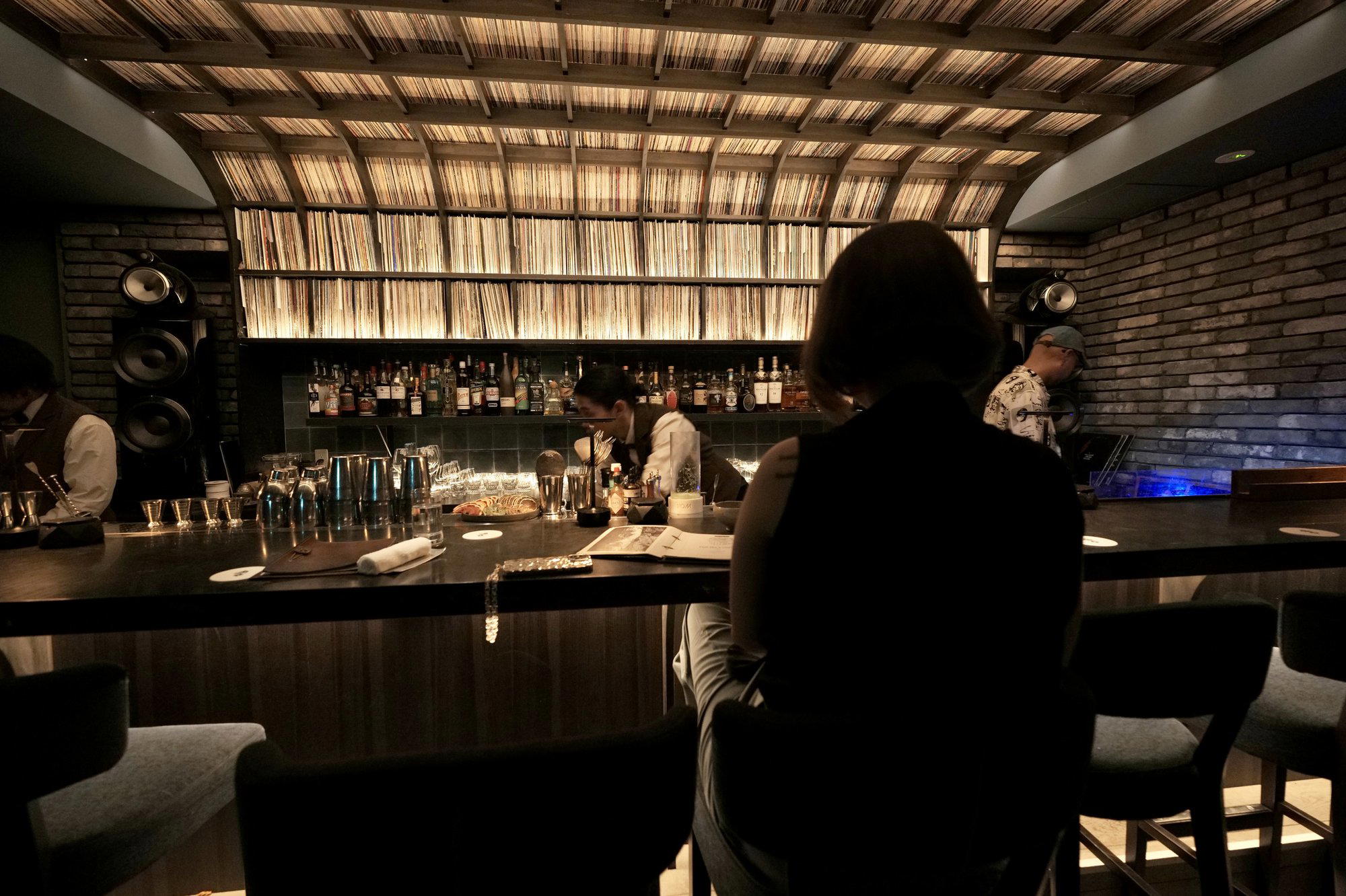
Cozy counter-only seating with a focused, welcoming atmosphere for solo diners.