Malpica occupies a corner of Malasaña's lower edge, where Madrid's dining scene runs closer to neighbourhood instinct than tasting-menu ambition. The address on Corredera Baja de San Pablo places it inside one of the capital's most contested dining corridors, where format and setting matter as much as what arrives on the plate. For visitors planning a Madrid restaurant itinerary, it sits in a different register than the city's Michelin-recognised flagships.
Pearl is the En Primeur Club membership app — saves, bookings, and concierge access live there. Same editors, same standards.
- Address
- Corre. Baja de San Pablo, 4, Centro, 28004 Madrid, Spain
- Phone
- +34911281761
- Website
- malpicabar.com
- Directions
- Get directions
 Saves & bookings on Pearl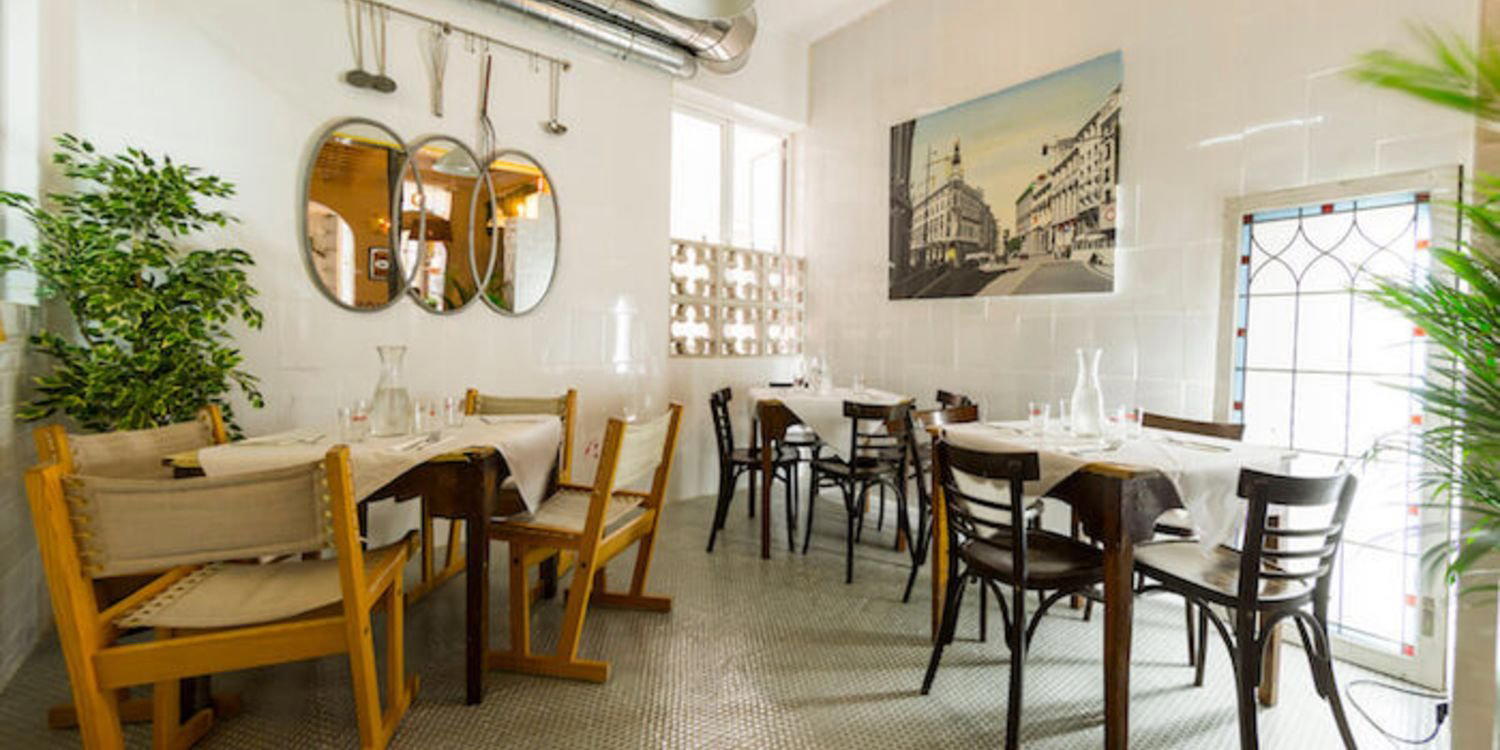
Reading the Room on Corredera Baja de San Pablo
Malpica is a Spanish tapas bar in Madrid, priced around $20 per person. The stretch running from Malasaña down toward the Chueca boundary operates as a working neighbourhood circuit rather than a destination-dining corridor. Corredera Baja de San Pablo, where Malpica is addressed, sits at the lower edge of that circuit. The street is narrow, busy with foot traffic from the market at one end and the bar cluster at the other, and the buildings carry the slightly worn character that marks the difference between a neighbourhood that has been discovered and one that has been absorbed. Restaurants here compete on reliability and local loyalty rather than on the kind of credentials that draw international reservation lists.
That context matters when placing Malpica in any planning framework. Madrid's highest-profile tables, such as DiverXO and Coque, require months of advance planning and operate at price points that make them occasion dining by definition. Deessa, DSTAgE, and Paco Roncero occupy a similar tier of creative cooking and institutional recognition. Malpica does not sit in that cohort. It sits in the stratum beneath it, where the city does much of its actual daily eating, and where the planning logic is different.
The Booking Question: What the Address Tells You
For a venue on a street as trafficked as Corredera Baja de San Pablo, the practical question is access. For a venue on a street as trafficked as Corredera Baja de San Pablo, the absence of those signals in the public record suggests one of two conditions: either the operation runs on walk-in volume, drawing from the density of local foot traffic,
Both conditions are common in this part of the city. Malasaña has enough daily residential population and enough passing trade from the Gran Vía corridor to sustain restaurants that never needed to formalise their booking infrastructure. In practical terms, that means the planning calculus for Malpica is different from what applies at the Michelin-decorated tables elsewhere in Madrid. A visitor building a Madrid itinerary around guaranteed access should factor that uncertainty in. Walk-in access on weekday lunches in this neighbourhood is typically more reliable than weekend evenings, when local demand concentrates.
For comparison, the booking architecture at Spain's most decorated addresses is considerably more structured. El Celler de Can Roca in Girona and Martin Berasategui in Lasarte-Oria both operate with advance reservation windows measured in months. Mugaritz in Errenteria and Arzak in San Sebastián sit in the same planning tier. The neighbourhood restaurants in Madrid operate by a different set of rules.
Madrid's Middle Register and What It Delivers
Spain's restaurant culture has always maintained a serious middle tier, the kind of dining that operates below the tasting-menu format but well above casual. The Spanish tradition of the midday menu, the emphasis on product sourcing over technique display, and the structural importance of the lunch service all support a category of restaurant that receives far less international coverage than the country's starred addresses but represents the texture of how Spanish cities actually eat.
That middle tier in Madrid is currently under genuine competitive pressure. The capital's appetite for creative dining has pushed investment toward the format-led end of the market, producing a cluster of destinations (Aponiente, Quique Dacosta, Azurmendi, Cocina Hermanos Torres, Atrio in Cáceres, Ricard Camarena in València) that compete on an international reference frame. The neighbourhood restaurants absorb local demand rather than international destination traffic, and they serve a function no tasting-menu room can replicate.
Corredera Baja de San Pablo is part of that fabric. The street's mix of bars, traditional taverns, and smaller restaurants gives Malpica a comparable set that is defined by neighbourhood relevance rather than award recognition. Whether that matters to a reader depends entirely on what that reader is building toward: an itinerary constructed around Spain's most credentialed addresses, or one that includes at least one meal that reads as genuinely local.
Planning Your Visit
For visitors building a Madrid restaurant plan, the sequencing question is worth addressing directly. The decorated tables (see our full Madrid restaurants guide) require advance planning; those bookings anchor the itinerary. Malpica functions as a flexible option rather than an anchor. It is the kind of place you identify, locate, and approach on the day rather than lock in at the planning stage.
The neighbourhood around Corredera Baja de San Pablo is walkable from the major hotel concentrations in Gran Vía and Chueca, and the street itself is direct to navigate on foot. Surrounding streets offer enough dining and bar alternatives to make the area worth an evening regardless of which specific room you land in.
Reservations are recommended. Address: Corre. Baja de San Pablo, 4, Centro, 28004 Madrid, Spain. Budget: about $20 per person. Getting there: Tribunal (Metro Lines 1 and 10) is the closest station, approximately three minutes on foot.
Cuisine and Recognition
Comparable venues nearby, for context on price, style, and recognition.
| Venue | Cuisine | Price | Notes |
|---|---|---|---|
| MalpicaThis venue — the venue you are viewing | Spanish Tapas Bar | $$ | Not listed |
| El Patio de Atocha | Modern Spanish Fusion | $$ | Barrio de las Letras |
| Taberna Origen | Modern Spanish Tapas | $$ | Arguelles |
| Portomarín | Galician Spanish | $$ | Lavapies |
| ROSA & ESPIGAS | Modern Spanish Vanguardista | $$ | Goya |
| PETIT COMITÉ Azca | Spanish Tapas with French Touch | $$ | Cuatro Caminos |
Continue exploring
More in Madrid
Restaurants in Madrid
Browse all →
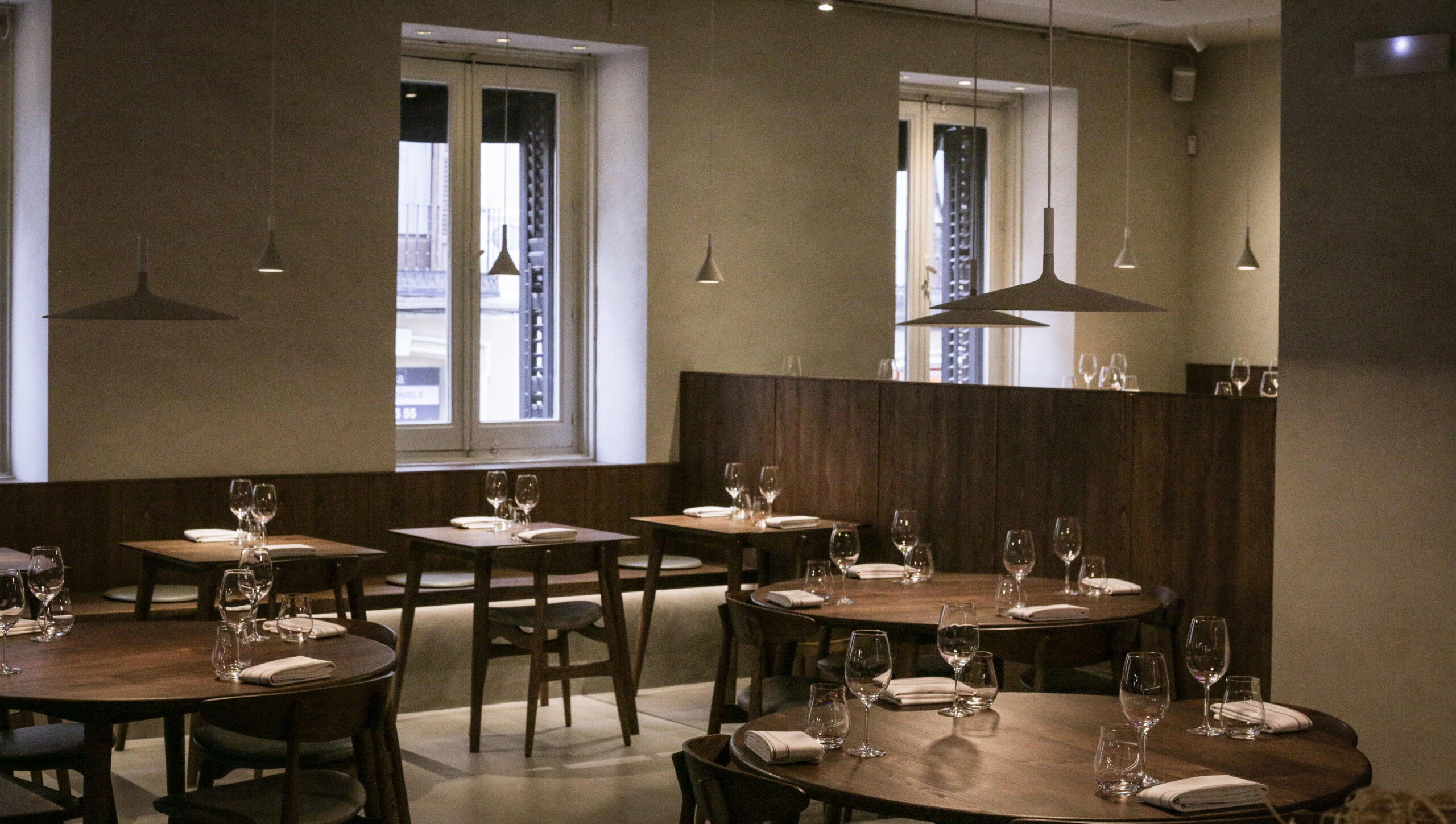
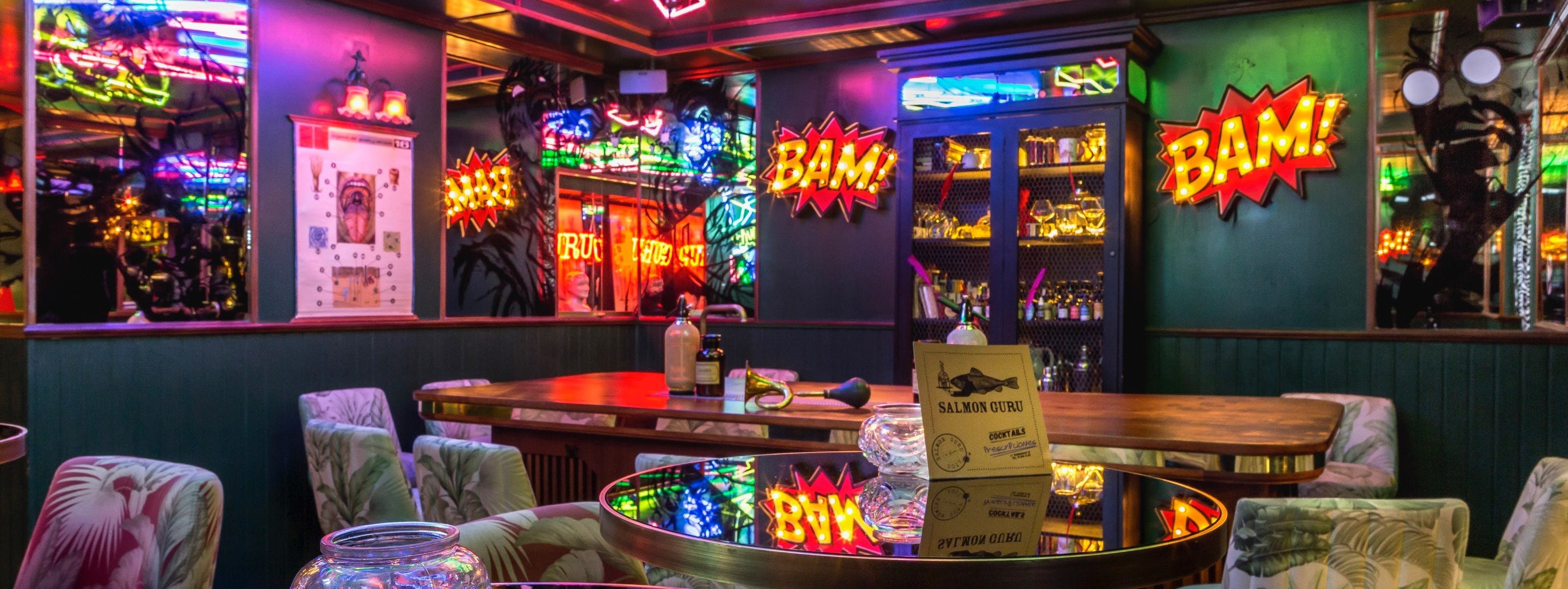
Bars in Madrid
Browse all →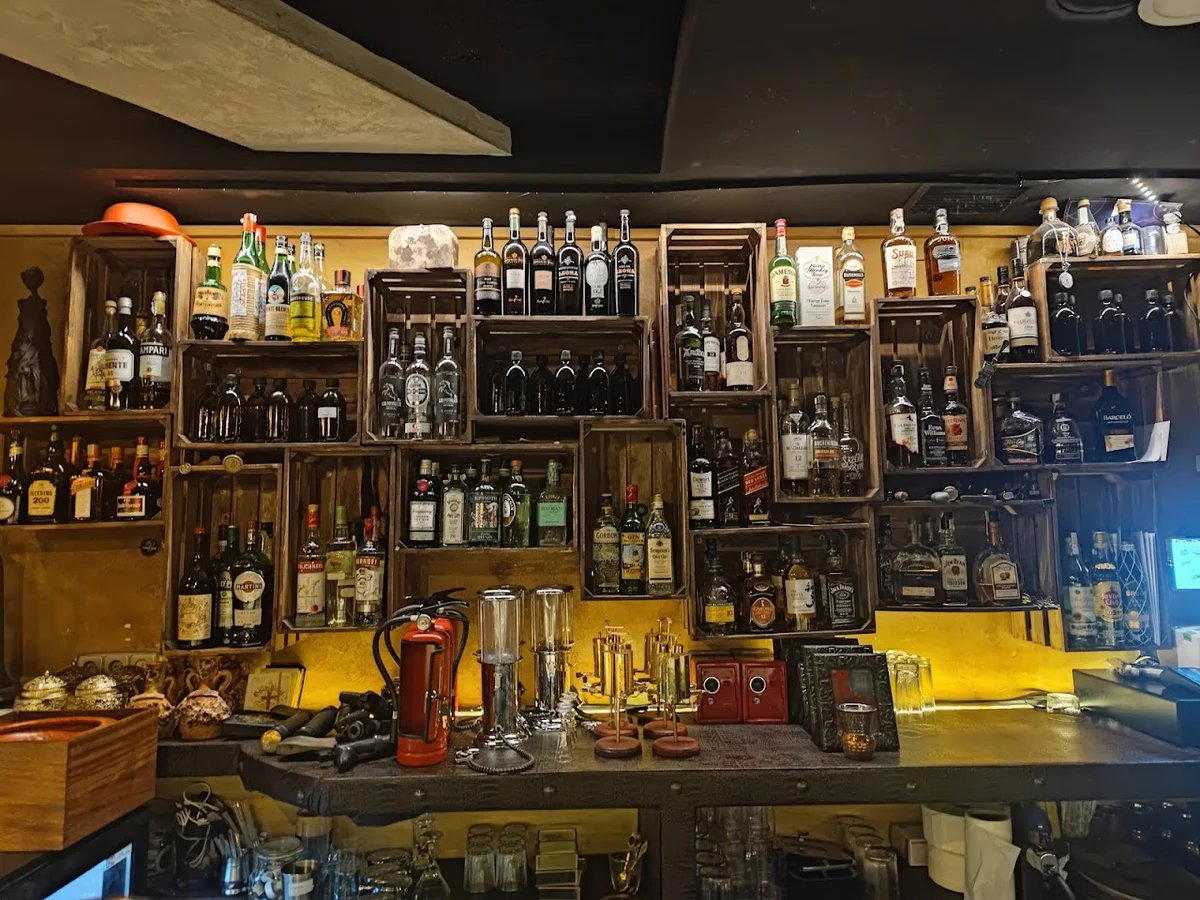
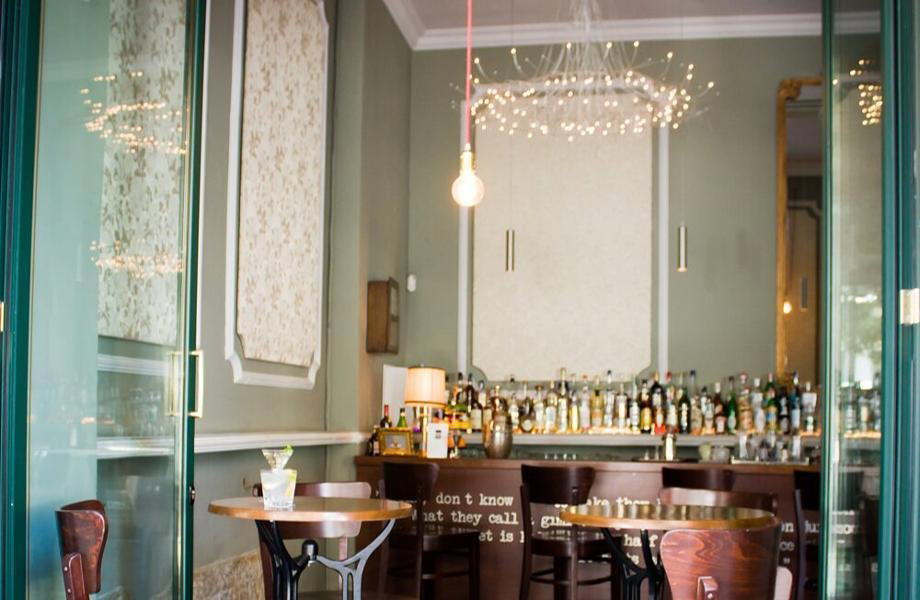
Hotels in Madrid
Browse all →

At a Glance
- Cozy
- Trendy
- Casual Hangout
- Date Night
- Brunch
- Open Kitchen
Current opening hours
- Monday
- 12 PM–2 AM
- Tuesday
- 12 PM–2 AM
- Wednesday
- 12 PM–2 AM
- Thursday
- 12 PM–2 AM
- Friday
- 12 PM–2 AM
- Saturday
- 12 PM–2 AM
- Sunday
- 12 PM–2 AM
Hours can change for holidays and private events. Last verified .
Quirky and pretty interior with a pleasant, lively atmosphere ideal for people-watching.