Mugaritz








2 Michelin Stars · World's 50 Best #87 · La Liste Top Restaurants
Our verdict
Mugaritz sits in Errenteria’s Basque dining orbit as a research-led restaurant shaped by Andoni Luis Aduriz’s long move from regional craft into conceptual cuisine. Its recognition, including Michelin two-star status in 2025, Guía Repsol 3 Soles in 2026, and a long history on The World’s 50 Best Restaurants list, signals a table built for diners who want provocation rather than comfort.

Pearl is the En Primeur Club membership app, where members save venues, book tables and use the concierge.
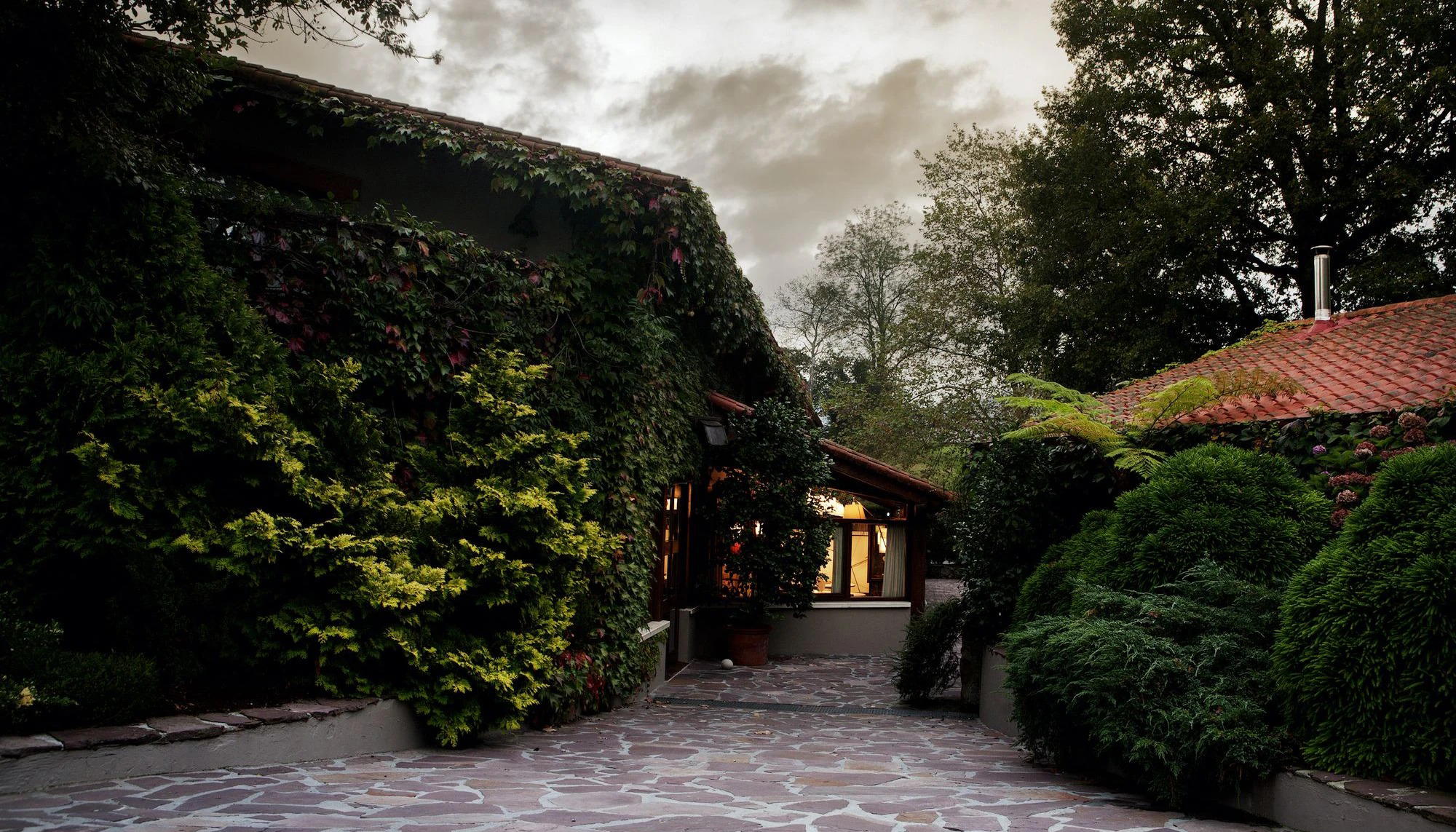
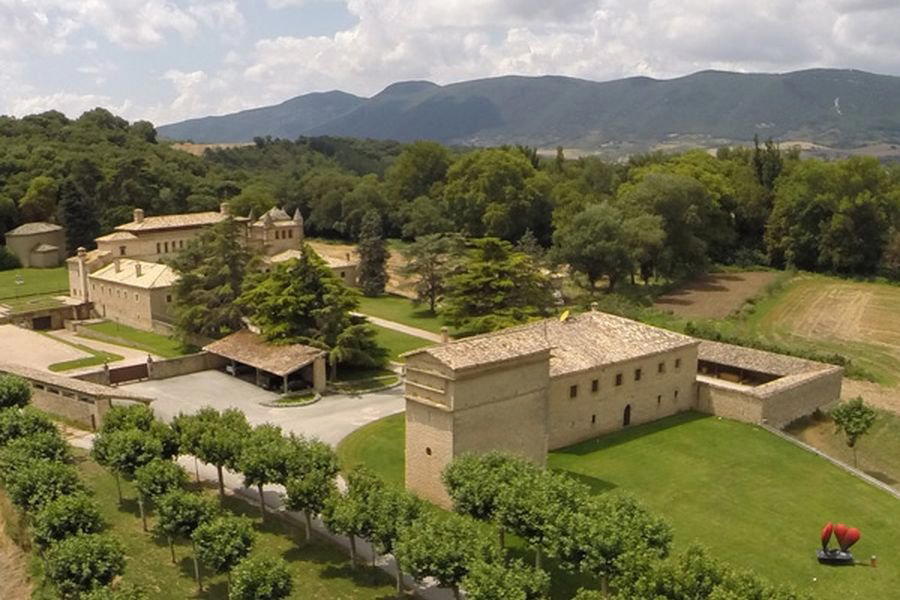
The approach to Mugaritz is not the usual urban fine-dining prelude. Errenteria sits close to San Sebastián, but the setting pulls the meal away from the familiar rhythm of a city restaurant evening and into a quieter Basque register, changing expectations before the first course. This is not a restaurant built around luxury shorthand; it is built around interruption, doubt, and refusing to let dinner settle too easily into familiar sequence.
Basque cooking has long carried two reputations: disciplined product culture and restless invention. The first belongs to grills, markets, cider houses, and coastal fish cookery; the second to the region’s role in modern Spanish restaurant culture. Mugaritz occupies the latter line, not as decorative experiment attached to a conventional meal. Its format has often been discussed as non-classical in spirit, with the experience framed as much by language, pacing, and response as by the dishes themselves. The point is not theatrical excess; it is asking diners to surrender the assumption that technique must announce itself through polish alone.
A Basque avant-garde table built around uncertainty
In Spain, progressive dining is often flattened into one category, but the sharper distinction is between restaurants that use invention to refine pleasure and those that use it to test the contract between guest and kitchen. Mugaritz belongs to the second group. Even the name suggests a fascination with edges and thresholds, which fits its long interest in borders: between taste and idea, comfort and discomfort, food and performance.
The external signals around Mugaritz are substantial enough that it does not need to be treated as a discovery. Its reputation rests on sustained critical attention and on the way the restaurant has remained part of the international conversation around ambitious dining. This is not a new address riding a short trend cycle; it is a durable reference point whose influence has outlived the first global fascination with Spanish culinary modernism.
That endurance helps explain why the restaurant can be polarising. A meal here is not structured to reassure with a predictable climb from snacks to seafood to meat to dessert. The format may ask for patience with ambiguity, and the pleasure can sit as much in interpretation as in immediate comfort. For some diners, that is the appeal; for others, it can feel like provocation over ease. Choose it when the evening’s purpose is to be challenged by contemporary dining, not when the brief is a soft landing in Basque tradition.
Mugaritz and the long afterlife of Spanish culinary modernism
Mugaritz gives contemporary Spanish dining one of its clearest intellectual reference points, though the better story is not biography as folklore. The restaurant connects key strands of modern Basque and Spanish cooking: regional seriousness, technical curiosity, and the laboratory logic that changed European fine dining around the turn of the century. It became one of the clearest examples of what happened after the avant-garde moved beyond foams, gels, and surprise as surface effects.
The restaurant’s identity is tied to research as much as service. In a conventional restaurant economy, time away from the dining room reads as absence; here, development and reflection are part of the proposition. That wider frame places the cooking inside a conversation about perception, language, and how guests assign meaning to what they eat, rather than treating creativity as a matter of novelty alone.
There is a risk in this mode: conceptual cuisine can become didactic when the idea outruns the bite. Mugaritz has survived by making discomfort part of its vocabulary rather than pretending every course must deliver immediate gratification. Its significance is not shock, but the restaurant’s willingness to make appetite negotiate with thought.
How to place Errenteria on a serious Spain itinerary
Errenteria is not Madrid or Barcelona, and that is part of the calculus. A meal here fits a Basque itinerary built around depth rather than volume: San Sebastián for bars and coastal rhythm, inland Gipuzkoa for the experimental edge, and Errenteria for a table that treats the meal as structured argument. For wider planning, EP Club’s city guides cover Errenteria restaurants, Errenteria hotels, Errenteria bars, Errenteria wineries, and Errenteria experiences.
The broader Spanish dining map is more varied than its international shorthand suggests. Travellers building a route around contrast rather than checklist dining can read across Madrid, the Basque Country, Catalonia, the Balearics, the Canaries, and Valencia through a mix of tradition-led dining rooms, coastal restaurants, urban counters, and concept-heavy addresses with international critical weight. The point is not direct comparison with Mugaritz, but seeing how Spanish dining ranges from product-driven comfort to restaurants that treat the meal as an argument about what dining can be.
For readers extending beyond Spain, contrast helps. Other dining cultures may frame precision, informality, or hospitality in different ways. Read against that, Mugaritz feels even more specific: a Basque restaurant in Errenteria that does not simply modernise regional cuisine, but keeps asking what a restaurant is allowed to be.
Frequently asked questions
Is Mugaritz okay with children?
Mugaritz is built around a long, highly considered dining format in Errenteria. That makes it a better fit for adults and older teenagers than for small children.
What's the vibe at Mugaritz?
The mood is cerebral and experimental rather than conventionally formal. The meal is structured, questioning, and carefully choreographed, with ambiguity treated as part of the experience.
What type of food is Mugaritz known for?
Mugaritz is known for a highly conceptual contemporary dining experience rather than a simple cuisine label.
What does dinner at Mugaritz typically cost?
Check directly with Mugaritz for current pricing, as menus and rates can change.
What are the opening hours for Mugaritz?
Check directly with Mugaritz for current opening hours before planning a visit.
How do I find Mugaritz?
Mugaritz is located in Errenteria.
Comparison Snapshot
Comparable venues nearby, for context on price, style, and recognition.
| Venue | Cuisine | Price | Awards | Notes |
|---|---|---|---|---|
| MugaritzThis venue (the venue you are viewing) | Avant-Garde Basque Fine Dining | $300–500 | 2 Michelin Stars · World's 50 Best #87 | Not listed |
| Martin Berasategui | Modern Basque Fine Dining | $200–300 | 3 Michelin Stars · World's 50 Best #35 | Lasarte-Oria |
| Arzak | Contemporary Basque Fine Dining | $300–500 | 3 Michelin Stars · World's 50 Best #31 | Alto de Miracruz |
| Asador Etxebarri | Basque Wood-Fired Grill | $300–500 | 1 Michelin Star · World's 50 Best #2 | Axpe Achondo |
| Quique Dacosta | Avant-Garde Spanish Fine Dining | $300–500 | 3 Michelin Stars · World's 50 Best #65 | El Poblet |
Recognition history
Dated appearances from independent guides and award organizations, with the underlying list record or original source where available.
Michelin 2 Stars
Michelin
World's 50 Best Restaurants #87
World's 50 Best
La Liste Top Restaurants
La Liste
Star Wine List
Star Wine List
Guía Repsol 3 Soles
Guía Repsol
Full recognition history (32 entries)
Macarfi 8.4 Food Rating
Macarfi
Opinionated About Dining Top Restaurants in Europe Ranked #109
Opinionated About Dining
La Liste Top Restaurants
La Liste
Michelin 2 Stars
Michelin
Opinionated About Dining Top Restaurants in Europe Ranked #148
Opinionated About Dining
The Best Chef Three Knives
The Best Chef
Michelin 2 Stars
Michelin
Opinionated About Dining Top Restaurants in Europe Ranked #108
Opinionated About Dining
World's 50 Best Restaurants #81
World's 50 Best
Opinionated About Dining Top New Restaurants in Europe Ranked #76
Opinionated About Dining
World's 50 Best Restaurants #31
World's 50 Best
World's 50 Best Restaurants #21
World's 50 Best
World's 50 Best Restaurants #14
World's 50 Best
World's 50 Best Restaurants #7
World's 50 Best
World's 50 Best Restaurants #9
World's 50 Best
World's 50 Best Restaurants #9
World's 50 Best
World's 50 Best Restaurants #7
World's 50 Best
World's 50 Best Restaurants #6
World's 50 Best
World's 50 Best Restaurants #6
World's 50 Best
World's 50 Best Restaurants #4
World's 50 Best
World's 50 Best Restaurants #3
World's 50 Best
World's 50 Best Restaurants #3
World's 50 Best
World's 50 Best Restaurants #5
World's 50 Best
World's 50 Best Restaurants #4
World's 50 Best
World's 50 Best Restaurants #4
World's 50 Best
World's 50 Best Restaurants #7
World's 50 Best
World's 50 Best Restaurants #10
World's 50 Best
Continue exploring
More in Errenteria
Restaurants in Errenteria
All restaurants in Errenteria →
Bars in Errenteria
All bars in Errenteria →
Hotels in Errenteria
Browse all →
Wineries in Errenteria
Browse all →
Details
- Sophisticated
- Whimsical
- Elegant
- Intimate
- Special Occasion
- Open Kitchen
- Garden
- Extensive Wine List
- Local Sourcing
- Garden
- Tasting Menu
- Vegetarian Friendly
Elegant and serene setting with polished dish presentations, though service can feel detached.