

Falstaff Bar - 96 Falstaff Points · Top 500 Bars Best Bars #349
Ranked #349 in the Top 500 Bars for 2025, Bad Company 1920 occupies a specific position in Madrid's cocktail hierarchy: a bar where the 1920s frame is more than aesthetic. Located on Calle de Miguel Moya in Centro, it sits within a city scene that has matured well beyond novelty-driven concepts, competing on craft and consistency rather than spectacle.

Pearl is the En Primeur Club membership app, where members save venues, book tables and use the concierge.
Centro's Craft Cocktail Tier, Placed
Madrid's cocktail scene has moved through several phases in the past decade. The early wave of speakeasy theatrics gave way to a more technically grounded generation of bars, where programme depth and bartender training became the primary differentiators. Bad Company 1920, on Calle de Miguel Moya in the Centro district, belongs to that more demanding cohort. Its 2025 ranking at #349 in the Top 500 Bars list places it inside a global peer group where consistency and craft vocabulary carry more weight than concept novelty. The 1920s reference in the name is not mere decoration; it signals a deliberate positioning within a lineage of pre-Prohibition hospitality, an era when the bartender was a tradesperson with a defined skill set, not a performer.
Centro is a logical address for this kind of bar. The district draws a mix of office professionals, hotel guests, and the Madrid locals who treat Calle de Miguel Moya and its surrounding blocks as a reliable after-work circuit. That audience tends to value competence over theatre, which aligns with what a bar anchored in early 20th-century traditions is set up to deliver.
The Bartender as Craftsperson
The 1920s framing matters here because it invokes a specific hospitality model: the bar as a place of professional rigour, where the person behind the counter is trained in balance, technique, and guest management rather than trending ingredients. Across the global bar scene, this approach has gained significant traction as a counter-position to the high-concept menus that dominated the 2010s. The Top 500 Bars ranking, which Bad Company 1920 entered in 2025, skews toward programmes that demonstrate this kind of durability. A placement at #349 in a list of that scope suggests the bar has made a legible argument about its quality to a panel that evaluates across a competitive international field.
The classic-cocktail orientation implied by the 1920s identity means the craft signals here are likely to centre on proportion, spirit selection, and the calibration of acidity and dilution rather than molecular technique. That discipline is harder to sustain than it looks. The classics are benchmarked against a century of accumulated institutional knowledge, which makes execution in that register a more demanding test than inventing a signature drink with novel ingredients. Bars that succeed in this frame earn their recognition through repeatability rather than one-time impact.
Within Madrid's current bar tier, that kind of programme sits in a specific competitive bracket. Angelita operates a wine-forward model that places it in a different category; Salmon Guru runs a higher-energy, signature-cocktail format. 1862 Dry Bar and 11 Nudos Madrid each occupy their own corners of the city's craft spectrum. Bad Company 1920's 1920s identity carves a distinct lane: period-informed technique with a focus on the bartender-guest relationship as the primary product.
How the 1920s Frame Translates to the Room
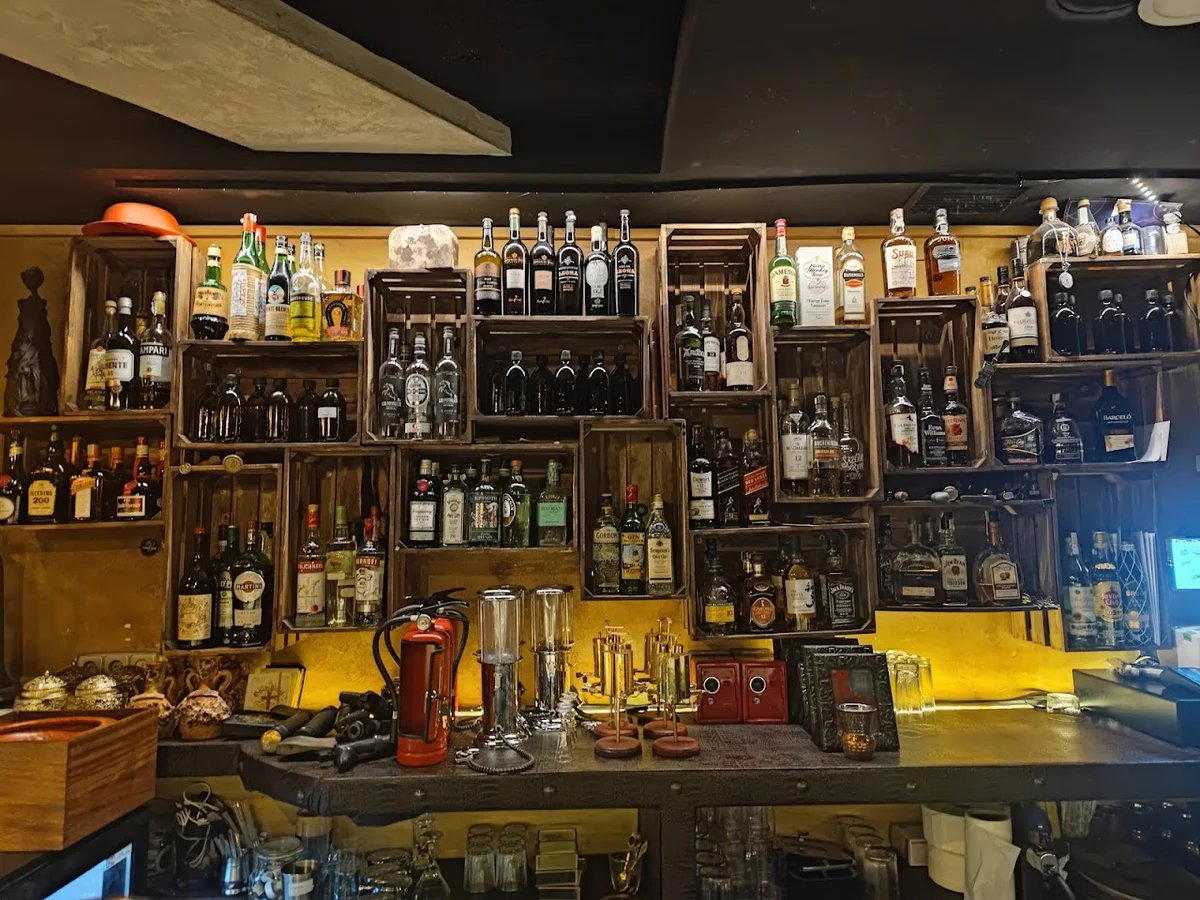
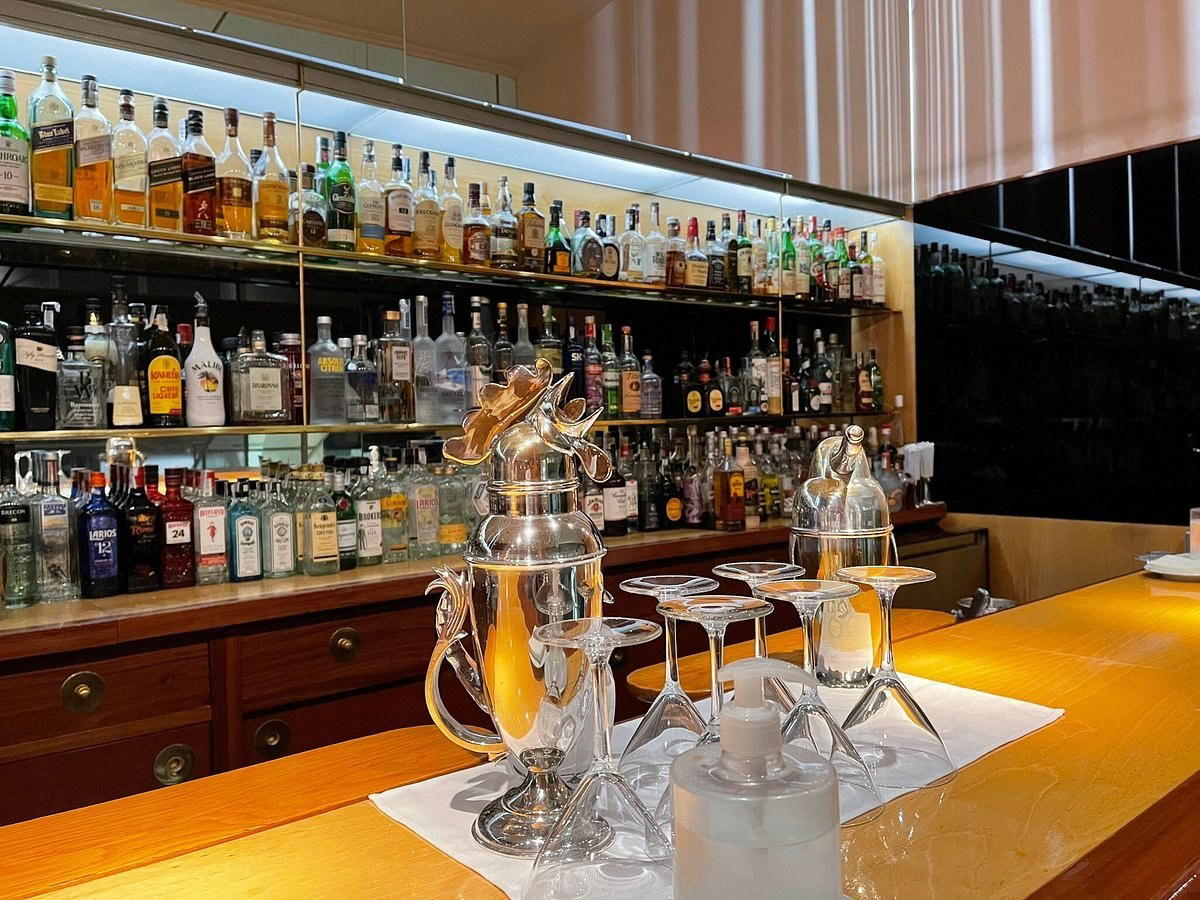
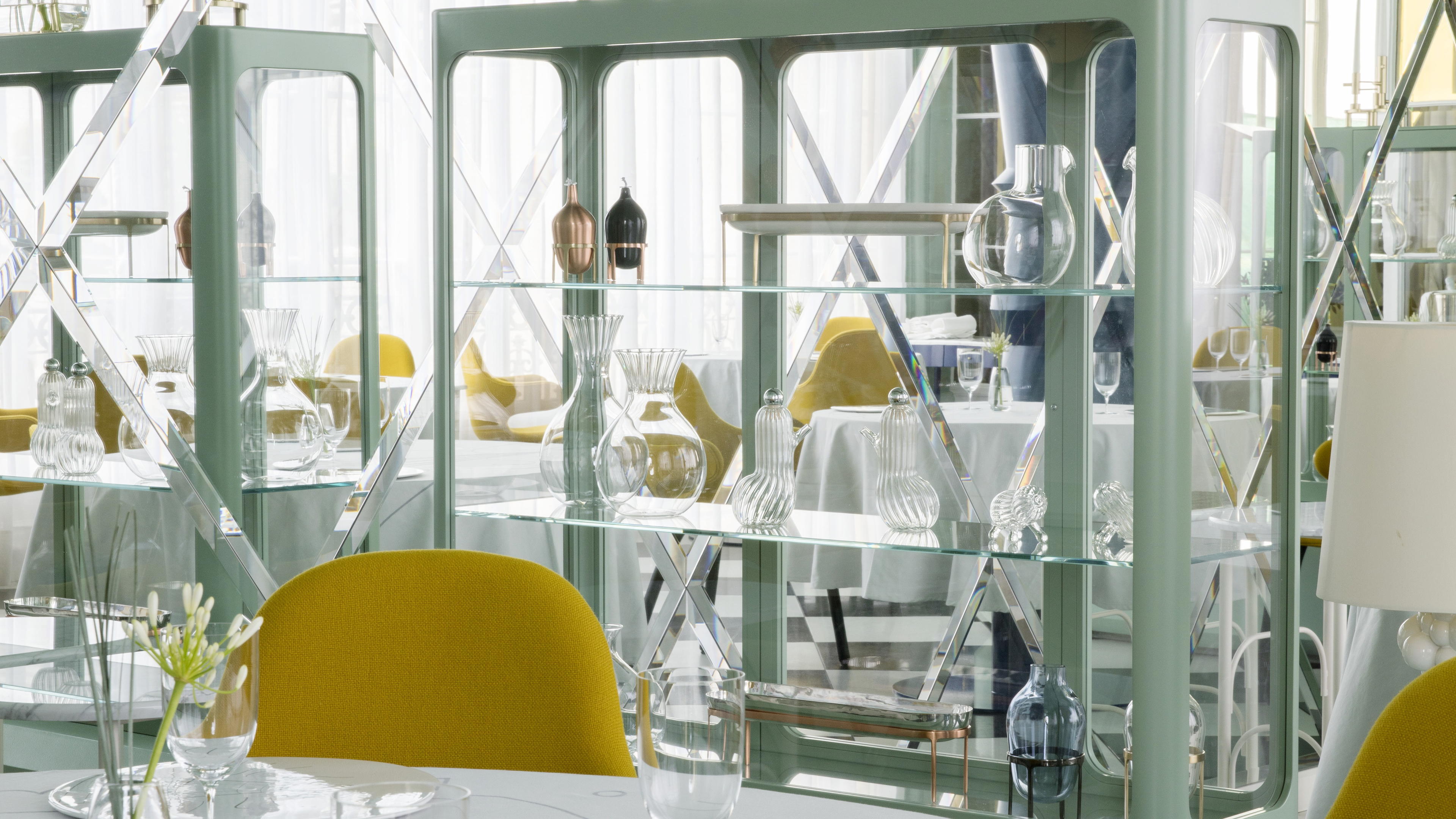
Bars that draw on early 20th-century aesthetics tend to make specific spatial choices: dark wood, low lighting, leather or upholstered seating, glassware that references the coupe and nick-and-nora tradition. The address on Calle de Miguel Moya, a commercial street running through one of the denser parts of Centro, suggests a room that creates contrast with its surroundings rather than blending into a neighbourhood that is already atmospheric by default. In that sense, the interior is likely to feel deliberate rather than ambient, a space designed to signal an era and a mode of hospitality as soon as you cross the threshold.
That spatial commitment matters because it sets expectations before a drink is ordered. The period framing tells the guest what kind of hospitality encounter they are signing up for: measured pacing, professional engagement, and a menu structured around things that were already proven by the time prohibition arrived in the United States. For guests who prefer that register over trend-driven programming, it is an efficient signal.
Where Bad Company 1920 Sits in the Wider Spanish Bar Scene
Spain's cocktail programme has developed significant depth beyond Madrid. Boadas in Barcelona is one of the oldest cocktail institutions on the peninsula, operating since 1933 and representing the original generation of Spanish bar craft. Bar Sal Gorda in Seville and Bar Gallardo in Granada reflect the Andalusian approach to bar culture, which tends to integrate food and social ritual more tightly than the pure cocktail format. Island venues like Garito Cafe in Palma de Mallorca, La Margarete in Ciutadella, and Garden Bar in Calvia operate in leisure-market contexts that shape their programmes differently.
Bad Company 1920's ranking in the Top 500 Bars positions it as part of the capital's argument that Madrid, alongside Barcelona, anchors the country's most technically developed cocktail output. A #349 global placement is a meaningful data point in that argument. For context, the Top 500 Bars list draws from hundreds of cities across dozens of countries; a position anywhere on that list indicates a bar has cleared a competitive threshold that most bars globally do not reach. If the bar's ranking rises in subsequent editions, that trajectory would confirm whether the 2025 placement reflects an established programme or a single strong year.
For international reference, Bar Leather Apron in Honolulu offers an interesting parallel: a bar in a non-obvious cocktail city that built a global profile through bartender-focused, craft-rigorous programming. The geography differs, but the strategic logic shares common ground with what Bad Company 1920's 1920s framing implies.
Planning a Visit
Bad Company 1920 is located at Calle de Miguel Moya 8, within the Centro district of Madrid, postcode 28004. The area is walkable from Gran Vía and served by several metro lines, making it direct to reach from most parts of the city. For visitors building a wider Madrid bar itinerary, our full Madrid restaurants and bars guide maps the broader scene across neighbourhoods and price points.
At a Glance
Comparable venues nearby, for context on price, style, and recognition.
| Venue | Cuisine | Price | Awards | Notes |
|---|---|---|---|---|
| Bad Company 1920This venue (the venue you are viewing) | Malasana, speakeasy | $10–20 | Falstaff Bar - 96 Falstaff Points · Top 500 Bars Best Bars #349 | Not listed |
| Devil's Cut | Not listed | $30–50 | Top 500 Bars Best Bars #34 | Barrio de las Letras, cocktail_bar |
| Del Diego | Not listed | $20–30 | Top 500 Bars Best Bars #384 · Falstaff Bar - 93 Falstaff Points | Chueca, cocktail_bar |
| Ficus Bar | Not listed | $10–20 | Not listed | Justicia, cocktail_bar |
| Pinkleton & Wine | Not listed | $10–20 | Star Wine List | Palacio, wine_bar |
| Gran Vía | Not listed | $20–30 | Not listed | Chueca, cocktail_bar |
Recognition history
Dated appearances from independent guides and award organizations, with the underlying list record or original source where available.
Falstaff Bar - 96 Falstaff Points
Falstaff
Top 500 Bars Best Bars #349
Top 500 Bars
Continue exploring
More in Madrid
Bars in Madrid
All bars in Madrid →
Restaurants in Madrid
All restaurants in Madrid →

Bad Company 1920
The drinks
- Craft cocktails
Signature drinks: Ceviche, Milkshake, American Pie.
Details
- Classic
- Intimate
- Trendy
- Cozy
- Date Night
- Special Occasion
- Speakeasy
- Seated Bar
- Lounge Seating
- Craft Cocktails
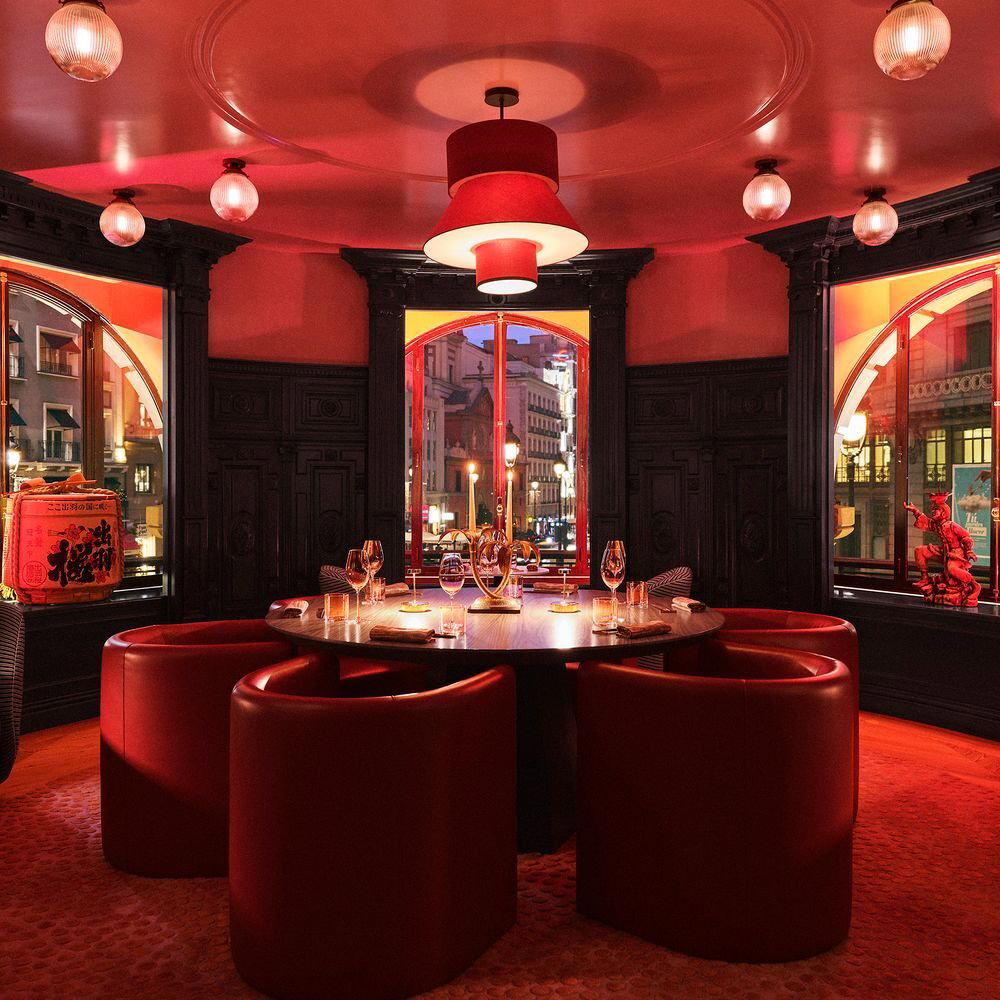
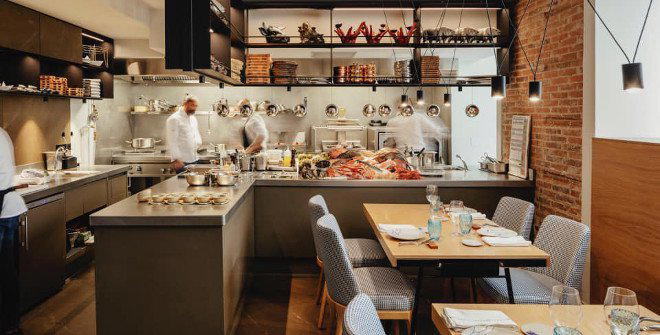
Dark, cozy basement with 1920s decor, lively yet intimate atmosphere well-suited for chatting, complemented by thematic music and role-playing staff.