Arzak







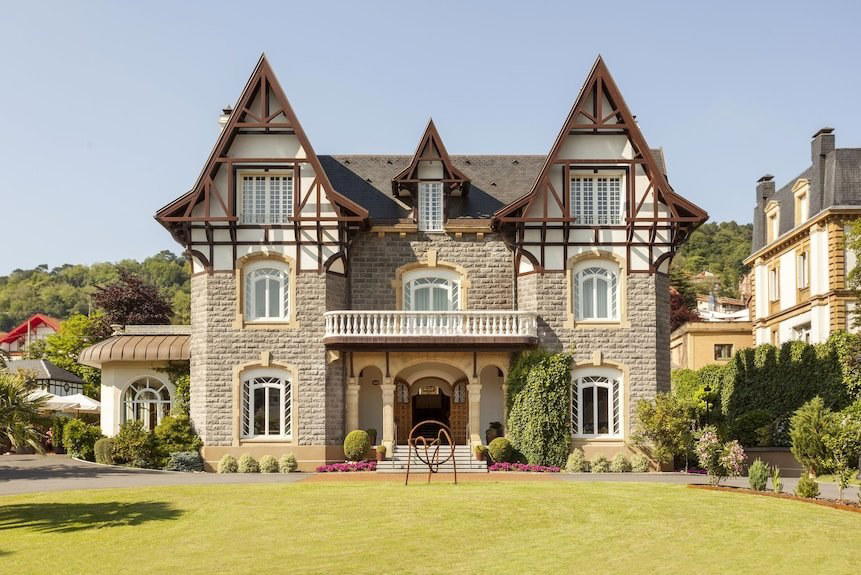
Arzak belongs to San Sebastián’s serious dining circuit: modern Basque cooking in a family mansion at Alto de Miracruz, led by Elena Arzak and backed by 2026 Guía Repsol 3 Soles and La Liste’s 99-point score. Its relevance is not nostalgia alone; it is how a city built on pintxos, sharing, and appetite for experimentation translates that social grammar into a formal tasting-menu room.
Pearl is the En Primeur Club membership app — saves, bookings, and concierge access live there. Same editors, same standards.
- Address
- Alcalde J. Elosegi Hiribidea, 273, 20015 Donostia / San Sebastián, Gipuzkoa, Spain
- Phone
- +34 943 27 84 65
- Website
- arzak.es
- Directions
- Get directions
 Saves & bookings on Pearl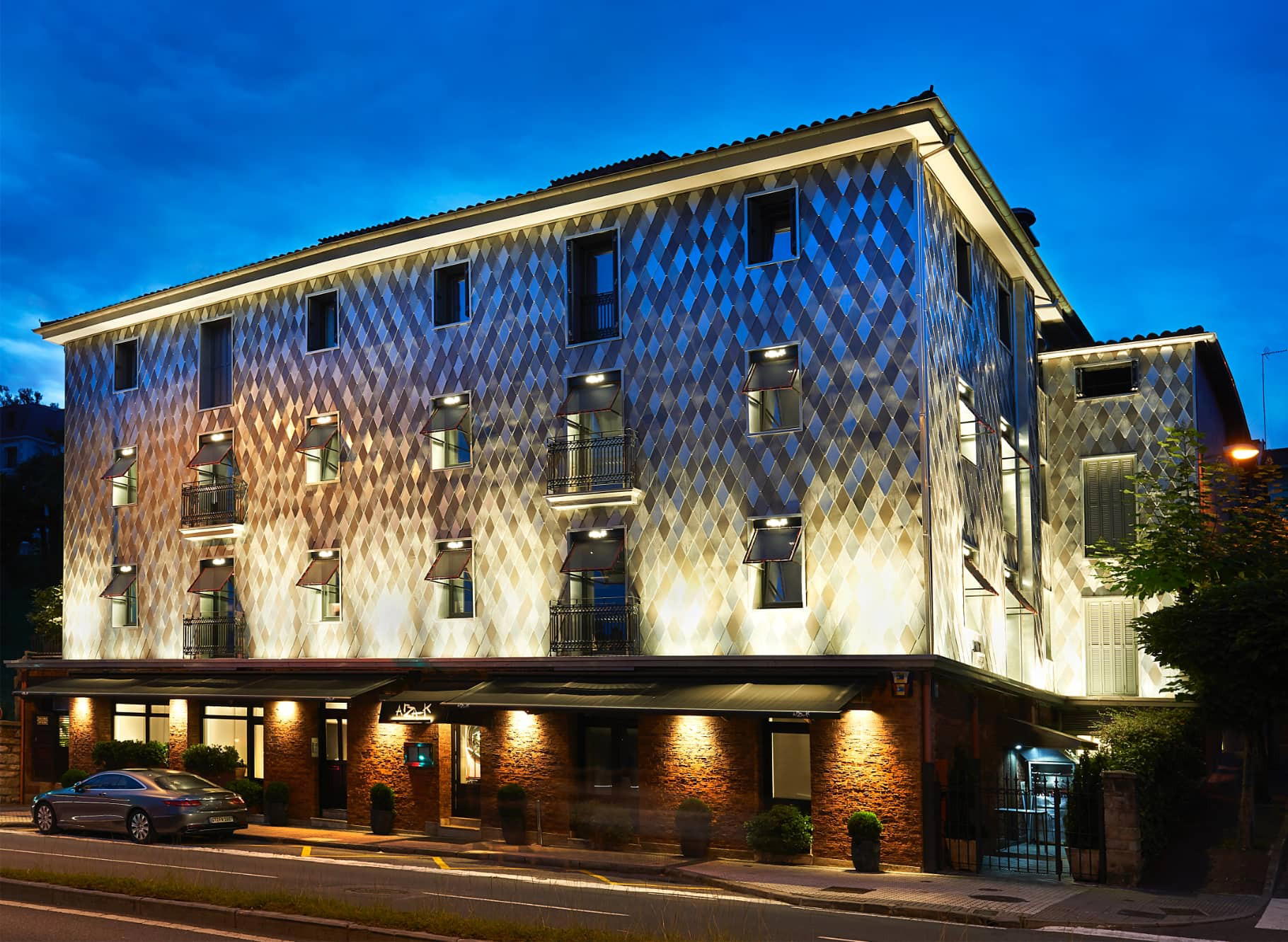
Approaching Arzak means leaving San Sebastián’s bar-to-bar rhythm for a more formal kind of Basque dining. Pintxos culture teaches diners to move, compare, share, and argue gently from counter to counter. A formal modern Basque restaurant sits in conversation with that tradition, even when the experience is more deliberate and structured than the city’s casual bar circuit.
San Sebastián has an unusual density of ambitious restaurants for its size. The local standard is not just technical cooking, but fluency in Basque food culture and a public fluent in both the pintxo counter and the formal dining room. In that field, Arzak sits among the city’s high-formality addresses rather than its casual bar circuit, with Elena Arzak at its center.
Modern Basque cooking after the pintxo counter
San Sebastián’s small-plates tradition is not just a format; it is an ordering philosophy. Pintxos reward comparison: one bite here, one glass there, then a sharper opinion at the next bar. Modern Basque fine dining can be read against that backdrop, where the question becomes how a restaurant can engage regional ideas while still making room for creativity.
Arzak is listed as Modern Basque and Creative, and that pairing is the point. The city has many ways to encounter Basque food, while the formal end of the spectrum asks for another skill: invention without severing the meal from the territory.
That is why Arzak matters as a San Sebastián reference point. Creative cooking in this city meets a demanding audience: diners often know the baseline version of a product or tradition before meeting a more abstracted form. The best modern Basque cooking has to carry memory, not merely technique.
Where Arzak fits in San Sebastián's formal dining tier
The broader formal and creative dining landscape is not monolithic. Akelarre and Akelaŕe represent the grand Basque fine-dining lineage from another angle, while Amelia by Paulo Airaudo, iBAi by Paulo Airaudo, and Kokotxa hold different positions in the creative and modern Basque field. Mugaritz adds another reference point for progressive dining. Against that group, Arzak reads as a formal modern Basque address with Elena Arzak at its center.
Its posted hours run Tuesday through Saturday for lunch and dinner, with Sunday and Monday closed. Those signals place it firmly in the structured, high-commitment part of a San Sebastián dining itinerary.
Elena Arzak’s role belongs in that context. Chef succession in European haute cuisine often becomes preservation or rupture; here the useful point for diners is simpler and more grounded: Arzak is a formal creative Basque restaurant led by Elena Arzak in a city that keeps producing ambitious dining rooms. The house must satisfy visitors with international expectations and locals who know the difference between Basque tradition used as decoration and Basque tradition used as structure.
How to read the experience before choosing the meal
The practical decision is less about chasing one famous plate than choosing whether Arzak fits the rhythm of your trip. In San Sebastián, where a day can move from pintxos to a formal lunch or dinner, pacing matters. Arzak’s verified hours cover lunch and dinner from Tuesday to Saturday, so it can work either as a midday anchor or as the main evening meal.
For travellers building a food itinerary, the sharper contrast is not fine dining versus casual eating, but formal creativity versus the city’s communal, mobile habits. Start with the full city map in our full San Sebastián restaurants guide, then decide how many structured meals the trip can sustain. San Sebastián rewards appetite management. A long lunch changes the evening; a late dinner changes the next morning’s plans.
Other planning links can frame the trip beyond one reservation: our full San Sebastián hotels guide, our full San Sebastián bars guide, our full San Sebastián wineries guide, and our full San Sebastián experiences guide make the wider itinerary easier to shape. For broader context, compare Arzak with other formal or creative dining rooms rather than treating every meal in the city as the same kind of experience.
Arzak is strongest as a study in translation. San Sebastián’s pintxo culture is quick, public, comparative, and social; this restaurant is formal and expensive. The connection is the Basque habit of treating food as conversation. That is the reason to place it on an itinerary: not for nostalgia, but for a clear view of how a city famous for counters and shared bites also sustains a durable language for creative dining.
Comparison Snapshot
Comparable venues by cuisine and price in the same metro.
| Venue | Cuisine | Price |
|---|---|---|
| ArzakThis venue — the venue you are viewing | Modern Basque, Creative | €€€€ |
| Amelia by Paulo Airaudo | Creative | €€€€ |
| iBAi by Paulo Airaudo | Basque | €€€€ |
| Kokotxa | Basque, Modern Cuisine | €€€€ |
| Mugaritz | Progressive, Innovative | €€€€ |
| Akelaŕe | Basque Fine Dining | €€€€ |
Recognition history
Dated appearances from independent guides and award organizations, with the underlying list record or original source where available.
Guía Repsol 3 Soles
Guía Repsol
La Liste Top Restaurants
La Liste
Macarfi 9.1 Food Rating
Macarfi
Michelin 3 Stars
Michelin
Opinionated About Dining Top Restaurants in Europe Ranked #102
Opinionated About Dining
Star Wine List
Star Wine List
La Liste Top Restaurants
La Liste
Michelin 3 Stars
Michelin
Opinionated About Dining Top Restaurants in Europe Ranked #125
Opinionated About Dining
The Best Chef Two Knives
The Best Chef
Michelin 3 Stars
Michelin
Opinionated About Dining Top Restaurants in Europe Ranked #85
Opinionated About Dining
Opinionated About Dining Top New Restaurants in Europe Ranked #71
Opinionated About Dining
World's 50 Best Best Restaurants #31
World's 50 Best
World's 50 Best Best Restaurants #30
World's 50 Best
World's 50 Best Best Restaurants #21
World's 50 Best
World's 50 Best Best Restaurants #17
World's 50 Best
World's 50 Best Best Restaurants #8
World's 50 Best
World's 50 Best Best Restaurants #8
World's 50 Best
World's 50 Best Best Restaurants #8
World's 50 Best
World's 50 Best Best Restaurants #8
World's 50 Best
World's 50 Best Best Restaurants #9
World's 50 Best
World's 50 Best Best Restaurants #8
World's 50 Best
World's 50 Best Best Restaurants #8
World's 50 Best
World's 50 Best Best Restaurants #10
World's 50 Best
World's 50 Best Best Restaurants #9
World's 50 Best
World's 50 Best Best Restaurants #21
World's 50 Best
World's 50 Best Best Restaurants #22
World's 50 Best
World's 50 Best Best Restaurants #40
World's 50 Best
Continue exploring
More in San Sebastián
Restaurants in San Sebastián
Browse all →
Bars in San Sebastián
Browse all →
At a Glance
- Elegant
- Sophisticated
- Well Known
- Modern
- Special Occasion
- Celebration
- Date Night
- Open Kitchen
- Historic Building
- Design Destination
- Private Dining
- Sommelier Led
- Local Sourcing
- Farm To Table
Current opening hours
- Monday
- Closed
- Tuesday
- 1:15–3:15 PM, 8:45–10:30 PM
- Wednesday
- 1:15–3:15 PM, 8:45–10:30 PM
- Thursday
- 1:15–3:15 PM, 8:45–10:30 PM
- Friday
- 1:15–3:15 PM, 8:45–10:30 PM
- Saturday
- 1:15–3:15 PM, 8:45–10:30 PM
- Sunday
- Closed
Hours can change for holidays and private events. Last verified .
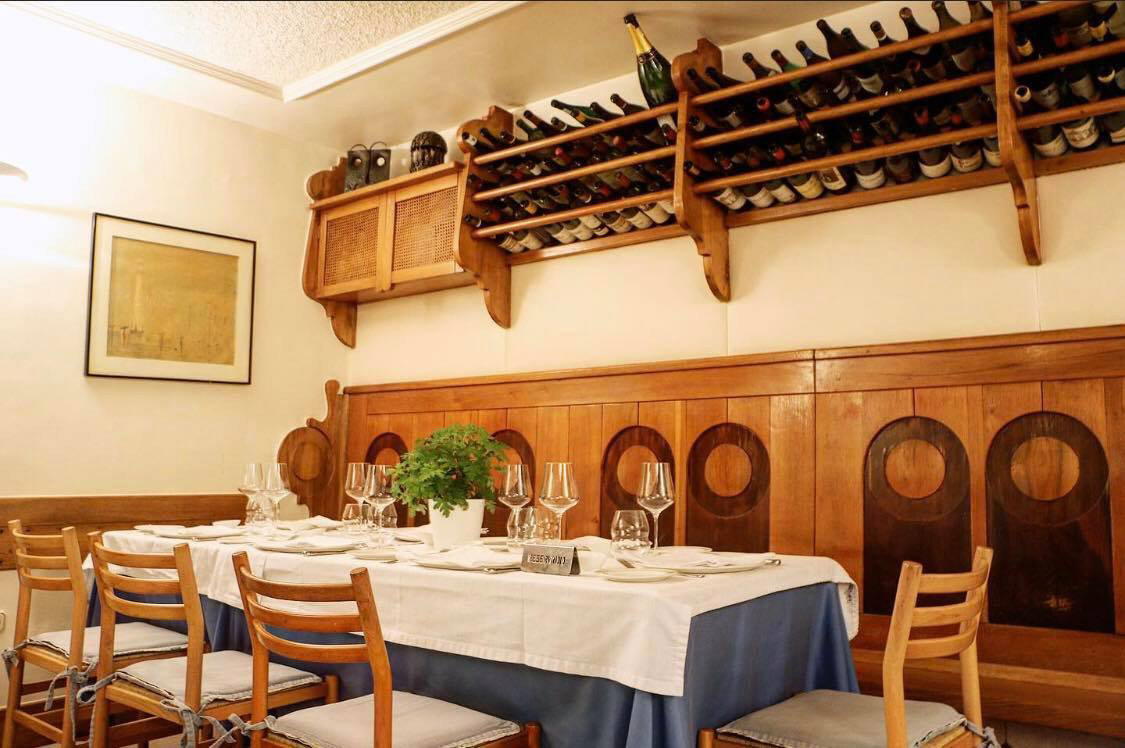
Contemporary and refined with sober, modern décor in a century-old family mansion; relaxed yet professional atmosphere despite fine-dining formality.
Know Before You Go
- Reservations
- Appointment only
- Dress code
- Formal
- Getting there
- Alcalde J. Elosegi Hiribidea, 273, 20015 Donostia / San Sebastián, Gipuzkoa, Spain