Emilio Moro

Emilio Moro is a family winery in Pesquera de Duero, operating within one of Ribera del Duero's most concentrated zones for Tempranillo-driven reds.
Pearl is the En Primeur Club membership app — saves, bookings, and concierge access live there. Same editors, same standards.
- Address
- Ctra. Peñafiel-Valoria, S/N, 47315 Pesquera de Duero, Valladolid
- Phone
- +34 983 87 84 00
- Website
- emiliomoro.com
- Directions
- Get directions
 Saves & bookings on Pearl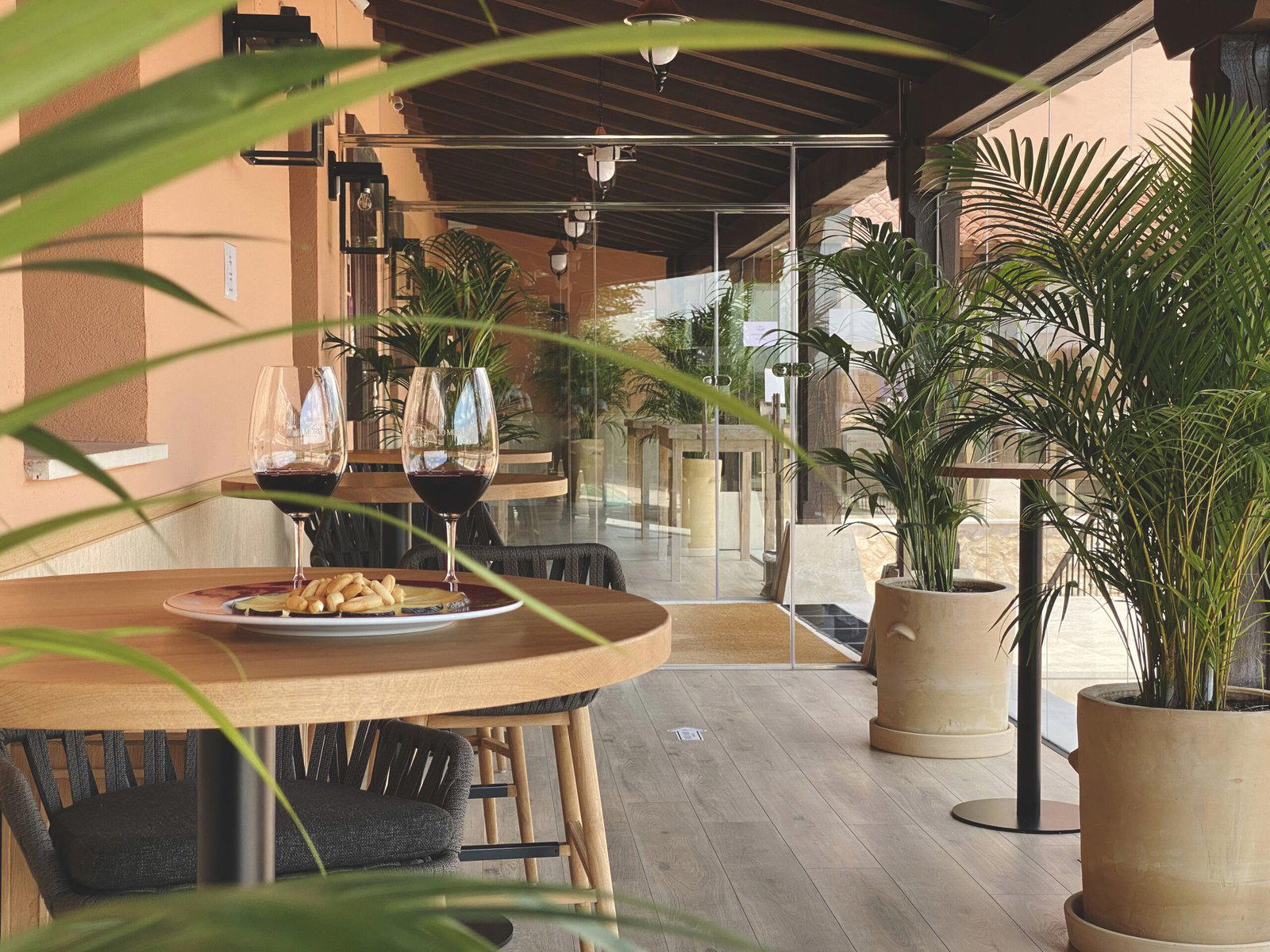
Stone, Altitude, and the Logic of Pesquera de Duero
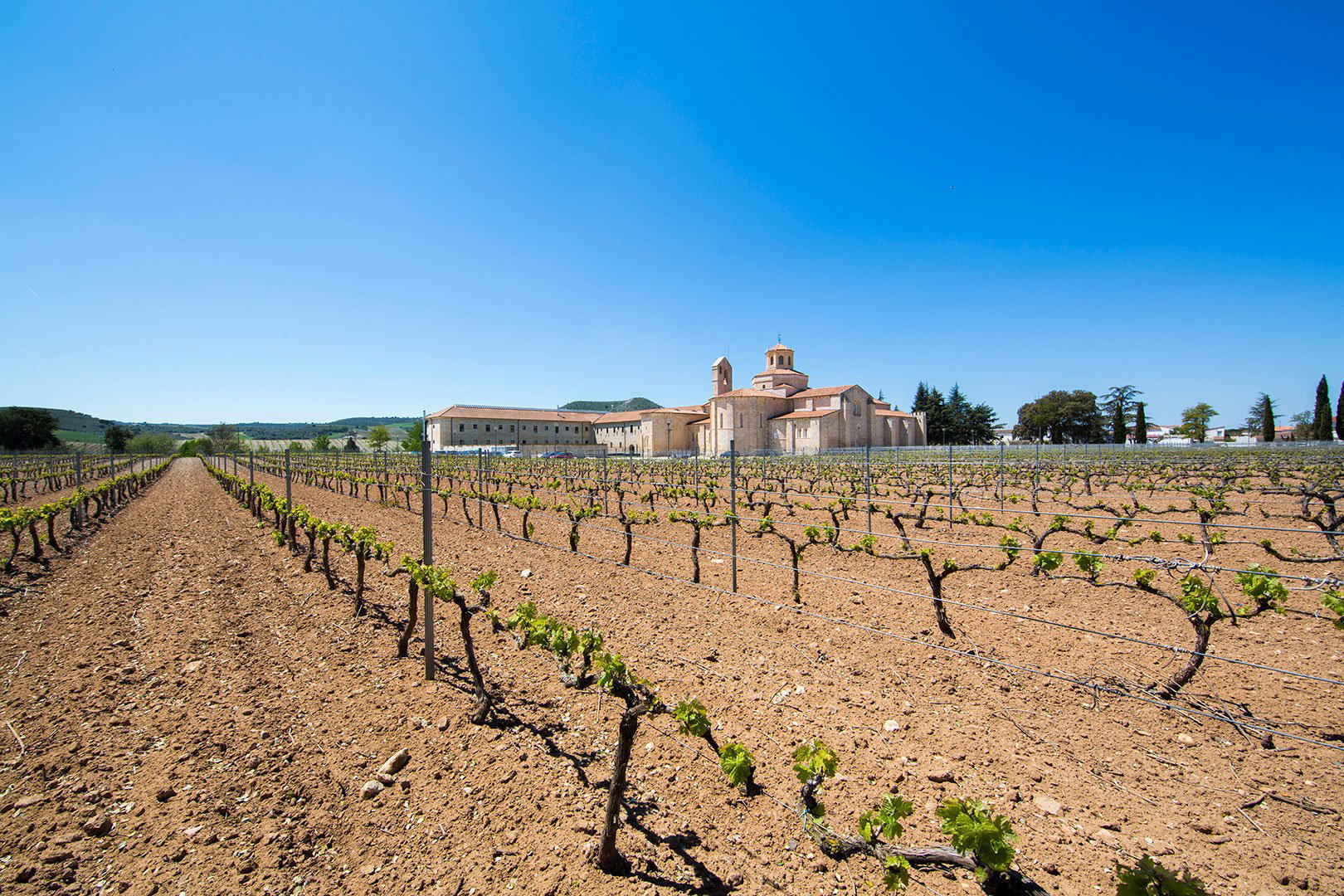
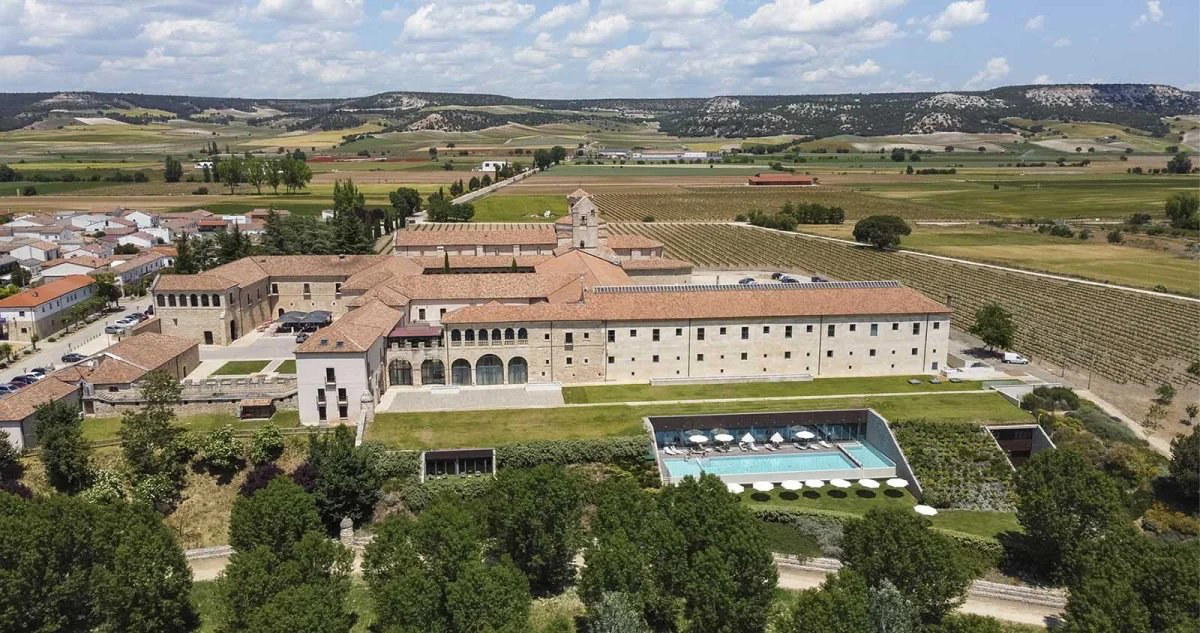
The road between Peñafiel and Valoria runs through agricultural land that looks, at first pass, more austere than romantic. Limestone outcrops break through the surface. The vine rows are low and wide-spaced, an adaptation to a climate where summer temperatures swing hard between day and night, and where late-spring frost is a recurring threat rather than an occasional inconvenience. This is the physical reality behind Ribera del Duero's reputation for structured, age-worthy Tempranillo — not a soft or forgiving landscape, but one that produces grapes with sharp acidity and firm tannin when the growing season cooperates. Emilio Moro sits on this road, at the edge of Pesquera de Duero, and its position is not incidental. The address on Ctra. Peñafiel-Valoria places the winery within a cluster of producers that has, over several decades, defined what village-level quality looks like in this appellation.
Pesquera de Duero carries significant weight in the Ribera del Duero origin story. The nearby presence of Tinto Pesquera (Alejandro Fernández) — whose wines drew international attention to the region in the 1980s, established the village as a reference point for the denomination's potential. That context matters when reading any producer from this specific municipality. The soil composition here, a mix of limestone-clay with sandy pockets, drains well and forces root systems deep, concentrating extract without sacrificing freshness. At an altitude of roughly 750–800 metres above sea level, the diurnal temperature variation preserves aromatic precision through the ripening window.
Within the Ribera del Duero denomination, peer producers at this recognition level share a common characteristic: they tend to farm their own vineyards rather than relying heavily on purchased fruit, and they make production decisions, harvest timing, extraction, aging vessel, in response to the specific vintage rather than a fixed commercial template.
For context on what this tier looks like across Spanish wine regions more broadly, consider producers like Abadía Retuerta in Sardón de Duero or Arzuaga Navarro in Quintanilla de Onésimo, both operating within the Duero corridor and positioned at a similar quality register. Further afield, the prestige-tier logic that governs Ribera del Duero's upper bracket parallels what has developed in Priorat, where Clos Mogador in Gratallops anchors the conversation around terroir-driven, limited-production red wine in Catalonia.
Tempranillo in Its High-Altitude Form
Ribera del Duero's central argument for Tempranillo is altitude. Where Rioja works with the grape in a lower, more temperate setting, producers like CVNE (Cune) in Haro and Marqués de Cáceres in Cenicero represent that tradition, Ribera's plateau pushes the variety toward tighter structure and darker fruit character. The region is monovarietal in a way that Rioja is not; Tempranillo here, known locally as Tinto Fino, dominates plantings to a degree that makes blending a secondary concern. The result is a wine style where soil type and elevation are the primary differentiators between producers, rather than varietal composition.
This makes geographical positioning within the denomination more meaningful than it might be elsewhere. Pesquera de Duero, in the eastern section of the appellation, sits on soils with a higher limestone content relative to some western zones, contributing to wines that tend toward mineral precision alongside the fruit weight that comes from warm summers. The growing season matters enormously here: a late-August rain can dilute, while a dry September concentrates. The wines that come from this specific stretch of the Duero, the same stretch that made Bodegas Protos in Peñafiel a denomination reference point decades ago, carry a particular character that experienced tasters can usually locate by texture and mineral length.
The Winery Visit: What to Expect in Practice
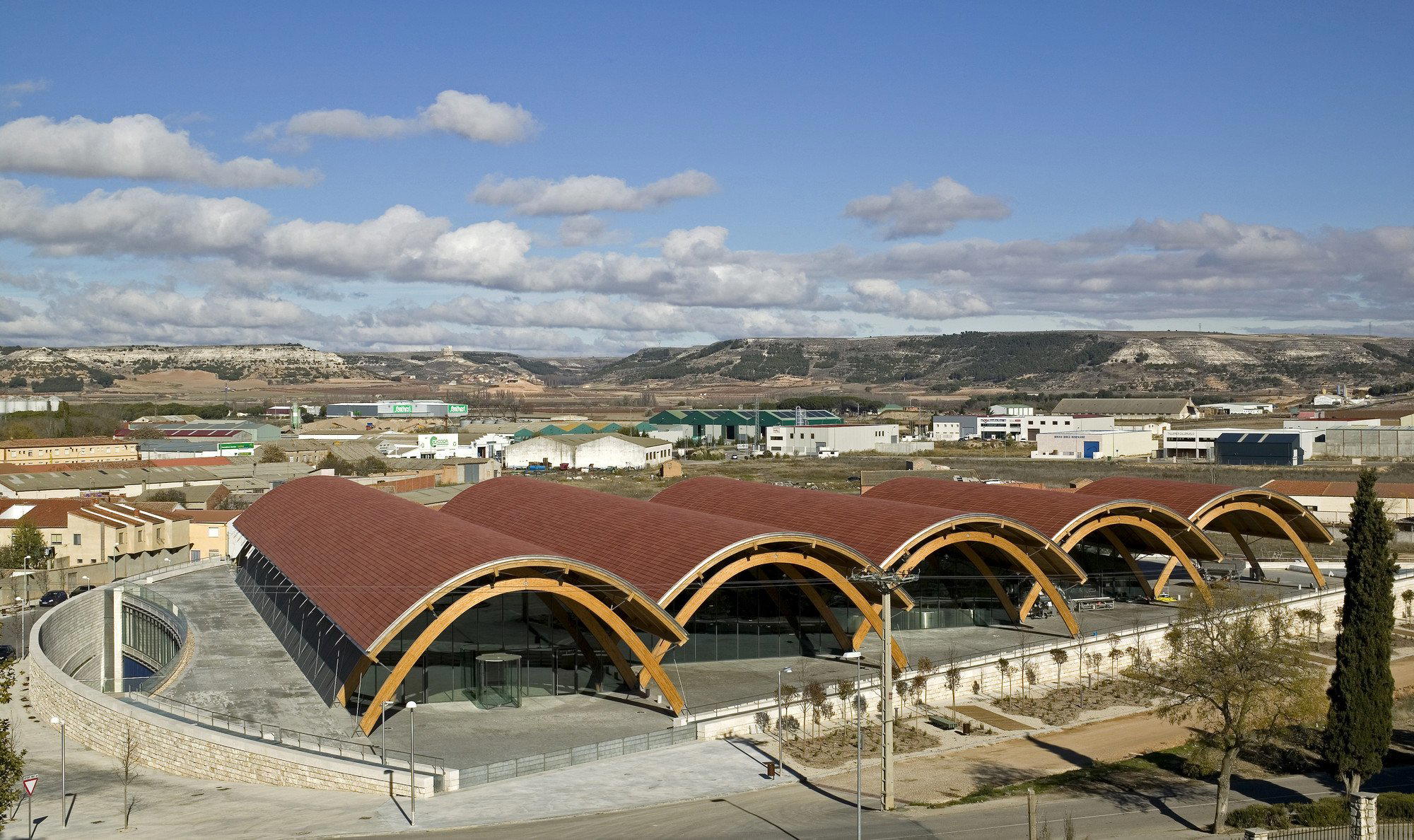
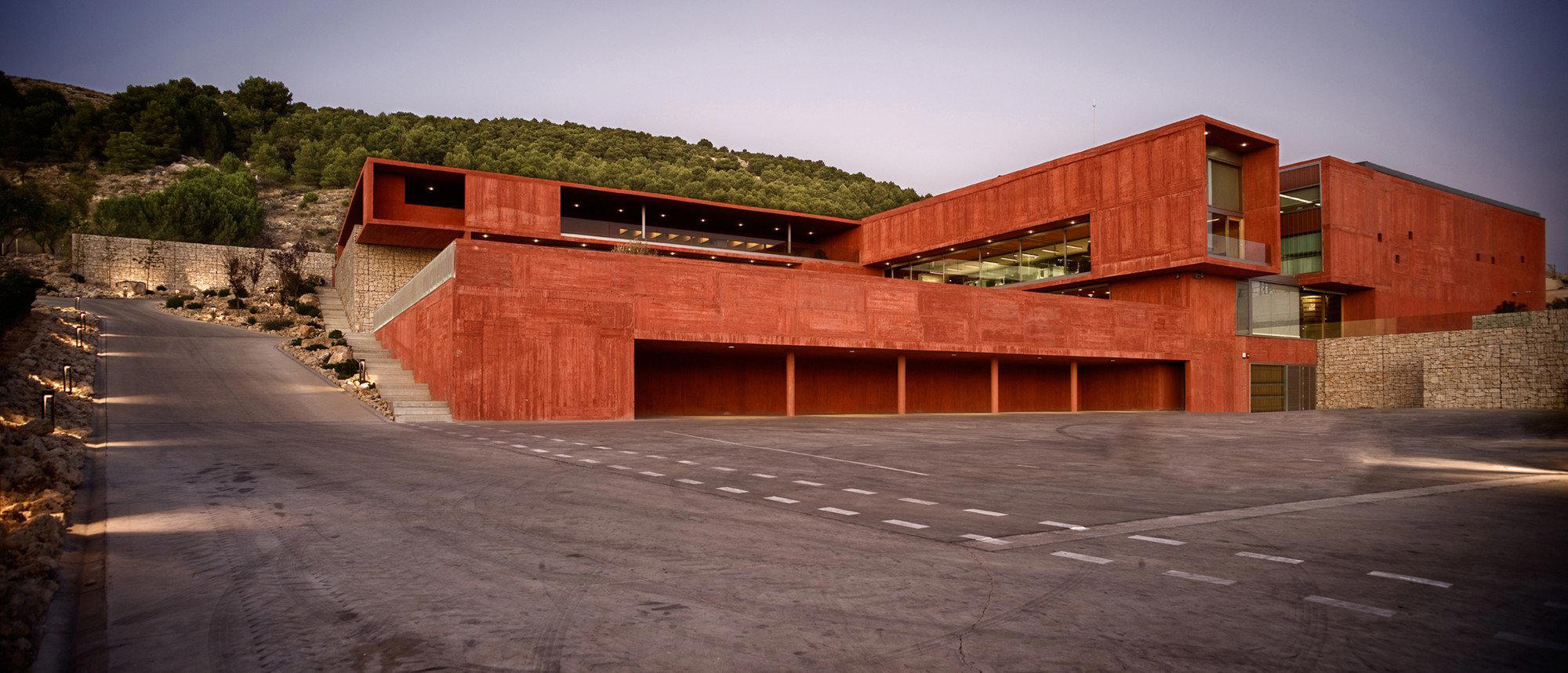
The physical setting of Emilio Moro, on the Peñafiel-Valoria road at the edge of the village, places it in the part of Pesquera de Duero that is oriented toward the working agricultural side of the appellation rather than the tourist-facing infrastructure of Peñafiel's castle district. This is a practical consideration for planning: visitors arriving from Valladolid city or from Peñafiel itself will find the winery accessible by car, positioned along a route that connects several other producers in the immediate area. The concentration of estates in this zone makes it possible to visit multiple cellars within a compact radius, which is a defining characteristic of this part of Ribera del Duero compared with more dispersed denominations. For the full picture of what this village and its surrounding producers offer, see our full Pesquera de Duero restaurants guide.
This is standard procedure for smaller estate producers across the denomination, where visit programs are often managed directly rather than through third-party booking platforms. Dress codes and formal seat arrangements are generally not a feature of working winery visits in this part of Castile, but arrival by appointment is typically expected.
For those building a broader Ribera del Duero itinerary, the denomination's range extends from the Duero valley floor producers to high-altitude holdings. Producers elsewhere in Spain's wine map, from Bodegas Vivanco in Valle de Mena to Bodegas Ysios in Laguardia, or further south to Lustau in Jerez de la Frontera and westward to Marqués de Griñón (Dominio de Valdepusa) in Malpica de Tajo, demonstrate how Spain's wine geography rewards systematic regional exploration rather than isolated single-property visits. Even outside Spain, the estate-winery visit format has defined premium experiences from Codorníu in Sant Sadurní d'Anoia to Accendo Cellars in St. Helena and even Aberlour in Aberlour, where terroir-to-glass storytelling anchors the cellar experience regardless of the category.
Recognition history
Dated appearances from independent guides and award organizations, with the underlying list record or original source where available.
Falstaff Winery - 5 Stars
Falstaff
Continue exploring
More in Pesquera de Duero
Wineries in Pesquera de Duero
Browse all →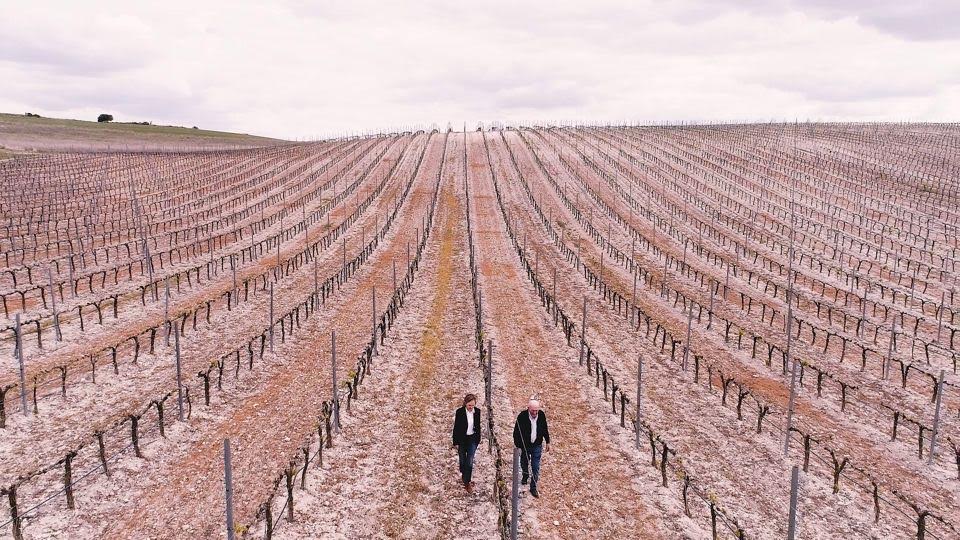
Bars in Pesquera de Duero
Browse all →
Restaurants in Pesquera de Duero
Browse all →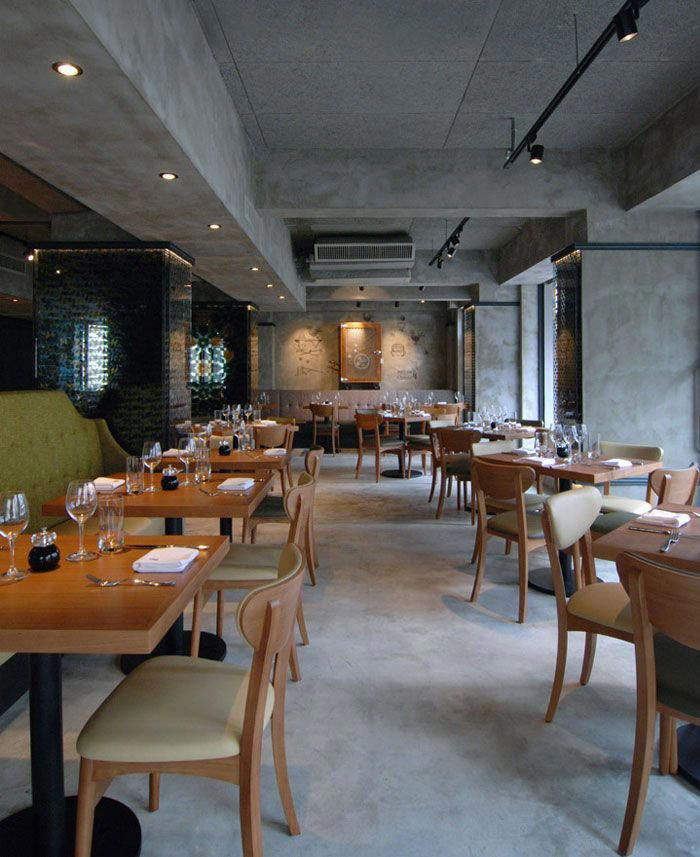
At a Glance
- Classic
- Rustic
- Elegant
- Scenic
- Wine Education
- Special Occasion
- Group Outing
- Vineyard Tour
- Barrel Room
- Estate Grounds
- Vineyard
- Waterfront
- Ribera Del Duero
- Tempranillo
- Tinto Fino
- Godello
- Still Red
- Guided Tasting
- Barrel Tasting
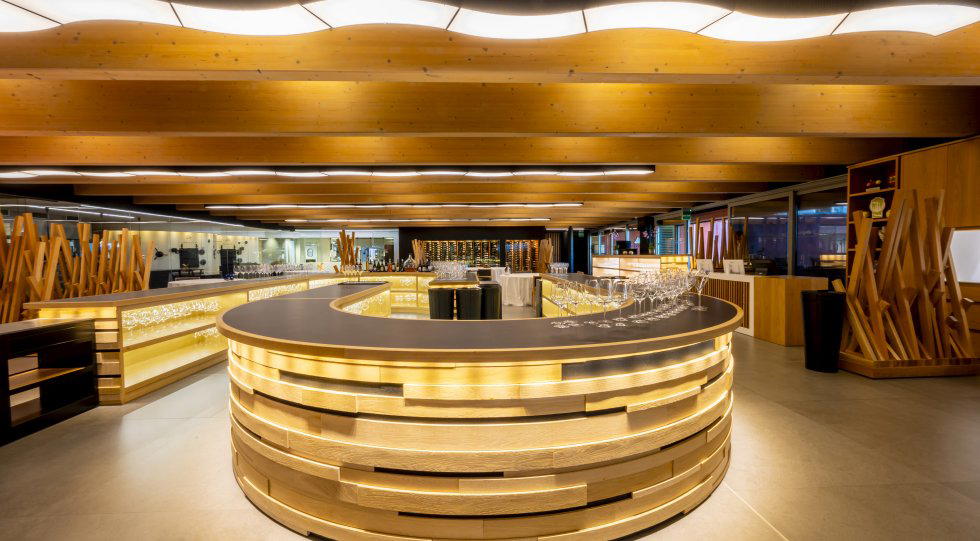
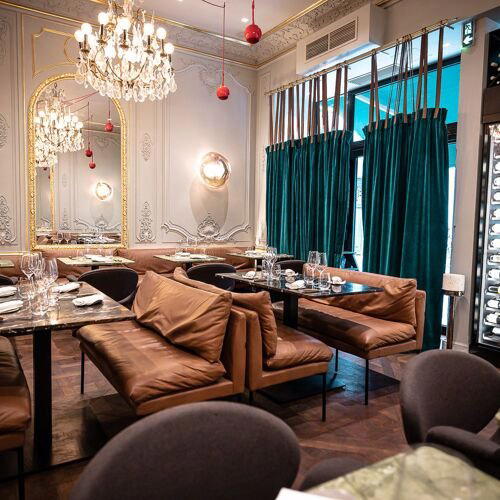
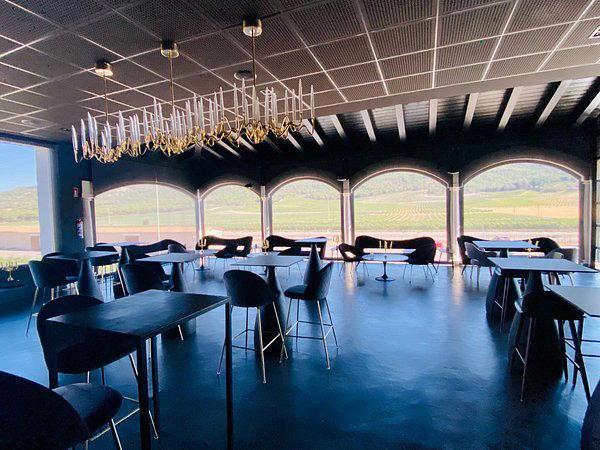
Pleasant and relaxing atmosphere with modern, polished facilities, beautiful scenery of the Duero River and vineyards, and an intimate, educational tasting environment.
Know Before You Go
- Getting there
- Ctra. Peñafiel-Valoria, S/N, 47315 Pesquera de Duero, Valladolid