Azurmendi










3 Michelin Stars · World's 50 Best #81 · La Liste Top Restaurants
Our verdict
Azurmendi Larrabetzu elevates sustainable fine dining to an art form, where Chef Eneko Atxa's three-Michelin-starred vision unfolds through an immersive greenhouse-to-table experience. This architectural marvel seamlessly integrates Basque tradition with cutting-edge gastronomy, offering the acclaimed Adarrak tasting menu in a bioclimatic structure that defines the future of responsible luxury dining.

Pearl is the En Primeur Club membership app, where members save venues, book tables and use the concierge.
The menu
What to order
- Truffle egg yolk
- Bloody Mendi tomato
- Peeled shrimp
Where the Basque Hills Meet the Plate
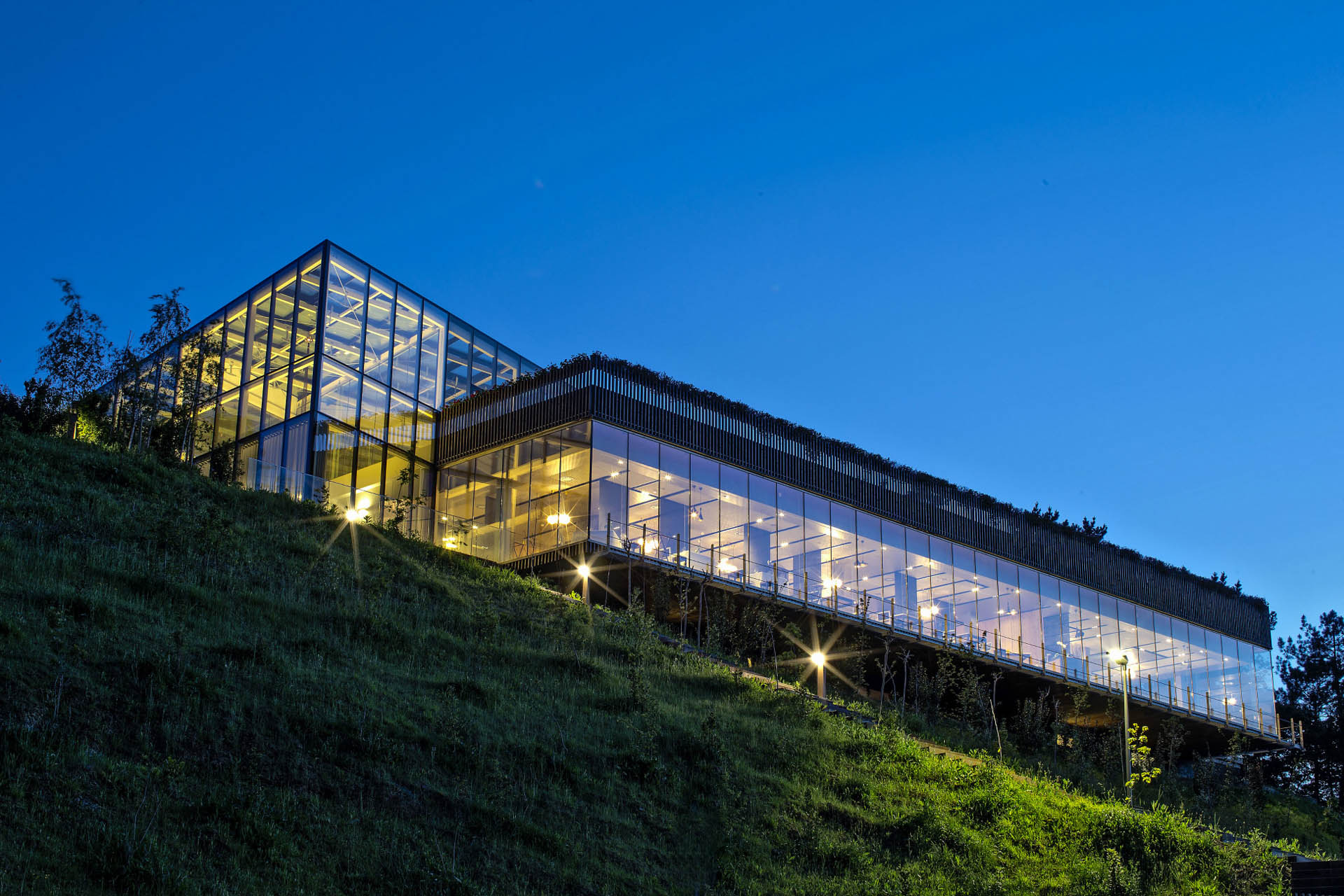
The approach to Azurmendi sets the register before you reach the door. The restaurant occupies a purpose-built structure in Larrabetzu, a village roughly twenty minutes from Bilbao in the Biscay hills, and the building is engineered into the slope rather than placed on it. Geothermal systems, solar panels, and a working greenhouse are part of the architecture, not gestures toward it. What this means for the experience is that the sourcing argument is made physically, in the building itself, before a single course arrives.
That physical argument connects directly to a broader shift in progressive Spanish cooking. Over the past decade, the country's most serious creative kitchens have moved away from technique-as-spectacle toward frameworks that require justification: why this ingredient, from where, at what cost to the land. Azurmendi sits at the serious end of that spectrum, and its three Michelin stars, held through 2024 and 2025, along with a position of 98 points on La Liste's 2025 and 2026 rankings, confirm that the wider critical establishment reads it the same way. Its trajectory on the World's 50 Best list, which placed it as high as 14th globally in 2019, reflects a kitchen that has been consequential for the better part of a decade, not a recent arrival.
The Sourcing Logic Behind the Tasting Menu
The single tasting menu, named Adarrak, is structured as a progression through the estate and then into the dining room. The sequence begins with a picnic served in a wicker basket near the vertical garden, moves through a space decorated with recycled organic materials, passes through a kitchen-facing corridor where the brigade is visible at work, and eventually arrives at the main table. Each transition is also a sourcing statement: produce that grows on the property, ingredients tied to the Basque coastline, flora from the surrounding hills.
The menu's coherence depends on the kitchen's relationship with specific raw materials rather than on any single technique. Eneko Atxa has built his program around Basque endemic species, both plant and animal, and the menu changes not only with the seasons but with what the surrounding land and sea can actually sustain. This is not an abstract commitment: the herb and vegetable elements that run through the plates are drawn from the restaurant's own production, and the wine list, which includes numerous limited-production labels, extends the regional sourcing logic into the glass.
It is closer in spirit to El Celler de Can Roca in Girona, where the sourcing and cultural reference points are baked into the structure of the meal, though Azurmendi's ecological architecture gives it a distinct formal character of its own. Aponiente in El Puerto de Santa María pursues a comparable depth of ecological commitment through its marine focus, and the two restaurants make an instructive comparison for anyone mapping Spain's most rigorous ingredient-driven kitchens.
Basque Creative Cooking in Context
The Basque Country has operated as Spain's most concentrated zone of fine dining for decades. Arzak in San Sebastián established the template for creative Basque cooking across generations, and Martin Berasategui in Lasarte-Oria and Mugaritz in Errenteria represent other significant poles within that tradition. Azurmendi's position in Larrabetzu, away from the concentration of San Sebastián, is itself a statement: the sourcing rationale requires proximity to the hills and the estate, not proximity to other restaurants or to a major city's restaurant culture.
This rurality is part of the Basque creative tradition rather than a departure from it. The Basque region's farms, coast, and forested interior have always been central to the cooking's identity, and Azurmendi makes that geography explicit in both its architecture and its menu structure. The Opinionated About Dining ranking, which placed it 19th in Europe in 2025 and 24th in 2024, reflects a critical readership that values exactly this kind of rooted specificity over more cosmopolitan creative programs. For comparison, Quique Dacosta in Dénia and Ricard Camarena in València pursue comparable regional rootedness in the Valencian context, while Alchemist in Copenhagen and Krèsios in Telese show how similar ecological and progressive frameworks translate across different European food cultures.
The Adarrak Experience in Practice
Because the meal is structured as a tour of the property before it becomes a seated dinner, timing and format differ from a conventional tasting menu. The experience is longer than a direct multi-course lunch or dinner, and the itinerary through the greenhouse, garden spaces, and kitchen corridor is integral rather than optional. Guests who arrive expecting to go directly to a table will find the format disorienting; arriving with time and attention to spare is the functional prerequisite.
The kitchen's use of plant elements, herbs, edible flowers, and vegetable structures running through multiple courses gives the meal a visual and textural coherence that is identifiably Atxa's without requiring individual dishes to be described in advance. The wine list's emphasis on limited production and regional labels means that the sommelier relationship is important: the list is not a simple catalog, and a guided pairing will carry more meaning than individual-glass ordering for most visitors.
Within Larrabetzu itself, the dining options are limited. Eneko, the creative sibling restaurant in the same location, operates at a different price and formality register and is worth considering for groups with mixed priorities or for a follow-up visit. Asador Hormo Onda represents the village's more traditional grilled-meat tradition. For those extending their stay, the full picture of accommodation and other options in the area is covered in our full Larrabetzu hotels guide, with additional context in our Larrabetzu bars guide, our Larrabetzu wineries guide, and our Larrabetzu experiences guide.
Planning Your Visit
Azurmendi is open Tuesday through Saturday for lunch service from 1:00 to 2:30 pm, with dinner service on Friday and Saturday from 8:30 to 9:15 pm. The restaurant closes Sundays and Mondays, and shuts for a winter break from December 19 through February 15. Given the Michelin three-star standing and the restaurant's sustained international profile, advance booking is essential; the lunch window is narrow and the dinner slots limited to two evenings per week. The restaurant sits in Barrio Leguina, Larrabetzu, in the Biscay hills, most practically reached by car from Bilbao. A full guide to what else the area offers is available in our full Larrabetzu restaurants guide.
Frequently asked questions
What awards or recognition does Azurmendi have?
Azurmendi has received recognition including: The Azurmendi restaurant, located in a unique natural setting at the heart of Bizkaia, is one of the most awarded restaurants in the world. Home of the renowned Chef Eneko Atxa, it has three Michelin...; La Liste Top Restaurants (2026): 98p….
What's the best thing to order at Azurmendi?
Azurmendi serves a single tasting menu, Adarrak, so there is no à la carte selection to weigh. The format structures the meal as a progression through the property before the seated dinner begins, including a picnic in front of a vertical garden and snacks among recycled organic materials. The wine list is noted for limited-production labels, making that pairing a reasonable focus for pre-booking attention. For context, Azurmendi holds three Michelin stars and scored 98 points in La Liste 2026, placing it in the upper tier of European fine dining.
When can I go to Azurmendi?
Hours at Azurmendi: Hours: Monday Closed Tuesday 1–2:30 pm Wednesday 1–2:30 pm Thursday 1–2:30 pm Friday 1–2:30 pm, 8:30–9:15 pm Saturday 1–2:30 pm, 8:30–9:15 pm Sunday Closed Closure December 19-February 15.
What part of town is Azurmendi in?
Azurmendi is located at Barrio Leguina, s/n, 48195 Uria, Biscay, Spain, Larrabetzu.
Is Azurmendi chef-led?
The chef associated with Azurmendi is Eneko Atxa.
Cost Snapshot
| Venue | Cuisine | Price | Awards | Notes |
|---|---|---|---|---|
| AzurmendiThis venue (the venue you are viewing) | Modern Basque Fine Dining | $300–500 | 3 Michelin Stars · World's 50 Best #81 | Not listed |
| Aponiente | Avant-Garde Marine Seafood | $200–300 | 3 Michelin Stars · World's 50 Best #84 | Progressive - Seafood, Creative |
| Arzak | Contemporary Basque Fine Dining | $300–500 | 3 Michelin Stars · World's 50 Best #31 | Modern Basque, Creative |
| DiverXO | Avant-Garde Spanish Tasting Menu | $300–500 | 3 Michelin Stars · World's 50 Best #4 | Progressive - Asian, Creative |
| El Celler de Can Roca | Creative Catalan Fine Dining | $300–500 | 3 Michelin Stars · World's 50 Best #2 | Progressive Spanish, Creative |
| Quique Dacosta | Avant-Garde Spanish Fine Dining | $300–500 | 3 Michelin Stars · World's 50 Best #65 | Creative |
Recognition history
Dated appearances from independent guides and award organizations, with the underlying list record or original source where available.
Michelin 3 Stars
Michelin
World's 50 Best Restaurants #81
World's 50 Best
La Liste Top Restaurants
La Liste
Star Wine List
Star Wine List
Falstaff Restaurant - 99 Falstaff Points
Falstaff
Full recognition history (23 entries)
Guía Repsol 3 Soles
Guía Repsol
Macarfi 9.4 Food Rating
Macarfi
Opinionated About Dining Top Restaurants in Europe Ranked #25
Opinionated About Dining
La Liste Top Restaurants
La Liste
Michelin 3 Stars
Michelin
Opinionated About Dining Top Restaurants in Europe Ranked #19
Opinionated About Dining
The Best Chef Three Knives
The Best Chef
We're Smart World 4 Radishes
We're Smart World
Michelin 3 Stars
Michelin
Opinionated About Dining Top Restaurants in Europe Ranked #24
Opinionated About Dining
Opinionated About Dining Top New Restaurants in Europe Ranked #20
Opinionated About Dining
World's 50 Best Restaurants #49
World's 50 Best
World's 50 Best Restaurants #14
World's 50 Best
World's 50 Best Restaurants #43
World's 50 Best
World's 50 Best Restaurants #38
World's 50 Best
World's 50 Best Restaurants #16
World's 50 Best
World's 50 Best Restaurants #19
World's 50 Best
World's 50 Best Restaurants #26
World's 50 Best
Continue exploring
More in Larrabetzu
Restaurants in Larrabetzu
All restaurants in Larrabetzu →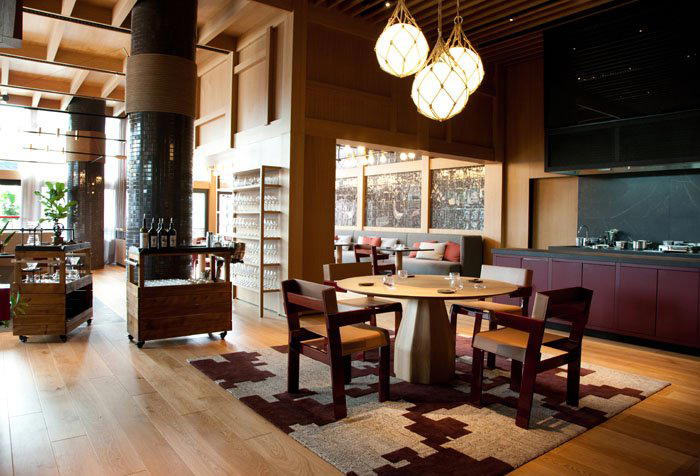
Bars in Larrabetzu
Browse all →
Hotels in Larrabetzu
Browse all →
Wineries in Larrabetzu
Browse all →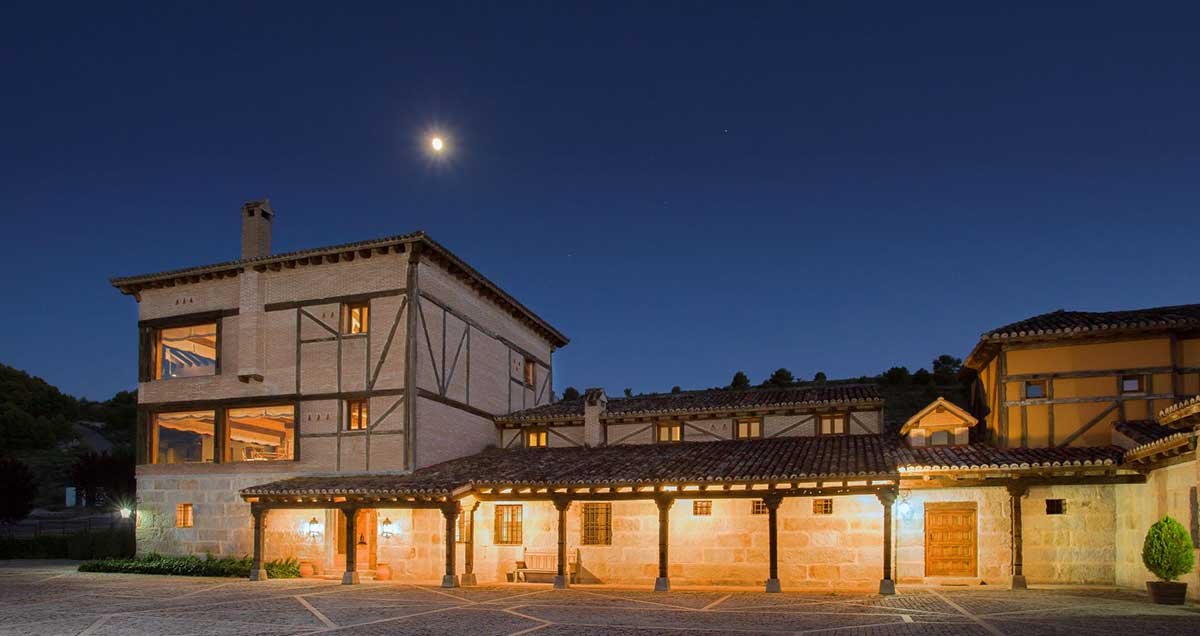
Azurmendi
The wine
- Wine program
- Deep wine list
- Extensive wine list
- Sommelier-led
Details
- Modern
- Elegant
- Sophisticated
- Scenic
- Special Occasion
- Open Kitchen
- Garden
- Extensive Wine List
- Sommelier Led
- Farm To Table
- Local Sourcing
- Sustainable Seafood
- Vineyard
- Garden
- Tasting Menu
- Vegetarian Friendly
- Vegan Options
- Gluten Free Options
Current opening hours
- Monday
- Closed
- Tuesday
- 1–2:30 p.m.
- Wednesday
- 1–2:30 p.m.
- Thursday
- 1–2:30 p.m.
- Friday
- 1–2:30 p.m., 8–9:15 p.m.
- Saturday
- 1–2:30 p.m., 8–9:15 p.m.
- Sunday
- Closed
Hours can change for holidays and private events. Hours as of .
Modern, spacious dining room with lush indoor garden, natural light, and views of surrounding greenery, creating a harmonious blend of nature and contemporary architecture.