








Atrio brings Cáceres' Extremaduran pantry into the formal tasting-menu register, with Toño Pérez using contemporary technique to reframe local tradition rather than escape it. The draw is not only the cooking: the restaurant's deep wine program, 2026 Guía Repsol 3 Soles recognition, La Liste score, and hotel-restaurant setting place it in Spain's serious destination-dining tier.
Pearl is the En Primeur Club membership app — saves, bookings, and concierge access live there. Same editors, same standards.
- Address
- Pl. San Mateo, 1, Centro-Casco Antiguo, 10003 Cáceres, Spain
- Phone
- +34 927 24 29 28
- Website
- atriocaceres.com
- Directions
- Get directions
 Saves & bookings on Pearl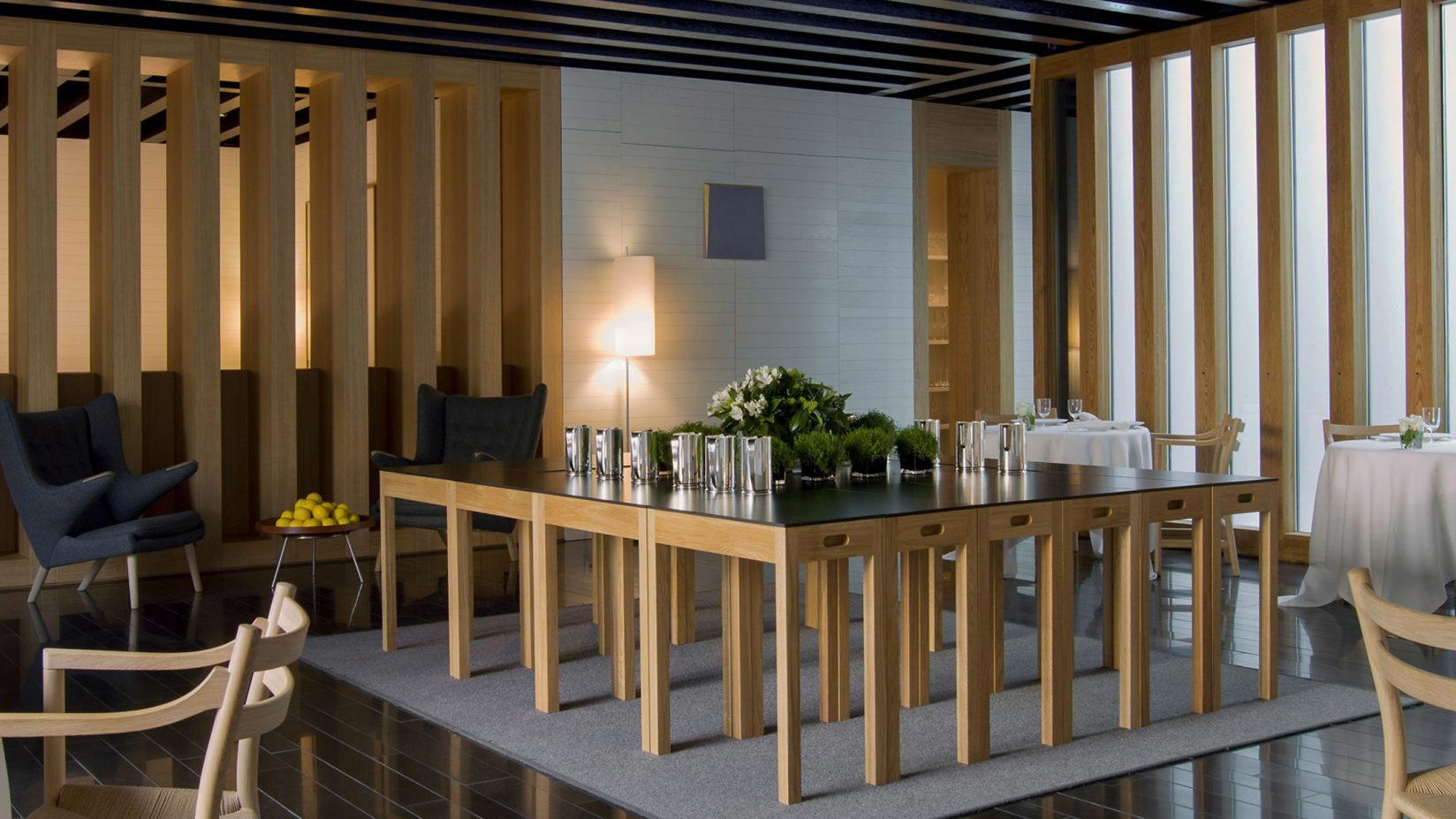
Atrio is a formal €€€€ restaurant in Cáceres led by chef-owner Toño Pérez. The verified description is concise but useful: Contemporary Spanish and Creative cuisine, served in a city where the restaurant is best understood as a high-end dining choice rather than a casual stop.
Because the confirmed information is limited, the safest way to read Atrio is through the facts that are available: chef, cuisine, price level, dress code, and opening hours. Specific claims about individual dishes, menu format, awards, cellar depth, hotel services, or detailed room character should not be assumed unless confirmed directly with the restaurant.
Contemporary Spanish cooking in a formal Cáceres setting
Atrio's verified cuisine is Contemporary Spanish and Creative. That places it in the category of Spanish restaurants where the meal is framed around a more refined, chef-led approach rather than a purely traditional or casual format.
Toño Pérez is the confirmed chef-owner.
The restaurant is listed at €€€€, which signals a premium dining experience. Its dress code is formal, so guests should plan accordingly and treat the booking as a dressed-up occasion.
For readers comparing Atrio with other Spanish fine-dining options, names such as Barro, Choco, Iván Cerdeño, Noor, and Víctor Gutiérrez offer broader points of reference within creative or contemporary dining, without needing to place them in Cáceres itself. Atrio remains the Cáceres focus here.
What is verified, and what is not
The confirmed profile for Atrio is narrower than many restaurant write-ups suggest.
Those subjects should be checked directly with the restaurant rather than treated as established facts.
The verified hours list service every day: Monday through Sunday from 1:30–3 pm and 8:30–10 pm. As always, guests should confirm current availability before booking, since restaurant schedules can change.
Recognition language around Atrio should also be handled carefully.
How to read Atrio within Cáceres, not apart from it
Within Cáceres, Atrio is best described as a formal, premium restaurant for Contemporary Spanish and Creative cooking. That is enough to distinguish it from more casual dining without inventing details about the room, menu, or service style.
The confirmed chef-owner, Toño Pérez, gives the restaurant a clear authorship. Still, the guide should not add unverified claims about biography, regional product focus, or particular techniques. The grounded description is simpler: chef-led, creative Spanish cooking in Cáceres.
Among broader Spanish comparisons, Atrio can be considered alongside Barro, Choco, Iván Cerdeño, Noor, and Víctor Gutiérrez as part of a wider premium dining conversation. The comparison is useful for context, but Atrio's verified location is simply Cáceres.
Visitors planning around a meal at Atrio should rely on the confirmed practical details: formal dress, €€€€ pricing, and daily lunch and dinner hours. For anything more specific, including menu structure or special requests, direct confirmation is the safest approach.
The final judgment is direct: Atrio is a formal, premium Cáceres restaurant serving Contemporary Spanish and Creative cuisine under chef-owner Toño Pérez.
Comparable Spots, Quickly
Comparable venues by cuisine and price in the same metro.
| Venue | Cuisine | Price | Awards |
|---|---|---|---|
| AtrioThis venue — the venue you are viewing | Contemporary Spanish, Creative | €€€€ | This venue |
| Víctor Gutiérrez | Peruvian - Spanish, Creative | €€€€ | Peruvian - Spanish, Creative, €€€€ |
| Barro | Creative | €€€€ | Creative, €€€€ |
| Iván Cerdeño | Modern Cuisine | €€€€ | Modern Cuisine, €€€€ |
| Noor | Modern Spanish - Moorish, Modern Dutch, Creative | €€€€ | Modern Spanish - Moorish, Modern Dutch, Creative, €€€€ |
| Choco | Creative | €€€€ | Creative, €€€€ |
Recognition history
Dated appearances from independent guides and award organizations, with the underlying list record or original source where available.
Guía Repsol 3 Soles
Guía Repsol
La Liste Top Restaurants
La Liste
Macarfi 9.4 Food Rating
Macarfi
Michelin 3 Stars
Michelin
Opinionated About Dining Classical in Europe Ranked #34
Opinionated About Dining
Relais Chateaux Award
Relais Chateaux
Wine Spectator Grand Award
Wine Spectator
La Liste Top Restaurants
La Liste
Michelin 3 Stars
Michelin
Opinionated About Dining Classical in Europe Ranked #28
Opinionated About Dining
Relais Chateaux Award
Relais Chateaux
The Best Chef Two Knives
The Best Chef
Wine Spectator Grand Award
Wine Spectator
Michelin 3 Stars
Michelin
Opinionated About Dining Classical in Europe Ranked #29
Opinionated About Dining
Opinionated About Dining Classical in Europe Ranked #66
Opinionated About Dining
World's Best Wine Lists Awards WBWL 3-Star
World's Best Wine Lists Awards
At a Glance
- Elegant
- Modern
- Sophisticated
- Intimate
- Special Occasion
- Date Night
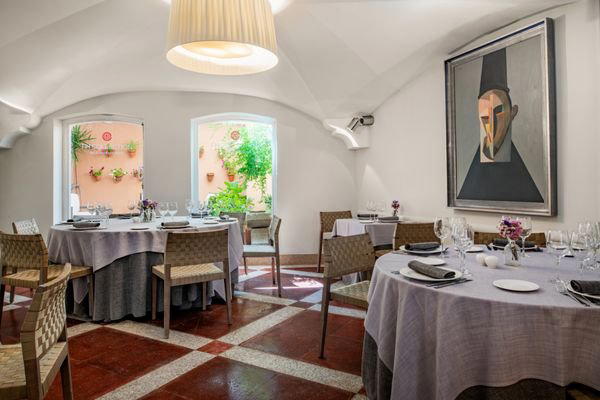
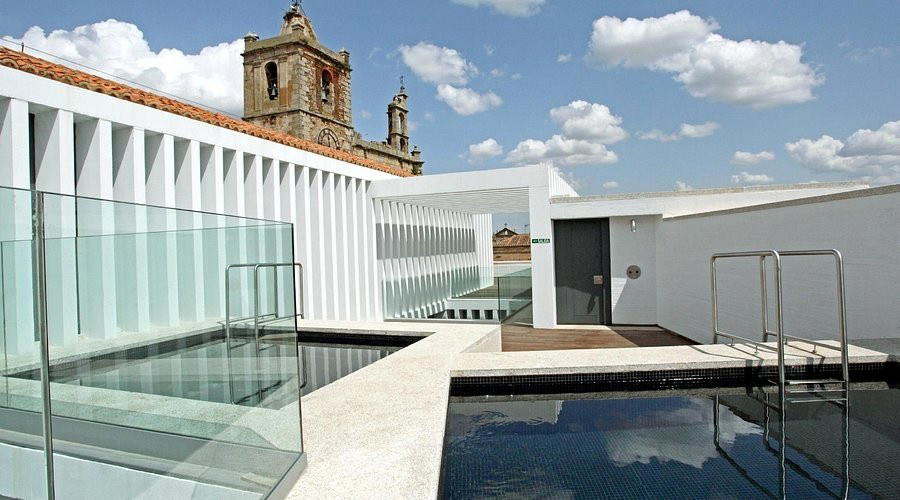
- Hotel Restaurant
- Wine Cellar
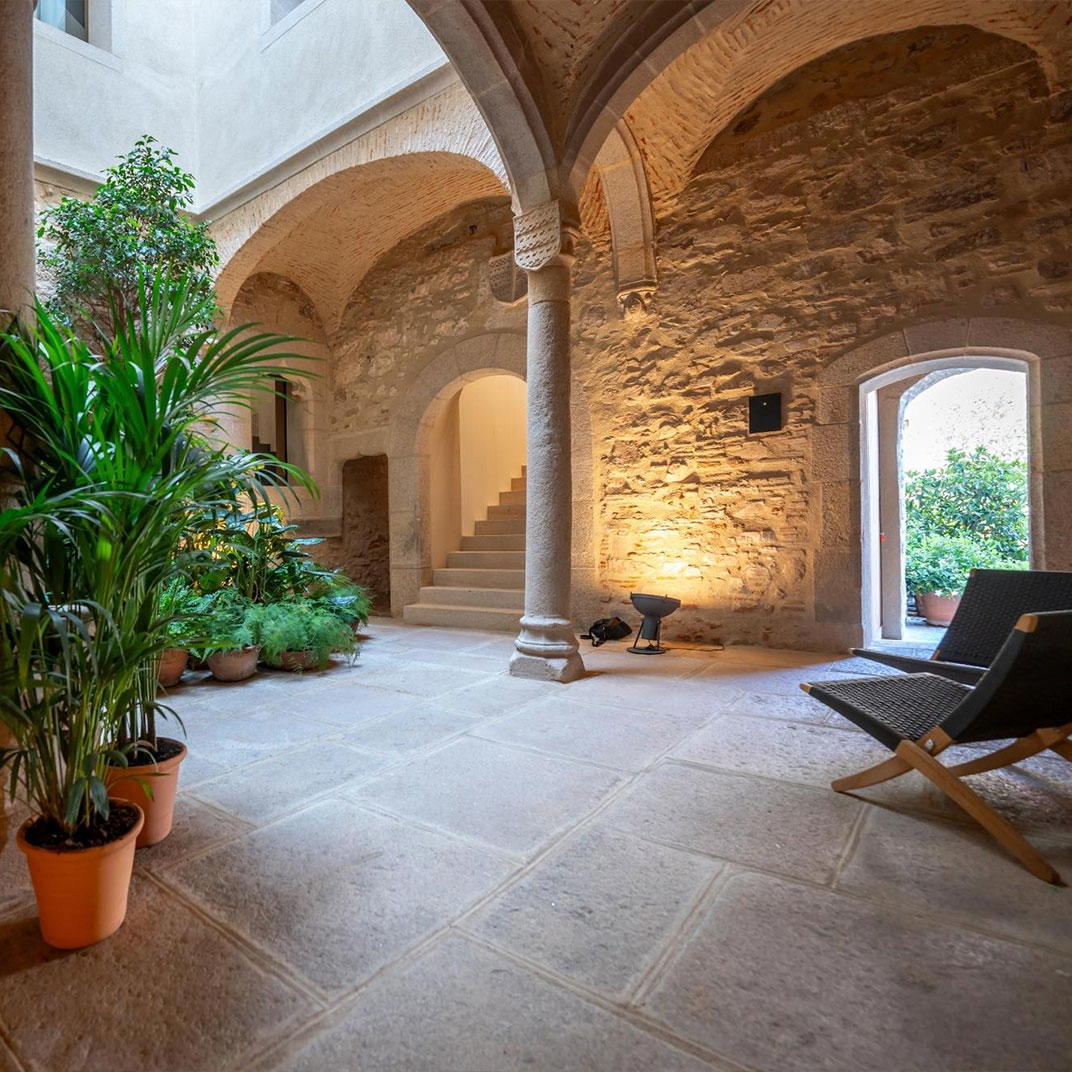
- Historic Building
- Extensive Wine List
- Sommelier Led
- Local Sourcing
Current opening hours
- Monday
- 1:30–3 PM, 8:30–10 PM
- Tuesday
- 1:30–3 PM, 8:30–10 PM
- Wednesday
- 1:30–3 PM, 8:30–10 PM
- Thursday
- 1:30–3 PM, 8:30–10 PM
- Friday
- 1:30–3 PM, 8:30–10 PM
- Saturday
- 1:30–3 PM, 8:30–10 PM
- Sunday
- 1:30–3 PM, 8:30–10 PM
Hours can change for holidays and private events. Last verified .
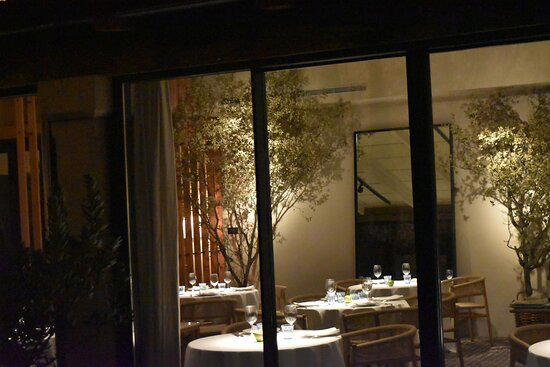
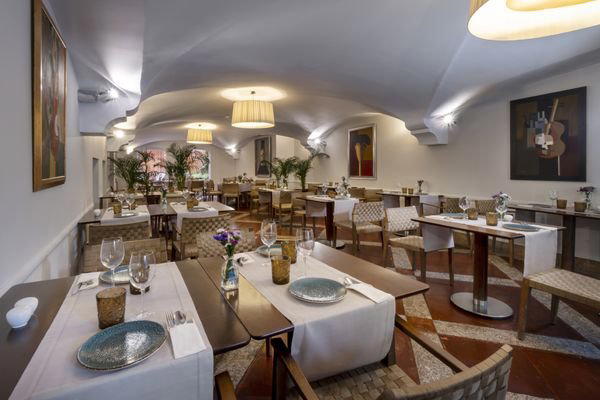
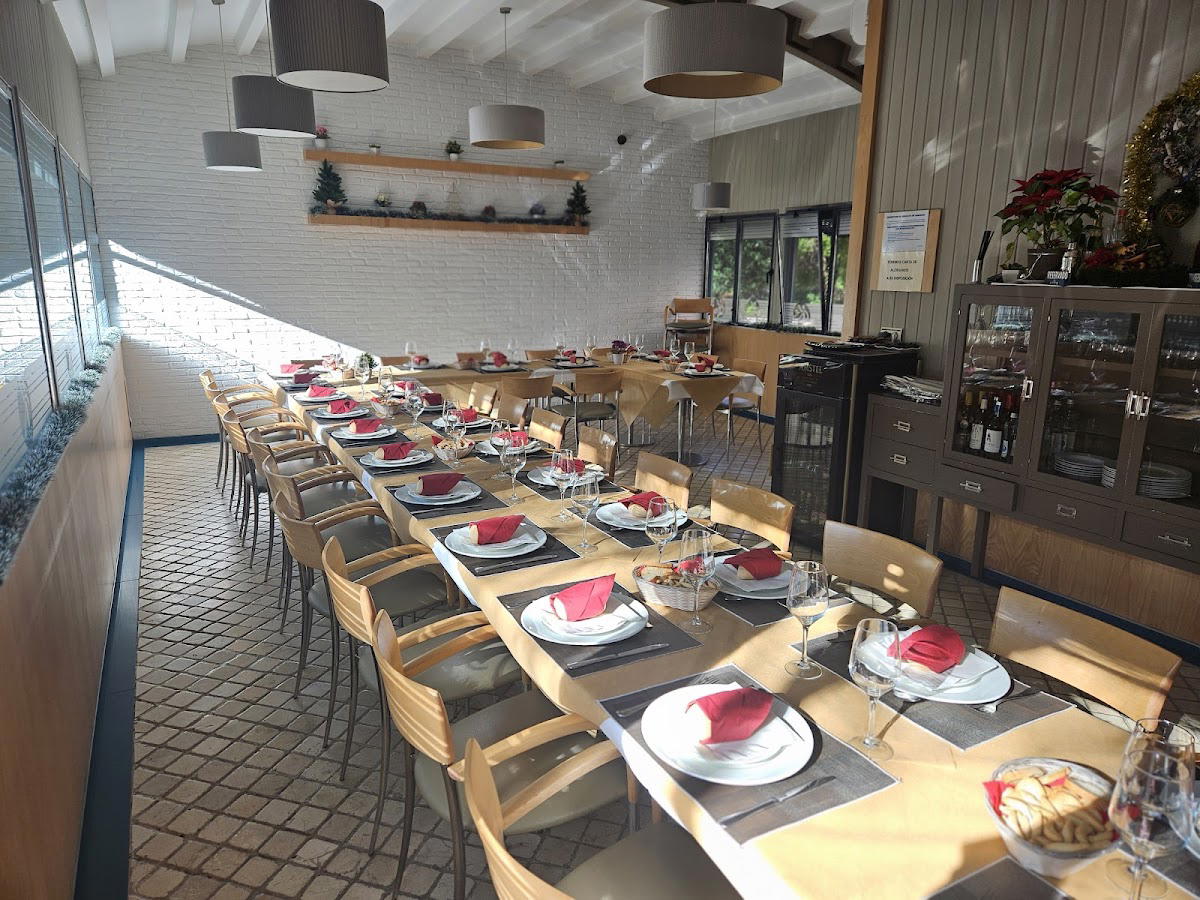
Modern and elegant interior with subtle lighting, spacious tables, and a contemporary atmosphere integrated into historic buildings, creating a cozy yet sophisticated dining experience.