







2 Michelin Stars · La Liste Top Restaurants · Star Wine List
Our verdict
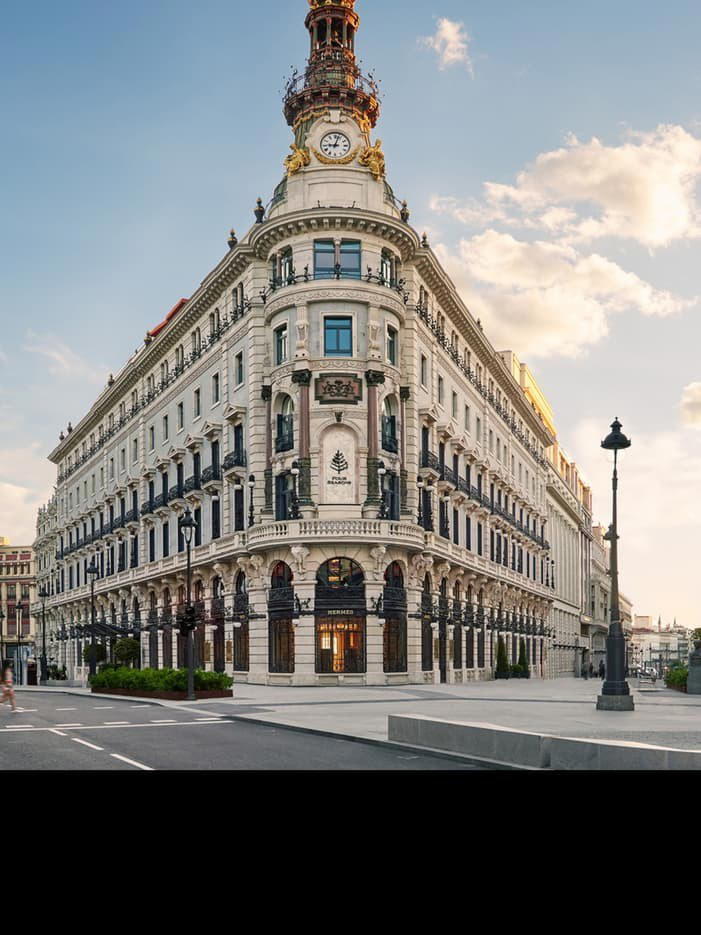
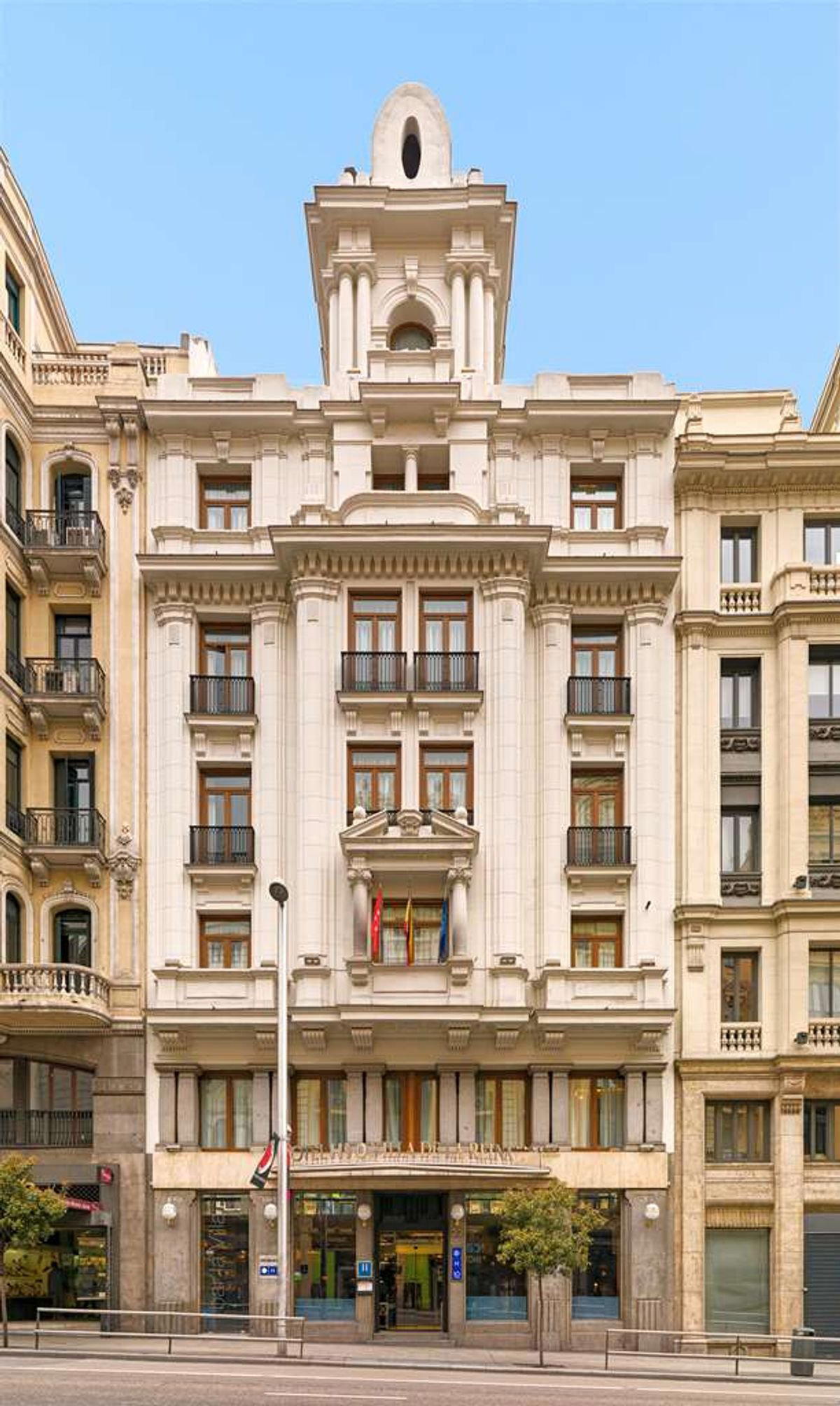
On the rooftop of Casino de Madrid, a 19th-century landmark steps from Puerta del Sol, Paco Roncero holds two Michelin stars and a 95-point La Liste ranking for 2025 and 2026. The kitchen works through three tasting menus anchored in Madrid culinary tradition, with Roncero's creative approach drawing heavily on olive oil and the city's bar culture. For Madrid's high-end creative dining tier, this is one of the defining addresses.

Pearl is the En Primeur Club membership app, where members save venues, book tables and use the concierge.
The menu
What to order
- Filipino of foie gras with white chocolate and cardamom
- Beetroot with black garlic
The physical container matters here in ways that go beyond prestige real estate.enprimeurclub.enprimeurclub.enprimeurclub. Paco Roncero sits within that bracket, with two Michelin stars confirmed for both 2024 and 2025, a La Liste score of 95 points for both 2025 and 2026, and an Opinionated About Dining ranking of 447th in Europe for 2025, up from 513th in 2024.enprimeurclub.com/restaurants/disfrutar-barcelona-restaurant">Disfrutar in Barcelona, Azurmendi in Larrabetzu, and Quique Dacosta in Dénia, all of which operate with strong regional identity as a structural principle.
Internationally, the creative fine dining conversation Roncero enters includes addresses such as Alléno Paris au Pavillon Ledoyen in Paris and Enrico Bartolini in Milan, both of which operate within monumental historic buildings and carry multi-star recognition. Esencia runs at a more accessible price point and is available exclusively at Thursday and Friday lunches, which means it functions as an entry to the kitchen's language rather than a full demonstration of it.
The kitchen's editorial line is anchored in the bars and traditional cooking of the Spanish capital. Roncero's approach to olive oil is documented across multiple sources as a sustained preoccupation rather than a passing technique, and it shapes the cooking at a structural level. That is a different creative ambition from abstraction-led tasting menus, and it places the kitchen in dialogue with the city's food culture in a direct, accountable way.
On the question of vegetables, the kitchen includes plant-based preparations across its menus, but does not offer a fully vegetarian or vegan menu. For guests with specific requirements, raising this at the time of booking is the recommended approach, as noted in publicly available commentary about the restaurant.
Booking, Hours, and the Practical Shape of a Visit
The operating schedule concentrates service Tuesday through Saturday, with Sunday and Monday closed. Dinner service runs Tuesday and Wednesday from 8pm to 1am. Thursday, Friday, and Saturday offer both a lunch sitting from 1:30pm to 6pm and an evening service from 8pm to 1am.
Given the address and award profile, advance booking is strongly advisable.
What to Order at Paco Roncero
The question of what to order resolves quickly given the tasting menu format: the kitchen sets the sequence, and the decision sits at the menu level rather than the dish level. The Esencia menu at Thursday or Friday lunch is the practical entry point for those working within tighter constraints on time or budget. Wine pairing is available across all three menus and represents the most direct way to let the kitchen's full argument land as intended, given how specifically the tasting format is calibrated.
Two Michelin stars, a La Liste score of 95 points across consecutive years, and an improving OAD ranking frame the kitchen's current form clearly enough.
Where the Accolades Land
| Venue | Cuisine | Price | Awards | Notes |
|---|---|---|---|---|
| Paco RonceroThis venue (the venue you are viewing) | Avant-Garde Spanish Fine Dining | $150–200 | 2 Michelin Stars · La Liste Top Restaurants | Not listed |
| DiverXO | Avant-Garde Spanish Tasting Menu | $300–500 | 3 Michelin Stars · World's 50 Best #4 | Progressive - Asian, Creative |
| Deessa | Modern Valencian Fine Dining | $150–200 | 2 Michelin Stars · La Liste Top Restaurants | Modern Spanish, Creative |
| Smoked Room | Modern Japanese Fire Omakase | $200–300 | 2 Michelin Stars · La Liste Top Restaurants | Progressive Asador, Contemporary |
| Coque | Modern Spanish Fine Dining | $300–500 | 2 Michelin Stars · La Liste Top Restaurants | Spanish, Creative |
| CEBO | Modern Spanish Fine Dining | $150–200 | 1 Michelin Star · Guía Repsol 2 Soles | Creative |
Recognition history
Dated appearances from independent guides and award organizations, with the underlying list record or original source where available.
Michelin 2 Stars
Michelin
La Liste Top Restaurants
La Liste
Star Wine List
Star Wine List
Guía Repsol 3 Soles
Guía Repsol
Macarfi 8 Food Rating
Macarfi
Full recognition history (14 entries)
Opinionated About Dining Top Restaurants in Europe Recommended
Opinionated About Dining
La Liste Top Restaurants
La Liste
Michelin 2 Stars
Michelin
Opinionated About Dining Top Restaurants in Europe Ranked #447
Opinionated About Dining
The Best Chef Three Knives
The Best Chef
We're Smart World 3 Radishes
We're Smart World
Michelin 2 Stars
Michelin
Opinionated About Dining Top Restaurants in Europe Ranked #513
Opinionated About Dining
Opinionated About Dining Top New Restaurants in Europe Recommended
Opinionated About Dining
Continue exploring
More in Madrid
Restaurants in Madrid
All restaurants in Madrid →
Bars in Madrid
All bars in Madrid →

Paco Roncero
The wine
- Wine program
- Deep wine list
- Extensive wine list
- Sommelier-led
Details
- Modern
- Elegant
- Sophisticated
- Ornate
- Celebration
- Date Night
- Special Occasion
- Terrace
- Private Dining
- Historic Building
- Hotel Restaurant
- Extensive Wine List
- Sommelier Led
- Skyline
- Street Scene
- Tasting Menu
- Vegetarian Friendly
- Gluten Free Options
Current opening hours
- Monday
- Closed
- Tuesday
- 8 PM–1 AM
- Wednesday
- 8 PM–1 AM
- Thursday
- 1:30–6 PM, 8 PM–1 AM
- Friday
- 1:30–6 PM, 8 PM–1 AM
- Saturday
- 1:30–6 PM, 8 PM–1 AM
- Sunday
- Closed
Hours can change for holidays and private events. Hours as of .
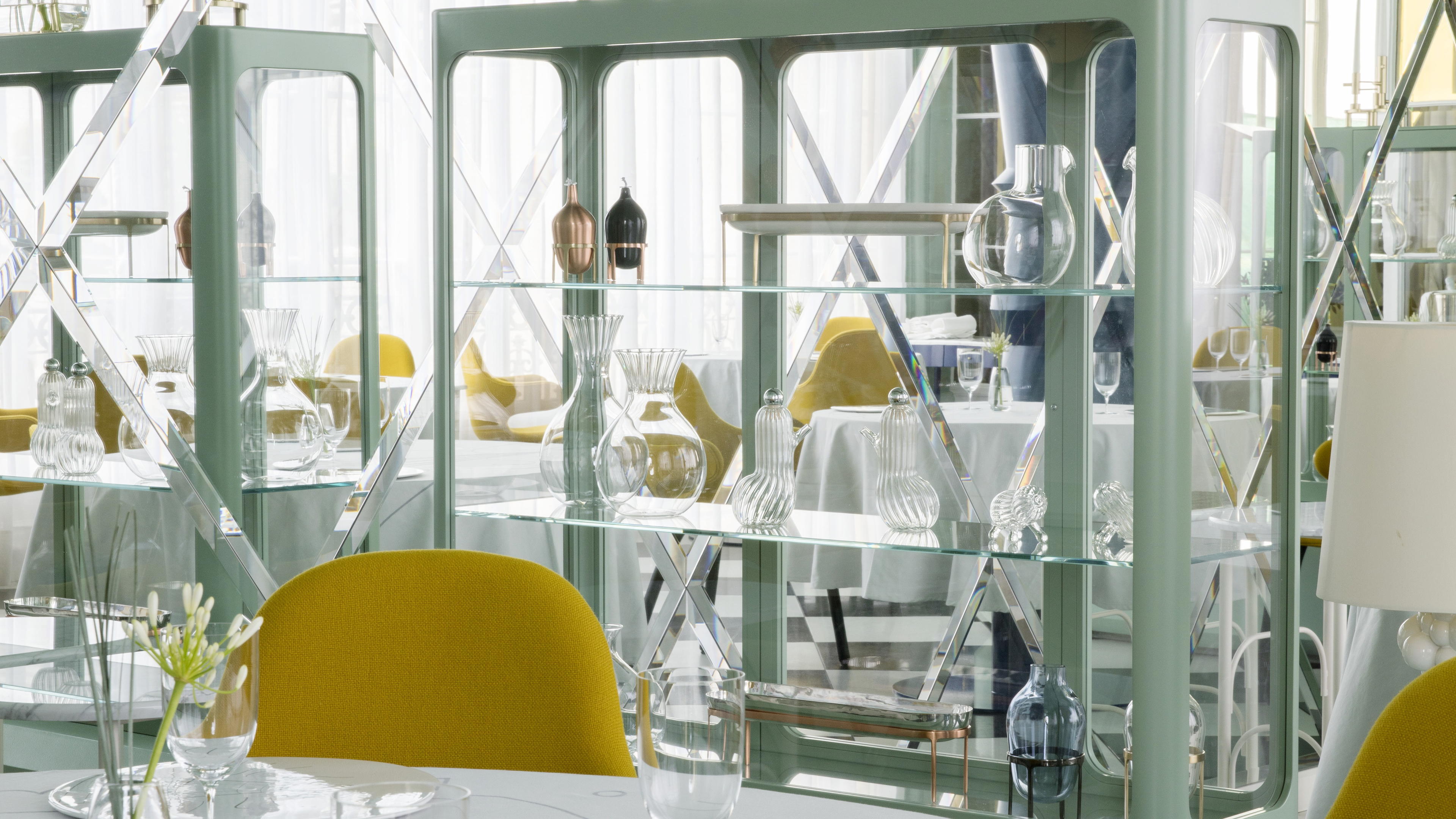
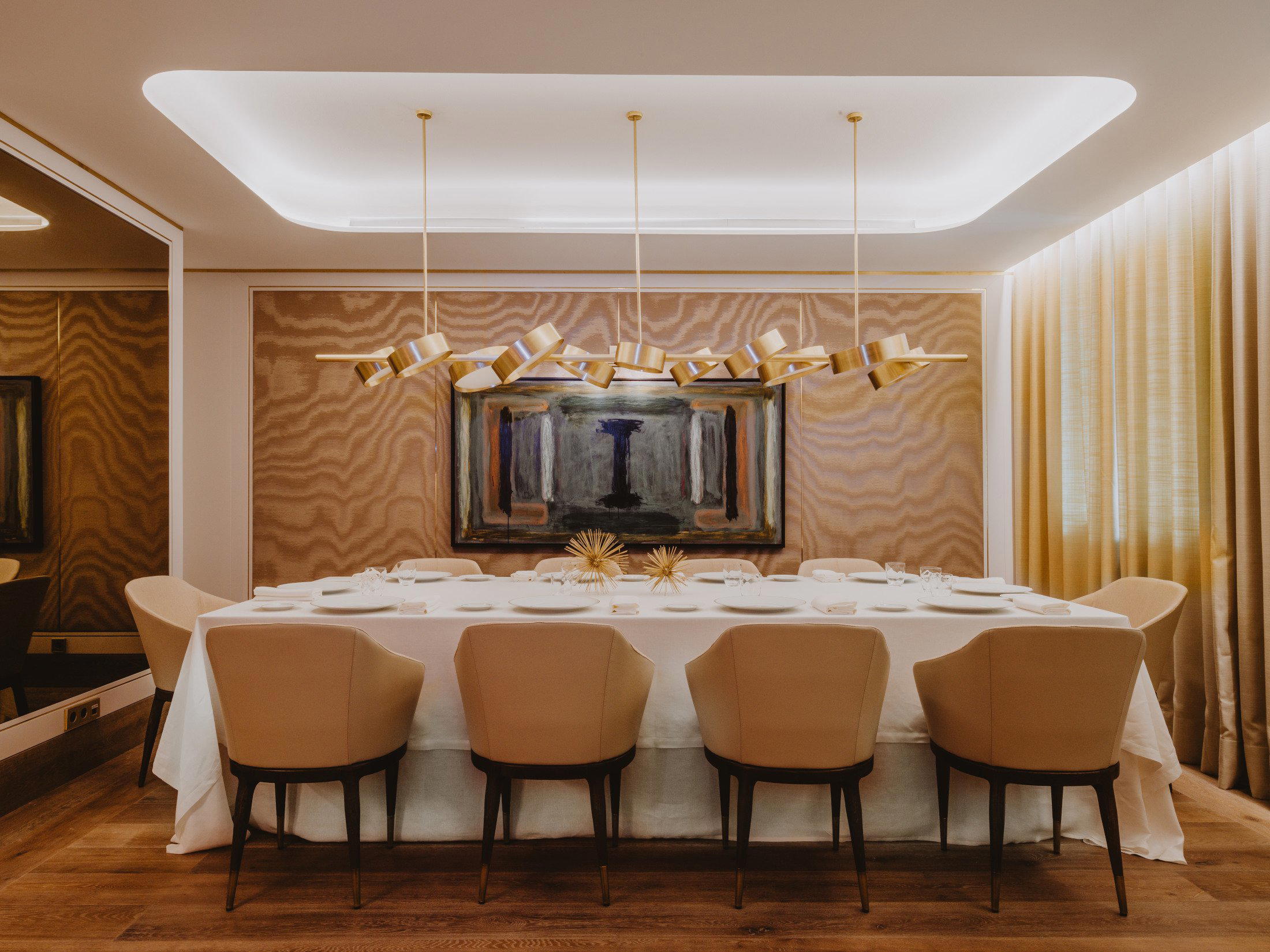
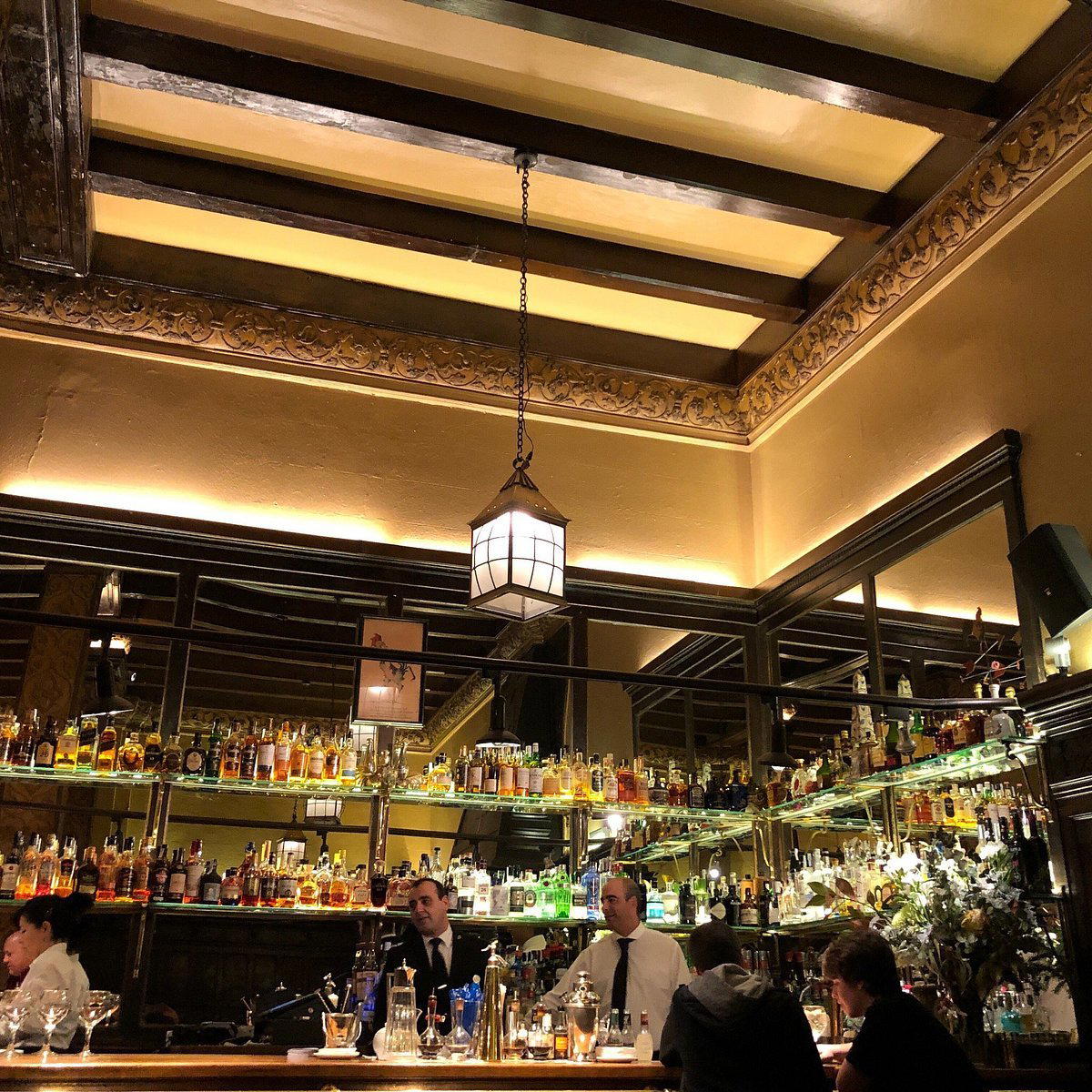
Elegant avant-garde space with colorful, airy design, geometric shapes, intriguing chandeliers, and playful art in a high-ceilinged room atop a 19th-century building.