Aponiente








Aponiente is El Puerto de Santa María's defining progressive seafood table, built around Ángel León's research-led view of the sea as pantry, laboratory, and ecological argument. Its Michelin 3 Stars, 3 Repsol Soles for 2026, La Liste scores, and World's 50 Best Restaurants placements put it in Spain's rare tier of destination restaurants where marine sourcing is the thesis, not a garnish.
Pearl is the En Primeur Club membership app — saves, bookings, and concierge access live there. Same editors, same standards.
- Address
- C. Francisco Cossi Ochoa, s/n, 11500 El Puerto de Sta María, Cádiz, Spain
- Phone
- +34 606 22 58 59
- Website
- aponiente.com
- Directions
- Get directions
 Saves & bookings on Pearl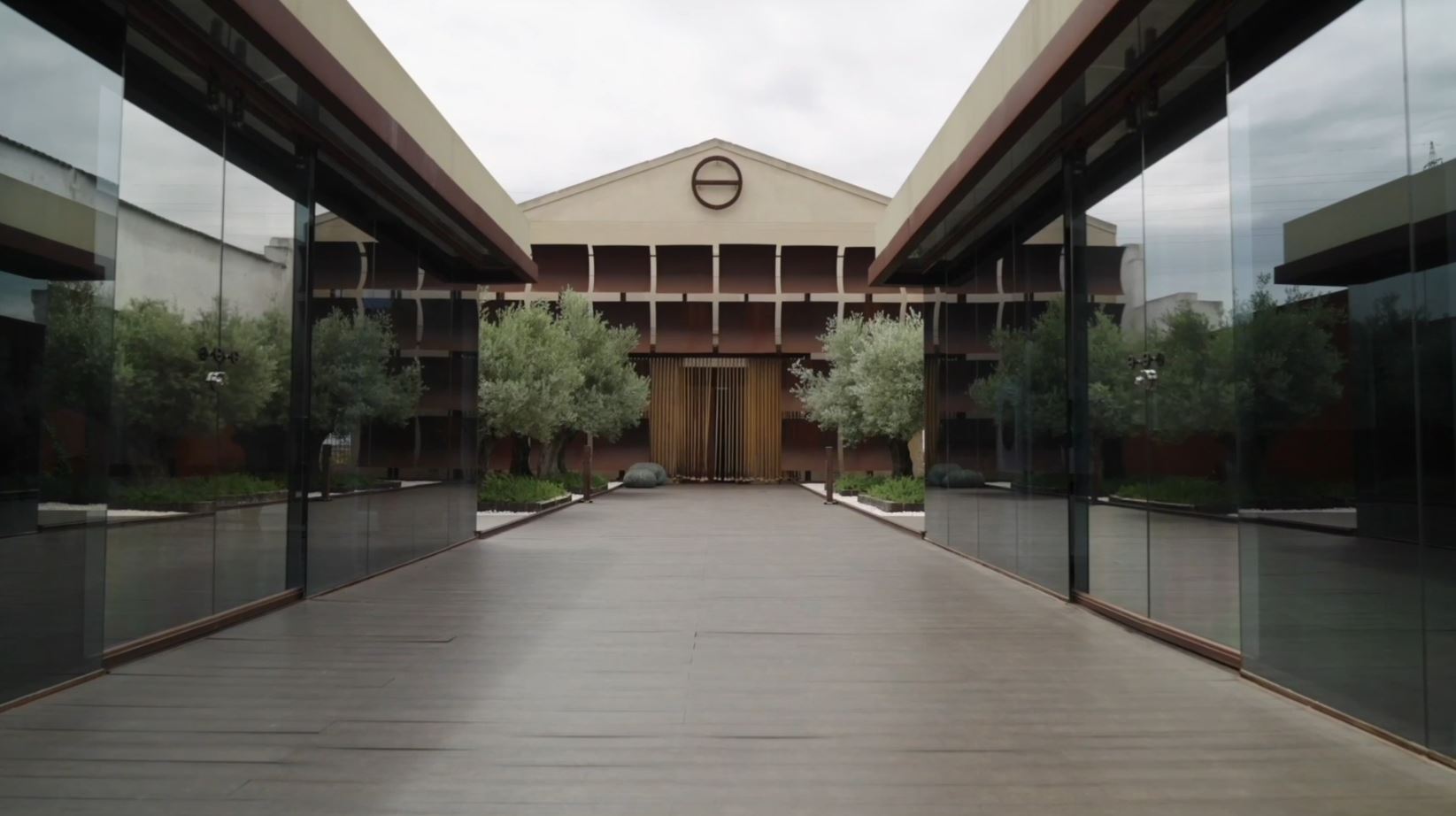
Aponiente is a premium restaurant in El Puerto de Santa María from Ángel León. Its verified listing places it in the Progressive - Seafood, Creative category, with a €€€€ price level and a smart-casual dress code.
Specific claims about menu format, individual dishes, awards, rankings, service style, sourcing, address, or building setting should be checked directly with the restaurant before booking.
Progressive seafood defines the restaurant's verified profile
For diners, that means the appeal is likely strongest for those specifically looking for an ambitious seafood-led meal rather than a casual local stop.
Ángel León is the verified chef/owner associated with Aponiente. Those details may be important to some diners, but they should be confirmed through current official restaurant channels before being treated as part of the booking decision.
The practical profile is clear: Aponiente is expensive, seafood-focused, and smart casual. It is open Wednesday through Saturday from 9 am to 11:30 pm, and closed Monday, Tuesday, and Sunday.
El Puerto de Santa María gives the cooking a sharper frame
Within El Puerto de Santa María, Aponiente stands out as a high-end progressive seafood restaurant. The city context matters because the venue is not being framed here as a generic luxury dining room; its verified cuisine places seafood at the center of the experience.
For comparison planning, other dining in El Puerto de Santa María can be considered generically alongside Aponiente, especially if you want to balance one expensive destination meal with simpler meals elsewhere in the city.
Across the wider regional dining landscape, Código de Barra, Mantúa, LÚ Cocina y Alma, Alevante, and Tribeca can be useful reference points for travelers comparing high-end or seafood-oriented dining options. Aponiente sits most clearly in the Progressive - Seafood, Creative category, while each of those venues should be assessed on its own current listing and location rather than treated as interchangeable with El Puerto de Santa María dining.
How to place Aponiente within a wider Spain itinerary
Aponiente suits a Spain itinerary built around destination dining, especially for travelers who want a seafood-focused restaurant in El Puerto de Santa María. Its €€€€ price category makes it a special-occasion booking for many guests, so it is worth planning around confirmed opening days and the restaurant's current reservation policy.
If you are building a broader route, compare Aponiente with other named destinations such as Alevante, Código de Barra, LÚ Cocina y Alma, Mantúa, and Tribeca by cuisine, location, price level, and availability. Aponiente's verified identity is direct: Ángel León, Progressive - Seafood, Creative cuisine, El Puerto de Santa María, €€€€, and smart casual dress.
The restaurant also sorts diners by expectation. Those looking for a relaxed, casual meal may prefer other local options, while those seeking a premium seafood-led experience may find Aponiente more aligned with the occasion.
For local planning beyond the meal, use El Puerto de Santa María as the anchor and check current restaurant, hotel, bar, winery, and experience information separately. Aponiente's confirmed role in that plan is as a high-end Progressive - Seafood, Creative restaurant from Ángel León in El Puerto de Santa María.
Fast Comparison
Comparable venues by cuisine and price in the same metro.
| Venue | Cuisine | Price |
|---|---|---|
| AponienteThis venue — the venue you are viewing | Progressive - Seafood, Creative | €€€€ |
| Código de Barra | Modern Cuisine | €€€€ |
| Mantúa | Contemporary Spanish, Modern Cuisine | €€€€ |
| LÚ Cocina y Alma | Modern Spanish - French, Modern Cuisine | €€€€ |
| Alevante | Progressive Seafood | €€€€ |
| Tribeca | Seafood | €€€€ |
Recognition history
Dated appearances from independent guides and award organizations, with the underlying list record or original source where available.
Guía Repsol 3 Soles
Guía Repsol
La Liste Top Restaurants
La Liste
Macarfi 9.3 Food Rating
Macarfi
Michelin 3 Stars
Michelin
Opinionated About Dining Top Restaurants in Europe Ranked #62
Opinionated About Dining
Chef's Table Featured on Chef's Table
Chef's Table
La Liste Top Restaurants
La Liste
Michelin 3 Stars
Michelin
Opinionated About Dining Top Restaurants in Europe Ranked #63
Opinionated About Dining
The Best Chef Three Knives
The Best Chef
World's 50 Best Best Restaurants #84
World's 50 Best
Michelin 3 Stars
Michelin
Opinionated About Dining Top Restaurants in Europe Ranked #69
Opinionated About Dining
World's 50 Best Best Restaurants #72
World's 50 Best
Opinionated About Dining Top New Restaurants in Europe Ranked #57
Opinionated About Dining
World's 50 Best Best Restaurants #64
World's 50 Best
Continue exploring
More in El Puerto de Santa María
Restaurants in El Puerto de Santa María
Browse all →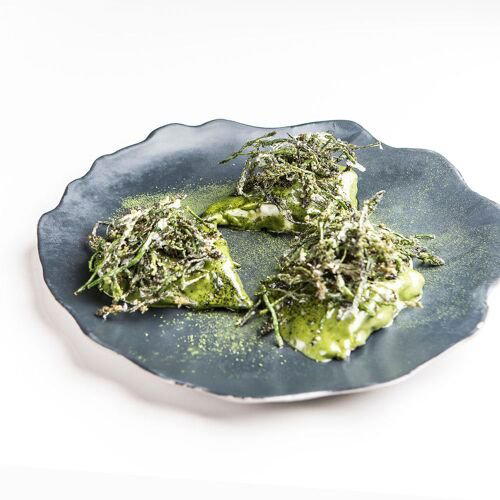
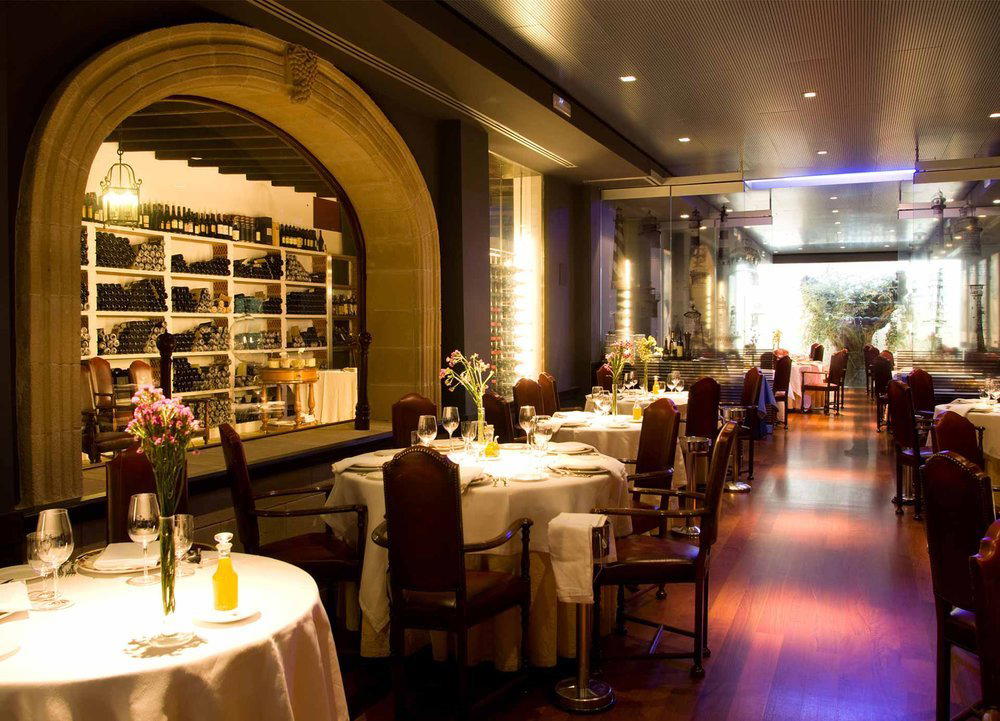
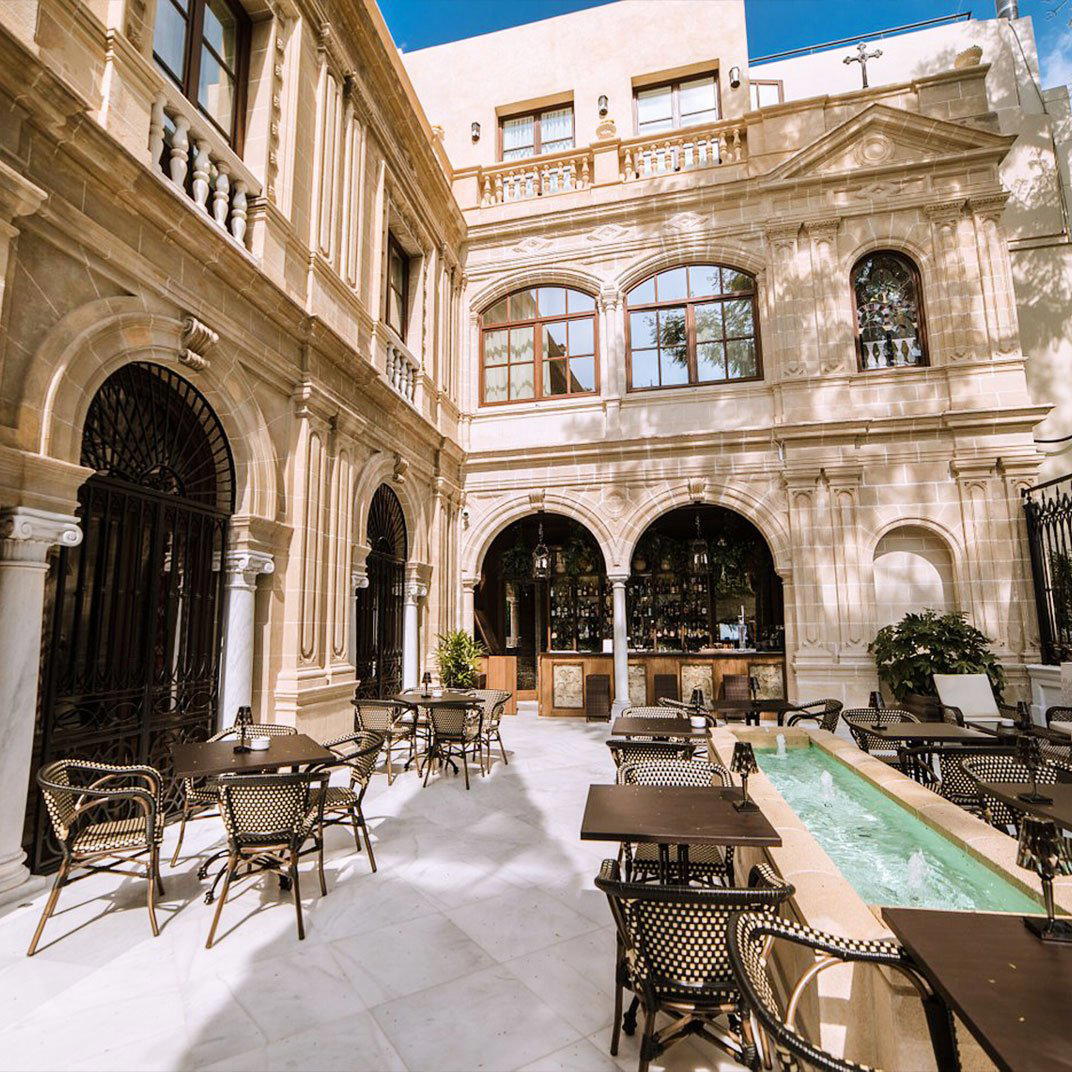
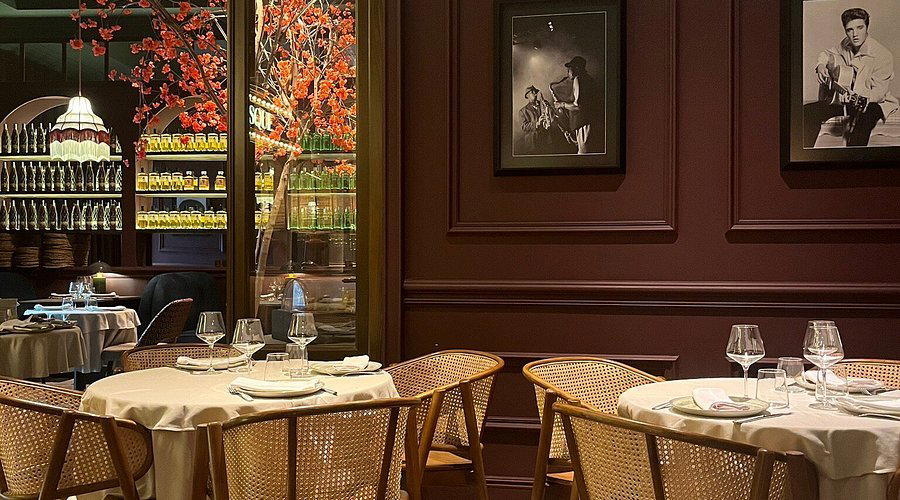
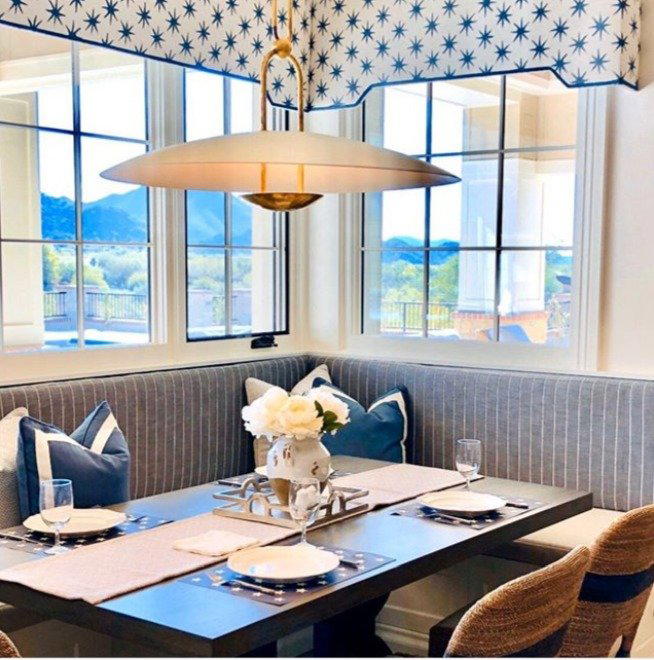
Bars in El Puerto de Santa María
Browse all →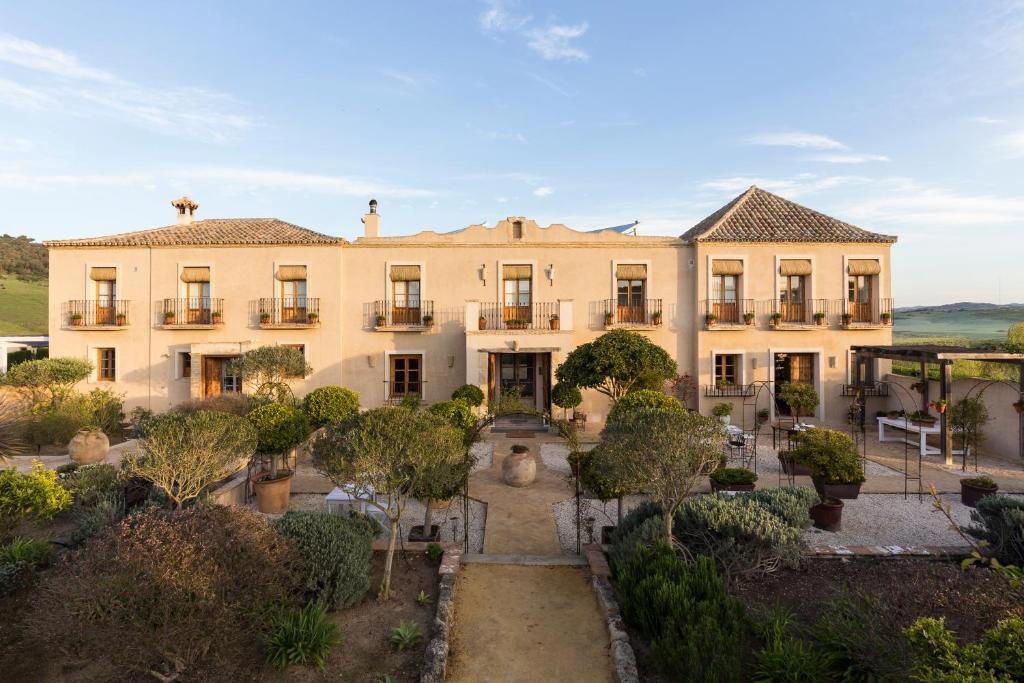
Hotels in El Puerto de Santa María
Browse all →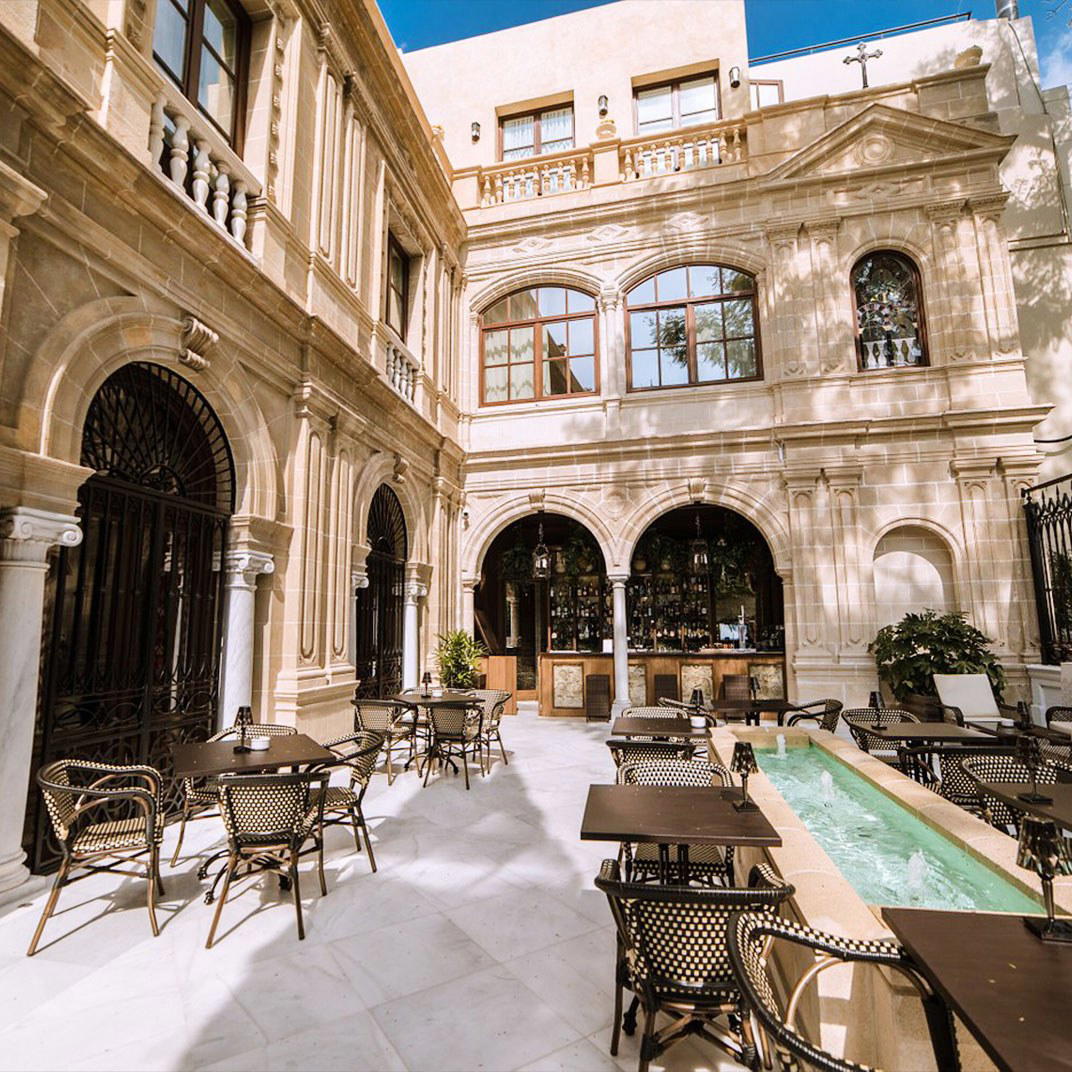
At a Glance
- Elegant
- Sophisticated
- Intimate
- Scenic
- Special Occasion
- Date Night
- Celebration
- Historic Building
- Open Kitchen
- Extensive Wine List
- Sommelier Led
- Sustainable Seafood
- Local Sourcing
- Waterfront
Pleasant, friendly, almost family atmosphere in an elegant historic mill with beautiful mood lighting and thoughtful design.
Know Before You Go
- Reservations
- Essential
- Dress code
- Smart casual
- Getting there
- C. Francisco Cossi Ochoa, s/n, 11500 El Puerto de Sta María, Cádiz, Spain